Why Is My Yorkie Growling
It can be incredibly unsettling and, let's be honest, a little confusing when your adorable, pint-sized Yorkshire Terrier suddenly unleashes a fierce growl. Many Yorkie parents feel caught off guard, wondering why their sweet companion is exhibiting such an intense behavior. This comprehensive guide is here to unravel the mysteries behind your Yorkie's growling, helping you understand its root causes and providing actionable strategies to address it effectively, ensuring a happier, safer home for everyone.
Understanding Yorkie Growls: More Than Just Aggression
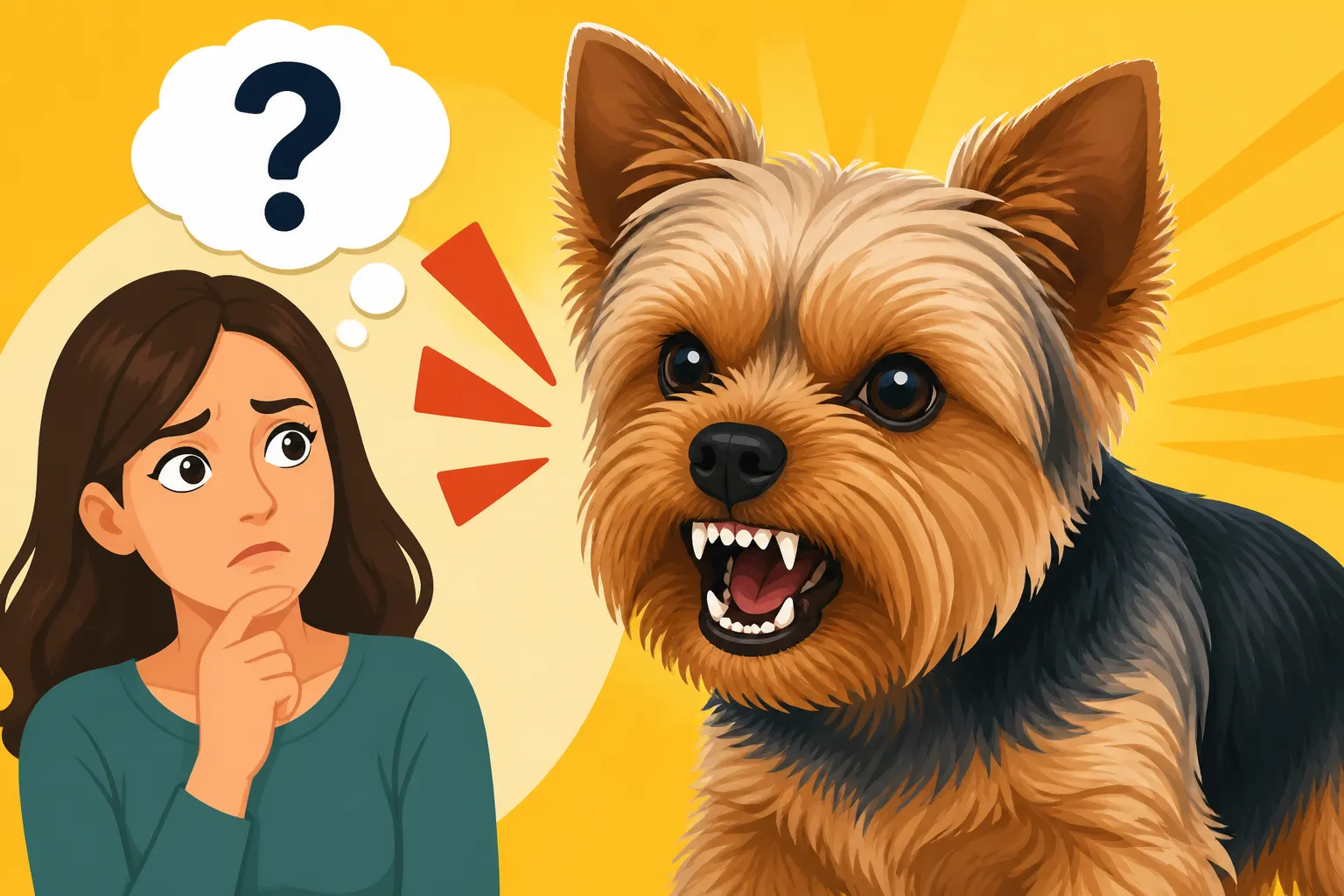
When your Yorkie growls, it's easy to jump to conclusions, often thinking of aggression. While aggression can certainly be a component, a growl is first and foremost a form of communication. It's your dog's way of saying, "Hey, I'm uncomfortable," "I need space," or even "This is fun!" Ignoring or punishing a growl can be detrimental, as it might suppress the warning signal without addressing the underlying issue, potentially leading to a sudden bite down the line without any prior notice. We need to listen to what our little companions are trying to tell us.
The Nuances of Yorkie Communication
Just like humans have different tones in their voice, dogs have varying growls, each carrying a slightly different message. It’s not a one-size-fits-all sound. A low, rumbling growl usually indicates a serious warning, often accompanied by stiff body language. This is a clear "back off" signal. On the other hand, a higher-pitched, more playful growl, often heard during a game of tug-of-war or wrestling, is usually harmless and part of their joy. It's crucial to learn to distinguish these types to respond appropriately.
There are growls born of fear, where your Yorkie might be trying to make themselves seem bigger or more intimidating to ward off a perceived threat. These are often accompanied by tucked tails, flattened ears, or attempts to retreat. Then there are growls stemming from pain, which might be subtle and only occur when a specific area of their body is touched. Understanding these subtle differences is the first step toward becoming a truly empathetic and effective Yorkie parent.
Why Small Dogs Often Growl More
It’s a common observation that smaller breeds, including our beloved Yorkies, sometimes seem to growl more than their larger counterparts. This isn't necessarily because they're inherently more aggressive. Often, it's a byproduct of how humans interact with them. Many small dogs are prone to what's often termed "small dog syndrome," where they compensate for their diminutive size by being more vocal or seemingly bolder.
Because they are small, some owners tend to coddle them more, pick them up frequently when uncomfortable, or allow behaviors they wouldn't tolerate from a larger dog. This inadvertently teaches the Yorkie that growling or barking is an effective way to get what they want or to make perceived threats go away. Furthermore, being low to the ground, they might feel more vulnerable to large humans or other dogs, leading them to use growling as a primary defensive mechanism. It’s a survival instinct, really, to try and hold their ground when they feel overwhelmed.
Common Reasons Your Yorkie Might Be Growling
Unpacking the "why" behind your Yorkie's growl is paramount. It's rarely without cause, and pinpointing the trigger is the key to finding a solution. These little dogs are complex beings, and their growls can stem from a variety of situations, both external and internal.
Fear and Anxiety
Fear and anxiety are incredibly common culprits behind growling in Yorkies. Imagine being tiny in a world full of giants – it can be overwhelming! Your Yorkie might growl at strangers approaching too quickly, at loud noises like thunder or fireworks, or even at other dogs, especially larger ones, that they perceive as a threat. Their small stature often makes them feel vulnerable, leading to a defensive "pre-emptive strike" in the form of a growl.
You might notice their body language tensing up, ears flattening, tail tucked between their legs, or even attempts to hide behind your legs. These are all clear indicators that their growl is rooted in fear. For instance, if your Yorkie growls every time the mail carrier comes to the door, it’s likely not an act of aggression but rather a frantic attempt to ward off the perceived intruder. Addressing this often involves careful desensitization and building positive associations, sometimes with the help of strategies outlined in articles like Yorkshire Terrier Separation Anxiety Solutions.
Resource Guarding
Resource guarding is another significant reason for growling. This occurs when your Yorkie feels the need to protect something they deem valuable, be it their food bowl, a favorite toy, a cozy bed, a prime spot on the sofa, or even their human. It's an instinctive behavior, a throwback to their wild ancestors needing to protect their sustenance.
A classic scenario might be your Yorkie growling if you reach for their food bowl while they're eating, or if another pet approaches their cherished bone. They might stiffen, lower their head over the item, or even give a quick snap. This isn't about being "mean"; it's about feeling threatened that their valuable possession might be taken away. Understanding how to manage and prevent resource guarding through appropriate training and management techniques is crucial for a harmonious household.
Pain or Discomfort
One of the most overlooked reasons for a dog's growl is pain or discomfort. Unlike humans, dogs can't tell us directly where it hurts, so a growl can be a clear signal that something is physically amiss. Given their delicate structure, Yorkies are prone to certain health issues, and a sudden onset of growling, especially when touched or moved, should always raise a red flag.
If your Yorkie starts growling unexpectedly, particularly when you try to pick them up, pet a certain area, or if they seem reluctant to move, it's vital to consider a medical cause. Conditions like patellar luxation, dental pain, or even a simple stomach ache can manifest as growling. For a deeper dive into common health concerns, our guide on Yorkshire Terrier Health Problems to Know can offer valuable insights. Never dismiss a pain-related growl; it’s a cry for help. A visit to your veterinarian is the first step to rule out any underlying medical conditions, as discussed in Signs Your Yorkshire Terrier Is Sick.
Play and Excitement
Not all growls are warnings! Sometimes, a growl is simply part of exuberant play. When Yorkies wrestle with toys, engage in a spirited game of tug-of-war, or roughhouse with a trusted playmate, you might hear plenty of growls. These are usually accompanied by loose, wiggly body language, a wagging tail, and playful nips rather than hard bites.
Distinguishing a playful growl from a serious one is about context and body language. A play growl often sounds lighter, more guttural, and less intense. The dog’s overall demeanor will be relaxed, and they'll likely invite more play. If you're unsure, try to interrupt the play. If your Yorkie immediately bounces back, eager for more, it’s likely just play. If they become stiff, guard the toy, or retreat, then it leans more towards a warning or resource guarding.
Decoding Your Yorkie's Body Language
Since growls are a form of communication, they are rarely isolated events. Your Yorkie's entire body will be sending signals that either reinforce or clarify the growl's meaning. Learning to "read" these cues is essential for understanding your dog and responding appropriately.
Head-to-Tail Signals
Every part of your Yorkie’s body contributes to their message. Their ears, for instance, might be pinned back against their head if fearful, or perked forward with curiosity. A low, slow tail wag might indicate caution, while a high, stiff tail signifies arousal or dominance. A tucked tail is a universal sign of fear or submission. Pay attention to their eyes: dilated pupils, a hard stare, or showing the whites of their eyes can all signal distress or a warning.
Their mouth can tell you a lot too. A closed mouth, possibly with lips pulled back to show teeth, is a clear warning. Yawning or lip licking outside of typical contexts can be signs of stress. Even their fur can speak volumes – piloerection (when their hackles raise along their spine) indicates arousal, fear, or excitement. When you combine these visual cues with the sound of the growl, you get a much clearer picture of your Yorkie's emotional state. A stiff body posture, often leaning forward or tensing, almost always accompanies a serious warning growl.
Context Is Key
Understanding your Yorkie's body language is only half the battle; the other half is understanding the context in which the growl occurs. Where are you? Who else is present? What just happened? These factors heavily influence the interpretation of a growl. For example, a growl heard during a vigorous game of fetch is likely very different from a growl heard when a child reaches into their crate.
Consider the environment: Is it a busy park with many unknown dogs and people, or is it the quiet comfort of your home? Are there any valuable resources nearby that your Yorkie might be guarding? Observe the interaction leading up to the growl. Did someone invade their space, reach for their food, or startle them? The surrounding circumstances provide the missing pieces of the puzzle, allowing you to correctly interpret their communication and understand the underlying motivation for their Why Is My Yorkie Growling.
Practical Strategies to Address Growling Behavior
Once you've identified why your Yorkie is growling, you can start implementing strategies to help them feel safer, more secure, and less inclined to growl. This isn't about silencing them but about addressing the root cause of their discomfort or perceived threat.
Managing Fear and Anxiety
If fear or anxiety is the primary driver of your Yorkie's growling, your goal is to change their emotional response to the trigger. This involves a combination of desensitization and counter-conditioning. Desensitization means gradually exposing them to the trigger at a low intensity where they don't react, slowly increasing the intensity over time. Counter-conditioning pairs the trigger with something positive, like high-value treats or praise, to change their association.
For example, if your Yorkie growls at strangers, start with a trusted friend standing far away, giving treats when your Yorkie is calm. Slowly decrease the distance over many sessions. Creating a safe space for them, like a crate with a blanket from Amazon, where they can retreat when overwhelmed, can also be incredibly beneficial. Structured training programs, like those offered by BAXTER & Bella, often provide excellent guidance on managing fear-based behaviors through positive reinforcement techniques. This kind of consistent, patient work can really help your Yorkie build confidence. For more general behavior solutions, check out Yorkshire Terrier Behavior Problems and Solutions.
Preventing Resource Guarding
Resource guarding can be safely managed and often improved with consistent training. The key is to teach your Yorkie that human presence around their valued items leads to even better things, not loss. If your Yorkie growls over their food bowl, approach slowly, toss a high-value treat near the bowl, and then walk away. Repeat this often. This teaches them that your approach means goodies, not removal.
You can also practice the "trade-up" game. Offer a higher-value treat in exchange for the item they are guarding. Once they take the treat, remove the original item, then return it to them. This teaches them that giving something up leads to a reward, and they'll get their item back. Teaching a strong "leave it" command is also invaluable. If they learn to relinquish an item on command, it strengthens your bond and reduces the likelihood of growling when you need to take something away for their safety.
Addressing Pain
As mentioned earlier, if you suspect pain is causing your Yorkie to growl, a veterinary visit is non-negotiable. Don't try to diagnose or treat it yourself. Your vet will perform a thorough examination, which might include X-rays or other diagnostics, to pinpoint the source of discomfort. If a medical condition like dental disease, arthritis, or a back injury is discovered, your vet will recommend appropriate treatment, which could range from pain medication to surgery.
Once the pain is managed, you’ll often find the growling behavior subsides significantly. For example, if your Yorkie has untreated dental pain, they might growl when their face is touched. Once their Yorkshire Terrier Dental Disease: Signs and Care is addressed, that growl might disappear. It's truly amazing how much a dog’s behavior can improve once their physical discomfort is alleviated. Always follow your vet's advice and don't hesitate to seek a second opinion if you're still concerned, especially when considering When to Take Your Yorkie to the Vet.
Training and Socialization
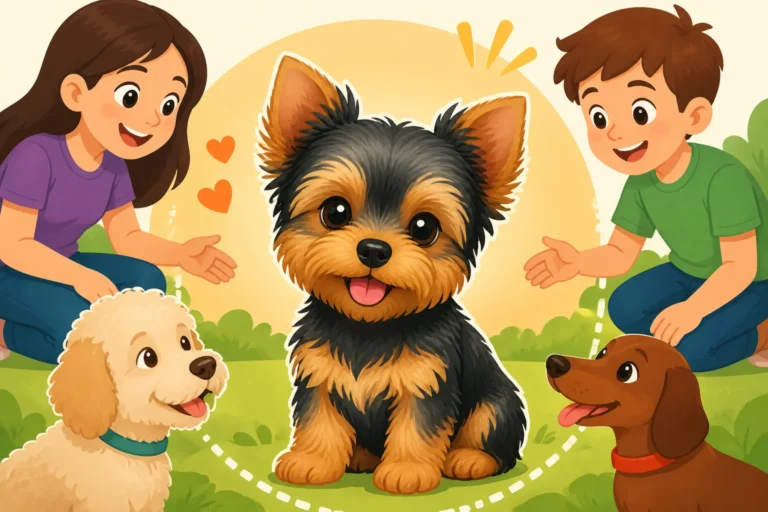
Proper training and socialization from an early age can significantly reduce the likelihood of problematic growling behaviors. A well-socialized Yorkie is more confident and less likely to feel threatened by new experiences, people, or other dogs. Expose your Yorkie puppy to a variety of sights, sounds, people, and friendly, vaccinated dogs in a positive and controlled manner. For young puppies, following a Yorkshire Terrier Puppy Training Schedule and focusing on How to Socialize a Yorkie Puppy are critical steps.
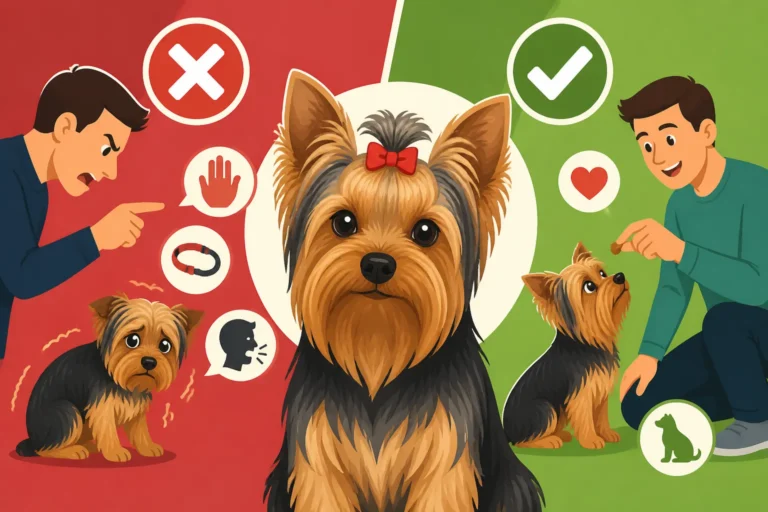
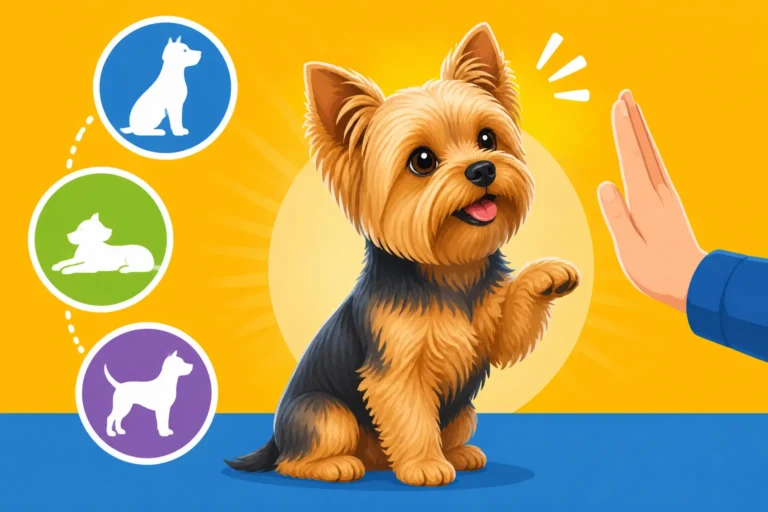
Positive reinforcement training is the most effective approach for Yorkies. This means rewarding desired behaviors with treats, praise, or toys, rather than punishing unwanted ones. Commands like "sit," "stay," and "come" build a foundation of obedience and trust. For example, if your Yorkie tends to growl at strangers, teaching them to "sit" politely for a treat when someone approaches can redirect their focus and create a positive association. Investing in a structured training program, perhaps even online, can provide you with the tools and guidance you need.
When to Seek Professional Help
Sometimes, despite your best efforts, growling behavior can persist or even escalate. This isn't a sign of failure on your part, but rather an indication that you need specialized assistance. Knowing when to call in the experts is a crucial part of responsible pet ownership.
Identifying Red Flags
There are definite red flags that indicate a need for professional intervention. If your Yorkie's growling is accompanied by snapping or biting, or if they have injured you or another animal, it's an emergency. Sudden, unexplained changes in behavior, particularly an increase in growling or aggression, also warrant immediate attention. If the growling is constant, uncontrollable, or if you feel unsafe around your own dog, it’s time to seek expert help.
Other concerning signs include growling that seems to come out of nowhere without any obvious trigger, or if your Yorkie is exhibiting multiple forms of aggression (e.g., resource guarding and fear aggression). These situations require a deep understanding of canine behavior that goes beyond what most owners can achieve on their own. Our guide on Yorkie Emergency Symptoms to Never Ignore can offer more insights into critical signs.
Finding a Qualified Professional
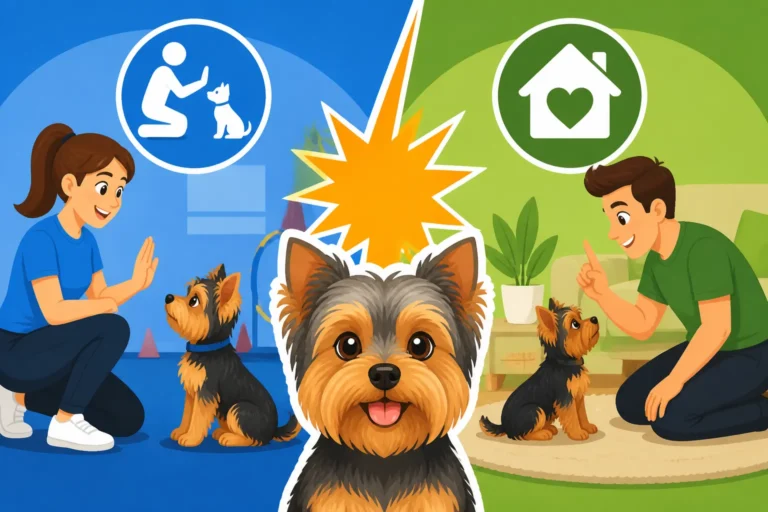
When you decide to seek professional help, it’s important to find a qualified expert. Look for certified professional dog trainers (CPDT-KA), veterinary behaviorists (DACVB), or certified applied animal behaviorists (CAAB). Avoid trainers who use harsh, outdated, or punishment-based methods, as these can exacerbate fear and aggression in a small, sensitive breed like a Yorkie.
A good professional will assess your Yorkie in their home environment, ask detailed questions about the growling incidents, and create a customized behavior modification plan. They will work with you to understand the underlying causes and teach you how to implement positive, humane training techniques. A vet behaviorist, in particular, can also consider medication if anxiety or fear is severe, often in conjunction with behavior modification. For a comprehensive overview of how to train your Yorkie, consider resources like How to Train a Yorkshire Terrier.
Creating a Safe and Predictable Environment
A stable, predictable environment can significantly reduce stress and anxiety in Yorkies, thereby minimizing growling stemming from fear or uncertainty. Consistency is key in helping your little companion feel secure.
Establishing Clear Boundaries
Yorkies thrive on routine and clear expectations. While it might be tempting to let your tiny dog get away with more, a lack of boundaries can actually increase their anxiety. They need to understand what's expected of them. Establish consistent rules regarding everything from where they sleep to when and where they relieve themselves. For example, if the couch is off-limits when guests are over, be consistent with that rule.
Use positive reinforcement to reward good behavior. If your Yorkie understands the rules, they are less likely to feel the need to growl out of frustration or confusion. This also means being consistent across all family members. Everyone in the household should be on the same page regarding rules and training commands. This provides a sense of security and reduces the likelihood of unexpected reactions.
Providing Enrichment and Exercise
A bored or under-exercised Yorkie is more prone to behavioral issues, including growling. Despite their small size, Yorkies are intelligent and energetic terriers. They need both physical and mental stimulation to be happy and well-adjusted. Daily walks, even short ones, are essential for physical exercise and mental engagement through sniffing new scents.
Puzzle toys, chew toys, and interactive games can provide crucial mental enrichment, preventing boredom and destructive behaviors. Teaching them new tricks also exercises their minds. A tired dog is often a well-behaved dog. Think about daily activities that engage their terrier instincts in appropriate ways. You might find some excellent ideas by looking into Yorkshire Terrier Exercise Needs.
Tools and Products for Support
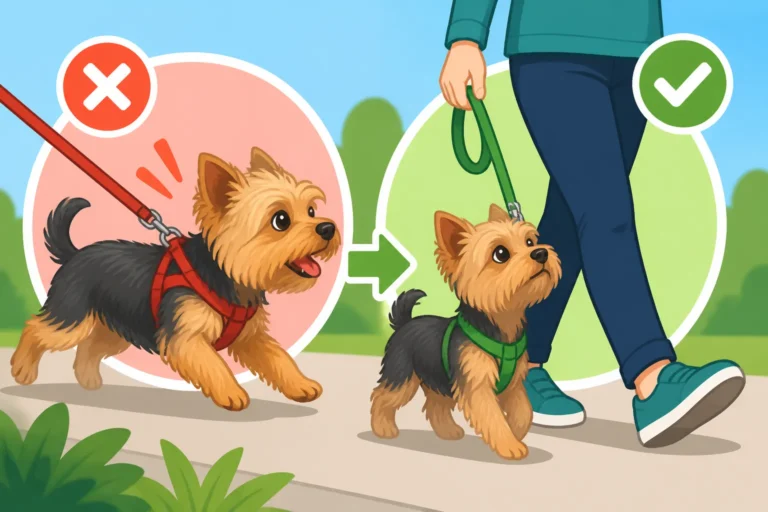
Sometimes, the right tools can make a big difference in managing growling behavior and creating a more comfortable environment for your Yorkie. For example, a well-fitting harness, rather than a collar, can prevent tracheal damage in Yorkies and offer better control without causing discomfort that might lead to growling on walks. You can find a wide variety of comfortable and safe harnesses on Amazon, often with adjustable straps to ensure a snug fit for their tiny bodies. For guidance on choosing the right one, consider reading about the Best Harness for a Yorkshire Terrier.
Calming pheromone diffusers or sprays, also available on Amazon or through pet supply stores, can help reduce anxiety in some dogs, creating a more serene atmosphere. High-quality chew toys can provide an outlet for stress or boredom. For dogs prone to resource guarding, feeding meals in a quiet, undisturbed area using a slow feeder bowl can help prevent anxiety around food. Always introduce new tools gradually and positively.
Growling Cues and Interpretation Table
To help you quickly assess your Yorkie's growl, here's a table summarizing common growl types and their accompanying body language:
| Growl Type | Common Context | Body Language Cues | Interpretation |
|---|---|---|---|
| Warning Growl | Approaching valued item, unwanted touch, invasion of space, perceived threat | Stiff body, direct stare, ears forward/back, tail low/stiff, lips curled (showing teeth), piloerection (hackles up) | "Back off! I'm uncomfortable/threatened and will defend myself." |
| Fear Growl | Strangers, loud noises, new environments, perceived threat they can't escape | Tucked tail, flattened ears, trembling, avoidance of eye contact, trying to hide, sometimes submissive urination | "I'm scared and trying to make you go away. I might react if pushed." |
| Play Growl | Tug-of-war, wrestling with toys/dogs | Loose, bouncy body, wagging tail, playful nips, "play bow" stance, open mouth | "This is fun! I'm enjoying myself and want to play more." |
| Pain Growl | Being touched in a specific area, movement of a painful limb | Guarding a body part, wincing, reluctance to move, hunched posture, sensitivity to touch. May be sudden. | "Ouch! That hurts, stop touching me there." |
| Frustration Growl | Unable to reach a toy, confined space, desired attention not given | Restless, whining, pacing, may escalate to barking if ignored | "I want something and I'm frustrated I can't have it/do it." |
Disclaimer
The information provided in this article is for general educational purposes only and is not intended to be a substitute for professional veterinary advice, diagnosis, or treatment. Always seek the advice of your veterinarian or other qualified pet health provider with any questions you may have regarding a medical condition or behavioral issue. Never disregard professional veterinary advice or delay in seeking it because of something you have read in this article.