Yorkshire Terrier Health Problems to Know
Bringing a Yorkshire Terrier into your life is an absolute joy, a whirlwind of tiny paws and a huge personality packed into a small frame. But let's be honest, alongside all that love and excitement, there's a nagging worry for any devoted Yorkie parent: their health. These little bundles of energy are unfortunately prone to a specific set of health challenges that can feel overwhelming and even heartbreaking to navigate. This comprehensive guide is here to shed light on the most common Yorkshire Terrier health problems, empowering you with the knowledge to recognize signs, understand causes, and work proactively with your vet to keep your beloved companion thriving.
Understanding the Yorkshire Terrier's Unique Physiology
Yorkshire Terriers are magnificent little dogs, but their compact size and specific breed characteristics mean they face a different set of health considerations compared to larger breeds. It's not about them being "weaker," but rather that their delicate systems and genetic makeup predispose them to certain conditions. Being aware of these unique aspects is the first step in providing the best possible care.
Why Small Breeds Have Unique Health Challenges
It might seem unfair, but the very traits that make Yorkies so adorable—their tiny stature, fine bones, and often delicate internal organs—can also make them more susceptible to particular health issues. Think about a small child versus an adult; they simply don't have the same resilience or physical makeup. For instance, their small mouths are often crowded, leading to dental problems that larger breeds might not experience to the same severe degree. Their tiny airways can be more prone to collapse, and their delicate bones are more susceptible to injury or displacement.
Beyond the physical, small breeds also tend to have faster metabolisms. This means they burn through energy quickly and can be prone to sudden drops in blood sugar, a condition known as hypoglycemia. Their nervous systems can also be more sensitive. Understanding these foundational differences helps us approach their health with the specific attention and care they require. It's not just a small dog; it's a dog with small-dog physiology.
Common Genetic Predispositions
Unfortunately, selective breeding for specific traits, especially size, has inadvertently concentrated certain genetic predispositions within the Yorkshire Terrier breed. Many of the health issues we'll discuss aren't random occurrences but are often linked to their genetic heritage. For example, conditions like patellar luxation and portosystemic shunt are seen with a higher frequency in Yorkies than in many other breeds.
Knowing these genetic tendencies isn't about blaming the breed, but about being informed. When you bring a Yorkie into your home, you're also taking on the responsibility to be vigilant for these inherited conditions. This is why choosing a reputable breeder who screens their breeding stock is absolutely crucial, as it can significantly reduce the risk of your puppy developing some of these debilitating conditions. Early detection through regular veterinary check-ups, even if your Yorkie seems perfectly healthy, can also play a pivotal role in managing or mitigating the impact of these genetic health concerns. You can learn more about these specific predispositions in our guide on Common Yorkshire Terrier Genetic Conditions.
Orthopedic Concerns in Yorkies
When you watch your Yorkie darting around with such boundless energy, it’s easy to forget how delicate their little bones and joints can be. Unfortunately, orthopedic issues are incredibly common in the breed, often causing pain and mobility problems if not addressed. These aren't just minor aches; they can significantly impact your dog's quality of life.
Patellar Luxation: The Slipping Kneecap
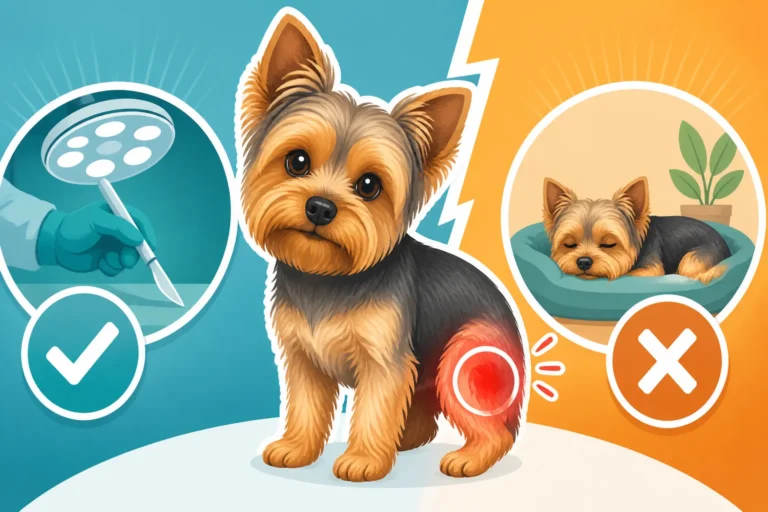
This is probably one of the most well-known orthopedic issues in small breeds, and Yorkies are definitely on the list of those frequently affected. Patellar luxation simply means the kneecap (patella) slips out of its normal groove in the thigh bone (femur). It can pop out either to the inside (medial luxation, most common) or the outside (lateral luxation) of the leg. It's almost like a child's knee popping out of place.
When a Yorkie experiences patellar luxation, you might notice a sudden skip in their step, a brief moment where they hold up a back leg, or an intermittent limp. Sometimes they might even yelp in pain. The severity is graded from 1 (mild, rarely slips out) to 4 (severe, permanently dislocated). While some mild cases might only require pain management and joint supplements, more severe or persistent cases often require surgical correction to prevent further damage to the joint and alleviate chronic pain. It's heartbreaking to see your tiny friend suddenly unable to put weight on a leg, and understanding Yorkshire Terrier Patellar Luxation: Signs and Care is vital for any Yorkie owner.
Legg-Calve-Perthes Disease: Hip Joint Degeneration
While less common than patellar luxation, Legg-Calve-Perthes disease is another serious orthopedic condition seen in Yorkies, typically affecting puppies or young dogs between 6 and 12 months of age. This condition involves the spontaneous degeneration of the head of the femur (the ball part of the hip joint). Essentially, the blood supply to the femoral head is interrupted, causing the bone tissue to die and ultimately crumble. Imagine a ball joint that slowly starts to disintegrate from the inside out; it’s incredibly painful.
The signs usually begin with lameness in one of the hind legs, which gradually worsens. Your Yorkie might start to hold the affected leg up, show signs of pain when you touch the hip area, or experience muscle wasting in the affected leg. Early diagnosis is key, often through X-rays. Treatment almost always involves surgery to remove the affected femoral head, allowing a "false joint" to form. While this sounds drastic, it usually leads to good pain relief and improved mobility for the dog, allowing them to lead a much more comfortable life after recovery and rehabilitation.
Intervertebral Disc Disease IVDD: Spinal Woes
Though perhaps more famously associated with breeds like Dachshunds, Intervertebral Disc Disease (IVDD) can and does affect Yorkshire Terriers. This condition involves the discs between the vertebrae in the spine. These discs act as cushions, but in IVDD, they can bulge or rupture, pressing on the spinal cord. This pressure can range from causing mild pain and discomfort to severe neurological deficits, including paralysis.
A Yorkie with IVDD might show signs of pain, such as reluctance to jump, yelping when touched, or a hunched back. They might also develop weakness in their legs, an uncoordinated gait, or even an inability to move their legs or control their bladder and bowels. It can be incredibly frightening to witness. Diagnosis often requires advanced imaging like MRI. Treatment depends on the severity, ranging from strict crate rest and anti-inflammatory medications for milder cases to emergency surgery to relieve pressure on the spinal cord for more severe instances. Preventing unnecessary jumping and providing a supportive environment can help, but sometimes genetics simply play too strong a hand.
Respiratory Issues Common to Toy Breeds
The tiny stature of a Yorkshire Terrier, while enchanting, unfortunately comes with a predisposition to certain respiratory challenges. Their delicate airways are much more fragile than those of larger breeds, making them susceptible to conditions that can cause chronic coughing and even breathing difficulties.
Collapsing Trachea: The Characteristic Cough
One of the most common and often distressing respiratory issues in Yorkies is collapsing trachea. The trachea, or windpipe, is a tube made of rings of cartilage that leads from the throat to the lungs. In dogs with a collapsing trachea, these rings weaken and flatten, making it difficult for air to pass through. It's like trying to breathe through a flattened straw. This condition is progressive and can worsen over time.
The most tell-tale sign of a collapsing trachea is a harsh, dry cough that often sounds like a goose honk. This cough is typically exacerbated by excitement, exercise, pulling on a leash, or even drinking water. You might notice your Yorkie panting excessively or showing signs of respiratory distress, especially in humid or hot weather. Managing this condition often involves medication to reduce inflammation and suppress the cough, weight management, and avoiding irritants like smoke or pulling on a collar. Many Yorkie owners find that using a harness instead of a collar significantly helps to alleviate pressure on the trachea. Our guide on Yorkshire Terrier Collapsing Trachea: Signs and Care offers more detailed insights into managing this chronic condition.
Reverse Sneezing: Startling but Often Harmless
While not strictly a "health problem" in the same vein as a collapsing trachea, reverse sneezing is a common and often alarming occurrence for Yorkie owners. It sounds incredibly dramatic, like your dog is having a severe asthma attack or choking, but it's usually benign. During a reverse sneeze, a dog rapidly and forcefully inhales air through their nose, creating a loud, snorting sound. This happens because something irritates the soft palate and throat, causing it to spasm.
Triggers can include excitement, eating or drinking too quickly, environmental irritants like dust or pollen, or even a sudden change in temperature. The episode typically lasts for a few seconds to a minute, and then your Yorkie is usually perfectly fine afterward, as if nothing happened. While it’s scary to witness, most cases don’t require veterinary intervention. You can often help your Yorkie by gently massaging their throat, covering their nostrils for a second to encourage swallowing, or speaking calmly to them. However, if these episodes become very frequent, prolonged, or are accompanied by other signs of distress, it's always wise to consult your veterinarian to rule out other underlying respiratory issues.
Metabolic and Endocrine Disorders
Beyond the structural issues, Yorkshire Terriers can also be prone to certain metabolic and endocrine conditions that affect their internal chemistry and hormone balance. These issues, though less visible, can have profound effects on their energy levels, growth, and overall well-being.
Hypoglycemia: Low Blood Sugar Episodes
Hypoglycemia, or low blood sugar, is a critical concern, especially for Yorkie puppies and sometimes even adult dogs, particularly those that are very small or stressed. Because of their fast metabolisms and small fat reserves, Yorkies can quickly deplete their glucose stores, leading to a sudden drop in blood sugar. This is a true emergency if not treated promptly.
Signs of hypoglycemia can come on quickly and range from mild lethargy and weakness to more severe symptoms like disorientation, wobbliness, muscle tremors, seizures, and even unconsciousness. If you suspect your Yorkie is experiencing hypoglycemia, immediate action is necessary. Rubbing a small amount of corn syrup, maple syrup, or honey on their gums can provide a rapid glucose boost while you contact your vet. Prevention is key: ensuring your Yorkie eats regularly throughout the day, especially puppies, and avoiding prolonged periods without food. This is particularly important for young pups, and our Yorkshire Terrier Puppy Health Guide often stresses the importance of regular feeding.
Portosystemic Shunt (Liver Shunt): A Critical Liver Condition
A portosystemic shunt, often simply called a liver shunt, is a serious congenital (present at birth) condition where blood bypasses the liver instead of flowing through it. The liver is crucial for filtering toxins from the blood, processing nutrients, and producing vital proteins. When blood bypasses the liver, toxins build up in the bloodstream and nutrients aren't properly utilized, leading to a host of problems. Yorkies are one of the breeds most commonly affected by this condition.
Symptoms can vary widely depending on the severity of the shunt, but they often include poor growth and development (a "failure to thrive"), lethargy, vomiting, diarrhea, increased thirst and urination, and neurological signs such as disorientation, staring into space, head pressing, pacing, or even seizures, especially after eating. These neurological signs are due to the accumulation of toxins, particularly ammonia, in the brain. Diagnosis usually involves specialized blood tests and imaging (like ultrasound or CT scans). While some cases can be managed with a special diet and medication, surgical correction is often recommended and offers the best prognosis, though it is a complex procedure. Learn more about managing this condition in Yorkshire Terrier Liver Shunt: Signs and Care.
Hypothyroidism: Thyroid Gland Imbalance
Hypothyroidism occurs when the thyroid gland doesn't produce enough thyroid hormone. While it's more common in medium to large breeds, Yorkies can also be affected. Thyroid hormones regulate metabolism, so a deficiency can lead to a slowing down of many bodily functions.
The signs of hypothyroidism can be subtle and develop gradually, often mimicking other conditions, which can make diagnosis tricky. Common symptoms include lethargy, weight gain despite no change in diet, hair loss (often symmetrical and non-itchy), dry or brittle coat, cold intolerance, and sometimes skin infections. Behavioral changes like increased irritability or dullness can also occur. A simple blood test can diagnose hypothyroidism, and treatment typically involves lifelong daily thyroid hormone supplementation. With proper medication, most Yorkies with hypothyroidism can lead perfectly normal, active lives.
Eye and Dental Health
It might surprise you just how important your Yorkie's eye and dental health are. These aren't just cosmetic issues; they can cause significant pain, lead to more serious systemic health problems, and severely impact your dog's comfort and quality of life. For such tiny dogs, their small mouths and prominent eyes require special attention.
Dental Disease: More Than Just Bad Breath
If you've ever gotten a whiff of a Yorkie's bad breath, you've likely encountered a sign of dental disease, and it's far more serious than just an unpleasant odor. Yorkies are highly prone to dental problems due to their small mouths, which often lead to overcrowded teeth. This crowding, combined with their genetics, makes them susceptible to rapid plaque and tartar buildup, gingivitis, and periodontal disease.
Left untreated, dental disease can lead to painful infections, tooth loss, and even systemic health issues as bacteria from the mouth enter the bloodstream and travel to organs like the heart, kidneys, and liver. Symptoms include bad breath, visible tartar (brown or yellow buildup on teeth), red or bleeding gums, difficulty eating, pawing at the mouth, or excessive drooling. Regular at-home dental care, such as brushing, and professional dental cleanings under anesthesia are absolutely crucial for Yorkies. Without proper care, you'll be asking yourself How Often Yorkies Need Dental Cleaning more frequently than you'd like. Our Yorkshire Terrier Dental Care Guide offers a deep dive into prevention and maintenance.
Cataracts and Progressive Retinal Atrophy: Vision Concerns
Eye issues can be quite prevalent in Yorkshire Terriers, and two common conditions that can significantly affect their vision are cataracts and progressive retinal atrophy (PRA).
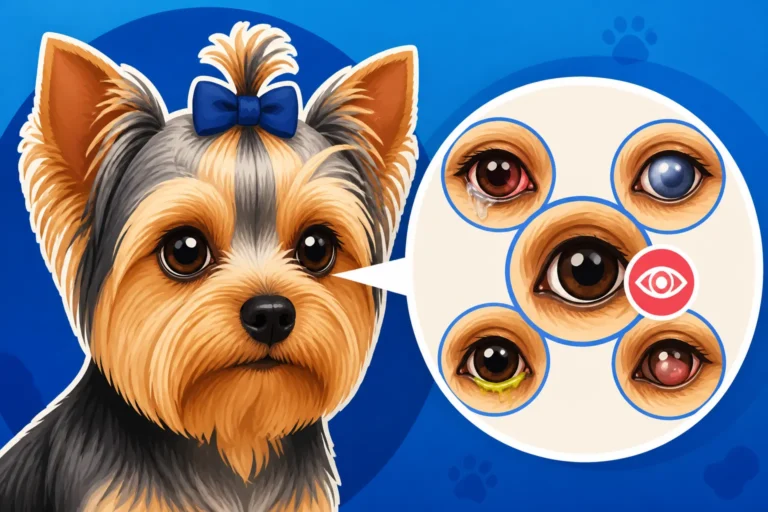
Cataracts involve the clouding of the lens of the eye, which obstructs light from reaching the retina and causes blurry vision. While they can develop in older dogs (senile cataracts), Yorkies can also develop juvenile cataracts, meaning they appear at a younger age. You might notice a cloudy or bluish-white appearance to your Yorkie's eyes, and they might start bumping into things, especially in dim light. Depending on the severity and impact on vision, cataracts can sometimes be surgically removed, restoring sight.
Progressive Retinal Atrophy (PRA) is a group of degenerative diseases that affect the retina, the light-sensitive tissue at the back of the eye. In PRA, the photoreceptor cells (rods and cones) gradually deteriorate, leading to progressive vision loss and eventually blindness. There is currently no cure for PRA, and it is usually inherited. Signs often start with night blindness, and as the disease progresses, dogs lose their daytime vision too. While devastating, dogs are remarkably adaptable to blindness in a familiar environment. Regular eye exams by a veterinary ophthalmologist are important for early detection, especially if there's a family history of these conditions.
Dry Eye (Keratoconjunctivitis Sicca): Chronic Eye Discomfort
Another uncomfortable eye condition that can affect Yorkies is dry eye, or Keratoconjunctivitis Sicca (KCS). This occurs when the tear glands do not produce enough tears, or the tears produced are of poor quality. Tears are essential for lubricating the eye, washing away debris, and providing oxygen and nutrients to the cornea. Without adequate tears, the eye becomes dry, irritated, and vulnerable to damage.
A Yorkie suffering from dry eye will often have thick, yellowish discharge, redness, frequent blinking or squinting, and might rub their eyes. Over time, the cornea can become scarred, pigmented, and even ulcerated, leading to vision impairment or loss if left untreated. This is a painful condition. Diagnosis involves a simple test called a Schirmer tear test, which measures tear production. Treatment usually involves lifelong daily eye drops to stimulate tear production and provide artificial lubrication. Consistent treatment is key to managing KCS and preventing more severe complications.
Other Significant Health Considerations
While we've covered many of the prominent health challenges, Yorkies can also be prone to a variety of other conditions affecting different systems of the body. Being aware of these can help you stay proactive and recognize signs early.
Pancreatitis: Digestive System Inflammation
The pancreas is a vital organ located near the stomach, responsible for producing digestive enzymes and hormones like insulin. Pancreatitis is an inflammation of the pancreas, which can be acute (sudden and severe) or chronic (long-term and recurring). While it can affect any dog, Yorkies are among the breeds considered predisposed, often linked to diets high in fat or sudden dietary changes.
When the pancreas becomes inflamed, digestive enzymes can start to digest the pancreas itself, leading to immense pain and potentially severe complications. Symptoms often include sudden, severe vomiting, diarrhea, abdominal pain (your Yorkie might hunch over or guard their belly), lethargy, loss of appetite, and fever. Mild cases might resolve with supportive care like fasting, IV fluids, and pain medication, but severe pancreatitis can be life-threatening and requires intensive veterinary care. A low-fat diet is often recommended for Yorkies prone to this condition to help prevent future flare-ups.
Bladder Stones: Urinary Tract Issues
Bladder stones, also known as urolithiasis, are mineral concretions that form in the urinary bladder. Yorkies are particularly prone to developing certain types of bladder stones, such as calcium oxalate stones. These stones can cause irritation, inflammation, and blockages in the urinary tract, leading to significant discomfort and potentially dangerous complications.
Signs that your Yorkie might have bladder stones include frequent urination in small amounts, straining to urinate, urinating in inappropriate places, blood in the urine, or crying out during urination. In male Yorkies, stones can sometimes cause a complete blockage of the urethra, which is a life-threatening emergency requiring immediate veterinary attention. Diagnosis usually involves urinalysis and X-rays or ultrasound. Treatment options vary, from special prescription diets designed to dissolve certain types of stones (though this is less effective for calcium oxalate) to surgical removal of the stones.
Seizures and Neurological Concerns
Seizures can be a terrifying experience for any pet owner, and unfortunately, Yorkies can be predisposed to them. A seizure is essentially an uncontrolled burst of electrical activity in the brain. They can manifest in various ways, from subtle twitching or staring spells (focal seizures) to full-blown grand mal seizures involving loss of consciousness, uncontrolled thrashing, paddling, drooling, and loss of bladder/bowel control.
The cause of seizures can be varied. Sometimes it's idiopathic epilepsy, meaning there's no identifiable underlying cause other than a genetic predisposition. Other times, seizures can be symptomatic of an underlying issue like a liver shunt, hypoglycemia, head trauma, toxins, or even brain tumors. If your Yorkie has a seizure, it's crucial to time it and make a note of what happened before, during, and after. A single seizure isn't always cause for panic, but recurrent seizures or a cluster of seizures warrant immediate veterinary investigation. Your vet will conduct tests to try and determine the cause. If epilepsy is diagnosed, medication can often help manage the frequency and severity of seizures, allowing your Yorkie to live a relatively normal life.
Proactive Care and Prevention Strategies
Knowing about all these potential health issues can feel a bit overwhelming, but the good news is that there's a lot you can do as a dedicated Yorkie parent to minimize risks and ensure your dog lives the healthiest, happiest life possible. Proactive care is truly the cornerstone of Yorkie well-being.
Choosing a Reputable Breeder: Starting Right
This cannot be emphasized enough. The foundation of your Yorkie's health often begins long before they even come home with you. A reputable breeder is not just someone selling puppies; they are dedicated to the health and betterment of the breed. They will thoroughly health screen their breeding stock for genetic conditions common to Yorkies, such as patellar luxation, liver shunts, and certain eye diseases. They should be transparent about health testing results, genetic clearances, and the health history of the puppy's parents.
An ethical breeder will also provide a clean, stimulating environment for their puppies, ensure proper nutrition, and start early socialization. They will allow you to visit the premises, meet the puppy's parents, and ask as many questions as you need. Avoid breeders who refuse visits, pressure you into a sale, or offer puppies that seem unusually cheap. A healthy, well-bred Yorkie may have a higher initial cost, but it's an investment that can save you heartache and significant vet bills down the line. It's often said that "you pay for the puppy, or you pay for the vet," and unfortunately, this rings true for breeds with many potential genetic issues. For guidance on finding a good match, check out our insights on How to Find a Reputable Yorkie Breeder.
Regular Veterinary Check-ups and Screenings
Even if your Yorkie seems perfectly healthy, routine veterinary care is non-negotiable. Regular check-ups allow your veterinarian to monitor your dog's overall health, catch potential problems early, and recommend preventative measures. These visits are a crucial part of How to Keep a Yorkshire Terrier Healthy. Your vet will perform a physical examination, check their weight, listen to their heart and lungs, and discuss their diet and exercise.
For Yorkies, particular attention will be paid to dental health, joint mobility (checking for patellar luxation), and listening for any signs of respiratory issues like a collapsing trachea. As your Yorkie ages, your vet might recommend additional screenings, such as blood work to check organ function (especially the liver and kidneys), and thyroid levels. Early detection through these screenings can make a huge difference in the prognosis and management of many conditions. For instance, catching a developing liver shunt or early signs of dental disease can lead to interventions that prevent the condition from becoming more severe or life-threatening. Don't underestimate the power of these routine visits; they are your best allies in maintaining your Yorkie's health. Understanding Yorkshire Terrier Vet Costs and Health Budget can help you plan for these essential expenditures.
Lifestyle Management: Diet, Exercise, and Grooming
Beyond genetics and vet visits, daily lifestyle choices play a massive role in your Yorkie's health.
Diet: Feeding a high-quality, balanced diet appropriate for small breeds is fundamental. This means opting for foods with good protein sources and avoiding excessive fats or filler ingredients, especially if your Yorkie is prone to pancreatitis. Small, frequent meals are often recommended to help prevent hypoglycemia, particularly in puppies. Always ensure fresh water is available. Brands like Royal Canin often have breed-specific formulas tailored to the needs of Yorkshire Terriers, addressing their delicate digestion and dental health.
Exercise: While Yorkies are small, they are still terriers and have energy! Regular, moderate exercise is important for maintaining a healthy weight, strengthening muscles, and promoting mental well-being. Short, daily walks and indoor playtime are usually sufficient. However, be mindful of their delicate joints and trachea; avoid overly strenuous activities or situations where they might jump from high places. Always use a harness instead of a collar for walks to protect their fragile trachea.
Grooming: Regular grooming is not just about aesthetics for a Yorkie; it's a health imperative. Their long, silky coats can easily mat, leading to skin irritation and infections. Daily brushing prevents mats, reduces shedding, and allows you to check for skin issues, lumps, or parasites. Pay special attention to cleaning around their eyes to prevent tear stains and keep eyes clear. Regular nail trims prevent discomfort and foot problems. Their dental health, as discussed, is paramount, so daily tooth brushing should ideally be part of your routine. Comprehensive care, including their specific needs for Yorkshire Terrier Dental Disease: Signs and Care, makes all the difference.
Consider also pet insurance options from providers like Healthy Paws. While not preventing issues, a good pet insurance plan from Healthy Paws can significantly alleviate the financial burden of unexpected illnesses or accidents, allowing you to focus on getting your Yorkie the best possible care without worrying about the cost. It's an investment in peace of mind for those inevitable "just in case" moments. Healthy Paws offers plans that cover accidents, illnesses, surgeries, and even alternative therapies, which can be invaluable when dealing with chronic conditions. Knowing you have that financial safety net from Healthy Paws can make difficult decisions a little easier.
Common Yorkshire Terrier Health Problems at a Glance
To help you quickly reference some of the most common health issues we've discussed, here's a handy table summarizing key information. Remember, this is a general guide; always consult your veterinarian for a specific diagnosis and treatment plan for your Yorkie.
| Health Problem | Description | Common Signs | Typical Age of Onset | Severity |
|---|---|---|---|---|
| Patellar Luxation | Kneecap slips out of groove | Skipping, intermittent lameness, holding leg up, pain | Puppy to Adult | Mild to Severe |
| Collapsing Trachea | Weakening of windpipe cartilage | Goose-honk cough, respiratory distress, gagging | Mid-age to Senior | Moderate to Severe |
| Hypoglycemia | Low blood sugar | Lethargy, weakness, disorientation, tremors, seizures | Puppy (can occur in adults) | Serious to Critical |
| Portosystemic Shunt | Blood bypasses the liver | Poor growth, vomiting, neurological signs (disorientation, seizures) | Puppy to Young Adult | Serious to Critical |
| Dental Disease | Plaque, tartar, gum inflammation, infection | Bad breath, visible tartar, red/bleeding gums, difficulty eating | All ages, worsens with age | Mild to Severe |
| Legg-Calve-Perthes Disease | Degeneration of femoral head (hip) | Lameness in hind leg, pain, muscle wasting | Puppy (6-12 months) | Serious |
| Cataracts | Clouding of eye lens | Cloudy eye appearance, bumping into objects, vision loss | Juvenile to Senior | Moderate to Severe |
| Progressive Retinal Atrophy | Degeneration of retinal cells | Night blindness progressing to total blindness | Young Adult to Mid-age | Severe |
| Dry Eye (KCS) | Insufficient tear production | Redness, discharge, squinting, corneal changes | Young Adult to Senior | Moderate to Severe |
| Pancreatitis | Inflammation of the pancreas | Severe vomiting, diarrhea, abdominal pain, lethargy | All ages (often diet-related) | Serious to Critical |
| Bladder Stones | Mineral deposits in bladder | Straining to urinate, frequent urination, blood in urine, pain | Young Adult to Senior | Moderate to Critical |
| Seizures | Uncontrolled electrical activity in brain | Tremors, twitching, disorientation, loss of consciousness, paddling | All ages | Serious to Critical |
Disclaimer
The information provided in this guide is for general informational purposes only and does not constitute veterinary advice. Always consult with a qualified veterinarian for any health concerns or before making any decisions related to your pet's health or treatment.