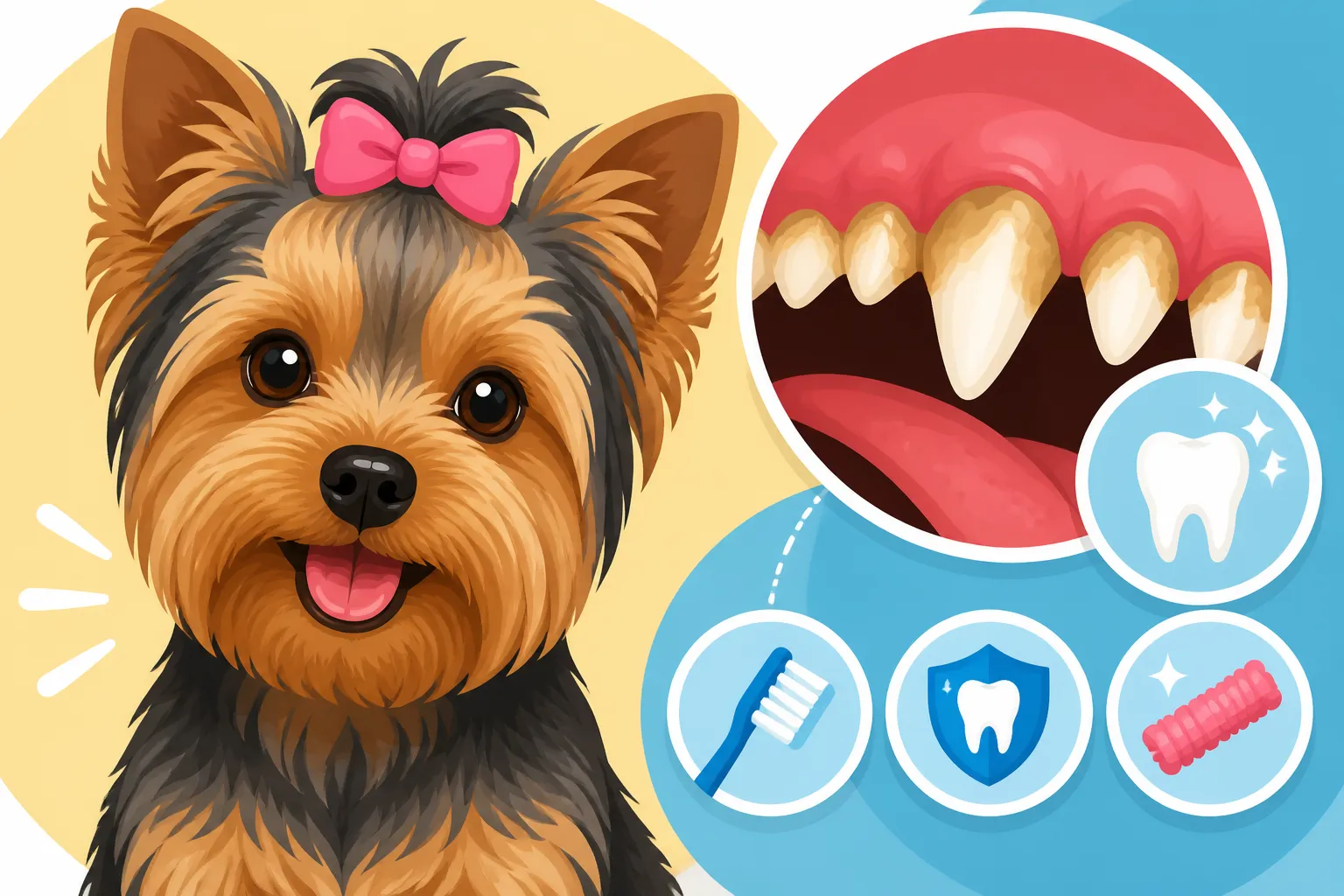
Yorkshire Terrier Dental Disease: Signs and Care
It’s a common heartache for so many Yorkshire Terrier parents: you lean in for a sweet cuddle, and instead of a fresh puppy kiss, you're hit with a breath that could knock a buzzard off a outhouse. You might notice your beloved little Yorkie hesitating with their food, drooling more than usual, or even pawing at their mouth. These aren't just minor quirks; they're often the tell-tale signs of dental disease, a widespread and often painful issue for our tiny companions. This comprehensive guide is here to walk you through understanding, recognizing, and meticulously caring for your Yorkshire Terrier's dental health, ensuring those bad breath days become a thing of the past.
Understanding Dental Disease in Yorkshire Terriers
Dental disease, or periodontal disease, is alarmingly common in dogs, and particularly so in small breeds like our precious Yorkshire Terriers. It's not just about bad breath; it's a progressive condition that can lead to significant pain, tooth loss, and even impact their overall systemic health. Understanding why Yorkies are especially susceptible and how the disease progresses is the first step in protecting them.
Why Yorkies Are Prone to Dental Issues
Let's be real, Yorkies are just built differently, and that includes their mouths! Their small size, while adorable, means they have tiny jaws that are often overcrowded with teeth. Imagine trying to fit a full set of adult human teeth into a child's mouth – that's often what's happening with a Yorkie. This overcrowding creates prime real estate for plaque and tartar to build up, as food particles and bacteria get trapped in tight spaces that are hard for even a professional cleaning to reach without special tools. Their teeth also tend to be closer together, which means there's less gum tissue supporting each tooth individually, making them more vulnerable to gum inflammation and recession.
Another factor is genetics. Some breeds, including Yorkshire Terriers, are simply predisposed to developing dental issues earlier and more severely than larger breeds. Their small breed ancestry means they often have softer teeth enamel or a genetic tendency for certain types of bacteria to flourish in their mouths, accelerating plaque formation. It’s not your fault, but it is something we need to be extra vigilant about. For a broader look at health concerns, check out our guide on Yorkshire Terrier Health Problems to Know.
The Stages of Periodontal Disease
Periodontal disease isn't a sudden event; it's a slow, insidious progression that starts subtly and worsens over time if left unaddressed. It begins when bacteria in the mouth mix with food particles and saliva to form plaque, a sticky film that adheres to the teeth.
- Stage 1: Gingivitis: This is the earliest stage, and it’s actually reversible! Plaque builds up and irritates the gums, causing inflammation, redness, and sometimes minor bleeding. You might notice a bit of bad breath, but your Yorkie might not show any obvious discomfort. The good news is that with proper dental hygiene, like regular brushing, this stage can often be reversed entirely.
- Stage 2: Early Periodontitis: At this stage, plaque hardens into tartar (calculus), which is a rough, porous substance that attaches firmly to the tooth surface, often visible as yellowish-brown buildup. The gums become more inflamed, pull away from the teeth (forming "pockets"), and bone loss might just be starting, though it's usually less than 25%. This isn't reversible with home care alone; professional veterinary dental cleaning is needed.
- Stage 3: Moderate Periodontitis: The disease is now well-established. There's significant gum recession, deeper periodontal pockets, and moderate bone loss (25-50%). Your Yorkie will likely be experiencing pain, and the infection can start to spread. Tooth mobility might be noticeable. Professional cleaning under anesthesia, often involving X-rays and potentially extractions, becomes crucial.
- Stage 4: Advanced Periodontitis: This is the most severe and painful stage. There is extensive bone loss (over 50%), severe gum recession, deep pockets filled with pus, and significant tooth mobility. Abscesses and other complications are common, and the infection can easily spread to other organs. Multiple tooth extractions are almost always necessary, and your Yorkie will be in considerable discomfort. Early detection and intervention are key to avoiding this painful outcome.
Recognizing the Signs of Yorkie Dental Disease
One of the biggest challenges with dental disease in dogs is that they are masters at hiding pain. It’s an instinctual survival mechanism. So, as devoted Yorkie parents, it’s up to us to be detectives, noticing even the most subtle changes. Don't wait until it's too late; knowing what to look for can make all the difference. If you're generally concerned about your Yorkie's well-being, our guide on Signs Your Yorkshire Terrier Is Sick offers broader insights.
Early Warning Signs
The earliest signs of dental disease are often easily missed because they seem so minor. However, catching them now can save your Yorkie a lot of pain and you a lot of vet bills down the line.
- Bad Breath (Halitosis): This is probably the most common and noticeable early sign. A dog's breath shouldn't smell like a swamp. If you notice a persistently foul odor, it’s a strong indicator that bacteria are thriving in their mouth, a hallmark of plaque and tartar buildup. Don't dismiss it as "just dog breath." For more specifics, consider reading Yorkie Bad Breath: When to Worry.
- Red or Swollen Gums: Take a peek at your Yorkie’s gums. They should be a healthy bubblegum pink. If you see redness along the gum line, especially where the gums meet the teeth, or if they look puffy and inflamed, it's a sign of gingivitis.
- Yellowish-Brown Tartar Buildup: Gently lift your Yorkie’s lip and examine their teeth. Look for any hard, yellowish or brownish deposits, particularly on the outer surfaces of the molars and canines, and along the gum line. This is tartar, and once it forms, it cannot be brushed away by you at home.
- Slight Bleeding When Chewing or Brushing: If you offer a chew toy and see a tiny spot of blood, or if you attempt to brush and notice blood on the bristles, it indicates inflamed gums. This is a clear signal that the gum tissue is compromised and needs attention.
Advanced Symptoms
As dental disease progresses, the signs become more severe and often more painful for your Yorkie. These symptoms demand immediate veterinary attention.
- Difficulty Eating or Loss of Appetite: If your normally food-motivated Yorkie suddenly shows reluctance to eat, especially hard kibble or chews, it's a huge red flag. They might drop food, chew only on one side of their mouth, or become withdrawn around meal times. The pain from advanced dental disease can be excruciating, making eating a dreaded activity.
- Drooling or Pawing at the Mouth: Excessive drooling, especially if the saliva is bloody or tinged, is a strong indicator of oral discomfort. Your Yorkie might also constantly paw at their face or mouth, rub their face on furniture, or show signs of tenderness when you try to touch their muzzle.
- Loose or Missing Teeth: In advanced stages, the structural integrity around the teeth is severely compromised. You might notice teeth that are wobbly when gently nudged, or even discover a missing tooth. The infection can eat away at the bone, making teeth unstable.
- Swelling on the Face, Especially Below the Eye: A really alarming sign is swelling on the face. This can indicate a dental abscess, where a tooth root infection has burrowed through the bone and is creating a pocket of pus. This is extremely painful and requires urgent veterinary intervention. This type of swelling can be mistaken for other issues, but when coupled with other dental signs, it points to a severe oral problem.
Behavioral Changes to Watch For
Beyond the physical signs, your Yorkie's behavior can tell you a lot about their comfort level. Pain often manifests as changes in personality or routine.
- Increased Irritability or Reclusiveness: A dog in pain might become snappy or irritable, especially when you try to touch their head or mouth. They might also withdraw, become less playful, and seek out quiet, secluded spots to rest. This isn't your Yorkie being "grumpy"; it's their way of coping with persistent discomfort.
- Reluctance to Play with Toys or Chew: If your Yorkie suddenly loses interest in their favorite chew toys or tug-of-war, it's often because chewing is too painful. They may guard their mouth, flinch when you approach, or show less enthusiasm for activities they once loved.
- Changes in Grooming Habits: You might notice your Yorkie grooming themselves less, particularly around their face. Or, conversely, they might obsessively lick their gums or teeth, trying to alleviate discomfort or dislodge something stuck. Any deviation from their normal meticulous grooming routine can be a subtle sign of an underlying issue.
- Facial Sensitivity or Head Shyness: If your Yorkie flinches, backs away, or even growls when you try to pet their head, stroke their muzzle, or look at their teeth, it's a clear indication of pain. They are trying to protect a sensitive area. Never ignore this; it's a plea for help.
Comprehensive Dental Care at Home for Your Yorkie
The good news is that much of the fight against dental disease starts right at home! Consistent, proactive home care is the absolute best way to keep your Yorkie’s pearly whites healthy and minimize the need for extensive professional interventions. Think of it as their daily dental regimen, just like your own. For a complete strategy, consider our Best Dental Care Routine for Yorkies guide.
Daily Brushing Techniques
Brushing your Yorkie's teeth daily is the gold standard for at-home dental care. It might sound daunting, especially with a squirmy little Yorkie, but with patience and the right approach, it can become a routine they even look forward to.
- Choosing the Right Tools: First, you need a dog-specific toothbrush. These often have softer bristles and a smaller head designed for canine mouths. Finger brushes can work well for smaller mouths or for getting your Yorkie accustomed to the sensation. Next, use only dog-specific toothpaste. Human toothpaste contains ingredients like xylitol that are toxic to dogs. Pet toothpastes come in appealing flavors like poultry or peanut butter, which can make the experience more enjoyable for your pup.
- Making it a Positive Experience: Introduce brushing slowly. Start by just letting your Yorkie lick a tiny bit of toothpaste off your finger. Then, gently rub your finger along their gums. Once they're comfortable with that, introduce the toothbrush, letting them sniff and lick it. Slowly, over several days or weeks, work up to gently brushing a few teeth for a few seconds. Always follow with praise, cuddles, and maybe a tiny treat. Consistency is key, and aiming for at least a few times a week, if not daily, is ideal. Our article on How to Brush a Yorkie's Teeth offers a step-by-step tutorial.
- Effective Brushing Motion: When you do brush, focus on the outer surfaces of the teeth, especially where the gums meet the teeth. This is where plaque tends to accumulate most. Use a gentle, circular motion, angling the bristles slightly toward the gum line. You don't need to scrub vigorously; gentle pressure is enough. Most dogs won't tolerate brushing the inner surfaces, but fortunately, their tongues often help keep those areas cleaner.
Dental Chews and Toys
While not a substitute for brushing, dental chews and toys can be a fantastic supplement to your Yorkie's oral hygiene routine. They help mechanically scrape away plaque and stimulate gum health.
- Selecting VOHC-Approved Products: Look for products that have the Veterinary Oral Health Council (VOHC) seal. This means they have been scientifically proven to reduce plaque and/or tartar. Brands like Greenies or OraVet chews are popular VOHC-approved options. Be cautious with non-VOHC products, as some can be too hard and risk fracturing teeth, or simply ineffective.
- Appropriate Size and Texture: For a tiny Yorkie, choose dental chews and toys that are appropriately sized. A chew that’s too large can be a choking hazard, while one that’s too small might be swallowed too quickly to be effective. The texture should be firm enough to provide abrasive action but flexible enough not to damage teeth. Rubber chew toys with nubs or ridges can also help clean teeth as your Yorkie gnaws on them. Always supervise your Yorkie when they’re enjoying a dental chew to prevent choking or injury. For specific recommendations, check out Best Dental Chews for Yorkies.
- Frequency and Moderation: Dental chews should be given in moderation, as they do contribute to your Yorkie's caloric intake. Follow the manufacturer's recommendations for frequency, usually one per day or a few times a week. Think of them as a treat with benefits, not a meal replacement.
Oral Rinses and Water Additives
For Yorkies who absolutely refuse brushing, or as an added layer of protection, oral rinses and water additives can play a role. They work to reduce bacteria in the mouth.
- How Water Additives Work: Dental water additives are typically liquids you simply pour into your Yorkie's drinking water. They often contain ingredients that help reduce plaque-forming bacteria, freshen breath, and sometimes even interfere with tartar formation. Look for products that are tasteless and odorless so your Yorkie doesn't refuse to drink their water.
- Oral Rinses for Direct Application: Oral rinses are applied directly to your Yorkie's gums and teeth, often with a gauze pad or a squirt bottle. These can be more effective than water additives as they come into direct contact with the affected areas, but they require more active participation from you and a more cooperative Yorkie.
- Important Considerations: While these products can be helpful, they are generally considered supplementary. They can help maintain a healthier oral environment, but they cannot remove existing plaque or tartar. They are most effective when used in conjunction with other dental care methods, or to slow down the progression of disease between professional cleanings. Always choose products specifically formulated for dogs and consult your vet if you have any questions about their efficacy or safety.
Professional Veterinary Dental Care for Yorkshire Terriers
No matter how diligently you brush your Yorkie's teeth at home, professional veterinary dental care is an essential component of their overall oral health strategy. Just like humans need regular dental check-ups and cleanings, so do our furry friends, especially small breeds like Yorkies.
The Importance of Regular Vet Check-ups
Think of your Yorkie’s annual vet visit as their opportunity for a comprehensive dental assessment. These check-ups are crucial, even if your Yorkie seems perfectly fine.
- Early Detection of Issues: During a routine physical exam, your veterinarian will perform a basic oral exam, checking for visible signs of dental disease like tartar buildup, gingivitis, or loose teeth. They can identify problems you might have missed, potentially catching issues in their early, more manageable stages. Early detection can mean the difference between a simple cleaning and multiple painful extractions.
- Personalized Advice and Recommendations: Your vet knows your Yorkie best. Based on their age, overall health, and the condition of their mouth, they can offer tailored advice on the best home care routine, recommend specific dental products, and determine how often your Yorkie might need professional cleanings. This personalized guidance is invaluable.
- Assessment of Overall Health Impact: Dental disease isn't isolated to the mouth; the bacteria can travel through the bloodstream and affect vital organs like the heart, kidneys, and liver. During a check-up, your vet can assess any potential systemic impacts and discuss preventative measures. This is especially important for breeds prone to other health issues.
Professional Dental Cleanings (COHAT)
A professional dental cleaning, often referred to as a COHAT (Comprehensive Oral Health Assessment and Treatment), is much more than just a quick scrape of visible tartar. It’s a thorough medical procedure performed under general anesthesia.
- Why Anesthesia is Necessary: Many pet parents worry about anesthesia, but for a proper dental cleaning, it's absolutely essential. It allows the veterinary team to perform a detailed examination, including dental X-rays (which reveal problems below the gum line), scale plaque and tartar from all tooth surfaces (including under the gum line where most disease lurks), and polish the teeth to smooth out microscopic scratches. Imagine trying to do that on an awake, squirming Yorkie! Modern anesthesia protocols are very safe, with pre-anesthetic blood work, IV fluids, and continuous monitoring to ensure your Yorkie's well-being.
- The Procedure Steps: A typical COHAT involves several steps:
- Pre-anesthetic Blood Work: To ensure your Yorkie is healthy enough for anesthesia.
- Anesthesia and Monitoring: Your Yorkie is carefully anesthetized and monitored throughout the procedure.
- Oral Examination: A thorough visual exam of the entire mouth.
- Dental Radiographs (X-rays): Essential for identifying problems below the gum line, such as bone loss, abscesses, or unerupted teeth. About 60% of dental disease is hidden beneath the gum line, so X-rays are non-negotiable for a truly comprehensive assessment.
- Scaling: Using ultrasonic and hand scalers to remove plaque and tartar from above and below the gum line. This is where expertise comes in, as improper scaling can damage gums.
- Polishing: Smoothing the tooth surface to prevent rapid plaque re-adherence.
- Fluoride Treatment (Optional): To strengthen enamel and reduce sensitivity.
- Extractions or Other Treatments: If severe disease or damaged teeth are found, extractions or other procedures may be performed, often with local nerve blocks for pain management.
- How Often Yorkies Need Professional Cleanings: There's no one-size-fits-all answer, but for many Yorkies, a professional cleaning is recommended every 1-2 years. Some may need them more frequently, especially if they are prone to rapid tartar buildup or have existing dental issues. Your vet will advise you on the best schedule based on your Yorkie’s individual needs. Learn more about How Often Yorkies Need Dental Cleaning.
Addressing Advanced Dental Problems
When dental disease progresses to stages 3 or 4, a COHAT may involve more than just cleaning; it often includes therapeutic treatments to address significant issues.
- Tooth Extractions: This is unfortunately a common procedure for Yorkies with advanced periodontal disease. Teeth that are severely diseased, mobile, or infected often need to be extracted to alleviate pain and prevent the spread of infection. While losing a tooth might seem concerning, a pain-free mouth, even with fewer teeth, is far better for your Yorkie's quality of life. Vets use local nerve blocks and pain medication to ensure comfort during and after extractions.
- Periodontal Surgery: In some cases, if there are deep periodontal pockets or severe gum recession, specialized surgical procedures might be performed to save affected teeth. This could involve gum grafting or guided tissue regeneration techniques to restore supporting structures. These are typically performed by veterinary dental specialists.
- Antibiotics and Pain Management: For severe infections or post-extraction care, your vet will likely prescribe a course of antibiotics to clear up any lingering bacterial issues, and pain medication to keep your Yorkie comfortable during their recovery. Follow these instructions carefully to ensure a smooth healing process.
Preventing Dental Disease: A Proactive Approach
Preventing dental disease in your Yorkshire Terrier is truly a lifelong commitment. It's about establishing good habits early and maintaining them consistently. By taking a proactive approach, you can significantly reduce the risk and severity of dental problems, saving your Yorkie from pain and potentially saving you a substantial amount in veterinary costs.
Nutritional Considerations for Dental Health
What your Yorkie eats plays a surprisingly significant role in their dental health. It’s not just about cleaning; it’s about providing the right building blocks for strong teeth and gums.
- Kibble Size and Texture: While some believe crunchy kibble helps "clean" teeth, its effect is minimal compared to brushing. However, choosing a kibble size appropriate for your Yorkie’s small mouth is important to encourage proper chewing. Too large, and they might struggle; too small, and they might swallow it whole, missing out on any minor abrasive benefit. Some specialty dental diets are formulated with unique kibble shapes or fibers that are specifically designed to scrub the tooth surface as your dog chews.
- Avoiding Sugary and Starchy Treats: Just like in humans, sugary and starchy foods contribute to plaque formation. Many human foods, or low-quality dog treats, are loaded with these ingredients. Stick to high-quality, dog-specific treats, and always check the ingredient list. Small pieces of raw carrots or apple slices can be good, safe alternatives if offered in moderation, as their fibrous texture can help clean teeth naturally. Remember to consult your vet for a comprehensive look at what foods are safe.
- The Role of a Balanced Diet: A diet rich in essential vitamins and minerals, especially calcium and phosphorus, is crucial for strong teeth and bones. High-quality dog foods designed for small breeds will generally provide this balance. Supporting overall health also strengthens the immune system, which can help your Yorkie resist oral infections.
Choosing the Right Diet to Support Oral Health
Beyond basic nutrition, specific diets can be a powerful tool in your dental prevention arsenal.
- Dental-Specific Dog Foods: Several reputable pet food brands offer prescription or over-the-counter dental diets. These foods are specially formulated with features like:
- Larger, Fibrous Kibble: Designed to physically scrub the teeth as your Yorkie chews.
- Special Coatings: Some kibbles are coated with ingredients that prevent plaque from adhering to the tooth surface or reduce bacteria.
- Calcium Chelators: Ingredients that bind to calcium in saliva, preventing it from forming tartar.
- Brands like Hill's Prescription Diet t/d, Royal Canin Dental, and Purina Pro Plan Veterinary Diets DH are examples of such specialized diets. Always consult your vet before switching to a prescription diet.
- Raw Diets and Bone Chewing: The debate around raw diets and bone chewing for dental health is ongoing. Some proponents suggest that raw bones naturally scrape teeth clean. However, there are significant risks involved, especially for small breeds like Yorkies. Cooked bones are brittle and can splinter, causing internal damage. Raw bones can still lead to fractured teeth, choking hazards, and bacterial contamination (salmonella, E. coli). If you're considering a raw diet or bone chewing, it's absolutely crucial to have an in-depth discussion with your veterinarian about the risks and safe practices. For most Yorkies, the benefits rarely outweigh the potential dangers.
Long-Term Oral Health Strategies
Preventative care is not a one-time fix but an ongoing process. Establishing a consistent routine is paramount.
- Consistency is Key: Whether it's daily brushing, regular dental chews, or water additives, consistency is the bedrock of good oral health. Short bursts of intense care won't cut it. Integrate dental care into your Yorkie's daily routine, just like feeding or walks. Even if you miss a day, just pick it up again the next.
- Regular Veterinary Check-ups and Cleanings: As discussed, these are non-negotiable. Even with the best home care, plaque and tartar will eventually build up below the gum line. Your vet can monitor progress and recommend professional cleanings at appropriate intervals. This integrated approach, combining home care with professional oversight, offers the best protection.
- Monitoring and Early Intervention: Stay vigilant. Regularly check your Yorkie’s mouth for any new signs of concern – bad breath, redness, swelling, or changes in eating habits. If you spot anything amiss, don't wait. Schedule a vet visit. Early intervention truly makes a world of difference in managing Yorkie Dental Disease Prevention and can save your Yorkie from severe pain and extensive treatment down the line.
Managing Pain and Discomfort from Dental Disease
If your Yorkie has already developed dental disease, particularly advanced stages, managing their pain and discomfort becomes a top priority. No pet parent wants to see their beloved companion suffer, and understanding how to recognize their pain and what treatment options are available is crucial for providing compassionate care.
Recognizing Pain Signals
As mentioned, dogs are stoic. Their pain signals can be subtle, but a keen observer can pick up on them.
- Facial Expressions: Look for subtle changes in their face. A dog in dental pain might squint one eye, have a furrowed brow, or hold their jaw in an unusual way. They might also lick their lips excessively.
- Changes in Eating and Drinking: Reluctance to eat hard food, favoring one side of the mouth, dropping food, or showing apprehension around the food bowl are strong indicators. Sometimes, they might drink less water because the cold water aggravates sensitive teeth or gums.
- Vocalization and Guarding: While Yorkies are generally vocal, an increase in whining, yelping, or even growling when touched near the mouth or head is a clear sign of pain. They might also guard their face, pulling away when you try to examine their mouth.
- Lethargy or Restlessness: Persistent pain can lead to changes in overall demeanor. Your Yorkie might seem more lethargic, sleeping more, or conversely, be restless and unable to find a comfortable position due to constant discomfort. These are some of the Yorkie Emergency Symptoms to Never Ignore.
Veterinary Pain Management Options
Once dental disease is diagnosed, your vet will tailor a pain management plan, which often starts before, during, and after any dental procedure.
- Pre-Operative and Intra-Operative Pain Relief: Before a dental cleaning or extraction, your vet will often administer pain medication, sometimes an anti-inflammatory and an opioid, to get ahead of the pain. During the procedure, local anesthetic nerve blocks are frequently used. This numbs the area around the affected teeth, reducing the amount of general anesthetic needed and providing prolonged pain relief after the procedure.
- Post-Operative Pain Medication: After a dental procedure, especially if extractions were performed, your Yorkie will be sent home with oral pain medication, usually a non-steroidal anti-inflammatory drug (NSAID) and sometimes an opioid or gabapentin. It is crucial to administer these medications exactly as prescribed to ensure your Yorkie remains comfortable during their recovery. Never give human pain medications to your dog without explicit veterinary instruction, as many are toxic.
- Addressing Underlying Infection: Pain often goes hand-in-hand with infection. If an infection is present (e.g., abscess), antibiotics will be prescribed. Clearing up the infection is a vital part of alleviating pain and promoting healing.
Post-Procedure Care and Comfort
Bringing your Yorkie home after a dental procedure requires a bit of special attention to ensure a smooth recovery and continued comfort.
- Soft Food Diet: For several days to a week or more after extractions, your Yorkie will need to eat soft food. This prevents irritation to healing gums and allows sutures to remain intact. Canned dog food, wet kibble softened with warm water, or a homemade bland diet (like boiled chicken and rice, approved by your vet) are good options. Gradually transition back to hard kibble as advised by your vet.
- Rest and Quiet Environment: Your Yorkie will likely be a bit groggy and sensitive after anesthesia. Provide a quiet, warm, comfortable place for them to rest. Limit strenuous activity, excessive play, or roughhousing to prevent any trauma to their mouth.
- Monitoring and Follow-up: Keep a close eye on your Yorkie’s recovery. Watch for signs of excessive bleeding, swelling, lethargy, or refusal to eat or drink. Contact your vet immediately if you notice any alarming symptoms. You may have a follow-up appointment to check the healing process, especially if extractions were performed. Remember, consistent home dental care will need to resume once your Yorkie has fully healed, often a week or two after the procedure.
Financial Aspects of Yorkie Dental Care
Let's face it, veterinary care can be expensive, and dental procedures are no exception. But understanding the costs involved and planning for them can help alleviate some of the stress. Investing in your Yorkie's dental health is an investment in their overall well-being and can prevent even more costly problems down the road. For a broader look at veterinary expenses, check out Yorkshire Terrier Vet Costs and Health Budget.
Routine Care Costs
Proactive, routine care is usually more affordable than dealing with emergencies, and it definitely contributes to a longer, healthier life for your Yorkie.
- Daily Home Care Supplies:
- Toothbrush and Toothpaste: Expect to spend about $10-$20 for a good quality set. These last several months.
- Dental Chews/Treats: A bag of VOHC-approved dental chews can range from $15-$30 and might last a few weeks to a month, depending on the brand and size.
- Water Additives/Oral Rinses: These generally cost $15-$25 per bottle and also last for several weeks to months.
- Total Annual Home Care: Realistically, you're looking at an estimated $100-$300 annually for consistent home dental products. This is a small price to pay for prevention.
- Annual Vet Check-ups: A standard annual check-up that includes an oral exam usually ranges from $50-$150, depending on your location and vet clinic. This cost might be combined with vaccinations or other routine care.
Emergency and Advanced Treatment Costs
This is where things can get pricey quickly, which is why prevention is so crucial.
- Professional Dental Cleanings (COHAT): A basic COHAT for a Yorkie, including anesthesia, scaling, polishing, and a basic oral exam, can range from $500 to $1,200. This price varies widely based on:
- Geographic Location: Vets in big cities like New York City or Los Angeles tend to be more expensive than rural areas.
- Clinic Amenities: High-tech equipment, extensive monitoring, and specialized staff can increase costs.
- Pre-anesthetic Blood Work: Typically $100-$250.
- Dental X-rays: Usually $150-$300 for a full mouth series.
- Extractions and Advanced Procedures: If your Yorkie needs extractions, the cost significantly increases.
- Simple Extraction: $50-$200 per tooth.
- Complex Extraction (e.g., multi-rooted teeth, fractured teeth): $200-$600+ per tooth, especially if referral to a veterinary dental specialist is needed.
- Addressing Complications (e.g., jaw fracture, fistula repair): These can add thousands to the bill.
- Antibiotics and Pain Medications: Typically $30-$100 depending on the duration and type of medication.
- Total for Advanced Dental Disease: A Yorkie with several extractions and an abscess could easily incur a bill of $1,500 to $4,000 or even more, particularly in expensive urban areas. This is why Yorkie Dental Disease: Costs and Prevention is such a crucial topic to discuss with your vet.
Pet Insurance Considerations
Given the potential costs of advanced dental care, pet insurance is something every Yorkie parent should seriously consider.
- How Pet Insurance Can Help: Pet insurance policies, like those offered by providers such as Healthy Paws, can significantly offset the costs of unexpected illnesses and accidents, which often include dental disease treatments. While routine cleanings might not always be covered (though some wellness plans offer this), the cost of extractions, X-rays, anesthesia for therapeutic procedures, and medications for periodontal disease typically are covered under comprehensive accident and illness plans. This can be a huge relief if your Yorkie suddenly needs a $2,000 dental surgery.
- Choosing the Right Plan: When looking for a pet insurance plan, pay close attention to:
- Deductibles: The amount you pay before coverage kicks in.
- Reimbursement Percentage: The percentage of the vet bill the insurer will pay (e.g., 70%, 80%, 90%).
- Annual Limits: The maximum amount the policy will pay out in a year.
- Waiting Periods: The time you must wait after signing up before certain conditions are covered. Dental disease often has specific waiting periods.
- Exclusions: Pre-existing conditions are almost always excluded. This is why it’s best to get pet insurance when your Yorkie is young and healthy. Providers like Healthy Paws are well-regarded for their comprehensive coverage, but it's important to compare plans thoroughly.
- Wellness Plans: Some pet insurance companies, or even individual vet clinics, offer optional wellness plans. These typically cover routine preventative care, which might include a percentage of a professional dental cleaning. If you're committed to regular cleanings for your Yorkie, a wellness plan could be a cost-effective addition. For a deeper dive into financial planning, read our guide on Pet Insurance for Yorkshire Terriers.
| Dental Care Item | Estimated Annual Cost (DIY) | Estimated Annual Cost (Vet-assisted) | Potential One-time Treatment Cost (Advanced) | Covered by Pet Insurance (Typically) |
|---|---|---|---|---|
| Home Care Supplies | $100 – $300 | N/A | N/A | No (Wellness plans might offer discounts) |
| Annual Vet Check-up | N/A | $50 – $150 | N/A | Yes |
| Professional Cleaning (COHAT) | N/A | $500 – $1,200 | N/A | Often Yes (after waiting periods/deductible) |
| Extractions (per tooth) | N/A | N/A | $50 – $600+ | Yes (for medically necessary extractions) |
| Dental X-rays | N/A | N/A | $150 – $300 | Yes (as part of diagnostic work-up) |
| Medications (Antibiotics/Pain) | N/A | N/A | $30 – $100 | Yes |
Disclaimer
The information provided in this guide is for general informational purposes only and is not a substitute for professional veterinary advice, diagnosis, or treatment. Always seek the advice of your veterinarian or other qualified animal health provider with any questions you may have regarding a medical condition or treatment for your Yorkshire Terrier. Never disregard professional veterinary advice or delay in seeking it because of something you have read in this article.