Yorkie Emergency Symptoms to Never Ignore
There's nothing quite as heart-stopping for a Yorkie parent as seeing your tiny companion suddenly not acting themselves. Our little Yorkshire Terriers, with their huge personalities, can sometimes mask discomfort or pain, but when they do show signs of distress, it often means something serious is brewing. Knowing which symptoms demand immediate emergency attention, rather than a "wait and see" approach, can literally save your beloved Yorkie's life. This guide will walk you through the critical emergency symptoms you should never, ever ignore, helping you understand when to drop everything and head straight to the vet.
Recognizing Immediate Life-Threatening Symptoms
When it comes to our pint-sized Yorkies, their small stature means they often have less reserve to cope with severe health issues. What might be a minor inconvenience for a larger dog can quickly become life-threatening for a Yorkshire Terrier. Being able to spot these critical signs early is your first line of defense.
Severe Breathing Difficulties
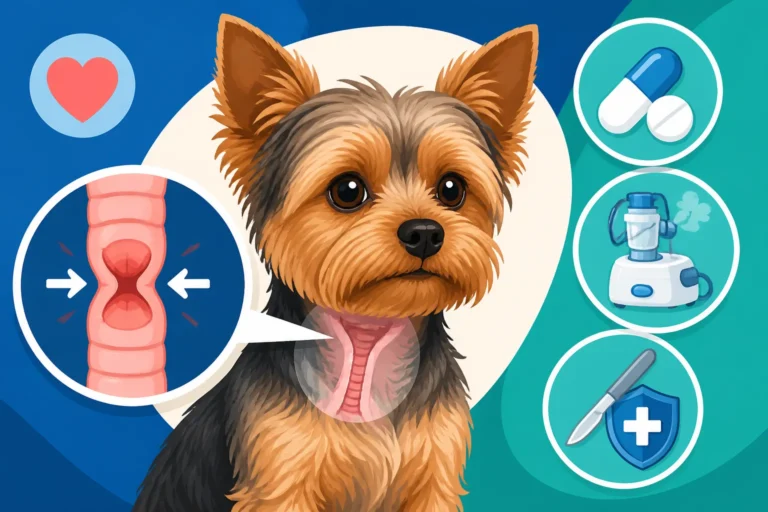
One of the most terrifying sights for any pet owner is seeing their dog struggle to breathe. For Yorkies, this can be particularly concerning due to their predisposition to certain respiratory issues. If your Yorkie is gasping for air, has blue or purple gums, or is making loud, wheezing, or rattling sounds with each breath, it's an undeniable emergency.
You might notice their chest heaving excessively, their nostrils flaring, or even their head and neck extended as if trying to open their airway. This isn't just a heavy pant; this is true labored breathing. Conditions like tracheal collapse, pneumonia, heart failure, or even an allergic reaction can manifest this way. Even something as seemingly benign as a sudden episode of reverse sneezing, while usually not an emergency, can escalate if the dog becomes truly distressed and cannot catch their breath. If your Yorkie's breathing struggle is continuous or worsening, every second counts. Get them to the nearest emergency veterinary clinic without delay.
Uncontrolled Bleeding or Trauma
Accidents happen, and sometimes they can lead to external or internal bleeding. If your Yorkie has a deep wound that's bleeding profusely, or if you suspect internal bleeding due to a fall, impact, or accident with a larger animal, it's an immediate emergency. Signs of external bleeding are obvious: blood gushing or steadily flowing from a visible wound.
For internal bleeding, the signs can be more subtle but just as dire. You might see blood in their urine or stool, unexplained bruising, pale gums, weakness, lethargy, or a swollen abdomen without an obvious cause. If your Yorkie has been hit by a car, fallen from a height, or had a serious altercation with another dog, even if they seem okay initially, underlying internal injuries could be severe. Don't underestimate the impact of trauma on their tiny bodies. Immediate veterinary attention is crucial to assess the extent of the damage and prevent further blood loss or organ damage.
Sudden Collapse or Unconsciousness
Imagine your playful Yorkie suddenly collapsing, becoming weak, or losing consciousness. This is undoubtedly one of the most frightening emergency symptoms and requires immediate veterinary intervention. Collapse can manifest as a sudden inability to stand or walk, extreme weakness, or completely falling unresponsive.
A sudden collapse could be indicative of a myriad of severe underlying conditions, including severe hypoglycemia (low blood sugar), cardiac arrest, a severe allergic reaction, internal bleeding, a major seizure, or even a severe neurological event. Given that Yorkies are prone to conditions like Yorkie Hypoglycemia: Emergency Signs, this symptom, especially when accompanied by disorientation or extreme lethargy, is particularly urgent. If your Yorkie loses consciousness, check for breathing and a pulse, and transport them to an emergency vet clinic while calling ahead to let them know you're on your way. Time is of the essence in these situations.
Critical Gastrointestinal and Metabolic Emergencies
Digestive and metabolic issues can quickly spiral out of control in small breeds like Yorkshire Terriers. What might seem like a simple upset stomach can escalate into something much more serious due to their delicate systems and high metabolism.
Persistent Vomiting and Diarrhea
While an occasional bout of vomiting or loose stool might not always warrant an emergency trip, persistent vomiting and diarrhea in a Yorkie is a major red flag. Their small size makes them incredibly susceptible to rapid dehydration, which can lead to electrolyte imbalances and a host of other complications.
If your Yorkie is vomiting repeatedly within a few hours, has explosive or bloody diarrhea, or both, and also appears lethargic, weak, or refuses to eat or drink, they need immediate veterinary attention. This isn't just an "oops, they ate something bad" scenario. It could indicate parvovirus (especially in puppies), a severe gastrointestinal blockage, acute pancreatitis (which Yorkies can be prone to), severe parasitic infection, or even kidney or liver issues. If your Yorkie is also unable to keep water down, dehydration will set in rapidly. You might also notice signs like sunken eyes, dry gums, and decreased skin elasticity. Learning to recognize Yorkie Vomiting: When to Worry and Yorkie Diarrhea: When to Worry can help you react appropriately.
Signs of Hypoglycemia (Low Blood Sugar)
Hypoglycemia, or dangerously low blood sugar, is an emergency that Yorkie owners must be particularly vigilant about, especially with puppies or very small adults. Their high metabolism and small body mass mean they can burn through glucose very quickly, and if they don't eat regularly or have an underlying health issue, their blood sugar can plummet.
Signs of hypoglycemia can come on quickly and range from mild to severe. You might first notice your Yorkie seems lethargic, weak, disoriented, or unusually sleepy. They might stumble, walk like they're drunk, or start shaking and trembling uncontrollably. As it progresses, they could experience muscle twitching, seizures, and eventually collapse or unconsciousness. If you suspect hypoglycemia, immediately rub a small amount of corn syrup, honey, or a specialized glucose gel on their gums. Even if they perk up, a vet visit is still critical to understand why the hypoglycemia occurred and to prevent future episodes.
Abdominal Swelling or Pain
Any sudden, unexplained swelling or tenderness in your Yorkie's abdomen should be treated as an emergency. This isn't just a "full belly" after dinner; it's a distended, hard, or painful abdomen that could signal a life-threatening condition.
One of the most dreaded conditions is Gastric Dilatation-Volvulus (GDV), often called bloat, which can affect small breeds too, though less commonly than large deep-chested dogs. With GDV, the stomach fills with gas and can twist, trapping food and gas, and cutting off blood supply. This is a rapidly progressive and fatal condition if not treated immediately. Other causes of sudden abdominal swelling or pain could include internal bleeding, a ruptured organ, severe inflammation (like pancreatitis), or a urinary blockage. If your Yorkie's belly looks larger than normal, feels hard to the touch, and they are also restless, retching unsuccessfully, pacing, or crying out in pain, seek emergency veterinary care right away.
| Symptom Category | Specific Symptoms to Watch For | Urgency Level | Potential Underlying Issues |
|---|---|---|---|
| Breathing | Gasping, blue/purple gums, persistent coughing, noisy breathing, labored chest movement | CRITICAL | Tracheal collapse, pneumonia, heart failure, allergic reaction |
| Bleeding/Trauma | Profuse bleeding from wound, blood in urine/stool, pale gums, unexplained bruising after injury, collapse | CRITICAL | Deep laceration, internal organ damage, major accident |
| Consciousness | Sudden collapse, extreme weakness, unresponsive, unrousable sleep | CRITICAL | Severe hypoglycemia, heart attack, major seizure, internal bleeding |
| Gastrointestinal | Persistent vomiting/diarrhea (especially bloody), severe dehydration, loss of appetite/thirst | HIGH | Parvovirus, blockage, pancreatitis, severe infection |
| Metabolic | Lethargy, disorientation, trembling, staggering, seizures, collapse (often pre-empted by weakness) | CRITICAL | Hypoglycemia |
| Abdominal | Sudden bloating, hard/painful belly, unsuccessful retching, restlessness | CRITICAL | Bloat (GDV), internal bleeding, ruptured organ, severe pancreatitis |
| Neurological | Repeated seizures, sudden paralysis, disorientation, head tilt, loss of balance | CRITICAL | Epilepsy, brain tumor, stroke, severe head trauma |
| Musculoskeletal | Inability to bear weight, severe limping, crying out when touched, obvious fracture | HIGH | Fracture, severe luxating patella, ligament tear |
| Eyes | Sudden redness, discharge, squinting, tearing, bulging eye, sudden vision loss | HIGH | Trauma, severe infection, glaucoma |
Neurological and Musculoskeletal Red Flags
Our little Yorkies are active and curious, and their zest for life often means they're darting around. However, sudden changes in their movement or neurological function can be alarming and may point to serious health issues.
Seizures and Loss of Coordination
Witnessing your Yorkie have a seizure can be incredibly distressing. Seizures are caused by abnormal electrical activity in the brain and can manifest in various ways. Your Yorkie might suddenly fall, paddle their legs, tremble, salivate excessively, lose control of their bladder or bowels, or appear dazed and disoriented. They might even just stare blankly into space or exhibit sudden, uncontrolled shaking of a limb.
While some Yorkies may have idiopathic epilepsy, meaning seizures with no known cause, a sudden onset of seizures, or a cluster of seizures, warrants immediate veterinary attention. These could be triggered by severe hypoglycemia, exposure to toxins, liver disease, kidney failure, or even a brain tumor. If your Yorkie experiences a seizure lasting longer than a few minutes, has multiple seizures in a short period, or doesn't recover properly between episodes, it's a critical emergency. Knowing Yorkie Seizures: Signs and Care is vital for every owner. After a seizure, your Yorkie might be confused or exhausted, but if they don't seem to be returning to normal, get them to the vet.
Sudden Limping or Inability to Bear Weight
Yorkies are known for their lively scamper, so a sudden, severe limp or complete inability to put weight on a leg is a serious concern. While minor limping might be monitored for a short period, an acute lameness where they're crying out in pain, refusing to move, or holding a limb completely off the ground indicates a significant problem.
This could be a fracture, a dislocated joint (which is common for Yorkies, particularly Yorkshire Terrier Patellar Luxation: Signs and Care), a severe sprain, or even a nerve injury. Given their delicate bone structure, even a small fall or jump can cause significant injury. If you notice swelling, an unusual angle to the limb, or if your Yorkie vocalizes in pain when the area is gently touched, it's time for an emergency vet visit. Delaying treatment could worsen the injury, cause unnecessary prolonged pain, and potentially complicate recovery.
Eye Injuries or Sudden Blindness
Your Yorkie's eyes are delicate, and any sudden changes or injuries to them should be treated as an emergency. If you notice your Yorkie suddenly squinting, pawing at their eye, experiencing excessive tearing, or if the eye itself appears red, cloudy, or has a visible foreign object, it needs immediate attention.
Corneal abrasions (scratches on the eye surface), ulcers, or even more severe trauma can cause immense pain and, if left untreated, lead to infection or permanent vision loss. Similarly, a sudden bulging of the eye or acute vision loss (your Yorkie bumping into things, being disoriented in familiar surroundings) could indicate glaucoma, a sudden hemorrhage, or other serious internal eye conditions. Glaucoma, in particular, can cause irreversible blindness within hours if pressure isn't reduced. Don't try to treat eye issues at home with over-the-counter drops, as some can cause more harm than good. Seek immediate professional veterinary care for any acute eye problem.
When to Seek Emergency Veterinary Care Immediately
Understanding when to go to the emergency vet is just as crucial as knowing what symptoms to look for. When in doubt, it's always better to err on the side of caution.
Preparing for an Emergency Vet Visit
When an emergency strikes, time often feels like it's speeding up, and panic can set in. However, a little preparation can make a big difference in how quickly and effectively your Yorkie receives care. First, always have the contact information for your regular vet and the nearest 24-hour emergency veterinary clinic readily available. Keep it on your fridge, in your phone, and even in your car. Many pet parents find it helpful to have a small "go bag" for emergencies, much like parents do for human babies.
This bag could include a copy of your Yorkie's vaccination records, a list of any current medications they are on (dosage and frequency), and a brief medical history, especially if they have pre-existing conditions like diabetes or heart issues. Having a sturdy carrier that is easily accessible is also vital for safe transport. When you call the emergency clinic, describe your Yorkie's symptoms clearly and let them know your estimated arrival time. This allows them to prepare for your arrival and potentially offer initial advice for stabilizing your Yorkie en route. Remember, your calm demeanor can also help keep your frightened Yorkie more settled during a stressful time. For a general understanding of when to make these urgent trips, you might find our guide on When to Take Your Yorkie to the Vet helpful.
The Importance of Pet Insurance
Let's be realistic: emergency veterinary care can be incredibly expensive, and the last thing you want to worry about when your beloved Yorkie is in critical condition is the cost. This is where pet insurance, like plans offered by Healthy Paws, becomes invaluable. It provides a safety net that allows you to make medical decisions based on what's best for your pet, rather than solely on your budget.
A sudden collapse, a severe trauma, or a complicated surgical procedure can easily run into thousands of dollars. Having a policy with a reputable provider like Healthy Paws can reimburse a significant portion of these unexpected costs, easing your financial burden during an already stressful time. It's a proactive step that every responsible Yorkie owner should consider, especially given the breed's predispositions to certain health issues detailed in our Yorkshire Terrier Health Problems to Know article. Investing in pet insurance is truly investing in peace of mind and your Yorkie's potential longevity.
What to Expect at the Emergency Vet
When you arrive at an emergency veterinary clinic, expect a fast-paced environment. Just like human emergency rooms, pets are triaged based on the severity of their condition. Your Yorkie will likely be assessed quickly by a veterinary technician to determine the urgency of their case. Don't be offended if another pet is taken back before yours; their condition may be more critical.
Once your Yorkie is seen, the veterinary team will perform a thorough physical examination, ask detailed questions about the onset and progression of symptoms, and likely recommend diagnostic tests such as blood work, X-rays, or ultrasound. These tests help them pinpoint the exact problem and formulate a treatment plan. The vet will then discuss their findings, the proposed treatment, prognosis, and a cost estimate with you. It's important to ask any questions you have and clearly understand the situation. While it’s terrifying, try to remain calm and cooperate with the veterinary staff; they are working tirelessly to provide the best possible care for your precious Yorkshire Terrier. Navigating these situations can be tough, but knowing what to anticipate can make it a little less overwhelming.
Disclaimer
This article is intended for informational purposes only and does not constitute medical advice. Always consult with a qualified veterinarian for any health concerns or before making any decisions about your pet's health or treatment.