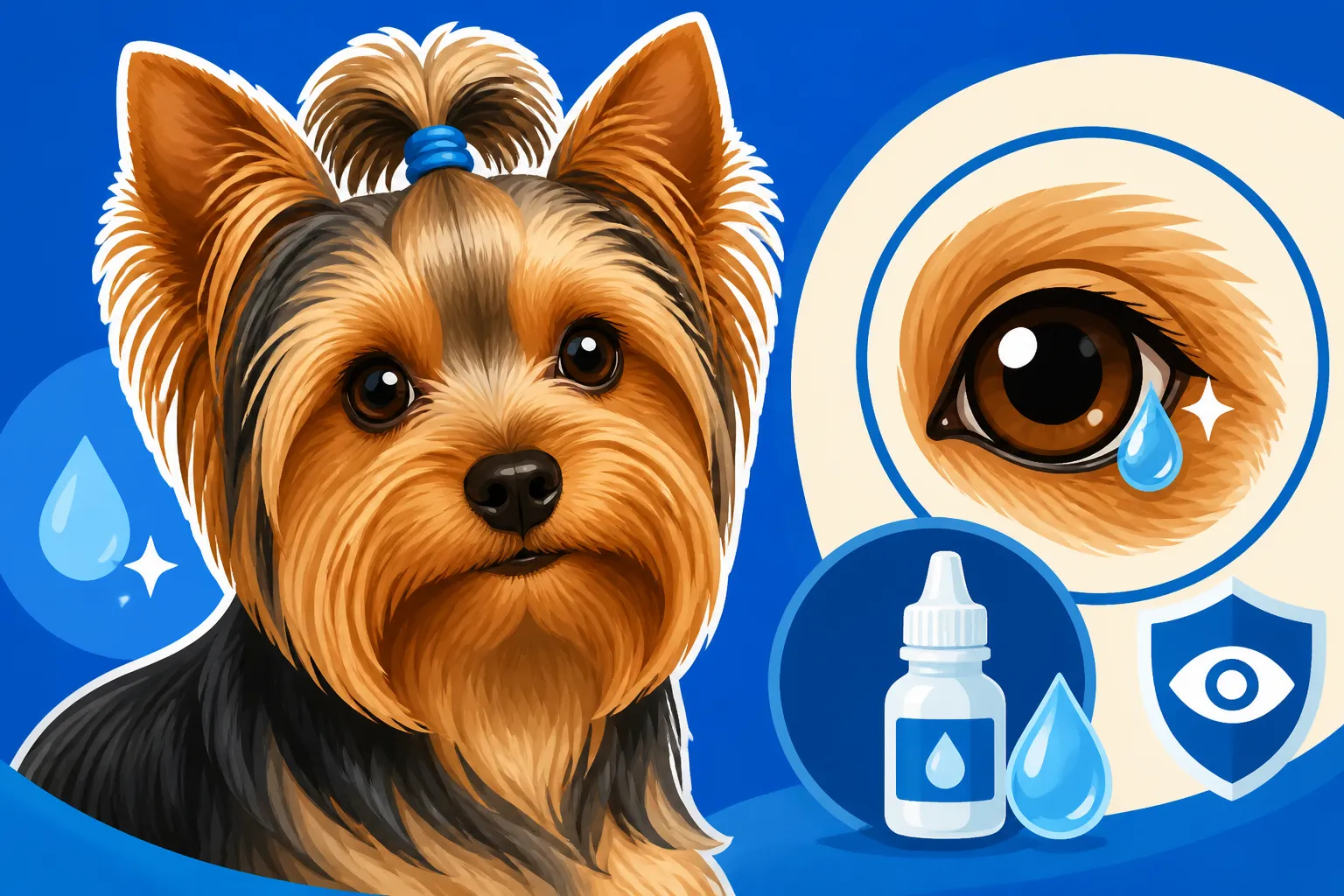
Yorkie Dry Eye Management
It’s truly heartbreaking to see your beloved Yorkshire Terrier suffering from uncomfortable, red, or cloudy eyes. That constant irritation, the thick discharge, and the way they might squint or rub their little faces against the carpet can be incredibly frustrating and worrying for any pet parent. It feels like you’ve tried everything, from wiping their eyes constantly to wondering if it’s just allergies. This guide is here to provide a clear, empathetic path to understanding, diagnosing, and effectively managing dry eye in your Yorkie, helping them find comfort and maintain their precious vision.
Understanding Dry Eye in Yorkshire Terriers Keratoconjunctivitis Sicca (KCS)
When we talk about dry eye in dogs, we’re not just referring to a bit of dryness, like when our own eyes feel parched after staring at a screen too long. In our Yorkies, it’s a chronic, often progressive, inflammatory condition known as Keratoconjunctivitis Sicca, or KCS for short. It's a bit of a mouthful, but understanding what's happening at a fundamental level is key to managing it.
What Exactly is Dry Eye KCS?
Imagine your Yorkie's eye as a delicate, finely tuned surface that needs constant lubrication to function properly and stay healthy. This lubrication comes from the tear film, which isn't just plain water. The tear film is actually composed of three crucial layers:
- The Mucus Layer: This inner layer, produced by goblet cells in the conjunctiva, helps the tears adhere to the eye's surface, ensuring even distribution.
- The Aqueous (Watery) Layer: This is the thickest layer, produced by the lacrimal glands and accessory tear glands. It contains oxygen, nutrients, and immune components that protect the eye from bacteria and debris. This is the layer primarily affected by KCS.
- The Oily (Lipid) Layer: The outermost layer, produced by the Meibomian glands, helps prevent the watery layer from evaporating too quickly, keeping everything moist.
In Yorkies with KCS, the problem lies predominantly with the aqueous layer. Their tear glands fail to produce an adequate amount of these watery tears. This isn't just an inconvenience; it means the eye lacks essential moisture, lubrication, and protection. Think of a car engine running without enough oil – friction and damage become inevitable. Without sufficient tears, the delicate cornea and conjunctiva of your Yorkie’s eye become exposed, irritated, and highly susceptible to inflammation and damage. It's a painful cycle, and it's something many small breeds, including our beloved Yorkshire Terriers, are unfortunately prone to developing. You might notice your Yorkie’s eyes always seem irritated, even after a good night's sleep, which is a classic early sign that something more serious than a simple irritant might be at play.
Common Causes and Predisposing Factors in Yorkies
Dry eye isn't usually a random occurrence; there are several underlying reasons why a Yorkie might develop KCS. It’s important to remember that KCS is often a multifactorial condition, meaning several elements can contribute to its onset.
The most common culprit, especially in breeds like the Yorkshire Terrier, is an autoimmune destruction of the tear glands. In this scenario, your Yorkie's own immune system mistakenly attacks and damages the very glands responsible for tear production, leading to a chronic and often progressive decrease in tears. This is why KCS is frequently a lifelong condition requiring ongoing management.
Beyond autoimmune factors, certain medications can sometimes trigger or exacerbate KCS. For instance, some sulfa-based antibiotics (like trimethoprim-sulfamethoxazole) have been known to temporarily or even permanently reduce tear production in some dogs. It’s always crucial to discuss potential side effects with your vet when any new medication is prescribed.
Neurological issues that affect the nerves controlling tear production can also lead to dry eye. This is less common but can be a possibility, especially if other neurological signs are present. Additionally, hypothyroidism, an underactive thyroid gland, can sometimes be linked to KCS. If your Yorkie is diagnosed with KCS, your vet might want to check their thyroid levels as part of a comprehensive diagnostic workup.
While less frequent, congenital conditions – meaning they are born with the predisposition – can sometimes play a role. However, it's more often the genetic predisposition to autoimmune disease that makes Yorkies and other toy breeds like Shih Tzus, Pugs, and Cocker Spaniels particularly susceptible.
Lastly, environmental factors can contribute to or worsen dry eye. Exposure to smoke (especially secondhand smoke), excessive dust, very dry climates, or even strong winds can irritate the eyes and make tear deficiency more noticeable and uncomfortable. Regularly cleaning the air filters in your home and avoiding smoking indoors can offer a small measure of protection, though they won't cure an underlying autoimmune KCS. Understanding these potential causes helps you and your vet tailor the most effective treatment plan for your specific Yorkie. For ongoing conditions like this, many pet parents find that Pet Insurance for Yorkshire Terriers helps manage the costs of continuous veterinary care and specialized medications.
Recognizing the Signs and Symptoms of Dry Eye
As a Yorkie parent, you’re often the first to notice when something is off with your furry friend. Being vigilant about eye changes can make a significant difference in early detection and management of KCS. Early intervention is paramount to preventing discomfort and potential long-term damage.
Early Warning Signs to Watch For
It can be easy to dismiss early signs of dry eye as a passing irritation or simply "allergies." However, persistent symptoms warrant a closer look.
One of the most common early indicators is a chronic redness of the conjunctiva. The conjunctiva is that delicate pink lining you see inside your Yorkie’s eyelids. Instead of a healthy pale pink, you might notice it looks persistently red, inflamed, or even a bit swollen. This redness is a direct result of the constant irritation and inflammation caused by the lack of lubricating tears.
Another tell-tale sign is a thick, yellowish or whitish discharge. Unlike the clear, watery discharge that might occasionally appear from normal tearing, KCS discharge is often sticky, mucus-like, and can accumulate in the corners of their eyes or even spread across the eyelid. This is the body's attempt to create a protective layer when the watery tears are absent, but it often ends up attracting more dirt and bacteria. You might find yourself wiping your Yorkie's eyes multiple times a day, only for the gunk to return quickly. This is often a sign of Yorkie Eye Problems Explained.
Your Yorkie might also exhibit frequent blinking or squinting, indicating discomfort. Imagine having sand in your eye all the time; that’s a bit how it feels for them. They might try to relieve this irritation by blinking excessively or partially closing their eyes. Some Yorkies will even try rubbing at their eyes with their paws or against furniture, which, while understandable, can actually lead to more irritation or even self-inflicted injuries.
Finally, you might notice a subtle but distinct dull or cloudy appearance of the eye surface. A healthy eye should have a bright, glistening, reflective quality. With KCS, the lack of a proper tear film can make the cornea appear dry, lackluster, or even slightly hazy, losing its natural shine. If you're observing any of these symptoms consistently, it's definitely time to consider a vet visit. Early detection of Signs Your Yorkshire Terrier Is Sick can prevent more serious complications down the road.
Advanced Symptoms and Potential Complications
If dry eye goes undiagnosed or untreated, the initial discomfort can progress to more severe and vision-threatening complications. This is why swift and consistent management is so important.
One of the most serious complications is the development of corneal ulcers. Without adequate lubrication and the protective antimicrobial properties of tears, the cornea is highly vulnerable to scratches, abrasions, and infections. An ulcer is essentially an open sore on the surface of the eye, which is incredibly painful and, if deep enough, can lead to permanent vision impairment or even rupture of the eyeball. You might notice your Yorkie in severe pain, holding their eye completely shut, or experiencing intense light sensitivity.
Another common advanced symptom is pigmentation of the cornea. As a response to chronic inflammation and irritation, the cornea can start to develop dark brown or black spots, or even spread to cover larger areas. This pigmentation acts like a filter, gradually obstructing your Yorkie’s vision. Imagine trying to see through a constantly darkening window; that's what your Yorkie experiences. This change can be irreversible even with treatment, highlighting the urgency of early intervention.
Vascularization, or the growth of new blood vessels onto the cornea, is another sign of chronic inflammation. Normally, the cornea is clear, without blood vessels, to allow unimpeded vision. When it becomes chronically inflamed, the body tries to heal it by sending in blood vessels, which unfortunately further compromises the clarity of the cornea and thus your Yorkie's vision.
Ultimately, if left entirely untreated, KCS can lead to severe impaired vision or even blindness. The constant damage, scarring, and pigmentation can make it impossible for light to reach the retina properly. Beyond vision loss, the lack of tears significantly increases your Yorkie's susceptibility to bacterial infections. Tears naturally wash away bacteria and contain antibacterial compounds. Without them, bacteria can easily colonize the dry eye, leading to recurrent, painful infections that require additional veterinary care, often involving antibiotics. This can also increase Yorkshire Terrier Vet Costs and Health Budget.
Diagnosis and Veterinary Treatment Options
Dealing with KCS requires a precise diagnosis and a committed approach to treatment. It’s not something you can effectively manage at home without veterinary guidance, as the underlying causes and severity can vary greatly.
How Vets Diagnose KCS
When you bring your Yorkie to the vet with suspected dry eye symptoms, they will perform a thorough ophthalmic examination. The cornerstone of diagnosing KCS is a simple yet incredibly effective test: the Schirmer Tear Test (STT).
The STT is considered the gold standard. It involves placing a small, sterile paper strip (with a millimeter scale printed on it) into your Yorkie’s lower eyelid for exactly one minute. The strip absorbs tears, and the amount of moisture absorbed is measured in millimeters. A normal reading for a dog is typically above 15 mm/minute. Readings between 10-14 mm/minute might indicate borderline KCS, while readings consistently below 10 mm/minute are diagnostic of KCS. Your vet will usually perform this test before administering any eye drops, as drops can artificially inflate the results. It's a quick, non-invasive test that provides immediate, objective information about your Yorkie's tear production.
In addition to the STT, your vet will likely perform a fluorescein staining test. This involves applying a special orange dye to the eye. If there's any damage to the corneal surface, such as an ulcer or abrasion, the dye will stick to the exposed deeper layers of the cornea and appear bright green under a blue light. This test is crucial for detecting ulcers, which require immediate and specific treatment alongside KCS management.
Finally, an ophthalmoscopic examination will allow the vet to carefully inspect the entire eye, including the cornea, conjunctiva, and even the internal structures, to look for any signs of inflammation, pigmentation, vascularization, or other concurrent eye conditions like conjunctivitis or glaucoma. It’s vital for the vet to rule out other possible causes of your Yorkie’s eye discomfort to ensure the correct treatment path is taken. This comprehensive approach ensures that all aspects of your Yorkie’s eye health are considered, leading to a precise diagnosis and a tailored treatment plan. Knowing When to Take Your Yorkie to the Vet for these symptoms is crucial.
Medical Management for Dry Eye
Once KCS is diagnosed, medical management is typically the primary course of action. It's important to understand that KCS is often a lifelong condition, meaning treatment will likely be ongoing, similar to managing other chronic health issues.
The most common and effective medications for KCS are immunosuppressants that work to stimulate natural tear production. The two main players here are Cyclosporine and Tacrolimus. Cyclosporine is often prescribed as an ophthalmic ointment (like Optimmune) or drops, while Tacrolimus is usually compounded into an eye drop solution. These medications work by suppressing the immune response that is attacking the tear glands, allowing the glands to resume or increase tear production. It's not an overnight fix; it often takes several weeks to months to see the full effect, and consistent daily application is absolutely critical. For many Yorkies, these drops or ointments become a twice-daily routine for the rest of their lives.
In addition to tear stimulants, artificial tears are a vital part of the management strategy. These lubricating drops or gels help to supplement your Yorkie’s natural tears, providing immediate relief from dryness and irritation. They don't stimulate tear production but offer comfort and a protective barrier. Your vet might recommend applying artificial tears several times a day, especially in the initial stages or during flare-ups. It’s often best to use preservative-free artificial tears to avoid additional irritation, particularly for long-term use.
Sometimes, anti-inflammatory drops (such as topical corticosteroids) might be prescribed for a short period to reduce acute inflammation, but they are typically used cautiously and not for long-term management due to potential side effects like increasing the risk of corneal ulcers if one is already present. If a secondary bacterial infection has developed due to the lack of protective tears, your vet will also prescribe antibiotic eye drops or ointments to clear up the infection.
The success of KCS management hinges on consistent treatment and regular follow-up vet visits. Your vet will likely want to recheck your Yorkie’s tear production with the Schirmer Tear Test periodically to assess the effectiveness of the medication and adjust dosages as needed. This ongoing commitment is crucial for your Yorkie's comfort and eye health. For chronic conditions like KCS, the costs of lifelong medication and regular vet check-ups can add up. This is where comprehensive pet insurance providers, such as Healthy Paws, can be incredibly helpful in alleviating the financial burden, allowing you to focus on getting your Yorkie the best possible care without constant worry about the expense. This proactive approach is a key part of How to Keep a Yorkshire Terrier Healthy.
Surgical Options When Medical Treatment Isn't Enough
While medical management is effective for the vast majority of KCS cases, there are rare instances where medical treatment simply isn't enough to adequately stimulate tear production or control the symptoms. In these challenging situations, a surgical option might be considered as a last resort.
The most common surgical procedure for KCS that doesn't respond to medication is called Parotid Duct Transposition. This is a highly specialized surgery, typically performed by a veterinary ophthalmologist. In this procedure, the duct of one of the salivary glands (the parotid gland, located near the ear) is surgically rerouted to redirect saliva into the eye. Saliva, while not exactly tears, contains water and some lubricating properties that can help moisten the eye surface.
It sounds like a straightforward solution, but it's important to understand that Parotid Duct Transposition is a significant surgery with its own set of potential complications. While it can provide much-needed moisture, saliva has a different composition than tears. It can sometimes lead to excessive moisture in the eye, requiring frequent wiping, or even mineral deposits (salivary calculi) forming on the cornea due to the different pH and mineral content of saliva. These deposits can be irritating and may require additional medical or surgical intervention. There's also a risk of the duct becoming blocked or infected.
Because of the complexity and potential for complications, Parotid Duct Transposition is only considered after all medical avenues have been exhausted and the Yorkie is still suffering significantly from severe dry eye and its associated problems. It’s a decision that requires careful consideration and thorough discussion with your veterinary ophthalmologist, weighing the potential benefits against the risks. This type of advanced care, if needed, highlights the value of having a good pet insurance policy.
Home Care and Long-Term Management
Managing dry eye in your Yorkie extends far beyond the vet clinic; a consistent and proactive home care routine is absolutely vital for their comfort and long-term eye health. This daily commitment by you, the pet parent, makes all the difference.
Daily Routine for Dry Eye Care
The golden rule for KCS management is consistency is key. If your vet has prescribed daily medications like cyclosporine or tacrolimus drops, adhering strictly to the prescribed schedule (often twice a day) is paramount. Missing doses can lead to a rebound in symptoms and hinder the progress made. It's often helpful to set reminders on your phone or keep a small calendar to mark off doses, especially during the busy morning and evening routines. Incorporating the drops into an existing routine, like after their morning walk or before their evening meal, can make it easier to remember.
Gentle eye cleaning will also become a regular part of your daily routine. With reduced watery tears, your Yorkie will likely have more thick, sticky discharge that can crust around their eyes. Use a warm, damp, soft cloth (a fresh one each time) to carefully and gently wipe away any discharge. Always wipe away from the eye, towards the nose, to avoid dragging debris across the corneal surface. Be extra gentle, as their eyes are already sensitive. Regular cleaning not only makes your Yorkie more comfortable but also prevents the buildup of discharge from becoming a breeding ground for bacteria.
Consider using humidifiers in your home, especially during dry seasons (winter heating) or if you live in an arid climate. Increased humidity in the air can help to reduce the evaporation of the limited tears your Yorkie does produce, offering a bit more comfort. Placing a humidifier near their bed or in the room where they spend most of their time can be beneficial.
Lastly, be mindful of protecting your Yorkie from environmental irritants. Avoid exposing them to smoke (even secondhand smoke from burning candles or fireplaces), excessive dust, or strong winds. If you're out for a walk on a windy day, a pair of doggy goggles (like Doggles) can actually be quite effective at shielding their sensitive eyes. Similarly, position their bed away from direct air conditioning vents or drafts. These small adjustments can significantly contribute to their comfort and prevent exacerbations of their dry eye.
Nutritional Support and Supplements
While medication forms the backbone of KCS treatment, nutritional support and certain supplements can play a complementary role in supporting overall eye health and potentially improving the quality of the tear film. However, it's absolutely crucial to always consult with your veterinarian before adding any supplements to your Yorkie's diet.
Omega-3 fatty acids are widely recognized for their anti-inflammatory properties. Found in fish oil, krill oil, or flaxseed oil, these fatty acids can help reduce inflammation throughout the body, including in the delicate structures of the eye. Some studies suggest that Omega-3s can contribute to a healthier tear film and reduce symptoms of dry eye in humans, and similar benefits may extend to dogs. Look for high-quality, vet-approved supplements specifically formulated for pets. The dosage will depend on your Yorkie’s weight and the concentration of the supplement, so vet guidance is essential.
Antioxidants like Vitamin C, Vitamin E, Lutein, and Zeaxanthin can also contribute to general eye health by combating oxidative stress. While they won't cure KCS, supporting cellular health can be beneficial in the long run. Many quality senior dog foods or supplements designed for eye health will include these ingredients.
It’s important to reiterate that supplements are not a substitute for prescribed medications for KCS. They are meant to complement the primary treatment plan, and only if deemed safe and appropriate by your vet. A well-balanced diet appropriate for your Yorkie's age and health status is always the foundation of good health. You may also want to consider Best Joint Supplements for Yorkshire Terriers if your pup is aging, as some older Yorkies experience multiple health challenges.
Monitoring and When to Seek Veterinary Attention
Effective long-term management of KCS involves consistent home care, but also vigilant monitoring of your Yorkie’s condition and knowing when it's time to seek professional veterinary attention.
Keeping a log of symptoms can be incredibly helpful. Jot down daily notes about the amount and type of eye discharge, redness levels, how often your Yorkie is squinting or rubbing their eyes, and any changes in their comfort level. This detailed record will provide invaluable information for your vet during regular follow-up appointments. These check-ups, which typically involve repeat Schirmer Tear Tests, are essential to assess the effectiveness of the treatment plan and make any necessary adjustments to medication dosages or types. Sometimes a veterinary ophthalmologist may be recommended for more specialized care, especially if the condition is particularly stubborn or complex.
It’s also critical to know the signs of a worsening condition or complications that warrant immediate veterinary attention. These include:
- Sudden increase in redness or inflammation: If the eyes suddenly become much redder or more swollen than usual.
- Severe pain: If your Yorkie is holding their eye completely shut, seems unusually sensitive to light, or cries out when the eye is touched.
- A cloudy or opaque eye: Any sudden change in the clarity of the cornea could indicate a developing ulcer or severe inflammation.
- Increased or changed discharge: If the discharge becomes particularly thick, greenish, or pus-like, it could signal a bacterial infection.
- Sudden vision loss: If your Yorkie bumps into things, seems disoriented, or shows any signs of impaired vision.
Early intervention in these situations can often prevent irreversible damage or more severe pain for your Yorkie. Don't hesitate to call your vet if you notice any concerning changes. Being prepared for these eventualities is another reason why comprehensive pet insurance, such as that offered by Healthy Paws, can provide significant peace of mind. It ensures that should a complication arise or if lifelong, expensive treatments are required, you have the financial support to provide the best possible care for your cherished companion. This is also closely related to Yorkie Emergency Symptoms to Never Ignore.
Comparing Normal Eye Signs to KCS Symptoms
To help you distinguish between a healthy Yorkie eye and one showing signs of dry eye (KCS), here's a helpful comparison table:
| Feature | Normal Yorkie Eye | Dry Eye (KCS) Symptoms |
|---|---|---|
| Appearance | Bright, shiny, moist, clear surface | Dull, dry, sometimes hazy or cloudy, lack of natural shine |
| Conjunctiva | Healthy pale pink | Red, inflamed, sometimes swollen |
| Discharge | Minimal, clear, watery, sometimes "sleep" in corners | Thick, sticky, yellowish-white, green, or pus-like |
| Comfort | No squinting, rubbing, or excessive blinking | Frequent squinting, blinking, rubbing at eyes |
| Cornea | Clear, transparent | May develop dark pigmentation, visible blood vessels, or ulcers |
| Tear Production | 15-25 mm/minute (Schirmer Tear Test) | Typically <10 mm/minute (Schirmer Tear Test) |
Disclaimer
The information provided in this article is for general informational purposes only and is not a substitute for professional veterinary advice. Always consult with a qualified veterinarian regarding your Yorkshire Terrier's health, diagnosis, and treatment options for dry eye or any other medical condition.