Pet Insurance for Yorkshire Terriers
One of the biggest worries for any devoted Yorkshire Terrier parent is the thought of a sudden illness or accident, not just for the emotional toll, but also for the daunting financial implications that often come with veterinary care. We all want to provide the best for our tiny companions, but an unexpected vet bill for a serious condition can quickly become overwhelming, turning a stressful situation into a financial crisis. This comprehensive guide will walk you through everything you need to know about pet insurance for your Yorkshire Terrier, helping you understand its value, navigate the options, and make an informed decision for your beloved furry family member.
Why Pet Insurance Makes Sense for Yorkshire Terriers
It's a tough pill to swallow, but our adorable Yorkies, despite their robust personalities, can be prone to certain health issues. As a responsible pet parent, understanding these potential challenges and preparing for them financially is key to ensuring a long, happy, and healthy life for your little one. Pet insurance isn't just a luxury; for many, it's becoming a necessity to manage the unpredictable costs of veterinary care.
Common Yorkie Health Concerns and Costs
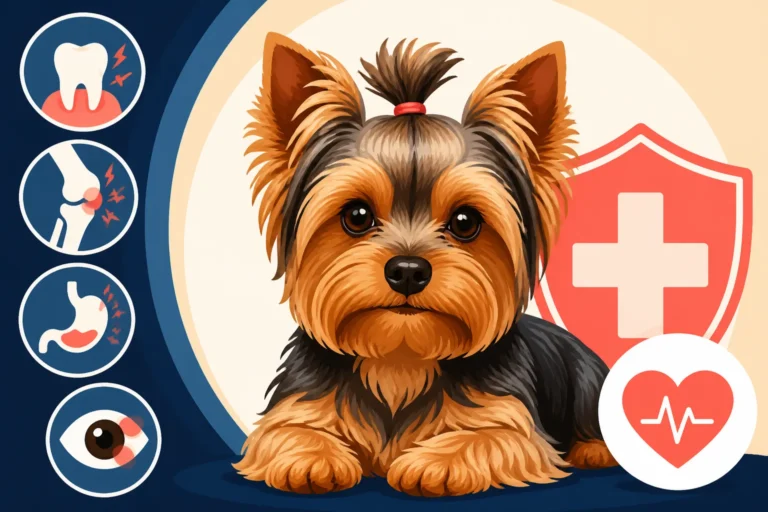
Yorkshire Terriers are fantastic little dogs, but like all purebreds, they come with a predisposition to certain health conditions that can lead to significant veterinary expenses. We're talking about things like patellar luxation, where their kneecaps can slip out of place, or tracheal collapse, a common issue affecting their breathing. These aren't just minor sniffles; they often require specialized diagnostics, medications, and sometimes even surgery.
For example, a sudden onset of Yorkshire Terrier Patellar Luxation: Signs and Care might mean X-rays, anti-inflammatory medications, and potentially a surgical correction that could run into thousands of dollars. Similarly, addressing Yorkshire Terrier Collapsing Trachea: Signs and Care could involve costly imaging like fluoroscopy, ongoing medications, and specialized care. Then there are other common ailments such as Yorkshire Terrier Dental Disease: Signs and Care which, if left untreated, can lead to painful infections and extractions, all of which add up. Even routine illnesses like severe gastroenteritis can quickly accumulate bills with diagnostics, IV fluids, and hospitalization. Having an understanding of Yorkshire Terrier Health Problems to Know is the first step in realizing how valuable a safety net like pet insurance can be.
The Financial Burden of Veterinary Care
Let's be brutally honest: vet care isn't cheap, and it’s only getting more sophisticated and, consequently, more expensive. A routine check-up is one thing, but an emergency visit in the middle of the night can easily set you back hundreds, if not thousands, of dollars before any treatment even begins. Imagine your Yorkie suddenly starts Why Is My Yorkie Coughing severely, and you rush them to an emergency vet. Diagnosing the cause, whether it's kennel cough, a foreign object, or something more serious like heart disease, requires tests, and those tests cost money.
Many pet parents face the heartbreaking decision of whether they can afford life-saving treatment for their beloved companion. It's a choice no one should ever have to make. This is where pet insurance truly shines, by mitigating that financial pressure. Instead of worrying about how you'll pay for an unexpected surgery or long-term medication, you can focus on your Yorkie's recovery. Think about the cumulative impact of these costs over your Yorkie's lifespan; a detailed look at Yorkshire Terrier Vet Costs and Health Budget really drives home the importance of financial planning.
Understanding Pet Insurance: What It Covers
Navigating the world of pet insurance can feel a bit like reading hieroglyphics. There are so many terms – deductibles, reimbursement percentages, annual limits, exclusions – it's enough to make your head spin. But understanding the basics is crucial to selecting a plan that truly meets your Yorkie’s needs and your financial comfort level.
Types of Pet Insurance Plans
Generally, pet insurance plans fall into a few main categories, each offering different levels of coverage:
- Accident-Only Plans: These are the most basic and typically the most affordable. They cover unexpected injuries like broken bones, bites, or accidental ingestions. They don't cover illnesses, which means if your Yorkie gets sick, these plans won't help. While useful for sudden traumas, they leave a large gap in coverage for common Yorkie health issues.
- Accident & Illness Plans: This is the most popular and comprehensive type of plan. It covers both unexpected accidents and a wide range of illnesses, including chronic conditions, genetic conditions, and infections. This is often the best choice for a breed like the Yorkshire Terrier, given their predispositions. Most pet parents find that the peace of mind offered by these plans, which cover a broad spectrum of medical needs from minor ear infections to major surgeries, is well worth the investment.
- Wellness Plans (Add-ons): These are typically not standalone policies but rather additions to an accident and illness plan. They cover routine preventative care like annual check-ups, vaccinations (see Yorkie Vaccination Schedule), flea and tick prevention, and sometimes even dental cleanings. While not insurance in the traditional sense, they can help budget for predictable preventative care. Some providers, like Healthy Paws, focus solely on accident and illness coverage, believing wellness costs are more predictable and manageable without insurance.
What's Typically Covered and What's Not
When you're looking at pet insurance, it's easy to assume everything will be covered, but that's not always the case. It's vital to read the fine print to understand what your policy will actually pay for.
Most accident and illness policies will cover:
- Accidents: Things like cuts, fractures, poisoning, being hit by a car.
- Illnesses: From common infections (like UTIs or ear infections) to more serious conditions like cancer, diabetes, allergies, and chronic diseases. This often includes diagnosing and treating conditions like Yorkshire Terrier Liver Shunt: Signs and Care or Yorkshire Terrier Hypoglycemia: Signs and Care.
- Diagnostics: X-rays, MRIs, CT scans, blood tests, and lab work.
- Surgeries: Including anesthesia and hospitalization.
- Medications: Prescription drugs.
- Emergency & Specialist Care: Visits to emergency vets and consultations with specialists like dermatologists or cardiologists.
- Holistic & Alternative Therapies: Many policies now include coverage for acupuncture, chiropractic care, and hydrotherapy if recommended by a vet.
What's generally not covered:
- Pre-existing Conditions: This is a big one. Any illness or injury your Yorkie had before your policy started or during its waiting period is almost universally excluded. This is why it’s often recommended to get pet insurance when your Yorkie is a puppy, as discussed in Yorkshire Terrier Puppy Health Guide, before any issues arise.
- Routine Wellness Care: Unless you have an added wellness plan, things like annual exams, vaccinations, spaying/neutering (though some plans offer discounts), and preventative parasite control are not covered.
- Cosmetic Procedures: Tail docking, ear cropping, or declawing (which isn't typically done on dogs anyway).
- Breeding & Pregnancy Costs: Any costs associated with breeding, whelping, or pregnancy complications.
- Experimental Treatments: Treatments not widely accepted in veterinary medicine.
- Dietary & Prescription Foods: Unless medically necessary to treat a specific, covered illness (e.g., a specific prescription diet for kidney disease).
It's always best to get a clear picture from the provider. Companies like Healthy Paws are very transparent about what they cover, emphasizing comprehensive accident and illness plans to address the big, unexpected costs.
Choosing the Right Pet Insurance Plan
Selecting the best pet insurance for your Yorkshire Terrier involves more than just picking the cheapest option. You need to consider your budget, your Yorkie's specific needs, and how comfortable you are with potential out-of-pocket costs. It’s about finding that sweet spot between adequate coverage and affordability.
Key Factors to Compare in Policies
When you're looking at different pet insurance providers, keep these critical elements in mind:
- Coverage Details: As we just discussed, is it accident-only or accident and illness? Does it cover specific conditions your Yorkie might be prone to, like genetic conditions? Check if things like physical therapy after an injury are included. Some plans are more inclusive than others when it comes to long-term conditions or rehabilitation.
- Deductible: This is the amount you pay out of pocket before your insurance starts reimbursing you. Policies might offer annual deductibles (you pay it once per year) or per-incident deductibles (you pay it for each new condition). Higher deductibles usually mean lower monthly premiums, but you'll pay more upfront if something happens.
- Reimbursement Percentage: This is the percentage of the vet bill your insurer will pay after your deductible is met. Common options are 70%, 80%, or 90%. If your bill is $1,000, and you have an 80% reimbursement, the insurer pays $800 (minus your deductible).
- Annual Limit: This is the maximum amount the insurance company will pay out in a year. Some plans have unlimited annual payouts, which is fantastic for severe, costly conditions, while others have limits ranging from a few thousand to tens of thousands of dollars. For conditions requiring extensive treatment or chronic care, an unlimited option (or a very high limit) can be incredibly reassuring.
- Waiting Periods: All policies have waiting periods before coverage begins. This is the time between when you enroll and when your policy actually starts covering incidents. There are typically different waiting periods for accidents (usually shorter, like a few days) and illnesses (often 14-30 days). Some may also have longer waiting periods for specific orthopedic conditions like Yorkie Knee Problems Explained. It's crucial to understand these to avoid unexpected denial of claims.
- Customer Service and Claims Process: How easy is it to file a claim? What's their typical turnaround time for reimbursement? Look for providers with strong reputations for customer support and a straightforward claims process. Reviews and personal recommendations can be very helpful here. For instance, Healthy Paws is known for its fast and efficient claims processing, often reimbursing within a few days.
Here’s a simplified table comparing common policy features:
| Feature | Lower Cost Plan (Example) | Mid-Range Plan (Example) | Higher Cost Plan (Example) |
|---|---|---|---|
| Monthly Premium | Lower | Moderate | Higher |
| Deductible (Annual) | $500 – $1,000 | $250 – $500 | $0 – $250 |
| Reimbursement % | 60% – 70% | 70% – 80% | 80% – 90% |
| Annual Limit | $5,000 – $10,000 | $10,000 – $20,000 | Unlimited or $30,000+ |
| Coverage Type | Accident-Only or Basic Illness | Comprehensive Accident & Illness | Comprehensive Accident & Illness |
| Ideal For | Budget-conscious, minor accidents | Good balance, most pet parents | Maximum coverage, peace of mind |
Navigating Deductibles, Reimbursements, and Premiums
It’s a balancing act:
- Premiums: This is your monthly payment. Lower premiums are attractive, but they usually come with higher deductibles or lower reimbursement percentages, meaning more out-of-pocket costs when you do file a claim.
- Deductibles: As mentioned, this is what you pay first. If you choose a higher deductible, your premiums will be lower, but you need to be prepared to cover that initial amount yourself.
- Reimbursements: The higher the percentage, the less you pay after your deductible is met. An 80% or 90% reimbursement rate means you only cover 10-20% of the remaining bill.
Consider your personal financial situation and risk tolerance. If you have a solid emergency fund and prefer lower monthly costs, a plan with a higher deductible might suit you. If you want minimal out-of-pocket expenses during a vet visit, even if it means a higher monthly premium, opt for a lower deductible and higher reimbursement. Remember that companies like Healthy Paws offer flexible options allowing you to choose your deductible and reimbursement percentage to tailor a plan to your specific needs. This flexibility is particularly helpful when considering the potential lifetime costs associated with chronic conditions, which can sometimes be a concern for owners of small breeds.
Making the Most of Your Yorkie's Pet Insurance
Once you've chosen a pet insurance policy, it's not a set-it-and-forget-it situation. To truly benefit from your investment, you need to understand how to use it effectively, from enrollment to filing claims. Maximizing your benefits means proactive engagement and keeping good records.
Tips for Filing Claims and Maximizing Benefits
The claims process can seem daunting at first, but with a few tips, it becomes much easier:
- Keep Meticulous Records: This is perhaps the most important tip. Always keep copies of your Yorkie’s veterinary invoices, medical records, and any related communication. This includes everything from routine check-ups to emergency visits and specialist consultations. Having these readily available will make the claims process smoother and quicker. You never know when you might need to prove the timeline of a condition.
- Understand Your Policy Limits and Exclusions: Before submitting a claim, quickly review your policy. Remind yourself of your deductible, reimbursement rate, annual limit, and especially any exclusions. Knowing what to expect will prevent frustration later. For example, if you have an accident-only policy, don't submit a claim for an ear infection.
- Submit Claims Promptly: Don't delay! Most insurance providers, including Healthy Paws, allow you to submit claims online or via a mobile app, making it incredibly convenient. Submitting quickly ensures you get reimbursed faster and helps you keep track of your annual deductible and remaining benefits.
- Communicate with Your Vet: Let your veterinarian know you have pet insurance. While they generally don't work directly with the insurance company, they can help ensure their invoices contain all the necessary information, like detailed breakdowns of services, diagnoses, and treatment codes, which are essential for processing claims. They can also advise you on whether a particular procedure might be considered pre-existing if you're unsure.
- Utilize Your Wellness Add-On (If Applicable): If you purchased a wellness plan, be sure to schedule routine appointments like annual exams, vaccinations, and dental cleanings to take full advantage of those benefits. Regular preventative care is crucial for your Yorkie's long-term health. Knowing When to Take Your Yorkie to the Vet for regular check-ups is just as important as knowing when to go for emergencies.
When to Enroll Your Yorkie
The absolute best time to enroll your Yorkshire Terrier in pet insurance is when they are a puppy. Why? Because of those pesky pre-existing conditions. A young puppy is less likely to have developed any chronic illnesses or conditions that would be excluded from coverage. Getting a policy early ensures that anything that develops later in life, from the relatively minor to the serious Common Yorkshire Terrier Genetic Conditions, will likely be covered.
Imagine you wait until your Yorkie is five years old and then suddenly develops a severe case of patellar luxation. If that condition wasn't noted in their medical history before you enrolled, it might be covered. But if there were prior limping episodes or a vet noted "loose patellas" in their chart before you got insurance, it would likely be considered pre-existing and therefore excluded. This can be a huge financial blow, especially for common breed-specific issues.
For older Yorkies, say those entering their senior years as described in the Yorkshire Terrier Senior Care Guide, it's still worth exploring options, but be prepared for higher premiums and more potential pre-existing exclusions. Some providers might also have age limits for new enrollments. However, even with an older dog, accident-only coverage can still be a wise choice to protect against unforeseen mishaps. The key is to act sooner rather than later to lock in the best possible coverage before health issues emerge.
Ultimately, pet insurance is an investment in your peace of mind and your Yorkie’s well-being. It allows you to make medical decisions based on what’s best for your furry friend, rather than on the size of your wallet.
Disclaimer
This article is for general informational purposes only and does not constitute professional advice. Laws, prices and regulations vary by location and change over time. Consult a qualified professional for guidance on your specific situation.