Yorkie Vaccination Schedule
Bringing home a tiny Yorkshire Terrier puppy is an absolute joy, but it can also bring a wave of questions and a touch of anxiety, especially when it comes to their health. One of the biggest puzzles for new Yorkie parents is navigating the world of vaccinations. It feels like there's a new appointment every few weeks, and understanding what shots they need, when they need them, and why is crucial for keeping your little companion safe and thriving. This guide aims to clear up the confusion surrounding your Yorkie's vaccination schedule, helping you feel confident and prepared for their crucial early health journey and beyond.
Why Vaccinations Are Absolutely Essential for Your Yorkie
It's easy to look at a tiny, seemingly robust Yorkie and think they're invincible, but the truth is, these little dogs are susceptible to a range of serious, even deadly, infectious diseases. Vaccinations are your first, best line of defense, essentially teaching your Yorkie's immune system how to recognize and fight off these threats before they ever have a chance to take hold. Skipping vaccines isn't just a risk; it's a gamble with your beloved pet's life, and it's one you simply can't afford to take.
Understanding How Immunity Works
When your Yorkie receives a vaccine, it's given a tiny, safe dose of a virus or bacteria, or a component of it, that's been altered so it can't cause the actual disease. This "mock" infection prompts their immune system to produce antibodies and memory cells. Think of it like a training exercise for their body's defense forces. If your Yorkie then encounters the real, virulent pathogen in the future, their immune system is already primed and ready to launch a rapid and effective counter-attack, preventing them from becoming seriously ill. This is especially vital for puppies, whose immune systems are still developing and whose maternal antibodies, received from their mother's milk, begin to wane, leaving them vulnerable.
For a deeper dive into common health concerns, check out our guide on Yorkshire Terrier Health Problems to Know.
Protecting Against Common and Devastating Diseases
The diseases that core vaccines protect against aren't minor inconveniences; they are often severe, highly contagious, and can be fatal, especially for small breeds like Yorkies. Canine distemper, parvovirus, adenovirus, and rabies are all threats that, without vaccination, can turn a vibrant, playful puppy into a very sick animal with little chance of recovery. These pathogens can be found in various environments, from dog parks to contaminated soil, making exposure almost unavoidable for any dog that ventures outside. Vaccinations provide a shield, allowing your Yorkie to explore the world safely.
Moreover, vaccinating your Yorkie isn't just about protecting them; it's also about contributing to the wider canine community's health. When a high percentage of dogs in an area are vaccinated, it creates "herd immunity," which significantly reduces the spread of disease, protecting even those dogs who might be too young or medically unable to receive vaccines themselves. It's a collective responsibility that every pet owner shares.
The Core Vaccine Schedule for Yorkie Puppies
Navigating the puppy vaccination schedule can feel like a whirlwind of vet visits, but each one is a critical step in building your Yorkie's foundational immunity. The timing of these shots is carefully planned to work with, rather than against, the declining maternal antibodies puppies receive. This ensures a seamless transition to their own robust immune system.
Initial Puppy Shots: DHPP/DA2PP Series
The DHPP or DA2PP vaccine is a combination shot that protects against several very serious diseases: Distemper, Adenovirus (Hepatitis), Parvovirus, and Parainfluenza. This is considered a core vaccine, meaning all dogs should receive it.
- Distemper: A highly contagious and often fatal viral disease that attacks the respiratory, gastrointestinal, and nervous systems. Symptoms include fever, coughing, diarrhea, and seizures.
- Adenovirus (Hepatitis): Canine infectious hepatitis affects the liver, kidneys, spleen, and lungs. While not as common today thanks to vaccines, it can be deadly.
- Parvovirus: An extremely contagious and severe viral illness that causes life-threatening vomiting and diarrhea, leading to rapid dehydration. Yorkie puppies are particularly vulnerable to parvo, and an unvaccinated puppy contracting it often has a grim prognosis.
- Parainfluenza: A respiratory virus that contributes to "kennel cough."
Puppies typically receive their first DHPP/DA2PP shot around 6-8 weeks of age, followed by boosters every 3-4 weeks until they are about 16 weeks old. A common schedule might look like this:
- 6-8 weeks: First DHPP/DA2PP vaccine
- 9-11 weeks: Second DHPP/DA2PP booster
- 12-14 weeks: Third DHPP/DA2PP booster
- 15-16 weeks (or later, depending on vet advice): Fourth DHPP/DA2PP booster (often the final puppy shot in the series)
It's absolutely vital that your Yorkie puppy completes this entire series. Even if they've had one or two shots, they are not fully protected until the full series is administered and sufficient time has passed for their immune system to respond. During this vulnerable period, it's crucial to minimize your puppy's exposure to unknown dogs or public places where unvaccinated dogs might frequent. Our Yorkshire Terrier Puppy Health Guide offers more comprehensive advice on keeping your young Yorkie safe.
The Rabies Vaccine
Rabies is a viral disease that is almost always fatal once clinical signs appear, and it can affect all warm-blooded animals, including humans. This makes the rabies vaccine not just a health recommendation, but often a legal requirement in many jurisdictions across the United States. The timing for the rabies vaccine is a bit different from the DHPP series.
Typically, Yorkie puppies receive their first rabies vaccine around 12-16 weeks of age, after their primary DHPP series has begun or is nearing completion. The exact timing can vary slightly based on local laws and your veterinarian's professional judgment. After the initial puppy shot, subsequent rabies boosters are usually given every one or three years, depending on the specific vaccine used and local regulations. Always keep your Yorkie's rabies vaccination records up-to-date, as they are essential for travel, boarding, and legal compliance. Your vet will provide a rabies certificate, which is an important document to keep on hand.
Essential Boosters and Adult Yorkie Vaccinations
Just like us, our Yorkies don't get lifetime immunity from a single set of shots. As they mature, maintaining their protection through regular booster shots becomes the cornerstone of their long-term health plan. This isn't just about sticking to a schedule; it's about ensuring their immune system remains vigilant against lurking diseases.
Annual or Triennial Core Boosters
Once your Yorkie has completed their initial puppy series, they will need periodic booster vaccinations to maintain their immunity. The frequency of these boosters has evolved over the years based on scientific research and veterinary consensus.
- DHPP/DA2PP Boosters: After the final puppy shot, the first DHPP/DA2PP booster is typically given one year later. Following that, many veterinarians now recommend a booster every three years, rather than annually, for adult dogs. This "triennial" schedule reduces the frequency of vaccination while still providing excellent protection. However, your vet might recommend a more frequent schedule based on your Yorkie's individual risk factors, lifestyle, or if there's a local outbreak.
- Rabies Boosters: As mentioned, after the initial puppy rabies shot, the next booster is often due one year later. Subsequent rabies vaccinations are then typically given every one or three years, as dictated by state and local laws and the specific vaccine brand used by your vet. Always confirm with your veterinarian in cities like Los Angeles or New York, as local ordinances can differ.
These boosters are incredibly important. The protective antibodies your Yorkie developed from their puppy shots don't last forever. Without these regular boosts, their immunity can wane, leaving them vulnerable once again to diseases that could otherwise be easily prevented. Staying on top of these appointments is a key part of how to keep a Yorkshire Terrier healthy.
Senior Yorkie Vaccination Considerations
As your Yorkie enters their golden years (typically around 7-10 years old), their vaccination needs might shift slightly. While core vaccinations like rabies and DHPP remain crucial, especially if they still interact with other dogs or frequent public spaces, your vet might re-evaluate the frequency of some vaccines.
An older Yorkie's immune system might not respond to vaccines as robustly as a younger dog's, or they might have underlying health conditions that make certain vaccines less advisable. For instance, a senior Yorkie with a compromised immune system or severe allergies might have a different vaccination protocol. Your veterinarian will consider their overall health, lifestyle, and any pre-existing conditions when making recommendations. The goal is always to provide adequate protection while minimizing any potential stress on their system. Discussing your senior Yorkie's specific needs with your vet is paramount to ensure their continued well-being. More insights on caring for older dogs can be found in our Yorkshire Terrier Senior Care Guide.
Non-Core Vaccinations: What to Consider for Your Yorkie
Beyond the core vaccines, there's a category of "non-core" vaccines. These are not universally recommended for every dog but are chosen based on a Yorkie's individual risk of exposure, geographical location, and lifestyle. Your veterinarian will play a crucial role in assessing these factors and recommending what's best for your specific companion.
Understanding Lifestyle and Geographic Risks
Non-core vaccines target diseases that are prevalent in certain environments or are more likely to affect dogs with particular lifestyles. For example, a Yorkie living in a suburban home with limited exposure to other dogs might have different needs than a Yorkie who regularly attends doggy daycare, goes hiking, or lives in an area known for specific wildlife or environmental pathogens.
- Leptospirosis: This bacterial disease is spread through the urine of infected wildlife (like deer, raccoons, rats) and can contaminate standing water, puddles, and damp soil. It can cause severe kidney and liver damage and is zoonotic, meaning it can spread to humans. If your Yorkie spends time outdoors, especially in areas with wildlife or stagnant water (even in urban parks), your vet in places like Florida or California with high rainfall might recommend this vaccine.
- Bordetella Bronchiseptica (Kennel Cough): This highly contagious bacterium is one of the primary causes of "kennel cough," a respiratory infection. If your Yorkie interacts with other dogs frequently—at grooming salons, dog parks, boarding facilities, or training classes—the Bordetella vaccine is usually highly recommended. It's often required by these facilities. It can be given as an injectable, intranasal spray, or oral vaccine, with different administration frequencies.
- Lyme Disease: Transmitted by ticks, Lyme disease can cause lameness, joint pain, fever, and kidney issues. If you live in or frequently visit areas where ticks are prevalent (such as the Northeast, Upper Midwest, or Pacific Coast in the U.S.), your vet might suggest this vaccine. However, tick prevention (medication) is still the primary defense.
- Canine Influenza (Dog Flu): There are different strains of canine influenza (H3N8 and H3N2). Similar to human flu, it causes respiratory symptoms, and while usually not fatal, it can lead to pneumonia. This vaccine is often recommended for dogs with high exposure risk, such as those that frequent dog shows, boarding kennels, or are otherwise in close contact with many other dogs.
Deciding with Your Veterinarian
The decision to administer non-core vaccines should always be a collaborative discussion between you and your veterinarian. They will take into account several factors:
- Your Yorkie's age and health: Puppies and immunocompromised dogs might be more vulnerable, while senior dogs might have different considerations.
- Your geographical location: Are the diseases common in your state or even your specific neighborhood?
- Your Yorkie's lifestyle: Do they socialize a lot? Do they go to dog parks? Are they indoor-only pets?
- Potential risks vs. benefits: Every vaccine carries a tiny, albeit rare, risk of reaction. Your vet will weigh this against the risk of your Yorkie contracting the disease without vaccination.
It's important to be honest and thorough when discussing your Yorkie's routine and environment with your vet. This information helps them create the most tailored and effective vaccination plan to keep your little one as safe as possible. Think of your vet as your partner in protecting your Yorkie; they have the expertise to navigate these complex decisions.
Here's a quick overview of a typical Yorkie vaccination schedule, keeping in mind that individual variations exist:
| Age of Yorkie | Core Vaccines (DHPP/DA2PP) | Rabies Vaccine | Non-Core Vaccines (Optional, based on risk) |
|---|---|---|---|
| 6-8 Weeks | 1st DHPP/DA2PP | ||
| 9-11 Weeks | 2nd DHPP/DA2PP | Bordetella (if high exposure) | |
| 12-14 Weeks | 3rd DHPP/DA2PP | 1st Rabies | Leptospirosis, Lyme, Canine Influenza (if risk) |
| 15-16 Weeks | 4th DHPP/DA2PP (if needed) | Booster for non-core (if initial dose given) | |
| 1 Year | DHPP/DA2PP Booster | Rabies Booster | Booster for non-core (if applicable) |
| Adult (every 1-3 years) | DHPP/DA2PP Booster (often triennial) | Rabies Booster (every 1-3 years) | Annual or bi-annual boosters for non-core (if applicable) |
Note: This table is a general guideline. Always consult your veterinarian for a personalized vaccination schedule for your Yorkie.
Understanding Potential Vaccine Reactions and Side Effects
While vaccinations are overwhelmingly safe and beneficial, it's completely normal for pet parents to worry about potential side effects. Just like in humans, dogs can experience reactions, most of which are mild and self-limiting. Knowing what to look for and when to be concerned can help you react appropriately and reduce anxiety.
Mild and Common Reactions
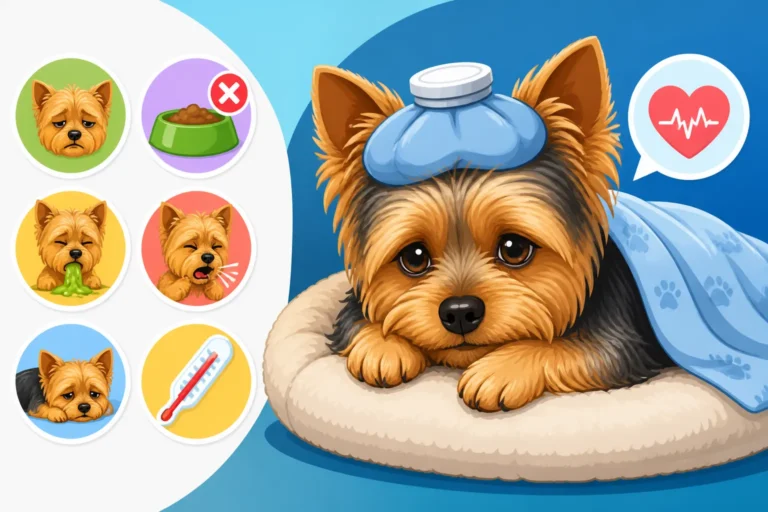
The most common reactions to vaccines are usually mild and tend to resolve on their own within a day or two. These are generally signs that your Yorkie's immune system is responding and building protection, which is exactly what the vaccine is designed to do!
- Lethargy or Mild Fatigue: Your Yorkie might seem a bit sleepy or less energetic than usual. They might want to rest more, which is perfectly fine.
- Soreness or Swelling at the Injection Site: A small, temporary lump, tenderness, or slight swelling where the shot was given is common. Your Yorkie might flinch if you touch the area.
- Low-Grade Fever: A slight increase in body temperature is possible, though it's often not noticeable without taking a rectal temperature.
- Decreased Appetite: Some Yorkies might not be as eager to eat their meals for a short period after vaccination.
- Mild Sneezing or Coughing (especially after intranasal vaccines): If your Yorkie received an intranasal Bordetella vaccine, a mild cough or sneeze for a day or two can occur as a local immune response.
These mild symptoms typically appear within a few hours of vaccination and usually subside within 24-48 hours. It's helpful to schedule vaccine appointments when you can be home to monitor your Yorkie for a day or two. If you have concerns, a quick call to your veterinarian can often put your mind at ease. Knowing when to take your Yorkie to the vet for more serious concerns is important.
Recognizing More Serious Allergic Reactions
Though rare, more serious allergic reactions, known as anaphylaxis, can occur. These usually develop very quickly, within minutes to a few hours of vaccination, and require immediate veterinary attention. It's crucial to be aware of these signs so you can act fast.
- Facial Swelling: Swelling around the eyes, muzzle, or ears (hives) can be a red flag.
- Vomiting or Diarrhea: More severe gastrointestinal upset than just a temporary decrease in appetite.
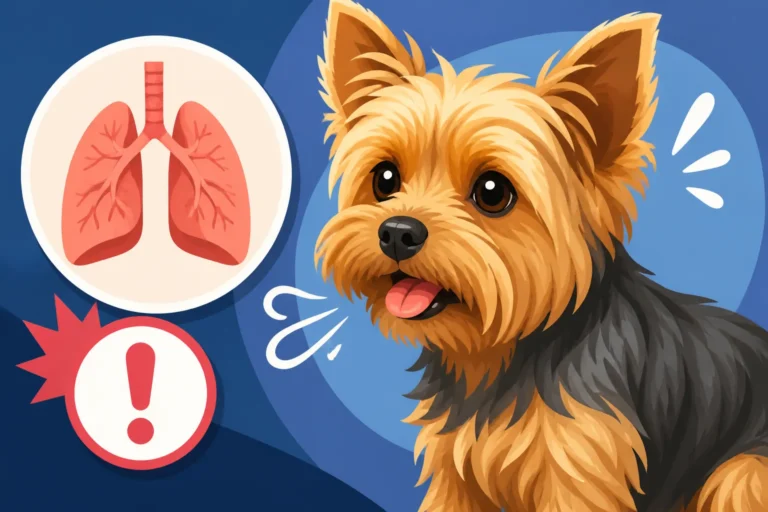
- Difficulty Breathing: Wheezing, severe coughing, or labored breathing are emergency signs.
- Collapse or Weakness: Your Yorkie might suddenly become very weak, wobbly, or even collapse.
- Severe Itching or Hives: Intense scratching, especially combined with raised welts on the skin.
If you observe any of these more severe symptoms, do not hesitate. Contact your veterinarian or the nearest emergency veterinary clinic immediately. These reactions can progress rapidly and can be life-threatening if not treated promptly. While scary to think about, the vast majority of Yorkies experience no adverse reactions or only very mild, transient ones. The benefits of protection from deadly diseases far outweigh these minimal risks.
Budgeting for Vaccinations and Ongoing Vet Care
The financial aspect of pet ownership is a reality, and understanding the costs associated with your Yorkie's vaccinations and overall healthcare is essential for responsible pet parenting. While the upfront costs might seem like a lot, viewing them as an investment in your Yorkie's long-term health can help manage expectations.
Typical Costs of Puppy and Adult Vaccinations
The cost of vaccinations can vary depending on your location, your veterinarian's fees, and whether they are part of a wellness package. Generally, each DHPP/DA2PP shot for a puppy might range from $25 to $50 per dose. Since puppies typically need 3-4 shots in the series, you're looking at an initial investment of roughly $75-$200 for this core vaccine series alone.
The rabies vaccine usually costs between $20 and $50. Non-core vaccines like Bordetella, Leptospirosis, or Canine Influenza might cost similar amounts, often between $25 and $45 per dose, and sometimes require an initial series followed by boosters. Remember, these costs are often in addition to the examination fee for each vet visit, which can range from $50 to $100 or more.
For adult Yorkies, annual or triennial booster shots for DHPP/DA2PP and rabies will incur similar costs. It's a good idea to call your local veterinary clinics in your area, like in a city such as Dallas or Phoenix, to get an estimate of their vaccination fees and any available puppy or wellness packages. Understanding Yorkshire Terrier Vet Costs and Health Budget is a crucial part of being a prepared pet parent.
The Value of Wellness Plans and Pet Insurance
To help manage these anticipated and unexpected veterinary expenses, many Yorkie parents turn to wellness plans or pet insurance.
- Wellness Plans: Offered by some veterinary clinics, these plans typically involve a monthly fee that covers routine preventative care, such as annual exams, vaccinations, deworming, and sometimes even dental cleanings. They can be a great way to spread out the cost of essential care throughout the year.
- Pet Insurance: Pet insurance, like policies from Healthy Paws, is designed to cover unexpected costs from accidents or illnesses. While routine vaccinations might not always be covered by standard accident/illness policies (though some offer optional wellness add-ons), having pet insurance provides invaluable peace of mind. If your Yorkie were to get very sick from a preventable disease (that wasn't vaccinated against) or an unforeseen accident, the costs for diagnostics, hospitalization, and treatment can quickly skyrocket into thousands of dollars. Having a plan with Healthy Paws or similar providers means you won't have to make heartbreaking decisions based solely on your finances during an emergency. This peace of mind is truly priceless. You can explore more about Pet Insurance for Yorkshire Terriers to see if it's the right fit for your family.
Planning for your Yorkie's healthcare costs is a vital part of providing them with a happy, healthy, and long life. Don't let the initial numbers deter you; explore all your options to ensure your beloved companion receives the care they deserve.
Keeping Comprehensive Vaccination Records
Maintaining accurate and easily accessible vaccination records is not just good practice; it's a fundamental aspect of responsible Yorkie ownership. These records serve multiple important purposes, from ensuring continuity of care to meeting legal and practical requirements.
Why Meticulous Records Are Crucial
Your Yorkie's vaccination record is like their health passport. It provides a clear history of what vaccines they've received, when they were administered, and when the next boosters are due. This information is critical for several reasons:
- Continuity of Care: If you ever move, switch veterinarians, or need emergency care at an unfamiliar clinic, having comprehensive records allows new providers to quickly understand your Yorkie's health history and avoid unnecessary or duplicate vaccinations.
- Proof of Protection: These records serve as official proof that your Yorkie is protected against specific diseases. This is often required for various activities, such as boarding your Yorkie at a kennel, enrolling them in doggy daycare, participating in training classes, or traveling across state or international borders. For example, most reputable boarding facilities will not accept an unvaccinated dog due to the risk of disease spread.
- Legal Compliance: For the rabies vaccine, a valid certificate is a legal requirement in most places. Maintaining this certificate ensures you are compliant with local laws and can avoid potential fines or legal issues. Losing this certificate can be a significant hassle, so always keep a copy in a safe place.
Our guide on Yorkshire Terrier Dental Care Guide also emphasizes the importance of consistent record-keeping for preventative health.
How to Organize and Store Your Yorkie's Records
There are several effective ways to keep your Yorkie's vaccination records organized:
- Physical Folder: Designate a specific folder for all your Yorkie's veterinary paperwork. Every time your Yorkie receives a vaccine, your vet will provide a physical certificate or update their patient record. Ask for a copy and immediately file it. This folder should also contain other important documents, like microchip registration and any medical history.
- Digital Copies: Take photos or scan all physical documents and save them to a cloud service (like Google Drive, Dropbox, or iCloud), an external hard drive, or your computer. This creates a backup and makes it easy to email records to a new vet or boarding facility when needed. Many vet clinics also offer online portals where you can access your pet's records.
- Vet Reminders: Most veterinary clinics have sophisticated systems that will send you reminders via email, text, or mail when your Yorkie's next vaccinations or annual check-ups are due. Make sure your contact information is always up-to-date with your vet's office to receive these crucial alerts. Don't rely solely on these, but they are a fantastic support system.
Remember, proactively managing your Yorkie's vaccination records is an easy yet powerful way to ensure they receive consistent, appropriate care throughout their life. It helps you stay on top of their health needs and simplifies bureaucratic hurdles that can arise in daily pet ownership.
The Role of Your Veterinarian in Yorkie Health
Your veterinarian is more than just someone who gives shots; they are your primary partner in ensuring your Yorkie's lifelong health and well-being. Building a strong relationship with a trusted vet is one of the best things you can do for your furry family member.
Establishing a Lifetime Relationship
From the moment you bring your Yorkie puppy home, establishing a relationship with a veterinarian is paramount. This initial visit isn't just for their first set of shots; it's an opportunity for your vet to perform a comprehensive physical exam, discuss your puppy's diet, introduce preventative care measures like flea and tick control, and begin building a baseline health profile. As your Yorkie grows, your vet will get to know their unique personality, health history, and any emerging patterns or concerns. This long-term relationship allows for continuity of care and a deeper understanding of your individual dog's needs, which is especially important for a breed like the Yorkie with specific health predispositions. Our guide on How to Choose a Vet for a Yorkie provides excellent tips for finding the right professional.
Ongoing Preventative Care and Wellness Exams
Vaccinations are just one piece of the puzzle when it comes to preventative care. Regular wellness exams, typically once a year for adult Yorkies and more frequently for puppies and seniors, are essential. During these appointments, your vet will perform a thorough physical check-up, including listening to their heart and lungs, palpating their abdomen, examining their teeth and gums (critical for Yorkies who are prone to Yorkie Dental Disease Prevention), checking their eyes and ears, and assessing their overall body condition.
These exams allow your vet to detect subtle changes or early signs of health issues before they become serious problems. For instance, they might notice early signs of dental disease, a new lump, or changes in gait that could indicate a Yorkshire Terrier Patellar Luxation: Signs and Care issue, all before they become obvious to you at home. They will also discuss nutrition, exercise, weight management, and any behavioral concerns you might have. Preventative care, guided by your vet, is truly the key to maximizing your Yorkie's lifespan and ensuring they have the highest quality of life.
Your veterinarian is an invaluable resource for all aspects of your Yorkie's health. Don't hesitate to ask questions, voice concerns, or seek their advice on everything from diet to training. They are there to support you in being the best pet parent you can be.
Disclaimer
The information provided in this article is intended for general informational and educational purposes only, and is not a substitute for professional veterinary advice. Always consult with a qualified veterinarian for any health concerns or before making any decisions related to your Yorkshire Terrier's health or medical care. Individual vaccination schedules and recommendations may vary based on your pet's health, lifestyle, geographic location, and local regulations.