Common Yorkie Puppy Illnesses
Bringing home a tiny Yorkshire Terrier puppy is one of life’s most heartwarming joys. Their playful antics and loving gazes can easily steal your heart. However, these adorable little companions, especially in their early months, can be surprisingly fragile and prone to certain health issues that can turn that joy into genuine worry. It’s a common frustration for new Yorkie parents to feel overwhelmed by the sheer number of potential ailments their small pups might face, and the uncertainty of what to do when something goes wrong. This comprehensive guide is here to equip you with the knowledge to recognize, understand, and address the most common Yorkie puppy illnesses, helping you keep your little fur baby happy and healthy.
Hypoglycemia in Yorkie Puppies
One of the most concerning and frequent health problems you might encounter with a young Yorkshire Terrier, particularly during their puppyhood, is hypoglycemia. This condition, essentially low blood sugar, can come on suddenly and escalate quickly, making it a critical concern for any Yorkie owner. Because of their tiny size and high metabolism, Yorkie puppies are particularly susceptible to this issue.
What is Hypoglycemia and Why Yorkies Are Prone
Hypoglycemia occurs when a puppy's blood glucose levels drop too low to provide adequate energy to their brain and body. For a Yorkie puppy, this isn't just a minor inconvenience; it can be life-threatening if not addressed promptly. Their small stature means they don't have large reserves of fat or glycogen (stored glucose) to draw upon, unlike larger breeds. Furthermore, their high metabolism burns through calories and sugar at a rapid rate. Factors like stress, skipped meals, over-exertion, chilling, or even an underlying illness can quickly deplete their sugar stores, leading to a sudden crash. It’s a precarious balance, and one that requires constant vigilance from their human caregivers.
Think about it like this: your Yorkie puppy is a tiny, high-performance engine that needs a constant, steady supply of fuel. If that fuel (sugar) runs low, the engine sputters, and eventually, if it drops too much, it can seize up entirely. This is why understanding the signs and having a plan for Yorkie Hypoglycemia: Emergency Signs is so important.
Recognizing the Signs and Emergency Response
The signs of hypoglycemia can range from subtle to extremely severe, and they can progress rapidly. Initially, you might notice your puppy seems a bit lethargic or unusually quiet. They might shiver, tremble, or seem weak and disoriented. As their blood sugar continues to drop, these symptoms will worsen. They might stagger, walk as if drunk, or even collapse. Their gums might appear pale, and in severe cases, they can have seizures or lose consciousness.
If you suspect your Yorkie puppy is experiencing a hypoglycemic episode, immediate action is crucial. The first step is to get some form of sugar into their system quickly. You can do this by rubbing a small amount of corn syrup, honey, or a special glucose gel (available at pet stores or from your vet) onto their gums. Even if they are unresponsive, their mucous membranes can absorb the sugar. Do not try to force them to eat or drink liquid as they could choke. Once they show signs of improvement, such as becoming more alert, offer a small meal. Even with at-home intervention, it’s always best to contact your veterinarian immediately for further guidance, as secondary issues can arise, or the underlying cause may need treatment.
Prevention and Management
Preventing hypoglycemia is far easier than treating it, and it largely revolves around consistent care. Establishing a regular and frequent feeding schedule for your Yorkie puppy is paramount. Puppies under six months, and especially smaller "teacup" varieties, often need to eat small meals every 3-4 hours throughout the day to keep their blood sugar stable. High-quality puppy food, appropriate for their small size and energy needs, is essential.
Beyond diet, minimizing stress and ensuring your puppy stays warm are also key preventative measures. Chilling can cause a puppy's body to burn more calories to maintain its temperature, accelerating sugar depletion. Avoid long periods without food, especially after strenuous play or if they've had a stressful experience like a car ride or a visit to the vet. Learning How to Prevent Hypoglycemia in Yorkie Puppies is an ongoing process for new owners, but with a consistent routine and attentive observation, you can significantly reduce the risk. Always discuss your feeding schedule and any concerns with your vet, who can provide tailored advice for your specific puppy.
Gastrointestinal Upset in Young Yorkies
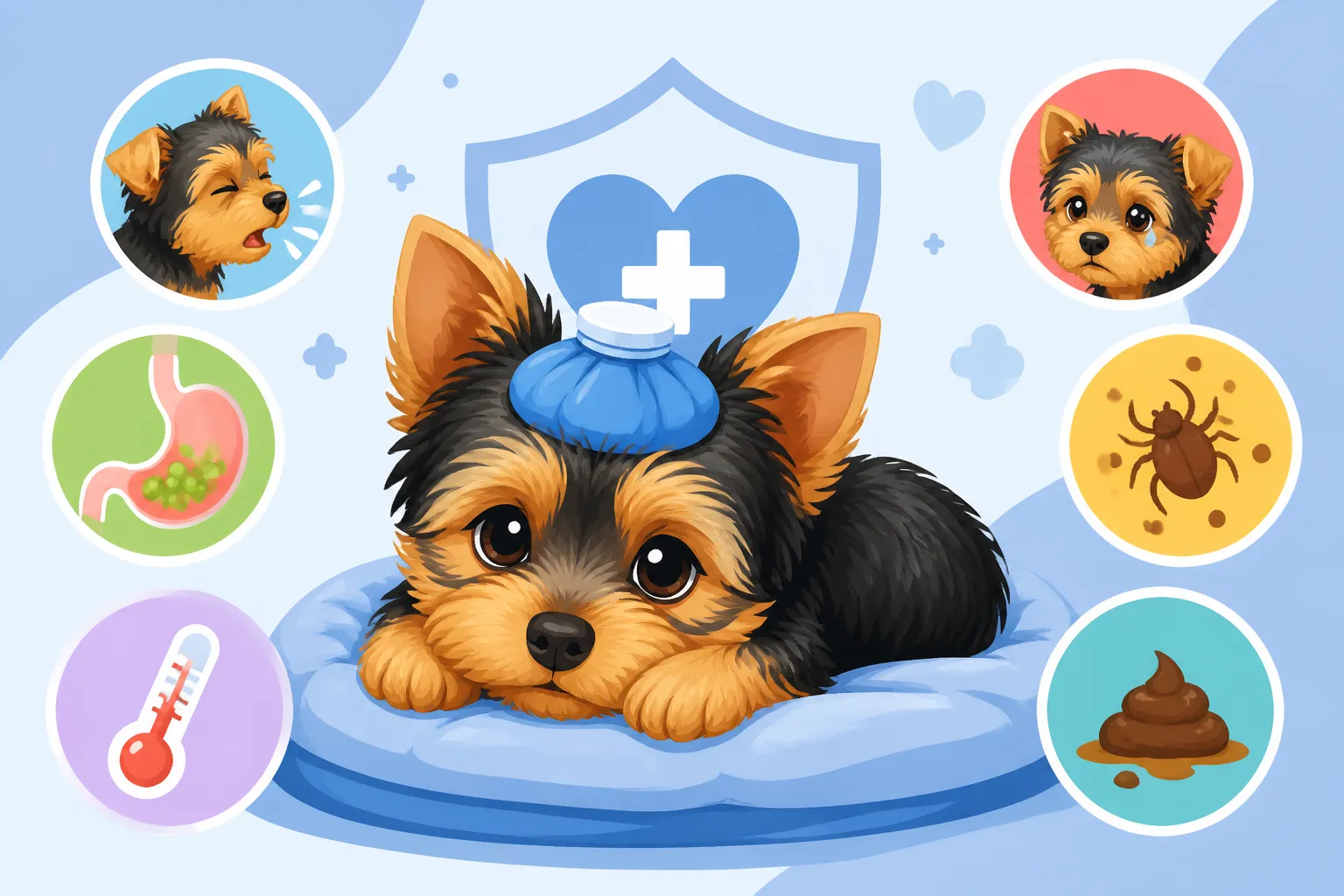
Just like human babies, Yorkie puppies often experience tummy troubles. Given their sensitive systems and curious nature, gastrointestinal issues like diarrhea and vomiting are incredibly common, but they can quickly lead to serious complications such as dehydration in such small dogs. Understanding the potential causes and knowing when to act is a vital part of owning a Yorkie puppy.
Common Causes of Diarrhea and Vomiting
Diarrhea and vomiting in Yorkie puppies can stem from a variety of sources, ranging from relatively benign to potentially life-threatening. One of the most frequent culprits is a sudden change in diet or eating something they shouldn't have, like a dropped piece of human food or a small toy. Their digestive systems are quite sensitive. Parasites are another major factor; internal parasites like roundworms, hookworms, coccidia, and giardia are unfortunately common in puppies and can cause severe gastrointestinal distress. Regular deworming protocols, usually initiated by the breeder and continued by your vet, are crucial here.
More seriously, viral infections such as Parvovirus are highly contagious and can be deadly for unvaccinated puppies. This is why following the Yorkie Vaccination Schedule diligently is so important. Stress, too, can manifest as an upset stomach in sensitive Yorkies, perhaps after moving to a new home or experiencing separation anxiety. Even seemingly minor issues like overheating or motion sickness can trigger vomiting. It’s a puzzle sometimes, trying to figure out what tiny thing might have set off their delicate system.
Identifying Severity and When to Seek Vet Care
While a single episode of vomiting or loose stool might not be an immediate emergency, especially if your puppy is otherwise acting normally, it’s crucial to know the red flags. The most dangerous aspect of prolonged diarrhea and vomiting for a small puppy is rapid dehydration. Look for signs like lethargy, loss of appetite, sunken eyes, dry gums, and a lack of skin elasticity (gently pinch the skin on their back; if it doesn't snap back quickly, they're dehydrated). Blood in the stool or vomit, persistent vomiting (more than 2-3 times in a few hours), projectile vomiting, severe abdominal pain, or a fever are all serious indicators that you need to contact your vet immediately.
Never wait to see if a Yorkie puppy "gets better" on their own when these symptoms appear. Their small body mass means they have very little reserve, and their condition can deteriorate rapidly. For severe cases, or if you're ever in doubt, it’s always better to be safe and have your puppy checked out by a veterinarian. This is where having pet insurance like Healthy Paws can truly provide peace of mind, as unexpected vet visits for severe GI upset can add up quickly.
Home Care and Dietary Management
For mild cases of vomiting or diarrhea where your puppy is still bright, active, and hydrated, you can often manage symptoms at home with veterinary guidance. The general approach involves resting their digestive system and then gradually reintroducing food. Your vet might recommend withholding food for a few hours (but never water) to let their stomach settle. After this, a bland diet is usually advised. This typically consists of plain, boiled, boneless, skinless chicken breast or lean ground beef mixed with plain white rice. Feed small amounts frequently throughout the day.
Ensuring your puppy stays hydrated is paramount. Offer fresh water constantly, and your vet might suggest an electrolyte solution like unflavored Pedialyte diluted with water. Probiotics formulated for dogs can also be beneficial in restoring healthy gut flora. Always monitor your puppy closely, and if their condition doesn't improve within 12-24 hours, or if they worsen at any point, do not hesitate to call your vet. Understanding Why Is My Yorkie Vomiting or Why Is My Yorkie Diarrhea helps tailor home care, but professional advice is always best.
Respiratory Challenges in Young Yorkies
Yorkshire Terriers are renowned for their feisty personalities, but their tiny bodies often come with a delicate respiratory system. Respiratory issues, particularly a condition known as collapsing trachea, can be a significant concern, especially in puppies and young adults. Hearing your tiny companion struggle to breathe or make strange honking noises can be incredibly alarming.
Collapsing Trachea: A Common Yorkie Concern
The trachea, or windpipe, is a tube made of cartilage rings that carries air to and from the lungs. In Yorkies, these cartilage rings can weaken or become malformed, leading the trachea to flatten or "collapse," especially when the dog inhales forcefully or pulls against a collar. This condition, known as tracheal collapse, is regrettably common in the breed. While it can manifest at any age, symptoms may begin to appear in puppyhood, particularly during periods of excitement, stress, or increased physical activity.
The most distinctive sign is a dry, harsh cough that often sounds like a goose honking. This cough might worsen when your puppy is excited, pulling on their leash, or drinking water. It can also be triggered by changes in humidity or exposure to irritants. In severe cases, a collapsing trachea can lead to breathing difficulties, wheezing, and even a bluish tint to the gums if oxygen intake is severely compromised. It's a condition that can cause significant discomfort and distress for your little one. Learning about Yorkshire Terrier Collapsing Trachea: Signs and Care is vital for early intervention.
Kennel Cough and Other Respiratory Infections
Beyond tracheal collapse, Yorkie puppies are just as susceptible as any other dog to common respiratory infections, with kennel cough being a prevalent one. Kennel cough, or canine infectious tracheobronchitis, is a highly contagious respiratory disease caused by a combination of viruses and bacteria. Puppies can contract it from other dogs in places like dog parks, boarding facilities, or even from their littermates.
Symptoms of kennel cough are similar to a human cold, including a strong, hacking cough (often followed by a retching sound), sneezing, nasal discharge, and sometimes mild lethargy or a reduced appetite. While often self-limiting, it can lead to more serious conditions like pneumonia in very young or immunocompromised puppies. Other respiratory infections, bacterial or viral, can also affect Yorkie puppies, causing similar symptoms. Vaccinations, particularly for Bordetella (a common cause of kennel cough), are crucial for prevention. If you're wondering Why Is My Yorkie Coughing, it's important to differentiate between a honking tracheal cough and a more generalized hacking cough.
Managing Symptoms and Environmental Factors
For a Yorkie puppy with respiratory issues, management often involves a multi-pronged approach. For collapsing trachea, preventing triggers is key. Switching from a neck collar to a harness is perhaps the most important step, as it removes pressure from the delicate trachea. Maintaining a healthy weight for your Yorkie also reduces strain on their respiratory system. In some cases, veterinarians may prescribe cough suppressants or anti-inflammatory medications to manage symptoms. Environmental control, such as using a humidifier in dry conditions or avoiding airborne irritants like smoke or strong perfumes, can also provide relief.
For kennel cough and other infections, your vet might prescribe antibiotics for bacterial components or advise supportive care, including rest, humid air, and plenty of fluids. Keeping your puppy calm and warm is important for their recovery. Whether it’s managing a chronic condition like tracheal collapse or recovering from an acute infection, consistent veterinary care is paramount. For more detailed information on preventing specific issues, you might find How to Prevent Tracheal Collapse in Yorkies to be a helpful resource.
Congenital and Genetic Health Concerns
While all puppies are precious, Yorkie puppies, like many purebred dogs, can be predisposed to certain genetic or congenital conditions. These are health issues that your puppy is either born with or has a genetic propensity to develop later in life. Early awareness of these conditions is not about expecting the worst, but about empowering yourself to provide the best possible care from the very beginning.
Patellar Luxation: Understanding "Slipping Kneecaps"
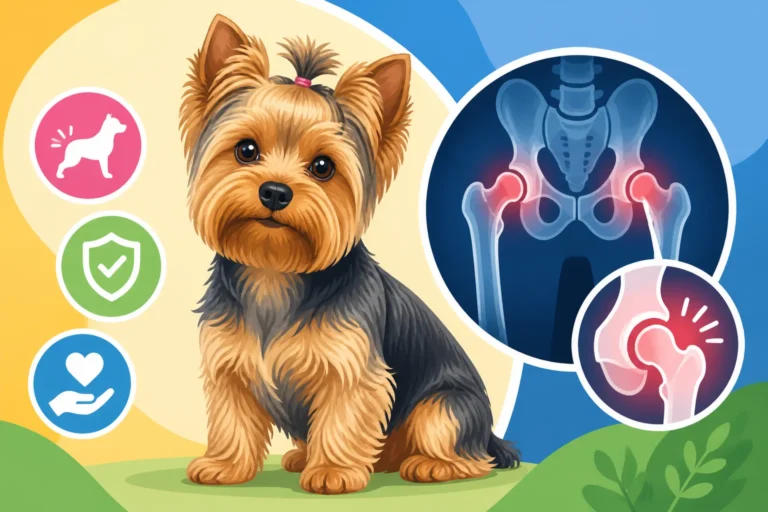
One of the most common orthopedic conditions seen in Yorkshire Terriers, even in puppyhood, is patellar luxation, often referred to as "slipping kneecaps." This occurs when the patella (kneecap) dislocates or moves out of its normal groove in the femur. It can affect one or both knees and can range in severity from mild to severe, graded from 1 to 4. While some puppies might not show signs until they are more active, others can present with symptoms fairly early on.
You might notice your Yorkie puppy occasionally skipping a step, holding a back leg up for a few strides, or exhibiting a sudden yelp of pain while running or playing. Sometimes, the kneecap will pop back into place on its own, and they'll act as if nothing happened. In more severe cases, the kneecap may remain dislocated, causing persistent lameness and pain. Responsible breeders often screen their breeding dogs for this condition, but it can still occur. Early diagnosis through a veterinary examination is crucial for determining the best course of action, which could range from conservative management to surgical correction. This condition is a key part of understanding Yorkie Knee Problems Explained.
Portosystemic Shunt Liver Shunt: Genetic Predisposition
Another serious, albeit less common, genetic condition that can affect Yorkie puppies is a portosystemic shunt (PSS), often called a liver shunt. This is a congenital abnormality where blood bypasses the liver instead of flowing through it for detoxification. The liver plays a critical role in filtering toxins from the blood and metabolizing nutrients. When blood bypasses the liver, toxins build up in the bloodstream, affecting the brain and other organs.
Puppies with a liver shunt often exhibit signs of "failure to thrive." They might be noticeably smaller than their littermates, have a poor appetite, and show neurological symptoms like disorientation, aimless wandering, head pressing, seizures, or even blindness, especially after eating a protein-rich meal. Gastrointestinal signs such as vomiting or diarrhea can also occur. The diagnosis typically involves blood tests, urinalysis, and often advanced imaging like ultrasound or CT scans. It's a challenging condition, but early diagnosis is key to exploring treatment options, which may include special diets and surgery. Knowing about Yorkshire Terrier Liver Shunt: Signs and Care can help you recognize the subtle but serious indicators.
Early Detection and Long-term Management
For both patellar luxation and liver shunts, and indeed many Common Yorkshire Terrier Genetic Conditions, early detection is paramount. Regular veterinary check-ups for your Yorkie puppy, including thorough physical examinations, are essential. Your vet will palpate your puppy's joints during these visits and listen to your concerns about any unusual behaviors. If a genetic predisposition is suspected, further diagnostic tests can be performed.
Long-term management depends on the specific condition and its severity. For patellar luxation, milder cases may be managed with joint supplements and controlled exercise, while more severe luxations often require surgery to correct the anatomical defect. For liver shunts, dietary management to reduce protein and antibiotics to control gut bacteria are often part of the treatment plan, with surgical correction being an option for suitable candidates. These are significant medical undertakings, and having a robust pet insurance plan like Healthy Paws can make a substantial difference in managing the costs associated with specialized diagnostics, ongoing care, and potential surgeries. Being proactive about your Yorkshire Terrier Puppy Health Guide from day one can truly impact your Yorkie's quality of life.
External Parasites and Common Skin Issues
When you have a tiny Yorkie puppy, their delicate skin and fine hair can be particularly vulnerable to external invaders and various dermatological challenges. It's easy to overlook minor itching or a tiny bump, but left unchecked, these issues can escalate quickly, causing significant discomfort and even serious health problems for your small companion.
Fleas, Ticks, and Mites: Identification and Treatment
External parasites are a nuisance for any dog, but for a small Yorkie puppy, a heavy infestation of fleas, ticks, or mites can lead to more than just itching – it can cause anemia, transmit diseases, and result in severe skin infections. Fleas are tiny, reddish-brown insects that move quickly through your puppy's fur. You might see "flea dirt" (flea feces, which look like black pepper flakes) on their skin. Ticks are larger, often round, and attach themselves to feed on blood; they can transmit diseases like Lyme disease or Ehrlichiosis. Mites, on the other hand, are microscopic and cause conditions like sarcoptic mange (intensely itchy, often leading to hair loss and scabs) or demodectic mange (often seen as patchy hair loss and skin thickening, particularly around the face and paws).
Prevention is the best strategy. Your veterinarian can recommend safe and effective flea, tick, and mite prevention products specifically formulated for puppies, considering their age and weight. These often come as topical treatments, oral medications, or specialized collars. If an infestation is present, your vet will guide you through treatment, which may include medicated baths, oral medications, or specific topical spot-ons. Always be cautious with over-the-counter products, as many can be too harsh or even toxic for small puppies.
Puppy Dermatitis and Allergies
Beyond parasites, Yorkie puppies can develop various forms of dermatitis, which simply means inflammation of the skin. This can present as redness, excessive scratching, dry or flaky skin, or even small bumps and pustules. One common cause is environmental allergies, where your puppy reacts to pollen, dust mites, or certain grasses. Food allergies can also manifest as skin issues, with ingredients like beef, dairy, wheat, or chicken being common culprits. Contact dermatitis can occur if their skin reacts to a specific chemical, carpet cleaner, or even certain grooming products.
Identifying the specific allergen can be a challenge, often requiring a process of elimination or specialized veterinary tests. Your vet might suggest a hypoallergenic diet trial for suspected food allergies or allergy medications for environmental triggers. Managing these conditions often requires a holistic approach, including regular bathing with hypoallergenic shampoos, maintaining a clean environment, and sometimes prescription medications to control itching and inflammation. Knowing Why Is My Yorkie Scratching is the first step toward relief.
Grooming and Hygiene for Prevention
Proper grooming and hygiene are not just about aesthetics for a Yorkie; they are crucial preventative measures against skin issues and external parasites. Regular brushing, ideally daily for a long-haired breed like a Yorkie, helps to remove loose hair, distribute natural oils, and detect any skin abnormalities or parasites early. It also prevents mats, which can trap moisture and lead to skin irritation and infection.
Bathing your Yorkie with a gentle, pH-balanced puppy shampoo helps keep their skin clean and free of irritants, but over-bathing can strip natural oils, leading to dry skin. Your vet can advise on the appropriate bathing frequency. Pay close attention to cleaning around their eyes to prevent tear stains, and ensure their ears are clean and dry to ward off infections. Keeping their nails trimmed and paw pads clean also contributes to overall hygiene and comfort. A proactive grooming routine, combined with regular vet check-ups, forms the backbone of preventing many Yorkie Skin Problems and Solutions and keeping your puppy’s coat and skin in top condition.
Common Puppy Illnesses: A Quick Reference
To help you keep track of these common Yorkie puppy health concerns, here's a quick reference guide. Remember, this table is for informational purposes only and does not replace professional veterinary advice.
| Illness/Condition | Common Signs | Urgency Level | What to Do |
|---|---|---|---|
| Hypoglycemia | Lethargy, trembling, disorientation, collapse, seizures, pale gums | Emergency | Rub corn syrup/honey on gums, contact vet immediately. |
| Diarrhea/Vomiting | Loose stool, throwing up, dehydration, lethargy | Urgent | Withhold food (not water), bland diet, vet if severe. |
| Collapsing Trachea | Honking cough, wheezing, breathing difficulty | Moderate | Use harness, avoid irritants, consult vet for meds. |
| Kennel Cough | Hacking cough, sneezing, nasal discharge | Moderate | Vet for diagnosis, supportive care. |
| Patellar Luxation | Skipping steps, limping, holding leg up | Non-Urgent | Vet for diagnosis and management plan. |
| Portosystemic Shunt | Small size, neurological signs, poor appetite | Urgent/Serious | Vet for immediate diagnosis and treatment. |
| External Parasites | Itching, visible fleas/ticks, hair loss, scabs | Non-Urgent | Vet for diagnosis and appropriate parasite control. |
| Dermatitis/Allergies | Redness, scratching, dry skin, bumps, hair loss | Non-Urgent | Vet for diagnosis, diet/environmental changes, meds. |
Proactive Care and Veterinary Partnership
Navigating the puppy stage can feel like a whirlwind, especially with a tiny, delicate breed like a Yorkshire Terrier. The journey is certainly filled with immense joy, but it also comes with a unique set of responsibilities and potential worries. The best defense against these common Yorkie puppy illnesses isn't just knowing the signs, but actively fostering a proactive approach to your puppy's health.
Establishing a strong relationship with a trusted veterinarian from the moment you bring your Yorkie puppy home is non-negotiable. Regular puppy check-ups are critical, not just for vaccinations and deworming, but for your vet to perform thorough physical examinations, catch any subtle signs of developing conditions, and offer personalized advice on nutrition, exercise, and preventative care. Your vet is your primary partner in ensuring your puppy's well-being and can provide invaluable guidance on everything from the Yorkshire Terrier Dental Care Guide to understanding When to Take Your Yorkie to the Vet.
Beyond routine care, it's also wise to consider the financial aspect of potential health issues. Pet insurance, such as plans offered by Healthy Paws, can be a lifesaver when unexpected illnesses or accidents occur. These policies can help cover significant portions of veterinary bills, allowing you to make medical decisions based on what's best for your puppy rather than being constrained solely by cost. Whether it's diagnostics for a suspected liver shunt or surgery for a luxating patella, the peace of mind that comes with knowing you're financially prepared is invaluable.
Ultimately, your attentiveness and consistent care are the greatest assets in safeguarding your Yorkie puppy's health. By understanding their unique vulnerabilities, staying observant for any changes in their behavior or physical condition, and working closely with your veterinarian, you can navigate the puppy years with confidence. This proactive approach will lay a solid foundation for a long, happy, and healthy life together.
Disclaimer
This article is intended for informational purposes only and does not constitute medical advice. Always consult with a qualified veterinarian for any health concerns or before making any decisions related to your pet's health or treatment.