How to Prevent Hypoglycemia in Yorkie Puppies
There's nothing quite as heartbreaking as seeing your vibrant little Yorkshire Terrier puppy suddenly become lethargic and weak. Hypoglycemia, or dangerously low blood sugar, is a very real and frightening threat for these tiny bundles of joy, and it can escalate quickly from a subtle tremor to a full-blown emergency. This guide is here to walk you through everything you need to know about preventing hypoglycemia in your Yorkie puppy, giving you the tools and confidence to keep them healthy and safe.
Understanding Hypoglycemia in Yorkie Puppies
It’s easy to feel overwhelmed by the sheer number of potential health concerns when you bring home a new Yorkie puppy. Among them, hypoglycemia stands out because of its rapid onset and serious implications. Knowing what it is and why it affects Yorkies so profoundly is your first line of defense.
What Exactly is Hypoglycemia?
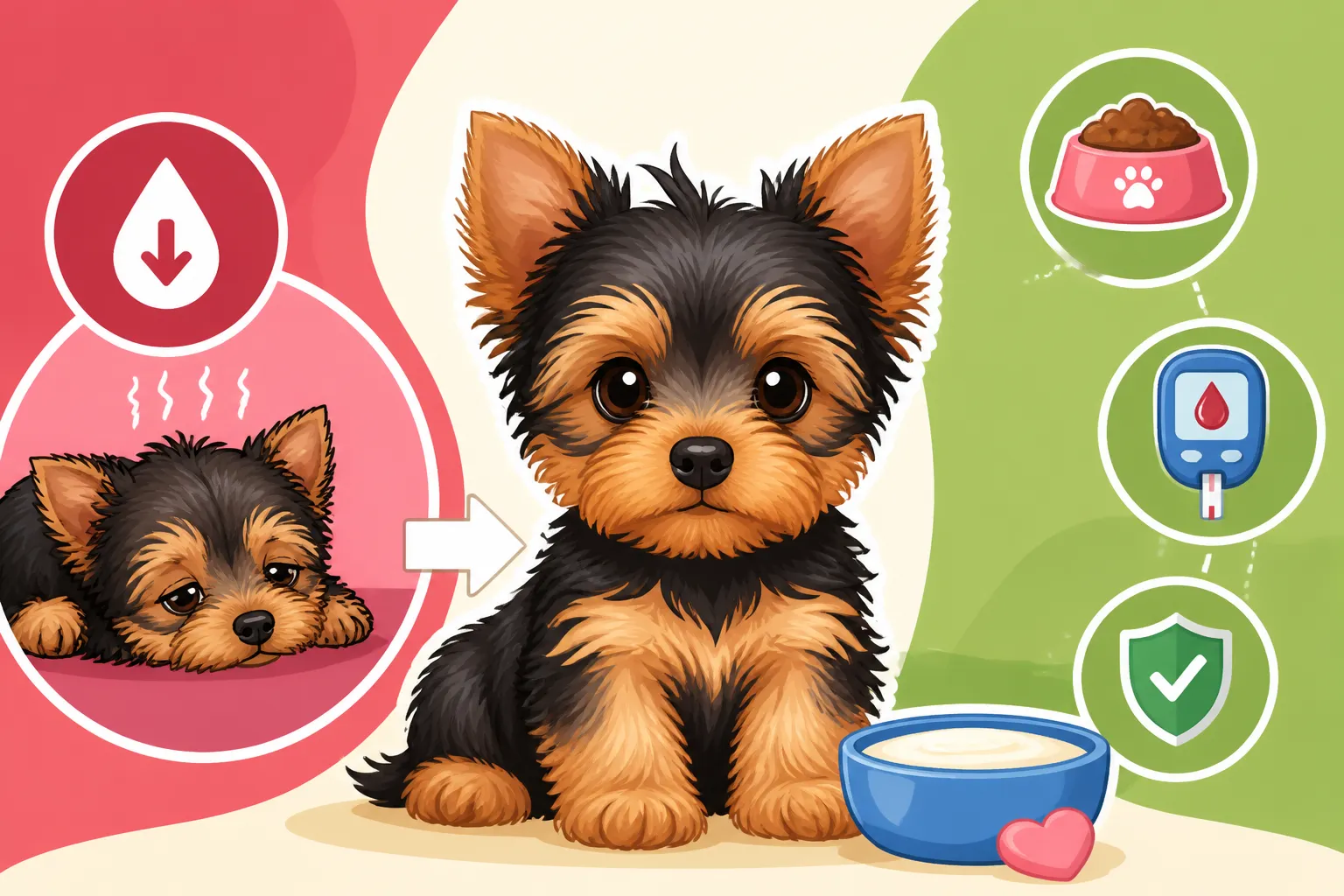
At its simplest, hypoglycemia means low blood sugar. Our bodies, and our dogs' bodies, rely on glucose (sugar) from food as their primary energy source. When blood glucose levels drop too low, especially below 60-70 mg/dL, the brain and other vital organs don't get the fuel they need to function properly. This can lead to a cascade of concerning symptoms, from mild weakness to life-threatening seizures.
Yorkshire Terrier puppies are particularly susceptible to hypoglycemia for several key reasons. Their small body size means they have very little fat reserve to convert into glucose when their immediate supply runs out. They also have an incredibly fast metabolism, burning through calories and glucose much quicker than larger breeds. Combine this with immature livers that aren't yet efficient at producing glucose or storing glycogen, and you have a recipe for potential trouble. It's a delicate balance, and even a missed meal or a stressful event can tip the scales. Many of the Yorkshire Terrier Health Problems to Know can be exacerbated by or even contribute to hypoglycemic episodes, so understanding this specific risk is crucial for new puppy parents.
Recognizing the Early Warning Signs
Spotting hypoglycemia early is absolutely critical. The signs can be subtle at first, making it easy to miss if you're not vigilant, but they quickly progress. Initially, you might notice your puppy acting a bit "off" – perhaps quieter than usual, less interested in play, or a bit wobbly on their feet. They might seem disoriented or stare blankly.
As their blood sugar continues to drop, the symptoms become more pronounced and alarming. You could see noticeable muscle tremors or shivering, especially in their legs or around their face. They might have a stiff gait or an uncoordinated walk, stumbling frequently. In severe cases, they can collapse, have seizures, or even fall into a coma. This rapid progression is why acting quickly when you first suspect a problem is so vital. It’s important to familiarize yourself with Yorkie Hypoglycemia: Emergency Signs so you can distinguish it from other minor puppy ailments.
Nutritional Strategies to Keep Blood Sugar Stable
One of the most powerful tools you have in preventing hypoglycemia in your Yorkie puppy is a well-managed feeding routine and appropriate nutrition. It’s all about providing a consistent, high-quality energy supply to meet their tiny, bustling bodies' demands.
The Importance of Frequent Small Meals
Because Yorkie puppies have such tiny stomachs and high metabolic rates, they simply can't handle large meals that need to sustain them for many hours. Their small digestive systems process food quickly, leading to rapid blood sugar spikes and then precipitous drops if not replenished regularly. This is why the "three meals a day" rule for adult dogs simply doesn't cut it for a growing Yorkie puppy.
Instead, your puppy needs frequent, small meals throughout the day. We're talking every 2-4 hours, sometimes even more often for very young or particularly tiny puppies. Think of it like keeping a tiny, high-performance engine constantly fueled. Skipping a meal, even for a short period, can be enough to trigger a hypoglycemic episode. Many new owners find it helpful to set alarms on their phones to ensure they never miss a feeding time, especially during those first few weeks with a new puppy. This consistent intake ensures a steady supply of glucose, preventing those dangerous dips. You can find more detailed information in our comprehensive Yorkshire Terrier Puppy Health Guide.
Choosing the Right Food for Your Yorkie Puppy
The type of food you offer is just as important as the frequency. You need a high-quality, calorie-dense puppy food specifically formulated for small breeds. Look for foods that list a quality animal protein (like chicken, lamb, or salmon) as the first ingredient. Beyond protein, complex carbohydrates are crucial for sustained energy release, rather than simple sugars that cause quick spikes and crashes. Healthy fats are also important for calorie density and overall development.
Avoid foods with excessive fillers, artificial colors, or too many simple sugars. While tempting, sugary treats or human foods that aren't dog-appropriate can disrupt their delicate blood sugar balance. Always stick to premium puppy kibble or veterinarian-approved wet food. Brands like Royal Canin, Hill's Science Diet, and Purina Pro Plan often have excellent small breed puppy formulas. These are designed to provide the concentrated nutrition tiny puppies need without overwhelming their digestive systems. If you're ever unsure, your veterinarian can provide excellent recommendations tailored to your specific puppy's needs.
Supplemental Support When and What to Use
While a proper diet is your primary preventive measure, it’s wise to be prepared with an immediate glucose source just in case your puppy shows signs of hypoglycemia. This is not for daily supplementation but strictly for emergencies. The most common immediate glucose sources are Karo syrup (light corn syrup) or a specially formulated canine glucose gel, such as Nutri-Cal or Vetri-Science Nu-Nutrient.
These products are designed to be rapidly absorbed, providing a quick boost of sugar to raise blood glucose levels in an emergency. You would typically rub a small amount on your puppy's gums, where it can be absorbed directly into the bloodstream. It's important to understand that these are temporary fixes to stabilize your puppy before rushing to the vet, not a long-term solution. Always consult your veterinarian before adding any supplements to your puppy's diet, even if they seem innocuous.
Environmental and Routine Management for Prevention
Beyond diet, managing your Yorkie puppy's environment and daily routine plays a huge role in preventing hypoglycemia. Stress and temperature fluctuations can surprisingly impact their ability to maintain stable blood sugar levels.
Stress Reduction and Consistent Routines
Stress isn't just a human problem; it profoundly affects puppies too, especially sensitive breeds like Yorkies. A new home, loud noises, too much handling, or even changes in routine can cause a puppy's body to release stress hormones, which can in turn deplete their glucose reserves more quickly. This makes them more vulnerable to hypoglycemia. Providing a calm, predictable environment is key.
Establish a consistent daily routine for feeding, potty breaks, playtime, and naps. This predictability helps your puppy feel secure and reduces anxiety. Ensure they have a quiet, comfortable space where they can retreat and rest undisturbed. Over-exercising or excessive, prolonged play without adequate rest can also burn through their energy reserves too rapidly. A puppy needs a lot of sleep – sometimes up to 18-20 hours a day – and it's during these periods of rest that their bodies can recover and stabilize their systems. Think of it as allowing their little bodies to recharge without unnecessary strain.
Maintaining a Warm Environment
Yorkie puppies, particularly those under four months old, struggle to regulate their body temperature effectively. Their small size means they lose body heat rapidly, and maintaining warmth requires a significant amount of energy. When a puppy gets cold, their body starts burning extra calories to generate heat, which quickly depletes their glucose stores and can trigger hypoglycemia.
It's crucial to keep your Yorkie puppy warm, especially during cooler months or if your home tends to be chilly. Provide warm, soft bedding, and consider a puppy-safe heating pad (always on low and covered, with an escape route) in their sleeping area. Many Yorkie owners find small sweaters or puppy pajamas helpful for added warmth, especially when going outside for potty breaks. Avoid drafts and sudden temperature changes. A cozy, warm puppy is a puppy less likely to experience a blood sugar crash. For more tips on keeping your puppy healthy, check out our guide on How to Keep a Yorkshire Terrier Healthy.
Monitoring and Regular Vet Check-ups
Active monitoring is a non-negotiable part of responsible Yorkie puppy ownership. Regularly weigh your puppy to ensure they are gaining weight steadily, which is a good indicator of overall health and adequate nutrition. Keep an eye on their energy levels, appetite, and general demeanor throughout the day. Any sudden change should prompt concern and a closer look.
Regular veterinary check-ups are paramount, especially during their first year. These visits are vital not only for their Yorkie Vaccination Schedule but also for your vet to assess their growth, development, and overall health. Your vet can identify any underlying issues that might predispose your puppy to hypoglycemia and offer tailored advice. Knowing When to Take Your Yorkie to the Vet for regular check-ups versus emergencies can save you a lot of worry and ensure prompt care. Having a pet insurance plan, like one from Healthy Paws, can also provide immense peace of mind. It helps manage the financial aspect of routine care and, more importantly, covers unexpected emergency vet visits, allowing you to focus solely on your puppy’s health without the added stress of exorbitant bills.
Emergency Preparedness and Immediate Action
Despite all your preventive efforts, emergencies can still happen. Being prepared and knowing exactly what to do can be the difference between a quick recovery and a severe health crisis for your Yorkie puppy.
What to Do if Your Puppy Shows Symptoms
If you observe any signs of hypoglycemia in your Yorkie puppy, immediate action is crucial. Do not delay. The first step is to administer a rapid-acting glucose source. As mentioned, Karo syrup (light corn syrup, not dark corn syrup or molasses) or a commercially available glucose gel is ideal. You want to gently rub a pea-sized amount onto your puppy's gums. The sugars will absorb directly into their bloodstream. If you have a needle-less syringe, you can also try to give a small amount (around 1-2 ml) directly into their mouth, being careful not to choke them if they are too lethargic to swallow properly.
After administering the glucose, immediately wrap your puppy in a warm blanket or towel. Place them against your body to share your warmth. While you are doing this, or immediately after, call your veterinarian or the nearest emergency vet clinic. Even if your puppy seems to perk up after receiving the glucose, a vet visit is still essential. They need to be checked for underlying causes and to ensure their blood sugar stabilizes and stays stable. Never try to force-feed solid food to a puppy who is lethargic or having a seizure, as this can lead to choking. This is one of the most important things to know when dealing with Common Yorkie Puppy Illnesses.
Creating an Emergency Kit
Every Yorkie puppy parent should have a small, easily accessible hypoglycemia emergency kit. This isn't just a "nice-to-have"; it's a lifesaver. Here's what you should include:
- Light Karo Syrup or Glucose Gel: Keep a fresh bottle or tube in the kit. Check expiry dates periodically.
- Needle-less Syringe: A small 1-3 ml syringe (available at most pharmacies or pet stores) is perfect for precise dosing onto gums or into the mouth.
- Small, Soft Blanket or Towel: For wrapping and keeping your puppy warm immediately.
- Veterinarian's Contact Information: Your regular vet and the nearest 24-hour emergency vet clinic, clearly written down or programmed into your phone.
- Puppy’s Health Records (optional but helpful): Especially if you need to visit an unfamiliar emergency vet.
Keep this kit in a consistent, easy-to-reach spot, like a designated drawer in your kitchen or a specific bag you always carry when traveling with your puppy. Having it ready means you won't be scrambling in a panic when every second counts. Remember, pet insurance from a reputable provider like Healthy Paws can significantly reduce the financial burden of these unexpected emergency vet visits, making it easier to make decisions based solely on your puppy's health needs. It's a wise investment in your furry family member's well-being and can be a huge relief if you ever face a sudden crisis, impacting your overall Yorkie Vet Costs and Health Budget.
Prevention and Management Checklist
To help you keep track of all the essential steps in preventing hypoglycemia, here's a handy checklist. Think of this as your daily and weekly guide to a happy, healthy Yorkie puppy.
| Prevention Aspect | Key Action | Frequency | Notes |
|---|---|---|---|
| Nutrition | Feed frequent, small meals | Every 2-4 hours | Use high-quality, calorie-dense small breed puppy food. Avoid large gaps between feedings. Consider using a timer. |
| Choose appropriate food | Daily | Look for quality protein as the first ingredient, balanced nutrients. Avoid sugary treats or human foods. | |
| Have emergency glucose source ready | Always available | Keep Karo syrup or glucose gel on hand. For emergency use only, not daily supplementation. | |
| Environment & Routine | Maintain a consistent daily routine | Daily | Predictable schedule for feeding, potty, play, and rest reduces stress. |
| Ensure adequate warmth | Daily | Provide warm bedding, consider sweaters. Avoid drafts and cold temperatures that can deplete glucose. | |
| Provide a calm, quiet space for rest | Daily | Limit over-stimulation and excessive handling, especially for young puppies. Ensure plenty of undisturbed sleep. | |
| Monitoring & Vet Care | Observe puppy's demeanor and energy | Multiple times daily | Watch for subtle signs of lethargy, weakness, wobbling, or tremors. Any change warrants investigation. |
| Weigh puppy regularly | Weekly (first few months) | Ensure steady weight gain. Consult vet if weight gain is slow or puppy is losing weight. | |
| Schedule regular vet check-ups | As recommended by vet | Essential for vaccinations, parasite control, and overall health assessment. Discuss any concerns with your vet. | |
| Emergency Preparedness | Assemble and maintain an emergency kit | Ready at all times | Include Karo syrup/glucose gel, needle-less syringe, small blanket, vet contact info. |
| Know emergency vet contacts | Always known | Have numbers for your vet and a 24-hour emergency clinic readily available. | |
| Consider pet insurance | Upon puppy acquisition | A plan from Healthy Paws or similar can cover unexpected emergency costs and provide peace of mind. |
Final Thoughts on Preventing Hypoglycemia
Bringing a Yorkie puppy into your life is an absolute joy, but it also comes with a unique set of responsibilities, especially concerning their delicate health. Hypoglycemia doesn't have to be a constant source of fear if you are proactive, well-informed, and prepared. By understanding the risks, implementing consistent feeding strategies, maintaining a stress-free and warm environment, and knowing exactly what to do in an emergency, you're giving your tiny companion the very best chance at a long, healthy, and happy life. Be vigilant, be prepared, and enjoy every precious moment with your adorable Yorkie.
Disclaimer
The information provided in this article is for educational purposes only and is not a substitute for professional veterinary advice. Always consult with a qualified veterinarian for any health concerns or before making any decisions related to your pet's health and treatment.