Yorkshire Terrier Luxating Patella: Signs and Care
That moment when your lively little Yorkshire Terrier suddenly yelps or picks up a back leg, refusing to put weight on it for a few steps before acting completely fine again, can be incredibly worrying. This intermittent limp, often a fleeting skip in their step, is frequently a tell-tale sign of a common orthopedic issue in small breeds: luxating patella. This comprehensive guide will walk you through understanding this condition, recognizing its signs, exploring diagnostic and treatment options, and providing the best care for your beloved Yorkie.
Unpacking Luxating Patella in Yorkshire Terriers
It’s truly disheartening to see your energetic Yorkie suddenly hesitant to jump or run, or to notice that strange skip in their step. While it might look like they're just playing or perhaps have a temporary cramp, for many Yorkshire Terriers, these behaviors are the early indicators of luxating patella. This condition, often hereditary, involves the kneecap (patella) slipping out of its normal groove. Because our tiny Yorkies are so active and agile, this displacement can cause significant discomfort and, if left unaddressed, lead to more serious problems down the line. It's not just a minor inconvenience; it can truly impact their quality of life.
Understanding the Canine Knee Joint
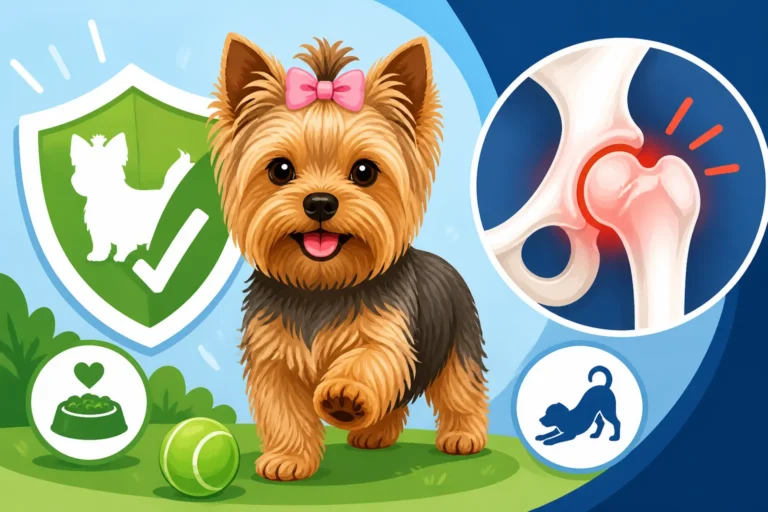
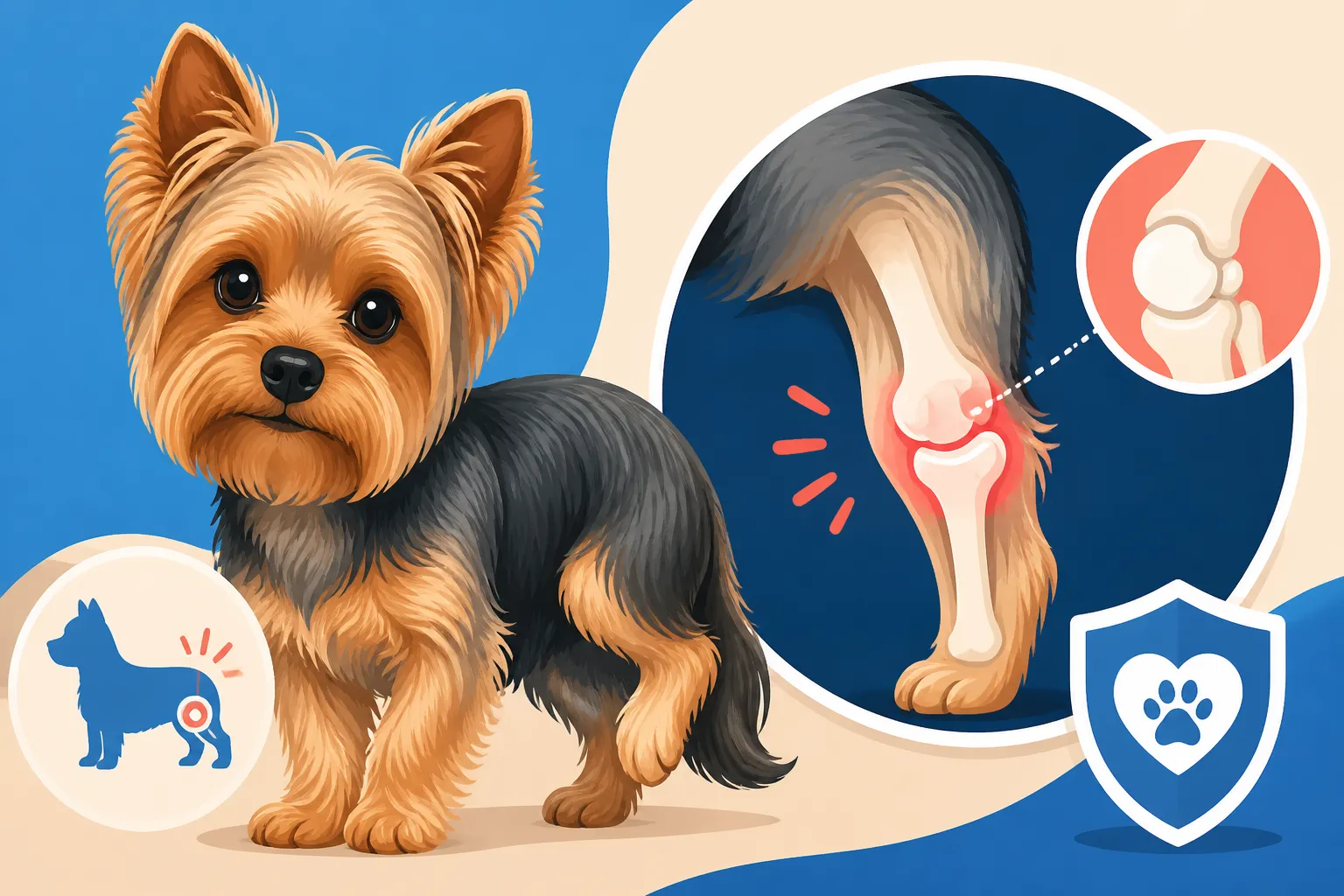
To really grasp what's happening with a luxating patella, it helps to understand the basics of your Yorkie’s knee joint, or stifle. Think of it like this: your dog's kneecap, or patella, is a small, flat bone that sits in a groove on the front of the femur (thigh bone), called the trochlear groove. It’s held in place by ligaments and tendons, and its job is to allow the leg to extend smoothly, acting like a pulley for the quadriceps muscle. When everything's working as it should, the patella glides up and down this groove without a hitch, allowing for full, fluid movement. It's a marvel of natural engineering, but when something goes wrong, the whole system can be thrown off.
However, in cases of patellar luxation, this delicate alignment is disrupted. The patella, instead of staying perfectly centered, dislocates or slips out of its groove. Most commonly, it slips inwards, towards the body (medial luxation), but it can also slip outwards (lateral luxation), though this is less common in smaller breeds like Yorkies. When the kneecap pops out, it often causes immediate pain, and your Yorkie might hold their leg up until the patella either slips back into place on its own or they manipulate it back with a little shake or kick. This is why you might see that characteristic "skip" – they're essentially resetting their knee.
Why Yorkies Are Predisposed
It’s a tough pill to swallow, but our adorable Yorkshire Terriers, along with many other toy and small breeds like Chihuahuas, Pomeranians, and Shih Tzus, are genetically predisposed to developing luxating patella. This isn't due to anything you've done wrong as a pet parent; it's often a structural issue that they're born with or develop very early in life. The trochlear groove in these breeds can sometimes be too shallow, or the alignment of the bones in the leg (the femur and tibia) might be slightly off, creating an angle that encourages the kneecap to slip. You can learn more about these kinds of predispositions in our article on Common Yorkshire Terrier Genetic Conditions.
The genetic component is a significant factor, highlighting the importance of responsible breeding practices. Reputable breeders will often screen their breeding dogs for patellar luxation to reduce the likelihood of passing this trait on to puppies. However, even with the best intentions, it can still appear. The small size and delicate bone structure of Yorkies also contribute, making their joints more susceptible to this kind of mechanical instability. This means that even seemingly minor twists or landings can exacerbate an already existing predisposition, leading to more frequent luxations.
Grades of Patellar Luxation
Luxating patella isn't a one-size-fits-all condition; it's categorized into different grades, from 1 to 4, based on the severity of the luxation. Understanding these grades is crucial because it directly influences the treatment plan and what you can expect for your Yorkie. A veterinarian will assess the grade during a physical examination, feeling how easily the patella can be manually moved out of and back into its groove.
Here's a breakdown of the typical grading system:
- Grade 1: This is the mildest form. The patella can be manually luxated (pushed out of the groove) but pops back into place on its own once released. Your Yorkie might show minimal or intermittent lameness, often just a momentary skip. It’s usually not very painful, and your Yorkie might not even seem bothered by it most of the time.
- Grade 2: In this stage, the patella luxates spontaneously, meaning it slips out on its own, and stays out for a short period before returning to its normal position. Your Yorkie will likely exhibit more frequent skipping or limping episodes, especially after activity. They might hold their leg up for several steps or even minutes before it pops back into place. This grade can be more uncomfortable and might warrant more proactive care.
- Grade 3: The patella is luxated most of the time but can be manually pushed back into the groove. However, it will pop right back out again once pressure is released. Dogs with Grade 3 luxation usually have a persistent limp or a crouched, bow-legged stance. This is where you really start to see a significant impact on their mobility and quality of life, and pain can become a more constant issue.
- Grade 4: This is the most severe grade. The patella is permanently luxated and cannot be manually put back into the groove. The trochlear groove is often completely flattened or even convex, and the underlying bone deformities are quite pronounced. Dogs with Grade 4 luxation often have severe lameness, difficulty walking, and significant pain, requiring surgical intervention to even attempt to restore function.
Understanding these grades is incredibly helpful because it helps you and your vet determine the best course of action. A Grade 1 might be managed conservatively, while a Grade 3 or 4 almost always requires surgical correction to provide a good quality of life.
| Grade | Patella Position | Manual Reduction | Clinical Signs | Typical Treatment |
|---|---|---|---|---|
| 1 | Mostly in groove | Easily reducible | Intermittent skip, mild | Conservative, monitoring |
| 2 | Luxates intermittently | Reducible with effort | More frequent skipping, limping | Conservative/Surgical consideration |
| 3 | Luxated most of time | Manually reducible, reluxates | Persistent limp, crouched stance | Surgical often recommended |
| 4 | Permanently luxated | Not reducible | Severe lameness, major gait changes | Surgical necessary for function |
Recognizing the Signs and Symptoms
As a Yorkie parent, you’re probably incredibly tuned into your dog’s every move and mood. That’s a huge advantage when it comes to noticing subtle changes that might indicate something is wrong with their knee. Unlike a sudden, acute injury, luxating patella often manifests with intermittent and sometimes ambiguous signs, especially in its earlier stages. It can be frustrating trying to figure out if your little one is just being dramatic or if there's a real underlying issue. Paying close attention to how they move and behave is key to catching this condition early. You might notice these issues more after periods of rest or intense play. For a general overview of other health issues, check out Yorkshire Terrier Health Problems to Know.
Intermittent Limping and Skipping
This is, by far, the most classic sign of luxating patella in a Yorkshire Terrier. You'll observe your Yorkie suddenly lift one of their hind legs, often holding it up for a few steps, sometimes even a brief moment, as if they’ve stepped on something or are trying to shake something off. Then, just as quickly, they’ll put the leg back down and run off as if nothing happened. This "skip" or "bunny hop" gait is usually their way of trying to pop the kneecap back into its groove. It’s a temporary solution they’ve learned to manage the discomfort.
These episodes can vary greatly in frequency and duration. Some Yorkies might only do it occasionally, perhaps after a particularly vigorous play session or a sudden turn. Others might do it several times a day. As the condition progresses, these limping and skipping episodes tend to become more frequent and last longer, indicating that the patella is spending more time out of place. It’s important not to dismiss these quick recoveries as a sign that nothing is wrong; it just means they're good at self-correcting, for now. Our guide on Why Is My Yorkie Limping offers more insights into potential causes.
Vocalization and Discomfort Cues
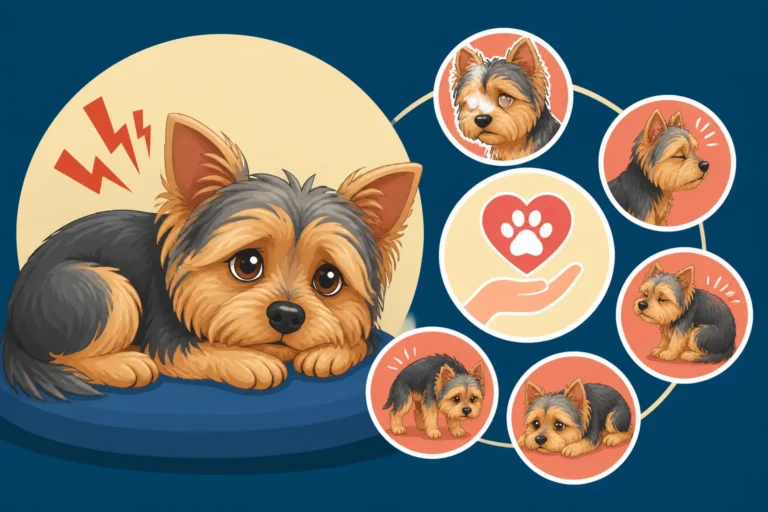
While Yorkies are known for their spirited personalities, they are also pretty good at communicating discomfort, even if subtly. If your Yorkie yelps or cries out when the luxation occurs, that's a clear indicator of pain. You might notice them flinching or pulling away if you try to touch their knee or lower leg. Sometimes, the discomfort isn't a sharp pain but a dull ache that leads to changes in their general demeanor.
Beyond direct vocalization, look for other signs of discomfort. Are they reluctant to jump on or off furniture? Do they hesitate before taking stairs, even if they used to bound up them? They might also sit or lie down in unusual positions to try and alleviate pressure on the affected joint. Some dogs might even start licking or chewing excessively at the knee area, a common self-soothing behavior when experiencing chronic pain. These subtle shifts are vital clues that your Yorkie is trying to tell you something hurts. If you're wondering how to interpret these signs, our guide on How to Tell If a Yorkie Is in Pain can offer more insights.
Changes in Activity Level
A healthy Yorkie is typically a bundle of energy, always ready for a walk, a chase, or a good game of fetch. If you notice a significant decrease in your Yorkie's desire to play, run, or engage in their usual activities, it's a big red flag. A dog in pain or discomfort often conserves energy to protect the affected area. They might become more lethargic, preferring to nap rather than play, or choosing short, slow walks over their usual enthusiastic trots.
This change isn't always dramatic; it can be gradual, making it easy to attribute to aging or just a "lazy day." However, if their sustained energy levels dip over time, and especially if combined with any limping or discomfort, it warrants a vet visit. They might also become less eager to engage with other dogs if play involves too much running or twisting that aggravates their knee. Observing these changes in their usual vibrant behavior is crucial for early detection and intervention, which can significantly improve their prognosis.
Pinpointing the Problem: Diagnosing Luxating Patella
So, you've noticed your Yorkie skipping or showing some reluctance to move, and your gut tells you something isn't quite right. The next crucial step is getting a professional diagnosis. It can feel like a stressful hurdle, but a definitive diagnosis is what paves the way for effective treatment and getting your furry friend back to their happy, active self. Trying to self-diagnose based on internet searches can lead to unnecessary worry or, worse, delaying proper care. This is a job for your trusted veterinarian.
The Physical Examination
The diagnostic journey almost always begins with a thorough physical examination by your veterinarian. They’ll observe your Yorkie's gait as they walk, looking for that characteristic skip or any signs of lameness. They'll also carefully palpate (feel) your Yorkie’s knee joint. This involves gently manipulating the kneecap to see if it can be luxated manually, and how easily it slips out and back into place. They'll assess the stability of the joint, check for any swelling, and gauge your dog’s reaction to the manipulation to determine pain levels.
During this examination, your vet will also be able to assign a grade (1-4) to the luxation, as discussed earlier. This grading is based on their tactile assessment of the patella’s movement and stability within the trochlear groove. It's an incredibly important part of the diagnosis because it helps to quantify the severity of the condition and guides the conversation about treatment options. Don't be surprised if your Yorkie is a little squirmy during this part; it's a sensitive area, and they might instinctively resist manipulation even if it doesn't cause severe pain.
Imaging: X-rays and Beyond
While the physical exam is excellent for detecting the luxation, X-rays are often necessary to get a full picture of the underlying bone structure. X-rays won’t directly show the patella luxating in real-time, but they will reveal any skeletal abnormalities that contribute to the problem. This includes assessing the depth of the trochlear groove, the alignment of the femur and tibia, and looking for any signs of osteoarthritis that may have developed due to chronic instability. For instance, if the trochlear groove is very shallow, it explains why the patella easily slips out.
In some more complex cases, or if your vet is considering surgery, they might recommend additional imaging techniques. This could include a CT scan or MRI, which provide even more detailed images of the bones, cartilage, and soft tissues around the joint. These advanced diagnostics can be particularly helpful if there are concerns about other concurrent issues, like cruciate ligament tears, which can sometimes occur alongside patellar luxation. These comprehensive images ensure that the vet has all the necessary information to formulate the most effective treatment plan for your specific Yorkie.
Ruling Out Other Conditions
One of the critical aspects of the diagnostic process is ruling out other orthopedic or neurological conditions that can present with similar symptoms. A limping Yorkie isn't always suffering from a luxating patella; it could be something else entirely. For example, conditions like Legg-Calve-Perthes disease, hip dysplasia (though less common in Yorkies compared to larger breeds), or even a disc issue in their back can cause hind leg lameness. You might find our article on Yorkie Knee Problems Explained helpful for a broader understanding.
Your vet will consider your Yorkie’s age, medical history, and specific symptoms to differentiate between these possibilities. For instance, a puppy with sudden lameness might be more prone to a growth-related issue, while an older Yorkie might be experiencing age-related arthritis in addition to or instead of luxating patella. A thorough examination and appropriate diagnostics ensure that the correct underlying problem is identified, leading to the most targeted and successful treatment. This comprehensive approach ensures your Yorkie gets the precise care they need, avoiding unnecessary or ineffective interventions.
Charting the Course: Treatment Options
Once your Yorkie has been diagnosed with luxating patella, the conversation naturally turns to treatment. This is often where many pet parents feel overwhelmed, weighing the pros and cons of different approaches. There isn't a single "best" solution for every Yorkie; the ideal treatment depends on the grade of luxation, your dog's age, overall health, and your family's lifestyle. Your veterinarian will guide you through the options, helping you make an informed decision to ensure your furry friend has the best chance at a comfortable, active life.
Conservative Management Approaches
For Yorkies with lower-grade luxation (typically Grade 1 or mild Grade 2) and minimal pain or functional impairment, a conservative management approach might be recommended. The goal here is to strengthen the muscles around the joint, reduce inflammation, and manage any discomfort without resorting to surgery. This can be a really appealing option if surgery feels too daunting, but it requires consistent effort on your part.
This often involves:
- Weight Management: Keeping your Yorkie at a healthy weight is paramount. Even a few extra pounds can put significant stress on their already compromised joints. If your Yorkie is overweight, your vet will help you devise a safe and effective weight loss plan.
- Controlled Exercise: While you don't want to stop all activity, high-impact activities like jumping off furniture or vigorous sprinting should be minimized. Instead, focus on low-impact exercises like short, leashed walks or controlled swimming to build muscle without stressing the joint.
- Anti-inflammatory Medications: Your vet might prescribe NSAIDs (non-steroidal anti-inflammatory drugs) during flare-ups to manage pain and reduce inflammation.
- Joint Supplements: Supplements containing glucosamine, chondroitin, and MSM can help support joint health and cartilage, potentially slowing down the progression of arthritis. Brands like Cosequin or Dasuquin are commonly recommended by vets. Our article on Yorkie Joint Supplements Explained offers a deeper dive into these options.
- Physical Therapy: Working with a certified canine rehabilitation therapist can do wonders. They can provide specific exercises to strengthen the quadriceps and hamstring muscles, improving joint stability. They might use modalities like hydrotherapy (underwater treadmill) or therapeutic laser treatments.
It’s crucial to understand that conservative management doesn't fix the luxation; it aims to manage the symptoms and slow down potential arthritic changes. It might be a lifelong commitment to manage the condition this way. If symptoms worsen or the lameness becomes more persistent, surgery might then become a more pressing consideration.
Surgical Interventions Explained
For Yorkies with higher-grade luxation (Grade 2 progressing to 3, or definite Grade 3 and 4), or those with lower grades experiencing significant pain and lameness despite conservative management, surgery is often the most effective and sometimes the only way to achieve long-term relief and restore normal function. The idea of surgery can be scary, especially for such a tiny dog, but advancements in veterinary orthopedics have made these procedures very successful. Our guide on Yorkshire Terrier Luxating Patella: Treatment Options can provide more specific details on surgical approaches.
The primary goal of surgery is to ensure the patella remains securely in its trochlear groove. Several surgical techniques can be employed, often in combination:
- Trochleoplasty (Deepening the Trochlear Groove): If the groove is too shallow, the surgeon will deepen it so the patella has a more secure channel to glide in. This can be done by either removing a wedge of bone from the groove and replacing it deeper (wedge recession) or by grinding the groove deeper (chondroplasty or trochlear block recession).
- Tibial Crest Transposition: This procedure addresses the alignment issue. If the attachment point of the patellar ligament on the tibia (shin bone) is out of place, causing the kneecap to be pulled sideways, the surgeon will cut a section of bone (the tibial crest) and reattach it in a more anatomically correct position, thus straightening the pull on the patella.
- Lateral Imbrication: This involves tightening the joint capsule on the side opposite to the luxation and sometimes releasing the capsule on the side of the luxation. This helps to balance the forces on the patella and encourage it to stay centered.
These surgeries are complex and require a skilled veterinary orthopedic surgeon. The specific approach will depend entirely on the individual anatomy and severity of your Yorkie’s condition. While the thought of surgery is daunting, it offers the best chance for a full and pain-free recovery for many dogs.
Post-Surgical Recovery and Rehabilitation
Undergoing surgery is just the first step; the recovery and rehabilitation period are equally, if not more, critical for a successful outcome. This phase requires immense dedication and patience from you, the pet parent. Typically, your Yorkie will need strict rest and restricted activity for several weeks after surgery, gradually increasing their movement under veterinary guidance. This might involve crate rest for a period, limiting jumping, and keeping them on a leash for all potty breaks.
Your vet will likely prescribe pain medication and anti-inflammatories to keep your Yorkie comfortable during the initial healing phase. They will also provide specific instructions for incision care, activity restrictions, and when to return for follow-up appointments. Physical rehabilitation often begins quite soon after surgery, often with passive range-of-motion exercises, progressing to gentle walks, and eventually more structured exercises to rebuild muscle strength and coordination.
Consistency is key during rehab. Skipping exercises or allowing your Yorkie to overdo it too soon can jeopardize the surgical repair. While it's a long road, seeing your Yorkie gradually regain their strength and mobility, free from that painful skip, makes all the effort worthwhile. Remember, financial planning for such procedures, including potential physical therapy, is also important; researching options like pet insurance from providers like Healthy Paws can be incredibly beneficial in mitigating these costs, which can range from a few thousand dollars per knee. Our Yorkshire Terrier Vet Costs and Health Budget article further breaks down potential expenses.
Living with Luxating Patella: Long-Term Care and Management
Whether your Yorkie undergoes surgery or is managed conservatively, living with luxating patella often means a commitment to long-term care. This isn't just about addressing the immediate problem but about safeguarding their joint health for the rest of their lives. It's about proactive steps to prevent recurrence, manage pain, and maintain their quality of life. This means a partnership between you, your vet, and potentially a rehabilitation specialist, to keep your little one as comfortable and active as possible.
Pain Management Strategies
Even after successful surgery or with diligent conservative management, some Yorkies may still experience occasional discomfort or develop arthritis later in life. Effective pain management is crucial for ensuring their well-being. This isn't just about giving medication when they limp; it's about a holistic approach to prevent and alleviate pain.
- Veterinary Prescribed Medications: Your vet might prescribe NSAIDs (like carprofen or meloxicam) for managing inflammation and pain, especially during flare-ups or if arthritis develops. Always follow your vet's instructions precisely, as inappropriate use of these medications can have serious side effects. For chronic pain, other medications like gabapentin may be considered.
- Supplements: As mentioned earlier, joint supplements are a cornerstone of long-term joint health. Look for high-quality products containing glucosamine, chondroitin, MSM, and potentially omega-3 fatty acids. These can help support cartilage health, reduce inflammation, and improve joint lubrication.
- Comfort Measures: Providing a comfortable, orthopedic bed can make a huge difference, especially for older Yorkies or those recovering from surgery. Ensuring easy access to food and water bowls without having to jump can also alleviate strain. In colder climates, a warm coat might help soothe achy joints.
- Alternative Therapies: Many pet parents explore alternative therapies under veterinary guidance. These can include acupuncture, therapeutic laser therapy, or chiropractic adjustments, which some dogs find helpful for pain relief and improved mobility.
Physical Therapy and Exercise Modifications
Physical therapy isn't just for post-surgical recovery; it's an invaluable tool for lifelong management of luxating patella. A certified canine rehabilitation specialist can design a personalized exercise program for your Yorkie, focusing on strengthening the muscles surrounding the knee joint, improving flexibility, and maintaining range of motion.
Key aspects of physical therapy and exercise modifications include:
- Targeted Exercises: These might involve specific movements to strengthen the quadriceps, hamstrings, and core muscles, which help stabilize the knee. Exercises could be as simple as controlled leash walks on varied surfaces, gentle massage, or more advanced techniques like exercises on balance balls or wobble boards.
- Hydrotherapy: Underwater treadmill sessions are incredibly beneficial. The buoyancy of the water reduces weight-bearing stress on the joints while still allowing for muscle strengthening and improved gait patterns. It's also less painful for dogs with sore joints.
- Avoiding High-Impact Activities: Protect your Yorkie's joints by preventing activities that put excessive stress on their knees. This means discouraging jumping on and off furniture (use ramps or pet stairs!), avoiding slippery floors, and limiting vigorous, uncontrolled play with larger dogs.
- Consistent, Moderate Exercise: Instead of intense, sporadic bursts of activity, aim for consistent, moderate exercise. Multiple short walks throughout the day are often better than one long, strenuous outing. This helps maintain muscle tone without overtaxing the joints. Our article on How to Protect a Yorkie's Joints offers more strategies.
Nutritional Support and Joint Supplements
Diet plays a crucial role in managing luxating patella and supporting overall joint health. Beyond maintaining an ideal weight, ensuring your Yorkie receives proper nutrition can help manage inflammation and provide the building blocks for healthy cartilage.
- High-Quality Diet: Feed a high-quality dog food formulated for small breeds, preferably one that includes ingredients known to support joint health, such as omega-3 fatty acids from fish oil. Avoid fillers and artificial ingredients that can contribute to inflammation.
- Joint-Supporting Nutrients: In addition to supplements, some dog foods are fortified with glucosamine and chondroitin. While diet alone might not provide therapeutic levels, it contributes to overall joint well-being.
- Antioxidants: Foods rich in antioxidants can help combat oxidative stress and inflammation, which are often associated with joint degradation. Look for foods with ingredients like blueberries, spinach, or other healthy vegetables.
Remember to always consult with your veterinarian before making significant changes to your Yorkie's diet or adding new supplements. They can help you choose the best products and dosages tailored to your dog's specific needs and existing health conditions. A good veterinary partnership is essential in managing a lifelong condition like luxating patella.
Proactive Steps: Prevention and Long-Term Wellness
While we can't completely prevent genetic conditions like luxating patella, especially in breeds like the Yorkshire Terrier that are predisposed, there are certainly proactive steps we can take as pet parents. These measures can help reduce the severity of the condition, delay its onset, and minimize the risk of complications, ensuring your Yorkie enjoys the best possible quality of life. It’s all about creating an environment and lifestyle that supports optimal joint health from puppyhood through their senior years. For broader health considerations, our How to Keep a Yorkshire Terrier Healthy guide is a great resource.
Responsible Breeding Practices
This is perhaps the most significant "preventative" measure, though it occurs before you even bring your Yorkie home. Reputable and responsible breeders play a crucial role in reducing the incidence of luxating patella. They will screen their breeding dogs for orthopedic conditions, including patellar luxation, through veterinary examinations. Dogs that show signs of the condition, especially higher grades, should not be bred.
When searching for a Yorkshire Terrier puppy, it's vital to:
- Ask for Health Clearances: Don't hesitate to ask breeders for proof of health screenings for the puppy's parents, specifically for patellar luxation. This typically involves documentation from a veterinarian, sometimes through organizations like the Orthopedic Foundation for Animals (OFA).
- Observe the Parents: If possible, observe the temperament and gait of the parents. While not a definitive diagnostic, it can give you an idea of their overall health and mobility.
- Choose a Reputable Breeder: Avoid puppy mills or pet stores that often source from such operations, as they rarely prioritize genetic health screening. A good breeder will be transparent, ask you questions, and provide ongoing support. More information on finding a good breeder can be found in How to Find a Reputable Yorkie Breeder.
While even excellent breeding cannot guarantee a completely luxation-free puppy, it significantly reduces the risk of inheriting severe forms of the condition.
Weight Management and Controlled Exercise
Once your Yorkie is home, managing their weight and exercise routine becomes your primary prevention tool. Even if they have a genetic predisposition, maintaining a lean body weight can dramatically lessen the stress on their knee joints, potentially delaying the onset of symptoms or reducing their severity.
- Maintain Ideal Body Condition: Work with your vet to determine your Yorkie's ideal weight and body condition score. Stick to a high-quality diet and avoid overfeeding treats. Every extra pound on a tiny Yorkie is like carrying a heavy backpack for a human – it takes a toll.
- Appropriate Exercise: Encourage regular, moderate exercise. Short, consistent walks are excellent. Avoid activities that involve excessive jumping, twisting, or sudden stops and starts, especially on hard surfaces. Consider using ramps for furniture access to protect their joints from impact.
- Strong Muscles, Strong Joints: Focus on activities that build muscle mass around the hips and knees, which helps stabilize the joint. Controlled leash walks, gentle inclines, and even supervised swimming are great options.
By being mindful of their physical activity and weight, you're giving your Yorkie's joints the best possible support, helping to prevent or mitigate the impact of conditions like luxating patella. Our article on How to Prevent Luxating Patella in Yorkies offers even more detailed advice on this topic.
Environmental Modifications
Believe it or not, your home environment can play a big role in protecting your Yorkie's knees. Small changes can make a world of difference in reducing stress on their joints, whether they have a luxating patella or you’re trying to prevent it.
- Non-Slip Surfaces: Slippery floors (hardwood, tile, laminate) can be treacherous for small dogs, leading to slips and falls that can aggravate or even cause joint issues. Consider placing rugs or carpet runners in high-traffic areas where your Yorkie plays or walks frequently. You can also use paw pads or anti-slip socks specifically designed for dogs.
- Ramps and Stairs: Discourage jumping on and off furniture. Repeated impacts can be detrimental to delicate joints. Instead, provide pet-friendly ramps or small stairs for access to beds, couches, and even cars. This simple modification can significantly reduce wear and tear.
- Safe Play Areas: Ensure your Yorkie has a safe, soft surface to play on, such as a carpeted area or a grassy yard. Supervise play with other dogs, especially larger breeds, to prevent accidental bumps or roughhousing that could injure their knees.
By making these thoughtful adjustments to your home, you create a safer, more joint-friendly environment for your Yorkshire Terrier, supporting their long-term health and happiness. Remember, consistent veterinary care, especially as your Yorkie ages, is vital for managing chronic conditions. Investing in pet insurance, like a plan from Healthy Paws, can help ease the financial burden of managing health issues throughout your Yorkie’s life, especially with conditions that may require ongoing care or even surgery, allowing you to focus on their well-being without undue financial stress. For senior Yorkies, paying extra attention to joint health becomes even more critical; our Yorkshire Terrier Senior Care Guide has more tips.
Disclaimer
The information provided in this guide is for general informational purposes only and does not constitute veterinary advice. Always consult with a qualified veterinarian for any health concerns or before making any decisions about your Yorkshire Terrier's medical care or treatment plan. Individual outcomes may vary.