Yorkshire Terrier Luxating Patella: Treatment Options
It’s truly disheartening when your energetic little Yorkshire Terrier, usually a whirlwind of joy, starts showing signs of discomfort – perhaps a little skip in their step, an odd limp, or a reluctance to jump. If you’ve noticed these subtle shifts, you might be worrying about something called luxating patella, a condition that’s unfortunately common in our beloved small breeds. This guide is here to walk you through the various treatment options available, helping you understand each path so you can make informed decisions for your furry family member’s comfort and well-being.
Understanding Luxating Patella in Yorkshire Terriers
Seeing your Yorkie struggle with their mobility can be incredibly stressful. Luxating patella, often affectionately called a "trick knee," is a significant concern for many Yorkie owners. It refers to the condition where the kneecap (patella) dislocates or slips out of its normal groove in the thigh bone (femur). While it might sound alarming, understanding what’s happening can help you approach the treatment options with confidence.
What Exactly is a Luxating Patella?
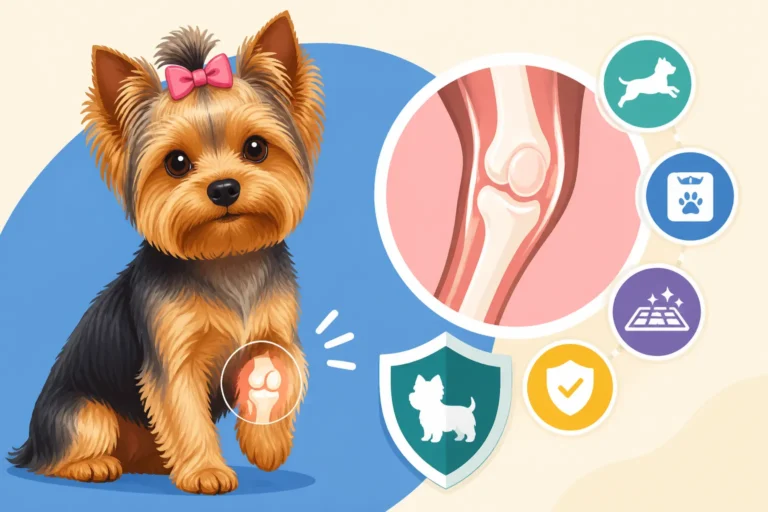
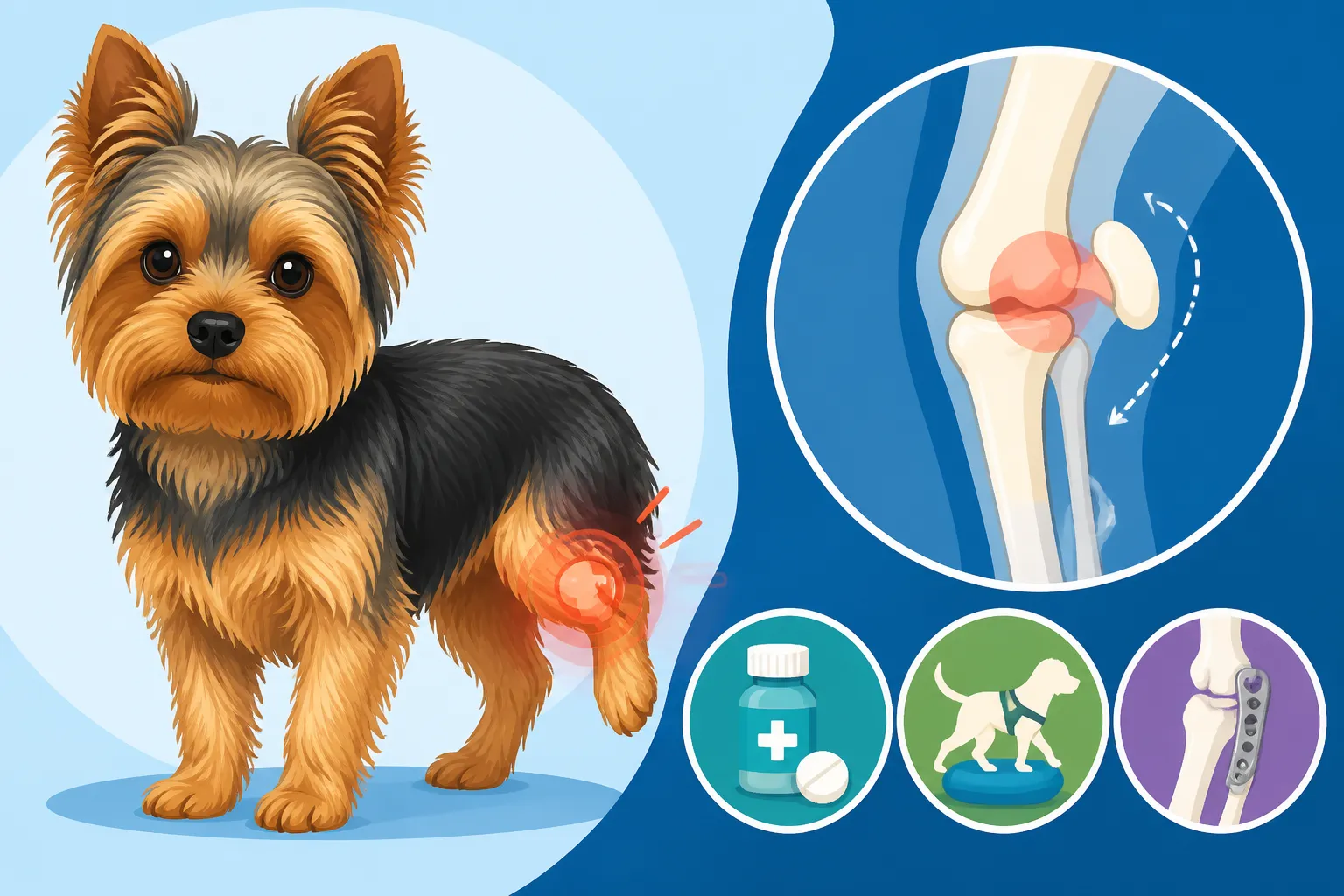
Imagine your kneecap as a small, oval bone that sits in a specific groove at the end of your thigh bone. When you bend and straighten your leg, it’s supposed to slide smoothly up and down that groove. In a Yorkie with a luxating patella, this kneecap moves out of place. It usually slips to the inside (medial luxation), but sometimes it can slip to the outside (lateral luxation). This displacement causes pain, discomfort, and can lead to a range of mobility issues, from a momentary skip to chronic lameness. It's often a congenital condition, meaning Yorkies are predisposed to it due to their genetics and the way their leg bones are formed. You might find it helpful to learn more about Common Yorkshire Terrier Genetic Conditions that affect the breed.
Recognizing the Signs and Severity Grades
The signs of a luxating patella can vary greatly depending on the severity. In mild cases, you might just notice your Yorkie occasionally lifting a hind leg for a few steps, almost as if they're shaking something off their paw, then returning to normal. This "bunny hopping" or intermittent lameness is a classic sign. As the condition progresses, you might see more consistent limping, reluctance to jump or use stairs, or even a complete inability to put weight on the affected leg. If you're observing any of these, it's a clear signal for a vet visit. Early detection can make a big difference, so knowing Signs Your Yorkshire Terrier Is Sick is crucial.
Veterinarians typically grade luxating patella on a scale of 1 to 4:
- Grade 1: The kneecap can be manually luxated (moved out of place) by a vet but will return to its normal position on its own. Your Yorkie might show minimal or intermittent lameness.
- Grade 2: The kneecap luxates spontaneously (slips out on its own) and may stay out for a short period, causing your dog to hold up their leg. It usually returns to the groove on its own or with a little manipulation.
- Grade 3: The kneecap is out of the groove most of the time but can be manually reduced (put back into place) by a vet. However, it will slip out again almost immediately. Your Yorkie will likely experience consistent lameness.
- Grade 4: The kneecap is permanently luxated and cannot be manually reduced. The groove in the femur is often shallow or non-existent, and the bone structure might be significantly deformed. This is the most severe grade, causing significant lameness and pain.
Understanding these grades helps your veterinarian determine the best course of action.
Non-Surgical Treatment Options for Luxating Patella
For many Yorkies, especially those with milder forms of luxating patella (Grade 1 or 2), surgery isn't always the first or only answer. There are several non-surgical approaches that can effectively manage the condition, alleviate pain, and improve your dog's quality of life. It’s all about working with your vet to find the right combination of strategies.
Conservative Management for Mild Cases
When your Yorkie is diagnosed with a Grade 1 or even a low Grade 2 luxating patella, your vet might recommend a conservative management plan. This approach focuses on reducing strain on the knee joint and supporting its natural stability.
- Rest and Activity Modification: This is paramount. Over-exertion can exacerbate the condition. Your vet might suggest limiting high-impact activities like jumping off furniture, running extensively, or playing rough with other dogs. Short, leashed walks on even surfaces are usually fine, but strenuous exercise should be avoided during flare-ups. Think about setting up a cozy, single-level living space for your Yorkie to minimize stairs and high jumps.
- Weight Management: Every extra pound puts additional stress on your Yorkie's joints, making a luxating patella more painful and potentially worsening its progression. Maintaining a healthy weight is one of the most impactful things you can do. Your vet can help you determine the ideal weight for your Yorkie and recommend a suitable diet and exercise plan. This is a critical part of How to Keep a Yorkshire Terrier Healthy.
- Physical Therapy at Home: Gentle exercises, as guided by a vet or certified canine physical therapist, can help strengthen the muscles surrounding the knee. This increased muscle support can provide better stability for the patella. Examples include controlled leash walks, gentle range-of-motion exercises, and specific stretches.
Medications and Supplements
For managing pain and inflammation, your veterinarian has a range of pharmaceutical tools at their disposal.
- Non-Steroidal Anti-Inflammatory Drugs (NSAIDs): Medications like carprofen (Rimadyl), meloxicam (Metacam), or firocoxib (Previcox) are commonly prescribed to reduce pain and inflammation associated with luxating patella. These can provide significant relief, especially during flare-ups or periods of increased discomfort. It's crucial to use these strictly under veterinary guidance, as improper use can lead to side effects.
- Pain Relievers: In some cases, other pain medications might be used, either alone or in conjunction with NSAIDs, especially if your Yorkie is experiencing more severe pain. Your vet will assess your dog's specific needs.
- Joint Supplements: These can play a supportive role in maintaining joint health. Ingredients like glucosamine, chondroitin, and MSM (methylsulfonylmethane) are often found in supplements designed to promote cartilage health and reduce inflammation. Brands like Nutramax's Dasuquin or Cosequin are popular choices that many vets recommend. While they don't fix the underlying mechanical issue, they can improve comfort and potentially slow down the progression of arthritis, which can develop secondary to a luxating patella. You can explore more about Yorkie Joint Supplements Explained for further details. Always discuss any supplements with your vet before introducing them to your Yorkie's routine.
Physical Therapy and Rehabilitation
Physical therapy (PT) isn't just for post-surgery recovery; it's also a powerful tool for conservative management of luxating patella. A certified canine rehabilitation therapist can develop a tailored program for your Yorkie.
- Strengthening Exercises: Specific exercises can target the quadriceps muscles in the thigh, which are essential for stabilizing the kneecap. This might involve controlled walking on an incline, balance exercises, or even gentle weight-bearing activities.
- Range of Motion Exercises: Maintaining flexibility in the knee joint is vital. Therapists use gentle techniques to ensure the joint doesn't stiffen, which can further impede movement and cause pain.
- Pain Modalities: Therapists might use techniques like therapeutic ultrasound, laser therapy, or cryotherapy (cold therapy) to reduce pain and inflammation directly in the joint area. These modalities can be particularly helpful for comfort.
- Hydrotherapy: Walking on an underwater treadmill or swimming can be incredibly beneficial. The buoyancy of the water reduces weight-bearing stress on the joints while still allowing for muscle strengthening and improved range of motion. It’s a low-impact way for your Yorkie to get exercise without further irritating their knee.
Engaging in regular, professionally guided physical therapy can significantly improve your Yorkie's comfort and mobility, often delaying or even preventing the need for surgery in less severe cases.
Surgical Interventions for More Severe Cases
When conservative treatments aren't enough, or if your Yorkie presents with a higher grade of luxating patella, surgery often becomes the most effective and sometimes the only option for long-term relief and improved mobility. The thought of surgery can be daunting, but understanding the procedures can help ease your mind. For more insights on severe conditions, you might want to read about Yorkshire Terrier Patellar Luxation: Signs and Care.
When is Surgery Recommended?
Deciding on surgery is a significant step, and it's usually a collaborative decision between you and your veterinarian, possibly involving an orthopedic specialist.
- Persistent Pain or Lameness: If your Yorkie is consistently in pain, even with medication, or exhibits constant limping that significantly impacts their daily life, surgery is strongly considered.
- Higher Grades of Luxation: Yorkies with Grade 3 or Grade 4 luxating patella almost always require surgical correction. In these cases, the kneecap is frequently or permanently out of place, leading to severe discomfort and long-term joint damage if left untreated.
- Risk of Arthritis and Further Damage: Uncorrected luxating patella can lead to chronic arthritis, cartilage erosion, and even tearing of the cranial cruciate ligament (similar to an ACL tear in humans). Surgery aims to prevent or minimize these secondary complications.
- Impact on Quality of Life: Ultimately, if the condition is preventing your Yorkie from enjoying their favorite activities – whether it’s playing fetch, going for walks, or just comfortably moving around the house – then surgery offers the best chance at restoring their quality of life.
Common Surgical Procedures
The goal of surgery for luxating patella is to stabilize the kneecap within its natural groove, preventing it from slipping out. Several techniques, often used in combination, achieve this:
- Trochlear Wedge Recession (or Trochleoplasty): This is a fundamental part of most luxating patella surgeries. The surgeon deepens the trochlear groove (the natural channel in the femur where the kneecap sits). By making this groove deeper, the kneecap has a more secure place to reside and track. It's often done by removing a wedge of bone and cartilage, then replacing it once the groove is reshaped, or by removing a block of bone, deepening the underlying bone, and then replacing the block.
- Tibial Crest Transposition: The tibial crest is a bony prominence on the shin bone (tibia) where the patellar ligament attaches. If the patella is luxating medially (inward), the tibial crest is often moved to a more lateral (outward) position. This repositions the attachment point of the patellar ligament, ensuring the kneecap is pulled in a straighter line within the trochlear groove. The transposed bone is then secured with pins.
- Soft Tissue Release/Tightening: Sometimes, the soft tissues surrounding the kneecap are either too tight on one side or too loose on the other, contributing to the luxation. The surgeon may release overly tight tissues (e.g., the medial retinaculum for medial luxation) or tighten loose tissues on the opposite side to help rebalance the patella.
- Corrective Osteotomy: In severe Grade 4 cases, or when there are significant deformities in the femur or tibia, more complex bone realignments might be necessary. This involves cutting and reshaping the bone (osteotomy) to correct severe angular deformities that contribute to the patella luxation.
These procedures are complex and require a skilled veterinary orthopedic surgeon. They are typically performed under general anesthesia, and your Yorkie will stay at the veterinary hospital for a day or two for initial recovery and pain management.
Post-Operative Care and Recovery
Surgery is only half the battle; the post-operative period is absolutely critical for a successful outcome. This phase requires dedication, patience, and strict adherence to your vet's instructions.
- Strict Rest and Confinement: For several weeks after surgery, your Yorkie will need strict rest. This means no jumping, running, or playing. A crate or small, confined area is usually recommended to limit movement. Short, controlled leash walks for potty breaks are generally the only permitted activity.
- Pain Management: Your vet will prescribe pain medications (NSAIDs, opioids, or other analgesics) to keep your Yorkie comfortable during the healing process. Administering these on schedule is vital for their well-being and to encourage gentle, early weight-bearing.
- Wound Care: You'll need to monitor the incision site for any signs of infection (redness, swelling, discharge) and keep it clean and dry. Your Yorkie will likely wear an Elizabethan collar (cone) to prevent licking or chewing at the stitches.
- Physical Rehabilitation: Once the initial healing phase is over (usually 2-4 weeks), your vet will likely recommend starting a physical therapy program. This is crucial for strengthening the muscles around the knee, improving range of motion, and ensuring proper weight distribution. This might start with passive range of motion exercises at home and progress to more active exercises, possibly including hydrotherapy, as guided by a professional.
- Follow-up Appointments: Regular check-ups with your vet are essential to monitor healing, remove sutures, and assess your Yorkie's progress. X-rays might be taken to confirm proper bone healing. The full recovery period can range from 8 to 12 weeks, and sometimes longer for more complex cases.
Navigating the financial aspect of treatment, especially surgery, can be overwhelming. This is where options like pet insurance can truly offer peace of mind. Companies like Healthy Paws often cover a significant portion of unexpected veterinary costs, including those for luxating patella surgery, which can ease the burden immensely. Make sure to understand your policy's specifics regarding hereditary or congenital conditions.
Lifestyle Adjustments and Long-Term Management
Regardless of whether your Yorkie undergoes surgery or is managed conservatively, certain lifestyle adjustments are crucial for their comfort and long-term joint health. This isn't just about immediate relief; it's about setting them up for a happy, mobile life. If you're looking for broader guidance, consider checking out Yorkshire Terrier Senior Care Guide as many of these tips apply to joint health in all ages.
Environmental Modifications
Your home environment can significantly impact your Yorkie's joints. Small changes can make a big difference.
- Ramps or Pet Stairs: Prevent jumping on and off furniture. Repetitive jumping, especially from high places like sofas or beds, can put immense strain on your Yorkie’s knees and exacerbate a luxating patella. Invest in pet ramps or stairs to provide safe access to their favorite lounging spots.
- Non-Slip Mats or Rugs: Slippery floors (hardwood, tile) can be treacherous for dogs with joint issues. Your Yorkie might struggle to gain traction, leading to slips and falls that can cause further injury. Place non-slip mats or rugs in high-traffic areas and wherever your Yorkie eats, drinks, or rests.
- Soft Bedding: Provide comfortable, orthopedic bedding that supports their joints. This is particularly important for older Yorkies or those recovering from surgery. A supportive bed can help alleviate pressure points and promote restful sleep, which is vital for recovery and overall well-being.
- Secure Outdoor Areas: Ensure your yard is safe and free of hazards that could lead to falls or excessive jumping. Avoid uneven terrain if your Yorkie has a severe case.
Diet and Weight Control
We've touched on this before, but it bears repeating: weight management is non-negotiable for Yorkies with luxating patella.
- Portion Control: Work with your vet to determine the precise caloric needs for your Yorkie based on their age, activity level, and current weight. Measure food portions accurately. It’s easy to overfeed a small dog, even by a tiny amount, which can quickly lead to weight gain.
- Healthy Diet: Choose a high-quality dog food appropriate for small breeds. Your vet might recommend a specific formula that supports joint health or helps with weight loss. Avoid feeding excessive treats, especially human foods high in calories or fat.
- Regular Exercise: While high-impact activities should be limited, consistent, moderate exercise is still important. This helps maintain muscle mass, supports joint flexibility, and burns calories. Think short, controlled walks rather than intense runs or frisbee sessions. For a general overview, see Yorkshire Terrier Exercise Needs.
Regular Veterinary Check-ups
Ongoing monitoring is key to managing luxating patella effectively. Your vet is your best partner in this journey.
- Scheduled Follow-ups: Even if your Yorkie is doing well, regular vet visits are important to monitor their joint health, assess their comfort level, and catch any potential issues early. Your vet can perform physical exams, check for signs of arthritis, and adjust their care plan as needed. For budgeting purposes, understanding Yorkshire Terrier Vet Costs and Health Budget can be very helpful.
- Pain Assessment: Since our Yorkies can't tell us exactly how they feel, your vet will look for subtle signs of pain during examinations. They might ask you specific questions about your dog's behavior, appetite, and activity levels at home.
- Proactive Care: Regular check-ups allow your vet to recommend proactive measures, such as new joint supplements, different pain management strategies, or further physical therapy, before the condition significantly worsens. Don't wait until your Yorkie is clearly suffering; preventative and ongoing care is always best. Knowing When to Take Your Yorkie to the Vet is vital for their long-term health.
| Grade of Luxating Patella | Symptoms | Typical Treatment Approach |
|---|---|---|
| Grade 1 | Intermittent skipping, minimal pain | Conservative: Weight management, controlled exercise, joint supplements, occasional NSAIDs. |
| Grade 2 | More frequent skipping, mild to moderate lameness | Conservative initially; if worsening or painful, consider surgery. Physical therapy often recommended. |
| Grade 3 | Persistent lameness, kneecap often dislocated | Surgical intervention strongly recommended to correct alignment and prevent further damage. |
| Grade 4 | Severe, constant lameness, kneecap permanently out | Surgical intervention essential for improving mobility and alleviating significant pain. |
Financial Considerations for Treatment
Let’s be honest, veterinary care, especially for chronic conditions or surgeries, can put a dent in your wallet. It's a real concern for any pet parent, and it's completely understandable to feel overwhelmed by the potential costs when faced with a diagnosis like luxating patella. Being prepared for the financial aspects is just as important as understanding the medical ones.
Estimating Treatment Costs
The cost of treating luxating patella varies widely based on the severity of the condition, the chosen treatment path, your geographical location, and the specific veterinary clinic or specialist you visit.
-
Conservative Management Costs:
- Veterinary Consultations: Initial diagnosis and follow-up visits can range from $50 to $200 per visit.
- Medications: NSAIDs and pain relievers can cost $20-$100 per month, depending on the drug and dosage.
- Joint Supplements: Quality supplements typically range from $20-$60 per month.
- Physical Therapy: Sessions can be $50-$150 each, and your Yorkie might need multiple sessions per week initially, then less frequently.
- Specialty Food/Weight Management: Costs for prescription diets or specific weight management foods can add $10-$30 more per bag than regular kibble.
- Environmental Aids: Ramps, orthopedic beds, and non-slip mats are initial investments, ranging from $30 to $200+.
- Total for Conservative Management: This can add up to several hundred to over a thousand dollars per year, depending on the intensity of the treatment.
-
Surgical Treatment Costs:
- Pre-Surgical Workup: This usually includes blood tests, X-rays, and possibly an ECG, costing $200-$500.
- The Surgery Itself: This is the most significant expense. For a single knee, surgery for luxating patella can range anywhere from $1,500 to $4,000, and sometimes even higher for complex cases or if both knees require surgery. This typically includes anesthesia, the procedure, and initial post-operative medications and hospital stay.
- Post-Operative Care: Follow-up exams, pain medication refills, and physical rehabilitation are ongoing costs. Rehabilitation after surgery is crucial and can add another $500 to $1,500 over several months.
- Total for Surgical Treatment: You should budget anywhere from $2,000 to $6,000+ for a single affected knee, which can double if both knees need attention.
It's a big investment, but it's an investment in your Yorkie's comfort and long-term health.
The Role of Pet Insurance
This is where pet insurance can truly be a lifesaver. Many pet parents don't consider insurance until something goes wrong, and then they're faced with unexpected bills. Having a good pet insurance policy in place before a diagnosis like luxating patella can significantly reduce your out-of-pocket expenses.
- Coverage for Accidents and Illnesses: Most comprehensive pet insurance plans, like those offered by Healthy Paws, cover a percentage of veterinary costs for accidents and illnesses, including surgeries and treatments for conditions like luxating patella. This means if your Yorkie needs surgery, your insurance provider could reimburse you for a large portion of those thousands of dollars.
- Deductibles and Reimbursement Rates: Typically, you'll pay a deductible (e.g., $250 or $500) annually, and then the insurance company will reimburse you for a percentage of the remaining costs (often 70%, 80%, or 90%), depending on your plan.
- Waiting Periods and Pre-existing Conditions: It's crucial to be aware of waiting periods – a period after you enroll before coverage for certain conditions begins. Also, pet insurance generally does not cover pre-existing conditions, so it's best to get a policy while your Yorkie is young and healthy. If your Yorkie already has a diagnosed luxating patella, it might be considered pre-existing. However, it’s always worth checking with providers like Healthy Paws, as some policies might offer limited coverage for certain conditions after an extended symptom-free period, or they may have different definitions of "pre-existing."
- Peace of Mind: Beyond the financial relief, pet insurance provides incredible peace of mind. Knowing that you can make medical decisions based on what’s best for your Yorkie, rather than solely on what you can afford, is invaluable.
When considering pet insurance, always read the fine print, understand what's covered (and what's not), and compare different providers to find the best fit for your budget and your Yorkie's needs. Planning for the unexpected is one of the kindest things you can do for your beloved companion.
Disclaimer
The information provided in this article is for general informational purposes only and is not intended as a substitute for professional veterinary advice, diagnosis, or treatment. Always seek the advice of your veterinarian or other qualified animal health provider with any questions you may have regarding a medical condition. Never disregard professional veterinary advice or delay in seeking it because of something you have read in this article.