Yorkshire Terrier Senior Care Guide
Watching your spirited little Yorkshire Terrier start to slow down, seeing those energetic puppy leaps turn into careful steps, or noticing their once bright eyes becoming a little cloudy, can be incredibly tough. It's a natural part of life, but it doesn't make it any easier to witness your beloved companion's transition into their senior years. This comprehensive guide is here to walk you through everything you need to know about providing the best possible care for your aging Yorkie, ensuring their golden years are as comfortable, happy, and healthy as they can possibly be.
Understanding the Senior Yorkie Life Stage
Just like with people, age isn't just a number when it comes to our furry friends; it’s a whole new chapter with different needs and considerations. For a Yorkshire Terrier, entering their senior years means a shift in their physical and mental landscape, and understanding this transition is the first step in providing exceptional care.
When Does a Yorkie Become a Senior
It might surprise some, but for a smaller breed like the Yorkshire Terrier, the "senior" label often comes earlier than for larger dogs. While a Great Dane might be considered senior at 5 or 6, your average Yorkie typically enters their golden years somewhere between 7 and 10 years old. This isn't a hard and fast rule, of course; genetics, lifestyle, and overall health play a huge role. Some Yorkies, living a vibrant, active life, might not show significant signs of aging until they're closer to 9 or 10, while others might start exhibiting senior traits earlier. It's less about their exact birthday and more about the subtle changes you begin to observe in their daily behavior and physical capabilities. You'll want to pay close attention to any shifts around this age range, as it signals that it's time to start adjusting their routine and care. Knowing How Long Do Yorkshire Terriers Live can help you put this life stage into perspective.
Common Signs of Aging in Yorkshire Terriers
Recognizing the signs of aging in your Yorkie is paramount to providing timely care. It’s not always obvious, as our little companions are masters at hiding discomfort. One of the most common physical changes you might notice is a decrease in their energy levels. They might not greet you with the same frantic excitement, opting for a more sedate tail wag, or they might sleep more throughout the day. Arthritis and joint stiffness are also prevalent, leading to a reluctance to jump, climb stairs, or even go for long walks. Their once silky coat might become coarser or thinner, and you might spot some gray hairs, especially around their muzzle and eyes.
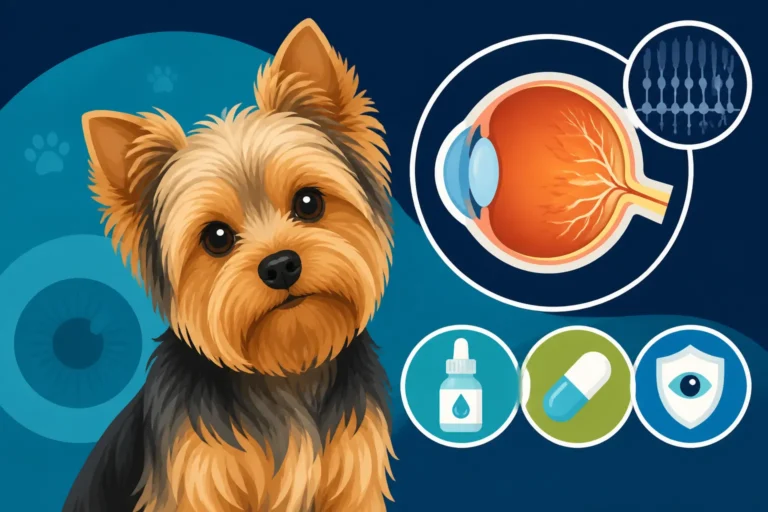
Beyond the physical, there are often cognitive and sensory changes. Their eyesight might dim, making them more hesitant in dimly lit areas or prone to bumping into furniture, especially if it's been rearranged. Hearing loss can also occur, meaning they might not respond to their name or the doorbell as readily. Some senior Yorkies might even show signs of cognitive dysfunction, often referred to as "doggy dementia," which can manifest as disorientation, altered sleep patterns, house-soiling accidents, or changes in their interaction with family members. It's crucial to differentiate normal aging from pain or illness, which is why observing these changes and discussing them with your vet is so important. These can be early indicators of Yorkshire Terrier Health Problems to Know.
Why Senior Care is Different for Yorkies
Caring for a senior Yorkie isn't just a continuation of puppyhood or adulthood with a slower pace; it requires a fundamentally different approach. Their small size, while adorable, also predisposes them to certain age-related conditions that might not be as common or severe in larger breeds. For instance, their delicate joints are particularly susceptible to conditions like patellar luxation, which can worsen with age and lead to chronic pain. Dental disease, already a significant concern for Yorkies of all ages due to their small mouths, becomes even more critical in seniors, potentially leading to widespread health issues if left unchecked.
Furthermore, their metabolism slows down, making weight management a delicate balance between providing adequate nutrition and preventing obesity, which can exacerbate joint problems and other health risks. Their ability to regulate body temperature can also diminish, making them more sensitive to cold. Senior Yorkies often require more frequent veterinary check-ups, specialized diets, adapted exercise routines, and a keen eye for subtle behavioral shifts. It’s about creating an environment that supports their changing needs, minimizes discomfort, and maximizes their quality of life, understanding that their resilience and needs are unique to their breed and age. This specialized attention helps in ensuring their Yorkie Lifespan: How to Maximize It.
Essential Veterinary Care for Older Yorkshire Terriers
As our little Yorkies enter their golden years, their veterinary needs naturally evolve. What might have been sufficient for a spunky adult dog won't cut it for a seasoned senior. Proactive and attentive veterinary care becomes the cornerstone of their health and comfort.
Regular Check-ups and Screenings
Gone are the days when an annual check-up was enough. For senior Yorkies, it's often recommended to schedule veterinary visits every six months, or even more frequently if specific health concerns arise. These twice-yearly visits allow your veterinarian to catch potential issues early, when they're often more manageable. During these comprehensive check-ups, your vet won't just be giving a routine once-over. They'll likely recommend a more extensive panel of tests, including blood work to monitor organ function (kidneys, liver, thyroid), urinalysis to check for infections or underlying kidney disease, and sometimes even blood pressure checks.
For a small breed like a Yorkie, conditions like heart murmurs, dental disease, and orthopedic issues such as worsening Yorkshire Terrier Patellar Luxation: Signs and Care are common concerns that regular screenings can help identify. An experienced vet in your area, perhaps someone like Dr. Emily Carter at "Paws & Claws Veterinary Clinic" in Glendale, Arizona, will know exactly what to look for and might suggest specific diagnostics based on your Yorkie's individual history and any new symptoms you've noticed. These regular visits are also a fantastic opportunity for you to ask questions about diet, supplements, and any behavioral changes you've observed, ensuring a holistic approach to their senior health. Keep in mind that Yorkshire Terrier Vet Costs and Health Budget will likely increase during this life stage, making pet insurance from providers like Healthy Paws a wise consideration.
Managing Chronic Conditions
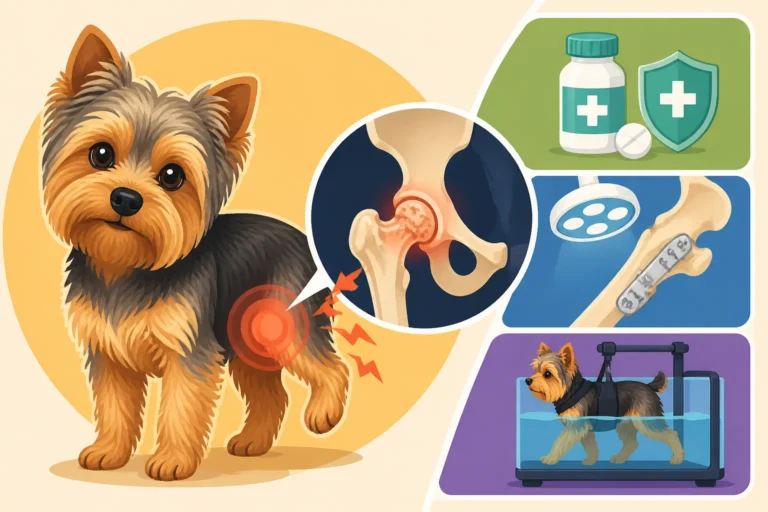
Unfortunately, with age, chronic conditions become a more common reality for many Yorkies. These aren't always curable, but they are often manageable, and the goal is to improve your Yorkie's quality of life. Arthritis is a prime example; while we can't reverse joint degeneration, we can often alleviate pain and improve mobility with a combination of anti-inflammatory medications, joint supplements, physical therapy, and even acupuncture. Similarly, many senior Yorkies develop heart conditions, such as mitral valve disease. Your vet might prescribe medications to support heart function and improve circulation, and regular monitoring through echocardiograms may be necessary.
Another common issue is collapsing trachea, which can lead to persistent coughing. Management often involves cough suppressants, bronchodilators, and lifestyle adjustments to reduce triggers. For Yorkies prone to hypoglycemia, even as seniors, maintaining a consistent feeding schedule and having emergency glucose gel on hand remains vital. The key here is open communication with your vet to create a tailored management plan, adapting it as your Yorkie's condition changes. It’s a marathon, not a sprint, and requires patience and dedication to keep your furry friend as comfortable as possible. Knowing When to Take Your Yorkie to the Vet is crucial, especially when managing these ongoing health challenges.
Vaccination and Parasite Control in Seniors
Even though senior Yorkies might lead less adventurous lives than their younger counterparts, vaccination and parasite control remain incredibly important. Their immune systems can become less robust with age, making them potentially more susceptible to infectious diseases. However, your vet might adjust their vaccination schedule, perhaps opting for a three-year protocol for core vaccines if their immunity levels are still good, or focusing on specific vaccines based on their risk exposure rather than a blanket approach. Discussing your Yorkie’s lifestyle, including any travel or daycare, will help your vet make informed decisions.
Parasite control, both internal and external, is non-negotiable. Senior Yorkies can still pick up fleas, ticks, and internal parasites like worms, which can be even more detrimental to their aging bodies. Fleas can cause intense itching and skin infections, while ticks can transmit serious diseases. Monthly preventatives, whether oral or topical, are highly recommended. For heartworm prevention, which is vital regardless of age, consistent monthly medication is key. Your vet will advise on the best products, considering any other medications your Yorkie might be taking, to ensure they remain protected without unnecessary risks. Regularly reviewing your Yorkie Vaccination Schedule with your vet is a smart move.
Tailoring Nutrition for the Golden Years
Just as our own dietary needs shift as we age, so do those of our beloved Yorkshire Terriers. What fueled their youthful exuberance might not be the ideal fuel for their slower, more sedentary senior years. Adapting their diet is one of the most impactful ways we can support their health and comfort.
Choosing the Right Senior Dog Food
As your Yorkie transitions into their senior years, their metabolism typically slows down, and their activity levels often decrease. This means they generally require fewer calories to maintain a healthy weight. Continuing to feed them a regular adult formula can quickly lead to weight gain, which puts undue stress on their aging joints, heart, and other organs. This is where a high-quality senior dog food comes into play. These formulas are specifically designed with a lower calorie content but are still packed with essential nutrients.
Look for foods that contain easily digestible proteins to support muscle mass, as muscle wasting can be a concern in older dogs. Many senior formulations also include ingredients beneficial for joint health, such as glucosamine and chondroitin, which can help alleviate the symptoms of arthritis. Omega-3 fatty acids are another fantastic addition, known for their anti-inflammatory properties that benefit joints, skin, and coat health, and even cognitive function. Brands like Royal Canin's Yorkshire Terrier Adult 8+ or Hill's Science Diet Adult 7+ Small Bites are often recommended by veterinarians because they are formulated to address the specific needs of smaller, aging breeds. Always introduce new food gradually over 7-10 days to avoid upsetting their sensitive stomachs. You can explore more options by searching for Yorkshire Terrier Senior Food.
Addressing Appetite Changes and Weight Management
It's not uncommon for senior Yorkies to experience changes in appetite. Some might become pickier eaters, perhaps due to dental pain, a diminished sense of smell, or underlying health issues. Others might develop a voracious appetite if a medical condition, like Cushing's disease or a thyroid imbalance, is present. Monitoring your Yorkie's weight is crucial. A simple kitchen scale can be invaluable for these small dogs. If you notice a sudden increase or decrease in weight, or a persistent change in appetite, it's always best to consult your vet.
For picky eaters, try warming their food slightly to enhance the aroma, adding a little low-sodium chicken broth, or incorporating vet-approved toppers. Small, frequent meals throughout the day can also be more appealing and easier on their digestive system than one or two large meals. If your Yorkie is gaining weight, reducing portion sizes, switching to a lighter senior formula, and ensuring they get appropriate, gentle exercise are key. Conversely, if they're losing weight, your vet might explore options to boost their calorie intake or investigate for conditions like kidney disease or dental issues that could be causing discomfort or malabsorption. Remember, consistent nutrition is vital, as sudden drops in blood sugar can still be a concern for senior Yorkies, especially those prone to Yorkie Hypoglycemia: Emergency Signs.
Supplements and Hydration
Supplements can play a supportive role in your senior Yorkie’s diet, but they should always be discussed with your veterinarian first. As mentioned, joint supplements like glucosamine and chondroitin are popular choices for supporting aging joints. Fish oil (Omega-3 fatty acids) is another beneficial supplement for its anti-inflammatory properties, benefiting everything from coat health to brain function. Probiotics can aid digestion, which can sometimes become sluggish in older dogs, and antioxidants may help combat cellular aging. However, it’s vital to ensure you're giving appropriate dosages and not over-supplementing, as some vitamins and minerals can be harmful in excess. Knowing about Yorkie Joint Supplements Explained can provide more insight.
Hydration is just as important, if not more so, for senior dogs. Older Yorkies can be more prone to dehydration due to various factors, including underlying kidney issues, reduced thirst drive, or difficulty reaching their water bowl. Always ensure fresh, clean water is available, perhaps in multiple locations around the house. Consider using a pet water fountain, as the moving water can entice some dogs to drink more. For Yorkies with dental issues, a ceramic or stainless steel bowl might be more comfortable than plastic. If your Yorkie isn't drinking enough, your vet might suggest adding a little water or low-sodium broth to their food to increase fluid intake.
Adapting Exercise and Mental Stimulation
The perception that senior dogs just need to lie around all day couldn't be further from the truth. While their needs certainly change, both physical activity and mental engagement remain critical for maintaining their health, mobility, and overall quality of life. It’s about adapting, not abandoning.
Safe Exercise Routines for Senior Yorkies
Just because your Yorkie is older doesn't mean they should stop moving entirely. In fact, gentle, consistent exercise is vital for maintaining muscle mass, supporting joint health, preventing obesity, and boosting their mood. The key word here is "gentle." Gone are the days of intense agility courses or hour-long jogs. Instead, think about shorter, more frequent walks on soft surfaces like grass, avoiding pavement during hot weather which can be hard on their paws and joints. Two to three 10-15 minute walks a day might be more beneficial than one long, strenuous outing.
Swimming, if your Yorkie enjoys it and you have access to a safe, warm pool (like a specialized canine hydrotherapy center), can be an excellent low-impact exercise that builds muscle without stressing joints. Consider a pet stroller if your Yorkie tires easily on walks but still enjoys being outdoors and taking in the sights and smells. The goal is to keep them moving comfortably, not to push them to exhaustion or pain. Always watch for signs of fatigue, lameness, or discomfort, and consult your vet if you're unsure about the appropriate level of activity for your individual Yorkie.
Keeping Their Minds Sharp
Physical exercise is only half the battle; a keen mind is just as important for a happy senior Yorkie. Mental stimulation helps prevent cognitive decline, keeps them engaged with their environment, and reduces boredom and anxiety. Even if their body is slowing down, their brain can still thrive with the right activities. Interactive puzzle toys, like those from Kong or Nina Ottosson, that dispense treats when manipulated, are fantastic for keeping their minds active. You can also hide treats around the house for them to "hunt," engaging their natural sniffing instincts.
Continuing to practice basic commands or even teaching them new, simple tricks can be incredibly rewarding for both of you. It's never too late for a Yorkie to learn! Social interaction also plays a huge role in mental well-being. Regular cuddle sessions, gentle play with familiar toys, and supervised visits with calm, respectful human friends or other well-behaved pets can provide much-needed social stimulation. Remember, even a small amount of mental engagement each day can make a big difference in maintaining your senior Yorkie's cognitive function and overall happiness.
Mobility Aids and Home Modifications
As Yorkies age, their mobility often decreases, making everyday tasks challenging. Thankfully, there are many aids and modifications you can implement to make their home environment safer and more accessible. For Yorkies struggling to navigate slippery floors, consider placing non-slip rugs or runners, especially in high-traffic areas or on paths to their food and water bowls. Ramps or pet stairs can be a lifesaver for getting on and off furniture or into bed, reducing the risk of injury from jumping.
For Yorkies with severe arthritis or weakness, a supportive orthopedic bed can provide immense comfort, relieving pressure on joints and promoting better sleep. In cases of significant hind-leg weakness or paralysis, a dog wheelchair or mobility harness can help them remain active and enjoy walks. These aren't just for large dogs; specially designed wheelchairs for small breeds like Yorkies are readily available. Even simple things like raising their food and water bowls can make eating and drinking more comfortable for those with neck or back pain. These proactive steps ensure your senior Yorkie can continue to enjoy their home environment safely and with dignity, allowing you to effectively How to Care for a Senior Yorkie.
Maintaining Grooming and Hygiene
Grooming might seem like a superficial concern, but for a senior Yorkshire Terrier, it’s an integral part of their health and comfort. As they age, they may struggle to groom themselves, making our role in their hygiene even more critical.
Gentle Grooming for Sensitive Skin and Coats
A Yorkie’s signature silky coat, which is more like human hair than fur, requires diligent care throughout their lives, and this doesn't change in their senior years. In fact, it might even become more crucial. As they age, their skin can become thinner, drier, and more sensitive, making them prone to irritation and bruising. Their coat might also thin, become coarser, or be more prone to matting if they're less active or less able to scratch themselves effectively. Regular, gentle brushing with a soft-bristled brush or a pin brush is essential to prevent tangles and mats, which can be incredibly painful and lead to skin infections if left untended.
When bathing your senior Yorkie, use a mild, moisturizing dog shampoo specifically formulated for sensitive skin. Ensure the water is lukewarm, and avoid harsh scrubbing. Pat them dry thoroughly with a soft towel, and if using a hairdryer, keep it on a low, cool setting to prevent skin irritation. Pay extra attention to areas prone to matting, like behind the ears, armpits, and their "skirts." If your Yorkie has developed skin tags or lumps, be extra careful around these areas. Regular professional grooming by someone experienced with senior dogs can also be a wonderful option, as they can handle them gently and spot any new skin issues you might have missed.
Dental Health Remains Crucial
If there's one area where senior Yorkies often face significant challenges, it's dental health. Given their small mouths, Yorkies are highly predisposed to dental disease throughout their lives, and it only worsens with age. By the time they're seniors, many have accumulated significant plaque and tartar, leading to gum disease, tooth decay, and painful infections. These issues don't just affect their mouth; untreated dental disease can lead to serious health problems like heart, kidney, and liver disease as bacteria from the mouth enter the bloodstream.
Continuing a consistent dental care routine, even for seniors, is paramount. This includes daily brushing with dog-specific toothpaste, using dental chews approved by your vet, and applying dental water additives. However, many senior Yorkies will require professional dental cleanings under anesthesia. While anesthesia always carries some risk, modern veterinary practices often perform pre-anesthetic blood work and tailored anesthetic protocols to minimize risks for older pets. The relief from chronic dental pain can dramatically improve a senior Yorkie's quality of life, allowing them to eat more comfortably and generally feel better. Talk to your vet about Yorkie Dental Disease Prevention and How Often Yorkies Need Dental Cleaning for seniors.
Paw and Nail Care
Paw care is often overlooked but becomes increasingly important for senior Yorkies. Overgrown nails can make walking painful, alter their gait, and contribute to joint problems. Regular nail trims, ideally every 2-4 weeks, are essential. If your Yorkie is reluctant to have their paws handled, a professional groomer or vet tech can help. Be cautious not to cut into the quick, which can cause pain and bleeding. For those with dark nails, a Dremel tool can be a safer alternative as it grinds the nail down gradually.
Beyond nails, inspect their paw pads regularly. Senior Yorkies might have drier, more cracked pads, making them more susceptible to injury or infection. Moisturizing paw balms can help keep pads supple. Check between their paw pads for mats, debris, or sores. Overgrown hair between the pads can also cause discomfort and should be carefully trimmed. Ensuring their paws are healthy and comfortable will help them maintain better balance and mobility, which is crucial for preventing slips and falls on slippery surfaces.
Behavioral Changes and Emotional Well-being
Aging doesn't just impact a Yorkie's physical body; it profoundly affects their minds and emotions too. Understanding and responding to these behavioral shifts with patience and empathy is key to supporting their emotional well-being.
Recognizing Age-Related Behavioral Shifts
As Yorkies age, you might observe a variety of behavioral changes that can sometimes be puzzling or even frustrating for owners. One common shift is an alteration in their sleep-wake cycle; they might sleep more during the day but become restless or vocal at night. Increased anxiety is also prevalent, manifesting as clinginess, whining, or even destructive behaviors when left alone, reminiscent of puppy separation anxiety. Some senior Yorkies might become less tolerant of children or other pets, simply seeking more peace and quiet.
Disorientation is another significant sign, often indicative of Canine Cognitive Dysfunction (CCD) or "doggy dementia." You might see your Yorkie staring blankly at walls, getting stuck in corners, forgetting commands they once knew, or even having accidents inside the house despite being perfectly house-trained for years. There might be changes in their interaction patterns – perhaps less enthusiasm for play or an increased tendency to be irritable. It's important to remember that these changes are rarely deliberate; they are often a reflection of underlying physical discomfort, sensory decline, or neurological changes. Any significant behavioral shift warrants a conversation with your veterinarian, as many can be managed with medication or environmental adjustments.
Supporting Emotional Comfort and Security
Just like humans, senior Yorkies thrive on routine and a sense of security. As their senses decline and their world becomes a bit more confusing, maintaining predictability in their daily life can greatly reduce anxiety. Stick to consistent feeding times, walk schedules, and bedtime routines. Create a designated "safe space" for them – a quiet corner with a comfortable orthopedic bed, perhaps a soft blanket with your scent, where they can retreat when they feel overwhelmed or just want to rest undisturbed.
Increased physical affection, such as gentle petting and quiet cuddle sessions, can also provide immense comfort and reaffirm your bond. If their hearing or eyesight is failing, approach them gently and audibly announce your presence before touching them to avoid startling them. Pheromone diffusers, like those from Adaptil, can sometimes help reduce anxiety in the home environment. Providing consistent, loving reassurance helps them navigate the challenges of aging, reminding them that they are safe and cherished members of the family.
Dealing with Cognitive Decline
Dealing with cognitive decline in a senior Yorkie can be heartbreaking, but there are strategies to help manage the symptoms and support their brain health. If your vet diagnoses Canine Cognitive Dysfunction (CCD), they might recommend specific medications, such as selegiline (Anipryl), which can help improve cognitive function in some dogs. Dietary changes, including foods rich in antioxidants and Omega-3 fatty acids, or specific brain-supportive supplements, may also be suggested.
Environmentally, keeping furniture in consistent locations can prevent disorientation. Nightlights can help those with poor vision navigate their surroundings more easily in the dark. Engaging them in gentle mental stimulation, as discussed earlier, can also help slow cognitive decline. For house-soiling accidents, don't punish them; instead, increase the frequency of potty breaks, especially after waking up and eating. You might also consider puppy pads in easily accessible areas. Patience, understanding, and adapting your expectations are crucial when caring for a Yorkie with cognitive decline, helping them live their best possible life despite the challenges.
Preparing for End-of-Life Care
This is perhaps the hardest part of being a pet parent: facing the inevitable. While it's a difficult topic, being prepared for your senior Yorkie's end-of-life journey allows you to make informed decisions that prioritize their comfort and dignity.
Recognizing Signs of Decline
It's natural to hope our Yorkies will simply pass peacefully in their sleep, but often, there’s a period of decline that requires our careful attention. Recognizing these signs is not about giving up, but about understanding when their quality of life is diminishing and when intervention, or even peaceful transition, might be the kindest choice. Watch for a significant decrease in appetite and thirst, lasting for more than a day or two. Apathy, where they show little interest in activities they once loved – toys, walks, or even your presence – is a strong indicator.
Chronic pain that can no longer be effectively managed, persistent vomiting or diarrhea, severe incontinence, difficulty breathing, or an inability to stand or move without significant distress are all critical signs. It's important to differentiate a bad day from a consistent trend of worsening symptoms. Keeping a "quality of life" journal can be incredibly helpful during this time, noting good days versus bad days, and tracking their pain levels, mobility, and engagement. This objective record can help you, and your vet, assess their overall well-being. These are often the same Signs a Yorkie Is Dying.
Making Quality of Life Decisions
This is arguably the most agonizing decision any pet owner has to face. The concept of "quality of life" is subjective, but it usually centers on whether your Yorkie is experiencing more good days than bad, if they are free from significant pain, and if they can still engage in activities that bring them joy. Your veterinarian is your most valuable ally in this process. They can provide an objective assessment of your Yorkie’s physical health, pain levels, and prognosis. Discussing your fears and concerns openly with them, and perhaps family members, can help you gain clarity.
Some owners create a checklist of their Yorkie’s favorite things (eating, playing, cuddling, going for walks) and assess how many of these they can still enjoy. If most of these are no longer possible, or if their pain is constant despite medication, it might be time to consider humane euthanasia. This is a profound act of love, sparing your beloved companion from prolonged suffering. While incredibly painful, making this choice prevents unnecessary distress and allows them to leave peacefully, surrounded by your love. Being prepared means you can make the decision calmly, rather than in a crisis moment. This is a significant aspect of Yorkie End-of-Life Care.
Grief and Support for Pet Parents
The grief experienced after losing a beloved pet is real and profound, and it's important to allow yourself to feel it without judgment. Your Yorkie wasn't just a pet; they were a family member, a constant companion, and a source of unconditional love for many years. Don't let anyone diminish the depth of your sorrow. It’s okay to cry, to feel angry, or to feel lost. Everyone grieves differently, and there's no right or wrong way to cope.
Seek support from understanding friends and family members who validate your feelings. There are also many pet bereavement support groups, both online and in person, that can provide comfort and a space to share your experiences with others who truly understand. Consider memorializing your Yorkie in a way that feels right to you – a special photo album, a paw print, a piece of jewelry, or a donation in their name. Remember the joy, the laughter, and the countless happy memories you shared. Over time, the sharp edges of grief will soften, allowing you to cherish their memory and perhaps, eventually, open your heart to another furry friend when the time is right.
Disclaimer
This article is intended for informational purposes only and does not constitute veterinary advice. Always consult with a qualified veterinarian for any health concerns or before making any decisions about your Yorkshire Terrier's care.