How to Prevent Dry Eye in Yorkies
It’s truly disheartening to see our beloved Yorkshire Terriers experience any discomfort, and few things are as frustrating as watching them struggle with chronic eye issues. Dry eye, medically known as Keratoconjunctivitis Sicca (KCS), is a surprisingly common and incredibly uncomfortable condition that affects many Yorkies, often leaving their eyes red, irritated, and prone to further complications. This comprehensive guide is here to walk you through exactly how to prevent dry eye in Yorkies, offering practical, actionable steps to keep your furry friend's eyes healthy, bright, and free from irritation.
Understanding Dry Eye in Yorkshire Terriers (Keratoconjunctivitis Sicca – KCS)
Dry eye is more than just a minor irritation; it's a serious condition that can lead to significant discomfort and, if left unaddressed, permanent vision impairment in our tiny companions. For Yorkshire Terriers, this condition isn't just a random occurrence; there are specific reasons why they are particularly susceptible. Getting a handle on what KCS is and why it affects Yorkies is the first crucial step in preventing it.
What is Dry Eye and Why Yorkies Are Prone
At its core, Keratoconjunctivitis Sicca (KCS) occurs when a dog's eyes don't produce enough tears, or the tears produced aren't of the right quality to adequately lubricate and protect the eye. Tears are vital, not just for moisture, but also for flushing away irritants and delivering essential nutrients to the cornea. Without enough tears, the surface of the eye becomes dry, inflamed, and much more vulnerable to damage. Imagine trying to drive a car with a windshield that's constantly smeared and dry – that’s a bit like what our Yorkies experience.
Yorkshire Terriers, unfortunately, are genetically predisposed to KCS, making them one of the breeds most commonly affected. This genetic link often means their immune system might mistakenly attack the tear glands, reducing tear production. Beyond genetics, their prominent, expressive eyes, while adorable, can sometimes be more exposed to environmental factors, further exacerbating the issue. It’s not just about having a dry eye; it’s about the constant irritation, the potential for painful corneal ulcers, and the ever-present risk of secondary bacterial infections that thrive in a dry environment. Understanding these underlying vulnerabilities helps us appreciate the importance of proactive care to keep their eyes healthy and comfortable. This is just one of the many Yorkshire Terrier Health Problems to Know that makes proactive care so essential for this breed.
Early Signs to Watch For
Catching dry eye early can make a world of difference in managing the condition and preventing its progression. As a Yorkie parent, you’re often the first line of defense, and knowing what subtle changes to look for can be incredibly impactful. The earliest signs can be quite subtle, such as an increase in blinking or squinting, almost as if your Yorkie is trying to manually lubricate their eyes. You might also notice a thin, mucus-like discharge that builds up in the corners of their eyes, which is often mistakenly attributed to allergies or just "sleepy dust."
As the condition progresses, the signs become more apparent and concerning. You might see noticeable redness around the white part of the eye (sclera) or the conjunctiva (the pink tissue lining the eyelids). The eye surface might appear dull or cloudy, losing its usual sparkling moistness. Your Yorkie might start pawing at their face more frequently, rubbing their eyes, or showing sensitivity to light. If you notice any of these symptoms, even if they seem minor, it’s a clear signal to consult your veterinarian immediately. Early intervention is paramount to prevent permanent damage and restore comfort, and understanding these Signs Your Yorkshire Terrier Is Sick can truly save them from a lot of suffering.
Proactive Prevention Strategies for Yorkie Dry Eye
Preventing dry eye in Yorkies isn't about grand gestures; it's about consistent, thoughtful daily care and smart choices. By incorporating a few key strategies into your routine, you can significantly reduce the risk of your Yorkie developing this uncomfortable condition. Think of it as building a robust defense system for their precious peepers.
Maintaining Optimal Eye Health and Hygiene
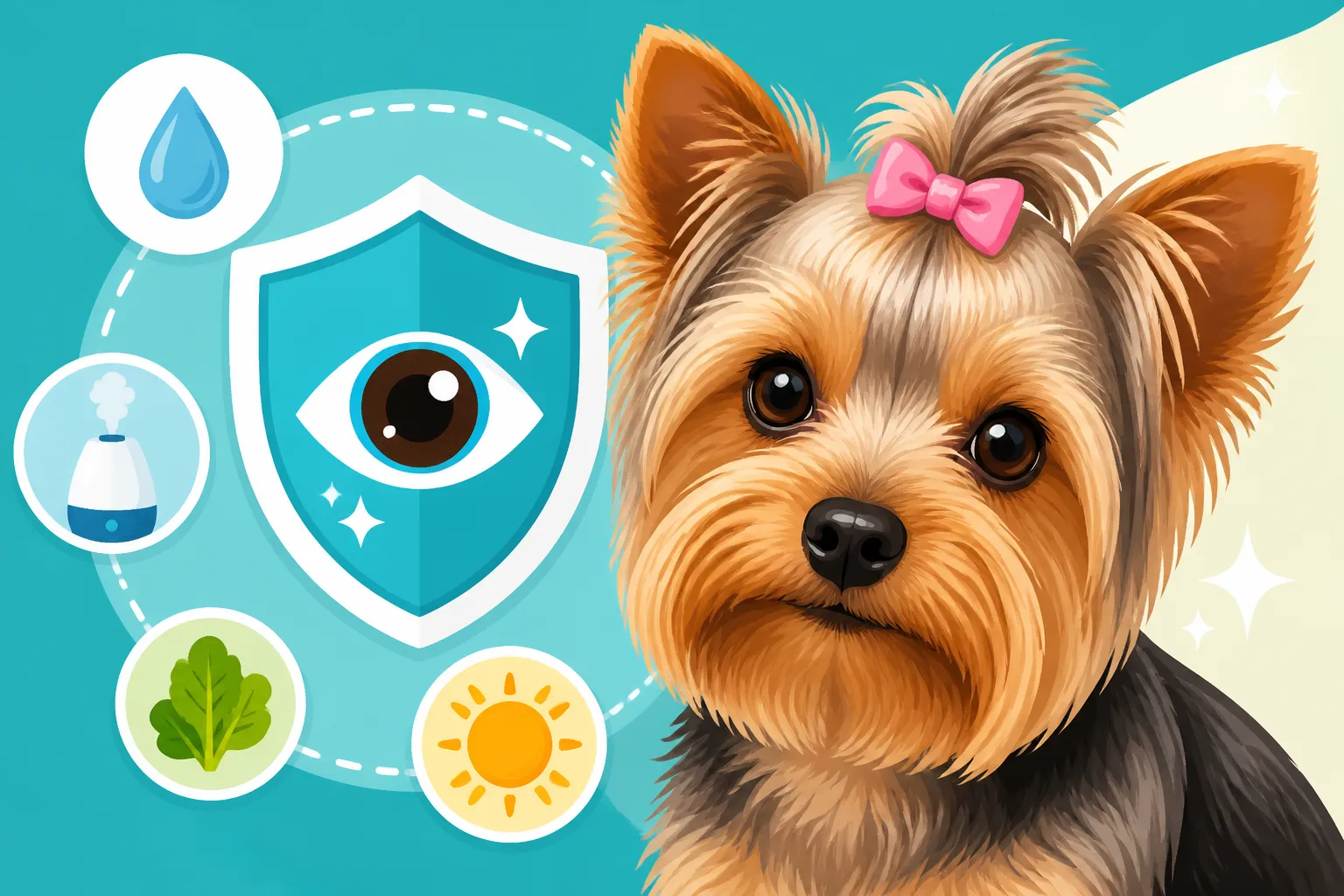
Daily eye hygiene plays an incredibly significant role in preventing dry eye and other ocular issues. Regularly and gently cleaning around your Yorkie's eyes can prevent the build-up of irritants and discharge that can contribute to dryness and infection. You’ll want to use a soft, damp cloth or a veterinarian-approved eye-cleaning solution, gently wiping away any debris from the inner corner outwards. It’s not just about cleaning; it’s also about observing. This daily ritual gives you a chance to inspect their eyes closely for any changes, like redness or unusual discharge.
Beyond direct cleaning, consider the environment your Yorkie lives in. Dust, smoke, and strong cleaning fumes can all be irritants that exacerbate dry eye symptoms or contribute to their onset. If you live in an arid climate or use heating/air conditioning frequently, a humidifier can add much-needed moisture to the air, benefiting not just your Yorkie's eyes but also their skin and respiratory system. Regular attention to How to Groom a Yorkie's Eyes is also crucial, as long hair around the eyes can wick away tears or trap debris, leading to irritation. Products designed to manage tear stains can also help keep the area clean and reduce irritation, though they don't address the underlying tear production issue itself.
Nutritional Support and Hydration
What goes into your Yorkie’s body can directly impact the health of their eyes. A well-balanced diet rich in essential fatty acids, particularly omega-3s, plays a vital role in overall eye health, including tear film quality. Omega-3s, found in sources like fish oil, can help reduce inflammation and support healthy glandular function, which includes the tear glands. Look for high-quality dog foods that list these beneficial ingredients, or consider adding a veterinarian-approved supplement. Brands like Nordic Naturals and Zesty Paws offer reputable omega-3 supplements specifically formulated for dogs.
Beyond specific nutrients, ensuring your Yorkie stays adequately hydrated is fundamental. Water is a component of tears, and if your dog is even mildly dehydrated, their body may struggle to produce enough quality tears. Always provide fresh, clean water, and encourage drinking by keeping water bowls accessible and clean. Sometimes, adding a little low-sodium chicken broth to their water can entice picky drinkers. A holistic approach to How to Keep a Yorkshire Terrier Healthy includes ensuring they're getting the right nutrients and enough water to support all bodily functions, including healthy tear production.
Regular Vet Check-ups and Early Screening
Routine veterinary visits are indispensable for catching and preventing dry eye, especially in a predisposed breed like the Yorkshire Terrier. Your vet is equipped to perform specific diagnostic tests, such as the Schirmer Tear Test, which painlessly measures tear production. This test can detect KCS long before visible symptoms become severe, allowing for early intervention. During annual check-ups, your vet will examine your Yorkie’s eyes as part of their overall health assessment, looking for any subtle signs of dryness, inflammation, or other issues.
Don’t wait until your Yorkie is showing obvious signs of discomfort to schedule an eye exam. Proactive screening is key. Discuss your Yorkie's predisposition to KCS with your vet, and ask about incorporating tear production tests into their regular wellness exams, particularly as they age. Planning for these regular check-ups is part of the financial responsibility of pet ownership. Having a reliable pet insurance plan, such as one from Healthy Paws, can be incredibly beneficial, helping to cover the costs of these diagnostic tests, specialist consultations, and potential treatments, ensuring you can always provide the best care without undue financial stress. It’s wise to understand Yorkshire Terrier Vet Costs and Health Budget and how pet insurance can mitigate these expenses.
Lifestyle Adjustments to Minimize Risk
Beyond direct eye care and diet, certain lifestyle choices and environmental management can significantly contribute to preventing dry eye in your Yorkie. Making your home and your dog’s routine as conducive to eye health as possible is a proactive step that pays dividends.
Environmental Considerations
The environment your Yorkie lives in can be a major player in their eye health. As mentioned earlier, dry air is a notorious culprit for exacerbating dry eye. If you live in a particularly dry climate or during seasons when indoor air is dry due to heating or air conditioning, consider using a humidifier in the rooms where your Yorkie spends most of their time. This simple addition can significantly increase ambient moisture, making it easier for their eyes to stay hydrated.
Furthermore, minimizing exposure to environmental irritants is critical. This means avoiding smoke (cigarette, fireplace, etc.), strong chemical cleaners, air fresheners, or perfumes that can drift into your Yorkie’s eyes and cause irritation or dryness. When cleaning your home, ensure your Yorkie is in another room until the air has cleared. Be mindful of car rides with the windows down; while some dogs love the breeze, the wind and debris can severely dry out and irritate their eyes. If your Yorkie enjoys car rides with the window slightly open, consider investing in dog goggles to protect their eyes from wind, dust, and flying particles. Creating a clean, humidified, and irritant-free environment goes a long way in preventing dry eye.
Grooming Practices and Eye Protection
Proper grooming isn't just about looking good; it's vital for preventing dry eye. Yorkies have beautiful, long coats, but the hair around their eyes can cause problems if not properly managed. Long hair can poke the eye, causing irritation, or act like a wick, drawing moisture away from the eye's surface. Regular trims around the eyes are non-negotiable. You can learn specific techniques in our Yorkshire Terrier Grooming Guide or have a professional groomer handle this delicate area. Ensure the groomer understands the importance of keeping the hair away from the eyes to prevent irritation and infection.
For Yorkies with very sensitive eyes, or those who spend a lot of time outdoors in windy or dusty conditions, eye protection like dog goggles can be a game-changer. These aren't just for fashion; they provide a physical barrier against environmental elements that can lead to dry eye or injury. Introduce them gradually and positively, making it a comfortable experience. Investing in proper grooming tools and techniques, including regular cleaning and trimming around the eyes, is a small effort that yields significant benefits in preventing eye-related issues. Remember, a clean, well-groomed eye area is a happy, healthy eye area.
When Prevention Isn't Enough: Recognizing and Responding to Dry Eye
Despite our best efforts, sometimes dry eye can still develop due to underlying genetic predispositions or other health issues. In such cases, knowing how to recognize the condition and respond promptly is crucial to managing symptoms and preventing further complications.
What to Do if You Suspect Dry Eye
If you've been diligently following prevention strategies and still notice the early signs of dry eye in your Yorkie – perhaps increased blinking, a sticky discharge, or a dull appearance to their eyes – it’s vital not to delay seeking professional help. Self-diagnosing or trying home remedies can often do more harm than good, especially with something as delicate as your dog's eyes. Contact your veterinarian immediately to schedule an appointment. Describe all the symptoms you’ve observed, even the subtle ones, as this information can be very helpful for your vet in making an accurate diagnosis.
During the visit, your vet will perform a thorough eye exam, including tests like the Schirmer Tear Test to measure tear production. This objective measurement is key to confirming KCS. While waiting for your vet appointment, avoid using any over-the-counter eye drops meant for humans, as these can sometimes contain ingredients harmful to dogs or simply mask symptoms without addressing the root cause. Gentle cleaning with a warm, damp cloth (using only plain water) can help remove discharge, but no other interventions should be attempted without veterinary guidance. Getting a prompt, professional diagnosis for Yorkie Eye Problems Explained is essential for effective treatment.
Treatment Options
While this article focuses on prevention, understanding the treatment options for KCS can highlight why prevention is so important and how crucial early detection truly is. If your Yorkie is diagnosed with dry eye, the primary goal of treatment is to increase tear production and keep the eyes lubricated. The most common treatments involve daily eye drops, often containing medications like cyclosporine or tacrolimus, which work by stimulating tear glands to produce more natural tears. These medications are typically lifelong and require consistent application.
In addition to tear stimulants, your vet might prescribe artificial tear supplements to provide immediate lubrication and comfort, especially during the initial stages or in severe cases. Antibiotic eye drops might also be used if a secondary bacterial infection is present, which is common in dry eyes. In very rare and severe cases where medical management isn't effective, surgical options like parotid duct transposition (rerouting a salivary gland duct to the eye) might be considered, though this is usually a last resort. The consistent need for medication and regular follow-ups can add up, making prevention a much more desirable path, and also underscoring the value of pet insurance from providers like Healthy Paws to help cover these ongoing costs if treatment becomes necessary. Early detection and consistent management are critical to prevent Yorkie Emergency Symptoms to Never Ignore related to advanced KCS.
| Prevention Tip | Why It Helps | What to Look For (Early Signs) |
|---|---|---|
| Daily Eye Cleaning | Removes irritants, debris, and discharge; allows for early observation. | Increased blinking, sticky discharge. |
| Balanced Diet & Hydration | Supports healthy tear film production; reduces inflammation; ensures tear volume. | Dull eyes, excessive thirst, dry nose. |
| Humidified Environment | Adds moisture to the air, reducing eye dryness, especially in arid conditions. | Squinting in dry air, redness after sleeping. |
| Regular Vet Check-ups | Professional screening (Schirmer Tear Test); early detection and intervention. | No visible signs (pre-symptomatic detection). |
| Trim Eye Hair | Prevents hair from irritating eyes or wicking away tears. | Hair poking eye, constant pawing at face. |
| Avoid Irritants | Reduces exposure to smoke, chemicals, strong winds, which dry out eyes. | Redness after exposure, discomfort in breezy areas. |
| Consider Eye Protection | Shields eyes from wind, dust, and debris during outdoor activities. | Excessive tearing or blinking outdoors. |
Disclaimer
This article is intended for informational purposes only and does not constitute medical advice. Always consult with a qualified veterinarian for any health concerns or before making any decisions about your pet's health or treatment.