How to Prevent Luxating Patella in Yorkies
It's heartbreaking to see our tiny Yorkshire Terriers limp or show signs of discomfort, especially when it involves their delicate joints. One of the most common worries for Yorkie parents is luxating patella, a condition where their kneecap slips out of place, causing pain and potential long-term issues. This comprehensive guide is here to walk you through proactive, practical steps you can take to help prevent luxating patella in your beloved Yorkie, offering peace of mind and supporting a healthier, happier life for your furry friend.
Understanding Luxating Patella in Yorkshire Terriers
Before we dive into prevention, it's really important to understand what luxating patella is and why our adorable Yorkies are so prone to it. It’s not just a random ailment; it’s a structural issue that often has a genetic component, which can make us feel a bit helpless, but knowledge is power!
What Exactly Is Luxating Patella
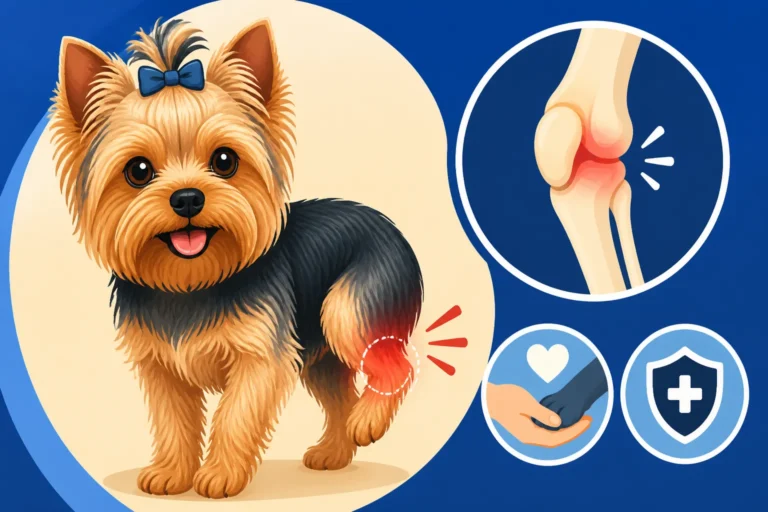
Imagine your Yorkie's kneecap, or patella, as a small, almond-shaped bone that normally sits in a groove at the end of the thigh bone (femur). When the kneecap "luxates," it means it pops out of that groove, either to the inside (medial luxation, which is more common in small breeds like Yorkies) or to the outside (lateral luxation). This can happen periodically or become a persistent problem, leading to pain, lameness, and over time, could even contribute to arthritis or other joint degeneration.
For Yorkshire Terriers, their conformation often includes shallower patellar grooves and sometimes misaligned leg bones, which unfortunately makes them genetically predisposed to this condition. It's not something they "catch"; it's often something they're born with a predisposition for, which then manifests over time, sometimes due to environmental factors or sudden trauma. It's graded on a scale of 1 to 4, with Grade 1 being a mild, occasional slip that corrects itself, and Grade 4 being a severe, permanent dislocation where the kneecap can't be manually put back into place. Recognizing these nuances is the first step in protecting your pup.
Signs and Symptoms to Watch For
As a Yorkie parent, you’re often the first to notice when something isn't quite right. With luxating patella, the signs can range from subtle to very obvious. You might observe your Yorkie skipping or hopping for a few steps, often holding one back leg up for a moment before putting it back down as if nothing happened. This "bunny hopping" or intermittent lameness is a classic early indicator that the kneecap has temporarily slipped out and then popped back in.
Other signs can include a reluctance to jump, climb stairs, or even a general decrease in activity. Sometimes, you might notice a soft clicking sound when they move, or even visible swelling around the knee joint. If the condition progresses, your Yorkie might exhibit persistent lameness, difficulty bearing weight on the affected leg, or even pain when the area is touched. It's so crucial to be observant, as our little ones can be quite stoic and might try to hide their discomfort. Any change in gait or reluctance to use a leg should warrant a call to your vet. Don't wait until it's severe; early detection can make a world of difference in managing conditions like Yorkshire Terrier Patellar Luxation: Signs and Care.
Proactive Preventative Strategies for Luxating Patella
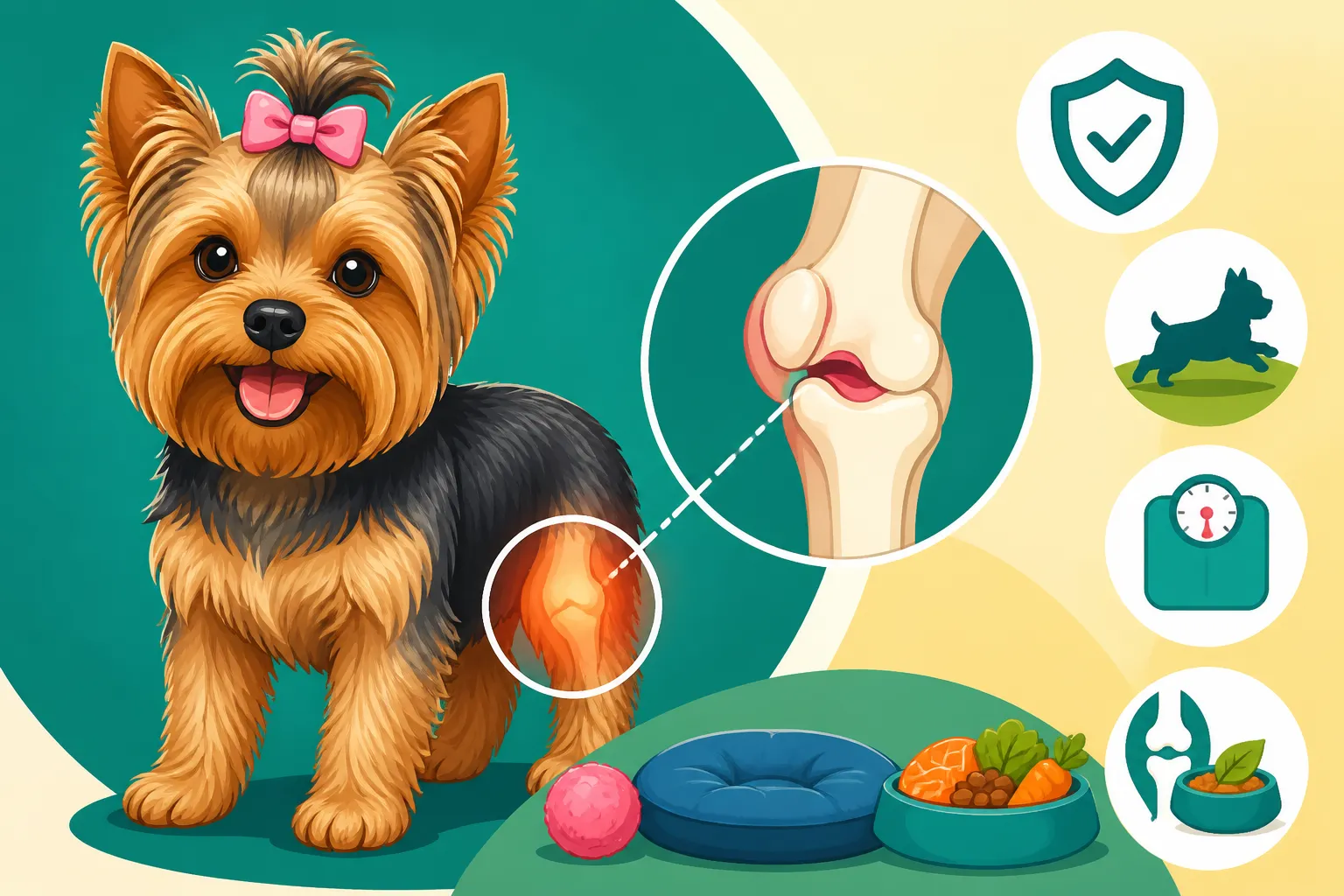
While we can’t change a Yorkie’s genetics, we can absolutely create an environment and lifestyle that minimizes the risk of luxating patella developing or worsening. It’s all about supporting their delicate joints and ensuring their bodies are as strong and stable as possible.
Maintaining a Healthy Weight and Diet
One of the most impactful things you can do for your Yorkie's joint health is to keep them at a healthy weight. Extra pounds put undue stress on all joints, including those tiny knees. Just a small amount of excess weight on a Yorkie can be equivalent to a significant burden on a human. Regularly monitor your Yorkie's weight and adjust their food intake as needed. Your vet can help you determine their ideal weight and body condition score.
Coupled with weight management, a high-quality, balanced diet is fundamental. Look for dog foods that contain ingredients known to support joint health, even if your Yorkie isn't showing signs of joint issues yet. Some premium dog foods specifically cater to small breeds or offer joint support formulations. Discuss with your vet about the best nutritional plan for your individual Yorkie, as every dog is unique, and their dietary needs can change with age and activity level. Remember, what you feed them directly impacts their overall health and resilience, including the strength of their ligaments and cartilage. For more insights on this, you might find our guide on Best Dog Food for Yorkshire Terriers helpful.
Controlled Exercise and Safe Play
While exercise is vital for a Yorkie's overall well-being, how they exercise is crucial for preventing luxating patella. High-impact activities like excessive jumping off furniture, rapid twists, turns, or prolonged vigorous play sessions on hard surfaces can put immense strain on their knees. Instead, focus on controlled, low-impact exercise.
Daily walks on soft surfaces like grass or dirt are ideal. Short, frequent play sessions that involve less abrupt movements are much safer than one long, intense burst of activity. Think about gentle fetch on carpeted areas or short, slow jogs. Avoid encouraging them to jump up or down from high places; instead, lift them or provide ramps or steps. If your Yorkie loves to play with other dogs, supervise them to ensure the play doesn't get too rough, especially with larger, heavier breeds that could accidentally injure their tiny friends. The goal is to build muscle strength around the joints without causing trauma.
Creating a Safe Home Environment
Your home is your Yorkie's kingdom, and making it safe for their joints is a non-negotiable. Slippery floors, like hardwood or tile, can be treacherous for small dogs, leading to slips and falls that can cause the kneecap to luxate. Consider placing rugs or carpet runners in high-traffic areas where your Yorkie spends most of their time. For areas where rugs aren't feasible, booties with non-slip soles can provide extra traction.
Invest in pet-friendly ramps or steps for furniture that your Yorkie loves to access, such as couches or your bed. This completely eliminates the risk of them jumping down, which creates significant force on their small knees. Blocking off stairs or supervising their use is also a good idea. Think about how a human might navigate an icy sidewalk – that's often how a Yorkie perceives a shiny floor. By implementing these simple environmental modifications, you significantly reduce the chances of an accidental injury contributing to or aggravating luxating patella. These tips are part of a broader strategy on How to Keep a Yorkshire Terrier Healthy.
Nutritional Support and Supplements for Joint Health
Beyond their regular diet, specific nutritional supplements can offer an extra layer of support for your Yorkie’s joint health, much like how many of us take supplements for our own well-being. However, it's paramount to approach supplements with care and always under veterinary guidance.
Essential Nutrients and Ingredients
When looking at joint supplements, you'll often see a few key ingredients consistently highlighted for their beneficial properties:
- Glucosamine: This is a natural compound found in healthy cartilage. Supplementing with glucosamine can help stimulate the production of new cartilage and improve the viscosity of synovial fluid, which lubricates the joints.
- Chondroitin Sulfate: Often paired with glucosamine, chondroitin helps maintain the elasticity and strength of cartilage, preventing its breakdown and aiding in its repair.
- MSM (Methylsulfonylmethane): An organic sulfur compound, MSM is known for its anti-inflammatory and pain-relieving properties, which can be beneficial in managing joint discomfort and swelling.
- Omega-3 Fatty Acids (EPA and DHA): Found in fish oil, these powerful anti-inflammatory agents can reduce joint inflammation and pain, supporting overall joint health. They are vital for their holistic benefits, not just for joints.
These ingredients work synergistically to support cartilage, reduce inflammation, and improve joint function. Think of them as the building blocks and soothing agents for your Yorkie's knees.
Choosing the Right Supplements
The market is flooded with joint supplements, and it can be overwhelming to choose the right one for your tiny companion. Always start by having a conversation with your veterinarian. They can assess your Yorkie’s specific needs, health history, and current diet to recommend the most appropriate supplement and dosage. They might even suggest certain brands they trust.
When selecting a supplement, look for reputable brands that provide clear ingredient lists and dosage instructions. Quality control matters, especially for small dogs who can be sensitive to different compounds. Some popular brands offer soft chews, liquids, or powders that can be easily added to your Yorkie's food. Remember, supplements are not a magic cure-all; they are a supportive measure to be used in conjunction with a healthy diet, appropriate exercise, and a safe environment. Consistency is also key – these supplements work best when given regularly over time.
Regular Veterinary Care and Early Detection
Even with the most diligent preventative measures, some things are simply out of our control. That’s why a strong partnership with your veterinarian is absolutely critical. They are your best resource for monitoring your Yorkie’s health and catching potential issues before they become severe.
Importance of Routine Check-ups
Regular veterinary check-ups are not just for vaccinations; they are comprehensive health assessments that allow your vet to physically examine your Yorkie, including their musculoskeletal system. During these exams, a skilled vet can gently manipulate your Yorkie's knees to detect any looseness, clicking, or pain that might indicate early stages of luxating patella, often before you even notice outward symptoms. Early detection of Yorkshire Terrier Health Problems to Know is truly invaluable.
If your vet identifies a Grade 1 or 2 luxation, they can advise on specific exercises, lifestyle adjustments, or supplements to help manage the condition and potentially prevent it from worsening. They might recommend periodic follow-up appointments to track the progression. These routine visits are also a great opportunity to discuss your Yorkie's weight, diet, and activity levels, ensuring you’re always on the right track for joint health. Having a plan for these visits, perhaps even considering pet insurance from a provider like Healthy Paws, can ensure you’re always prepared for the best care.
Genetic Screening and Responsible Breeding
For those considering bringing a new Yorkshire Terrier into their home, particularly a puppy, understanding the role of responsible breeding and genetic screening is a powerful preventative step. Reputable breeders are committed to improving the breed and will screen their breeding dogs for genetic conditions common to Yorkies, including luxating patella. This usually involves orthopedic examinations and certifications through organizations like the Orthopedic Foundation for Animals (OFA).
A responsible breeder will be transparent about the health history of the puppy's parents and grandparents, provide health clearances, and discuss any instances of luxating patella in their lines. They will never breed dogs that have moderate to severe luxating patella. Choosing a puppy from such a breeder significantly reduces the likelihood that your Yorkie will inherit the genetic predisposition for the condition. While it doesn't guarantee your Yorkie will never develop it, it gives them the best possible start. Asking about these health screenings is an essential part of How to Find a Reputable Yorkie Breeder and ensuring you bring home a healthy companion. The peace of mind that comes from knowing your puppy’s lineage has been screened can be truly invaluable, especially when thinking about long-term health and the potential costs that comprehensive pet insurance from Healthy Paws can help manage.
Preventative Measures Summary Table
Here’s a quick overview of key preventative measures for luxating patella in Yorkies:
| Category | Specific Action | Benefit for Yorkie's Knees |
|---|---|---|
| Weight Management | Maintain ideal body weight | Reduces stress on joints, prevents premature wear |
| Diet & Nutrition | Feed high-quality, balanced diet | Supports overall health, provides joint-building blocks |
| Controlled Exercise | Low-impact activities, gentle play | Builds muscle support around joints without trauma |
| Safe Home Environment | Non-slip floors, ramps for furniture | Prevents slips, falls, and impact from jumping |
| Joint Supplements | Glucosamine, chondroitin, Omega-3s (vet-approved) | Supports cartilage health, reduces inflammation |
| Vet Check-ups | Regular physical exams | Early detection, timely intervention, health monitoring |
| Responsible Breeding | Choose breeders who screen parents | Reduces genetic predisposition to the condition |
Disclaimer
This article is for general informational purposes only and does not constitute professional advice. Laws, prices and regulations vary by location and change over time. Consult a qualified professional for guidance on your specific situation.