How to Prevent Legg-Calve-Perthes in Yorkies
It’s heartbreaking to see your tiny Yorkshire Terrier struggle with a debilitating joint condition, especially one that could have been prevented or at least mitigated. Legg-Calve-Perthes disease (LCP) is a particularly painful issue that can plague our beloved Yorkies, leaving them limping and in discomfort. This comprehensive guide will walk you through what Legg-Calve-Perthes is, why Yorkies are susceptible, and most importantly, actionable steps you can take to prevent or significantly reduce the risk of this challenging condition in your furry family member.
Understanding Legg-Calve-Perthes Disease
Legg-Calve-Perthes disease, often simply called LCP, sounds complicated, but at its core, it's a condition affecting the hip joint. Specifically, it's a non-inflammatory aseptic necrosis of the femoral head. In plain language, this means the blood supply to the head of the femur (the thigh bone, which sits in the hip socket) temporarily stops, causing the bone tissue to die and essentially crumble. When this happens, the once smooth, round ball of the femur head flattens and collapses, leading to excruciating pain, joint inflammation, and eventual arthritis.
The onset of LCP typically occurs in young, growing dogs, usually between 4 to 12 months of age, though sometimes it can manifest a bit later. It's not an injury from trauma; rather, it's an insidious process that can lead to significant lameness if not addressed. The smaller toy breeds, including our Yorkshire Terriers, are disproportionately affected, making it a critical health concern for Yorkie parents to understand. It's a progressive condition, meaning it generally gets worse over time without intervention.
What Exactly is Legg-Calve-Perthes Disease?
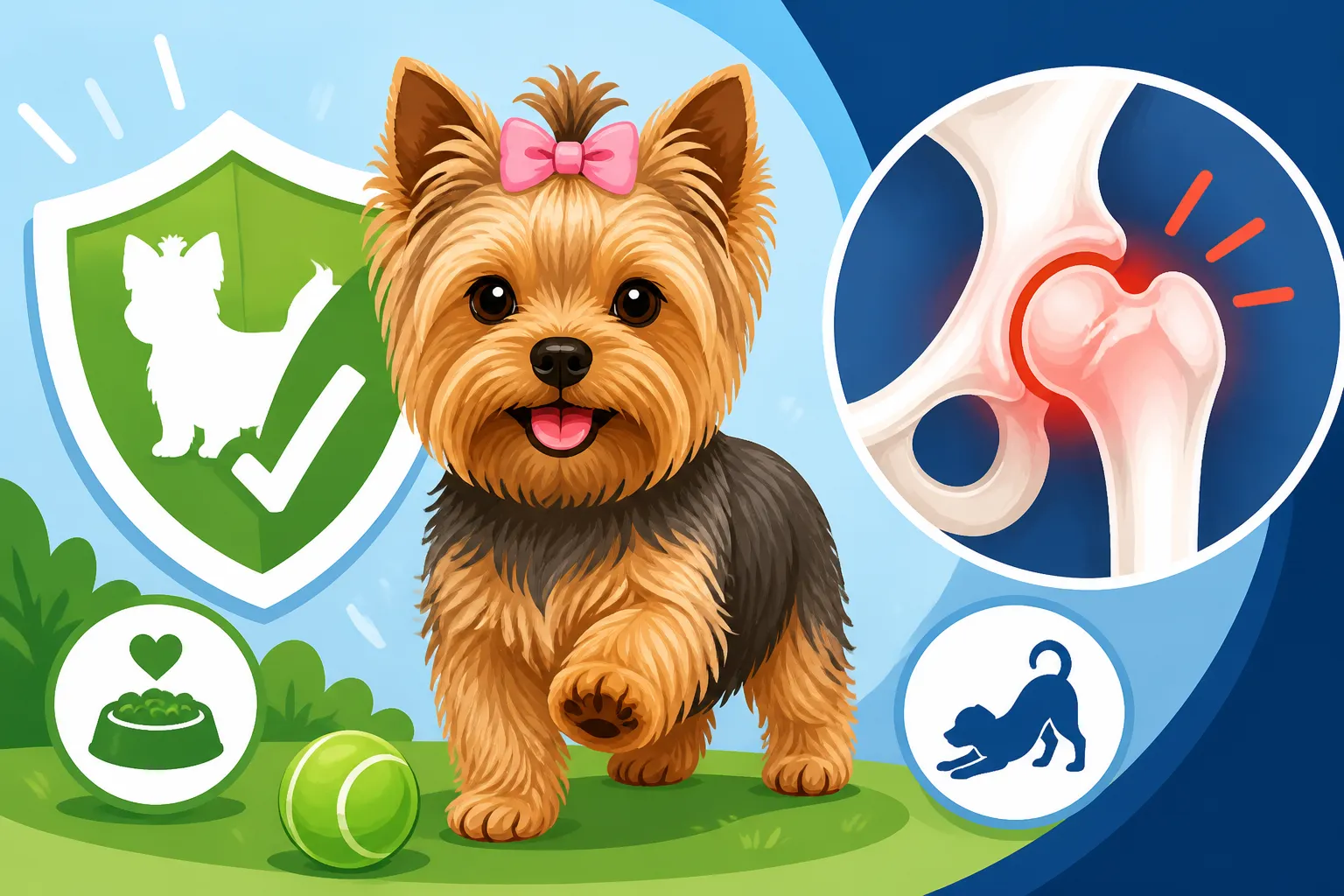
Imagine the hip joint like a ball-and-socket mechanism. The ball is the head of the femur, and the socket is part of the pelvis (the acetabulum). In a healthy dog, this ball is smooth and perfectly fits into the socket, allowing for fluid, pain-free movement. With LCP, the interruption of blood flow to the femoral head causes the bone and cartilage cells to die. This dead tissue can't support the normal forces of movement, so it starts to collapse and deform.
As the femoral head collapses, it no longer fits smoothly into the hip socket. This leads to friction, pain, and inflammation within the joint capsule. Over time, the body attempts to repair the damage, but often imperfectly, resulting in a misshapen femoral head and progressive osteoarthritis. This condition is distinct from hip dysplasia, which is a developmental malformation of the hip joint itself, though both cause lameness and pain in the hindquarters. The key difference is the underlying cause: LCP is about blood supply interruption leading to necrosis, while hip dysplasia is about a poorly formed joint.
Genetic Predisposition and Risk Factors
While the exact cause of the interrupted blood supply remains somewhat mysterious, there's a strong genetic component to Legg-Calve-Perthes disease, particularly in toy and small breed dogs. This is why Yorkshire Terriers, along with Miniature Poodles, West Highland White Terriers, and Chihuahuas, are frequently overrepresented in cases of LCP. If a dog has LCP, there's a higher chance their offspring might also develop it, even if the parents themselves don't show symptoms. It's believed to be an autosomal recessive trait in some breeds, meaning a puppy would need to inherit the problematic gene from both parents to develop the condition.
Beyond genetics, other factors can potentially exacerbate the condition or hasten its onset, though they are not considered primary causes. These include rapid growth, hormonal imbalances, and even minor trauma that might go unnoticed. However, it's crucial to understand that these are usually secondary factors acting upon an already predisposed individual. The primary driver remains the genetic susceptibility. This is why understanding your Yorkie's lineage and the health history of their parents is paramount. For a broader look at breed-specific concerns, you might want to read our guide on Common Yorkshire Terrier Genetic Conditions.
Recognizing Early Signs
Catching Legg-Calve-Perthes early can make a significant difference in treatment outcomes and your Yorkie's quality of life. The most common and obvious sign is lameness in one of the hind limbs, which can develop gradually over weeks or even suddenly. Initially, it might be a subtle limp that seems to come and go, especially after exercise or a long rest. Owners might mistakenly attribute it to a minor sprain or a playful tumble.
As the condition progresses, the lameness becomes more pronounced and consistent. Your Yorkie might start avoiding putting weight on the affected leg, holding it up, or bunny-hopping when they run. You might also notice muscle atrophy (wasting) in the affected thigh due to disuse, making the leg appear thinner. Pain is another significant indicator; your Yorkie might yelp or guard the hip area if you try to touch it. They may also show reluctance to jump, climb stairs, or engage in their usual playful activities. If you notice your Yorkie Limping: When to Worry, it's always best to consult your vet promptly.
Proactive Measures for Prevention
While we can't completely eliminate genetic predispositions, there are certainly proactive steps every Yorkie parent can take to significantly reduce the risk and impact of Legg-Calve-Perthes disease. Prevention really starts before you even bring your puppy home, but it continues throughout their critical growth phases. These measures focus on minimizing stress on developing joints and ensuring optimal health.
The goal is to create an environment where your Yorkie's joints can develop as healthily as possible, without putting undue strain on vulnerable areas like the femoral head. It's about a holistic approach that combines responsible choices with diligent daily care. Remember, even with the best efforts, some genetically predisposed dogs may still develop LCP, but these preventative steps can often lessen the severity and delay the onset.
Responsible Breeding Practices
This is perhaps the most crucial preventative measure, though it applies to prospective owners rather than current ones. When looking for a Yorkshire Terrier puppy, it is absolutely vital to choose a reputable breeder who screens their breeding stock for genetic conditions, including LCP. Ask for health clearances for both parents. While there isn't a direct genetic test specifically for LCP, breeders can use X-rays of the hips to assess structural soundness and rule out obvious hip issues.
A responsible breeder will also be transparent about the health history of their lines and will never breed a dog that has had LCP or has produced offspring with the condition. They should be able to provide documentation and be open to your questions about the health of their puppies' parents and grandparents. Avoiding backyard breeders and puppy mills, where genetic health is often ignored, is a critical step in preventing not only LCP but many other Yorkshire Terrier Health Problems to Know. Always verify the breeder’s credentials and visit their facility if possible.
Nutrition and Weight Management
Proper nutrition plays a fundamental role in healthy bone and joint development, especially during a Yorkie's rapid growth phase. Feeding a high-quality, balanced puppy food formulated for small breeds is essential. Look for foods that provide appropriate calcium and phosphorus ratios, as an imbalance can negatively affect bone development. Over-supplementing with calcium, for example, can be just as detrimental as a deficiency. Your vet can recommend specific brands or formulations suitable for your growing Yorkie.
Maintaining a healthy weight is paramount. Obesity puts immense strain on a dog's joints, exacerbating any underlying orthopedic issues. For a small breed like a Yorkie, even a small amount of excess weight can be problematic. Monitor your Yorkie’s body condition score regularly and adjust their food intake and exercise as needed. Consult your veterinarian for guidance on appropriate portion sizes and to ensure your Yorkie isn't growing too quickly, which can sometimes be a risk factor for orthopedic conditions. For more on feeding your tiny companion, check out our Yorkshire Terrier Feeding Guide by Age.
Controlled Exercise and Activity
While exercise is vital for a Yorkie's overall health and development, it needs to be carefully controlled, especially during puppyhood. High-impact activities like jumping off furniture, rough-housing with larger dogs, or repetitive stair climbing can put excessive stress on developing hip joints. While you want your Yorkie to be active, aim for low-impact, consistent exercise.
This might include short, gentle walks on a leash, supervised play sessions on soft surfaces, or engaging in puzzle toys that provide mental stimulation without intense physical exertion. Avoid long-distance running or agility training until your Yorkie is fully grown and their growth plates have closed, usually around 10-12 months of age. Even then, listen to your dog and don't push them too hard. Gradual, controlled activity helps build muscle strength around the joints without causing undue trauma. Think of it as allowing their little bodies to grow strong without unnecessary jarring.
Creating a Supportive Environment
Beyond genetics and basic care, cultivating a home environment that actively supports your Yorkie's joint health can go a long way in preventing or minimizing the impact of LCP. This involves thinking about their daily movements, keeping up with veterinary care, and considering supportive nutritional additions. Remember, our tiny Yorkies are susceptible to various joint issues, so protecting them is key.
These environmental considerations aren't about drastic changes, but rather mindful adjustments to their everyday lives. Small dogs often encounter "big dog" obstacles in a human home, and addressing these can make a huge difference in reducing strain and potential injury.
Home Modifications for Joint Health
Our homes, designed for humans, can pose significant challenges for small dogs like Yorkies, especially regarding their joints. Jumping off sofas, beds, or even high chairs can create repetitive impact stress on their developing hips. Consider providing ramps or pet stairs to help your Yorkie access elevated surfaces safely. This simple modification can greatly reduce the strain on their joints over time.
Ensure your home has non-slip surfaces, particularly in areas where your Yorkie plays or runs. Hardwood or tile floors can be slippery, leading to slips and falls that could injure delicate joints. Area rugs or runners can provide better traction. Also, be mindful of stairs; if your Yorkie uses them frequently, consider carrying them up and down during their early, critical growth stages to minimize repetitive stress. Creating a safe, joint-friendly environment is a continuous effort. For general advice, our guide on How to Protect a Yorkie's Joints offers more ideas.
Regular Veterinary Check-ups and Monitoring
Consistent veterinary care is a cornerstone of preventative health for any dog, and especially for a breed prone to conditions like LCP. Regular check-ups allow your veterinarian to monitor your Yorkie’s growth, weight, and gait. They can spot subtle signs of lameness or discomfort that you might miss, and address them before they escalate. Early detection is key, even if you can't prevent the condition, you can definitely manage it better if caught early.
During these visits, discuss any concerns you have about your Yorkie’s movement or activity levels. Your vet might perform specific orthopedic examinations, manipulate their hips, and in some cases, recommend preventative X-rays, particularly if there’s a family history of LCP or if they detect any early symptoms. Establishing a good relationship with a vet who understands small breed issues is invaluable. When considering pet insurance like Healthy Paws, knowing your vet costs and budgeting can be easier. A policy from Healthy Paws can certainly help manage unexpected vet bills for conditions that may arise, though it's important to understand policy specifics regarding pre-existing conditions. For more on managing care costs, our guide on Yorkshire Terrier Vet Costs and Health Budget can be helpful.
Considering Joint Supplements
While joint supplements cannot prevent a genetically programmed condition like LCP, they can provide supportive care, especially for dogs with early signs of joint issues or those from at-risk lines. Ingredients like glucosamine, chondroitin sulfate, and MSM are commonly found in canine joint supplements. These compounds are believed to help maintain cartilage health, reduce inflammation, and support overall joint function. Omega-3 fatty acids, like EPA and DHA from fish oil, are also excellent for their anti-inflammatory properties.
It's crucial to consult with your veterinarian before adding any supplements to your Yorkie’s diet. They can advise on the appropriate type, dosage, and whether a supplement is truly necessary for your individual dog. Not all supplements are created equal, and your vet can help you choose a high-quality product that is safe and effective for your specific Yorkie. Companies like Healthy Paws focus on covering treatments, but preventative supplements are often an owner's responsibility. To dive deeper into these, check out our guide on Yorkie Joint Supplements Explained.
| Prevention Strategy | Description | Key Benefits |
|---|---|---|
| Responsible Breeding | Choosing a puppy from a reputable breeder who screens parents for orthopedic conditions and provides health clearances. | Reduces the likelihood of inheriting genetic predisposition to LCP. Supports ethical breeding practices. |
| Balanced Nutrition | Feeding a high-quality, small-breed puppy food with appropriate nutrient ratios; avoiding over-supplementation. | Promotes optimal bone and joint development. Prevents rapid growth that can strain joints. |
| Weight Management | Maintaining an ideal body condition score throughout your Yorkie's life, especially during growth. | Minimizes stress on hip joints. Reduces the risk of exacerbating any underlying orthopedic vulnerabilities. |
| Controlled Exercise | Limiting high-impact activities; favoring short, gentle walks and supervised play on soft surfaces; using ramps/stairs. | Protects delicate, developing joints from excessive wear and tear or trauma. Builds muscle strength gradually. |
| Home Modifications | Providing pet ramps/stairs for furniture, using non-slip rugs on hard floors. | Prevents injury from jumping and slipping, reducing strain on hips and other joints. |
| Regular Vet Check-ups | Scheduling consistent veterinary visits for monitoring growth, gait, and general health, with specific orthopedic exams if needed. | Early detection of subtle signs allows for prompt intervention. Provides professional guidance on preventative care and tailored advice. A good pet insurance plan, such as one from Healthy Paws, can help with the costs of diagnostic imaging like X-rays if issues arise. |
| Consider Joint Supplements | Discussing with your vet the use of supplements like glucosamine, chondroitin, MSM, and Omega-3s, especially for at-risk individuals. | Can support cartilage health, reduce inflammation, and enhance joint lubrication, providing supportive benefits for overall joint health. |
Managing the Early Stages if Suspected
Even with the most diligent preventative care, some Yorkies may still develop Legg-Calve-Perthes disease due to their genetic predisposition. If you notice any of the tell-tale signs, such as limping, reluctance to move, or pain in the hip area, it's vital to act quickly. Early intervention can significantly impact the success of treatment and your Yorkie’s long-term comfort and mobility. Don't fall into the trap of thinking a slight limp will just "get better on its own" with a small breed.
The process of diagnosis and subsequent treatment can be daunting, but having a clear understanding of what to expect will help you navigate this challenging time more effectively. Your veterinarian will be your primary partner in this journey, guiding you through each step.
Immediate Steps Upon Suspicion
If you suspect your Yorkie might be showing signs of Legg-Calve-Perthes disease, the first and most critical step is to schedule an immediate appointment with your veterinarian. Do not try to self-diagnose or treat the condition at home. While awaiting your appointment, try to restrict your Yorkie’s activity. This means no jumping, no running, and keeping them on a leash for potty breaks. Confine them to a smaller, safe space if necessary, to prevent further stress on the hip joint.
Observe your Yorkie carefully. Note down when the lameness occurs, if it worsens with activity, and if there are any other accompanying symptoms like pain when touched or changes in appetite. This information will be incredibly valuable to your vet during the diagnostic process. Pain relief might be considered by your vet, but do not administer human pain medications as they can be toxic to dogs.
Diagnostic Process
When you take your Yorkie to the vet with suspected LCP, the diagnostic process will typically involve several steps. Your vet will start with a thorough physical examination, observing your Yorkie’s gait and palpating their hips and legs to check for pain, range of motion, and muscle atrophy. They’ll also ask you about your observations regarding the lameness and your Yorkie's history.
The definitive diagnosis of Legg-Calve-Perthes disease usually comes from X-rays of the hip joint. These images will reveal characteristic changes in the femoral head, such as decreased bone density, flattening, or even fragmentation, which are indicative of the condition. Your vet may need to sedate your Yorkie to get clear, accurate X-rays without causing them further pain. Sometimes, multiple views or follow-up X-rays might be necessary to monitor the progression of the disease.
Conservative versus Surgical Approaches
Once LCP is diagnosed, your vet will discuss treatment options. These generally fall into two categories: conservative management or surgical intervention.
Conservative Management is typically considered for very mild cases, or when a Yorkie is still very young and the changes are minimal. It involves strict rest and pain management, often with anti-inflammatory medications. The goal is to reduce pain and inflammation while hoping the body can repair itself. This approach requires extreme dedication from the owner, with strict activity restriction for several weeks or even months. Physical therapy might also be recommended. However, conservative management is not always successful, especially if the bone damage is significant.
Surgical Intervention is often the most effective and recommended treatment for LCP, especially in small breeds like Yorkies. The most common surgical procedure is a Femoral Head Ostectomy (FHO). In an FHO, the damaged femoral head is surgically removed. The body then forms a "false joint" (fibrous tissue) where the femoral head used to be, allowing the dog to move without the painful bone-on-bone grinding. While it sounds drastic, Yorkies, being small and light, often recover remarkably well from FHO surgery and can regain good mobility with proper post-operative physical therapy. After surgery, rehabilitation is crucial for a successful outcome, including controlled exercise and pain management. Pet insurance providers like Healthy Paws can be a lifesaver for covering significant surgical costs associated with LCP, which can easily run into thousands of dollars. It’s always wise to research what your Pet Insurance for Yorkshire Terriers covers well in advance.
Disclaimer
This article is intended for informational purposes only and does not constitute medical advice. Always consult with a qualified veterinarian for any health concerns or before making any decisions about your Yorkshire Terrier's health or treatment plan.