Yorkie Hair Loss: When to Worry
It can be incredibly distressing to notice your beloved Yorkshire Terrier's once lustrous coat thinning or developing bald patches. Yorkie hair loss isn't just a cosmetic issue; it often signals an underlying health problem that needs your attention. This guide will walk you through what's normal, what's cause for concern, and when it’s time to consult your veterinarian to get your furry friend back to their happy, healthy self.
Distinguishing Normal Shedding from Concerning Hair Loss
It’s easy to panic when you see hair coming off your Yorkie, especially with their long, silky coats. But not all shedding is a sign of trouble. Understanding the difference between natural hair cycling and actual hair loss (alopecia) is the first step in determining whether you need to worry.
The Natural Hair Cycle of a Yorkshire Terrier
Unlike many other breeds with dense undercoats that shed profusely seasonally, Yorkshire Terriers have a single coat that is more akin to human hair. This means they don't shed in large clumps twice a year like a Labrador or a Husky. Instead, their hair grows continuously and falls out in much smaller amounts, similar to how human hair cycles. You might notice a few strands on your furniture or brush, which is perfectly normal. This minimal shedding is one of the reasons Yorkies are often considered a good choice for people with allergies, though no dog is truly 100% hypoallergenic.
Think of it this way: when you brush your own hair, some strands come out. The same happens with your Yorkie. These are simply old hairs making way for new growth. If the amount of hair coming off is consistent and small, and their coat remains full and healthy, there's usually no need for alarm. However, if the shedding suddenly increases dramatically, or you start seeing bare skin, that's a red flag. Pay close attention during your regular grooming sessions; this is often when subtle changes become noticeable.
Signs of Actual Hair Loss to Look For
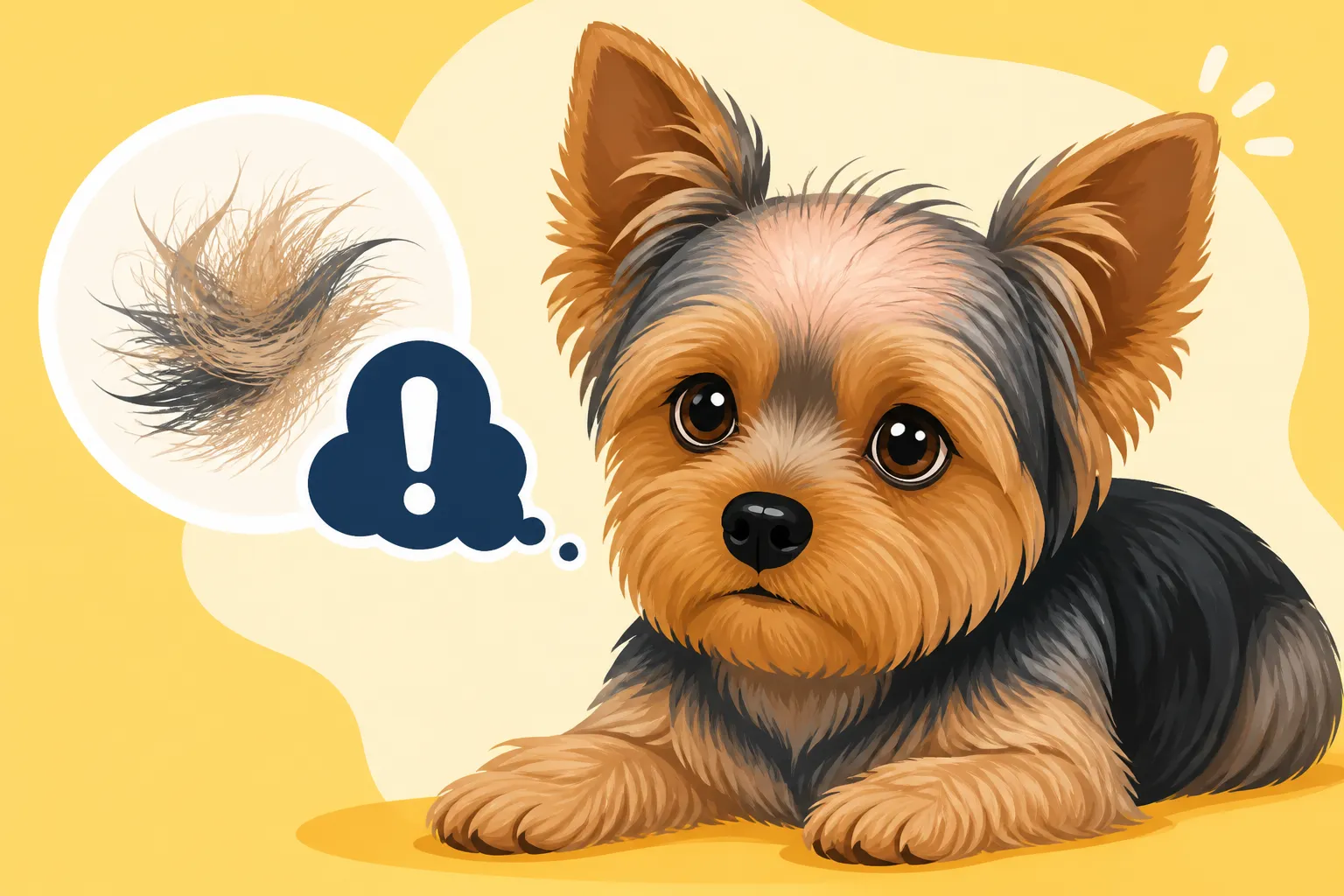
True hair loss, or alopecia, presents differently than normal shedding. Instead of a few loose hairs, you'll start to see noticeable thinning, bald spots, or areas where the hair seems to have broken off. These areas might appear symmetrical on both sides of the body, or they could be irregular patches. The skin beneath the affected areas might also show signs of irritation, redness, scaling, or changes in texture. Sometimes, the hair loss is accompanied by excessive scratching, licking, or rubbing, indicating itchiness or discomfort.
Another key indicator is a change in the quality of the remaining hair. It might become brittle, dull, or easily broken. If you're seeing bare skin around the ears, eyes, tail, or flanks, or if the overall density of their famous long, flowing coat is significantly reduced, then it's time to investigate further. It’s also crucial to monitor your Yorkie’s behavior. Are they acting lethargic, losing appetite, or showing other signs of illness? These accompanying symptoms can provide important clues about the underlying cause of the hair loss.
Common Causes of Hair Loss in Yorkshire Terriers
Yorkie hair loss can stem from a variety of sources, ranging from relatively minor skin irritations to more serious internal health issues. Pinpointing the exact cause often requires a veterinarian's expertise, but understanding the possibilities can help you provide valuable information.
Allergic Reactions and Skin Conditions
One of the most frequent culprits behind hair loss in Yorkshire Terriers are allergies. Just like people, dogs can suffer from environmental allergies (atopy) to things like pollen, dust mites, or mold, or food allergies to certain proteins or ingredients in their diet. When a Yorkie experiences an allergic reaction, it often manifests as intensely itchy skin, leading to excessive scratching, licking, and chewing. This self-trauma, in turn, damages hair follicles and causes hair to break or fall out, sometimes leading to secondary skin infections. You might notice red, inflamed skin, scabs, or a foul odor from infected areas.
Beyond allergies, various skin conditions can directly cause hair loss. These include parasitic infestations like fleas, ticks, or mites (such as sarcoptic or demodectic mange), which cause extreme irritation and hair follicle damage. Fungal infections, like ringworm, can also lead to patchy hair loss with scaly, red lesions. Bacterial skin infections (pyoderma) can occur as a primary issue or secondary to allergies or parasites, resulting in pus-filled bumps, scabs, and localized hair loss. For more on this, you might find our guide on Yorkie Skin Problems and Solutions helpful.
Hormonal Imbalances and Systemic Diseases
Sometimes, hair loss is a window into a deeper, systemic issue. Hormonal imbalances are a common cause of symmetrical hair loss in dogs. Conditions like hypothyroidism, where the thyroid gland doesn't produce enough hormones, can lead to a dull coat, thinning hair, and sometimes baldness, particularly on the flanks and tail. Cushing's disease (hyperadrenocorticism), caused by an overproduction of cortisol, can also result in thin skin, hair loss, and a pot-bellied appearance. Reproductive hormone imbalances, especially in unspayed females, can sometimes lead to seasonal flank alopecia.
Beyond hormones, other systemic diseases can manifest with hair loss. Kidney disease, liver disease (you might want to read about Yorkshire Terrier Liver Shunt: Signs and Care), or even certain types of cancer can impact a dog's overall health, leading to a poor coat condition and generalized hair thinning. Nutritional deficiencies, though less common with commercial dog foods, can also play a role. If your Yorkie is not getting the right balance of vitamins, minerals, and essential fatty acids, their coat health can suffer. This is why selecting Best Dog Food for Yorkshire Terriers is so important.
Stress, Anxiety, and Behavioral Factors
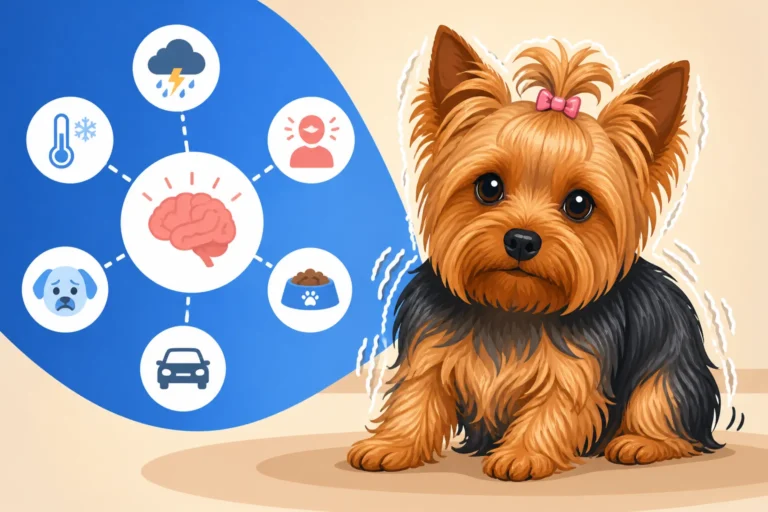
Just like humans, stress can take a toll on a dog's physical health, including their coat. Yorkies, being sensitive and highly attached companions, are prone to conditions like separation anxiety. When a Yorkie is stressed or anxious, they might engage in compulsive licking, chewing, or biting behaviors, often targeting their paws, legs, or flanks. This constant self-grooming can lead to irritation, skin lesions, and localized hair loss. A new environment, the absence of a beloved family member, changes in routine, or even boredom can trigger these stress-related behaviors.
Consider a scenario where you've recently moved homes or started a new work schedule. Your Yorkie, who thrived on routine, might start excessively licking their paws out of anxiety. Over time, this intense licking can wear away the hair in that area, creating a bald spot. Addressing the root cause of the stress or anxiety through behavioral training, enrichment, and consistent routine is key. Sometimes, this requires patience and the guidance of a professional trainer or veterinary behaviorist.
When to Seek Veterinary Attention for Your Yorkie's Hair Loss
While a few stray hairs are normal, significant or unexplained hair loss in your Yorkie warrants a visit to the vet. It's better to be safe than sorry, as early diagnosis and treatment can prevent more serious complications.
Warning Signs that Require Immediate Attention
Certain signs accompanying hair loss should prompt an immediate call to your veterinarian. If you notice large, rapidly spreading bald patches, particularly if the skin underneath is red, inflamed, oozing pus, or has a strong odor, it could indicate a severe infection or allergic reaction. Intense, relentless scratching, licking, or chewing that leads to open sores or bleeding is another urgent concern, as these areas are prone to developing secondary bacterial infections. Any sudden onset of hair loss, especially if your Yorkie seems generally unwell, with symptoms like lethargy, loss of appetite, vomiting, or diarrhea, suggests a systemic illness that needs prompt medical evaluation.
Additionally, if the hair loss is accompanied by visible parasites like fleas or ticks, or if you suspect a serious mite infestation, your vet can provide the most effective and safest treatment. It’s also important to watch for other specific symptoms; for instance, if your Yorkie has a cough along with hair loss, it might point to a broader issue. Knowing Signs Your Yorkshire Terrier Is Sick can help you identify these critical indicators.
What to Expect During a Vet Visit
When you bring your Yorkie in for hair loss, your veterinarian will start with a thorough physical examination, taking into account their full medical history. They'll ask about the onset of the hair loss, if it's seasonal, if your Yorkie is itchy, changes in diet, new medications, or any other behavioral shifts. Be prepared to discuss your Yorkie’s grooming routine, their environment, and any other pets in the household.
To get to the bottom of the hair loss, the vet might perform several diagnostic tests. These commonly include skin scrapings to check for mites, fungal cultures for ringworm, and cytology (examining skin cells under a microscope) to look for bacteria or yeast. They might also recommend blood work to check for hormonal imbalances like hypothyroidism or Cushing's disease, and to assess overall organ function. In some cases, a skin biopsy might be necessary to get a definitive diagnosis. It’s wise to be prepared for potential Yorkshire Terrier Vet Costs and Health Budget associated with these diagnostics.
Here's a quick comparison of common hair loss causes and typical treatments:
| Cause of Hair Loss | Common Symptoms (beyond hair loss) | Typical Veterinary Approach |
|---|---|---|
| Allergies | Intense itching, redness, ear infections, paw licking | Antihistamines, steroids, allergy shots, dietary changes |
| Parasites (Fleas, Mites) | Intense itching, visible pests, scabs, skin irritation | Topical/oral parasiticides, medicated baths |
| Fungal Infections | Patchy hair loss, scaly skin, redness | Oral antifungals, medicated shampoos |
| Bacterial Infections | Pustules, crusts, odor, redness, itching | Antibiotics (oral/topical), medicated shampoos |
| Hormonal Imbalances | Symmetrical hair loss, lethargy, weight changes, thin skin | Hormone replacement therapy (e.g., for hypothyroidism), specific medications |
| Stress/Behavioral | Excessive licking/chewing, anxiety symptoms | Environmental enrichment, behavioral modification, anti-anxiety meds |
Remember, early intervention is key. If you're wondering, "When to Take Your Yorkie to the Vet?", the answer is usually as soon as you notice persistent or worsening hair loss.
Managing and Preventing Yorkie Hair Loss
While some causes of hair loss are medical and require veterinary intervention, there’s a lot you can do at home to support your Yorkie’s coat health and potentially prevent certain types of hair loss.
Essential Grooming Practices
Regular and proper grooming is paramount for a Yorkie's long, silky coat. Their hair is prone to tangling and matting, which can lead to skin irritation and even localized hair loss if mats become tight against the skin. Daily brushing with the right tools, like a slicker brush and a metal comb, helps to remove loose hair, distribute natural oils, and prevent tangles. Our comprehensive Yorkshire Terrier Grooming Guide offers detailed steps. When brushing, be gentle, especially around sensitive areas.
Bathing your Yorkie every 2-4 weeks with a high-quality, gentle dog shampoo and conditioner can help keep their skin and coat clean and healthy. Over-bathing or using harsh products can strip natural oils, leading to dry, irritated skin that is more susceptible to problems. Always ensure you thoroughly rinse all shampoo out and dry their coat completely to prevent skin issues. Regular dental care is also surprisingly important; poor oral hygiene can lead to systemic inflammation that affects overall health, including skin and coat. You can find more tips in our Yorkshire Terrier Dental Care Guide.
Dietary Considerations for Skin and Coat Health
Nutrition plays a massive role in the health and luster of your Yorkie’s coat. A high-quality diet provides the essential nutrients needed for healthy skin and hair growth. Look for dog foods that list a named meat source (like chicken, lamb, or salmon) as the first ingredient. Many dog foods, like those from Royal Canin or Purina Pro Plan, have formulas specifically designed to support skin and coat health, often enriched with omega-3 and omega-6 fatty acids. These fatty acids are crucial for maintaining skin barrier function and reducing inflammation.
If your Yorkie has known food sensitivities or allergies, a limited ingredient diet or a hydrolyzed protein diet prescribed by your vet may be necessary. For general skin and coat support, consider supplementing their diet with fish oil, which is rich in omega-3s. Always consult your vet before adding any supplements to ensure they are appropriate for your dog’s specific needs and won't interact negatively with other medications. Providing a balanced diet is a key part of How to Keep a Yorkshire Terrier Healthy.
Environmental and Stress Management
Creating a safe, clean, and low-stress environment for your Yorkie is vital for their overall well-being and can directly impact their coat health. Regularly clean your home to reduce environmental allergens like dust mites and pollen. If your Yorkie suffers from outdoor allergies, wiping their paws and coat after walks can help remove irritants. Ensure their bedding is clean and changed frequently to minimize allergens and parasites.
Managing stress and anxiety is equally important. Provide plenty of mental stimulation through puzzle toys and short, regular play sessions. A consistent routine can bring comfort and predictability to your Yorkie's day. If your Yorkie experiences separation anxiety, gradual desensitization training or working with a professional dog trainer can be highly beneficial. For extreme cases, your vet might recommend calming supplements or even anti-anxiety medication. Some pet insurance providers, like Healthy Paws, offer coverage for behavioral treatments when prescribed by a vet, which can be a huge relief if anxiety is leading to self-mutilation and hair loss. Remember, a happy, relaxed Yorkie is more likely to have a healthy, beautiful coat.
Final Thoughts on Yorkie Hair Loss
Noticing hair loss in your Yorkshire Terrier can be concerning, but remember that many causes are treatable, especially with early intervention. By understanding the difference between normal shedding and genuine alopecia, monitoring your Yorkie for additional symptoms, and seeking veterinary care when needed, you're taking the best possible steps to protect their health. Maintaining a high-quality diet, diligent grooming, and a low-stress environment are your best defenses against preventable hair loss. Your Yorkie relies on you to be their advocate, and with your attentive care, they can continue to sport that magnificent, healthy coat you love.
Disclaimer
The information provided in this article is for general informational purposes only and is not a substitute for professional veterinary advice. Always consult with a qualified veterinarian for any health concerns or before making any decisions related to your pet's health and treatment.