Yorkshire Terrier Liver Shunt: Treatment Options
Discovering your beloved Yorkshire Terrier has a liver shunt can be absolutely heartbreaking, leaving you overwhelmed and scrambling for answers about how to best help your furry family member. It’s a complex and often frightening diagnosis, with symptoms ranging from lethargy and poor growth to worrying neurological signs like seizures. Navigating the world of veterinary medicine, from initial diagnosis to understanding the various treatment paths, feels like a full-time job. This comprehensive guide is here to demystify the treatment options for Yorkshire Terrier liver shunts, helping you understand each approach so you can make informed decisions for your cherished companion.
Understanding Liver Shunts in Yorkshire Terriers
When your sweet Yorkie isn't acting like their usual spunky self, and especially if they're showing strange symptoms, a liver shunt might be one of those scary possibilities that cross your mind. It's a condition that sounds complicated, and frankly, it is, but understanding the basics is the first step toward getting your pup the help they need.
What Exactly is a Liver Shunt?
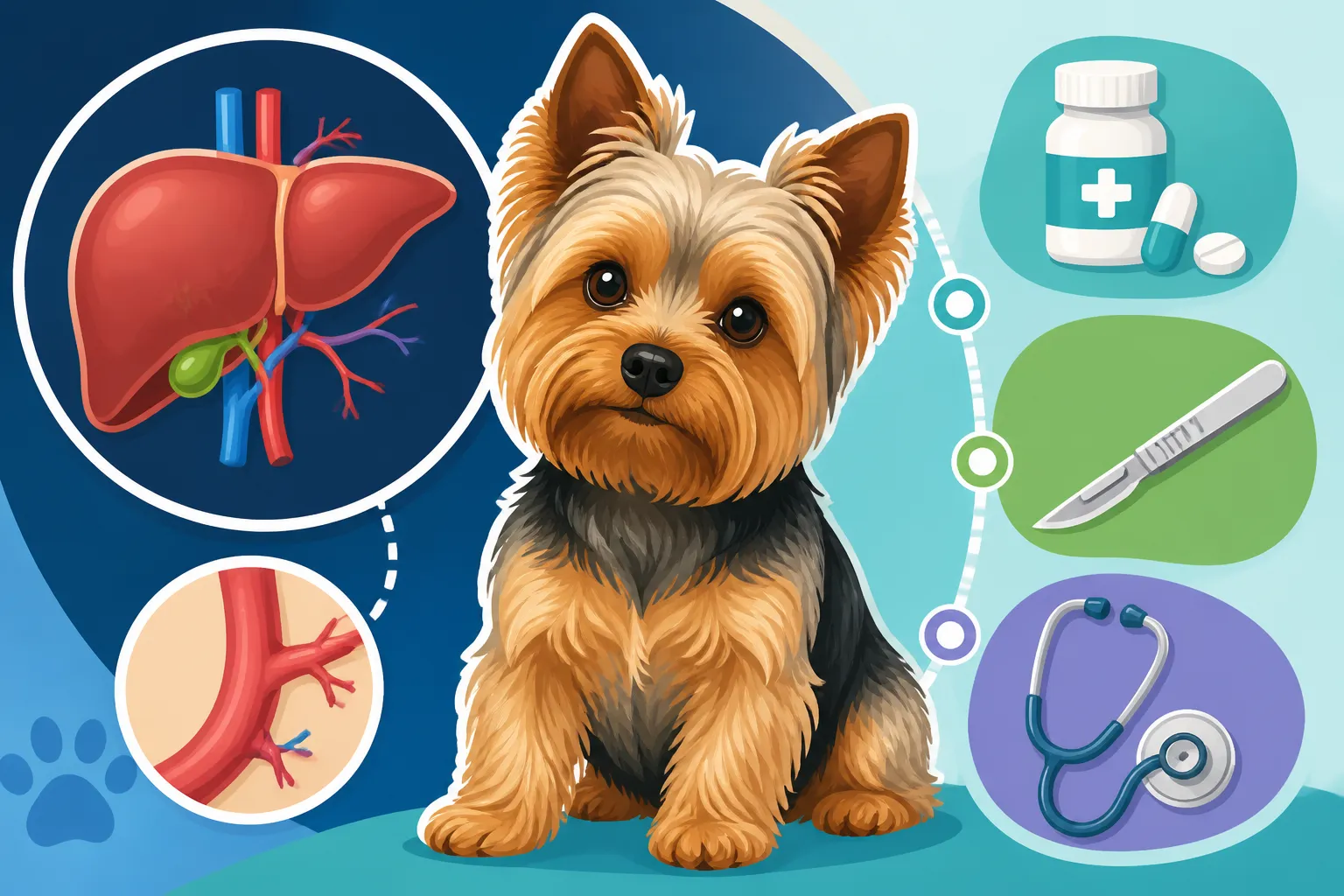
Imagine your Yorkie's liver as a sophisticated filter and processing plant for their body. It takes nutrients from digested food and removes toxins from the bloodstream. Normally, blood flows from the intestines to the liver through the portal vein, gets processed, and then goes to the rest of the body. With a liver shunt, or more formally, a portosystemic shunt (PSS), there's an abnormal blood vessel that bypasses the liver entirely. This means that instead of blood being filtered and detoxified by the liver, it flows directly from the digestive system into the general circulation, carrying toxins and unprocessed nutrients throughout the body.
Yorkshire Terriers are, unfortunately, genetically predisposed to this condition more than many other breeds. While shunts can occur inside the liver (intrahepatic) or outside it (extrahepatic), extrahepatic shunts are more common in small breeds like Yorkies. This genetic predisposition means that even if a puppy seems perfectly healthy at first, the underlying issue might be there, waiting for symptoms to manifest as they grow and their system tries to cope with the unfiltered blood. It's a tough hand to be dealt, but knowing what you're up against makes the fight clearer.
Recognizing the Signs
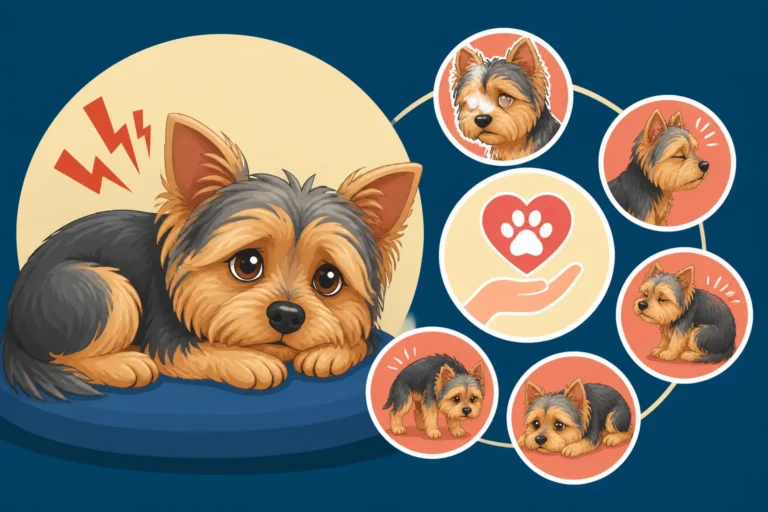
The symptoms of a liver shunt can vary widely, making it a tricky condition to pinpoint without veterinary expertise. Often, the signs start subtly, especially in puppies, and can easily be mistaken for other ailments. You might notice your Yorkie is smaller than their littermates or generally fails to thrive. They might seem lethargic, weak, and generally have a dull coat. Many owners report a "picky eater" or reduced appetite.
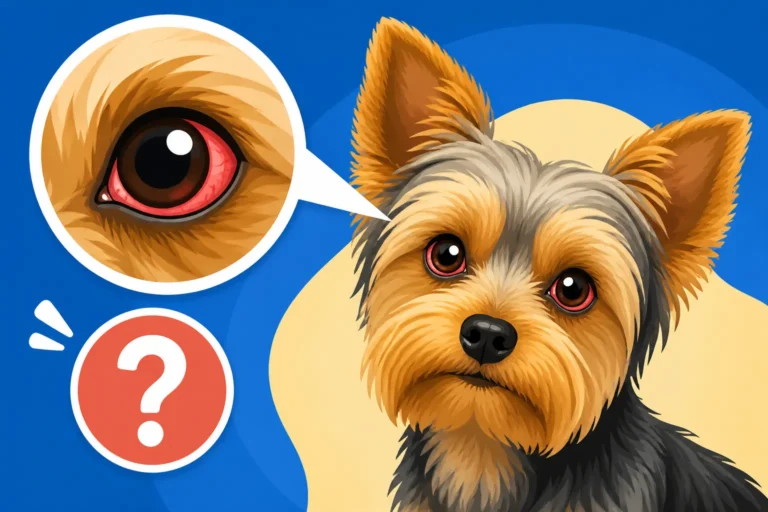
As toxins build up in their system, especially ammonia, more severe neurological symptoms can emerge. This is known as hepatic encephalopathy. You might see strange behaviors like disorientation, aimless wandering, pressing their head against a wall, or staring blankly. In more advanced cases, tremors, blindness, or even seizures can occur, often worsening after meals high in protein. Gastrointestinal issues like vomiting or diarrhea are also common. Sometimes, you might even notice increased thirst and urination. It's a stark reminder of how important the liver is to overall bodily function, and seeing these signs can be incredibly distressing. If you're seeing any of these signs, don't hesitate to consult your vet. Early detection can make a world of difference in your Yorkie's prognosis. For more details on common ailments, you can check our guide on Signs Your Yorkshire Terrier Is Sick.
Diagnosing the Condition
Diagnosing a liver shunt typically involves a combination of tests, starting with a thorough physical examination and a detailed history of your Yorkie's symptoms. Your veterinarian will likely recommend blood tests, which often reveal elevated liver enzymes, low albumin (a protein produced by the liver), and sometimes low blood sugar. A key diagnostic blood test is the bile acid stimulation test, which measures how well the liver processes bile acids. In a Yorkie with a shunt, these levels will often be significantly elevated after a meal.
Beyond blood work, imaging studies are crucial. An ultrasound of the abdomen is usually the first step, allowing the vet to visualize the liver and blood vessels, potentially identifying an abnormal shunt vessel. However, ultrasounds can sometimes be inconclusive, especially for smaller or intrahepatic shunts. In such cases, a CT angiogram or portovenography might be recommended. These more advanced imaging techniques involve injecting a contrast dye to clearly outline the blood flow and precisely locate the shunt, which is vital for surgical planning. While these diagnostic steps can feel extensive and costly, accurately identifying the type and location of the shunt is paramount for deciding on the most effective treatment plan. Knowing When to Take Your Yorkie to the Vet is crucial, especially with complex symptoms like these.
Medical Management Strategies for Liver Shunts
For some Yorkies, particularly if surgery isn't immediately an option or if the shunt is very small, medical management becomes the primary treatment path. The goal here isn't to fix the shunt itself, but to alleviate the symptoms and minimize the toxic burden on the body. This approach often involves a careful combination of dietary changes, medications, and vigilant monitoring.
Dietary Modifications
Diet plays a colossal role in managing a liver shunt. Since the liver isn't properly filtering toxins, particularly those derived from protein digestion, the diet needs to be specifically formulated to reduce this load. The cornerstone of a liver shunt diet is typically a reduced-protein, highly digestible diet. This doesn't mean no protein at all, as protein is essential for life, but rather carefully selected, high-quality proteins in controlled amounts to provide necessary amino acids without overwhelming the system.
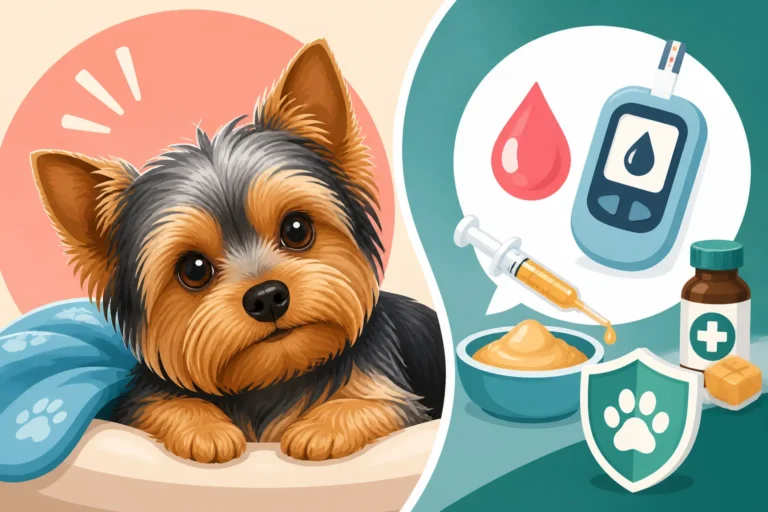
Many veterinary-prescribed diets, such as those from Royal Canin (e.g., Hepatic Support) or Hill's Prescription Diet (e.g., L/D Liver Care), are specifically designed for dogs with liver disease. These diets often contain easily digestible protein sources, a moderate amount of fat for energy, and carbohydrates. It's also important to ensure the diet is balanced with appropriate vitamins and minerals, especially B vitamins and zinc, which can be depleted in liver disease. Small, frequent meals throughout the day are often recommended to prevent large influxes of protein and reduce the chance of post-meal neurological episodes. Always discuss specific dietary changes with your vet, as the wrong diet can actually worsen the condition. If your Yorkie is prone to low blood sugar, which can happen with liver shunts, understanding Yorkshire Terrier Hypoglycemia: Signs and Care is also vital, and diet is a key factor here. For a deeper dive into feeding specific to this condition, our guide on Yorkie Liver Shunt: Diet and Care provides more insights.
Medications and Supplements
Beyond diet, several medications are commonly used to manage the symptoms of a liver shunt.
- Lactulose: This synthetic sugar is a superstar in liver shunt management. It works in two ways: first, it acidifies the colon, trapping ammonia so it can't be absorbed into the bloodstream. Second, it acts as a mild laxative, encouraging more frequent bowel movements to expel toxins more quickly. Your vet will prescribe a specific dose, and it's usually given orally.
- Antibiotics: Oral antibiotics, such as metronidazole or neomycin, are often prescribed to reduce the number of ammonia-producing bacteria in the gut. This directly lowers the amount of ammonia that can enter the bloodstream and cause neurological problems. These are usually given for a specific period or as needed, depending on your Yorkie's response.
- Anticonvulsants: If your Yorkie experiences seizures, anticonvulsant medications like phenobarbital or levetiracetam (Keppra) will be prescribed to control these episodes. Seizures are a serious symptom of hepatic encephalopathy and require immediate and consistent management.
- Liver Support Supplements: Some veterinarians might also recommend supplements containing s-adenosylmethionine (SAMe), milk thistle, or other antioxidants to support liver function and protect liver cells from damage. While not a cure, they can sometimes aid overall liver health.
It's crucial to administer all medications exactly as prescribed by your vet and never to stop or alter doses without their guidance. These medications work together with diet to create a supportive environment for your Yorkie's body.
Managing Crises
Despite diligent medical management, Yorkies with liver shunts can sometimes experience acute crises, often triggered by a high-protein meal, stress, or other factors. These crises typically manifest as severe neurological symptoms, such as prolonged seizures, profound disorientation, or coma. Recognizing Yorkie Emergency Symptoms to Never Ignore is paramount.
If your Yorkie enters a crisis, immediate veterinary attention is essential. Your vet might administer intravenous fluids to help flush toxins, provide medications to reduce brain swelling, and administer anti-seizure drugs if needed. They may also use enemas to quickly clear the colon of ammonia-producing bacteria. Hospitalization for stabilization and intensive care is often necessary during these episodes. As a Yorkie parent, it’s vital to have an emergency plan in place, know the location of your nearest emergency veterinary clinic, and understand what steps to take if your Yorkie shows signs of a severe decline. Time is of the essence in these situations.
Surgical Interventions for Liver Shunts
For many Yorkshire Terriers with liver shunts, especially extrahepatic ones, surgery offers the best chance for a long-term, healthy life. The goal of surgery is to close or significantly narrow the abnormal blood vessel, forcing blood to flow through the liver as it should.
Types of Surgical Procedures
There are a few different surgical approaches to correcting a liver shunt, and the choice often depends on the type and location of the shunt, as well as the surgeon's preference and experience.
- Ligation: This is the most common procedure. In a full ligation, the abnormal shunt vessel is completely tied off, forcing all blood to go through the liver. However, a sudden complete closure can sometimes lead to a dangerous increase in portal vein pressure (portal hypertension), which can be fatal.
- Partial Ligation followed by gradual occlusion: To mitigate the risk of portal hypertension, many surgeons opt for a gradual occlusion method. This involves placing a device around the shunt that slowly closes it over several weeks or months.
- Cellophane Banding: This is a very popular and effective technique. A piece of cellophane (a special sterile material, not the stuff from your kitchen!) is placed around the shunt vessel. The body's natural inflammatory response to the cellophane causes fibrous tissue to form around it, gradually constricting and eventually closing the shunt over 2-4 months. This slow closure allows the liver to adapt and new, normal vessels to develop within the liver, significantly reducing the risk of portal hypertension.
- Ameroid Constrictors: These small, C-shaped metal rings with a casein core are placed around the shunt vessel. The casein slowly absorbs bodily fluids and swells, gradually compressing and occluding the shunt over several weeks. Like cellophane banding, this gradual closure helps prevent portal hypertension.
The decision of which method to use is made by the veterinary surgeon, taking into account the specifics of your Yorkie's condition. These procedures require a skilled surgeon and specialized equipment, often performed by a board-certified veterinary internal medicine specialist or surgeon.
Preparing for Surgery and Post-Operative Care
If surgery is recommended for your Yorkie, thorough preparation is key. This usually involves several days or weeks of medical management (diet, lactulose, antibiotics) to stabilize your dog and reduce the level of toxins in their blood. This pre-operative stabilization helps improve their chances during and after surgery. Your vet will also perform a full panel of blood tests, including clotting profiles, and likely repeat imaging to ensure the most accurate surgical plan.
Post-operative care is just as critical as the surgery itself. Your Yorkie will typically spend several days in the veterinary hospital for close monitoring. They'll receive intravenous fluids, pain management, and often continued antibiotics and lactulose. Monitoring for complications such as portal hypertension (which can still occur, though less likely with gradual occlusion methods) or post-surgical seizures is paramount. Once home, your Yorkie will need strict rest, careful incision care, and continued adherence to the specialized diet and medication regimen for several weeks or months. This is a time for patience and vigilance, ensuring they heal properly and their liver has the best chance to recover. Your veterinarian will schedule follow-up appointments, including repeat bile acid tests, to assess the success of the procedure.
Prognosis After Surgery
The good news is that for many Yorkies, surgical correction of a liver shunt offers an excellent prognosis. With successful surgery, especially for extrahepatic shunts that can be fully closed, many dogs go on to live normal, healthy lives with no further symptoms. The success rate for extrahepatic shunts is generally high, often above 85-90%, provided there are no significant complications.
However, it's not a guaranteed cure for every case. Some Yorkies, particularly those with intrahepatic shunts (which are often more challenging to repair surgically) or those with multiple shunts, might have a less favorable outcome. Even with successful surgery, a small percentage of dogs may still require some level of ongoing medical management or may develop secondary issues like microvascular dysplasia (abnormal small blood vessels within the liver). Regular follow-up with your vet is crucial to monitor your Yorkie's recovery and long-term health. But for many, surgery truly is a life-changing intervention that allows them to experience the joy and vitality they were meant to have. You can learn more about general Yorkshire Terrier Health Problems to Know to be aware of other potential issues.
Long-Term Care and Quality of Life
Whether your Yorkie undergoes surgery or is managed medically, a liver shunt diagnosis means committing to long-term care. This isn't just about managing a condition; it's about ensuring your dog has the best possible quality of life, filled with comfort, love, and appropriate medical support.
Ongoing Monitoring and Lifestyle Adjustments
Life after a liver shunt diagnosis or surgery requires continued vigilance. For Yorkies managed medically, this means strict adherence to their specialized diet and medication schedule for the rest of their lives. For those who undergo surgery, while the goal is often to eventually discontinue medications, regular follow-up bile acid tests are still crucial to confirm the shunt has closed and the liver is functioning properly. These tests might be done every few months initially, then annually.
Your vet will likely want to see your Yorkie for regular check-ups, potentially every six months or annually, to monitor their overall health, liver enzyme levels, and ensure there are no new complications. You'll also need to be an observant pet parent, noting any subtle changes in appetite, energy levels, or behavior that might indicate a re-emergence of symptoms or other health concerns. Keeping a close eye on their stool for consistency and color can also provide clues about their digestive health. Ensuring they have a consistent, low-stress environment also contributes to their well-being. Thinking ahead for their later years, understanding How to Care for a Senior Yorkie becomes relevant, as any chronic condition will factor into senior care.
Financial Considerations for Liver Shunt Treatment
Let's be real – dealing with a liver shunt can be a significant financial burden. The initial diagnostic tests alone can run into hundreds to thousands of dollars, encompassing blood work, ultrasounds, and potentially advanced imaging like CT scans. If surgery is recommended, the cost can range from several thousand to upwards of $10,000 or more, depending on the complexity of the shunt, the surgical technique used, and the length of post-operative hospitalization. This doesn't even include the ongoing costs of specialized prescription diets, medications (like lactulose, antibiotics, or anti-seizure drugs), and routine follow-up veterinary visits and blood tests.
It's a tough pill to swallow, but it’s crucial to be prepared for these expenses. This is where pet insurance can be a literal lifesaver. Companies like Healthy Paws can help cover a significant portion of these costs, especially if you enroll your Yorkie early, before any pre-existing conditions are diagnosed. Having pet insurance from Healthy Paws can provide immense peace of mind, knowing that you can make medical decisions based on what's best for your Yorkie, rather than solely on your wallet. Always check policy details regarding pre-existing conditions and waiting periods. For a comprehensive overview, our guide on Yorkshire Terrier Vet Costs and Health Budget offers practical advice. Considering Pet Insurance for Yorkshire Terriers is a smart move for any Yorkie owner.
Here's a simplified breakdown of typical costs, though these can vary greatly by location and specific veterinary clinic:
| Expense Category | Typical Cost Range (USD) | Notes |
|---|---|---|
| Initial Vet Consult | $50 – $150 | General check-up, initial assessment |
| Blood Tests (basic) | $100 – $300 | CBC, Chemistry, Bile Acid Test |
| Abdominal Ultrasound | $300 – $800 | Non-invasive, often first imaging step |
| CT Scan / Portovenography | $1,000 – $3,000 | Advanced imaging for precise shunt location and surgical planning |
| Surgery (Ligation/Banding) | $3,000 – $10,000+ | Includes anesthesia, procedure, hospitalization, initial medications |
| Post-Op Medications | $50 – $200/month | Lactulose, antibiotics, pain meds, etc. |
| Prescription Diet | $50 – $100/month | Specialized kibble or wet food |
| Follow-up Blood Tests | $100 – $300/test | Bile acids, liver enzymes, etc., done periodically |
| Pet Insurance (Healthy Paws) | Varies | Monthly premium, but can cover 70-90% of eligible vet bills post-deductible. |
Supporting Your Yorkie Emotionally and Physically
Beyond the medical and financial aspects, remember that your Yorkie is a sensitive little creature who relies on you for comfort and security. Living with a chronic condition or recovering from major surgery can be stressful for them, just as it is for you. Provide a calm, consistent environment with a comfortable bed and easy access to food and water. Gentle, supervised exercise is important for overall health, but always follow your vet's recommendations, especially during recovery. Mental stimulation, like puzzle toys or gentle training sessions, can keep their minds sharp and engaged without overexerting them physically.
Most importantly, continue to shower them with love and affection. Your presence and reassurance mean the world to them. Even if their condition limits some activities, finding new ways to bond and enjoy time together is paramount for their emotional well-being. A Yorkie with a well-managed liver shunt can still lead a wonderfully full and happy life, especially with a dedicated parent like you. Insurance providers like Healthy Paws can help ensure you have the financial resources to provide all the care and comfort your little one deserves, allowing you to focus on their emotional and physical recovery.
Disclaimer
This article is for general informational purposes only and does not constitute professional advice. Laws, prices and regulations vary by location and change over time. Consult a qualified professional for guidance on your specific situation.