Signs Your Yorkshire Terrier Is Sick
It’s truly gut-wrenching when your tiny Yorkshire Terrier, usually a bundle of vivacious energy and playful mischief, suddenly seems off. That sinking feeling in your stomach, the worry that creeps in – it’s a universal experience for Yorkie parents. They can’t tell us what’s wrong, leaving us to decipher subtle cues. This comprehensive guide will walk you through the various signs your Yorkshire Terrier might be sick, helping you understand what to look for and when it's time to seek professional veterinary attention.
General Indicators of Illness in Yorkies
Yorkies are incredibly sensitive little dogs, and sometimes the first signs of trouble aren't specific to one body part but rather an overall shift in their demeanor. You know your Yorkie best, and any deviation from their normal antics should catch your eye. It's often these subtle, general changes that are the earliest warnings that something isn't quite right, signaling that you might need to consult your vet.
Changes in Energy Levels and Behavior
One of the most immediate indicators that your Yorkie might be feeling under the weather is a noticeable change in their energy levels. If your normally boisterous companion, who usually greets you with exuberant tail wags and demands for playtime, is suddenly lethargic, sleeping more than usual, or seems disinterested in their favorite toys or walks, it’s a red flag. This isn't just a "lazy day"; persistent lethargy can point to a range of underlying issues, from simple fatigue or minor infections to more serious conditions like anemia, heart problems, or even internal pain. It’s crucial to observe if this new behavior lasts for more than a day or two, especially if accompanied by other symptoms.
Beyond just low energy, pay attention to any shifts in their usual personality. Has your outgoing Yorkie become withdrawn, hiding under furniture, or avoiding interaction? Or perhaps your usually calm pup is now restless, pacing, or whining more than usual. These behavioral changes can be a direct result of discomfort or pain. For instance, a Yorkie might become irritable or even growl if you touch a painful area, or they might become anxious if they're feeling unwell and are seeking comfort or trying to communicate distress. Jotting down these observations can be incredibly helpful for your vet in diagnosing the problem. If you're wondering, "Is my Yorkie the right breed for a busy family?", keep in mind they thrive on attention and routine, making behavioral changes even more pronounced.
Altered Eating or Drinking Habits
Another significant sign of potential illness relates directly to their intake of food and water. A Yorkie suddenly refusing their favorite meal or treats, or only picking at their food, is a strong indicator of an issue. This could be due to anything from dental pain, which makes chewing uncomfortable, to an upset stomach, nausea, or a more serious systemic illness affecting their appetite. Similarly, an increase or decrease in water consumption warrants attention. Excessive thirst, known as polydipsia, can be a symptom of conditions like diabetes, kidney disease, or Cushing's disease, while a decrease in drinking could lead to dehydration, often accompanying nausea or weakness.
It’s not just about how much they’re eating or drinking, but also how they’re doing it. Are they having difficulty swallowing? Dropping food? Or perhaps they’re gulping water excessively, only to throw it up shortly after. These nuances can provide critical clues. Keeping track of exactly when these changes started, how long they’ve lasted, and if they’re consistent can help your veterinarian narrow down potential causes. Don't dismiss a sudden change in eating as just pickiness; for a Yorkie, it's often a signal that something deeper is amiss. You can learn more about how to tell if your Yorkie is not eating when to worry about it.
Vomiting and Diarrhea Concerns
Vomiting and diarrhea are among the most common and alarming signs that your Yorkie is sick, and they can range from a minor stomach upset to a symptom of a severe, life-threatening condition. While an occasional bout of vomiting might occur if your Yorkie ate something they shouldn't have, persistent or severe vomiting (especially if it contains blood or looks like coffee grounds) is an emergency. Similarly, diarrhea that is watery, bloody, black and tarry, or lasts for more than 24 hours in an adult Yorkie (or a few hours in a puppy) requires immediate veterinary attention. Small breeds like Yorkies can become dangerously dehydrated very quickly from these symptoms.
When your Yorkie experiences vomiting or diarrhea, try to observe the frequency, consistency, and any other substances present. Is there undigested food, bile, or foreign objects in the vomit? Is the diarrhea mushy, liquid, or does it have mucus? These details, while unpleasant, are incredibly useful for diagnosis. Conditions like parasitic infections, dietary indiscretion, pancreatitis, inflammatory bowel disease, or even organ failure can manifest with these symptoms. If your Yorkie is also lethargic, painful, or has a fever alongside these digestive issues, it's definitely time to see the vet. This could be an emergency, and seeking prompt advice is always best. Understanding why your Yorkie is vomiting and when to worry about it is crucial for their well-being.
Respiratory and Breathing Issues
Yorkshire Terriers are prone to certain respiratory issues, given their small size and delicate airways. Hearing your Yorkie struggle to breathe or make unusual noises can be incredibly frightening for any pet parent. Being aware of the specific signs can help you act quickly.
Coughing, Wheezing, and Reverse Sneezing
A cough in a Yorkie is never something to ignore entirely. It can sound like a honking goose, a dry hack, or a wet gurgle, and each sound can point to different underlying causes. Kennel cough, a common upper respiratory infection, often presents as a harsh, dry cough. However, more serious issues like tracheal collapse, a prevalent problem in toy breeds, can also cause a characteristic honking cough, especially when excited or pulling on a collar. If you want to know more about this, check out our article on Yorkshire Terrier Collapsing Trachea: Signs and Care. Wheezing, a high-pitched whistling sound, suggests narrowed airways, often seen with asthma or allergic reactions.
Reverse sneezing, while alarming, is usually less serious. It sounds like a sudden, forceful inhalation, as if your Yorkie is trying to snort something out of their nose. While it often resolves on its own and isn't usually a sign of serious illness, frequent or prolonged episodes could indicate allergies, irritants, or even nasal mites. The key is to distinguish between these different sounds and observe their frequency and severity. If the coughing or wheezing is persistent, worsening, or if your Yorkie seems distressed, it's time for a veterinary check-up. Understanding Yorkie coughing: when to worry about it can guide your next steps.
Labored Breathing and Blue Gums
Labored breathing, also known as dyspnea, is a serious emergency. This isn't just heavy panting after a walk; it's a visible struggle where your Yorkie’s chest and abdomen move excessively to take each breath. You might see their nostrils flaring, their elbows moving outward, or hear whistling, crackling, or gasping sounds. Their breathing might be shallow and rapid, or deep and slow with obvious effort. Any time your Yorkie is struggling to breathe, it requires immediate veterinary attention, as it indicates a significant oxygen deficiency.
Even more critical is the sight of blue-tinged gums or tongue, known as cyanosis. This is a direct sign that your Yorkie is not getting enough oxygen into their bloodstream and is a dire emergency. Blue gums can be caused by severe respiratory distress, heart failure, or other conditions preventing proper oxygenation. If you observe your Yorkie with blue gums, do not wait. Get them to the nearest emergency veterinary clinic immediately. This situation can deteriorate rapidly and needs urgent intervention to save their life. This is one of those Yorkie Emergency Symptoms to Never Ignore.
Digestive Problems and Appetite Changes
Digestive issues are common in small breeds like Yorkies, but they can quickly escalate. Their tiny systems are quite sensitive, and monitoring their eating habits and bowel movements can give you early clues about their health.
Loss of Appetite or Picky Eating
When your Yorkie, who usually devours their meals with gusto, suddenly turns their nose up at food, it's a definite cause for concern. A complete loss of appetite, or anorexia, can accompany a wide array of illnesses, from minor tummy aches to serious conditions like kidney disease, liver problems, or even cancer. It's often one of the first signs that something is generally wrong with their body. On the other hand, a gradual onset of picky eating might stem from dental pain, where chewing becomes uncomfortable, or even a subtle shift in their internal balance that makes food less appealing.
If your Yorkie's appetite decreases or disappears for more than 24 hours, especially if they are also lethargic, vomiting, or showing other symptoms, it's crucial to contact your vet. For puppies, even a few missed meals can be dangerous due to the risk of hypoglycemia. Observing what they refuse (kibble vs. treats vs. wet food) and whether they show any interest at all can help your vet understand the problem better. Don't simply assume they're being "fussy"; a true loss of appetite in a Yorkie often indicates genuine discomfort or illness. If you're struggling with a picky eater, our guide on how to help a picky Yorkie eat might offer some short-term tips, but persistent refusal requires a vet visit.
Abdominal Pain and Bloating
Abdominal pain can be tricky to spot in Yorkies because they often try to hide their discomfort. Signs might include a hunched posture, a reluctance to move, guarding their belly when you try to touch it, or whining when picked up. They might also appear restless, unable to find a comfortable position, or seem unusually quiet and withdrawn. This pain could be due to gas, constipation, gastroenteritis, pancreatitis, or even more severe issues like an obstruction or internal bleeding.
Bloating, where your Yorkie's abdomen appears distended and hard to the touch, is a serious symptom, especially if it appears suddenly and is accompanied by retching without vomiting, restlessness, or visible distress. This could indicate gastric dilatation-volvulus (GDV), or bloat, a life-threatening condition where the stomach twists. While more common in large, deep-chested breeds, it can affect any dog and requires immediate emergency surgery. Any suspicion of significant abdominal pain or bloating warrants an urgent trip to the veterinary emergency room.
Changes in Stool Consistency and Frequency
Monitoring your Yorkie’s stool is one of the easiest ways to keep tabs on their digestive health. Any drastic changes in consistency, color, or frequency can signal an issue. Diarrhea, as mentioned before, is a common sign of digestive upset. This includes stools that are watery, soft, unformed, or contain mucus. Constipation, characterized by straining, infrequent bowel movements, or hard, dry stools, can also be a problem. This might be due to dehydration, insufficient fiber, or even an obstruction.
Beyond consistency, pay attention to the color. Black, tarry stools (melena) indicate digested blood from the upper gastrointestinal tract, while bright red blood (hematochezia) suggests bleeding lower down. Yellow or grey stools can point to issues with the liver, gallbladder, or pancreas. Any significant deviation from your Yorkie's normal, firm, brown stool, particularly if it lasts more than a day or is accompanied by other symptoms, should prompt a call to your vet. Keeping a small sample in a clean bag for analysis can also be incredibly helpful for diagnosis. For more detailed information, our post on why your Yorkie has diarrhea when to worry can provide further insights.
Skin and Coat Abnormalities
A healthy Yorkie should have a shiny, silky coat and clear skin. Changes in either can be more than just cosmetic issues; they can be indicators of allergies, parasites, infections, or even systemic health problems.
Excessive Scratching, Licking, or Biting
If your Yorkie suddenly starts scratching, licking, or biting themselves excessively, it's a clear sign of irritation or discomfort. This constant self-grooming can be localized to one area or generalized over their entire body. Common culprits include fleas, ticks, or mites, which can cause intense itching. Environmental or food allergies are also very common in Yorkies, leading to itchy skin, particularly on their paws, belly, ears, or around their eyes. These allergies can manifest as red, inflamed patches or even hot spots, which are raw, painful skin lesions caused by constant licking and biting.
Beyond parasites and allergies, excessive scratching could indicate a fungal or bacterial skin infection, or even underlying pain or neurological issues that manifest as phantom itching. It's important to try and identify if the behavior is constant, only at certain times, or related to specific activities. Persistent scratching can break the skin, leading to secondary infections, so it’s best to address it sooner rather than later with your vet. Our article on why your Yorkie is scratching and when to worry offers more in-depth advice.
Hair Loss, Rashes, and Lumps
Hair loss, or alopecia, in Yorkies can appear as thinning hair, bald patches, or a dull, brittle coat. This can be caused by external parasites like demodex mites, fungal infections like ringworm, or bacterial skin infections. However, hair loss can also be a symptom of hormonal imbalances, such as hypothyroidism or Cushing's disease, or nutritional deficiencies. Observing the pattern of hair loss – is it symmetrical, patchy, or generalized? – can help your vet narrow down the possibilities.
Rashes, redness, scabs, or flaky skin can indicate allergies, infections, or other dermatological conditions. These might be accompanied by a strong odor if a yeast or bacterial infection is present. Lumps and bumps, whether small skin tags, wart-like growths, or larger masses, should always be examined by a veterinarian. While many are benign, like sebaceous cysts or fatty tumors (lipomas), some can be malignant, especially in older Yorkies. Any new lump, or an existing one that changes in size, shape, or texture, warrants prompt veterinary attention. Early detection is key for many skin conditions and potential tumors. This is particularly relevant when considering the specific Yorkshire Terrier Health Problems to Know.
Eye and Ear Health Concerns
Yorkies, with their distinctive facial features, can be prone to eye and ear issues. These delicate areas require regular attention, and any signs of trouble should be addressed promptly to prevent more serious conditions or even vision/hearing loss.
Redness, Discharge, and Cloudiness in Eyes
Your Yorkie's eyes should be clear, bright, and free from excessive discharge. Any redness in the whites of their eyes (sclera), whether mild or severe, can signal irritation, allergies, conjunctivitis, or even an injury. Keep an eye out for different types of discharge: clear, watery discharge might be allergies or minor irritation, but thick, yellow, or green discharge is usually indicative of a bacterial infection. Excessive tear staining, while often cosmetic, can sometimes point to blocked tear ducts or other underlying eye issues if it's new or suddenly worse.
Cloudiness or opacity in one or both eyes is particularly concerning. This could be a symptom of cataracts, especially in older Yorkies, which can impair vision. If it appears suddenly or rapidly progresses, it might also indicate glaucoma, an extremely painful condition caused by increased pressure within the eye that can lead to permanent blindness if not treated immediately. Other signs of glaucoma include a dilated pupil, squinting, or a bulging appearance of the eye. Any significant changes in your Yorkie's eyes warrant an immediate veterinary check-up, as vision loss can happen quickly with some conditions. Our article on Yorkie Eye Problems Explained offers more detailed insights.
Head Shaking, Odor, and Swelling in Ears
Yorkies are known for their perky, erect ears, which typically allow for good air circulation. However, even with upright ears, they can still experience ear problems. Frequent head shaking, pawing at the ears, or rubbing their head against furniture are classic signs of an ear infection or irritation. You might also notice a strong, unpleasant odor emanating from the ear canal, which is a tell-tale sign of a yeast or bacterial infection. Yellow, brown, or black waxy discharge can also indicate an infection, mites, or excessive earwax buildup.
Swelling, redness, or tenderness of the ear flap or inside the ear canal should also prompt concern. Swelling might indicate an aural hematoma (a blood blister) from excessive scratching or shaking, or a deeper infection. Leaving ear infections untreated can lead to chronic issues, pain, and even spread to the middle or inner ear, affecting balance and potentially causing neurological problems. Regular ear checks as part of your Yorkie’s grooming routine can help you spot these issues early.
Mobility and Musculoskeletal Issues
Yorkies are robust little dogs, but their small stature makes them prone to certain musculoskeletal problems. Watching your agile little friend suddenly struggle with movement is heartbreaking, and it’s important to understand the signs that something is wrong with their joints or muscles.
Limping, Stiffness, and Difficulty Moving
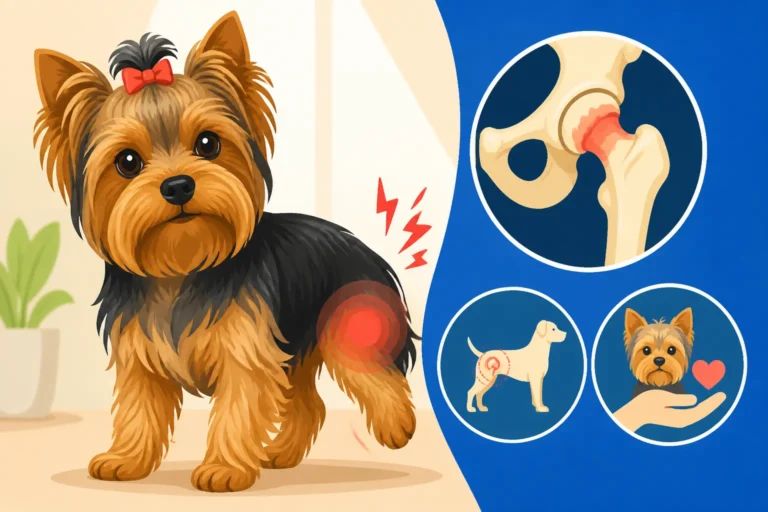
Limping, stiffness, or any apparent difficulty in moving are major red flags indicating pain or injury in your Yorkie. This might manifest as favoring one leg, a hesitant gait, difficulty climbing stairs, jumping on or off furniture, or even getting up after resting. While an occasional limp might be due to a minor sprain or a thorn in the paw, persistent limping or sudden inability to bear weight on a limb requires veterinary attention. Yorkies are particularly predisposed to conditions like patellar luxation, where the kneecap slips out of place, causing them to skip or hold up a back leg. For more information, check out our guide on Yorkshire Terrier Patellar Luxation: Signs and Care.
Other causes could include arthritis, especially in older Yorkies, Legg-Calve-Perthes disease (a hip joint disorder common in small breeds), or even intervertebral disc disease (IVDD) in their spine. Observe when the limping is worse (e.g., after exercise, first thing in the morning) and if it improves with rest. Any sign of severe pain, yelping when touched, or complete immobility needs immediate veterinary assessment to prevent further damage and alleviate suffering. Our article on Yorkie limping: when to worry offers more insights.
Shaking, Trembling, and Weakness
Yorkies are known for their trembling, which can sometimes be due to excitement, cold, or anxiety. However, persistent or unusual shaking and trembling can also be a sign of illness or pain. If your Yorkie is shaking uncontrollably, especially if it's accompanied by lethargy, weakness, or other symptoms, it could indicate low blood sugar (hypoglycemia), a common concern in Yorkie puppies and sometimes adult Yorkies who miss meals. It could also point to generalized tremor syndrome, a neurological condition, or simply a sign that they are in pain or feeling unwell. For more information on this, read our post on Why Do Yorkies Shake and Tremble.
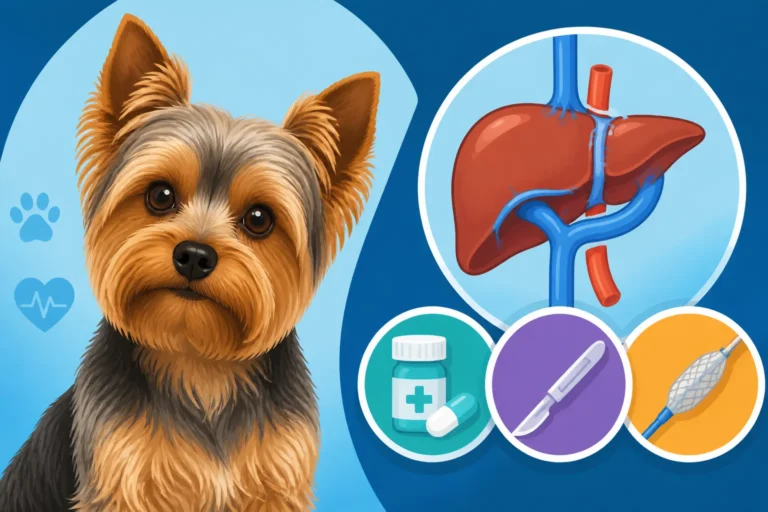
Weakness, which might appear as an unsteady gait, difficulty standing, or collapsing, is another serious symptom. This could be due to pain, neurological issues, heart conditions, anemia, or other systemic diseases affecting their overall strength. If your Yorkie suddenly becomes weak or experiences episodes of collapse, it's an emergency that warrants immediate veterinary attention. These signs can sometimes indicate conditions like a portosystemic shunt, a liver condition that can cause neurological symptoms. When it comes to your Yorkie's health, it’s always better to be cautious and seek professional advice if you notice persistent or severe shaking or weakness.
Urinary and Genital Tract Indicators
Changes in your Yorkie's urination habits can be very telling about their kidney, bladder, or overall health. As observant pet parents, noticing these shifts early can prevent more serious complications.
Increased Urination or Straining
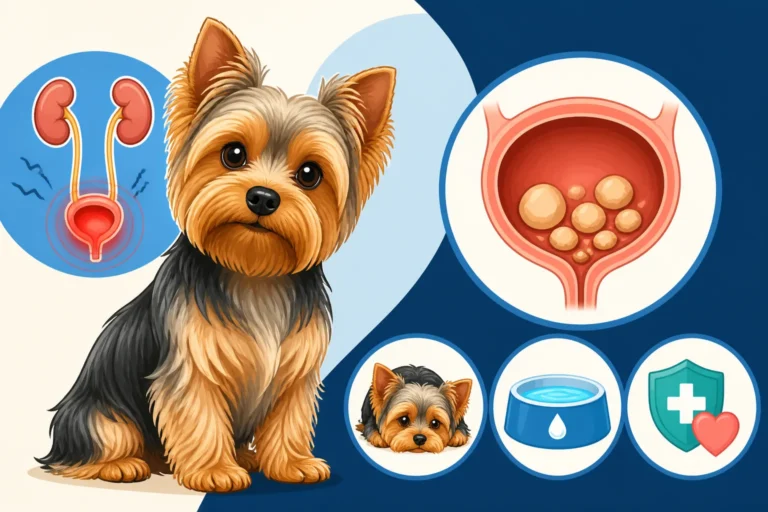
If you notice your Yorkie needing to go outside much more frequently, having accidents indoors despite being house-trained, or constantly squatting to urinate without producing much, it's a sign to pay attention. Increased frequency of urination, known as pollakiuria, can be a symptom of a urinary tract infection (UTI), bladder stones, or even diabetes or kidney disease. Straining to urinate, or dysuria, often accompanies UTIs and bladder stones, and it can be quite painful for your dog. They might vocalize or arch their back while trying to urinate.
On the other hand, a decrease in urination or complete inability to urinate is a medical emergency. If your Yorkie is trying to urinate but producing no urine, it could indicate a urinary blockage, which is life-threatening, especially in male dogs. This can lead to a buildup of toxins in the body and kidney failure. Always monitor their bathroom habits; a sudden change warrants a vet visit. You might be interested in Yorkshire Terrier Bladder Stones: Signs and Care for more specific information.
Inappropriate Urination and Bloody Urine
Inappropriate urination, when a previously house-trained Yorkie starts peeing in the house, can be incredibly frustrating. However, it's often a sign of an underlying medical problem rather than a behavioral issue. Conditions like UTIs, bladder stones, kidney disease, cognitive dysfunction in older dogs, or even conditions that cause increased thirst (like diabetes) can lead to accidents. It’s important to rule out medical causes before assuming it’s a training problem.
The presence of blood in the urine (hematuria) is always a serious sign and requires immediate veterinary attention. Bloody urine can look pink, red, or even brown, and it indicates bleeding somewhere in the urinary tract. Causes range from severe UTIs and bladder stones to kidney disease, prostate issues in males, or even tumors. If you see blood in your Yorkie’s urine, collect a fresh sample if possible and head to the vet right away. This is not a symptom to wait on.
Neurological Symptoms and Behavior Shifts
While not as common as other issues, neurological problems can manifest in terrifying ways in a small breed like a Yorkie. Recognizing these signs quickly is paramount for their prognosis.
Seizures, Disorientation, and Balance Issues
Seizures are one of the most alarming neurological events a pet owner can witness. In Yorkies, seizures can range from generalized grand mal seizures (where the dog loses consciousness, collapses, and paddles their legs uncontrollably) to focal seizures (which might manifest as twitching, repetitive movements, or staring spells). While a single seizure can occur from various causes, recurrent seizures are often indicative of epilepsy or other underlying brain disorders like tumors or infections. If your Yorkie has a seizure, try to time it and note all the details you observe before, during, and after the event to relay to your vet. You can learn more about Yorkshire Terrier Seizures: Signs and Care.
Disorientation, where your Yorkie seems confused, stares blankly, walks into objects, or struggles to recognize familiar people or places, can point to cognitive decline (dementia) in older dogs, but also metabolic disorders, head trauma, or even brain tumors. Balance issues, such as stumbling, head tilting, circling, or falling over, could indicate an inner ear infection, vestibular disease (affecting balance), or neurological damage affecting coordination. Any of these signs should prompt an immediate veterinary evaluation, as some conditions require urgent treatment.
Unusual Aggression or Withdrawal
A sudden, uncharacteristic change in your Yorkie's temperament, particularly the onset of aggression or extreme withdrawal, can sometimes have a medical basis rather than purely behavioral one. A Yorkie who is normally friendly but suddenly snaps, growls, or bites when approached or touched might be experiencing severe pain somewhere in their body. For example, a dog with a painful back injury or severe dental disease might lash out because they anticipate pain from interaction.
Similarly, a normally outgoing and affectionate Yorkie who becomes extremely withdrawn, hides, avoids eye contact, or refuses to engage in activities they once loved, could be suffering from chronic pain, a debilitating illness, or even cognitive decline. These profound shifts in personality often signal that your Yorkie is genuinely suffering and needs medical help to identify the root cause of their discomfort or distress. It’s never just "bad behavior" when a sick dog is acting out; it’s a cry for help.
When to Seek Veterinary Care
Knowing when to call the vet can sometimes feel like a guessing game, but it's always better to err on the side of caution with your little Yorkie. They are small and fragile, and their conditions can deteriorate rapidly.
Recognizing Emergency Situations
Certain symptoms are immediate red flags that require emergency veterinary attention. These include:
- Severe or persistent vomiting or diarrhea: Especially if bloody, black, or accompanied by lethargy and dehydration.
- Labored breathing or blue gums: Any difficulty breathing is critical.
- Collapse or loss of consciousness: Indicates a severe underlying issue.
- Seizures: Especially if it's the first one, multiple seizures, or a seizure lasting longer than a few minutes.
- Sudden onset of severe pain: Indicated by yelping, reluctance to move, hunched posture, or aggression when touched.
- Distended or bloated abdomen: Especially if accompanied by unproductive retching.
- Inability to urinate: This can be life-threatening.
- Known ingestion of toxins or foreign objects: Even if your Yorkie seems fine initially.
- Severe injury: Such as being hit by a car, a fall from a height, or a dog attack.
If you observe any of these signs, don't wait for office hours. Head to the nearest emergency vet clinic immediately. Timeliness can make a critical difference in these situations.
Non-Emergency But Still Important Symptoms
For symptoms that are less immediately life-threatening but still concerning, it's wise to contact your regular veterinarian for an appointment. These might include:
- Mild but persistent changes in appetite or water intake: Lasting more than a day or two.
- Mild lethargy or behavioral changes: If your Yorkie is just "off" but not in severe distress.
- Occasional coughing or wheezing: Not severe or causing breathing difficulty, but persistent.
- Minor limping or stiffness: If it comes and goes or is not causing significant pain.
- Skin irritations, rashes, or hair loss: If they are not rapidly worsening or causing severe discomfort.
- Ear scratching or mild discharge: Before it becomes a full-blown infection.
- Changes in urination frequency or small accidents: Without blood or straining.
- New lumps or bumps: That are not rapidly growing or painful.
When you call your vet, be prepared to describe the symptoms in detail: when they started, how long they’ve lasted, their severity, and any other changes you've noticed. This information is invaluable for them to properly assess the situation.
Preparing for Your Vet Visit
Once you've decided to take your Yorkie to the vet, a little preparation can make the visit much more productive and less stressful for everyone involved.
Gathering Relevant Information
Before your appointment, take a few minutes to jot down notes. This will help you remember important details and ensure you don't forget anything crucial in the heat of the moment.
Here's a checklist of information to gather:
- Specific Symptoms: What exactly are you seeing? Be precise. "Coughing" is less helpful than "dry, honking cough, especially after drinking water, occurring 5-6 times a day."
- Onset and Duration: When did you first notice the symptoms? How long have they been going on? Have they gotten better, worse, or stayed the same?
- Frequency and Severity: How often do the symptoms occur? Are they mild or severe?
- Associated Changes: Have there been any changes in appetite, water intake, energy levels, bathroom habits, or behavior?
- Dietary Changes: Have you recently changed your Yorkie's food, treats, or given them any human food?
- Medications/Supplements: List all medications, supplements, and preventatives your Yorkie is currently taking.
- Recent Events: Any potential exposures to toxins, injuries, fights with other animals, or stress (e.g., travel, new pet, visitors)?
- Vaccination History: Know when your Yorkie last had their core vaccinations.
- Questions for the Vet: Write down any questions you have so you don't forget them during the consultation.
This detailed information will help your vet form a clearer picture and guide their diagnostic process more efficiently.
What to Bring to the Clinic
Beyond your notes, there are a few physical items that can be helpful to bring along to your vet visit.
- A fresh stool or urine sample: If your Yorkie has diarrhea, constipation, or urinary issues, a fresh sample can save time and money on diagnostics. Place it in a clean, sealed container.
- Medication packaging: If your Yorkie is on medication, bring the bottles or packaging, especially if you have questions about dosing or side effects.
- Your Yorkie's favorite blanket or toy: This can provide comfort and reduce stress during the examination.
- A secure carrier: Yorkies are small and can be easily overwhelmed or injured in a bustling vet clinic. A secure, comfortable carrier like a soft-sided Petmate carrier or a similar reputable brand will keep them safe.
- Financial considerations: Be prepared for potential costs. Having pet insurance, like Healthy Paws, can be incredibly beneficial for unexpected veterinary emergencies and ongoing treatments, giving you peace of mind to focus on your Yorkie's recovery. Understanding Yorkshire Terrier Vet Costs and Health Budget is a good idea.
Understanding Diagnostic Tests and Treatment Options
Your vet will start with a thorough physical examination, which includes listening to their heart and lungs, palpating their abdomen, checking their teeth, eyes, and ears, and assessing their overall body condition. Based on this, they might recommend additional diagnostic tests.
Here's a table summarizing common diagnostic tests and what they might reveal:
| Test Type | What It Involves | What It Can Help Diagnose |
|---|---|---|
| Blood Work | Collection of blood sample for analysis. | Anemia, infection, inflammation, organ function (kidney, liver), diabetes, thyroid issues. |
| Urinalysis | Collection and analysis of a urine sample. | Urinary tract infections, bladder stones, kidney disease, diabetes. |
| Fecal Exam | Analysis of a stool sample. | Intestinal parasites (worms, giardia), bacterial infections, digestive issues. |
| X-rays (Radiographs) | Imaging of bones and soft tissues. | Fractures, arthritis, foreign objects, organ size/shape abnormalities, bladder stones. |
| Ultrasound | Real-time imaging of internal organs. | Detailed view of soft tissues (liver, kidneys, pancreas, bladder), tumors, fluid accumulation. |
| Cytology/Biopsy | Collection of cells or tissue sample for microscopic exam. | Skin infections, ear infections, lumps, or internal organ abnormalities to identify cell type. |
Once a diagnosis is made, your vet will discuss treatment options. This could range from medications (antibiotics, anti-inflammatories), dietary changes, fluid therapy, or in some cases, surgery. Always ask questions if you don't understand something, and don't hesitate to discuss prognosis, potential side effects, and costs involved. For instance, if you're concerned about dental health, our guide on Yorkshire Terrier Dental Disease: Treatment Options might be helpful to review. With a proactive approach and a good partnership with your vet, you can give your beloved Yorkie the best chance at a swift recovery.
Disclaimer
The information provided in this article is for educational purposes only and is not a substitute for professional veterinary advice. Always consult with a qualified veterinarian for any health concerns or before making any decisions related to your Yorkshire Terrier's health or treatment.