Yorkshire Terrier Legg-Calve-Perthes: Signs and Care
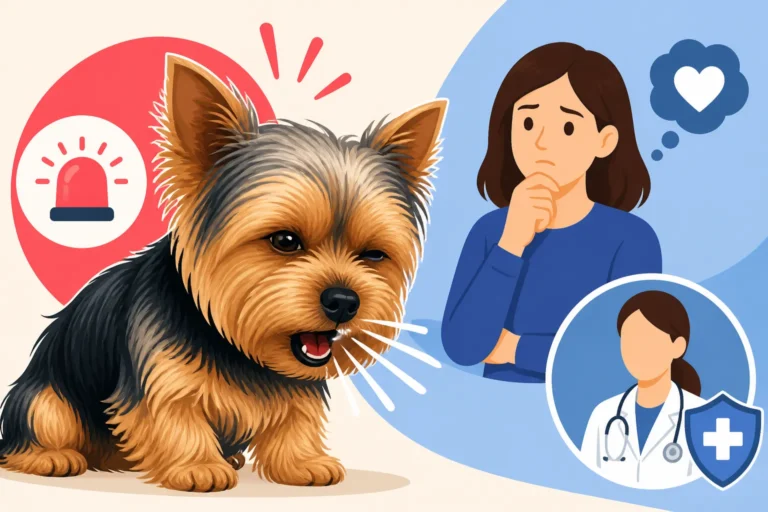
Finding out your beloved Yorkshire Terrier is limping or showing signs of pain can be incredibly distressing, and when that pain points to something as complex as Legg-Calve-Perthes (LCP) disease, it's natural to feel overwhelmed. This condition, which specifically affects the hip joint, can significantly impact your Yorkie's mobility and comfort. This comprehensive guide is designed to shed light on Legg-Calve-Perthes in Yorkshire Terriers, helping you understand its causes, recognize the subtle and overt signs, navigate the diagnostic process, and explore all available care and treatment options to ensure your furry family member can enjoy a life of comfort and joy.
Understanding Legg-Calve-Perthes Disease in Yorkshire Terriers
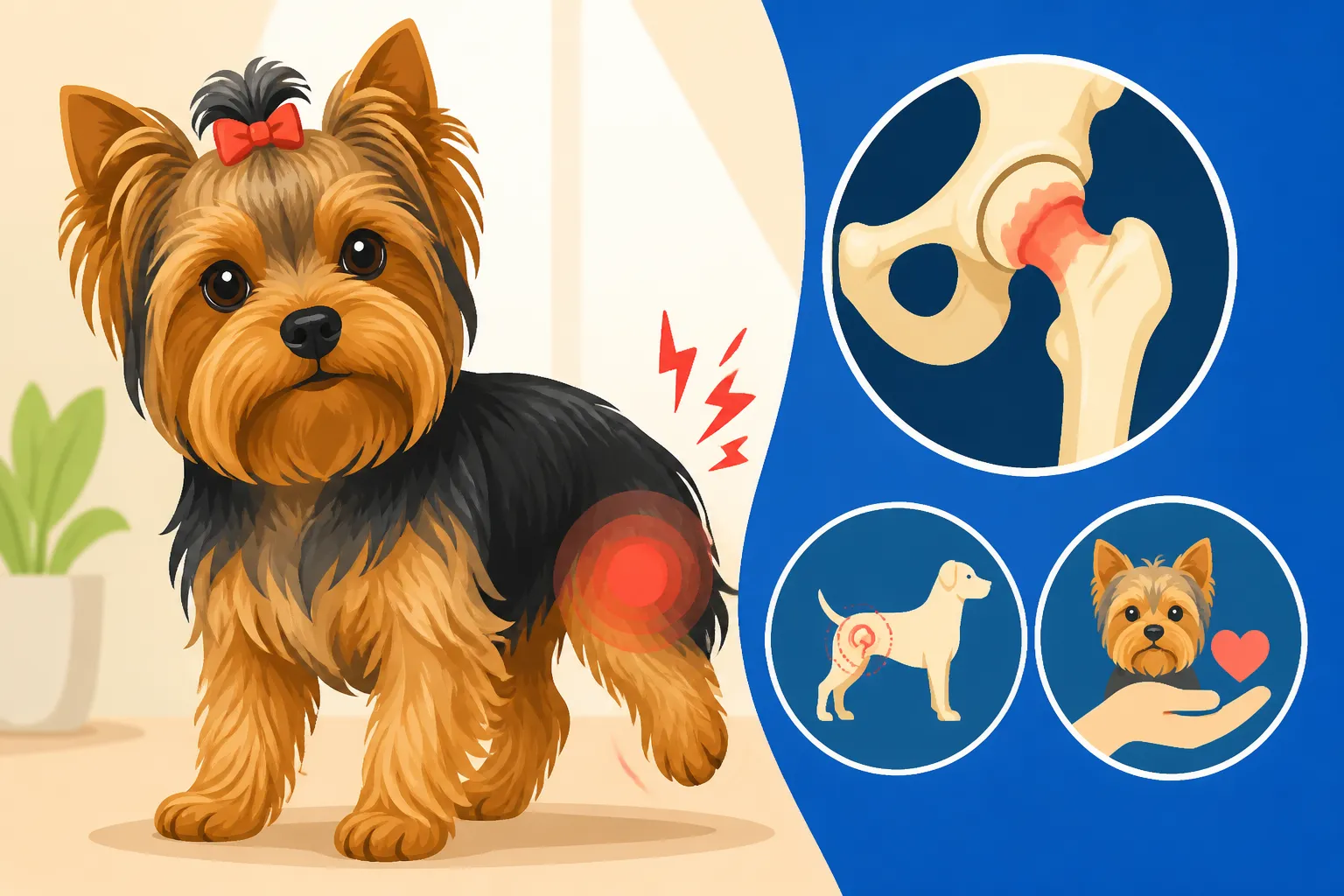
Legg-Calve-Perthes disease, often shortened to LCP, is a rather mouthful of a name for a condition that can cause significant discomfort and mobility issues in our small canine companions, especially Yorkshire Terriers. It’s a non-inflammatory, spontaneous degeneration of the femoral head, which is the ball-shaped end of the thigh bone that fits into the hip socket. Imagine the smooth, rounded top of a femur slowly losing its structure and becoming misshapen and painful.
What Exactly is Legg-Calve-Perthes?
At its core, Legg-Calve-Perthes is a condition characterized by avascular necrosis of the femoral head. In simpler terms, "avascular" means a loss of blood supply, and "necrosis" refers to tissue death. So, for some mysterious reason, the blood flow to the head of the femur is interrupted, causing the bone tissue to die and ultimately collapse. This degeneration leads to an unstable and painful hip joint. The ball of the femur, instead of being smooth and round, becomes flattened and irregular, leading to grinding within the hip socket and severe pain for your Yorkie every time they try to move. It's a progressive disease, meaning it tends to get worse over time if left untreated.
This condition is not typically caused by trauma, like a fall or an injury, but rather seems to spontaneously occur. It usually affects only one hip (unilateral), but in some cases, both hips can be affected (bilateral), making the situation even more challenging for your little one. The onset is usually during puppyhood or early adolescence, typically between 5 and 8 months of age, which can be particularly heartbreaking as your young pup is just beginning to explore the world with gusto. The pain they experience can range from mild discomfort to severe, debilitating agony, making even simple movements a struggle.
Why are Yorkshire Terriers Prone to LCP?
While LCP can affect various breeds, it shows a significant predisposition in small and toy breeds, with Yorkshire Terriers being one of the poster children, alongside West Highland White Terriers, Chihuahuas, and Miniature Poodles. The exact cause isn't fully understood, but it's strongly suspected to have a genetic component. This means that certain genetic factors within these breeds might make them more susceptible to this interruption of blood supply to the femoral head during their critical growth phases.
The delicate bone structure and rapid growth rate typical of toy breeds might also play a role, although the specific mechanisms are still under investigation. It’s not about poor nutrition or lack of exercise during puppyhood; rather, it appears to be an intrinsic developmental issue. This genetic link highlights the importance of choosing a reputable breeder who screens their breeding dogs for such orthopedic conditions. If a puppy's parents or close relatives have a history of LCP, that puppy may be at a higher risk. Understanding this breed-specific vulnerability is crucial for Yorkie owners, as it allows for heightened awareness and quicker action should signs appear. For more general insights into common health issues in your breed, you might want to look into Yorkshire Terrier Health Problems to Know.
Recognizing the Signs and Symptoms of LCP
Being a vigilant pet parent is one of the best ways to ensure your Yorkie gets the care they need, especially when dealing with conditions like Legg-Calve-Perthes. Since our furry friends can’t verbally tell us what’s wrong, it's up to us to recognize the subtle cues and more obvious symptoms they might exhibit. The progression of LCP can be gradual, making early detection a bit tricky, but knowing what to look for can make all the difference.
Early Warning Signs to Look For
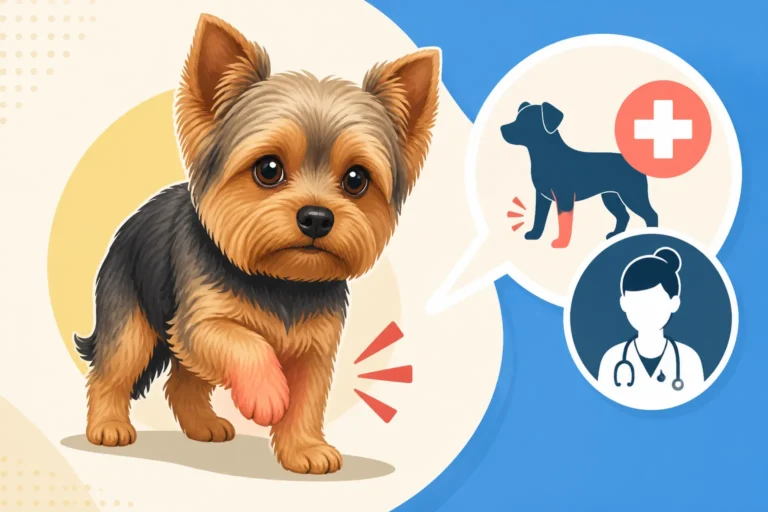
The initial signs of LCP can be quite subtle, often starting as an intermittent lameness that might come and go. You might notice your Yorkie taking an odd step, favoring one leg slightly, or exhibiting what some owners describe as a "bunny hop" when they run. This lameness might improve with rest only to reappear after activity. They might be reluctant to bear full weight on the affected limb, leading to a subtle shift in their gait. Perhaps they’re less eager to jump on the sofa for cuddles or seem a little hesitant before tackling a flight of stairs they once bounded up.
Another early indicator is a pain response when the affected hip is manipulated. If you gently try to extend or rotate your Yorkie's leg and they yelp, flinch, or pull away, that’s a significant red flag. You might also observe a decrease in their overall activity levels. A typically playful Yorkie might suddenly prefer resting over chasing a toy. It's easy to dismiss these early signs as just a clumsy puppy moment or a minor strain, but for a breed prone to LCP, these subtle changes warrant close attention. Keeping a close eye on your Yorkie’s normal behavior and mobility is key to catching these issues early.
Progression of Symptoms
As Legg-Calve-Perthes disease progresses without intervention, the symptoms become much more pronounced and difficult to ignore. The initial intermittent lameness will likely become persistent and severe, making it clear that your Yorkie is in considerable pain. They may start to hold the affected leg up completely, refusing to put any weight on it at all. The constant pain can lead to muscle atrophy in the affected limb, meaning the thigh muscles will start to waste away, making the leg appear noticeably thinner compared to the healthy one. This muscle wasting is a strong indicator of chronic disuse due to pain.
Your Yorkie might also become irritable or develop changes in their normal temperament due to chronic discomfort. A normally sweet-natured pup might snap if you accidentally touch their hip or become withdrawn. You may hear clicking or grinding sounds from the hip joint during movement, indicating bone-on-bone friction as the femoral head deteriorates further. Difficulty with daily activities like standing up, walking, going to the bathroom, or even getting comfortable to sleep can become very challenging. If you notice these severe symptoms, it’s crucial to seek veterinary attention immediately. These advanced signs often mean the disease has progressed significantly, and prompt treatment is essential for pain relief and preventing further joint damage. If you're observing any limping in your furry friend, it's always best to understand Why Is My Yorkie Limping.
Diagnosing Legg-Calve-Perthes: What to Expect at the Vet
When you suspect your Yorkie might have Legg-Calve-Perthes, getting a professional diagnosis from your veterinarian is the next critical step. It can feel nerve-wracking to bring your beloved pet in when they're in pain, but rest assured, your vet has the tools and expertise to pinpoint the problem. Early and accurate diagnosis is essential for effective treatment and managing your Yorkie’s discomfort. For a comprehensive overview of when to seek professional help, consider reading When to Take Your Yorkie to the Vet.
Initial Examination and History Taking
When you arrive at the vet's office, the first thing your veterinarian will do is perform a thorough physical examination of your Yorkie. They'll observe your dog's gait as they walk around the examination room, looking for any signs of lameness, favoring a limb, or abnormal posture. During the examination, your vet will carefully palpate your Yorkie’s hip joints, gently moving the legs to assess their range of motion. They’ll be checking for pain responses, crepitus (a grinding or crackling sound), and any instability in the hip. They’ll also compare the muscle mass in both hind legs to detect any atrophy.
Equally important is the detailed history you provide. Your vet will ask you a series of questions: When did you first notice the limping? Has it been constant or intermittent? Does it seem worse after exercise or in the morning? Has your Yorkie experienced any recent trauma or falls? Have there been any other changes in their behavior, appetite, or activity levels? Providing as much detail as possible about the onset and progression of symptoms will give your vet crucial clues. It also helps them differentiate LCP from other conditions that might cause similar symptoms, such as an injury, a different orthopedic problem like a luxating patella, or even an infection.
Diagnostic Imaging: The Key to Confirmation
While a physical exam can strongly suggest LCP, diagnostic imaging, specifically X-rays (radiographs), is absolutely essential for a definitive diagnosis. Your vet will typically recommend taking X-rays of your Yorkie’s pelvis and hind legs. For proper positioning and to ensure clear images, your Yorkie will likely need to be sedated or given a light anesthetic. This helps them relax and ensures they lie still, allowing for accurate diagnostic views that might be painful otherwise.
On the X-rays, the veterinarian will be looking for characteristic changes in the femoral head and neck. These can include a flattened or irregular femoral head, areas of increased or decreased bone density (which indicate bone death and repair), and potentially a widened joint space. In more advanced cases, they might see evidence of bone fragments or secondary osteoarthritis. Often, a series of views, taken from different angles, will be necessary to get a complete picture of the hip joint's condition. While other imaging techniques like MRI or CT scans can provide even more detailed images, they are usually reserved for complex cases or when the diagnosis remains unclear after standard X-rays. For many cases of LCP in Yorkies, good quality radiographs are usually sufficient to confirm the diagnosis and guide the treatment plan.
Comprehensive Care and Treatment Options for LCP
Once your Yorkshire Terrier has been diagnosed with Legg-Calve-Perthes, the immediate concern shifts to managing their pain and restoring their mobility. Thankfully, there are established treatment protocols that can offer excellent outcomes for Yorkies affected by this condition. The choice of treatment usually depends on the severity of the disease and your Yorkie's overall health and age. Understanding these options will empower you to make the best decision for your furry friend.
Conservative Management: When It's an Option
Conservative management focuses on alleviating pain and limiting the progression of the disease without surgery. This approach typically involves strict rest, administration of pain medications and anti-inflammatory drugs (like NSAIDs), and physical therapy. Strict rest means limiting activity significantly, often with crate rest or leash-only potty breaks, to prevent further damage to the fragile femoral head. Pain medication is crucial to keep your Yorkie comfortable during this period, and your vet will prescribe appropriate dosages. Brands like Rimadyl or Metacam are commonly used, but always follow your vet's specific instructions.
Physical therapy, even in conservative cases, can involve gentle passive range of motion exercises to maintain flexibility in the hip joint and prevent muscle contracture. However, for most cases of Legg-Calve-Perthes, conservative management is rarely a long-term solution. The underlying problem of bone degeneration remains, and as the femoral head continues to break down, the pain and lameness often return or worsen once medications are stopped or activity resumes. It might be considered for very early, mild cases where the changes are minimal, or as a temporary measure if surgery needs to be delayed for other health reasons. But realistically, for a disease that involves bone death and collapse, surgical intervention usually offers the most definitive and lasting relief for your Yorkie.
Surgical Intervention: Femoral Head Ostectomy FHO
For the vast majority of Yorkshire Terriers diagnosed with Legg-Calve-Perthes, surgical intervention is the recommended and most effective course of action. The most common surgical procedure is a Femoral Head Ostectomy, or FHO. During an FHO, the orthopedic surgeon removes the damaged femoral head and neck—the "ball" part of the ball-and-socket joint. This eliminates the painful bone-on-bone grinding that occurs when the degenerated femoral head rubs against the hip socket.
After the femoral head is removed, the body naturally forms a "false joint" (pseudoarthrosis) made of scar tissue. This scar tissue acts as a cushion, allowing the leg to move without the painful friction of bone against bone. Because Yorkies are small and relatively lightweight, they tend to do exceptionally well with FHO surgery. Their smaller stature means their bodies are less burdened by gravity, making it easier for the muscles and scar tissue to support the joint effectively. The goal is to create a pain-free joint and restore functional use of the limb. While the leg may be slightly shorter or have a different range of motion than before, most Yorkies regain excellent mobility and are able to run, play, and live full, active lives after a successful FHO and proper rehabilitation. Pet insurance providers like Healthy Paws often cover a significant portion of the costs associated with FHO surgery, making this vital treatment more accessible for many owners.
Post-Operative Care and Rehabilitation
The success of an FHO surgery for your Yorkie heavily relies on dedicated post-operative care and a thorough rehabilitation program. Immediately after surgery, your Yorkie will need strict rest and comprehensive pain management. Your vet will prescribe a combination of pain relievers and anti-inflammatory medications to keep them comfortable during the initial healing phase. This typically involves crate rest for a few weeks, with only short, controlled leash walks for potty breaks. It’s crucial to prevent jumping, running, or excessive activity that could disrupt the healing process.
Physical therapy usually begins very soon after surgery, often within a few days. Initially, this might involve gentle passive range of motion exercises, where you carefully move your Yorkie's leg through its natural range to prevent stiffness and promote scar tissue formation. As they heal, the exercises will gradually increase in intensity to rebuild muscle strength and encourage weight-bearing. This could include short, slow walks, gentle stretching, and sometimes even hydrotherapy (under supervision). Your veterinary team or a certified canine rehabilitation therapist will guide you through the specific exercises and timeline. Consistent and committed rehabilitation, sometimes over several months, is paramount. With diligent home care and professional guidance, most Yorkies make a fantastic recovery, often resuming their playful antics with significantly reduced pain. For any unforeseen veterinary expenses, including post-op care, many pet parents find peace of mind with robust coverage from providers like Healthy Paws.
Living with LCP and Long-Term Management
Even after successful treatment for Legg-Calve-Perthes, whether through conservative means or FHO surgery, long-term management is crucial to ensure your Yorkshire Terrier maintains a good quality of life. This isn't just about managing symptoms; it's about optimizing their comfort, mobility, and overall well-being for years to come. Understanding how to support your Yorkie moving forward will help you navigate their post-LCP journey with confidence.
Maintaining Quality of Life Post-Treatment
For a Yorkie who has undergone LCP treatment, particularly an FHO, maintaining a healthy and active lifestyle that is modified to their needs is essential. Regular, moderate exercise is key to keeping muscles strong and joints flexible, but high-impact activities like intense jumping or long, strenuous runs might need to be avoided or significantly limited. Instead, focus on controlled walks, gentle play sessions, and perhaps even swimming if your Yorkie enjoys it and your vet approves. These activities build muscle without excessive stress on the "false joint."
Weight management is another critical component. Keeping your Yorkie at a healthy weight prevents unnecessary strain on their joints, especially the operated hip and other weight-bearing limbs. Regular vet check-ups are also vital to monitor the affected hip, assess for any signs of secondary arthritis (which can sometimes develop over time), and adjust pain management or supplement regimens as needed. Many owners find that joint supplements containing ingredients like glucosamine, chondroitin, and MSM can be beneficial in supporting joint health and reducing inflammation, even after surgery. Consulting your vet about specific brands like Nutramax Dasuquin or Cosequin can help you choose the right product for your Yorkie. For more details, you can read about Yorkie Joint Supplements Explained.
Prevention and Genetic Considerations
While LCP is largely considered a genetic condition, making it not entirely preventable through owner actions alone, there are still steps responsible owners can take to minimize risk and ensure early detection. If you are considering bringing a Yorkshire Terrier puppy into your home, it's paramount to choose a reputable breeder who prioritizes the health and genetic screening of their breeding lines. Ask about the health history of the puppy's parents, grandparents, and siblings, specifically inquiring about any incidence of LCP or other orthopedic issues. Responsible breeders are transparent about their dogs' health and often offer health guarantees.
Beyond careful breeding practices, maintaining good nutrition and preventing excessive stress on joints during crucial growth periods can also play a supportive role, although these are not direct preventative measures against the genetic predisposition of LCP. Avoiding scenarios where a very young puppy is allowed to jump excessively from high places or engage in overly strenuous activity may help reduce overall orthopedic strain. Ultimately, understanding that this is largely a genetic issue means early detection through vigilant observation of your puppy's gait and activity is your best tool. Being proactive and scheduling regular veterinary visits, especially during puppyhood, as outlined in a Yorkshire Terrier Puppy Health Guide, can help catch any issues before they become severe. Investing in pet insurance from an early age, perhaps with a provider like Healthy Paws, can also provide financial security should a condition like LCP arise, covering a significant portion of veterinary costs for diagnosis and treatment.
Emotional Support for You and Your Yorkie
It’s easy to focus on the physical aspects of Legg-Calve-Perthes, but the emotional toll it takes on both you and your Yorkie is significant and shouldn't be overlooked. Seeing your spirited little dog in pain or struggling with mobility can be heartbreaking and stressful. Acknowledge your own feelings of worry, frustration, or sadness – it’s a natural part of being a loving pet parent. Finding support groups, either online or in person, where you can connect with other owners who have managed LCP can provide valuable emotional reassurance and practical advice.
For your Yorkie, your consistent presence, patience, and positive reinforcement are incredibly important. During recovery, they might be frustrated by limited activity, so finding alternative ways to engage their minds, such as puzzle toys or gentle training sessions, can be beneficial. Provide a comfortable, supportive environment with soft bedding, and consider ramps or steps to help them access favorite spots without jumping. Maintaining a positive and calm demeanor yourself will directly impact your Yorkie’s recovery and overall mood. They pick up on our emotions, and a confident, reassuring owner can make a world of difference in their healing journey. Remember, you’re not alone in this; there are resources and communities dedicated to supporting pets and their owners through health challenges like LCP.
Here's a quick comparison of the treatment pathways for Legg-Calve-Perthes:
| Feature | Conservative Management | Surgical (FHO) |
|---|---|---|
| Primary Goal | Pain relief, temporary mobility improvement | Permanent pain relief, restored functional mobility |
| Approach | Rest, pain meds, anti-inflammatories, physical therapy | Removal of femoral head/neck, creation of false joint |
| Best Suited For | Very mild, early cases; temporary measure | Most cases, especially moderate to severe, progressive LCP |
| Recovery Time | Variable; ongoing management | Initial weeks of strict rest, followed by 8-12+ weeks rehab |
| Typical Outcome | Often temporary relief; high chance of recurrence/worsening | Excellent functional recovery, pain-free mobility for small breeds |
| Cost Implications | Lower initial; potentially higher long-term if unsuccessful | Higher initial; often one-time cost for definitive treatment |
| Physical Therapy Needs | Ongoing to maintain flexibility | Critical for rebuilding muscle and joint function |
Disclaimer
The information provided in this article is intended for general knowledge and informational purposes only, and does not constitute medical advice. Always consult with a qualified veterinarian for any health concerns or before making any decisions about your pet's medical care.