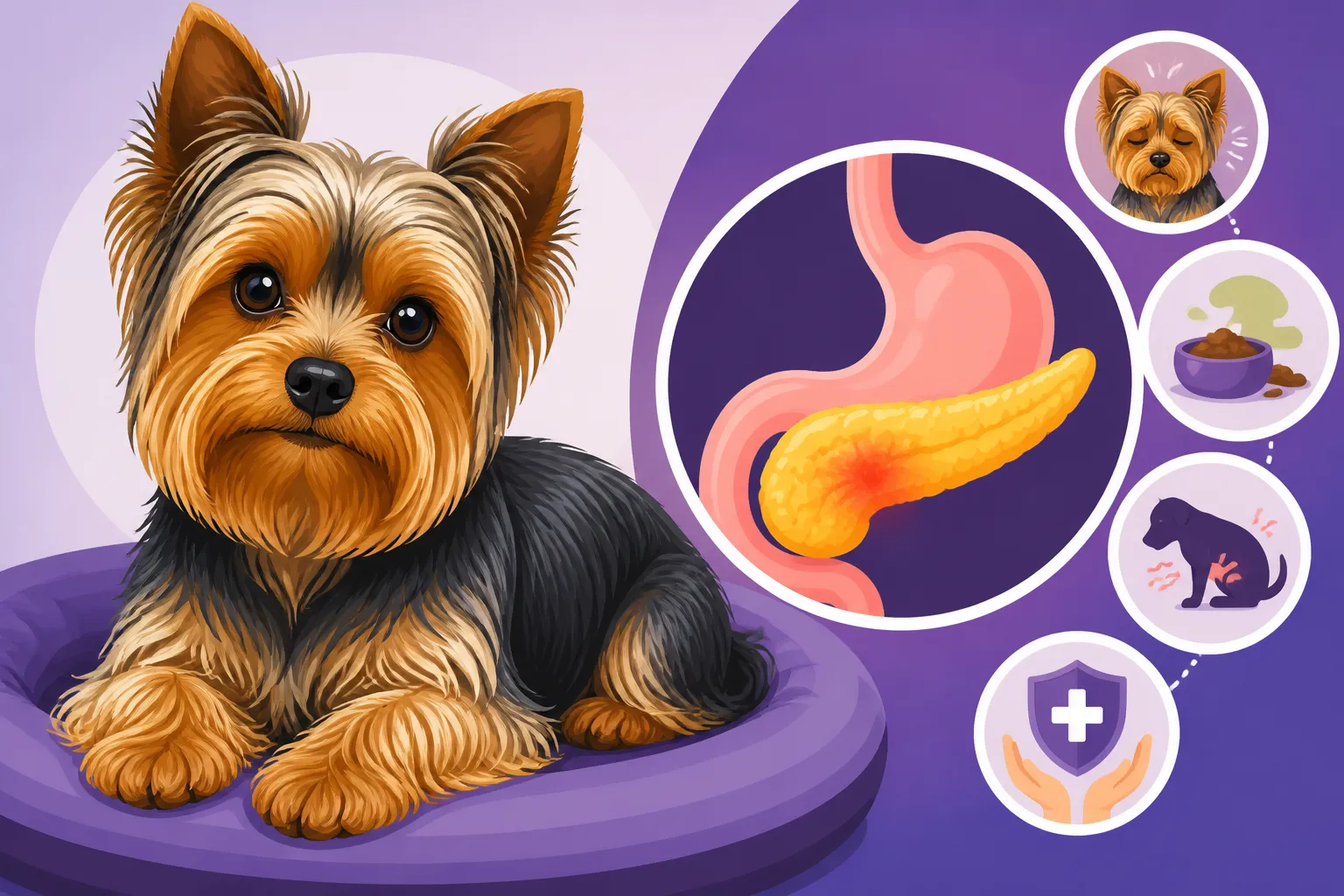
Yorkshire Terrier Pancreatitis: Signs and Care
It’s truly gut-wrenching when your vibrant little Yorkshire Terrier, usually full of boundless energy and sass, suddenly becomes listless, refuses food, or starts vomiting uncontrollably. These aren't just minor upsets; they can be alarming signs of a serious condition like pancreatitis, an inflammation of the pancreas that can be incredibly painful and even life-threatening for our tiny companions. This guide will walk you through everything you need to know about pancreatitis in Yorkies, from recognizing the subtle and overt symptoms to understanding its causes and the crucial steps for care and prevention.
Understanding Pancreatitis in Yorkshire Terriers
Pancreatitis, simply put, is when the pancreas becomes inflamed. This small but mighty organ, nestled near your Yorkie's stomach, plays two vital roles: producing enzymes for digestion and hormones like insulin for blood sugar regulation. When it gets inflamed, those digestive enzymes, instead of waiting to break down food in the small intestine, start attacking the pancreas itself, leading to pain, damage, and a host of nasty symptoms.
The Pancreas and Its Role in Your Yorkie's Health
Your Yorkie's pancreas is a bit of an unsung hero, working diligently behind the scenes. On the digestive front, it produces powerful enzymes – amylase, lipase, and protease – which are essential for breaking down carbohydrates, fats, and proteins in the food your dog eats. Without these, nutrients can't be properly absorbed, leading to malabsorption and other issues. The endocrine function involves producing insulin and glucagon, hormones critical for maintaining stable blood sugar levels. When the pancreas is working correctly, it's a finely tuned machine, but when pancreatitis strikes, this delicate balance is thrown into chaos.
Imagine the pancreas as a small factory with two main production lines. One line makes the tools (digestive enzymes) to break down raw materials (food), and the other makes the fuel regulators (hormones) for the body's energy system. In pancreatitis, the factory's "tools" accidentally activate inside the factory, causing damage and distress, rather than waiting to be deployed safely outside in the digestive tract. This self-digestion is incredibly painful and can quickly escalate into a medical emergency.
Why Yorkies Are Especially Vulnerable to Pancreatitis
Yorkshire Terriers, like many small breed dogs, seem to have a predisposition to developing pancreatitis. While the exact reasons aren't always clear-cut, their genetics, metabolism, and typical lifestyles often put them at a higher risk. They tend to be more sensitive to dietary indiscretions, particularly fatty foods. A sudden rich meal or a dropped piece of greasy human food that wouldn't faze a larger dog could send a Yorkie's pancreas into overdrive.
Their small size also means they have less "buffer" for severe inflammation; an inflamed pancreas takes up a significant portion of their small abdomen, exacerbating discomfort. Furthermore, some research suggests that certain breeds, including Yorkies, may have a genetic component that makes them more susceptible, although this is still being explored. It's a cruel irony that their adorable, often pampered nature, leading to occasional "special treats," can sometimes contribute to such a serious health concern. Many Yorkie parents worry about common issues, and pancreatitis is certainly one of the major Yorkshire Terrier Health Problems to Know.
Recognizing the Alarming Signs of Pancreatitis
Spotting pancreatitis can be tricky because the symptoms can range from mild and vague to severe and sudden. It’s crucial for Yorkie owners to be vigilant, especially given their breed's predisposition. Don't dismiss subtle changes in behavior or appetite; these could be early indicators that something serious is brewing beneath the surface.
Acute Pancreatitis Symptoms to Watch For
Acute pancreatitis comes on suddenly and often severely. This is the kind of emergency that will have you rushing to the vet, heart pounding. The most common signs are:
- Vomiting: This is often severe and repetitive, and your Yorkie might throw up bile, foam, or undigested food. It's not just a one-off puke; it's persistent and distressing.
- Abdominal Pain: This is a hallmark symptom. Your Yorkie might adopt a "prayer position" – front legs down and rear end up – to try and relieve the intense abdominal discomfort. They might also yelp when picked up, become reluctant to move, or guard their belly.
- Diarrhea: Often greasy or yellowish, accompanying the vomiting.
- Loss of Appetite (Anorexia): Your dog will refuse food and even water due to nausea and pain.
- Lethargy and Weakness: They’ll be unusually tired, have no energy, and generally seem unwell.
- Fever: Your Yorkie might feel warm to the touch, and their gums might be brick red.
- Dehydration: Due to vomiting and not drinking, your dog can quickly become dehydrated. You might notice sunken eyes or tacky gums.
If you observe several of these symptoms, especially if they appear suddenly, it's a clear signal for immediate veterinary attention. Don't wait to see if it improves on its own, as acute pancreatitis can rapidly become life-threatening. This is a situation where you need to know When to Take Your Yorkie to the Vet.
Chronic Pancreatitis Subtle Clues
Chronic pancreatitis is a more insidious beast. It involves ongoing, often less severe inflammation that can flare up periodically or persist at a low level over time. The signs can be very subtle and easily mistaken for other minor ailments, making diagnosis more challenging for both you and your vet.
- Intermittent Vomiting or Diarrhea: Your Yorkie might have occasional bouts of stomach upset that seem to come and go. You might think they just ate something wrong, but if it keeps happening, it's a red flag.
- Decreased Appetite or Picky Eating: Instead of a full refusal, your Yorkie might just seem less enthusiastic about food, skip meals, or become unusually selective. When your Yorkie Not Eating: When to Worry, it's important to consider all possibilities, including chronic pancreatitis.
- Mild Lethargy: Your dog might just seem "off" or a bit less playful than usual, but not severely debilitated.
- Weight Loss: Over time, consistent mild inflammation can interfere with digestion and lead to unexplained weight loss.
- Dull Coat: Chronic illness can impact overall health, sometimes manifesting in a lackluster coat.
The key with chronic pancreatitis is recognizing a pattern of recurring, mild digestive upset or general malaise that doesn't quite add up. Keeping a diary of symptoms can be incredibly helpful for your veterinarian to piece together the puzzle. Don't underestimate these subtle signs; they indicate ongoing damage that could lead to more severe acute episodes or other long-term health complications if left unaddressed.
Causes and Risk Factors Behind Yorkie Pancreatitis
Understanding what triggers pancreatitis is half the battle in preventing it and managing its recurrence. While sometimes it seems to strike without a clear cause, there are definite factors that significantly increase a Yorkie's risk.
Dietary Triggers and Fat Intake
The most common and notorious culprit behind pancreatitis in dogs, especially small breeds like Yorkies, is a diet high in fat or a sudden ingestion of a fatty meal. Think about it: our little dogs are often treated like furry children, and it's easy to slip them a piece of bacon, a bit of leftover steak fat, or a bite of cheese. While these might seem like small indulgences to us, for a tiny Yorkie, the sudden influx of rich, fatty food can overwhelm their pancreas.
When a large amount of fat enters the digestive system, the pancreas goes into overdrive to produce enough enzymes to break it down. This overstimulation can lead to those enzymes activating prematurely within the pancreas itself, kickstarting the inflammatory process.
Common dietary triggers include:
- Table Scraps: Gravy, fried foods, fatty meats (bacon, sausage, poultry skin), butter, and even seemingly benign rich dairy products like full-fat cheese.
- Rich Treats: Some commercial dog treats, especially those made with rendered animal fat or high-fat ingredients, can be problematic.
- Sudden Dietary Changes: Abruptly switching to a new, richer food without a gradual transition can sometimes trigger a pancreatic upset, though this is less common than pure fat overload.
- Ingestion of Garbage/Spoiled Food: While less specific to fat, eating something rotten can introduce toxins and irritants that stress the digestive system, including the pancreas.
It's a tough habit to break when your Yorkie gives you those irresistible puppy-dog eyes, but being firm about a low-fat diet and avoiding human foods is one of the most powerful preventative measures you can take.
Underlying Health Conditions and Medications
Diet isn't always the sole factor. Several underlying health conditions and even certain medications can predispose a Yorkie to pancreatitis or exacerbate its severity.
- Hyperlipidemia: This is a condition where there are abnormally high levels of fats (lipids) in the blood. Some Yorkies can be genetically prone to this, making them inherently more susceptible to pancreatitis even with a moderately fatty diet.
- Diabetes Mellitus: Dogs with diabetes are at a higher risk, and conversely, severe pancreatitis can sometimes cause temporary or permanent diabetes due to damage to the insulin-producing cells.
- Hypothyroidism: An underactive thyroid can sometimes lead to hyperlipidemia, indirectly increasing pancreatitis risk.
- Cushing's Disease (Hyperadrenocorticism): This hormonal disorder can also be associated with increased lipid levels and a higher incidence of pancreatitis.
- Trauma to the Abdomen: A severe fall or blow to the abdominal area could potentially trigger pancreatic inflammation, though this is less common.
- Certain Medications: Some drugs, including certain diuretics (e.g., furosemide) and chemotherapy agents, have been linked to pancreatitis in some dogs. Your vet will always weigh the benefits against potential risks if your Yorkie needs these medications.
It's clear that your Yorkie's overall health picture plays a huge role. If your Yorkie has any of these conditions, close monitoring and proactive discussions with your vet about pancreatitis risk are essential. Sometimes, you might also be dealing with other serious issues like Yorkshire Terrier Liver Shunt: Signs and Care, which can further complicate digestive health.
Veterinary Diagnosis and Treatment Pathways
When you suspect pancreatitis, swift veterinary intervention is key. A definitive diagnosis is important to rule out other conditions and ensure your Yorkie receives the appropriate, often intensive, treatment. Don't try to manage suspected pancreatitis at home; it's too dangerous.
Getting a Proper Diagnosis
When you bring your Yorkie in, your vet will start with a thorough physical examination. They’ll look for signs of pain, dehydration, and assess vital signs. Then, they'll likely recommend a series of diagnostic tests.
-
Blood Work:
- Complete Blood Count (CBC): This can show signs of inflammation (e.g., elevated white blood cell count) or dehydration.
- Serum Chemistry Panel: This checks organ function and can reveal elevated liver enzymes (due to secondary liver involvement) or electrolyte imbalances.
- Specific Pancreatic Lipase Immunoreactivity (cPLI) Test: This is the most specific and sensitive blood test for pancreatitis in dogs. Brands like Spec cPL (from IDEXX) are commonly used and can provide a strong indicator of pancreatic inflammation. A high cPLI level strongly suggests pancreatitis.
- Amylase and Lipase Levels: While traditionally used, these enzymes are less specific to the pancreas and can be elevated for other reasons, so they are not as reliable as cPLI.
-
Abdominal Ultrasound: This is an invaluable tool. A veterinary radiologist can visualize the pancreas, looking for enlargement, changes in texture, fluid accumulation around the pancreas, or other abnormalities. It can also help rule out other causes of vomiting and abdominal pain, such as foreign bodies or tumors.
-
X-rays (Radiographs): While X-rays don't directly show the pancreas, they can rule out other issues like intestinal obstructions or severe gas buildup, which might mimic pancreatitis symptoms. They might show a loss of detail in the upper abdomen, suggesting inflammation.
Your vet will combine these findings with your Yorkie's clinical signs and history to confirm a diagnosis. The sooner this happens, the better the prognosis.
Managing Acute and Chronic Pancreatitis
Treatment for pancreatitis focuses on supportive care, pain management, and addressing any underlying causes. The approach will vary depending on whether it's an acute, severe episode or a chronic, low-grade condition.
Acute Pancreatitis Treatment
Acute pancreatitis often requires hospitalization and intensive care.
- Fluid Therapy: Intravenous (IV) fluids are paramount to combat dehydration, maintain electrolyte balance, and flush out toxins. This is often the cornerstone of treatment.
- Pain Management: Pancreatitis is incredibly painful. Your vet will administer strong pain medications (analgesics) to keep your Yorkie comfortable. This might include opioids or other veterinary-approved pain relievers.
- Anti-Nausea Medications: To control vomiting and reduce discomfort, antiemetics are crucial. Stopping the vomiting helps prevent further dehydration and allows your Yorkie to feel better.
- Nutritional Support: Initially, food is often withheld for 12-24 hours to give the pancreas a rest. However, prolonged fasting is no longer recommended. Once vomiting is controlled, a highly digestible, ultra-low-fat diet is introduced, often in very small, frequent meals. In severe cases, a feeding tube might be necessary to provide nutrition.
- Antibiotics: While pancreatitis is not typically caused by bacteria, antibiotics may be prescribed if there's a risk of secondary bacterial infection.
- Plasma Transfusions: In very severe cases with significant inflammation and protein loss, a plasma transfusion might be considered.
The recovery from acute pancreatitis can be slow and requires vigilant monitoring. The first few days are critical.
Chronic Pancreatitis Management
Chronic pancreatitis is about long-term management to prevent flare-ups and minimize ongoing damage.
- Strict Dietary Management: This is the most crucial aspect. Your Yorkie will likely need a prescription low-fat, highly digestible diet for the rest of their life. This might be a commercial therapeutic diet, or a carefully balanced homemade diet under veterinary guidance.
- Pain Control: During flare-ups, pain medication will be needed. For ongoing mild discomfort, your vet might prescribe non-steroidal anti-inflammatory drugs (NSAIDs) or other pain relievers.
- Enzyme Supplements: If the pancreas's ability to produce digestive enzymes is compromised long-term (exocrine pancreatic insufficiency, EPI), your Yorkie might need pancreatic enzyme supplements added to their food.
- Vitamin B12 Supplementation: Chronic pancreatitis can sometimes lead to a deficiency in Vitamin B12, so supplementation might be necessary.
- Regular Monitoring: Ongoing blood tests (like cPLI) and check-ups will be part of the routine to monitor pancreatic health.
Managing either form of pancreatitis can be an emotional and financial strain. This is where having a good pet insurance plan, like one from Healthy Paws, can really make a difference, helping cover the costs of diagnostics, hospitalization, and ongoing medications. It’s important to understand the Yorkshire Terrier Vet Costs and Health Budget you might face.
Long-Term Management and Prevention Strategies
Living with a Yorkie who has experienced pancreatitis means committing to a lifestyle geared towards prevention. While you can't guarantee it won't happen again, you can significantly reduce the risk and improve their quality of life with careful management.
Dietary Adjustments for Recovery and Prevention
This is truly the cornerstone of long-term care for any Yorkie with a history of pancreatitis. Think of it as a non-negotiable part of their daily life.
- Ultra-Low-Fat, Highly Digestible Diet: Your veterinarian will almost certainly prescribe a therapeutic, low-fat diet. These diets are specifically formulated to be easy on the pancreas, minimizing the need for excessive enzyme production. Common brands include Hill's Prescription Diet i/d Low Fat, Royal Canin Gastrointestinal Low Fat, and Purina Pro Plan Veterinary Diets EN Gastroenteric Fiber Balance. It's not just about fat content; the ingredients are carefully selected for high digestibility.
- Real-life scenario: Sarah, whose Yorkie Pippin suffered a severe acute pancreatitis attack after sneaking a bite of a fatty pork chop, learned this lesson the hard way. Now, Pippin eats only his prescription kibble, and Sarah meticulously checks the fat content of any treats. She even makes her own boiled chicken breast (skinless, boneless) as an occasional, approved treat, ensuring it's as lean as possible.
- No Table Scraps, Ever: This can be the hardest rule to enforce, especially with those adorable Yorkie eyes. However, even a small piece of fatty human food can trigger a relapse. Educate everyone in your household and any visitors about the strict dietary rules. It's simply not worth the risk.
- Limited, Approved Treats: If you must give treats, they need to be extremely low-fat. Cooked sweet potato, carrots, small pieces of air-popped popcorn (plain), or special low-fat veterinary treats are generally safe options. Always introduce new treats slowly and in tiny amounts.
- Consistent Feeding Schedule: Feeding small, frequent meals can also be beneficial as it reduces the load on the pancreas at any one time. Instead of two large meals, consider three or four smaller ones throughout the day.
Remember that diet is a lifelong commitment. Any deviation, even a seemingly small one, can have serious consequences.
Lifestyle Changes and Monitoring
Beyond diet, integrating specific lifestyle changes and maintaining a vigilant eye on your Yorkie's health are vital.
- Weight Management: Keeping your Yorkie at a healthy weight is crucial. Obesity can increase the risk of hyperlipidemia and put additional strain on the pancreas. Work with your vet to determine your Yorkie's ideal weight and how to achieve it if they are overweight. This may involve calorie-controlled feeding and appropriate exercise.
- Regular Exercise (Moderate): Gentle, regular exercise helps maintain a healthy weight and promotes overall well-being. Avoid overly strenuous activity, especially after meals, but don't let your Yorkie become a couch potato. Short, leashed walks around the block or indoor play sessions are usually perfect for a Yorkie's needs.
- Stress Reduction: While not a direct cause, stress can impact a dog's digestive system and overall health. A stable, calm environment, consistent routines, and plenty of positive interaction can help minimize stress.
- Medication Review: If your Yorkie is on any long-term medications, periodically discuss with your vet whether those drugs could be contributing to pancreatic risk, especially if new options are available or doses can be adjusted.
- Routine Veterinary Check-ups: Regular vet visits are essential, even if your Yorkie seems fine. Your vet can perform routine blood work to monitor pancreatic enzyme levels and overall health, catching potential issues before they escalate. Early detection, especially for conditions like chronic pancreatitis, can make a huge difference in management. During these visits, discussing your observations of their appetite, energy, and stool quality can help your vet get a full picture.
- Be Prepared for Relapse: Despite best efforts, pancreatitis can recur. Have your vet's emergency number handy and know the signs of a flare-up. An emergency fund, potentially supplemented by pet insurance like Healthy Paws, can alleviate financial stress during unexpected medical crises. Knowing what to do in an emergency, including recognizing Yorkie Emergency Symptoms to Never Ignore, is a must.
By taking these proactive steps, you're not just managing a condition; you're actively safeguarding your beloved Yorkie's health and helping them live a comfortable, happy life.
When to Seek Emergency Veterinary Care
Knowing when to act swiftly can make all the difference in a pancreatitis crisis. While we've talked about symptoms, it's worth reiterating the absolute red flags that mean you need to drop everything and head to the emergency vet, no questions asked.
Identifying Emergency Symptoms
If you see any of these signs in your Yorkie, it's not a "wait and see" situation. These are indicative of severe illness that requires immediate professional attention:
- Persistent, uncontrollable vomiting: If your Yorkie is vomiting repeatedly and can't keep anything down, including water, they are rapidly dehydrating and may be in severe pain. This is a critical emergency.
- Severe abdominal pain: Your Yorkie is hunched over, yelping, refusing to move, or showing extreme sensitivity to touch around their belly. The "prayer position" is a strong indicator of severe abdominal discomfort.
- Extreme lethargy or collapse: If your Yorkie is unresponsive, struggling to stand, or collapses, their condition is critical.
- Rapid breathing or difficulty breathing: This could indicate severe pain, shock, or other serious complications.
- Pale or blue-tinged gums: These are signs of shock or poor oxygenation and require immediate intervention.
- Weakness or unsteadiness: If your Yorkie is suddenly unable to walk properly or seems extremely weak, get to the vet.
- Any combination of severe gastrointestinal signs (vomiting, diarrhea) with profound lethargy or pain.
Do not attempt to give your Yorkie food or water if they are vomiting profusely or in severe pain, as this can worsen the situation. Your primary goal is to get them to a veterinary professional as quickly and safely as possible. When your Yorkie Vomiting: When to Worry, it's often linked to serious issues. Similarly, if your Yorkie Diarrhea: When to Worry, especially when combined with other symptoms, it can be a red flag for pancreatitis.
Preparing for a Vet Visit During an Emergency
In the panic of an emergency, it's easy to forget important details. A little preparation can help your vet immensely.
- Call Ahead: If possible, call your regular vet or the emergency clinic on your way. This allows them to prepare for your arrival and expedite treatment.
- Gather Information: Try to recall when the symptoms started, what they are, if your Yorkie ate anything unusual, and any medications they are currently taking. Mention if they have a history of pancreatitis or other health conditions.
- Bring Any Medications: If your Yorkie is on any prescription medications, bring them along so the vet has an accurate list of their current regimen.
- Stay Calm (as much as possible): Your Yorkie will pick up on your stress, which can make them even more anxious. Take deep breaths and focus on getting them the care they need.
Emergency veterinary care can be costly, but your Yorkie's life is priceless. Having a plan, knowing the signs, and being prepared can significantly improve the outcome in a pancreatitis emergency. Choosing a vet who understands the unique needs of Yorkies is also important; here's some advice on How to Choose a Vet for a Yorkie.
Disclaimer
This article is intended for informational purposes only and does not constitute medical advice. Always consult with a qualified veterinarian for any health concerns or before making any decisions about your pet's health or treatment plan.