Why Is My Yorkie Not Eating
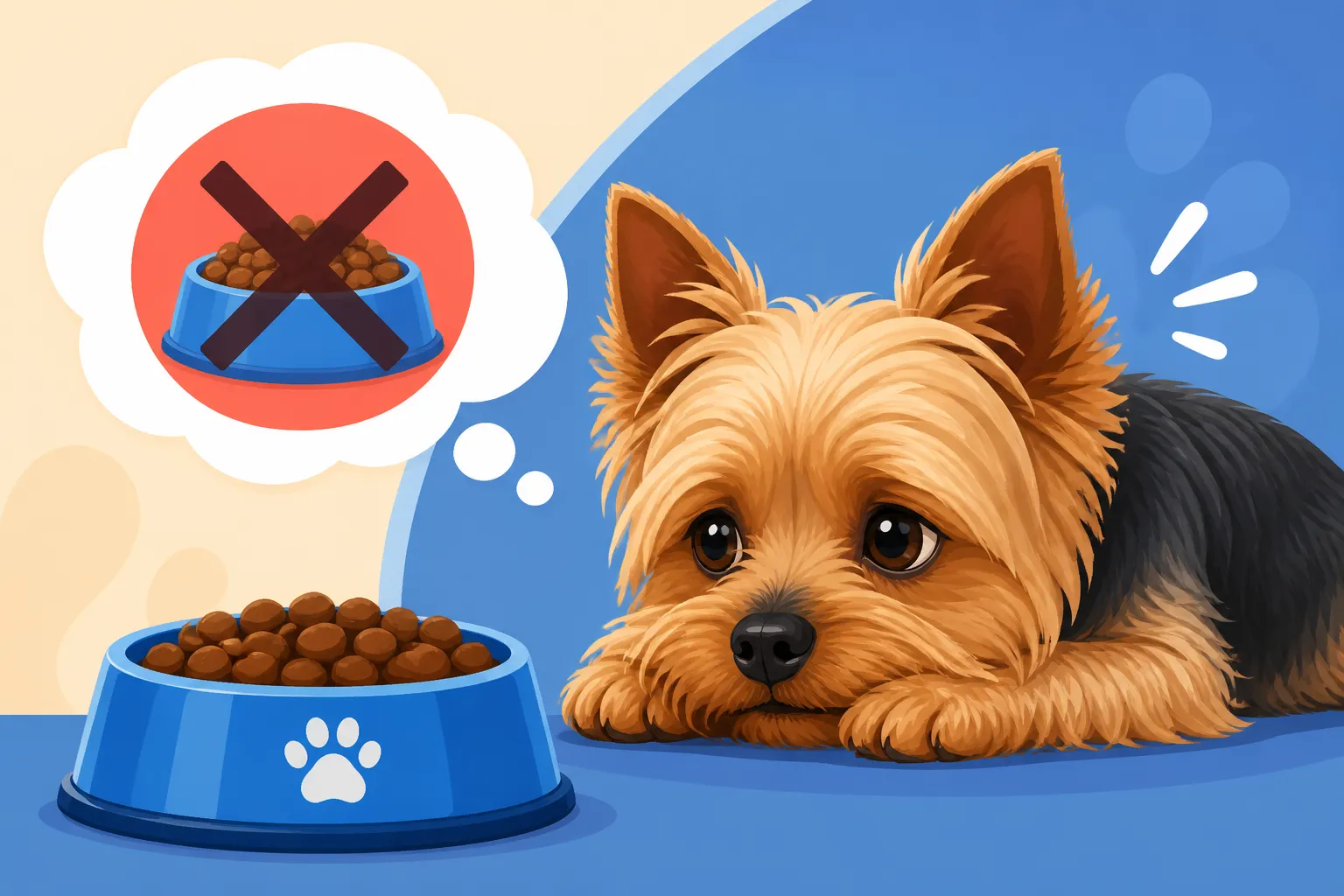
It's incredibly distressing, isn't it, when your tiny Yorkshire Terrier, usually such an enthusiastic eater, suddenly turns their nose up at their food bowl? This abrupt change in appetite can send any dedicated Yorkie parent into a tailspin of worry, and rightly so. Your little companion depends on you for everything, and when they stop eating, it's often a clear signal that something isn't quite right. This comprehensive guide will walk you through the many potential reasons why your beloved Yorkie might be refusing their meals, from minor behavioral quirks to more serious health concerns, and equip you with actionable steps to help them get back on track.
Common Medical Reasons Your Yorkie Won't Eat
When your Yorkie, who normally dances with joy at mealtime, suddenly acts indifferent to their food, a medical issue is often the first thing to rule out. Their small size makes them particularly vulnerable to health changes, and a loss of appetite, or anorexia, is a very common symptom across a wide range of conditions.
Dental Problems and Oral Pain
Imagine trying to eat your favorite meal when you have a throbbing toothache or a sore gum. That's precisely what many Yorkies experience, and it's a huge reason they stop eating. These little dogs are incredibly prone to dental disease, more so than many larger breeds. Plaque and tartar build up rapidly, leading to gingivitis, painful tooth decay, and even abscesses. A broken or loose tooth, too, can make chewing excruciating.
You might notice your Yorkie sniffing their food, maybe even picking up a piece, only to drop it right away or whimpering as they try to chew. Sometimes, they'll tilt their head or show discomfort when you touch their mouth area. If you can, gently lift their lip to check for red, swollen gums, brown tartar, or missing teeth. Ignoring these signs can lead to more severe problems, as dental bacteria can enter the bloodstream and affect vital organs. Regular professional cleanings are crucial for these little guys, and you can learn more about how to keep their teeth healthy in our guide on Yorkshire Terrier Dental Care Guide.
Gastrointestinal Upset and Digestive Issues
Just like us, Yorkies can suffer from a sensitive stomach, and a wide array of digestive issues can instantly dampen their desire to eat. Vomiting and diarrhea are obvious signs that their tummy is troubled, but sometimes the upset is more subtle, manifesting primarily as a loss of appetite.
This can range from a simple case of eating something they shouldn't have (a tiny crumb from the floor can be a big deal for a small Yorkie!) to more serious conditions like pancreatitis. Pancreatitis, an inflammation of the pancreas, is unfortunately common in Yorkies, often triggered by fatty foods. It causes severe abdominal pain, nausea, and, of course, a complete refusal to eat. Other issues like inflammatory bowel disease, parasites, or even a sudden change in diet can all throw their digestive system into disarray. If your Yorkie is also exhibiting Why Is My Yorkie Vomiting or Why Is My Yorkie Diarrhea, it’s a clear sign to consult your vet.
Underlying Illness or Pain
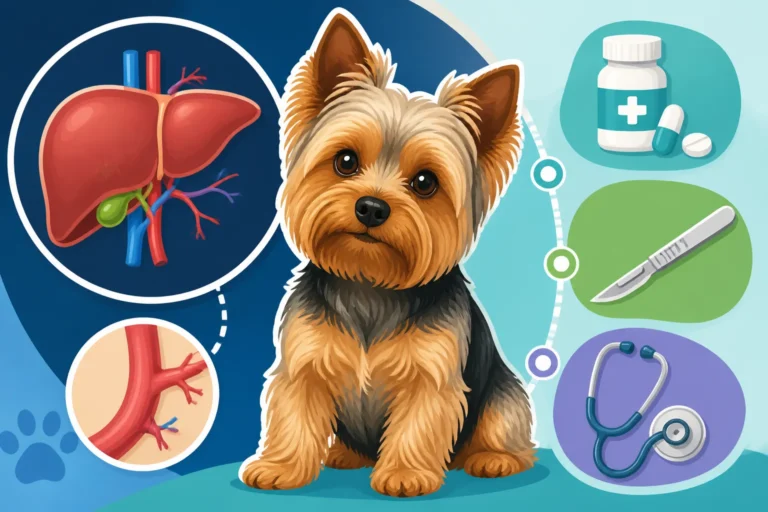
Anorexia can be a warning sign for a much broader range of health problems, some of which are more systemic and affect their overall well-being. Kidney disease, liver issues (such as a portosystemic shunt, a condition Yorkies are genetically predisposed to), diabetes, or even certain cancers can all cause a decline in appetite. These conditions often make a dog feel generally unwell, nauseous, or simply too weak to eat.
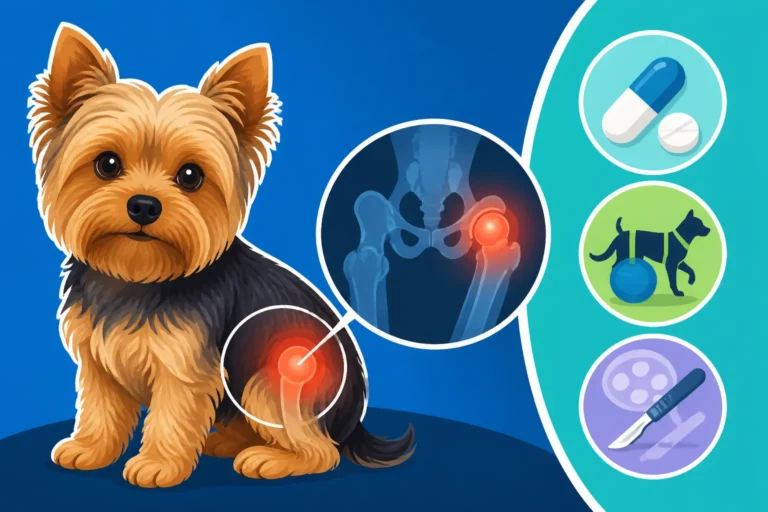
Even less obvious pain, such as from arthritis in older Yorkies, a sprain, or a Yorkshire Terrier Patellar Luxation: Signs and Care, can make it uncomfortable for them to stand over their bowl or even move to get to it. Sometimes, the pain is internal and not immediately visible. This is where your keen observation skills become paramount. Are they lethargic? Hiding? Reluctant to be handled? These subtle cues, combined with a refusal to eat, warrant immediate veterinary attention. For a full rundown of potential issues, check out our guide on Yorkshire Terrier Health Problems to Know.
Medication Side Effects and Recent Vaccinations
Sometimes, the culprit isn't a new illness but a necessary treatment. Many medications, especially antibiotics, anti-inflammatories, or pain relievers, can cause gastrointestinal upset or a general feeling of nausea, leading to a temporary loss of appetite. If your Yorkie has recently started a new prescription and suddenly stops eating, it’s worth discussing with your veterinarian. They might be able to suggest an alternative medication or advise on how to mitigate the side effects.
Similarly, it's not uncommon for dogs, particularly sensitive little Yorkies, to feel a bit under the weather after vaccinations. They might be lethargic, have a mild fever, or experience a temporary dip in appetite for a day or two. This usually resolves on its own, but if it persists longer or is accompanied by other severe symptoms, it’s always best to check with your vet.
Behavioral and Environmental Factors Affecting Appetite
Beyond medical concerns, sometimes a Yorkie's refusal to eat stems from psychological or environmental factors. These little dogs are highly sensitive and creatures of habit, making them susceptible to changes in their world.
Stress, Anxiety, and Changes in Routine
Yorkies thrive on routine and stability. Any disruption can throw them off balance and impact their appetite. Moving to a new home, a new person or pet joining the household, a recent trip, or even just a change in your work schedule can cause significant stress or separation anxiety. A stressed Yorkie might feel too anxious to eat, or they might be so preoccupied with their worry that food simply isn't a priority.
Think about it: if you're worried about something big, does your appetite stay robust? Probably not. It's the same for our furry friends. Even subtle changes, like a new brand of cleaning product or loud construction noise outside, can make them feel uneasy. If you suspect stress is the issue, try to identify the stressor and, if possible, remove or mitigate it. Creating a safe, quiet space for them and maintaining a consistent feeding schedule can help.
Picky Eating Habits and Food Aversion
Ah, the infamous picky eater! Yorkies, with their spirited personalities, can certainly develop a knack for being finicky. Sometimes, they're not sick at all; they're just holding out for something better. This can happen if they've been given too many treats, table scraps, or if you've been constantly switching their food in an attempt to find something they like. They quickly learn that if they refuse their regular meal, something tastier might come along.
Food aversion can also occur if they've had a negative experience associated with their food, such as eating it right before a stressful event or if the food itself has gone stale or rancid. They might even develop a dislike for a specific food if it once made them feel sick. It's a delicate balance to manage a picky eater without inadvertently reinforcing their pickiness. Providing a consistent diet of Best Dog Food for Yorkshire Terriers and limiting treats can be a good start.
Dietary Issues and Nutritional Considerations
What you feed your Yorkie, how you feed it, and even the type of bowl it's in can all play a role in their appetite. Sometimes, the problem is right there in the food bowl itself.
Unsuitable or Spoiled Food
It sounds obvious, but let's be real – sometimes we forget to check the basics. Is the food fresh? Dry kibble can go stale, especially if stored improperly. Opened wet food needs to be refrigerated and used within a few days. Always check the expiration date. More importantly, is the food suitable for your Yorkie? Some foods might cause an upset stomach due to specific ingredients, or perhaps the kibble size is too large for their tiny mouths, making it difficult to chew comfortably.
A sudden switch to a new food, even if it's a high-quality one, can also cause digestive upset and lead to a temporary loss of appetite. Yorkies often have sensitive systems, and dietary changes should always be introduced gradually over several days. If you're pondering a diet change, make sure to transition them slowly by mixing increasing amounts of the new food with decreasing amounts of the old food over about a week.
Too Many Treats or Table Scraps
This is a big one for many small dog owners! We love to spoil our Yorkies, and those big, soulful eyes are hard to resist. But feeding too many treats or, worse, sharing human food from the table can drastically reduce their appetite for their regular, nutritionally balanced meals. If your Yorkie is filling up on high-calorie, often less nutritious treats or tidbits, they simply won't be hungry for their kibble.
Not only does this lead to picky eating, but it can also cause digestive upset and contribute to weight gain, which is detrimental to their overall health. Remember, a tiny Yorkie doesn't need much food, so even a small amount of human food can feel like a full meal to them. Establishing clear boundaries around treats and meal times is essential for their health and good eating habits.
What to Do When Your Yorkie Refuses Food
When your little furball isn't eating, it's natural to feel helpless. But there are several steps you can take, ranging from simple home adjustments to urgent veterinary care.
When to Seek Veterinary Attention Immediately
This is perhaps the most crucial point for any Yorkie parent. Given their small size, Yorkies can dehydrate and become hypoglycemic (low blood sugar) very quickly, especially puppies or senior dogs. A persistent refusal to eat, particularly if accompanied by other symptoms, is a serious matter.
You should contact your vet immediately if your Yorkie:
- Has not eaten for more than 24 hours (for puppies, even 12 hours can be an emergency).
- Is also vomiting, has severe diarrhea, or blood in their stool.
- Is extremely lethargic, weak, disoriented, or collapsing.
- Shows signs of pain, such as whimpering, panting excessively, or a hunched posture.
- Has pale gums.
- Experiences seizures.
These are critical Yorkie Emergency Symptoms to Never Ignore. Don't wait to see if it gets better, as their condition can deteriorate rapidly. A quick call to your vet at the first sign of these symptoms can make all the difference. Organizations like Healthy Paws also emphasize the importance of timely vet visits for sudden health changes, as pet insurance can help manage the unexpected costs that can arise from these emergencies.
Home Care Strategies for a Reluctant Eater
If your Yorkie is still active, hydrated, and doesn't show any other alarming symptoms, you can try some gentle home interventions. Remember, these are temporary solutions and shouldn't replace vet advice if the problem persists.
Tempting Their Palate
Sometimes, a little nudge is all they need. Try making their food more appealing:
- Warm it up: Slightly warming wet food or adding a bit of warm, low-sodium chicken broth (ensure it has no onions or garlic!) to kibble can release aromas that stimulate appetite.
- Add a topper: A tiny bit of plain cooked chicken, boiled egg, or pureed pumpkin can entice them. Be mindful of portion sizes and avoid rich, fatty additions.
- Offer a bland diet: If you suspect a mild stomach upset, try plain boiled chicken (skinless, boneless) and white rice for a day or two. Offer very small amounts frequently.
- Hand-feeding: For an anxious or unwell Yorkie, sometimes the reassurance of being hand-fed can encourage them to eat. This can also help you monitor how much they are consuming.
Environmental Adjustments and Routine
Examine your Yorkie's eating environment and daily routine. Small changes can sometimes make a big difference.
- Quiet eating space: Ensure their feeding area is calm and free from distractions. A busy household, loud noises, or other pets trying to get to their food can be stressful.
- Consistent schedule: Try to feed your Yorkie at the same times each day. Yorkies thrive on predictability. Don't leave food down all day, as this can encourage picky eating and attract pests. Offer food for 15-20 minutes, then pick it up until the next mealtime. This method can also help How to Help a Picky Yorkie Eat.
- Check their bowl: Is the bowl clean? Is it too deep for their small face, causing whisker fatigue? Some Yorkies prefer shallow bowls or even plates. Stainless steel or ceramic bowls are often recommended for hygiene.
- Hydration is key: While not directly about eating, ensuring your Yorkie drinks enough water is vital, especially if they're not eating. Offer fresh water frequently, or even a pet-safe broth or an ice cube if they're struggling.
Here's a quick reference table to help you assess the situation:
| Symptom/Observation | Potential Cause (Common) | Recommended Action (Initial) | When to See a Vet |
|---|---|---|---|
| Not eating, otherwise normal | Picky eating, stress, new food | Try warming food, quiet space, strict feeding schedule | If not eating after 24 hours (12 hrs for puppies) |
| Not eating, bad breath, drooling | Dental pain, gum disease | Inspect mouth if possible, offer soft food | Immediately for severe pain/swelling, persistent refusal |
| Not eating, vomiting, diarrhea | GI upset, pancreatitis, infection | Offer bland diet (boiled chicken/rice), ensure hydration | Immediately, especially if lethargic or persistent |
| Not eating, lethargic, weak | Hypoglycemia, systemic illness, pain | Offer bland food/glucose if known hypoglycemia, monitor | Immediately (emergency for hypoglycemia or severe weakness) |
| Not eating, recent medication | Medication side effect | Consult vet about dosage/alternative, offer tempting food | If symptoms are severe or persist >24-48 hours |
| Not eating, older dog, slow movement | Arthritis, senior health issues | Offer warm, soft food, raise food bowl | For diagnosis of underlying cause, pain management |
Ultimately, your intuition as a pet parent is invaluable. You know your Yorkie best. If something feels off, and their refusal to eat persists or is accompanied by other worrying signs, don't hesitate to reach out to your veterinarian. Proactive care is always the best path to ensure your tiny companion enjoys a long, happy, and well-fed life. For more detailed information on senior care, check out our guide on Yorkshire Terrier Senior Care Guide.
Disclaimer
The information provided in this article is for general informational purposes only and is not a substitute for professional veterinary advice, diagnosis, or treatment. Always seek the advice of your veterinarian or other qualified health provider with any questions you may have regarding a medical condition for your Yorkshire Terrier. Never disregard professional veterinary advice or delay in seeking it because of something you have read in this article.