Yorkshire Terrier Hypothyroidism: Signs and Care
It's incredibly unsettling when our beloved Yorkshire Terriers start showing subtle changes, isn't it? One day they're their usual spunky selves, full of playful energy, and the next, you notice a slight dip, a dullness in their once-lustrous coat, or perhaps a puzzling weight gain that doesn't make sense. These small shifts often go unnoticed or are dismissed as "just getting older," but they can be whispers of a more significant underlying issue: hypothyroidism. This guide is here to shed light on Yorkshire Terrier hypothyroidism, helping you understand its signs, navigate diagnosis, and provide the best possible care for your furry family member.
Understanding Hypothyroidism in Yorkshire Terriers
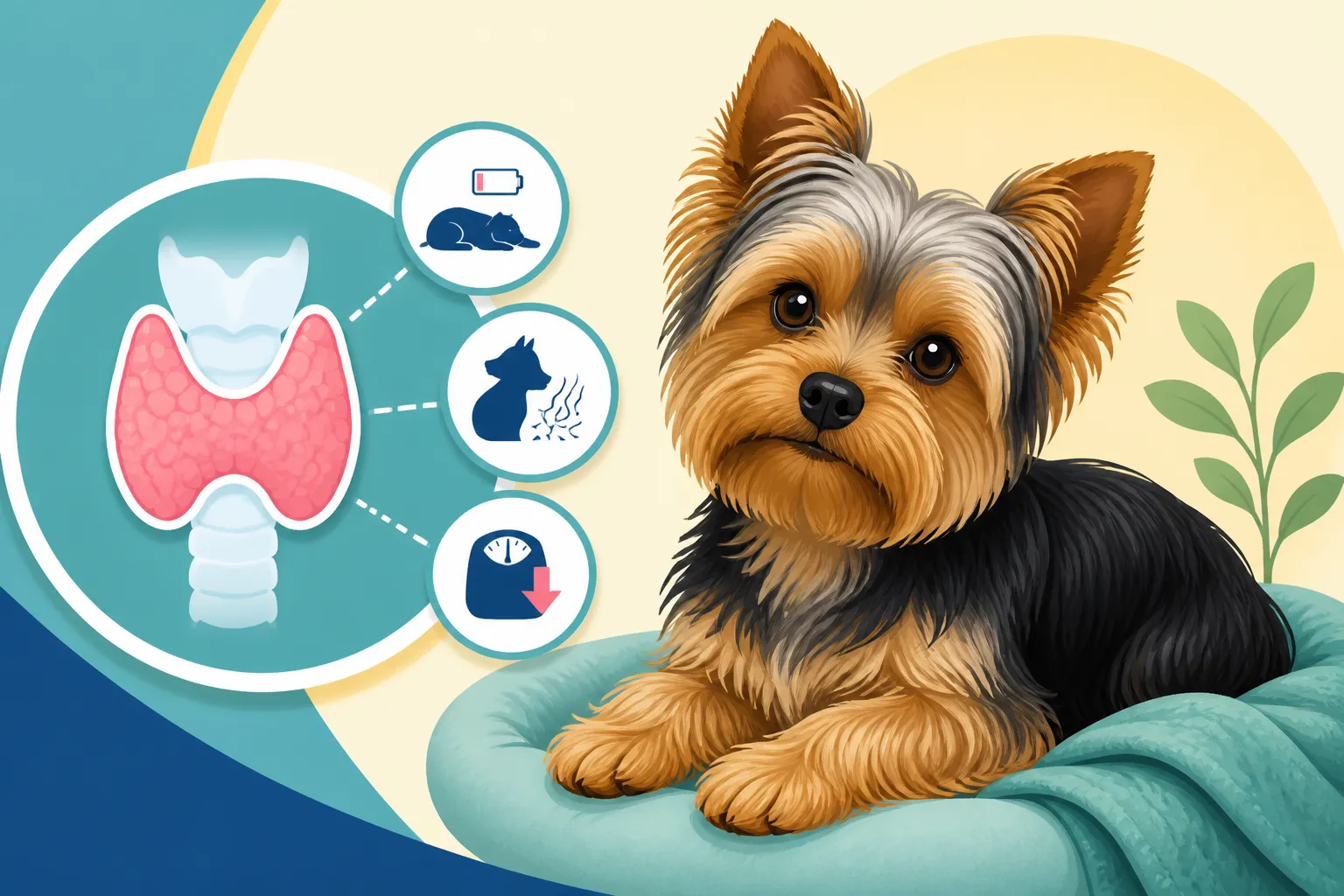
Hypothyroidism, in the simplest terms, is a condition where your dog's thyroid gland, located in their neck, isn't producing enough thyroid hormones. These hormones are absolutely crucial for regulating metabolism in every cell of their body. When production dips, everything slows down, leading to a cascade of often subtle but impactful symptoms. It’s not always obvious, especially in our tiny Yorkies, whose zest for life can sometimes mask early signs.
What is Hypothyroidism?
Imagine your Yorkie’s body as a complex machine. The thyroid hormones, primarily thyroxine (T4) and triiodothyronine (T3), are like the essential fuel that keeps all the engine's parts running smoothly and at the right speed. They influence everything from how quickly cells use energy to maintaining body temperature, supporting heart function, and keeping skin and coat healthy. When there's a deficiency, this "fuel" supply dwindles, causing various bodily functions to decelerate. This can lead to a dog feeling sluggish, gaining weight easily, having skin issues, and even changes in their personality. It’s a chronic condition, meaning it's something that, once diagnosed, usually requires lifelong management. The good news is, with proper treatment, most hypothyroid dogs can lead full, happy lives.
Why Yorkies Are Susceptible
While hypothyroidism can affect any breed, some breeds, including Yorkshire Terriers, do show a higher predisposition. This isn't to say every Yorkie will develop it, but it's certainly a condition that conscientious Yorkie parents should be aware of. The exact reasons for this breed susceptibility aren't always clear, but it often comes down to genetics. Some research suggests an autoimmune component where the dog's immune system mistakenly attacks its own thyroid gland, slowly destroying its ability to produce hormones. This is known as lymphocytic thyroiditis and is the most common cause of primary hypothyroidism in dogs. Because of their size and sometimes finicky eating habits, Yorkie owners might initially attribute symptoms to other issues, making early detection a bit trickier. It’s vital to remember that understanding Common Yorkshire Terrier Genetic Conditions can help you be more proactive in their healthcare.
The Silent Onset of Symptoms
One of the most frustrating aspects of hypothyroidism is its insidious nature. It doesn't usually hit suddenly like an acute infection. Instead, symptoms often creep up gradually over months, or even years, becoming more pronounced as the hormone deficiency worsens. This slow progression can make it incredibly difficult for pet parents to pinpoint exactly when things started to go awry. You might just notice your once-energetic Yorkie is now more content to nap, or their beautiful silky coat seems a bit dry or sparse. This "silent" onset means that by the time you're truly concerned, the condition might be fairly advanced. It's why paying close attention to any minor changes in your Yorkie's demeanor or physical appearance is so crucial. Early detection can lead to a better quality of life and prevent more severe complications down the road.
Recognizing the Subtle Signs of Hypothyroidism in Your Yorkie
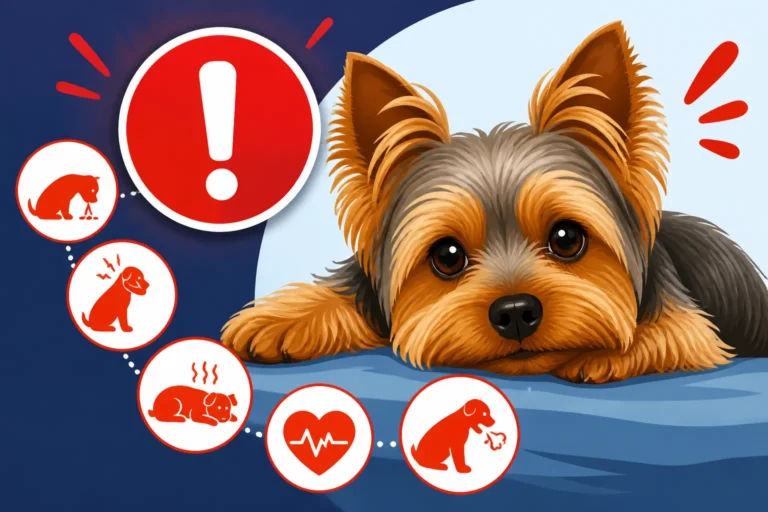
Because Yorkies are small and often quite robust in personality, some of the classic signs of hypothyroidism can be subtle or easily mistaken for other issues. It’s not always the dramatic, textbook case you might read about online. For us Yorkie parents, it means being extra vigilant and knowing what to look for, even if it seems minor at first. Paying attention to these subtle cues can make all the difference in getting an early diagnosis. If you’re ever wondering if your Yorkie is showing concerning signs, it’s always best to consult with your vet to evaluate if these are Signs Your Yorkshire Terrier Is Sick.
Behavioral and Energy Changes
Has your formerly zippy little Yorkie started acting more like a couch potato? One of the most common and often earliest indicators of hypothyroidism is a noticeable decrease in energy levels and a general lethargy. They might be less enthusiastic about walks, uninterested in playtime, or just sleep more than usual. You might find them less responsive to commands or even seem a bit dull mentally, lacking their usual spark. Some owners report a change in temperament too; a previously friendly Yorkie might become more withdrawn or even irritable. It's important to differentiate this from normal aging, as many symptoms can overlap with a Yorkshire Terrier Senior Care Guide. However, a significant shift in energy that isn't explained by other factors warrants investigation. For instance, if your Yorkie used to greet you at the door with excited barks and tail wags, but now just lifts their head before settling back down, it’s a sign worth noting.
Coat and Skin Anomalies
The health of a Yorkie's coat is often a point of pride for their owners, so changes here can be particularly distressing. Hypothyroidism frequently manifests through various skin and coat issues. You might notice dry, brittle hair that breaks easily, or perhaps a dullness and lack of luster. Hair loss, or alopecia, is also very common, often appearing symmetrically on the body, especially on the flanks, tail, and bridge of the nose, but typically sparing the head and limbs. The skin itself can become dry, flaky, or even thickened and darker in color, a condition known as hyperpigmentation. Some Yorkies might develop "rat tail," where the hair on the tail becomes sparse or completely falls out. Excessive shedding beyond what's typical for the breed is another red flag. These changes are a direct result of the slowed metabolism affecting hair follicle health and skin cell turnover.
Weight Gain and Body Temperature Issues
Despite no changes in diet or exercise, a hypothyroid Yorkie might start to gain weight, and it's not just a little extra fluff. This is because their metabolism has slowed down dramatically, meaning their body isn't burning calories as efficiently. Even if they're eating the same amount or even less, the weight can creep on. This kind of weight gain, often described as "puffy," is a classic sign. Along with weight gain, you might also notice that your Yorkie seems unusually sensitive to cold, seeking out warm spots or shivering more frequently. This is due to the thyroid hormones' role in regulating body temperature. They might have a lower-than-normal body temperature upon veterinary examination. While Why Is My Yorkie Shaking and Trembling can have many causes, a combination of shaking and cold sensitivity could be a sign of a metabolic issue.
Here’s a quick overview of common signs to watch for:
| Symptom Category | Common Indicators in Yorkies | What to Observe |
|---|---|---|
| Behavioral/Energy | Lethargy, increased sleeping, reduced playfulness | Is your Yorkie less enthusiastic about walks or toys? Are they more withdrawn or irritable than usual? |
| Coat and Skin | Dry, brittle coat, excessive shedding, symmetrical hair loss | Is their once silky coat dull or sparse? Are there bare patches, especially on the body? Is their skin flaky or darker? |
| Weight | Unexplained weight gain, "puffy" appearance | Are they gaining weight despite no changes in food or exercise? Do they seem generally "softer" or swollen? |
| Body Temperature | Cold intolerance, seeking warm spots, shivering | Do they seem unusually cold, even indoors? Are they often curled up in blankets or near heat sources? |
| Other | Constipation, slow heart rate, mental dullness | Have their bowel movements changed? Does your vet note a slower heart rate during an exam? Do they seem less alert or engaged? |
Diagnosing Hypothyroidism Accurately
Getting an accurate diagnosis for hypothyroidism isn't always a straightforward process, largely because the symptoms can be vague and mimic other health issues. It requires a thorough veterinary evaluation and specific blood tests. Don't be discouraged if it takes a little detective work; finding the right answers is key to getting your Yorkie back on track. This is also where understanding your Yorkshire Terrier Vet Costs and Health Budget comes into play, as diagnostic tests can add up. Pet insurance, like that offered by Healthy Paws, can be a real lifesaver when facing these unexpected diagnostic expenses.
Initial Vet Consultation and Physical Exam
The journey to diagnosis always begins with a visit to your trusted veterinarian. During this initial consultation, your vet will perform a comprehensive physical examination, carefully checking your Yorkie's weight, coat condition, skin, and overall demeanor. They'll also listen to their heart and lungs and palpate the thyroid area, though the thyroid gland is often too small to feel even when enlarged. Critically, you'll need to provide a detailed history of your Yorkie’s symptoms, noting any changes in energy, appetite, weight, thirst, urination, or coat quality, and when you first observed them. Be as specific as possible, as even seemingly minor details can help your vet piece together the puzzle. Don't be afraid to mention everything, even if you think it's unrelated. Your observations are invaluable.
The Importance of Comprehensive Thyroid Panels
While a physical exam and symptom history can raise suspicions, definitive diagnosis of hypothyroidism relies on blood tests. A standard complete blood count (CBC) and chemistry panel might show some general abnormalities, such as elevated cholesterol (a common finding in hypothyroid dogs), but these aren't diagnostic on their own. The most crucial tests are specific thyroid hormone assays. A basic screening might include a total T4 (TT4) level, which measures the total amount of thyroxine in the blood. However, this test can be affected by many non-thyroidal illnesses and certain medications (like steroids), leading to false low results. For a more accurate picture, your vet will likely recommend a comprehensive thyroid panel. This typically includes:
- Total T4 (TT4): Good initial screening, but subject to other influences.
- Free T4 (fT4) by equilibrium dialysis: Considered more accurate than TT4 as it measures the biologically active, unbound form of the hormone and is less affected by non-thyroidal illness.
- Total T3 (TT3) and Free T3 (fT3): Less sensitive for diagnosis, as T3 levels can remain normal longer.
- Thyroid-stimulating hormone (TSH): Produced by the pituitary gland, TSH stimulates the thyroid to produce hormones. In primary hypothyroidism, the thyroid isn't responding, so TSH levels are often high as the pituitary tries harder to stimulate it.
Interpreting these results can be complex, and often requires a veterinary endocrinologist or a vet experienced in thyroid conditions to get a complete picture. Sometimes, a "therapeutic trial" of thyroid hormone supplementation might even be recommended if the test results are borderline but clinical signs are strong. Remember, getting to the bottom of these health concerns is why it's so important to know When to Take Your Yorkie to the Vet. When considering these comprehensive tests, having pet insurance from providers like Healthy Paws can alleviate the financial stress, ensuring you can pursue the most thorough diagnostics without hesitation.
Differentiating Hypothyroidism from Other Conditions
It’s crucial to understand that many of the symptoms of hypothyroidism can overlap with other health problems or even normal aging processes. For example, lethargy can be a sign of heart disease, anemia, or kidney issues. Hair loss could be due to allergies, Cushing's disease, or even skin infections. Weight gain might be simply overfeeding or lack of exercise. This is why thorough diagnostic testing and careful interpretation of results are so important. Your vet will rule out other conditions by considering all clinical signs, physical exam findings, and blood work results. For instance, if your Yorkie is showing signs of low energy and shaking, it's vital to differentiate between hypothyroidism and conditions like Yorkie Hypoglycemia: Emergency Signs, which require immediate and different treatments. This differential diagnosis approach ensures that the treatment path chosen is truly appropriate for your Yorkie's specific health challenge.
Managing Hypothyroidism: Treatment and Long-Term Care
Once a definitive diagnosis of hypothyroidism is made, the good news is that it’s a very treatable condition. Management typically involves lifelong medication and consistent monitoring. This is where you, as a dedicated Yorkie parent, become a crucial partner in your dog's ongoing health journey. The cost of managing chronic conditions is a real concern for many, and it's during these times that many pet parents appreciate having invested in a plan with companies like Healthy Paws, which can help with the recurring medication and vet visit expenses.
Medication: Lifelong Thyroid Hormone Replacement
The cornerstone of hypothyroidism treatment is daily oral medication, specifically synthetic thyroid hormone replacement, usually levothyroxine (L-thyroxine). This medication effectively replaces the hormones your Yorkie's body isn't producing. It’s not a cure, but rather a replacement, meaning your Yorkie will likely need to take it for the rest of their life.
The dosage will be carefully determined by your vet, starting with a specific amount and then adjusted based on follow-up blood tests. It’s absolutely vital to administer the medication exactly as prescribed, typically once or twice a day, and ideally at the same time each day to maintain consistent hormone levels. Missing doses or giving incorrect amounts can significantly impact its effectiveness. You'll often see remarkable improvements within a few weeks, with increased energy, better appetite, and a healthier coat starting to grow back. The key is consistency and patience.
Dietary Adjustments and Nutritional Support
While medication is the primary treatment, supporting your Yorkie's overall health through diet can also play a role. There isn't a specific "hypothyroid diet," but feeding a high-quality, balanced diet is always important. Focus on a commercial dog food that is appropriate for small breeds, and ensure it provides complete nutrition. Some vets might recommend foods with higher fiber content if constipation is an issue, which can sometimes occur with a slowed metabolism.
Avoid feeding excessive treats or human foods, especially since hypothyroid Yorkies are prone to weight gain. If your Yorkie is overweight, your vet might recommend a specific weight-management formula or help you calculate an appropriate caloric intake to help them reach a healthy weight. Supplementation with specific nutrients is generally not necessary if your Yorkie is on a well-balanced diet and receiving their prescribed medication. However, always discuss any dietary changes or supplements, such as Yorkie Joint Supplements Explained, with your vet before introducing them, to ensure they don't interfere with medication or overall health. For guidance on appropriate feeding, you might want to review How Much to Feed a Yorkie and Monthly Cost.
Regular Monitoring and Dose Adjustments
Treating hypothyroidism is an ongoing process that requires regular monitoring. After starting medication, your vet will schedule follow-up blood tests, typically within 4-8 weeks, to check your Yorkie's thyroid hormone levels (specifically T4 and TSH). These tests are usually done a few hours after the morning dose, known as a "peak" level check, to ensure the medication is working effectively. Based on these results and your observations of your Yorkie’s clinical signs, your vet will adjust the levothyroxine dosage as needed.
Once your Yorkie's thyroid levels are stable and symptoms are well-controlled, monitoring appointments might become less frequent, perhaps every 6-12 months. However, if symptoms recur or new ones develop, or if your Yorkie is showing side effects, immediate re-evaluation is necessary. It’s important to understand that your Yorkie’s needs might change over time due to age or other health factors, necessitating further dose adjustments. This continuous oversight is critical for maintaining optimal health and ensuring the medication continues to be effective.
Living with a Hypothyroid Yorkie: A Holistic Approach
Managing hypothyroidism in your Yorkshire Terrier is about more than just giving pills; it's about adopting a holistic approach that supports their overall well-being. This involves creating a comfortable environment, encouraging appropriate activity, and recognizing the emotional aspects of caring for a dog with a chronic condition. It’s a commitment, but the reward is a happy, healthier Yorkie.
Creating a Supportive Home Environment
A supportive home environment is crucial for a Yorkie managing hypothyroidism. Ensure they have warm, comfortable resting spots, especially if they are experiencing cold intolerance. Soft beds, blankets, and even a dog sweater can help them regulate their body temperature. Minimize stress, as stress can sometimes exacerbate health issues. Maintain a consistent routine for feeding, medication, and walks, which provides a sense of security for your dog. For very sensitive Yorkies, consider creating a quiet sanctuary where they can retreat. If your Yorkie is still growing, remembering to consult a Yorkshire Terrier Puppy Health Guide, can help you establish these routines early on.
It’s also important to be mindful of household hazards, especially if your Yorkie's energy levels are still fluctuating. Clear pathways, ensure easy access to water, and make sure their food and water bowls are at a comfortable height. Providing a calm and predictable environment will reduce anxiety and allow your Yorkie to thrive, even with their medical condition.
Exercise and Mental Stimulation for Wellness
While a hypothyroid Yorkie might experience lethargy, appropriate exercise and mental stimulation are still vital for their physical and mental well-being. Once medication starts to take effect, you should see an increase in energy. Encourage gentle, consistent exercise, such as short, frequent walks around the neighborhood or supervised playtime in a secure yard. Avoid overexertion, especially in the early stages of treatment. The goal is to build stamina gradually.
Mental stimulation is equally important. Engage your Yorkie with puzzle toys, interactive games, or short training sessions to keep their minds sharp. Even simple games of "find the treat" can provide significant mental enrichment. This helps prevent boredom and keeps them engaged, which is particularly important if their physical activity is still somewhat limited. Remember that every Yorkie is an individual, so tailor their activities to their specific energy levels and physical capabilities, always under your vet's guidance. This contributes to How to Keep a Yorkshire Terrier Healthy.
The Emotional Toll on Pet Parents and How to Cope
Caring for a dog with a chronic condition like hypothyroidism can take an emotional toll on pet parents. It's natural to feel worried, frustrated, or even guilty, especially when symptoms are vague or diagnosis is elusive. You might fret over medication schedules, dose adjustments, and the financial implications of long-term care. It’s okay to acknowledge these feelings.
Seek support from your veterinarian, who can provide reassurance and practical advice. Connect with other Yorkie owners or online communities who understand the unique challenges of the breed and chronic health issues. Remember that you are doing everything you can to provide the best possible care for your beloved companion. Celebrate the small victories – a renewed spark in their eyes, a perkier tail wag, a healthier coat. Taking care of yourself is also important; ensure you're getting enough rest and managing your own stress, so you can continue to be the best advocate for your Yorkie. The journey might have its bumps, but the bond you share will only grow stronger.
Prevention and Proactive Health Strategies
While you can't entirely prevent a genetic predisposition to hypothyroidism, there are certainly proactive steps you can take to minimize risks and ensure early detection, giving your Yorkie the best possible chance at a long, healthy life. Being an informed and vigilant pet parent is your best defense against many health challenges, including thyroid issues.
The Role of Responsible Breeding
For future Yorkie owners or those considering adding another furry friend to their family, choosing a responsible breeder is perhaps the most critical preventive measure. Reputable breeders prioritize the health of their breeding stock and are transparent about health screenings. They will screen their breeding dogs for various genetic conditions, including thyroid issues, and will be able to provide health clearances for the parents. They typically won't breed dogs with a history of inheritable health problems.
Avoid backyard breeders or puppy mills, which often prioritize profit over health and may not screen their dogs, inadvertently passing on genetic predispositions to conditions like hypothyroidism. Asking detailed questions about the parents' health history and any thyroid issues in their lineage is a responsible step to take. While even the most responsible breeding can't guarantee a completely healthy dog, it significantly reduces the likelihood of inherited conditions. For more information on finding a healthy puppy, explore Common Yorkie Puppy Illnesses.
Early Detection and Regular Vet Check-ups
One of the most powerful tools in managing any potential health issue, including hypothyroidism, is proactive veterinary care and vigilance. Regular annual (or bi-annual for senior Yorkies) check-ups are non-negotiable. During these visits, your vet can catch subtle changes that you might miss, such as minor weight fluctuations, coat dullness, or slight lethargy. They can also perform routine blood work as your Yorkie ages, which may include a thyroid screen if they detect any suspicious signs or if your Yorkie is a breed prone to the condition.
As your Yorkie approaches middle age (around 5-7 years old), it's a good idea to discuss baseline thyroid testing with your vet, even if no symptoms are present. This provides a reference point for future comparisons. Early detection allows for prompt treatment, which can prevent symptoms from becoming severe and improve your Yorkie's quality of life dramatically. Don't hesitate to schedule an extra vet visit if you notice anything unusual, even if it seems minor. Your intuition as a pet parent is a valuable diagnostic tool.
Supporting Overall Thyroid Health
While there's no magic bullet to guarantee a healthy thyroid, supporting your Yorkie's overall health can contribute to their resilience. This includes feeding a high-quality, balanced diet that meets all their nutritional needs, ensuring they get regular, appropriate exercise to maintain a healthy weight, and providing a low-stress environment. Avoiding unnecessary exposure to environmental toxins and chemicals can also be beneficial, as some substances are thought to potentially interfere with thyroid function.
Some holistic practitioners suggest certain supplements or herbs, but it is absolutely critical to discuss any such additions with your veterinarian first. Unregulated supplements can interact with medications, mask symptoms, or even be harmful. Sticking to a veterinarian-approved regimen of diet, exercise, and regular check-ups is the safest and most effective way to support your Yorkie's thyroid health and overall well-being throughout their life.
Disclaimer
The information provided in this guide is for informational purposes only and does not constitute veterinary medical advice. Always consult with a qualified veterinarian for any health concerns or before making any decisions related to your pet's health or treatment.