When to Take Your Yorkie to the Vet
It's incredibly stressful and confusing to know exactly when a subtle change in your precious Yorkshire Terrier's behavior warrants an immediate trip to the vet, or if it's something you can monitor at home. Yorkies, despite their small size, are prone to a unique set of health issues, and their tiny stature can sometimes make symptoms appear more dramatic or concerning. This comprehensive guide is here to walk you through the various signs and scenarios, helping you confidently distinguish between minor quirks and urgent medical emergencies so you can always provide the best care for your beloved companion.
The Importance of Regular Veterinary Check-ups for Yorkies
When you share your life with a tiny dog like a Yorkshire Terrier, it’s easy to feel like they’re somewhat fragile, and while they are small, proactive care goes a long, long way in keeping them robust and happy. Regular vet visits are not just about fixing problems when they arise; they're the cornerstone of preventing serious issues and maintaining your Yorkie's long-term health. Think of it as investing in their future well-being.
Why Preventative Care is Key
Preventative care is absolutely crucial, especially for breeds like Yorkies who are known to have certain predispositions. During a routine check-up, your veterinarian isn't just giving a quick once-over; they’re performing a thorough examination that can catch potential problems before they escalate. This can include anything from detecting early signs of dental disease – a notoriously common issue in small breeds – to identifying subtle heart murmurs or early indications of orthopedic problems like patellar luxation. These appointments are also when your Yorkie receives necessary vaccinations to protect them from infectious diseases and gets screened for parasites. Missing these can leave your little one vulnerable to preventable illnesses that could otherwise significantly impact their quality of life, and in severe cases, even threaten it. Regular vet visits are a primary way to stay ahead of Yorkshire Terrier Health Problems to Know.
For instance, many Yorkies can develop severe dental issues early in life if not properly cared for. A vet can spot tartar buildup, gum inflammation, or even loose teeth long before your Yorkie shows obvious signs of pain, allowing for intervention before extraction becomes the only option. Similarly, conditions like collapsing trachea might show subtle initial symptoms that a vet, with their trained ear and expertise, can pick up on during a routine exam, advising on preventative measures or early management strategies. This kind of early detection isn't about scaring you; it's about empowering you with knowledge and options to keep your Yorkie healthy.
What to Expect During a Routine Visit
Stepping into the vet’s office with your Yorkie for a routine check-up can feel a bit like a whirlwind, especially if your little one gets anxious. But understanding the process can make it much smoother for both of you. Typically, the visit starts with a technician recording your Yorkie's weight, temperature, pulse, and respiration rate. This baseline information is vital for tracking changes over time. Then, the veterinarian will perform a comprehensive physical examination, which includes listening to their heart and lungs, palpating their abdomen, checking their eyes, ears, and nose, and assessing their skin and coat.
A significant part of a routine check-up for a Yorkie involves a thorough dental assessment. The vet will gently lift your Yorkie's lips to inspect their teeth and gums for any signs of plaque, tartar, redness, or inflammation. Given how prone Yorkies are to dental disease, this is a critical component. Don't be surprised if your vet recommends a professional dental cleaning under anesthesia, even if your Yorkie seems fine. It's often the best way to prevent more serious issues down the road. For more on this, check out our guide on Yorkie Dental Disease Prevention. You'll also discuss your Yorkie's diet, exercise routine, and any behavioral changes you might have noticed. It's your chance to ask questions and bring up any minor concerns that might not seem urgent but have been on your mind.
Recognizing Subtle Signs of Illness in Yorkshire Terriers
Yorkies, like many small dogs, are masters at hiding discomfort. It’s an instinctual survival mechanism from their wild ancestors, but it makes our job as pet parents incredibly challenging. You have to become a detective, keenly observing your little one for deviations from their normal routine. Often, the first clues that something is amiss are subtle shifts in their daily habits and demeanor, not necessarily dramatic symptoms.
Changes in Behavior and Activity Levels
One of the most telling indicators that your Yorkie isn't feeling their best is a change in their usual behavior or activity levels. Your normally spunky, playful companion might suddenly seem subdued, less interested in their favorite toys, or reluctant to go for their usual walk. If your Yorkie, who typically greets you at the door with excited yaps and tail wags, instead stays in their bed or hides under furniture, it’s a red flag. Lethargy, which is a noticeable decrease in energy and enthusiasm, is a common symptom for a wide range of ailments, from simple tummy aches to more serious underlying conditions.
Conversely, some Yorkies might display increased restlessness, panting, or unusual irritability if they're in pain or feeling unwell. They might snap or growl when you try to pick them up or touch a certain area, which is highly uncharacteristic for their usually affectionate nature. Observing these changes isn't about panicking, but about recognizing that your Yorkie is communicating discomfort in the only way they know how. Keeping a mental note (or even a physical one) of when these changes started and how consistently they occur can be invaluable information for your vet. Remember, you know your Yorkie best, and if something feels "off," it probably is.
Alterations in Eating and Drinking Habits
Food and water are life's necessities, and a noticeable change in how your Yorkie approaches them can signal health problems. A sudden loss of appetite, known as anorexia, is a common symptom of many illnesses. Perhaps they turn their nose up at their favorite kibble, or refuse even the most tempting treat. For a breed like a Yorkie, who often have small appetites to begin with, even skipping a single meal can be a concern. On the flip side, an increase in appetite without a corresponding increase in activity could indicate metabolic issues or even parasites.
Similarly, changes in drinking habits are important to monitor. If your Yorkie is suddenly emptying their water bowl much faster than usual, or conversely, seems uninterested in drinking, it warrants attention. Increased thirst can be a symptom of diabetes, kidney disease, or even a uterine infection in unspayed females. Decreased thirst can quickly lead to dehydration, which is especially dangerous for tiny dogs. Pay attention to how much they're drinking and how often, as well as if they're urinating more frequently. These seemingly small details provide crucial clues about their internal health.
Vomiting, Diarrhea, and Other Digestive Woes
Digestive upset is something almost every dog owner encounters, but knowing when it's a minor inconvenience or a sign of something more serious is key. An occasional bout of vomiting, especially if your Yorkie seems otherwise fine and it resolves quickly, might simply be a result of eating something they shouldn't have or eating too fast. However, if the vomiting is persistent (more than once or twice in an hour), contains blood, or is accompanied by lethargy, weakness, or abdominal pain, it immediately elevates to an urgent concern.
The same goes for diarrhea. A single soft stool might not be alarming, but watery diarrhea, diarrhea with blood or mucus, or diarrhea that lasts for more than 24 hours can quickly lead to dehydration, a dangerous condition for small breeds. Other digestive woes to watch for include excessive gas, straining to defecate without producing anything, or scooting their rear end along the floor, which could indicate anal gland issues. Keeping track of the frequency, consistency, and any other accompanying symptoms like fever or pain is essential information to relay to your vet. Don’t wait too long if your Yorkie is repeatedly vomiting or has severe diarrhea; their small bodies can dehydrate rapidly. Our guide on Yorkie Vomiting: When to Worry can offer more specific insights.
Urgent Symptoms Requiring Immediate Veterinary Attention
While subtle changes are important to monitor, some symptoms demand immediate action. These are the moments when you can't wait for "business hours" and should contact your veterinarian or an emergency animal hospital without delay. Trust your instincts – if something feels truly wrong, it's always best to err on the side of caution.
Severe Breathing Difficulties
Breathing problems are incredibly frightening and can escalate rapidly in a small dog like a Yorkie. If your Yorkie is struggling to breathe, this is a genuine emergency. Look for signs like persistent, forceful coughing or gagging that doesn't resolve, gasping for air, open-mouth breathing (especially if they're not hot), or their chest heaving excessively. Their gums might appear blue or purple instead of their normal healthy pink, indicating a lack of oxygen. If your Yorkie collapses or seems extremely weak due to breathing issues, every second counts.
Yorkies are particularly prone to conditions like Yorkshire Terrier Collapsing Trachea: Signs and Care, which can manifest as a honking cough, especially when excited or pulling on a collar. While a mild, occasional cough might be manageable, if it becomes severe, continuous, or impacts their ability to breathe normally, it's an emergency. Other causes of acute breathing distress could include allergic reactions, heart problems, or even foreign objects lodged in their airway. If you observe any of these severe breathing difficulties, don't hesitate. Immediate veterinary care is critical. You can learn more about this by reading Yorkie Breathing Problems Explained.
Uncontrolled Vomiting or Diarrhea
As mentioned earlier, some digestive upset can be minor, but when vomiting or diarrhea becomes "uncontrolled," it poses a significant threat, especially to a small dog. Uncontrolled means it's happening frequently and persistently, your Yorkie can't keep any food or water down, or the episodes are accompanied by extreme lethargy, pain, or fever. If you see blood in the vomit (which can look like coffee grounds) or in the diarrhea (bright red streaks or dark, tarry stools), that's an immediate emergency.
The primary concern with uncontrolled vomiting and diarrhea is rapid dehydration. Small dogs have less fluid reserve, and they can become critically dehydrated very quickly. This can lead to electrolyte imbalances, kidney problems, and a host of other serious complications. If your Yorkie has been vomiting or experiencing watery diarrhea for more than a few hours, seems weak, or is showing any signs of discomfort, don't wait. Get them to the vet. For more detailed guidance, our article on Yorkie Diarrhea: When to Worry offers valuable insights.
Sudden Weakness, Collapse, or Seizures
These symptoms are among the most alarming a pet parent can witness and always warrant immediate veterinary intervention. If your Yorkie suddenly becomes weak, unable to stand or walk properly, or collapses, it could indicate a serious underlying condition. This could range from severe hypoglycemia (low blood sugar), which Yorkies are particularly susceptible to, to heart problems, internal bleeding, or neurological issues. Look for disorientation, staggering, or a complete loss of consciousness.
Seizures are equally terrifying. A seizure in a Yorkie might involve full-body convulsions, muscle twitching, drooling, vocalization, loss of bladder or bowel control, and a dazed or unresponsive state both during and immediately after the event. Even a single seizure should prompt an emergency vet visit to determine the cause and discuss management. Conditions like Yorkshire Terrier Seizures: Signs and Care require careful diagnosis and treatment. If your Yorkie experiences any of these episodes, remain calm, ensure they are in a safe space where they can't injure themselves, and contact your vet or an emergency clinic immediately. Never try to hold their tongue or put anything in their mouth during a seizure. Early intervention can make a huge difference, especially with conditions such as Yorkie Hypoglycemia: Emergency Signs.
Visible Pain or Injury
Sometimes, the cause for alarm is clear: an obvious injury or undeniable signs of pain. If your Yorkie is limping severely, yelping when touched, holding up a paw, or shows any signs of a broken bone, it’s an emergency. Open wounds, deep cuts, or significant bleeding also require immediate attention to prevent infection and ensure proper healing. Even if you can't see an external injury, if your Yorkie is acting distressed, continually licking a spot, trembling, or vocalizing in pain, assume something serious is happening.
Accidents can happen in the blink of an eye. Perhaps they jumped off the couch incorrectly, got into a tussle with another dog, or had a close encounter with a car (even if it just brushed them). Internal injuries aren't always visible, so any significant trauma warrants a trip to the vet. For instance, Yorkies are prone to luxating patellas, which can cause sudden limping. While not always an emergency, a sudden, severe limp, especially if accompanied by swelling or vocalization, needs urgent assessment. Read more about recognizing pain in our guide on Yorkie Limping: When to Worry.
Chronic Conditions and Ongoing Management
Beyond the acute emergencies, Yorkies, like all breeds, can develop chronic health conditions that require ongoing veterinary oversight. Managing these conditions effectively is crucial for your Yorkie's long-term comfort and quality of life. This often means more frequent, though not necessarily emergency, vet visits, and a commitment to a specific care regimen.
Common Yorkie Health Problems Needing Regular Monitoring
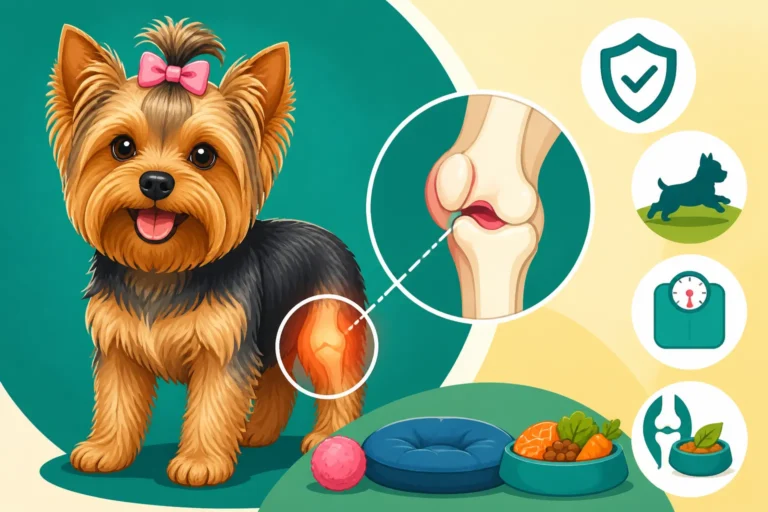
Yorkshire Terriers are predisposed to several chronic conditions that require vigilant monitoring and proactive management. One of the most common is Yorkshire Terrier Patellar Luxation: Signs and Care, where the kneecap slips out of place. While mild cases might be managed with pain medication and joint supplements, severe cases often require surgery. Regular check-ups allow your vet to assess the severity and progression of this condition.
Another pervasive issue in Yorkies is Yorkshire Terrier Dental Disease: Signs and Care. Because of their small mouths, teeth can become crowded, leading to accelerated plaque and tartar buildup. Without regular dental cleanings, this can progress to painful infections, tooth loss, and even systemic health issues. Your vet will recommend regular dental exams and cleanings, potentially even advising on at-home dental care routines. Then there are more complex conditions like Yorkshire Terrier Liver Shunt: Signs and Care (portosystemic shunt), a congenital condition where blood bypasses the liver. This requires specialized diets, medications, and often surgery, necessitating frequent veterinary evaluations to monitor liver function and overall health. Managing these conditions often involves a partnership with your vet, with regular check-ins to adjust treatments as needed.
Managing Medication and Special Diets
If your Yorkie is diagnosed with a chronic condition, managing their medication and potentially a special diet becomes a daily commitment. It’s not always easy to give a tiny, sometimes stubborn, Yorkie their pills, but consistency is paramount. Your vet will provide specific instructions on dosage and frequency, and it’s important to adhere to these strictly. Never adjust medication dosages or stop treatment without consulting your veterinarian. Missing doses or giving incorrect amounts can hinder treatment effectiveness or even cause adverse reactions.
For conditions like liver shunts or pancreatitis, a specific prescription diet might be necessary. These diets are formulated to support organ function and minimize symptoms. For example, a low-protein diet might be recommended for liver issues, while a low-fat diet could be crucial for pancreatitis. Introducing new foods or treats without vet approval could undermine the therapeutic effects of the prescribed diet. Your vet might also recommend supplements, like those for joint health or digestive support, to complement the treatment plan. It’s all about creating a tailored regimen that addresses your Yorkie's specific needs and ensures they receive the right balance of nutrition and medical support.
The Role of Senior Care for Aging Yorkies
As our beloved Yorkies transition into their golden years, their health needs evolve significantly. Generally, a Yorkie is considered a senior around 8-10 years of age, and from this point onward, they often require more frequent veterinary attention. Conditions that were once minor can become more pronounced, and new age-related issues can emerge. Just like humans, senior dogs are more susceptible to arthritis, cognitive decline, heart disease, kidney disease, and various cancers.
Senior care involves more frequent wellness exams, often twice a year instead of annually, to catch any emerging issues early. These visits typically include more extensive blood work, urinalysis, and potentially diagnostic imaging to assess organ function and screen for common age-related diseases. Your vet will focus on managing pain from arthritis, maintaining a healthy weight, and addressing any changes in vision or hearing. Discussions might include dietary adjustments, joint supplements, and strategies to support cognitive health. Providing attentive Yorkshire Terrier Senior Care Guide can significantly improve their comfort and extend their healthy lifespan, making their senior years as joyful as their puppyhood.
Preparing for Your Veterinary Visit
A vet visit, whether routine or urgent, can be a stressful event for both you and your Yorkie. Being well-prepared can help alleviate some of that anxiety and ensure you get the most out of your time with the veterinarian. A little foresight can make a big difference in the efficiency and effectiveness of the appointment.
What Information to Gather
Before heading to the clinic, take a few moments to gather all relevant information. This might seem like a small step, but it provides your vet with a comprehensive picture and can significantly aid in diagnosis.
- Symptoms: Document all symptoms you've observed. When did they start? How often do they occur? Have they gotten worse or better? Are there specific triggers? Be as detailed as possible. For example, instead of just saying "my Yorkie is coughing," note if it's a dry cough, a wet cough, a "honking" cough, when it happens (e.g., after exercise, at night), and how long it lasts.
- Recent Changes: Have there been any recent changes in diet, treats, medications (including flea/tick prevention), environment (new pets, new home), or routine? Did your Yorkie get into anything they shouldn't have?
- Medication List: Bring a list of all current medications, supplements, and dosages your Yorkie is on. If they're prone to allergies, note any known allergens or previous reactions.
- Vaccination History: If you're visiting a new vet or it's an emergency, having your Yorkie's vaccination records handy is always helpful.
- Questions: Write down any questions or concerns you have. It’s easy to forget things in the moment, especially if you’re stressed.
This organized approach allows your vet to efficiently piece together the puzzle and avoid overlooking critical details that could impact your Yorkie's diagnosis and treatment plan.
Transporting Your Yorkie Safely
Transporting a small dog like a Yorkie requires careful consideration, especially if they are already feeling unwell or anxious. A secure, comfortable carrier is essential for their safety and yours. A sturdy, well-ventilated carrier prevents them from roaming in the car, potentially distracting you, or getting injured in a sudden stop. Line the carrier with a soft blanket or a familiar-smelling towel to help keep them calm. If your Yorkie is prone to car sickness, consider withholding food for a few hours before the trip, and ask your vet about anti-nausea medications for future journeys.
For a Yorkie experiencing severe pain or distress, gentle handling is paramount. If they're limping or have a suspected injury, ensure they're supported carefully when being moved into the carrier. Avoid picking them up in ways that put pressure on the injured area. Some vets even recommend a harness over a collar for Yorkies, not just for walks, but also for general safety, as it reduces pressure on their delicate trachea. A calming pheromone spray in the carrier or a favorite small toy can also help reduce stress during transit.
Financial Considerations and Pet Insurance
Let's be real: veterinary care, especially emergency care, can be expensive. This is a common frustration for many pet parents, and it’s completely understandable. The cost of diagnostics, treatments, and medications can add up quickly, leaving you scrambling to find funds while your furry friend needs help. It’s a good idea to set aside an emergency fund specifically for your Yorkie's health needs, if possible.
However, a fantastic way to mitigate these unexpected costs is through pet insurance. Companies like Healthy Paws offer comprehensive plans that can cover a significant portion of accident and illness-related vet bills, including emergency visits, surgeries, hospitalization, and even some alternative therapies. Having pet insurance can provide immense peace of mind, allowing you to make medical decisions based on what’s best for your Yorkie, rather than being solely driven by financial constraints. While it doesn't cover pre-existing conditions, enrolling your Yorkie when they are young and healthy ensures coverage for future unexpected health issues. Understanding Yorkshire Terrier Vet Costs and Health Budget can help you plan, and exploring options like Pet Insurance for Yorkshire Terriers is a smart move for any Yorkie parent.
Here's a quick overview of different types of vet visits and what to expect financially:
| Visit Type | Common Reasons | Urgency Level | Typical Costs (Estimate) | Pet Insurance Coverage |
|---|---|---|---|---|
| Routine Wellness | Annual check-ups, vaccinations, parasite prevention, dental checks | Low | $50 – $200 | Often elective, some wellness plans cover |
| Urgent Care | Persistent vomiting/diarrhea (non-severe), mild limping, ear infections, skin rashes | Medium | $150 – $500+ | Yes, typically covered |
| Emergency Care | Severe breathing distress, collapse, uncontrolled bleeding, seizures, major trauma | High | $500 – $3,000+ (can be much higher) | Yes, typically covered |
| Specialist Consult | Referrals for complex conditions (cardiology, oncology, neurology) | Medium | $200 – $800+ (per consult, plus tests) | Yes, typically covered |
| Chronic Disease Management | Ongoing medication, regular blood work for conditions like diabetes, kidney disease | Medium | Varies (monthly/quarterly) | Yes, typically covered |
Note: Costs are estimates and can vary widely based on location, clinic, and specific treatments needed.
When in Doubt, Always Call Your Vet
Navigating the health of your tiny Yorkie can feel like a constant balancing act between being overly cautious and not reactive enough. It’s a common struggle for every pet parent, and there’s no shame in feeling unsure. However, when it comes to the well-being of your furry family member, one piece of advice always holds true: if you’re questioning whether to call the vet, just make the call.
Trusting Your Gut Instincts
As a Yorkie parent, you have a unique bond with your dog. You know their quirks, their moods, and their normal routines better than anyone else. Because of this intimate knowledge, your gut instinct is an incredibly valuable tool. If something feels genuinely "off" about your Yorkie – a subtle change in their gaze, a slight hesitation in their step, a quietness that isn't typical – trust that feeling. More often than not, that little voice in your head is picking up on cues that aren't immediately obvious to an untrained eye.
Veterinarians are accustomed to receiving calls from concerned pet owners, and they appreciate you reaching out sooner rather than later. A quick phone call can often determine if the situation warrants an immediate visit, if it can be monitored at home, or if you can schedule a regular appointment. It costs nothing to call and describe your observations, and it could make all the difference in catching an issue early, potentially saving your Yorkie from greater discomfort or a more serious prognosis. Don't ever feel like you're overreacting; it's always better to be safe than sorry when it comes to your pet's health.
Understanding Emergency vs. Non-Emergency Situations
Distinguishing between what can wait and what needs immediate attention can be the most challenging part of pet ownership. Generally, if your Yorkie is experiencing severe distress, acute pain, rapid decline, or symptoms that threaten their ability to breathe, stand, or maintain basic bodily functions, it's an emergency. This means dropping everything and heading to the nearest emergency veterinary clinic. These are the moments when a few hours can mean the difference between a positive outcome and a tragic one.
Non-emergency situations, on the other hand, might include mild, intermittent limping that doesn't seem to cause significant pain, a single episode of vomiting with no other symptoms, or a slight decrease in appetite that resolves after a few hours. These are situations where you would still contact your regular veterinarian during their normal business hours to discuss your concerns and schedule a non-urgent appointment. When in doubt, call your regular vet first. They know your Yorkie's history and can advise you best. If it's after hours and you're truly worried, call the emergency clinic; they can often triage over the phone and tell you if you need to come in immediately. Prioritizing your Yorkie's health and acting decisively when needed is one of the most loving things you can do.
Disclaimer
The information provided in this guide is for general informational purposes only and is not intended as a substitute for professional veterinary advice, diagnosis, or treatment. Always seek the advice of your qualified veterinarian with any questions you may have regarding a medical condition or treatment plan for your Yorkshire Terrier. Never disregard professional veterinary advice or delay in seeking it because of something you have read in this article.