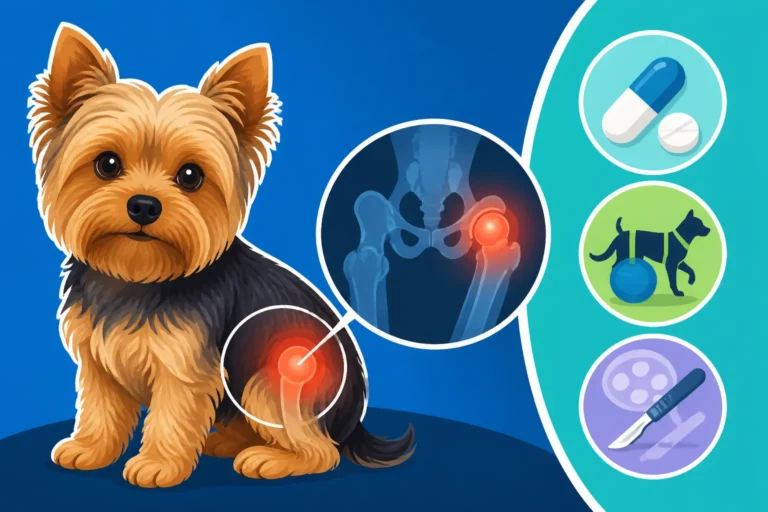
1-Year-Old Yorkshire Terrier Health Checklist
Reaching your Yorkie's first birthday is such a milestone, and it’s natural to feel a mix of excitement and a little bit of worry. You're probably asking yourself, "Am I doing everything right? Is my little furball as healthy as can be?" It’s a common concern for new and experienced Yorkie parents alike, as their transition from playful puppy to energetic young adult brings new health considerations. This comprehensive guide will walk you through the essential health checklist for your 1-year-old Yorkshire Terrier, ensuring they thrive in this exciting new phase of life.
The All-Important Annual Vet Check-Up
When your Yorkshire Terrier hits that one-year mark, it’s not just a celebration of a year of adorable antics; it’s also time for a crucial annual vet visit. This appointment is about much more than just a quick peek. It's a comprehensive health assessment designed to catch any potential issues early and ensure your Yorkie is on track for a long, healthy life. Many pet parents, especially those with their first Yorkie, often underestimate the importance of these routine check-ups, thinking that if their dog seems fine, a vet visit isn't necessary. However, many underlying conditions can be silent in their early stages.
During this visit, your veterinarian will conduct a thorough physical examination, checking everything from nose to tail. They'll listen to your Yorkie’s heart and lungs, palpate their abdomen, examine their eyes and ears, and check their joints and muscles for any abnormalities. This hands-on assessment is invaluable, as it allows the vet to spot subtle signs that might indicate a problem before it becomes more serious. For example, they might detect the early stages of a condition like patellar luxation just by observing your Yorkie's gait or manipulating their knee joints. It’s also a perfect opportunity to discuss any changes in behavior, appetite, or energy levels you might have noticed over the past year.
One of the primary components of the annual check-up is updating your Yorkie's vaccinations. While your puppy received a series of shots early on, some vaccines require boosters annually or every three years, depending on the specific vaccine and your location's regulations. Core vaccines for adult dogs typically include rabies, distemper, parvovirus, and adenovirus. Depending on your Yorkie's lifestyle and exposure risks, your vet might also recommend non-core vaccines like Bordetella (kennel cough), leptospirosis, or Lyme disease. If your Yorkie spends time at dog parks, groomers, or boarding facilities, these additional vaccines become particularly important. Don’t hesitate to ask your vet to explain each vaccine’s purpose and necessity for your individual pet. Staying on top of these vaccinations is a cornerstone of how to keep a Yorkshire Terrier healthy.
Parasite prevention is another critical discussion point. At the one-year mark, your Yorkie should be on a consistent regimen of heartworm prevention, as well as flea and tick control. Many vets will recommend a yearly heartworm test to ensure your dog hasn't contracted this potentially fatal disease, even if they've been on preventative medication. It's easy to assume your small indoor Yorkie isn't at risk, but mosquitoes, which transmit heartworm, can easily find their way indoors. Likewise, fleas and ticks can hitch a ride into your home on clothing or other pets. Your vet will help you choose the most appropriate preventative medications, whether they are oral tablets, topical treatments, or collars, taking into account your Yorkie's weight, lifestyle, and any potential sensitivities. This proactive approach saves a lot of heartache and expense down the road. Pet insurance providers like Healthy Paws often cover annual exams and preventative care, making it easier to manage these essential health costs.
Optimal Nutrition and Weight Management
As your Yorkshire Terrier transitions from a puppy to a young adult at one year old, their nutritional needs shift significantly. The high-calorie, nutrient-dense puppy food that fueled their rapid growth is no longer appropriate. Continuing to feed puppy food to an adult Yorkie can quickly lead to excess weight gain, which brings its own host of health problems. The common frustration many Yorkie owners face is trying to navigate the vast array of dog food options and determine what's truly best for their petite companion. It's not just about changing the bag; it's about understanding the nuances of adult dog nutrition.
The first step in this transition is gradually switching your Yorkie to a high-quality adult dog food formulated for small breeds. These formulas are designed to provide a balanced diet with appropriate protein levels, healthy fats, and carbohydrates, without the excessive calories needed for puppy growth. Look for brands that prioritize whole ingredients, with real meat as the first ingredient. Brands like Royal Canin, Hill's Science Diet, and Purina Pro Plan offer specific small-breed adult formulas that are well-regarded by veterinarians. When making the switch, do it slowly over 7-10 days, mixing increasing amounts of the new food with decreasing amounts of the old. This helps prevent gastrointestinal upset, which can manifest as an upset stomach or diarrhea. For more in-depth advice, checking out articles on the Best Dog Food for Yorkshire Terriers can be incredibly helpful.
Portion control becomes paramount for a 1-year-old Yorkie. These tiny dogs have small stomachs and high metabolisms, but they are also prone to becoming overweight if overfed. An extra few pounds on a Yorkie is equivalent to a significant weight gain on a larger dog, putting strain on their delicate joints and organs. The feeding guidelines on dog food bags are just a starting point; your vet can help you determine the precise caloric needs based on your Yorkie's activity level, metabolism, and ideal body weight. Typically, adult Yorkies will eat two meals a day. Resist the urge to free-feed, as this often leads to overconsumption. Instead, measure out their food carefully at each meal. If you're wondering how much to feed a Yorkshire Terrier, a good rule of thumb is to be slightly conservative and adjust based on their body condition. You should be able to feel their ribs easily without seeing them protruding, and they should have a discernible waist when viewed from above.
Yorkies, like many small breeds, can be prone to food allergies or sensitivities, which might become more apparent around their first year. Symptoms can range from itchy skin, excessive scratching, and paw licking to gastrointestinal issues like vomiting or diarrhea. If you suspect a food sensitivity, your vet might recommend a limited ingredient diet or a novel protein diet to identify the culprit. Common allergens include chicken, beef, dairy, wheat, and soy. Always consult your vet before making drastic dietary changes. Remember that treats also count towards daily caloric intake, so choose healthy, low-calorie options and offer them in moderation. A healthy diet, coupled with proper portion control, is fundamental to their well-being, potentially reducing future vet visits which can be covered by a solid pet insurance plan from providers like Healthy Paws.
Grooming and Dental Health Routine
Keeping your 1-year-old Yorkie looking spiffy isn't just about aesthetics; it's a critical part of their overall health. Their long, silky coat, which many adore, requires diligent care to prevent matting and skin issues. And let’s not forget their tiny teeth – often overlooked but a significant source of potential health problems in Yorkshire Terriers. Many owners find the grooming aspect daunting, especially maintaining that signature long coat, but with a consistent routine, it becomes a bonding experience rather than a chore.
A comprehensive grooming routine for a 1-year-old Yorkie should include daily brushing, regular bathing, nail trims, and ear cleaning. Daily brushing, ideally with a pin brush or a slicker brush, is essential to prevent mats and tangles, which can pull on the skin and cause discomfort or even skin infections. Yorkies have hair, not fur, which continues to grow and requires regular trims. Depending on the length you prefer, this might mean professional grooming every 4-6 weeks for a "puppy cut" or more frequent at-home care if you prefer a longer coat. When it comes to bathing, your Yorkie generally needs a bath every 2-3 weeks, or more frequently if they get particularly dirty. Always use a high-quality dog shampoo and conditioner, specifically formulated for sensitive skin, and ensure you rinse thoroughly to avoid skin irritation. For a full breakdown, our Yorkshire Terrier Grooming Guide offers fantastic tips.
Nail care is another crucial element. Overgrown nails can be painful, affect your Yorkie's gait, and even lead to orthopedic issues. Aim to trim their nails every 2-4 weeks, or as needed, using small dog nail clippers. Be cautious not to cut into the quick, which is a blood vessel within the nail. If you're nervous, your vet or a professional groomer can demonstrate the proper technique. Ear cleaning is also important, especially if your Yorkie has floppy ears that can trap moisture and dirt, creating a breeding ground for infections. Use a veterinarian-approved ear cleaner and cotton balls, wiping the visible parts of the ear canal. Never insert anything deep into the ear.
Perhaps the most critical, yet often neglected, aspect of a 1-year-old Yorkie's health checklist is dental care. Yorkshire Terriers are notorious for developing dental disease early in life, sometimes even before their first birthday. This is due to their small mouths and crowded teeth, which are highly susceptible to plaque and tartar buildup. Untreated dental disease can lead to painful infections, tooth loss, and even systemic health issues affecting the heart, kidneys, and liver. Ideally, you should aim to brush your Yorkie's teeth daily using a dog-specific toothbrush and enzymatic toothpaste. If daily brushing isn't feasible, aim for at least a few times a week. Supplemental options like dental chews approved by the Veterinary Oral Health Council (VOHC) can help, but they are not a substitute for brushing. Your vet will assess your Yorkie's dental health during their annual check-up and may recommend a professional dental cleaning under anesthesia if significant tartar buildup is present. This is a common and necessary procedure for many Yorkies, and understanding Yorkie Dental Disease Prevention and How to Brush a Yorkie's Teeth are key resources.
Recognizing Common Health Concerns in Young Adult Yorkies
Even with the best preventative care, some health issues are more prevalent in Yorkshire Terriers and can begin to manifest as they transition into young adulthood around their first birthday. Being aware of these common Yorkshire Terrier health problems to know is crucial for early detection and intervention. While no one wants to dwell on potential ailments, understanding the signs can make all the difference in your Yorkie's long-term health and comfort. Early action can often lead to more successful and less invasive treatments.
One of the most common orthopedic conditions seen in Yorkies is patellar luxation, often referred to as "slipping kneecaps." This is when the kneecap (patella) dislocates or moves out of its normal groove. While it can be present from birth, signs often become noticeable when a dog is between 6 months and 2 years old. You might observe your Yorkie skipping a step, holding a leg up for a few moments, or having an abnormal gait. The severity varies, and some mild cases might not require intervention, but more severe cases can lead to pain, arthritis, and even require surgical correction. If you notice any limping or unusual leg movements, it’s vital to consult your vet. They can diagnose this condition through a physical examination. Understanding Yorkshire Terrier Patellar Luxation: Signs and Care can help you know what to look for.
Another concern for Yorkies, particularly smaller ones, is tracheal collapse. The trachea, or windpipe, is supported by rings of cartilage. In some Yorkies, these rings can weaken and flatten, making breathing difficult. While it can affect dogs of any age, it sometimes becomes more apparent around the one-year mark as the dog becomes more active. The most tell-tale sign is a harsh, dry, honking cough, often described as sounding like a "goose honk." This cough might worsen with excitement, exercise, or when pressure is applied to the neck (like from a collar). Using a harness instead of a collar for walks can significantly reduce the risk and alleviate symptoms. If your Yorkie is coughing frequently, especially with that distinctive honk, get them to the vet. Learning about Yorkshire Terrier Collapsing Trachea: Signs and Care is essential for awareness.
While hypoglycemia (low blood sugar) is more commonly associated with Yorkie puppies due to their tiny size and undeveloped metabolism, it's still something to be mindful of, especially for very small or "teacup" sized 1-year-old Yorkies. Stress, skipped meals, or intense exercise can still trigger an episode. Symptoms include lethargy, weakness, disorientation, tremors, or even seizures. If you suspect hypoglycemia, rubbing a small amount of honey or corn syrup on their gums can provide a quick boost, but immediate veterinary attention is crucial. For information on what to do in an emergency, refer to Yorkie Hypoglycemia: Emergency Signs. Beyond these specific conditions, always be vigilant for general Signs Your Yorkshire Terrier Is Sick, such as changes in appetite, excessive thirst, vomiting, diarrhea, lethargy, or behavioral changes. These can be indicators of a wide range of issues and warrant a vet visit.
Navigating these potential health concerns can feel overwhelming, but being proactive and having a good relationship with your veterinarian is key. Many owners find peace of mind by investing in pet insurance from reputable providers like Healthy Paws, which can significantly offset the costs of unexpected veterinary care, surgeries, or long-term management of chronic conditions. It allows you to make decisions based on what’s best for your Yorkie, rather than solely on financial concerns.
| Health Checklist Category | Task | Frequency | Notes |
|---|---|---|---|
| Veterinary Care | Annual Physical Exam & Wellness Panel | Yearly | Crucial for early detection, includes blood work, fecal, urinalysis if recommended. |
| Booster Vaccinations | Yearly/Tri-annually | Rabies, Distemper/Parvo, Leptospirosis, Bordetella (as per vet recommendation & local laws). | |
| Heartworm Test & Prevention | Yearly Test, Monthly Prevention | Even if on preventative, yearly testing ensures no breakthrough infection. | |
| Flea & Tick Prevention | Monthly | Consistent application is key, year-round, even for indoor Yorkies. | |
| Dental Health | Daily Tooth Brushing | Daily | Use dog-specific toothpaste & brush to prevent plaque/tartar buildup. |
| Dental Chews/Water Additives | Daily | Supplemental, not a replacement for brushing. Look for VOHC-approved products. | |
| Professional Dental Cleaning | As needed | Your vet will advise based on tartar accumulation, often recommended every 1-2 years for Yorkies. | |
| Nutrition & Weight | Transition to Adult Dog Food | Gradually around 1 year | Choose a high-quality, small-breed adult formula. |
| Monitor Food Portions & Treats | Daily | Measure food precisely; treats count towards daily calories. Prevent obesity. | |
| Monitor Body Condition | Weekly | Ensure ribs are palpable but not visible; check for a waistline. | |
| Grooming | Coat Brushing | Daily | Prevents mats, distributes natural oils. |
| Bathing | Every 2-3 weeks | Use dog-specific shampoo/conditioner, rinse thoroughly. | |
| Nail Trimming | Every 2-4 weeks | Prevents discomfort and gait issues. | |
| Ear Cleaning | Monthly | Use vet-approved cleaner, wipe visible areas gently. | |
| Professional Grooming | Every 4-6 weeks | For trims, sanitary clips, and overall coat maintenance. | |
| Behavioral & General | Exercise & Mental Stimulation | Daily | Short walks, indoor play, puzzle toys appropriate for small breeds. |
| Observation for Health Changes | Daily | Watch for changes in appetite, thirst, energy, coughing, limping, skin issues, etc. Refer to Yorkie Emergency Symptoms to Never Ignore for critical signs. | |
| Socialization & Training Reinforcement | Ongoing | Maintain positive social interactions and reinforce basic commands. |
Disclaimer
The information provided in this article is for general informational purposes only and is not a substitute for professional veterinary advice. Always consult with a qualified veterinarian for any health concerns or before making any decisions related to your pet's health and treatment.