Yorkie Dental Disease Prevention
It's heartbreaking to see our beloved Yorkies suffer, and one of the most common, yet often overlooked, health issues they face is dental disease. Many of us don't realize the silent battle happening inside their tiny mouths until a problem becomes severe, leading to pain, infection, and potentially much worse. This comprehensive guide is here to equip you with everything you need to know about preventing dental disease in your Yorkshire Terrier, ensuring they maintain a happy, healthy smile for years to come.
Understanding the Threat of Yorkie Dental Disease
Dental disease, or periodontal disease, isn't just about bad breath; it's a progressive condition that can wreak havoc on your Yorkie's entire body. These little dogs are particularly susceptible, and recognizing this vulnerability is the first step in prevention.
Why Yorkies Are Prone to Dental Issues
Yorkshire Terriers, like many small breed dogs, have a unique oral anatomy that unfortunately predisposes them to dental problems. Their mouths are small, but they still have the same number of teeth as larger dogs, leading to overcrowding. This means their teeth are often packed together tightly, creating more crevices and surfaces where plaque and tartar can accumulate. When food particles, bacteria, and saliva combine, they form a sticky film called plaque. If plaque isn't removed regularly, it hardens into tartar, which is a rough, porous substance that provides an even better surface for more plaque and bacteria to cling to.
Because of their genetic makeup and small stature, Yorkies also tend to have weaker enamel or a predisposition to certain types of malocclusion (misalignment of teeth), further exacerbating the issue. This isn't your fault as an owner; it's simply a fact of the breed. Understanding this inherent susceptibility means we have to be extra vigilant and proactive in their dental care. It’s not a matter of if dental disease will occur without intervention, but when and how severely.
The Silent Signs of Developing Dental Disease
One of the biggest frustrations for Yorkie parents is that our furry friends can't tell us when they're in pain. Dental disease often progresses silently, with clear symptoms only appearing once the problem is quite advanced. Initially, you might notice your Yorkie's breath isn't as fresh as it used to be. While "dog breath" is often accepted as normal, persistent or particularly foul odor can be a significant indicator. You might catch yourself wondering, "Why Is My Yorkie Bad Breath?" and this is often the very first sign that plaque and tartar are building up.
As the disease progresses, you might observe changes in their eating habits, such as favoring one side of their mouth, dropping food, or showing reluctance to chew on hard kibble or toys they once loved. They might paw at their face, drool excessively, or become irritable when their mouth is touched. Sometimes, you'll see visible signs like yellow or brown tartar buildup on the teeth, especially the molars and canines. Red, swollen, or bleeding gums are also major red flags. If left unchecked, gum inflammation can lead to gingivitis, which, when it becomes more severe and affects the bone structure supporting the teeth, progresses to periodontitis, a far more serious and irreversible condition. For a broader overview of common health issues, you can read our guide on Yorkshire Terrier Health Problems to Know.
Long-Term Health Risks Beyond the Mouth
It’s easy to think of dental disease as just a problem with teeth and gums, but the reality is much more serious. The bacteria thriving in an infected mouth don't stay confined there. They can enter your Yorkie’s bloodstream through inflamed gums, traveling to major organs like the heart, kidneys, and liver. This can lead to severe systemic infections and chronic conditions that significantly impact your Yorkie’s quality of life and lifespan. For instance, bacteria from dental abscesses can contribute to heart valve infections, making proper dental care a crucial component of overall Yorkshire Terrier Health Problems to Know.
Chronic pain from dental disease can also affect your Yorkie's behavior and mood, making them withdrawn, less playful, or even snappier than usual. Imagine living with a constant toothache—that's what many dogs endure silently. Preventing dental disease isn't just about saving teeth; it's about protecting their internal organs, ensuring their comfort, and extending their happy years with you. It's a fundamental part of providing comprehensive care for your little companion.
Building a Proactive At-Home Dental Care Routine
The cornerstone of dental disease prevention for your Yorkie starts right at home, with consistent and dedicated daily care. Just like we brush our teeth every day, our dogs benefit immensely from a routine that keeps their mouths clean.
The Art of Brushing Your Yorkie's Teeth
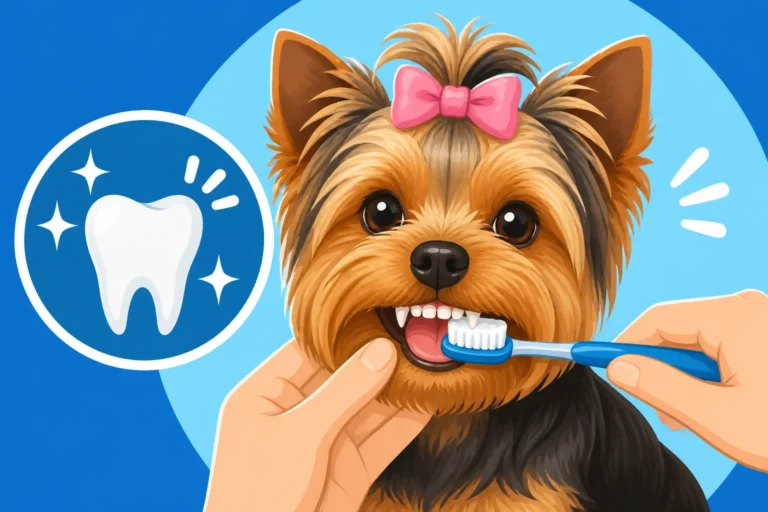
Brushing your Yorkie's teeth is undeniably the most effective way to remove plaque before it hardens into tartar. I know, it sounds daunting, especially with a tiny, sometimes wiggly, Yorkie! But with patience and the right approach, it’s completely achievable. Start by getting your Yorkie accustomed to having their mouth handled. Gently rub their gums with your finger, then introduce a tiny amount of dog-specific toothpaste (never human toothpaste, as it can be toxic!). Let them lick it off your finger, praising them enthusiastically. Dog toothpastes come in appealing flavors like poultry or beef, which can make the experience more pleasant for them.
Once they're comfortable with the taste and touch, introduce a finger brush or a small, soft-bristled toothbrush designed for pets. Focus on the outside surfaces of their teeth, especially the upper canines and molars, where plaque tends to accumulate most. Aim for at least a few seconds of brushing on each side, ideally daily or every other day. Remember, it's about consistency, not perfection. Even a quick brush is better than no brush at all. Our detailed guide on How to Brush a Yorkie's Teeth offers step-by-step instructions to make this process easier for both of you.
Dental Chews and Toys as Daily Aids
While brushing is king, dental chews and toys can be excellent complementary tools in your Yorkie's daily oral hygiene routine. They work by mechanically scraping plaque off the tooth surface as your dog chews, and some are even formulated with enzymes or anti-plaque ingredients. Look for products that are appropriately sized for your Yorkie to prevent choking hazards. Brands like Greenies, Purina DentaLife, or VeggieDent offer various sizes and formulations.
When choosing a dental chew, ensure it’s flexible enough to bend without breaking into sharp pieces that could injure your dog's mouth or cause digestive issues. Avoid extremely hard chews like antlers or bones, as these can cause fractured teeth, which are incredibly painful and costly to fix. Instead, opt for softer, more pliable options. Interactive dental toys, often made of rubber with grooves or nubs, can also help clean teeth and massage gums while providing mental stimulation. Remember, these are supplements to brushing, not replacements, and should always be given under supervision. For specific recommendations, check out our article on Best Dental Chews for Yorkies.
Water Additives and Oral Rinses
For an added layer of protection, especially if brushing is a struggle, dental water additives and oral rinses can be beneficial. Dental water additives are tasteless and odorless solutions that you add to your Yorkie’s drinking water. They typically contain ingredients designed to reduce plaque buildup and freshen breath by inhibiting bacterial growth. This is a "set it and forget it" method that can help target plaque in areas brushing might miss.
Oral rinses, on the other hand, are applied directly to your Yorkie's gums and teeth. They often come with a nozzle for easy application or can be applied with a cotton swab. These products usually have antibacterial properties that help control the bacteria that cause plaque and bad breath. While neither water additives nor rinses are as effective as mechanical brushing, they can certainly contribute to a healthier oral environment. Think of them as an extra shield, not the primary defense. Always choose products specifically formulated for dogs and consult your vet for recommendations, especially if your Yorkie has any existing health conditions. You can also explore our guide on the Best Dental Water Additive for Yorkshire Terriers.
The Crucial Role of Professional Veterinary Dental Care
Even with the most diligent at-home routine, professional dental cleanings are often essential for Yorkies due to their genetic predispositions. Think of it like your own dentist visits – you brush and floss, but you still need professional cleanings to remove stubborn plaque and tartar.
When to Schedule a Professional Cleaning
Determining the right time for a professional dental cleaning can be a bit tricky, but generally, most Yorkies will benefit from their first professional cleaning by age 2 or 3, and then annually or biannually thereafter. This timeline can vary based on individual factors like genetics, diet, and the effectiveness of your at-home care. Your veterinarian is your best resource here. During your Yorkie's annual check-ups, the vet will perform an oral examination. They'll look for signs of plaque and tartar buildup, gingivitis, loose teeth, or other abnormalities.
If you notice any significant changes at home, like unusually bad breath, redness in the gums, or reluctance to eat, don't wait for the annual check-up. Schedule a vet visit immediately. Early intervention is key to preventing the progression of dental disease. Remember, regular professional cleanings are not just about aesthetics; they are crucial for your Yorkie's overall health and can prevent more serious, painful, and expensive issues down the line. It's an investment in their long-term well-being, and understanding How Often Yorkies Need Dental Cleaning is vital.
What Happens During a Vet Dental Exam
A professional dental cleaning for a Yorkie is a much more thorough process than what we can achieve at home, primarily because it's performed under anesthesia. This is a critical point that often causes owners anxiety, but it’s absolutely necessary for a safe and effective cleaning. Anesthesia allows the vet to perform a comprehensive oral exam, take X-rays to assess the health of the tooth roots and jawbone (which are hidden beneath the gum line), and thoroughly clean every tooth surface, including under the gum line, without causing pain or stress to your dog.
Before anesthesia, your vet will perform a pre-anesthetic blood panel to ensure your Yorkie is healthy enough for the procedure. Once sedated, a trained veterinary technician will use ultrasonic scaling tools, similar to those your own dentist uses, to remove all plaque and tartar from the teeth. They will then polish the teeth to smooth the surfaces, making it harder for new plaque to adhere. Any diseased or damaged teeth will be identified, and the vet will discuss extraction if necessary. This thorough process helps address Yorkie Dental Disease: Signs and Care comprehensively.
Understanding the Costs and Value of Professional Care
It’s no secret that veterinary dental procedures can be costly, and this is often a major concern for pet parents. The cost typically includes the pre-anesthetic blood work, the anesthesia itself, the cleaning and scaling, dental X-rays, and any necessary extractions or medications. Prices can range significantly depending on your location, the clinic, and the severity of your Yorkie’s dental disease. For example, a basic cleaning might be a few hundred dollars, but if multiple extractions or advanced procedures are needed, it can easily climb into the thousands.
While the upfront cost might seem high, consider it an investment. Proactive professional cleanings, combined with diligent home care, can prevent much more expensive and painful interventions down the road. Treating advanced periodontal disease, multiple extractions, or addressing secondary organ damage caused by oral bacteria will inevitably cost more and cause your Yorkie unnecessary suffering. Many pet insurance providers, such as Healthy Paws, offer coverage for dental illnesses and accidents, which can help offset these costs. Looking into a plan with a company like Healthy Paws can provide peace of mind and ensure your Yorkie gets the best care without financial strain becoming a barrier. You can learn more about managing these expenses in our guide to Yorkie Dental Disease: Costs and Prevention.
| Procedure/Item | Estimated Cost Range (USD) | Importance |
|---|---|---|
| Vet Exam/Consultation | $50 – $150 | Initial assessment to determine dental health and need for cleaning. |
| Pre-Anesthetic Blood Work | $100 – $300 | Essential to ensure your Yorkie is healthy enough for anesthesia, checking organ function. |
| Anesthesia | $200 – $600 | Allows for a safe, pain-free, and thorough cleaning, including under the gum line. Often includes monitoring. |
| Dental Cleaning & Scaling | $200 – $500 | Removal of plaque and tartar above and below the gum line using ultrasonic and hand instruments, followed by polishing. |
| Dental X-rays | $150 – $400 | Crucial for identifying issues below the gum line (e.g., abscesses, bone loss, un-erupted teeth) that aren't visible during a surface exam. |
| Tooth Extraction (per tooth) | $50 – $300+ | Necessary for severely diseased, fractured, or loose teeth to eliminate pain and infection. Cost varies by complexity. |
| Medication (Antibiotics/Pain) | $30 – $100+ | Prescribed post-procedure if infection or pain management is needed. |
| Total (Basic Cleaning) | $500 – $1,500 | A proactive measure to prevent severe disease. |
| Total (Advanced Issues/Extractions) | $1,000 – $3,000+ | Can be significantly higher depending on the number and complexity of extractions, or if specialists are needed. |
Note: These are average estimates and can vary significantly by location, veterinary practice, and individual patient needs.
Nutritional Strategies for Optimal Oral Health
What your Yorkie eats plays a surprisingly significant role in their dental health. Beyond just keeping their teeth clean, proper nutrition can support overall oral integrity and reduce the factors contributing to plaque and tartar buildup.
Choosing the Right Dental-Specific Diet
The idea that dry kibble automatically cleans teeth like a toothbrush is a common misconception. While some dry foods are better than wet or soft diets for dental health, most standard kibble offers minimal abrasive action. However, there are specialized dental diets formulated specifically to promote oral health. These foods, often endorsed by the Veterinary Oral Health Council (VOHC), feature larger kibble pieces that are designed to resist crumbling upon initial bite. This allows the tooth to penetrate the kibble, providing a gentle scrubbing action on the tooth surface as your Yorkie chews.
These dental-specific diets also often contain ingredients that help reduce plaque accumulation or tartar formation through chemical means, such as hexametaphosphate. Consult your veterinarian for recommendations on dental diets that might be suitable for your Yorkie. Brands like Hill's Prescription Diet t/d, Royal Canin Dental, or Purina Pro Plan Veterinary Diets DH are examples of such specialized foods. Incorporating such a diet can be a passive yet effective way to bolster your Yorkie's Best Dental Care Routine for Yorkies.
Avoiding Sugary Treats and Human Foods
Just like for humans, sugary treats are a no-go for your Yorkie's dental health. Sugars feed the bacteria in the mouth, accelerating plaque formation and increasing the risk of cavities. While cavities are less common in dogs than in humans, they can occur and are very painful. Many human foods, even seemingly harmless ones, can be loaded with sugars or ingredients that contribute to dental problems. For example, offering small bits of cheese or cooked meat seems innocent, but frequent feeding can leave residues that bacteria love.
It’s always best to stick to high-quality, dog-specific treats, and even then, choose them wisely. Look for treats with minimal ingredients and avoid those with added sugars, artificial sweeteners, or excessive starches. If you want to give your Yorkie a special treat, consider plain, raw vegetables like carrot sticks or apple slices (without seeds), which can offer a mild abrasive action and are low in sugar. Always remember moderation and check for safe human foods if you're ever in doubt.
The Link Between Diet and Plaque Formation
The overall composition of your Yorkie’s diet directly influences the oral environment. A diet rich in carbohydrates and starches, without sufficient dental hygiene, can contribute to a rapid buildup of plaque. Carbohydrates break down into sugars, creating a feast for oral bacteria. While dogs need carbohydrates, balancing their diet with appropriate protein and fats, and ensuring that any kibble or treats are designed to minimize plaque adherence, is crucial.
Some research suggests that diets higher in protein and lower in certain carbohydrates might naturally lead to less plaque formation, although direct causation can be complex. The important takeaway is to select a high-quality, balanced diet tailored to your Yorkie's age and activity level. If you're considering a raw or homemade diet, it's absolutely vital to work with a veterinary nutritionist to ensure it's balanced and includes components that support dental health, rather than inadvertently causing problems. A well-rounded diet is not only good for their overall vitality but also a silent partner in preventing issues like Yorkie Bad Breath: When to Worry.
Lifestyle Adjustments to Support Dental Hygiene
Beyond direct dental interventions, certain lifestyle choices and regular habits can significantly bolster your Yorkie's oral health and prevent dental disease from taking hold. These adjustments are about creating an environment that naturally supports clean teeth and healthy gums.
Regular Inspections and Early Detection
One of the simplest yet most effective lifestyle adjustments is to make a habit of regularly inspecting your Yorkie's mouth. This isn't just about looking at their teeth during brushing; it's about a more thorough, periodic check. Aim for once a week, or at least every couple of weeks, to gently lift their lips and examine their gums and teeth. What are you looking for?
- Plaque and Tartar Buildup: Yellowish-brown deposits, especially near the gum line.
- Redness or Swelling: Inflamed or bleeding gums, which are signs of gingivitis.
- Loose or Missing Teeth: Any wobbly teeth or gaps where teeth should be.
- Persistent Bad Breath: Beyond typical "dog breath."
- Oral Masses or Lumps: Any unusual growths on the gums, tongue, or inner cheeks.
- Changes in Behavior: Reluctance to chew, dropping food, pawing at the mouth.
By getting comfortable with these routine checks, you'll become attuned to what's normal for your Yorkie. This means you’ll be much more likely to spot early signs of trouble, allowing for prompt veterinary intervention before minor issues escalate into major dental crises. Early detection is a game-changer in preventing irreversible damage.
Managing Chewing Habits Safely
Yorkies love to chew, and this natural instinct can be harnessed for dental health, but only if managed safely. Providing appropriate chew toys can help scrape plaque off teeth, strengthen jaw muscles, and satisfy their natural urge to chew. However, it's crucial to select safe and effective options. As mentioned before, extremely hard objects like real bones, antlers, hooves, or hard nylon toys can cause painful tooth fractures, especially in small breeds like Yorkies.
Instead, opt for softer, pliable rubber toys, specifically designed dental chews that flex, or puzzle toys that dispense treats. Brands like Kong and Nylabone offer various chew toys tailored for different chewing styles and sizes. Always supervise your Yorkie with new chew toys to ensure they use them safely and that the toys don't break into swallowable pieces. Regularly inspect and replace worn-out chew toys to prevent hazards. Proper chew toy selection is an integral part of a complete Yorkshire Terrier Dental Care Guide.
Understanding the Impact of Age and Genetics
As Yorkies age, their dental health needs can change. Senior Yorkies are more prone to advanced periodontal disease, tooth loss, and other oral health issues, often requiring more frequent veterinary dental check-ups and cleanings. It’s a natural part of aging, but it doesn’t mean we can’t mitigate the effects. Continuing your diligent at-home care and regular professional evaluations becomes even more critical in their golden years. You might need to switch to softer dental chews or adjust their diet if they start losing teeth or experience increased sensitivity.
Beyond age, genetics play a significant, unchangeable role. Some Yorkies are simply born with a predisposition to faster plaque buildup or weaker tooth structure. While you can't change their genetic lottery, you can acknowledge it and intensify your preventive measures. If you know your Yorkie's parents had significant dental issues, for instance, you might be extra diligent with daily brushing, consider dental water additives, and ensure they have regular vet dental checks, perhaps even more frequently than the average Yorkie. This proactive mindset, informed by an understanding of their inherent vulnerabilities, is crucial for maximizing their oral health throughout their lives. It's why robust pet insurance, such as a plan from Healthy Paws, can be incredibly valuable for covering potential future dental care needs, especially if your Yorkie is genetically predisposed to problems.
Common Misconceptions and Troubleshooting Dental Care
Even with the best intentions, navigating Yorkie dental care can bring up questions and challenges. Addressing common myths and knowing how to troubleshoot problems will empower you to provide consistent, effective care.
Debunking Dental Care Myths
There are several persistent myths surrounding canine dental care that can actually hinder effective prevention. Let's clear some of them up:
- Myth 1: Dry kibble cleans teeth effectively. As we touched on earlier, most standard dry kibble breaks too easily to provide significant abrasive cleaning. While better than wet food, it’s not a substitute for brushing or specialized dental diets. Only VOHC-approved dental kibbles offer genuine cleaning action.
- Myth 2: Bad breath is normal for dogs. Absolutely not! Persistent bad breath (halitosis) is almost always a sign of underlying dental disease or another health issue. If your Yorkie has bad breath, it’s time for a vet visit. This is precisely why we have resources like "Why Is My Yorkie Bad Breath."
- Myth 3: Anesthesia for dental cleaning is too risky. While any anesthesia carries some risk, modern veterinary anesthesia protocols, including pre-anesthetic blood work and vigilant monitoring, make it very safe, especially for generally healthy Yorkies. The risks of not cleaning an infected mouth far outweigh the risks of anesthesia for most dogs. Untreated dental infection can lead to life-threatening systemic illness.
- Myth 4: My dog doesn’t need brushing if they eat dental treats. Dental treats are supplements, not replacements. They help, but they cannot reach all tooth surfaces or clean as thoroughly as mechanical brushing. Think of it like using mouthwash instead of brushing your own teeth – it helps, but it’s not enough.
Understanding these truths helps you focus your efforts on what truly works for preventing dental disease.
Overcoming Resistance to Brushing
If your Yorkie puts up a fight every time you try to brush their teeth, you’re definitely not alone. Many owners face this challenge, but don't give up! The key is patience, positive reinforcement, and gradual desensitization.
- Start Small: Don't try for a full brush on day one. Just introduce the toothpaste on your finger. Let them lick it. Praise and reward.
- Short Sessions: Keep initial brushing sessions very short – just a few seconds on one or two teeth. Gradually increase the duration as they become more comfortable.
- Positive Reinforcement: Make it a positive experience! Use lots of verbal praise, gentle petting, and follow each session with a high-value treat or a favorite toy. Your Yorkie should associate brushing with good things.
- Timing is Key: Choose a time when your Yorkie is relaxed and calm, not overexcited or stressed. After a walk or play session when they're a bit tired can be ideal.
- Different Tools: Experiment with different toothbrushes. Some Yorkies prefer a finger brush, others a small, soft-bristled dog toothbrush. Find what works best for their tiny mouth.
- Consistency: The more consistent you are, the faster they’ll get used to it. Irregular attempts will just prolong the resistance.
If you’re truly struggling, consult your vet or a professional dog trainer. They can offer personalized tips and demonstrate techniques to make teeth brushing a less stressful, even enjoyable, routine for both of you. Remember, even a partial brush is beneficial.
When to Seek Immediate Veterinary Attention
While routine care and regular check-ups are essential, there are certain signs that warrant immediate veterinary attention. Don't wait for your next scheduled appointment if you observe any of the following:
- Sudden, Severe Bad Breath: An abrupt change to extremely foul breath could indicate an acute infection or abscess.
- Extreme Pain or Sensitivity: Your Yorkie cries out, snaps, or recoils when their mouth is touched, or shows obvious signs of pain when eating.
- Inability to Eat: Refusing food, especially hard food, or suddenly dropping food from their mouth.
- Facial Swelling: Swelling under the eye, on the jaw, or anywhere on the face, which can indicate an abscess or severe infection spreading.
- Excessive Drooling: More drooling than usual, sometimes tinged with blood.
- Bleeding from the Mouth: Any significant or persistent bleeding from the gums or mouth.
- Loose or Broken Teeth: If you notice a tooth is clearly loose, chipped, or broken, it needs prompt veterinary assessment.
These symptoms could signify serious dental problems like abscesses, severe periodontitis, or fractured teeth, which require urgent professional treatment. Delaying care can lead to worsening pain, infection, and potential systemic health complications. Your vet can quickly diagnose the problem and provide appropriate Yorkshire Terrier Dental Disease: Treatment Options to alleviate your Yorkie's discomfort and prevent further health decline. Having pet insurance like Healthy Paws can be incredibly helpful in these emergency situations, ensuring you can make the best decisions for your pet's health without financial worry.
Disclaimer
The information provided in this article is for general informational purposes only and is not intended as a substitute for professional veterinary advice. Always consult with a qualified veterinarian regarding any health concerns or before making any decisions about your pet's medical care.