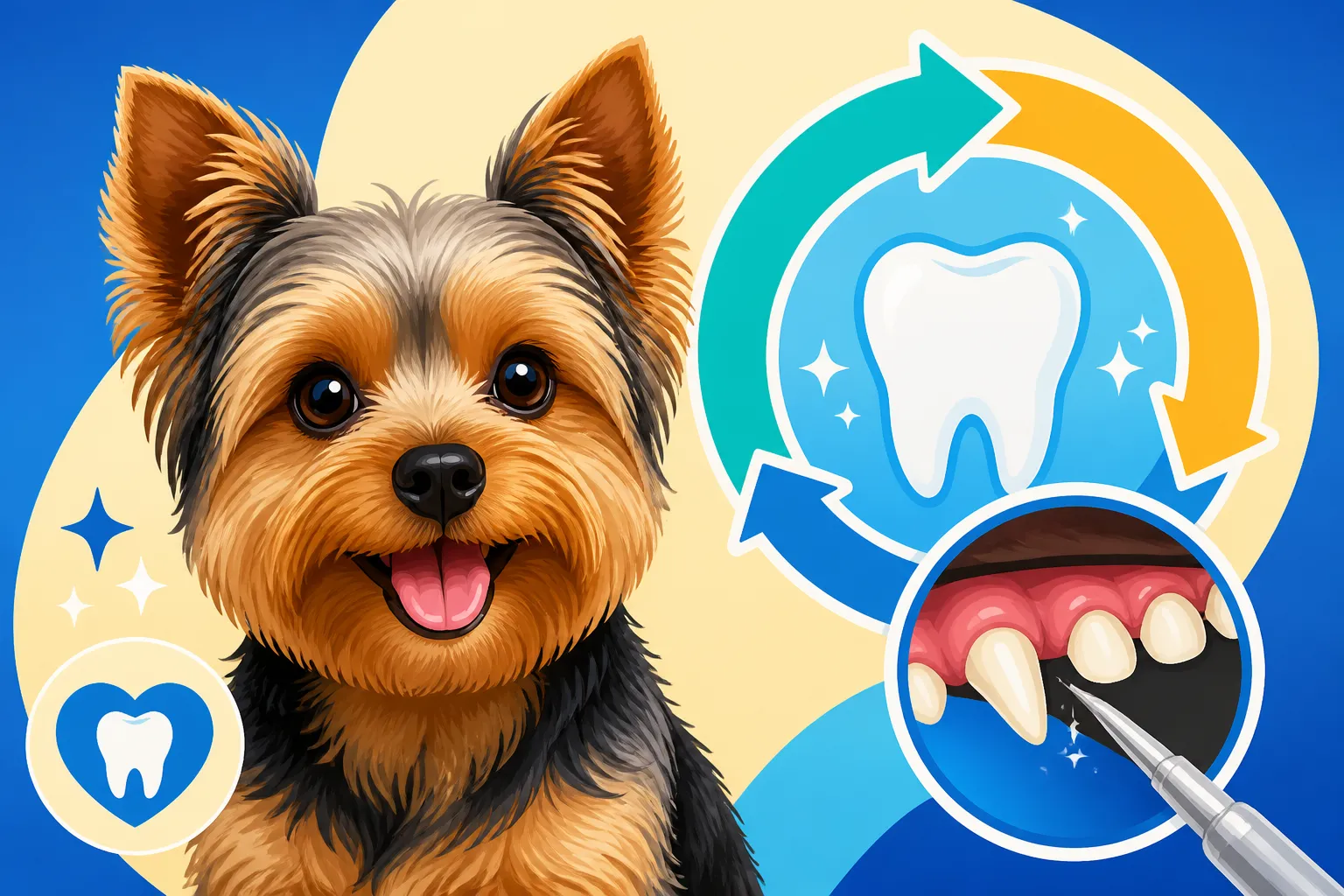
How Often Yorkies Need Dental Cleaning
It’s a common scenario: you lean in for a sweet snuggle with your adorable Yorkshire Terrier, and instead of a delightful puppy breath, you’re met with an odor that could knock you over. Bad breath in a Yorkie isn't just unpleasant; it's often a tell-tale sign of underlying dental issues that can seriously impact their overall health. This comprehensive guide will walk you through everything you need to know about how often Yorkies truly need dental cleaning, from understanding the risks of poor oral hygiene to proactive home care and professional intervention.
Why Dental Health is Crucial for Yorkies
Yorkshire Terriers, with their charming small stature, are unfortunately predisposed to a host of dental problems. Their tiny mouths often mean their teeth are crowded, creating perfect little nooks and cr crannies for plaque and tartar to build up. It’s not just about a pretty smile; good oral hygiene is intrinsically linked to their general well-being and longevity. Neglecting their pearly whites can lead to chronic pain, difficulty eating, and even severe systemic diseases that can shorten their vibrant lives.
The Silent Threat of Periodontal Disease
Periodontal disease is the most common clinical condition in adult dogs, and it hits small breeds like Yorkies particularly hard. This isn't just gingivitis; it's a progressive inflammation and infection of the tissues surrounding the teeth, which can lead to painful gum recession, bone loss, and eventually, tooth loss. The frustrating part is that dogs are masters at hiding pain, so by the time you notice overt signs, the disease is often quite advanced. It’s a silent battle happening inside their mouth, slowly eroding their comfort and health.
Imagine having a constant toothache or sensitive gums; that's what many Yorkies endure without their owners even realizing it. The bacteria thriving in plaque and tartar don't just stay in the mouth. They can wreak havoc on other organs, making preventative care, including professional cleanings, absolutely non-negotiable for their quality of life. Understanding the critical nature of this disease is the first step in ensuring your Yorkie lives a healthy, pain-free life.
Systemic Health Risks from Poor Oral Hygiene
Beyond local oral pain and tooth loss, the bacteria from severe periodontal disease can easily enter your Yorkie's bloodstream. Once these oral bacteria circulate, they can travel to vital organs like the heart, kidneys, and liver, causing secondary infections and inflammation. This can lead to serious health complications, including heart valve infections, kidney disease, and liver damage, significantly impacting their lifespan and overall vitality. It’s a direct link: what happens in the mouth doesn't stay in the mouth, especially for a small dog with a fast metabolism like a Yorkie.
For instance, endocarditis, a bacterial infection of the heart valves, can be a devastating consequence of chronic dental disease. Think about it – tiny little bacteria from your Yorkie's mouth hitching a ride through their body and setting up shop in their most important organs. This is why regular dental care isn't just an elective; it's a fundamental part of How to Keep a Yorkshire Terrier Healthy.
Common Dental Issues in Yorkshire Terriers
Due to their unique anatomy, Yorkies are prone to specific dental problems. Beyond periodontal disease, issues like retained deciduous (puppy) teeth are incredibly common. Many Yorkie puppies don't lose their baby teeth naturally, leading to overcrowded mouths where both adult and puppy teeth are trying to occupy the same space. This traps food particles, accelerates plaque buildup, and can even misalign the adult teeth.
Fractured teeth are another concern, especially if your Yorkie is an enthusiastic chewer on hard toys or bones. Small breed dogs also often experience malocclusions (improper bites), which can lead to abnormal wear patterns and increased plaque accumulation in hard-to-reach areas. And, of course, there are often cases of Yorkshire Terrier Dental Disease: Signs and Care, which can range from mild gingivitis to severe infections requiring extractions. Being aware of these common pitfalls helps you stay vigilant and address issues before they escalate.
Factors Influencing Dental Cleaning Frequency
There's no single magic number for how often every Yorkie needs a professional dental cleaning. It's a personalized schedule, much like human dental care, that depends on a combination of individual factors. Understanding these elements will empower you to work with your vet to create the best dental health plan for your furry friend.
Age and Genetic Predisposition
Age plays a significant role in dental health. Younger Yorkies might only need cleanings every few years, if at all, especially with diligent home care. However, as they age, the cumulative effect of plaque and tartar buildup becomes more pronounced. Senior Yorkies, typically those over 7 years old, often require more frequent cleanings, sometimes annually or even semi-annually, due to accelerated plaque formation and potential bone loss. It's an inevitable part of Yorkshire Terrier Senior Care Guide.
Genetics also plays a hand. Some Yorkies are simply more prone to dental disease than others, often due to their tooth structure, jaw alignment, or even the pH balance of their saliva. It's a cruel twist of fate, but knowing your Yorkie's genetic history can help you be proactive. If you've adopted your Yorkie, discussing their known health history with your vet can provide valuable insights into their dental risk factors and cleaning needs. Certain Common Yorkshire Terrier Genetic Conditions can subtly impact oral health too.
Dietary Habits and Chew Toys
What your Yorkie eats and chews on can dramatically influence their dental health. A diet consisting primarily of soft, wet food can stick to teeth more easily, promoting plaque buildup. While wet food is often necessary for picky eaters or those with existing dental issues, dry kibble, especially those specifically formulated for dental health, can offer some abrasive action that helps scrape away plaque. However, don’t rely solely on kibble; it’s a small piece of the puzzle.
The right chew toys can also be beneficial. Look for dental chews that are appropriately sized for your Yorkie, flexible enough not to fracture teeth, and designed to reduce plaque and tartar. Rawhides and excessively hard chews like antlers or bones are often too risky for tiny Yorkie teeth, leading to fractures. Instead, opt for reputable brands known for their dental-specific chews. Remember, a chew toy is not a substitute for brushing but can be a helpful supplement in Best Dental Chews for Yorkies.
Consistency of Home Dental Care
This is perhaps the most impactful factor you can control. A consistent and effective home dental care routine can significantly extend the time between professional cleanings. Daily tooth brushing with a vet-approved enzymatic toothpaste is the gold standard. Just like with humans, regular brushing physically removes plaque before it hardens into tartar. Even if your Yorkie isn’t thrilled about it at first, with patience and positive reinforcement, most can learn to tolerate, and some even enjoy, the routine.
If daily brushing isn't feasible, aiming for every other day is a good compromise, but less frequent than that will be largely ineffective. Combining brushing with dental rinses or water additives can also provide additional benefits. The truth is, the more diligent you are at home, the less frequently your Yorkie will likely need those professional, anesthetized cleanings. For a detailed guide on techniques, check out How to Brush a Yorkie's Teeth.
Signs Your Yorkie Needs a Dental Cleaning
Even with the best home care, plaque and tartar can accumulate, and issues can arise. Knowing what to look for can help you identify when it’s time to schedule that professional cleaning. Your Yorkie can't tell you they have a toothache, so you need to be their advocate and pay close attention to subtle cues.
Visual Cues and Oral Examination
The most obvious signs are visual. Gently lift your Yorkie’s lips to examine their gums and teeth. Healthy gums should be a healthy pink color. Red, swollen, or bleeding gums are a clear indicator of inflammation and gum disease. Look for brown or yellow tartar buildup, especially on the canine teeth and the molars in the back of the mouth. This hard, crusty substance cannot be removed by brushing alone once it's established.
Missing teeth, fractured teeth, or teeth that appear loose are also urgent signs that a professional dental exam is needed. Sometimes, you might even notice pus around the gum line or swelling on the side of their face, which indicates a serious infection or abscess. Don't try to remove heavy tartar yourself; it's painful for your dog and can cause damage. When you see these changes, it's a clear signal to call your vet.
Behavioral Changes Related to Pain
Dogs are stoic creatures, often hiding pain as an instinctual survival mechanism. However, dental pain, especially chronic discomfort, can manifest in subtle behavioral shifts. You might notice your Yorkie becoming pickier about their food, perhaps chewing on one side of their mouth, dropping food, or showing a preference for softer foods over their usual kibble. They might also become less enthusiastic about chew toys or shy away from having their mouth touched.
Other signs include pawing at their mouth, excessive drooling (sometimes with blood streaks), or rubbing their face against furniture or the carpet more frequently. If your usually playful Yorkie seems a bit more withdrawn, irritable, or less active, dental pain could be a contributing factor. Any of these Signs Your Yorkshire Terrier Is Sick warrant a veterinary visit, and dental issues should always be on the diagnostic list.
Bad Breath and Excessive Drooling
Persistent bad breath, often described as a truly foul, rotten smell, is almost always the first and most noticeable sign of dental disease. It's not just "dog breath"; it's an indicator of bacterial overgrowth in the mouth. While some degree of halitosis is normal, a sudden or significantly worsening odor suggests a problem. This is Why Is My Yorkie Bad Breath is such a common concern for owners.
Excessive drooling, especially if it's thicker or tinged with blood, can also point to dental pain or infection. Dogs with painful mouths may drool more because it hurts to swallow, or the excess saliva is a response to irritation. If you notice these symptoms, it’s past time for a check-up. These seemingly minor issues can escalate rapidly, so don't delay.
The Professional Dental Cleaning Process
When your vet recommends a professional dental cleaning, it's a significant step towards preserving your Yorkie's health. It’s not just a quick brush-and-rinse; it’s a comprehensive medical procedure performed under anesthesia. While anesthesia can sound daunting for a tiny Yorkie, the risks are minimal compared to the long-term health benefits and the pain relief it provides.
Pre-Anesthetic Evaluation and Preparation
Before any anesthetic procedure, a thorough pre-anesthetic evaluation is critical, especially for small breeds like Yorkies. This typically includes blood work to assess kidney and liver function, red and white blood cell counts, and often a urinalysis. For older Yorkies or those with pre-existing conditions, chest X-rays or an ECG may also be recommended to check heart and lung health. This comprehensive screening helps the veterinary team tailor the anesthetic protocol to your Yorkie's individual needs, minimizing risks.
On the day of the procedure, your Yorkie will likely need to fast for several hours to prevent vomiting during or after anesthesia. Your vet will discuss specific instructions beforehand. The goal is always to ensure your precious companion is as safe and comfortable as possible throughout the process. This meticulous preparation is a testament to the importance placed on their safety during what is a common yet serious procedure.
The Scaling, Polishing, and X-ray Procedure
Once safely anesthetized, the dental cleaning begins. Unlike human cleanings, a professional veterinary dental cleaning allows the vet to perform a thorough examination of every tooth surface and the surrounding gum tissue, even below the gum line. This is impossible on an awake dog, especially a Yorkie who might not be thrilled about someone poking around their mouth.
The procedure typically involves:
- Full Mouth X-rays: These are crucial for identifying problems hidden beneath the gum line, such as abscesses, bone loss, un-erupted teeth, or root pathology. Many painful conditions are invisible to the naked eye.
- Scaling: Using an ultrasonic scaler, the vet or technician meticulously removes plaque and tartar from above and below the gum line, just like at your own dental appointment. This is followed by hand scaling to ensure all surfaces are clean.
- Probing: A dental probe is used to measure the depth of gum pockets around each tooth, indicating the severity of periodontal disease.
- Polishing: After scaling, the teeth are polished to smooth the enamel surface. This makes it harder for plaque to adhere quickly, giving your home care routine a better chance to succeed.
- Fluoride Treatment/Sealants: Some vets may apply a fluoride treatment or dental sealant to further protect the teeth.
- Extractions: If any teeth are severely diseased, fractured, or causing pain, they will be extracted. This is often the most critical part of the cleaning, as removing a source of chronic pain can dramatically improve your Yorkie's quality of life. The vet will likely discuss this possibility with you beforehand based on X-ray findings.
This detailed approach ensures that not only are the visible signs of disease addressed, but also the painful and hidden issues lurking below the gum line.
Post-Procedure Care and Recovery
After the dental cleaning, your Yorkie will be carefully monitored as they recover from anesthesia. They'll typically be sent home the same day, often a little groggy, but much more comfortable in their mouth. Your vet will provide specific post-operative instructions, which may include:
- Soft Food: A temporary diet of soft food to avoid irritating sensitive gums or extraction sites.
- Medication: Pain relief medication and sometimes antibiotics, especially if extractions were performed or severe infection was present.
- Monitoring: Instructions on what to watch for, such as excessive bleeding, swelling, or refusal to eat.
- Rest: Encouraging quiet rest for a few days to allow for healing.
It's important to follow these instructions diligently to ensure a smooth recovery. Once the initial healing period is over, your vet will likely recommend resuming or starting a consistent home dental care routine to prolong the benefits of the professional cleaning. This complete cycle of care is essential for their long-term Yorkshire Terrier Dental Care Guide.
Preventative Dental Care at Home
While professional cleanings are vital, they are just one part of the puzzle. The real secret to extending the time between vet visits and maintaining optimal oral health for your Yorkie lies in consistent, proactive home dental care. Think of it as your daily defense against plaque and tartar.
Daily Brushing Techniques and Products
Brushing your Yorkie's teeth daily is the single most effective thing you can do at home. It might sound daunting, but with patience, positive reinforcement, and the right tools, it's entirely achievable. Start slow, get them used to having their mouth touched, and gradually introduce a soft-bristled, finger-mounted or small-headed dog toothbrush and a veterinary-specific enzymatic toothpaste. Never use human toothpaste, as it contains ingredients toxic to dogs.
Focus on the outside surfaces of their teeth, especially the upper canines and molars, where plaque tends to accumulate most. Gentle circular motions along the gum line are key. Even a minute or two of brushing can make a significant difference. Make it a positive experience with treats and praise, and it will become a routine part of your day, preventing issues like Why Is My Yorkie Bad Breath from recurring.
Dental Chews and Water Additives
While not a substitute for brushing, certain dental chews and water additives can be excellent supplementary tools. Look for chews that are clinically proven to reduce plaque and tartar, such as those approved by the Veterinary Oral Health Council (VOHC). Remember to choose chews appropriate for your Yorkie's small size and chewing style to prevent choking hazards or dental fractures. Brands like Greenies or Virbac C.E.T. VeggieDents are often recommended for their dental benefits.
Dental water additives work by releasing ingredients into your dog's drinking water that help to reduce bacteria and plaque formation. They are an easy, passive way to provide some daily oral hygiene support, especially if brushing is a struggle. However, always consult your vet before introducing any new supplement to ensure it's safe and appropriate for your specific Yorkie. For more options, explore Best Dental Chews for Yorkies.
Regular Oral Health Checks
Even with daily care, it's crucial to perform quick visual checks of your Yorkie’s mouth regularly. Aim for at least once a week. Gently lift their lips and quickly scan for any redness, swelling, tartar buildup, or unusual odors. This helps you catch potential problems early, before they become severe. The earlier you spot an issue, the easier and less costly it often is to address.
These home checks, combined with your annual veterinary wellness exams (where a basic oral assessment is usually performed), create a robust monitoring system. Don’t hesitate to schedule an earlier vet visit if you notice anything concerning, even if it’s not time for their full professional cleaning. Catching issues like Yorkie Bad Breath: When to Worry promptly can save your Yorkie a lot of discomfort and you a lot of worry.
Understanding the Costs and Planning Ahead
Let's be realistic: professional dental care for your Yorkie can be a significant expense. It's not just the cleaning itself, but the associated costs like anesthesia, blood work, and potential extractions. Being prepared for these costs is an important part of responsible pet ownership.
Average Costs of Professional Cleanings
The cost of a professional dental cleaning for a Yorkshire Terrier can vary widely depending on your geographic location, the veterinary clinic, and the severity of your dog's dental issues. In general, you can expect to pay anywhere from $300 to $800 for a routine cleaning that includes anesthesia, monitoring, scaling, and polishing.
However, if your Yorkie requires dental X-rays (which are highly recommended), extractions, or has severe periodontal disease requiring more extensive treatment, the costs can quickly climb to $1,000 to $2,500 or more. This is why regular preventative care is so vital – it can help prevent these more expensive, complex procedures down the line. It's a critical part of the overall Yorkie Vet Cost Breakdown you should be prepared for.
Here’s a general breakdown of typical costs:
| Service | Average Cost Range ($) | Notes |
|---|---|---|
| Pre-Anesthetic Blood Work | 80 – 200 | Essential for assessing organ function and anesthetic risk. |
| Anesthesia & Monitoring | 150 – 400 | Includes anesthetic drugs, IV fluids, and vital sign monitoring. |
| Dental Cleaning (Scaling, Polishing) | 100 – 300 | Removal of plaque and tartar above and below the gum line. |
| Full Mouth Dental X-rays | 100 – 250 | Crucial for identifying hidden pathology below the gum line. |
| Tooth Extractions | 50 – 200+ per tooth | Cost varies by tooth type, complexity, and materials needed. |
| Pain Medication/Antibiotics | 20 – 80 | Post-procedure relief and infection prevention. |
| Total Routine Cleaning | 300 – 800 | Without extractions or complex procedures. |
| Total Complex Cleaning | 1,000 – 2,500+ | With multiple extractions, advanced gum disease. |
The Role of Pet Insurance
Given the potential high costs of dental procedures, especially if multiple extractions are needed, pet insurance can be a real lifesaver. Many comprehensive pet insurance plans, like those offered by Healthy Paws, cover a portion of the costs for unexpected dental procedures due to illness or injury. Some even offer wellness add-ons that can help cover routine dental cleanings.
It's important to read the fine print of any pet insurance policy. Understand what's covered, what the deductible is, and what percentage of the vet bill they will reimburse. Policies typically won't cover pre-existing conditions, so it's always best to enroll your Yorkie when they are young and healthy. Having a plan from a provider like Healthy Paws can alleviate a significant financial burden when faced with unexpected veterinary bills, ensuring your Yorkie gets the care they need without you having to choose between their health and your wallet. Investing in Pet Insurance for Yorkshire Terriers can bring immense peace of mind.
Budgeting for Your Yorkie's Dental Health
Beyond pet insurance, it’s wise to set aside a dedicated fund for your Yorkie's ongoing dental care. This could be a separate savings account or simply a line item in your monthly budget. Even if you have insurance, you'll still be responsible for deductibles and co-pays. Regular home care products like toothbrushes, toothpaste, and dental chews also represent a small, ongoing cost, but they are an investment that pays off by reducing the need for more frequent and expensive professional interventions.
Consider that a Yorkie might need a professional cleaning every one to three years, depending on all the factors we’ve discussed. Factoring this into your long-term pet care budget helps ensure that when the time comes for a cleaning, you’re financially prepared, and your beloved Yorkie can receive the best possible care without delay. Proactive financial planning, just like proactive home dental care, is key to your Yorkie's happy, healthy life. Thinking about the overall Yorkshire Terrier Price Guide: Puppy to Lifetime should include these critical health expenses.
Disclaimer
The information provided in this article is for general informational purposes only and is not a substitute for professional veterinary advice. Always consult with a qualified veterinarian regarding your Yorkshire Terrier's specific health concerns, diagnosis, and treatment plan. Individual dental health needs can vary significantly.