Why Is My Yorkie Bad Breath
It can be truly disheartening when your sweet little Yorkshire Terrier, a breed known for its charm and spirited personality, suddenly starts sporting breath that could clear a room. You just want to snuggle up with them, but that awful smell emanating from their tiny mouth makes you pull back, leaving you wondering why your Yorkie's breath is so bad and what you can possibly do about it. This guide will dive deep into the most common causes of bad breath in Yorkshire Terriers, from everyday issues to more serious health concerns, and provide practical, empathetic advice on how to tackle this pungent problem head-on.
The Overwhelming Culprit: Dental Disease
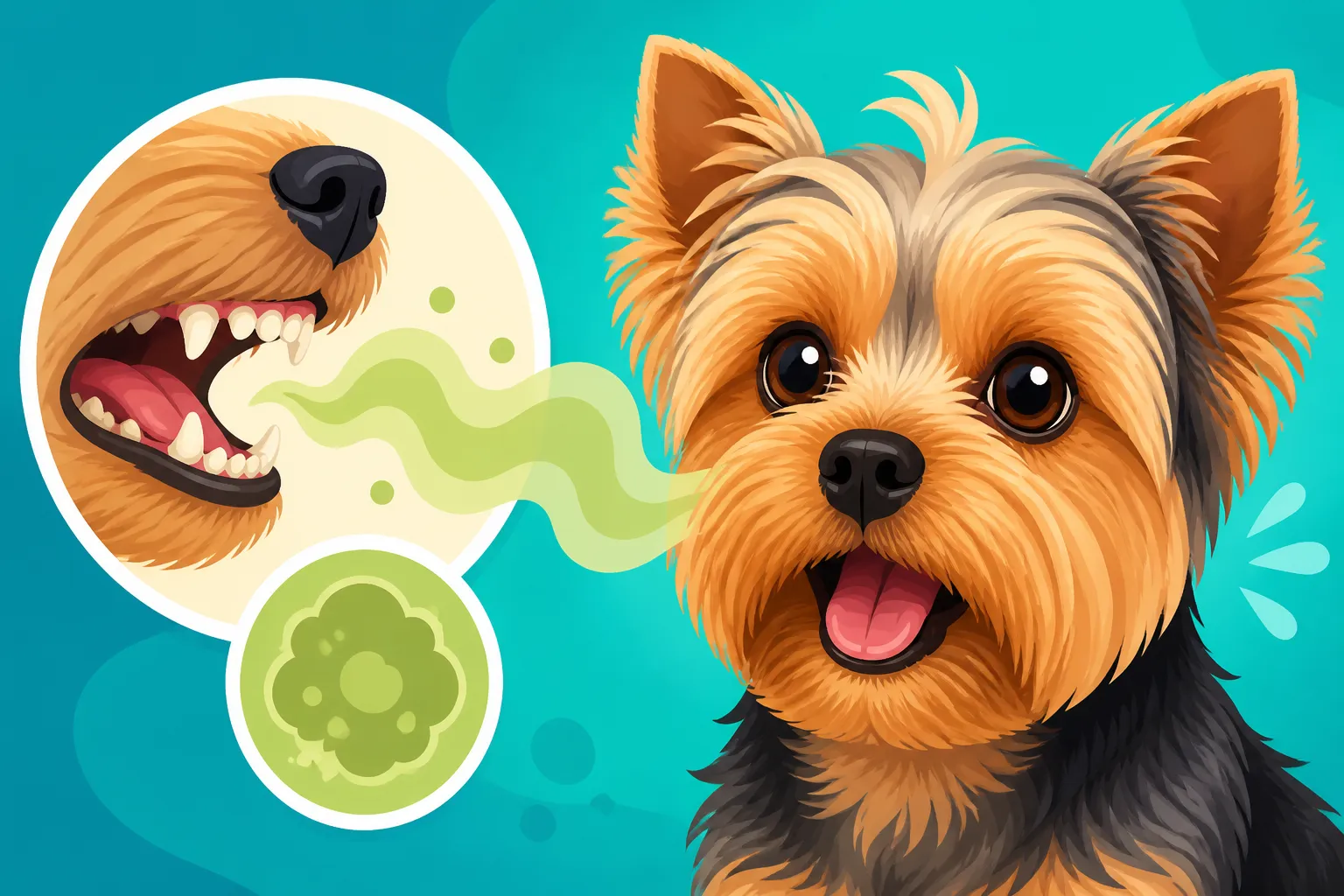
Let's be frank, for most Yorkies, bad breath (or halitosis, as the vets call it) almost always comes back to their teeth. These little pups have tiny mouths that are often crowded, making them particularly prone to dental issues. It’s not just a minor annoyance; dental disease can lead to significant pain and health complications if left unchecked.
Plaque and Tartar Buildup
You know how your teeth feel fuzzy if you don't brush them? That's plaque – a sticky film of bacteria, food particles, and saliva. In Yorkies, this plaque can harden into a rough, yellow-brown substance called tartar (or calculus) surprisingly quickly, sometimes in a matter of days. Once tartar forms, you can’t simply brush it away. It creates a rough surface where more bacteria can cling, and it starts to push against the gumline, causing inflammation.
Imagine trying to brush your own teeth if they were covered in a permanent, gritty film, and your gums were always a little red and sore. That’s what many Yorkies experience. This inflamed gum tissue, known as gingivitis, is often the first stage of dental disease. The bacteria involved in gingivitis produce volatile sulfur compounds, which are the main source of that truly offensive smell. It’s not just "dog breath" anymore; it’s a distinct, foul odor that signals a problem brewing in their mouth. Left untreated, this isn't just a smelly issue; it's a painful one that can impact their ability to eat comfortably and their overall quality of life.
Periodontal Disease and Its Far-Reaching Effects
If gingivitis isn't addressed, it progresses to periodontal disease. This is where things get serious. The bacteria start to invade beneath the gumline, attacking the supporting structures of the teeth – the bone and ligaments. Pockets form where more food and bacteria accumulate, deepening the infection. As the bone deteriorates, teeth become loose, leading to immense pain and eventually tooth loss.
Periodontal disease isn't confined to the mouth. Those nasty bacteria don't just stay put; they can enter your Yorkie's bloodstream through the inflamed gums and travel to other organs. We're talking about potential impacts on their heart, kidneys, and liver. It’s a sobering thought, but a painful infection in their mouth can literally contribute to systemic health problems throughout their tiny body. This is why regular dental care is so critical for these small breeds. Many owners unfortunately don't realize the severity until their Yorkie is already in considerable discomfort, exhibiting reluctance to eat hard kibble, pawing at their mouth, or simply being less enthusiastic than usual.
Retained Deciduous Teeth
Yorkies, like many small breeds, often have trouble losing their "baby teeth," also known as deciduous teeth. When the adult tooth comes in but the baby tooth doesn't fall out, you end up with two teeth trying to occupy the same space. This creates a perfect little trap for food particles and bacteria.
Think of it like having two sets of teeth crammed into your mouth – impossible to clean properly, right? This overcrowding and extra surface area for plaque accumulation can dramatically accelerate dental disease, even in young Yorkie puppies. If you notice your Yorkie has a "double row" of teeth, especially with their tiny canines, it's a common issue that needs a vet's attention. Often, these retained baby teeth need to be extracted by a veterinarian to prevent future problems and improve oral hygiene. This simple procedure, often done during their spay or neuter surgery, can make a huge difference in preventing early onset dental problems. For more insights on keeping your pup's mouth healthy, check out our guide on Yorkie Dental Disease Prevention.
Other Health Issues That Cause Bad Breath
While dental disease is the most frequent culprit, a foul odor from your Yorkie's mouth can sometimes be a red flag for other, more serious underlying health conditions. It’s crucial not to dismiss persistent bad breath as just a "dog thing."
Gastrointestinal Problems
Just like in humans, issues in your Yorkie's digestive system can manifest as bad breath. If your pup is experiencing acid reflux, indigestion, or other tummy troubles, the odors can waft up from their stomach. This might be accompanied by other signs like excessive licking of the lips, drooling, vomiting, or changes in appetite.
Sometimes, a sensitive stomach reacting to certain ingredients in their food can contribute. A diet that's difficult for them to digest can lead to fermentation in the gut, and those gases can make their way up. Food allergies or intolerances, while often showing up as skin issues or diarrhea, can also sometimes cause an upset stomach that impacts breath. It's a chain reaction: discomfort leads to gas, which leads to bad breath.
Organ Disease
This is where bad breath becomes a critical symptom. Distinctive, unusual odors can signal serious organ dysfunction.
Kidney Disease
If your Yorkie's breath smells distinctly like ammonia or urine, it could be a sign of kidney disease. The kidneys are responsible for filtering waste products from the blood. When they're not functioning properly, these toxins build up in the body and can be released through the breath. This is a very serious condition that requires immediate veterinary attention. You might also notice increased thirst, more frequent urination, lethargy, or a decrease in appetite.
Liver Disease
A metallic or musty smell, sometimes described as sweetish but unpleasant, can indicate liver problems. The liver is vital for detoxification, metabolism, and digestion. If it's not working efficiently, toxins can accumulate, affecting various body systems, including causing changes in breath odor. Other signs of liver disease include jaundice (yellowing of gums, skin, or eyes), vomiting, diarrhea, loss of appetite, and lethargy. This is another condition that demands urgent veterinary consultation. Understanding Yorkshire Terrier Liver Shunt: Signs and Care can be particularly relevant for Yorkie owners, as this breed can be prone to certain liver issues.
Diabetes
If your Yorkie's breath has a sweet, fruity smell, it could be a sign of diabetes. This scent is caused by ketones, which are produced when the body starts breaking down fat for energy instead of glucose due to insufficient insulin. This sweet breath is a serious indicator of diabetic ketoacidosis, a life-threatening complication of uncontrolled diabetes. Along with the unusual breath, you might see excessive thirst and urination, unexplained weight loss, and increased appetite. If you detect this distinctive sweet odor, contact your vet immediately.
Oral Growths or Foreign Objects
Sometimes, a persistent bad smell isn't from microscopic bacteria but from something physically lodged in your Yorkie's mouth, or an abnormal growth. A piece of bone, a splinter of a toy, or even hair can get stuck between teeth or embedded in the gums. This foreign object will then trap food and bacteria, leading to infection and a foul odor.
Similarly, oral tumors or growths, whether benign or malignant, can become infected or necrotic (tissue death), causing a very unpleasant smell. These might be difficult to spot without a thorough oral examination by a vet, especially if they are located far back in the mouth or under the tongue. Any unusual swelling, discoloration, or bleeding in your Yorkie's mouth, accompanied by bad breath, warrants immediate veterinary inspection.
Dietary and Lifestyle Factors
Beyond specific health conditions, your Yorkie's daily diet and certain habits can also play a significant role in their breath quality. These are often easier to address, but just as important for a healthy, sweet-smelling pup.
Poor Diet Choices
What goes into your Yorkie's bowl directly impacts their oral and overall health. Low-quality dog foods, especially those high in fillers, artificial ingredients, or excessive sugars, can contribute to plaque buildup and feed the bacteria in their mouth. Some ingredients can also cause digestive upset, leading to gastric odors that manifest as bad breath.
Feeding too many table scraps, especially human foods that are high in sugar, fat, or certain spices, can also contribute. Not only can these be unhealthy for your Yorkie, but they don't provide the dental benefits that some quality kibbles or dental chews offer. A diet that isn't balanced or appropriate for your Yorkie's specific needs might be a silent contributor to their halitosis. Consider a high-quality kibble formulated for small breeds, which often have a size and texture designed to help scrape away some plaque as they chew.
Chewing Habits and Toys
Believe it or not, your Yorkie's chewing habits can be a secret weapon against bad breath, or a silent ally to it. If your Yorkie doesn't engage in appropriate chewing that helps clean their teeth, plaque and tartar can accumulate faster. Soft, plush toys are fun, but they do nothing for dental hygiene.
On the other hand, certain dental chews and toys are specifically designed to help reduce plaque and tartar. Brands like Greenies, Dentastix, or even specific textured rubber toys can provide mechanical abrasion as your Yorkie chews, helping to scrub away some of the sticky film from their teeth. However, not all dental chews are created equal, and some can be too hard for tiny Yorkie teeth, posing a risk of fractures. Always choose appropriately sized and veterinarian-approved dental products. A lack of these beneficial chewing activities leaves your Yorkie's teeth more vulnerable to bacterial buildup. For guidance on appropriate chewing options, our guide on Best Dental Chews for Yorkies offers great recommendations.
Eating Unpleasant Things
This is probably the most straightforward cause of temporary, albeit potent, bad breath. Yorkies are naturally curious and, let's face it, sometimes gross. If your Yorkie has a habit of getting into the trash, licking dirty surfaces, or worse, engaging in coprophagia (eating poop), their breath is going to reflect it.
Coprophagia is surprisingly common in dogs, and while often harmless from a health perspective (assuming the stool is from a healthy animal), it certainly doesn't help with breath freshness. Other culprits could be eating dead critters found in the yard, licking up spilled milk, or consuming something rotten. While addressing the underlying behavioral cause of eating poop can be challenging, a quick mouth rinse after these unsavory snacks can help clear the immediate odor. For persistent issues, behavior modification or deterrents might be needed, but for the occasional lapse, a stinky breath is simply a consequence of their adventurous palate.
When to Worry and What to Do
Detecting bad breath in your Yorkie is the first step; understanding when it's a minor issue and when it signals something serious is crucial. Being proactive can save your pup discomfort and prevent more significant health problems down the road.
Signs Your Yorkie Needs a Vet Visit
It's not always easy to tell the difference between "just bad breath" and "dangerously bad breath." Here’s a rundown of signs that warrant a trip to the veterinarian:
- Sudden onset of extremely foul breath: If the bad breath appears suddenly and is unusually strong.
- Changes in breath odor: A sweet, fruity, or ammonia-like smell is a red alert.
- Visible dental issues: Red, swollen, or bleeding gums, loose teeth, excessive tartar buildup, or missing teeth.
- Pawing at the mouth, drooling, or reluctance to eat: These are clear indicators of pain or discomfort.
- Changes in eating habits: Difficulty chewing, favoring one side of the mouth, or dropping food.
- Lethargy, decreased appetite, or weight loss: These could point to systemic health issues like kidney or liver disease.
- Vomiting or diarrhea: Especially if combined with unusual breath, this could signal gastrointestinal problems.
- Any unusual growths or swelling in the mouth.
If you notice any of these symptoms, don't delay. Your vet is the best person to diagnose the root cause. You might also want to consult our guide on Yorkie Bad Breath: When to Worry for more specific concerns.
Preventive Dental Care at Home
The good news is that many cases of bad breath can be prevented or significantly reduced with consistent home dental care. It's not always easy with a feisty Yorkie, but it's incredibly important.
Brushing Their Teeth
This is the gold standard for preventing plaque buildup. Aim for daily brushing with a vet-approved enzymatic toothpaste (never human toothpaste!) and a small, soft toothbrush or finger brush. Start slowly, make it a positive experience with treats, and gradually increase the duration. Even a minute of brushing daily can make a huge difference in scraping away plaque before it hardens into tartar. Our article on How to Brush a Yorkie's Teeth provides a step-by-step approach to make this process easier for both you and your pup.
Dental Chews and Water Additives
As mentioned, dental chews can be a great supplement to brushing. Look for VOHC (Veterinary Oral Health Council) approved products, as these have been scientifically proven to reduce plaque and tartar. Examples include Greenies or Purina DentaLife. Water additives are another easy way to help combat bacteria in the mouth. These are typically flavorless solutions that you add to your Yorkie's drinking water, and they contain ingredients designed to reduce oral bacteria and freshen breath. While not a substitute for brushing, they can be a helpful addition to your daily routine.
Regular Oral Inspections
Get into the habit of gently lifting your Yorkie's lips and checking their teeth and gums regularly. Look for any redness, swelling, discoloration, or anything stuck in their mouth. Early detection means earlier intervention. This routine check-up can often tip you off to potential problems long before they become severe.
Professional Veterinary Dental Cleanings
Even with diligent home care, most Yorkies will eventually need professional dental cleanings. These are done under general anesthesia, allowing the vet to thoroughly examine every tooth, scale away all plaque and tartar (including below the gumline), polish the teeth, and take X-rays to check for problems hidden beneath the gums. If necessary, extractions can be performed to address painful or diseased teeth.
These cleanings are vital for truly eradicating tartar and addressing any underlying periodontal disease. The frequency depends on your Yorkie's individual needs, but many small breeds benefit from a professional cleaning every one to three years. Yes, anesthesia always carries some risk, but for the overall health and comfort of your Yorkie, the benefits of a clean, pain-free mouth often far outweigh the risks. Always discuss any concerns with your veterinarian, and they can perform pre-anesthetic bloodwork to ensure your Yorkie is a good candidate. For more on this, our article on How Often Yorkies Need Dental Cleaning provides further details. If the cost of these procedures is a concern, having pet insurance from providers like Healthy Paws can truly help alleviate the financial burden, allowing you to focus on your Yorkie's well-being without added stress.
Dietary Adjustments and Supplements
If your vet has ruled out serious health issues and believes diet might be a contributing factor to bad breath, consider some adjustments.
High-Quality Dog Food
Switch to a high-quality dog food formulated for small breeds. These often have appropriately sized kibble that can offer some mechanical cleaning action. Look for ingredients you recognize and avoid excessive fillers or artificial additives. Sometimes, a "dental diet" kibble, specifically formulated with a unique texture and ingredients to reduce plaque, might be recommended by your vet.
Probiotics and Digestive Enzymes
For Yorkies with suspected gastrointestinal contributions to bad breath, your vet might suggest a probiotic supplement. These beneficial bacteria can help improve gut health and digestion, potentially reducing stomach-related odors. Digestive enzymes can also aid in breaking down food more efficiently, which can be helpful if your Yorkie has a sensitive stomach. Always consult your vet before adding any supplements to your Yorkie's diet, as they can recommend the best products and dosages for your specific pup. Remember, consistent communication with your vet and a comprehensive approach are key to ensuring your Yorkie enjoys a happy, healthy life with fresh breath!
| Cause of Bad Breath | Common Odor Description | Accompanying Symptoms | Urgency Level |
|---|---|---|---|
| Dental Disease | Foul, rotten, metallic | Red/swollen gums, visible tartar, loose teeth, pawing at mouth, reluctance to eat, drooling | Moderate to High |
| Kidney Disease | Ammonia-like, urine-like | Increased thirst/urination, lethargy, decreased appetite, vomiting | High |
| Liver Disease | Musty, sweetish, metallic | Jaundice (yellowing), vomiting, diarrhea, loss of appetite, lethargy, confusion | High |
| Diabetes | Sweet, fruity | Excessive thirst/urination, unexplained weight loss, increased appetite, lethargy (if advanced) | High |
| Gastrointestinal Issues | Sour, general unpleasantness | Vomiting, diarrhea, stomach rumbling, gas, decreased appetite | Moderate |
| Oral Growths/Foreign Objects | Localized foul, infected smell | Visible lump, swelling, bleeding, difficulty chewing, pawing at mouth, reluctance to eat | High |
| Eating Unpleasant Things | Reflects what was eaten | No other health symptoms, usually temporary, may see evidence of consumption | Low |
Disclaimer
The information provided in this article is for general informational purposes only and is not a substitute for professional veterinary advice. Always consult with a qualified veterinarian for any health concerns or before making any decisions related to your pet's health or treatment.