Yorkie Reverse Sneezing: When to Worry
It’s alarming, isn't it? One moment your precious little Yorkshire Terrier is happily trotting along, and the next they’re making these strange, frightening snorting and gagging sounds, almost as if they can’t breathe. It happens so suddenly, and for a few seconds, your heart stops. This distressing episode is likely what we call reverse sneezing, and while it's usually harmless, it's completely natural to worry. This guide is here to shed light on what reverse sneezing is, what causes it, and most importantly, when those unusual noises might actually signal something more serious.
Understanding Yorkie Reverse Sneezing
Experiencing your Yorkie go through a reverse sneezing episode can be quite jarring, especially if you’ve never seen it before. It’s a common occurrence in many small breeds, and our beloved Yorkshire Terriers are certainly no strangers to it. Understanding what's happening physiologically can help alleviate some of the immediate panic.
What Exactly Is Reverse Sneezing?
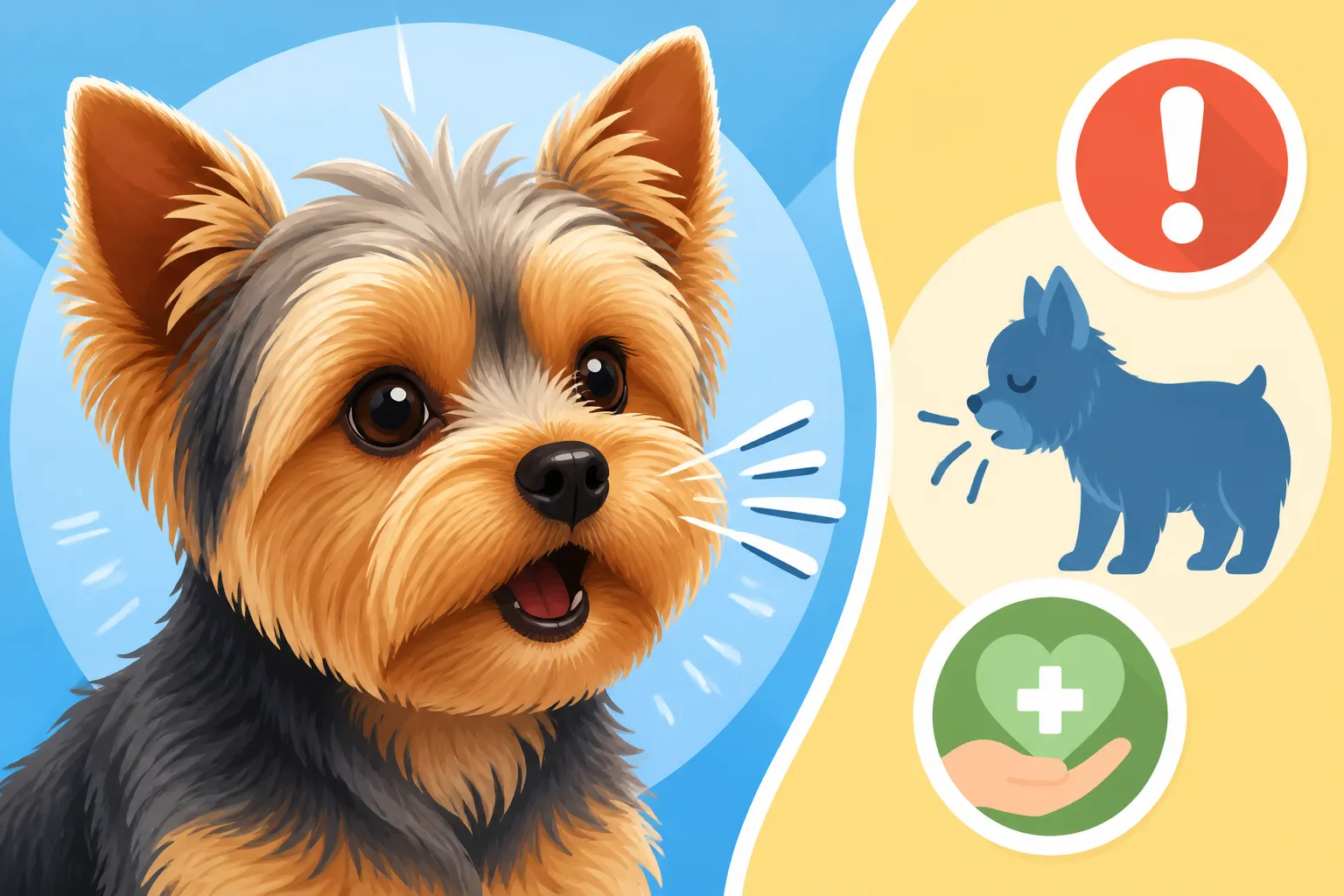
Think of a regular sneeze: it's a sudden, forceful expulsion of air through the nose and mouth, usually to clear irritants from the nasal passages. Reverse sneezing, or paroxysmal respiration, is essentially the opposite. Instead of pushing air out, your Yorkie is rapidly and repeatedly pulling air in through their nose, almost like a backward gasp. The sound is often described as a honking, snorting, gagging, or even choking noise. It's not unlike the sound a pig makes, earning it the nickname "backward sneeze."
During an episode, your Yorkie might stand perfectly still, extend their neck, and make these loud, guttural inhalations. Their chest might heave, and their eyes might bulge slightly, which, understandably, looks terrifying to a concerned pet parent. However, the good news is that in most cases, a reverse sneezing episode is a harmless, involuntary reflex. It’s their body's way of trying to dislodge something irritating their soft palate or pharynx (the area at the back of the throat). The episode typically lasts anywhere from a few seconds to a minute or two, and then, as quickly as it started, it usually stops, and your Yorkie goes back to normal as if nothing happened. It's important to differentiate this from actual choking, where a dog would struggle to breathe out and typically paw at their mouth or collapse.
Common Triggers for Reverse Sneezing in Yorkies
While reverse sneezing is a reflex, it’s often prompted by something specific. For our sensitive little Yorkies, a variety of everyday factors can set off an episode. Knowing these triggers can help you understand why it's happening and potentially reduce the frequency.
One of the most common culprits is environmental irritants. Just like humans, Yorkies can react to dust, pollen, strong perfumes, aerosol sprays, cleaning products, or even cigarette smoke. Imagine a tiny particle getting lodged in their delicate nasal passages – their body immediately tries to clear it. Excitement or sudden activity can also trigger an episode. When your Yorkie gets super excited, perhaps when you come home from work or before a walk, their breathing can become more rapid and shallow, leading to an irritation of the soft palate. This sudden change in breathing pattern can be enough to set off the reflex.
Eating or drinking too fast is another frequent trigger. Gulping down food or water can cause irritation in the throat, especially if bits of food or water go down the "wrong pipe." This is why some Yorkies might have an episode right after finishing their meal or drink. Additionally, sudden changes in temperature, such as going from a warm house to cold outdoor air, or even allergies, can cause inflammation in the nasal passages and throat, making them more susceptible to reverse sneezing. Sometimes, even just pulling too hard on their collar during a walk can put pressure on their trachea and initiate an episode. This is a big reason why many vets recommend using a harness instead of a collar for small breeds like Yorkies, a topic we cover in depth in our guide on Why Harnesses Are Better Than Collars for Yorkies.
When to Worry: Signs That Warrant Vet Attention
While most reverse sneezing episodes are benign, it's crucial for any Yorkie parent to know the difference between a normal, albeit dramatic, reflex and a potential red flag signaling an underlying health issue. Your vigilance can make all the difference.
Frequency and Duration Concerns
The occasional reverse sneeze, especially when you can identify a clear trigger like excitement or a dusty room, is usually nothing to lose sleep over. It's just a quirk of being a small dog. However, if these episodes start becoming frequent – meaning multiple times a day or several times a week – or if they seem to last longer than a minute or two, it’s definitely time to pay closer attention. A healthy Yorkie typically recovers quickly and completely. If your Yorkie seems tired, distressed, or otherwise "off" after an episode, or if the episodes are happening so regularly that they're disrupting their daily life, it's a good indicator that something else might be going on. This could be a sign of persistent irritation, chronic allergies, or even an anatomical issue that needs investigation.
It's one thing to have a quick "snork" and then resume playing, but if your Yorkie is having prolonged bouts where they struggle for minutes, or if they seem exhausted and panting afterwards, this warrants a call to your veterinarian. Keep a little journal, or even just notes on your phone, detailing how often these episodes occur, how long they last, and if you can pinpoint any triggers. This information will be incredibly helpful for your vet in diagnosing the situation. Remember, the goal is to observe patterns and changes from what is normal for your individual Yorkie.
Accompanying Symptoms That Are Red Flags
This is where your keen observation skills truly come into play. A standalone reverse sneeze is one thing, but if it’s coupled with other worrisome symptoms, it’s a clear signal that a veterinary visit is in order. These additional signs can point to more serious health concerns that need professional diagnosis and treatment.
Be on the lookout for persistent coughing, wheezing, or even regular forward sneezing that doesn't resolve. If your Yorkie is struggling to breathe between reverse sneezing episodes, not just during them, that's a significant cause for concern. Pay attention to any changes in their overall demeanor: are they more lethargic than usual? Have they lost their appetite or stopped drinking water? Are they unusually quiet or hiding? These general indicators of illness are crucial and, when combined with respiratory distress, should prompt immediate veterinary consultation. You can learn more about general warning signs in our guide, Signs Your Yorkshire Terrier Is Sick.
Other red flags include any discharge from their nose or eyes that is thick, colored, or excessive. If you notice their gums or tongue taking on a bluish or purplish tint, this is a sign of cyanosis, meaning they aren't getting enough oxygen, and it requires emergency veterinary care. A fever, indicated by a warm nose, ears, or belly, coupled with other symptoms, also signals an infection or serious illness. Even something like chronic bad breath that doesn't improve with dental care could be related to nasal or sinus issues that exacerbate reverse sneezing. These are the kinds of specific details your vet will want to know when deciding when to take your Yorkie to the vet.
Underlying Conditions Mimicking Reverse Sneezing
Sometimes, what looks like reverse sneezing can actually be a symptom of a different underlying health problem. Our little Yorkies, while hardy, are prone to a few conditions that can manifest with similar respiratory distress. Understanding these can help you convey your concerns accurately to your vet.
One of the most concerning conditions, especially for Yorkies, is a collapsed trachea. This is a progressive condition where the cartilage rings of the windpipe weaken and flatten, making it difficult for air to pass through. The cough associated with a collapsed trachea often sounds like a goose honk, which can sometimes be confused with the snorting of reverse sneezing. You can find a detailed discussion on this in our article about Yorkshire Terrier Collapsing Trachea: Signs and Care. Kennel cough, a highly contagious respiratory infection, also causes a distinctive honking cough and can be mistaken for reverse sneezing, especially in its initial stages. A foreign object, like a grass seed or a tiny piece of kibble, lodged in the nasal passage or throat can also cause intense irritation, leading to forceful attempts to clear it that might resemble reverse sneezing.
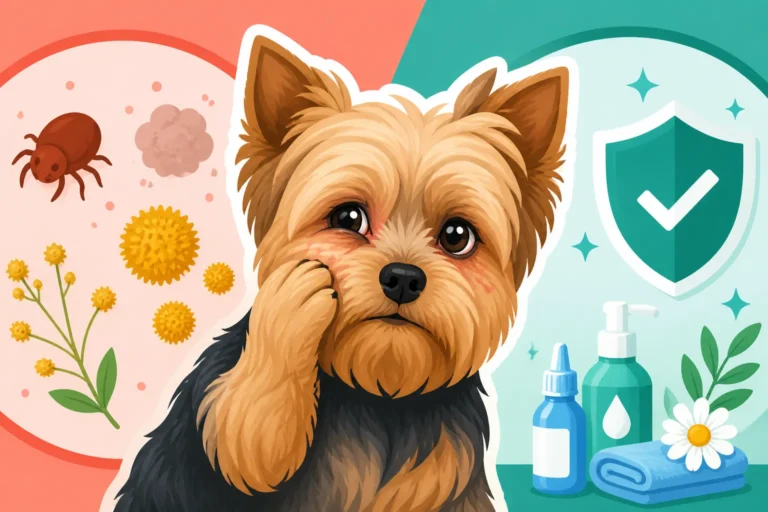
Nasal mites, tiny parasites that live in a dog’s nasal passages, can also cause severe irritation, leading to sneezing, reverse sneezing, and sometimes nosebleeds. Chronic allergies can also cause inflammation and irritation in the upper respiratory tract, making a Yorkie more prone to episodes, much like people with hay fever. For more insights into managing seasonal sniffles, check out Yorkie Allergies: Signs and Relief. While less common in Yorkies compared to brachycephalic (flat-faced) breeds, an elongated soft palate can also cause breathing difficulties and sounds similar to reverse sneezing. Even advanced dental issues, if they lead to significant inflammation or infection that extends into the nasal cavity, can indirectly contribute to respiratory irritation, highlighting why Yorkie Dental Disease Prevention is so vital. It’s a complex landscape, and this is why a thorough veterinary examination is so important to rule out these possibilities and ensure your Yorkie gets the correct diagnosis and treatment.
What to Do During a Reverse Sneezing Episode
Witnessing your Yorkie in the throes of a reverse sneezing episode can be frightening, but there are simple steps you can take to help them through it and, in many cases, shorten the duration. Your calm presence is often the most important thing.
Calming Your Yorkie
The first and most important thing to remember is to stay calm yourself. Your Yorkie can sense your anxiety, and if you panic, they might panic too, which can exacerbate the episode. Speak to them in a soothing, gentle voice. Kneel down to their level and gently stroke their throat. Sometimes, a light massage of their throat can help relax the muscles and encourage them to swallow, which can dislodge whatever irritant is causing the spasm.
Another common technique is to gently cover their nostrils for just a second or two. This can encourage them to swallow, which helps clear the irritant and interrupt the spasm. You can also try lightly blowing a puff of air in their face, as this can also prompt a swallow. The key is to be gentle and reassuring. Avoid picking them up unless it’s absolutely necessary to move them to a safer, quieter spot. Once the episode passes, offer them a small drink of water, if they’re willing, to help further soothe their throat. Remember, the goal is to help them calmly return to normal breathing, not to add to their stress.
Preventative Measures and Home Management
Beyond assisting your Yorkie during an episode, there’s plenty you can do to proactively minimize the frequency and severity of reverse sneezing. It’s all about creating a safer, calmer environment for your tiny companion.
Firstly, if you're still using a collar for walks, switch to a harness. As mentioned before, a collar can put direct pressure on your Yorkie’s delicate trachea, especially if they pull on the leash, triggering a cough or a reverse sneeze. A well-fitting harness distributes pressure across their chest and shoulders, alleviating this risk. Secondly, consider reducing environmental irritants in your home. This might mean using an air purifier, especially in rooms where your Yorkie spends a lot of time. Opt for fragrance-free cleaning products, diffusers, and air fresheners. Avoid smoking indoors or using strong perfumes around your Yorkie. Regularly vacuuming and dusting can also help reduce airborne particles that could cause irritation.
Managing excitement levels can also be beneficial. While it’s hard not to get excited when greeting your furry friend, try to keep your initial interactions calm. A few minutes of quiet petting before enthusiastic play can make a difference. If your Yorkie tends to eat or drink too quickly, invest in a slow-feeder bowl or a water fountain that encourages slower lapping. These small changes can significantly reduce the chances of throat irritation. Consistent, routine veterinary check-ups are also paramount. Your vet can identify potential underlying issues early and provide tailored advice. Regular vet visits are also a good time to discuss your pet insurance plan, as providers like Healthy Paws can offer great peace of mind when it comes to covering unexpected health concerns. Taking these steps demonstrates a commitment to How to Keep a Yorkshire Terrier Healthy.
| Feature | Typical Reverse Sneezing | Concerning Symptoms |
|---|---|---|
| Sound | Loud snorting, honking, gagging | Persistent cough, wheezing, gasping between episodes |
| Appearance | Neck extended, standing still, eyes wide, chest heaving | Blue-tinged gums, persistent pawing at face, collapse |
| Duration | Seconds to 1-2 minutes | Longer than 2 minutes, frequent daily episodes |
| Recovery | Immediate return to normal activity | Lethargy, continued distress, panting, loss of appetite |
| Triggers | Excitement, irritants, quick eating/drinking, leash pull | No obvious trigger, or triggered by minimal activity |
| Associated Signs | None | Nasal discharge, fever, vomiting, diarrhea, limping |
| Intervention | Gentle throat massage, calming voice, cover nostrils | Immediate vet visit |
Vet Consultation and Diagnosis
If you’re noticing those red flags – frequent or prolonged episodes, or additional worrying symptoms – scheduling a visit to your veterinarian is the right next step. Don't second-guess yourself; it’s always better to be safe than sorry when it comes to your Yorkie’s health.
Preparing for Your Vet Visit
To make your vet visit as productive as possible, come prepared with information. Vets often find it incredibly helpful if you can record a video of your Yorkie during a reverse sneezing episode. This provides them with a clear visual and auditory example of what’s happening, which can be invaluable for diagnosis, especially since your Yorkie is unlikely to perform on cue in the examination room.
Beyond a video, try to keep a brief log: note down how often the episodes occur, how long they typically last, and if you’ve observed any specific triggers. Also, be ready to describe any other symptoms you’ve noticed, no matter how minor they seem. This includes changes in appetite, energy levels, drinking habits, bathroom habits, or any other unusual behaviors. Think about when these symptoms started and if they’ve gotten worse. This comprehensive information helps your vet narrow down the possibilities. This is also a good time to review your pet insurance coverage. Many owners invest in pet insurance from companies like Healthy Paws specifically for situations like this, where diagnostics and potential treatments can add up. Knowing your plan details can help you feel more confident in pursuing whatever tests or treatments your vet recommends. For more information on managing healthcare costs, check out our guide on Yorkshire Terrier Vet Costs and Health Budget.
Diagnostic Procedures and Treatment Options
When you arrive at the vet, they’ll start with a thorough physical examination. They’ll listen to your Yorkie’s heart and lungs, check their throat and nasal passages, and feel their neck to assess the trachea. Depending on what they find during the exam and the information you provide, your vet might recommend further diagnostic tests to rule out underlying conditions.
These tests could include X-rays of the chest and neck to look for signs of a collapsed trachea, enlarged heart, or other abnormalities in the airways and lungs. In some cases, a rhinoscopy – a procedure where a tiny camera is used to look directly into the nasal passages and throat – might be recommended to identify foreign objects, polyps, or signs of infection. Blood tests might be performed to check for allergies, infections, or other systemic issues. The exact treatment will depend entirely on the underlying cause. If it's severe allergies, antihistamines or anti-inflammatory medications might be prescribed. If an infection is present, antibiotics could be necessary. For a collapsed trachea, management might involve medication to reduce inflammation and cough suppressants, or in rare, severe cases, surgery. If a foreign object is found, it will need to be carefully removed. Having a reliable pet insurance plan, such as those offered by Healthy Paws, can significantly alleviate the financial stress associated with these diagnostic procedures and ongoing treatments, ensuring your Yorkie receives the best possible care without delay. This proactive approach is key to understanding Yorkshire Terrier Health Problems to Know and addressing them effectively.
Disclaimer
The information provided in this article is for general informational purposes only and is not a substitute for professional veterinary advice. Always consult with a qualified veterinarian for any health concerns or before making any decisions related to your pet's health and treatment.