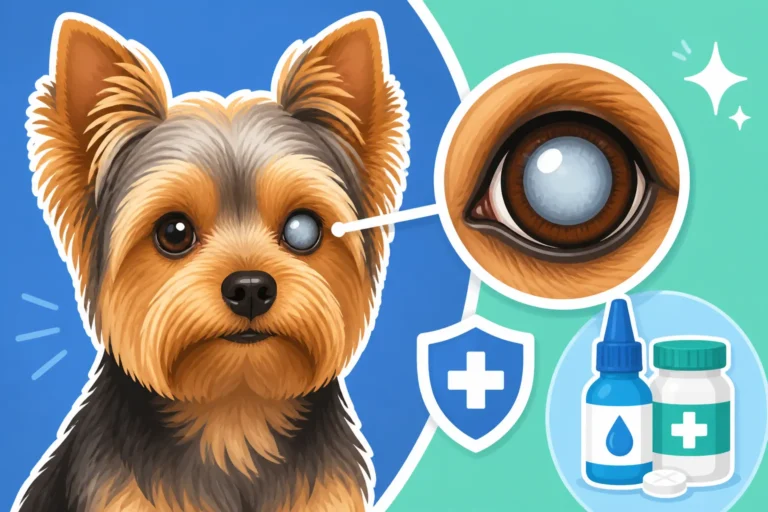
Yorkie Scratching: When to Worry
It's incredibly frustrating and worrying when your beloved Yorkshire Terrier starts scratching constantly. You see them digging at their skin, sometimes whimpering, and it's hard not to feel helpless. This guide is here to help you understand the difference between a normal itch and a serious problem, offering clarity on when your Yorkie's scratching warrants immediate concern and what steps you can take to bring them relief.
Understanding Normal Versus Excessive Yorkie Scratching
Every dog scratches. Just like us, sometimes an itch just pops up, maybe from a stray hair or a little dust. It's a natural behavior, a quick reflex to relieve a minor irritation. But when that occasional scratch turns into a relentless frenzy, it’s a clear signal that something more serious is going on with your little companion. Knowing the difference is key to their well-being.
The Occasional Itch: What's Normal?
Think about how often you might absentmindedly scratch an arm or rub your nose. Dogs do the same thing. They might scratch behind an ear with a back leg, give a quick lick to a paw, or rub their face on the carpet for a few seconds. This is perfectly normal behavior. If your Yorkie scratches for a moment, then gets up and goes about their business, it's likely just a fleeting irritation.
These normal itching bouts are usually brief and infrequent, maybe a few times a day. There are no other visible signs of distress or skin issues, such as redness, hair loss, or scabbing. Their coat still looks healthy and shiny, and their skin feels smooth to the touch. This kind of scratching is part of being a dog and isn't usually a cause for alarm.
When "Just an Itch" Becomes a Concern
The line between normal and concerning scratching isn't always obvious, but there are definite red flags. If your Yorkie is scratching so much that it interrupts their sleep, playtime, or meals, or if they seem agitated and unable to settle, that's when you know it's more than "just an itch." It's a sign they're experiencing significant discomfort.
You might notice them focusing intensely on one area, gnawing or licking persistently at a paw, flank, or tail. They might even be inflicting damage on themselves, causing raw spots or bleeding. Any self-mutilation, even if it seems minor at first, indicates severe irritation. This level of persistent scratching always warrants a closer look and likely a vet visit.
Common Causes Behind Your Yorkie's Itching
Yorkies, with their delicate skin and fine hair, can be particularly susceptible to a range of irritants that can lead to excessive scratching. Pinpointing the exact cause can sometimes feel like detective work, as many conditions present similar symptoms. Understanding the usual suspects is the first step in helping your furry friend.
Environmental and Seasonal Allergies
Just like people, Yorkies can suffer from environmental allergies, often referred to as atopy. These can be seasonal, flaring up with pollen in the spring and fall, or year-round, triggered by indoor allergens like dust mites, mold spores, or even certain household cleaners. The most common symptoms include incessant itching, especially around the paws, face, ears, and belly.
Your Yorkie might constantly lick their paws, rub their face against furniture, or develop recurrent ear infections, which are often a secondary symptom of underlying allergies. Living in a high-pollen area or in an older home with dust mites can exacerbate these issues. You might notice a seasonal pattern to their scratching, which can be a clue that environmental factors are at play. For more in-depth information on managing these triggers, you can refer to our guide on Yorkie Allergies: Signs and Relief.
Food Allergies and Sensitivities
Another major culprit behind chronic itching is a reaction to something in their diet. Food allergies in Yorkies are typically an immune response to a specific protein source, like chicken, beef, dairy, or wheat. Unlike environmental allergies, food sensitivities can often manifest with gastrointestinal issues like vomiting or diarrhea, alongside skin problems.
Identifying a food allergy usually involves a strict elimination diet, where potential allergens are removed from the diet and then reintroduced one by one under veterinary guidance. This process requires patience but can be incredibly effective in pinpointing the trigger. Even common ingredients can cause problems for sensitive Yorkies, so paying close attention to their food and treats is crucial.
Parasites: The Unseen Invaders
Sometimes, the simplest explanation is the most obvious, and tiny invaders can cause huge problems. Fleas are perhaps the most common parasitic cause of itching. Even a single flea bite can trigger an intense allergic reaction in some sensitive Yorkies, leading to widespread itching, redness, and scabs, especially around the base of the tail and groin area.
Beyond fleas, mites like Sarcoptes (scabies), Demodex, and Cheyletiella (walking dandruff) can also cause severe itching, hair loss, and skin irritation. Ticks, while less likely to cause widespread itching unless present in large numbers, can cause localized irritation. Regular preventative treatment is essential, even for indoor Yorkies, as parasites can hitchhike into your home on other pets or even your shoes. If you suspect parasites, or any other skin issue, our article on Yorkie Skin Problems and Solutions offers comprehensive advice.
Skin Infections and Fungal Issues
When a Yorkie scratches excessively, they break the skin barrier, creating an open invitation for bacteria and yeast to move in. This can lead to secondary skin infections, which then cause even more itching, creating a vicious cycle. Bacterial infections (pyoderma) often appear as red bumps, pustules, scabs, or a greasy, foul-smelling coat.
Yeast infections, commonly caused by Malassezia, thrive in warm, moist areas like ear canals, paw pads, and skin folds. They often present with a distinct yeasty odor, greasy skin, and reddish-brown discoloration, especially on the paws and belly. Ringworm, a fungal infection, can cause circular patches of hair loss, redness, and scabs. These conditions often require veterinary prescribed topical or oral medications to clear up effectively.
Dry Skin and Coat Problems
Sometimes, the itching isn't due to an infection or allergy, but simply dry skin. Yorkies, with their human-like hair, can suffer from dryness just like we do. Factors like low humidity, harsh shampoos, infrequent brushing, or a diet lacking essential fatty acids can strip the skin of its natural oils, leading to flakiness and itching.
You might notice your Yorkie's coat looking dull, and their skin flaky or tight. Over-bathing, especially with products not designed for canine skin, can worsen dryness. Ensuring proper hydration, using moisturizing shampoos, and adding supplements rich in Omega-3 and Omega-6 fatty acids can often help alleviate this discomfort. Our detailed guide on Why Is My Yorkie Dry Skin provides more strategies for addressing this common issue.
Red Flags: When to Immediately Seek Veterinary Attention
It’s crucial to know when to stop trying home remedies and head straight to the vet. While some scratching is normal, there are definitive signs that indicate a more serious underlying problem that requires professional medical intervention. Delaying care can lead to worsening conditions, increased discomfort for your Yorkie, and potentially more complex and expensive treatments down the line.
Visible Skin Changes
One of the most immediate indicators of a problem is any change you can see on your Yorkie's skin or coat. Look closely at their skin during regular grooming or cuddles. Are there areas of redness, inflammation, or a persistent rash? Scabs, bumps, or pustules could point to infections or severe allergic reactions.
Hair loss, especially in patches, is a strong signal that something is amiss, whether it's parasites, allergies, or an underlying medical condition. "Hot spots," which are moist, red, irritated lesions caused by excessive licking and chewing, can develop incredibly quickly and become painful. Any of these visible signs mean it's time to call your vet.
Behavioral Changes
Your Yorkie’s behavior can tell you a lot about their discomfort. While an occasional scratch is fine, if your usually playful pup is suddenly lethargic, withdrawn, or constantly preoccupied with scratching, licking, or chewing, it’s a warning sign. They might seem restless, unable to settle down, constantly shifting positions to get at an itch.
Sometimes, severe discomfort can even lead to aggression, especially if you try to touch a particularly sore or itchy spot. If your Yorkie's appetite changes, or they become unusually quiet, these can also be subtle indicators of underlying pain or illness exacerbated by constant irritation. A shift in their normal happy demeanor should always prompt a call to your vet.
Accompanying Symptoms
Scratching rarely happens in a vacuum. Often, it's accompanied by other symptoms that collectively paint a clearer picture of the problem. If your Yorkie is scratching intensely and also experiencing vomiting, diarrhea, or a loss of appetite, it could indicate a systemic illness or a severe allergic reaction impacting their whole body.
Keep an eye (and nose!) out for other specific issues. Frequent paw licking and chewing, especially if the paws appear red, swollen, or discolored, often accompany allergies. Similarly, head shaking, ear rubbing, or a foul odor from the ears alongside body scratching can suggest an ear infection, which is a common secondary symptom of skin allergies. For insights into managing specific ear issues, you can check out our article on Yorkie Ear Infections: Prevention.
Intense or Incessant Scratching
The sheer intensity and frequency of the scratching itself can be a major red flag. If your Yorkie is scratching non-stop, even waking themselves or you up at night, it’s a sign of profound discomfort. This level of itching is more than just annoying; it’s severely impacting their quality of life.
Constant scratching can quickly lead to self-inflicted wounds, opening the door for secondary bacterial infections. These infections then make the itching worse, creating a frustrating cycle. If the scratching is so severe that it’s causing open sores, bleeding, or significant fur loss, don't delay – get to the vet. Sometimes, what seems like minor irritation can escalate quickly in a tiny Yorkie.
Here’s a quick table to help differentiate between normal and worrying scratching:
| Symptom | Normal Scratching | When to Worry |
|---|---|---|
| Frequency | Occasional, brief, few times a day | Constant, incessant, interrupts sleep/play, daily occurrence |
| Intensity | Mild, quick relief | Vigorous, frantic, causes skin irritation or self-injury |
| Target Area | Any random spot, non-specific | Focuses on specific areas (paws, ears, belly, tail base) |
| Skin Appearance | Healthy, no visible changes | Redness, rashes, scabs, bumps, pustules, "hot spots" |
| Coat Appearance | Shiny, full | Dull, brittle hair, hair loss, thinning patches |
| Other Symptoms | None | Lethargy, appetite changes, ear infections, paw licking, odor |
| Behavior | Calm, normal demeanor | Agitated, restless, irritable, withdrawn, whimpering |
Diagnostic Steps and Treatment Options
When your Yorkie's scratching signals trouble, getting an accurate diagnosis is paramount. It’s not about guessing; it’s about systematically ruling out potential causes to find the root of the problem. Your veterinarian is your best partner in this journey, equipped with the knowledge and tools to get to the bottom of things.
Your Vet's Role: Examinations and Tests
Once you bring your Yorkie to the vet with a scratching concern, they'll start with a thorough physical examination. This isn't just a quick look; it involves checking their entire coat and skin from nose to tail, examining their ears, paws, and even their teeth. They'll ask you a lot of questions about your Yorkie's diet, environment, grooming habits, and how long the scratching has been going on. This detailed history is often the first big clue.
Depending on what they find, your vet might recommend several diagnostic tests. A common one is a skin scrape, where a small sample of skin is gently scraped and examined under a microscope for mites. They might also do a cytology, which involves taking a swab or impression from the skin to look for bacteria or yeast. In cases of suspected food allergies, a strict elimination diet might be prescribed, which can be a long process but is often the most reliable way to diagnose food sensitivities. Blood tests can also be useful to check for underlying systemic issues or certain types of allergies. These tests are essential to avoid simply treating symptoms without addressing the actual cause.
Treatment Approaches for Various Causes
Once a diagnosis is made, treatment can be tailored specifically to your Yorkie's condition. For parasitic infestations like fleas or mites, your vet will prescribe appropriate medications, which might include topical spot-on treatments, oral medications, or specialized shampoos. Brands like Bravecto or NexGard are often recommended by vets for flea and tick prevention, and these medications are highly effective.
If allergies are the culprit, treatment becomes more nuanced. For environmental allergies, your vet might suggest antihistamines, corticosteroids (for severe flare-ups), or even allergy injections or oral medications like Apoquel or Cytopoint, which specifically target the itch pathway. For food allergies, sticking to the prescribed hypoallergenic diet is crucial. Bacterial or yeast infections will typically be treated with antibiotics or antifungals, either orally or topically. Sometimes a combination of treatments is necessary to fully resolve the issue and prevent recurrence.
Supportive Care at Home
Alongside veterinary treatments, there's a lot you can do at home to support your Yorkie's recovery and comfort. Regular, gentle bathing with a medicated shampoo prescribed by your vet can help soothe inflamed skin and clear away allergens or microbial overgrowth. Always follow your vet's instructions for medicated baths to ensure effectiveness.
Consider using an Elizabethan collar (the "cone of shame") or soft recovery suit to prevent your Yorkie from scratching, licking, or chewing at their irritated skin while it heals. This is especially important for hot spots or open wounds. Supplements like Omega-3 fatty acids can support skin health from the inside out, reducing inflammation and improving coat quality. Remember, dealing with chronic scratching can incur significant vet bills, so having pet insurance, such as through a provider like Healthy Paws, can really help manage these unexpected costs, allowing you to focus on your Yorkie’s recovery without financial stress. For a deeper dive into vet expenses, read our guide on Yorkshire Terrier Vet Costs and Health Budget.
Preventing Future Scratching Issues
While you can't prevent every possible itch, a proactive approach to your Yorkie's health and environment can significantly reduce the chances of severe scratching episodes. Consistency in care is your greatest tool, ensuring your little companion stays comfortable and happy.
Regular Grooming and Hygiene
Yorkies require consistent grooming to keep their long, fine coats healthy and their skin clean. Regular brushing, ideally daily or every other day, helps to distribute natural oils, remove loose hair and debris, and prevents matting, which can hide skin issues and pull at the skin. When you brush, it's also a perfect opportunity to perform a quick skin check for any redness, bumps, or parasites. Our comprehensive Yorkshire Terrier Grooming Guide can walk you through the specifics.
Bathing your Yorkie every 2-4 weeks with a gentle, moisturizing, dog-specific shampoo can help keep their skin clean and free of irritants, especially if they have environmental allergies. Always rinse thoroughly to avoid leaving any residue that could cause itching. Don't forget nail trims and ear cleaning, as excessive ear wax or long nails can also contribute to discomfort.
High-Quality Diet and Supplements
Nutrition plays a monumental role in skin and coat health. Feeding your Yorkie a high-quality, balanced dog food that uses digestible ingredients can significantly impact their overall well-being and reduce the likelihood of food-related skin issues. Look for foods with real meat as the first ingredient and avoid excessive fillers or artificial additives.
Many vets recommend supplementing with Omega-3 and Omega-6 fatty acids, often found in fish oil, to promote a healthy skin barrier and reduce inflammation. These supplements can make a noticeable difference in reducing dryness and improving coat luster. Always consult your vet before adding new supplements to ensure they are appropriate for your Yorkie's specific needs. For more guidance on their diet, refer to our article on the Best Dog Food for Yorkshire Terriers.
Environmental Control
Managing your Yorkie's environment can drastically reduce exposure to allergens and irritants. Regularly vacuuming and washing pet bedding in hot water can help control dust mites. Using air purifiers in your home can reduce airborne allergens like pollen and mold spores. During high pollen seasons, simply wiping down your Yorkie's paws and coat after outdoor walks can remove allergens before they cause irritation.
Consistent flea and tick prevention, as prescribed by your vet, is non-negotiable, even for indoor dogs. These tiny pests can find their way into any home, and a single bite can trigger a severe reaction in a sensitive Yorkie. Maintaining a clean living space and being mindful of the products you use around your pet will contribute greatly to their comfort.
Routine Vet Check-ups
Preventative care is always better than reactive treatment. Scheduling regular veterinary check-ups for your Yorkie, typically once a year for adults and more frequently for puppies or seniors, allows your vet to catch potential issues early. During these visits, your vet can identify subtle skin changes, discuss any new scratching behaviors, and ensure your preventative measures are still effective. This is part of a larger strategy to How to Keep a Yorkshire Terrier Healthy.
A good relationship with your vet means they're familiar with your Yorkie's baseline health, making it easier for them to spot anomalies quickly. Regular health screenings and open communication about your Yorkie's daily habits can prevent minor itches from escalating into serious, painful, and expensive problems. Investing in regular vet care, potentially supported by a pet insurance plan like those from Healthy Paws, is an investment in your Yorkie's long-term health and happiness. For specific guidance on dental health, which can sometimes be a sign of overall health, consider our Yorkshire Terrier Dental Care Guide.
Disclaimer
The information provided in this guide is for general informational purposes only and does not constitute veterinary advice. Always consult with a qualified veterinarian for any health concerns or before making any decisions related to your Yorkshire Terrier's health or treatment plan.