Yorkie Cataracts: Signs and Treatment
Finding out your beloved Yorkshire Terrier is developing cataracts can be incredibly unsettling. That once bright, inquisitive gaze might start to look a little cloudy, and you might notice them bumping into things or seeming less confident in familiar surroundings. It's a scary thought, but understanding what cataracts are, how to spot them, and what treatment options are available can help you navigate this challenge with confidence, ensuring your little companion continues to live their best life.
Understanding Yorkie Cataracts: What Are They?
Cataracts are one of those eye conditions that sound intimidating, and for good reason—they directly impact your dog's ability to see the world around them. For Yorkie parents, in particular, understanding this condition is crucial because our tiny friends can sometimes be more susceptible.
A Cloudy Lens: The Basics of Cataracts
At its simplest, a cataract is an opacity or cloudiness that develops within the lens of the eye. Think of your dog's eye like a tiny camera. The lens, normally clear, is responsible for focusing light onto the retina, much like a camera lens focuses an image onto the sensor. When a cataract forms, this clear lens starts to become opaque, preventing light from passing through properly. The result is blurry vision, or, in severe cases, complete blindness.
It's not just one type of cataract either. They can vary in size, location, and density, which directly impacts how much vision is affected. Some cataracts might be tiny and only affect a small portion of the lens, barely impacting vision, while others can cover the entire lens, leading to profound vision loss. They can develop in one eye or both, though often if one eye is affected, the other tends to follow.
There are different categories, too. Congenital cataracts are present at birth, while juvenile cataracts develop early in life, typically before age six. Senile cataracts are the ones that develop as part of the natural aging process, often appearing in older dogs. Then there are secondary cataracts, which arise due to another underlying condition, such as diabetes mellitus, glaucoma, or even trauma to the eye. For Yorkshire Terriers, genetic predisposition is a significant factor in many cases.
Why Yorkies Are Prone to Cataracts
Unfortunately, Yorkshire Terriers, like many purebred dogs, can be genetically predisposed to certain health issues, and cataracts are on that list. This means that even with the best care, some Yorkies may develop them due to their inherited genetics. It’s a harsh reality that some of the specific traits we adore in our breeds also come with a higher risk for particular health challenges. If you're looking into buying a puppy, knowing the family history of the parents can provide valuable insight into potential inherited conditions. You can read more about various inherited issues in our guide on Common Yorkshire Terrier Genetic Conditions.
Beyond genetics, several other factors can increase a Yorkie's risk:
- Diabetes Mellitus: This is a huge one. Diabetic cataracts can develop very rapidly, sometimes progressing to complete blindness within a matter of weeks or even days. The excess sugar in the blood can diffuse into the eye's lens, where it's converted into sorbitol, which then draws water into the lens, causing the fibers to swell and become opaque.
- Age: Just like humans, dogs can develop age-related (senile) cataracts. As Yorkies age, the lens fibers naturally thicken and harden, which can lead to cloudiness. Our guide on Yorkshire Terrier Senior Care Guide delves into other age-related concerns.
- Eye Trauma or Inflammation: Any injury to the eye or chronic inflammation (uveitis) can disrupt the lens structure and lead to cataract formation.
- Nutritional Deficiencies or Toxins: While less common, severe nutritional imbalances or exposure to certain toxins can also contribute to cataract development.
- Other Eye Diseases: Sometimes, cataracts can be secondary to other serious eye conditions, like progressive retinal atrophy or glaucoma, where the underlying disease damages the lens. If you’ve noticed any other issues, our article Yorkie Eye Problems Explained offers more insights.
Understanding these risk factors allows us to be vigilant, especially if our Yorkies fall into one of these higher-risk categories. Regular veterinary check-ups, even if your Yorkie seems perfectly healthy, are your first line of defense in catching these issues early.
Recognizing the Signs of Cataracts in Your Yorkie
One of the most anxiety-inducing aspects of any health problem is feeling like you might miss the subtle signs. With cataracts, early detection can make a big difference in treatment outcomes. Knowing what to look for, both physically and behaviorally, is key.
Visual Changes and Eye Appearance
The most direct indicator of cataracts is a change in the appearance of your Yorkie’s eyes. This isn't always immediately obvious, as cataracts often start small and can take time to become prominent.
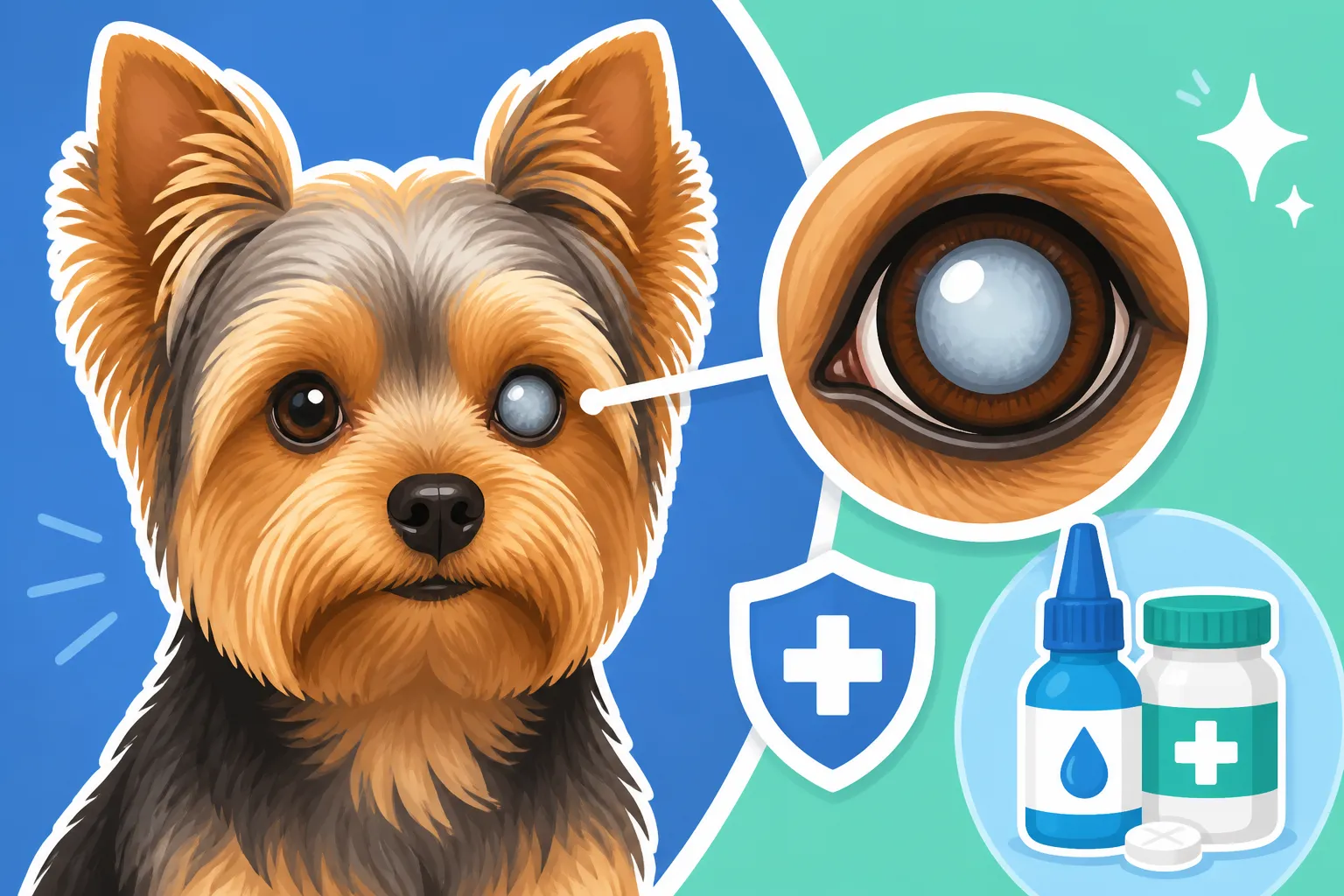
- Cloudiness or Opacity in the Pupil: The pupil, the black center of your Yorkie’s eye, should appear clear and dark. With cataracts, you might start to see a bluish-grey, white, or even milky cloudiness directly behind the pupil. This cloudiness can range from a faint haze to a dense, opaque white mass. It’s often easiest to spot in bright light, or when looking at your Yorkie from a certain angle. Don't confuse this with nuclear sclerosis, a normal age-related change where the lens hardens and looks bluish-grey but doesn't usually impair vision significantly. A vet can easily distinguish between the two.
- Diminished Shine or Reflection: A healthy dog's eyes often have a bright, reflective quality. As cataracts develop, this reflectivity might lessen, making the eye appear duller or "flat."
- Changes in Light Reflex: When light shines into your Yorkie's eyes, you should normally see a distinct reflection. With a significant cataract, this reflection might be distorted or absent because the opaque lens is blocking the light.
- Inflammation or Redness (Secondary Signs): While not a direct sign of cataracts, sometimes secondary issues like inflammation or even glaucoma can accompany cataracts. If you notice persistent redness, discharge, or squinting, it's definitely time for a vet visit. These can be signs your Yorkshire Terrier is sick with more than just a cloudy lens.
Remember, what looks like a minor change to you could indicate a significant impact on your Yorkie's vision. Trust your instincts; if something seems off with their eyes, it's worth getting it checked out.
Behavioral Clues That Indicate Vision Loss
Beyond the physical appearance of the eyes, your Yorkie's behavior can offer critical clues that their vision is declining. They are remarkably adaptable creatures, and sometimes, they'll try to compensate for vision loss, making it harder to notice initially.
- Hesitancy or Clumsiness, Especially in Unfamiliar Places: You might notice your Yorkie starting to hesitate before jumping off furniture, or seeming less confident navigating a new room or even just a rearranged piece of furniture in your own home. They might bump into objects they used to easily avoid, like table legs or doorframes. This is particularly noticeable if the cataracts affect both eyes.
- Difficulty with Night Vision: One of the first signs of vision impairment due to cataracts is often difficulty seeing in low light. Your Yorkie might seem more disoriented, bump into things, or become more anxious after dusk. They might be reluctant to go out for their evening potty break or struggle to find their way to their bed in a dimly lit room.
- Increased Startle Response: If your Yorkie is having trouble seeing, they might become more easily startled by sudden movements or noises, as they can't visually anticipate what's happening around them.
- Changes in Play or Social Interaction: A vision-impaired Yorkie might be less enthusiastic about playing fetch or interacting with other dogs, especially if it involves chasing moving objects. They might also seem less responsive to visual cues from you or other pets.
- Anxiety or Increased Vocalization: Vision loss can be frightening for dogs, leading to increased anxiety, clinginess, or even more barking or whining, particularly when they are in unfamiliar situations or feel disoriented. If you've ever wondered Why Does My Yorkie Keep Whining, vision issues could be a factor.
- Changes in Eye Tracking: When you hold a treat or a favorite toy in front of their face, do their eyes follow it smoothly? If they seem to struggle to track it, or don't react visually at all, it's a strong indicator of vision problems.
If you observe any combination of these physical or behavioral changes, it’s a clear signal to schedule an appointment with your veterinarian. Early diagnosis means more options and better outcomes for your precious Yorkie.
Diagnosing Yorkie Cataracts and What to Expect at the Vet
When you suspect your Yorkie might have cataracts, the first step is always a visit to your trusted veterinarian. They'll be able to conduct initial checks and guide you on the next steps, which often involves a specialist.
The Initial Veterinary Examination
Your regular veterinarian will start with a comprehensive physical examination, paying close attention to your Yorkie's overall health, especially if diabetes is a concern. They'll also perform a thorough eye examination.
- Ophthalmoscope Examination: Your vet will use an ophthalmoscope, a specialized instrument, to look into your Yorkie's eyes and evaluate the lens, retina, and other structures. This allows them to identify any cloudiness in the lens and determine its extent.
- Pupillary Light Reflex (PLR): They'll check your Yorkie's pupillary light reflex to see how their pupils respond to light. While cataracts block vision, sometimes the pupil can still constrict, but in advanced cases, the reflex might be absent.
- Vision Assessment: Your vet will often perform simple tests to assess your Yorkie's vision. This might involve setting up an obstacle course in the examination room and observing how your dog navigates it, or tossing cotton balls (which don't make noise) to see if they track them.
- Blood Tests: If diabetes is suspected as a cause, your vet will likely recommend blood tests, including a complete blood count (CBC) and a chemistry panel, to check blood glucose levels and overall organ function. This is vital because if diabetes is the cause, managing it is critical for your Yorkie's overall health, not just their eyes.
- Distinguishing from Nuclear Sclerosis: As mentioned before, a bluish haze in an older Yorkie's eyes can be due to nuclear sclerosis, a benign age-related change that doesn't usually affect vision significantly. Your vet is trained to differentiate this from true cataracts, which is a big relief for many owners who worry every time their older dog's eyes look a little cloudy. You can get more information on what to expect during a vet visit in our guide on When to Take Your Yorkie to the Vet.
This initial visit is about gathering information and determining if a specialist is needed. For many Yorkie parents, realizing their furry friend's vision is at risk can be incredibly stressful, and your vet will be there to answer your questions and provide support.
Specialized Ophthalmic Consultation
If your primary vet suspects cataracts or needs a more in-depth evaluation, they will typically refer you to a board-certified veterinary ophthalmologist. These specialists have advanced training and equipment specifically for diagnosing and treating eye conditions in animals.
- Slit-Lamp Biomicroscopy: This is a crucial diagnostic tool. It allows the ophthalmologist to examine the eye's structures, including the lens, under high magnification and with a focused beam of light. They can precisely assess the type, location, and maturity of the cataracts.
- Indirect Ophthalmoscopy: Similar to what your general vet might do, but with more specialized lenses and techniques to get a detailed view of the retina at the back of the eye.
- Ocular Ultrasound: Sometimes, if the cataract is so dense that the ophthalmologist cannot see the back of the eye, an ultrasound might be performed. This helps determine the health of the retina, which is important for predicting the success of cataract surgery.
- Electroretinography (ERG): This test measures the electrical activity of the retinal cells in response to light. It's essential before cataract surgery to ensure the retina is healthy and capable of vision once the cataract is removed. If the retina isn't functional, cataract surgery won't restore vision, making the procedure unnecessary.
- Gonioscopy: This exam checks the drainage angle of the eye and is used to screen for glaucoma, which can sometimes occur alongside or be caused by cataracts.
The ophthalmologist will thoroughly explain their findings, discuss the prognosis, and go over all available treatment options, tailoring a plan specifically for your Yorkie's condition and overall health. They understand the emotional toll this can take on owners and will provide detailed guidance every step of the way.
Treatment Options for Yorkie Cataracts
Hearing that your Yorkie has cataracts can feel overwhelming, but the good news is that there are effective treatments, especially if caught early. The best approach often depends on the severity, cause, and your Yorkie's overall health.
Surgical Intervention: The Gold Standard
For most cases where vision impairment is significant and the eye itself is otherwise healthy, surgery is the most effective way to restore sight. It's a specialized procedure performed by a veterinary ophthalmologist and is generally considered the gold standard for treating cataracts.
- Phacoemulsification: This is the most common technique used in veterinary cataract surgery, very similar to how human cataracts are removed. The procedure involves making a tiny incision in the cornea. A small ultrasonic probe is then inserted, which uses high-frequency sound waves to break up the cloudy lens into tiny fragments. These fragments are then gently suctioned out of the eye.
- Intraocular Lens (IOL) Implantation: After the natural lens material is removed, an artificial intraocular lens (IOL) is typically implanted. This artificial lens helps to restore proper vision and focus, though dogs don't usually achieve 20/20 vision like humans after cataract surgery. They regain excellent functional vision, allowing them to navigate, play, and interact normally. In some cases, if the eye's structure isn't suitable, an IOL might not be implanted, but dogs can still have good functional vision without one, albeit a bit farsighted.
- Success Rates and Risks: Cataract surgery for dogs has a high success rate, often between 85-95%, in restoring functional vision. However, like any surgery, it comes with potential risks. These can include post-operative inflammation, glaucoma, retinal detachment, or infection. The ophthalmologist will discuss these risks thoroughly before the procedure. Proper pre-operative evaluation, including the ERG test to confirm retinal health, helps minimize complications.
- Post-Operative Care: This is crucial for a successful outcome. Your Yorkie will need several weeks of medication, including anti-inflammatory eye drops, antibiotics, and oral medications, to prevent inflammation and infection. They'll also need to wear an Elizabethan collar (e-collar) to prevent rubbing or scratching their eyes, and their activity will be restricted. Regular follow-up appointments with the ophthalmologist are essential to monitor healing.
- Cost Implications: Cataract surgery is a significant investment, often ranging from $2,500 to $4,000 per eye, depending on your location and the specific veterinary facility. This cost can be a real concern for many families, but this is where pet insurance, like policies from Healthy Paws, can become an absolute lifesaver, helping to cover a substantial portion of the expenses. Many pet insurance providers, including Healthy Paws, offer plans that can significantly reduce the financial burden of such advanced veterinary procedures, making life-changing treatments more accessible. Understanding Yorkshire Terrier Vet Costs and Health Budget can help you prepare.
Managing Cataracts Without Surgery
For some Yorkies, surgery might not be the best option. This could be due to advanced age, other serious health conditions that make anesthesia risky, or if the cataracts are not significantly impacting their quality of life. In these cases, the focus shifts to managing symptoms and improving comfort.
- Palliative Care and Eye Drops: There are no eye drops or medications that can dissolve or reverse cataracts once they have formed. However, anti-inflammatory eye drops or lubricating drops might be prescribed to manage any secondary inflammation or discomfort associated with the cataracts. These drops do not cure the cataracts but can help maintain overall eye health.
- Managing Underlying Conditions: If the cataracts are secondary to a condition like diabetes, rigorous management of the diabetes is paramount. While it won't reverse existing cataracts, it can prevent new ones from forming or slow the progression of existing ones. Our article on Yorkshire Terrier Hypoglycemia: Signs and Care highlights the importance of blood sugar management.
- Creating a Safe Home Environment: This is perhaps the most important aspect of non-surgical management. You’ll need to adapt your home to help your vision-impaired Yorkie navigate safely and confidently. This includes keeping furniture in consistent locations, blocking off stairs with gates, and using scent markers or different textures to help them orient themselves. We will delve more into this in the next section.
- Regular Monitoring: Even without surgery, regular veterinary check-ups are still important. Your vet will monitor the progression of the cataracts, check for secondary complications like glaucoma, and ensure your Yorkie is comfortable.
While non-surgical approaches won't restore vision, they can significantly improve your Yorkie's quality of life and help them adjust to their new reality. It’s all about focusing on comfort, safety, and continued love and companionship.
Living with a Yorkie with Cataracts: Long-Term Care
Whether your Yorkie has undergone surgery or you've opted for non-surgical management, living with a vision-impaired dog requires patience, understanding, and some practical adjustments to ensure their continued well-being.
Adapting Your Home Environment
A dog with vision loss relies heavily on their other senses – smell, hearing, and touch – to navigate their world. By making a few thoughtful changes, you can help your Yorkie feel safe and secure in their home.
- Maintain Consistency: This is perhaps the most critical tip. Avoid frequently rearranging furniture. Your Yorkie will create a "mental map" of your home, and moving things around can be incredibly disorienting and stressful. If you absolutely must move something, guide them around the new arrangement several times.
- Clear Pathways: Keep floors clear of clutter. Toys, shoes, or bags left in unexpected places can become tripping hazards. Always ensure a clear path to their food and water bowls, their bed, and the door for potty breaks.
- Gate Off Hazards: Stairs, swimming pools, or areas with sharp corners should be gated off or made inaccessible to prevent falls and injuries. Remember, a Yorkie's small size makes them particularly vulnerable to falls.
- Use Scent and Sound Cues: You can use distinct scents near important locations, like their water bowl or their bed. For example, a drop of essential oil (vet-approved and dog-safe, like lavender) on a small cloth near their bed can help them locate it. Talking to them frequently as you move around the house can also help them track your location and feel less alone.
- Provide Safe Outdoor Access: When outside, always keep your vision-impaired Yorkie on a leash, even in a fenced yard, unless you are absolutely certain of the yard's safety and have established clear boundaries for them. A long training leash can give them some freedom while keeping them safe.
- Comfort and Security: Ensure their bed is easily accessible and provides a sense of security. A bed with raised sides can make them feel more secure and help them orient themselves.
- Routine, Routine, Routine: Stick to a consistent daily routine for feeding, potty breaks, and playtime. Predictability helps reduce anxiety.
These adaptations don't just make life easier for your Yorkie; they also reduce your stress as an owner, knowing your beloved pet is safe and comfortable.
Ongoing Veterinary Care and Monitoring
Whether your Yorkie has had cataract surgery or is being managed non-surgically, ongoing veterinary care is essential.
- Post-Surgical Follow-Ups: If your Yorkie had surgery, strict adherence to the post-operative schedule for medication and follow-up appointments with the ophthalmologist is non-negotiable. These check-ups are crucial to monitor healing, adjust medications, and catch any potential complications like inflammation or secondary glaucoma early. Your ophthalmologist will likely schedule several visits in the weeks and months following surgery.
- Monitoring Non-Surgical Cases: For Yorkies not undergoing surgery, regular check-ups with your primary vet or ophthalmologist are still important. They will monitor the progression of the cataracts, check for signs of discomfort, and watch for any secondary conditions like glaucoma, which can be painful and require immediate attention. They can also offer advice on pain management or other supportive care.
- General Health Checks: Remember that eye health is often linked to overall health. For instance, if diabetes was the cause, managing their diabetes becomes a lifelong commitment, with regular blood glucose monitoring. Keeping your Yorkie healthy through appropriate diet, exercise, and preventative care, as discussed in How to Keep a Yorkshire Terrier Healthy, will support their eye health too.
- Addressing New Symptoms: Always be vigilant for any new or worsening symptoms. If your Yorkie suddenly seems to be in pain, has increased eye discharge, redness, or any sudden change in behavior, contact your vet immediately. Conditions like acute glaucoma can cause rapid vision loss and severe pain and require emergency treatment. If you notice concerning eye discharge, our article on Yorkie Eye Discharge: Causes might offer some initial insights, but always consult your vet.
- Pet Insurance Benefits: Ongoing care, whether it's routine check-ups or unexpected complications, can add up. This is another area where a comprehensive pet insurance plan, like those offered by Healthy Paws, can provide significant peace of mind. Knowing that you have financial support for these continuous needs allows you to focus on giving your Yorkie the best possible care without added stress.
Caring for a Yorkie with cataracts requires dedication, but seeing your furry friend navigate their world with renewed confidence, thanks to your efforts and veterinary support, is incredibly rewarding.
| Aspect | Signs to Look For | Diagnosis Process | Treatment Options |
|---|---|---|---|
| Appearance | Cloudy, bluish-white film in pupil; duller eye shine | Ophthalmoscope exam; slit-lamp biomicroscopy | Surgical removal (phacoemulsification); artificial lens implantation |
| Behavior | Bumping into objects; hesitation; anxiety; difficulty in dim light | Vision assessment (obstacle course, cotton ball test) | Environmental adaptation (consistent layout, gates); scent/sound cues |
| Underlying Causes | Increased thirst/urination (diabetes); eye injury | Blood tests (glucose, overall health); ocular ultrasound; ERG | Diabetes management (insulin, diet); anti-inflammatory eye drops (non-surgical comfort) |
| Prognosis | Varied; depends on severity & treatment | Specialist consultation (veterinary ophthalmologist) | High success rate with surgery; supportive care for non-surgical cases |
| Cost | Variable, can be significant | Vet consultation, specialist fees | Surgery (high cost, pet insurance helpful); ongoing medication, follow-ups |
Disclaimer
The information provided in this article is for general informational purposes only and is not a substitute for professional veterinary advice. Always consult with a qualified veterinarian for any health concerns or before making any decisions related to your pet's health and treatment.