Yorkie Eye Discharge: Causes
It’s incredibly common to wake up in the morning, glance over at your sweet Yorkshire Terrier, and notice a bit of gunk or wetness around their eyes. Our tiny companions are prone to various eye issues, and while some discharge might be perfectly normal, a sudden change or persistent weeping can send any loving pet parent into a worried frenzy. It's frustrating because their eyes are so delicate, and it’s not always obvious what’s causing the problem. This comprehensive guide will walk you through understanding different types of Yorkie eye discharge, pinpointing the potential causes, and knowing exactly when it's time to seek professional veterinary help.
Understanding Normal Versus Concerning Eye Discharge in Yorkies
First, let’s talk about what’s typically considered normal. Just like us, Yorkies can get a little bit of eye discharge, often referred to as "sleepies" or "eye boogers," especially after a long nap or overnight. This usually appears as a small amount of clear or reddish-brown crust in the corner of their eyes. It’s essentially dried tears, dust, or other debris that has collected. This kind of discharge is typically harmless, easy to wipe away with a damp cloth, and doesn’t cause any irritation to your dog. If your Yorkie’s eyes look clear and bright otherwise, and there are no other symptoms, it’s probably nothing to worry about.
However, distinguishing normal from abnormal can be tricky, especially with a breed known for its susceptibility to eye problems. The moment you notice a change in color, consistency, or quantity, or if it's accompanied by other symptoms like redness or squinting, it’s a strong signal that something more serious might be going on. Ignoring these subtle signs can sometimes lead to more severe complications, so it's always best to be vigilant and not dismiss a persistent issue as just "more sleepies." A general rule of thumb is that if the discharge is anything other than a tiny, dry, clear or reddish-brown crust, it warrants closer attention.
When to Suspect a Problem
You're a careful Yorkie owner, always attuned to your little buddy's quirks. So, how do you know when that eye discharge is crossing the line from "normal dog stuff" to "time to pay attention"? The key is looking for accompanying symptoms and changes in the discharge itself. If you see discharge that’s thick, yellow, green, or gooey, or if there's excessive tearing that makes the fur around their eyes constantly wet, it's a red flag. These are often signs of infection or irritation that need a vet's assessment.
Beyond the discharge itself, keep an eye out for other behavioral or physical changes. Is your Yorkie pawing at their face more often? Are they rubbing their eyes on the carpet or furniture? Do their eyelids appear swollen or red? Are they squinting, blinking excessively, or is one eye suddenly more watery than the other? These symptoms, even without obvious colored discharge, can indicate pain or discomfort and suggest an underlying issue that needs addressing. It’s also wise to check for any visible foreign objects in the eye, though this can be difficult with their small size and sometimes long facial hair.
The Appearance of Eye Discharge and What It Might Mean
The nature of the eye discharge itself can offer clues to its origin, though a definitive diagnosis always requires a vet. Here’s a quick overview of what different types of discharge might suggest:
| Discharge Type | Appearance | Potential Causes |
|---|---|---|
| Clear & Watery | Excessive tearing, often without color | Allergies, irritants (dust, smoke), early stage infection, blocked tear ducts |
| Mucus (White/Gray) | Stringy, sticky, grayish-white | Dry eye (KCS), foreign body, allergies, early conjunctivitis |
| Pus (Yellow/Green) | Thick, opaque, often foul-smelling, yellowish-green | Bacterial infection (conjunctivitis), corneal ulcer, severe dry eye |
| Reddish-Brown/Rust | Dried crust, often in inner corner | Normal dried tears (porphyrin stains), mild irritation, tear stains |
Remember, this table is just a guide. You should never try to self-diagnose your Yorkie based solely on the appearance of discharge. It's a starting point for discussion with your veterinarian.
Common Causes of Yorkie Eye Discharge and What to Do
Yorkshire Terriers, with their adorable small faces and often luxurious long hair, are unfortunately predisposed to a range of eye conditions that can lead to discharge. It's a constant worry for many owners because these little dogs are so vulnerable. Understanding these common culprits can help you communicate more effectively with your vet and take proactive steps for your pet's well-being.
Allergies and Environmental Irritants
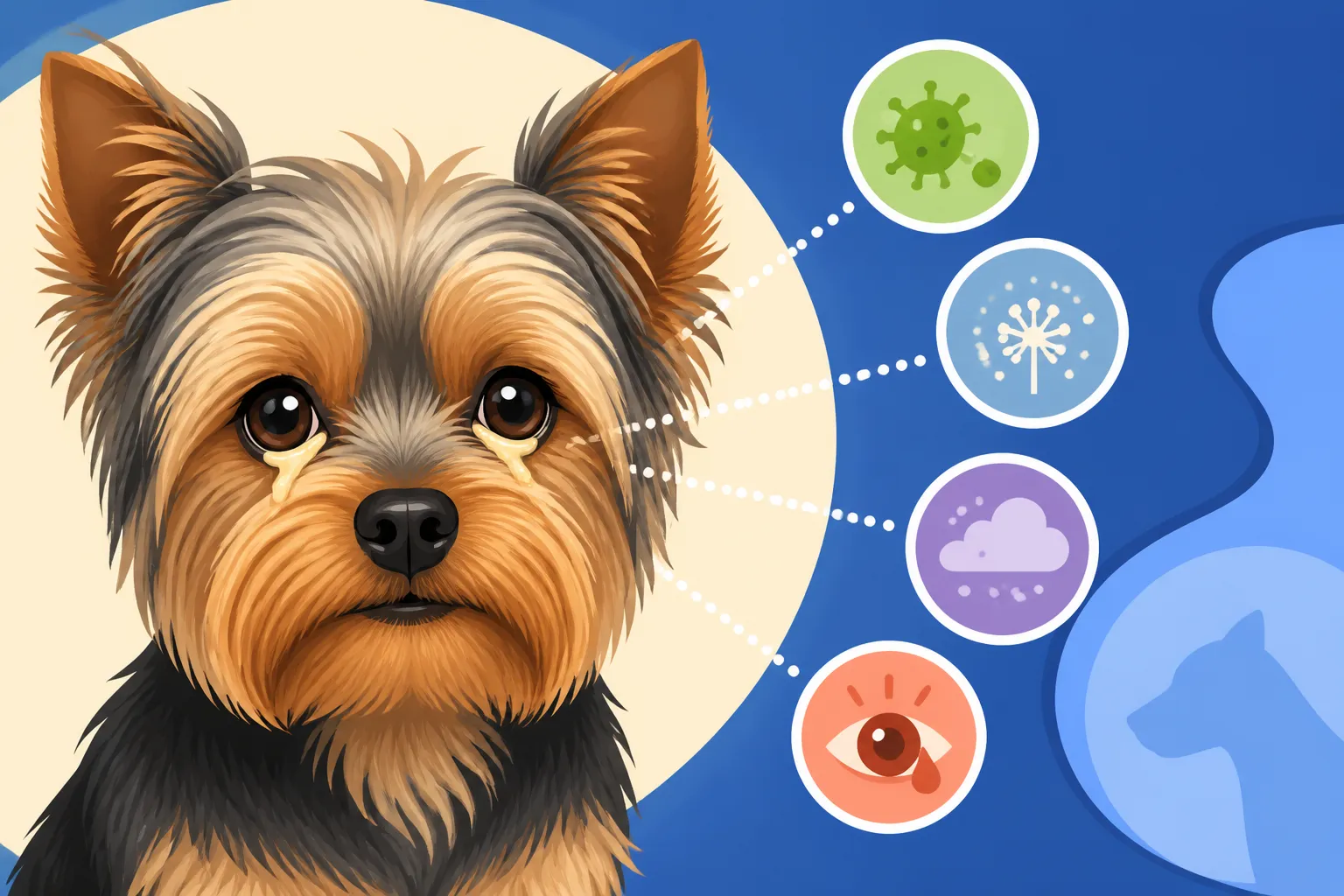
Just like people, Yorkies can suffer from allergies, and the eyes are often one of the first places these issues manifest. Environmental allergens like pollen, dust mites, mold spores, or even certain ingredients in their food can trigger a reaction. When your Yorkie is exposed to an allergen, their immune system overreacts, leading to inflammation. This inflammation often results in clear, watery eye discharge, which might look like your pup is constantly tearing up. You might also notice redness around the eyes, itching (leading to pawing at the face), and sometimes sneezing or a runny nose.
The tricky part about allergies is figuring out what's causing them. It could be seasonal, only flaring up at certain times of the year, or it might be something persistent in your home environment. To manage this, try to identify and minimize exposure to potential irritants. Regular vacuuming, using air purifiers, and wiping down your Yorkie’s face after outdoor excursions can help. If you suspect food allergies, your vet might recommend a limited ingredient diet trial. For persistent or severe cases, your vet may prescribe antihistamines or anti-inflammatory eye drops.
Conjunctivitis Pink Eye
Conjunctivitis, commonly known as pink eye, is an inflammation of the conjunctiva – the membrane that lines the inside of the eyelids and covers the white part of the eye. It's a frequent issue in Yorkies, and it can be quite uncomfortable for them. The discharge associated with conjunctivitis can vary; it might start as watery, but often progresses to a thick, mucousy, or even pus-like (yellow or green) discharge if a bacterial infection is present. You'll almost certainly see redness in the white part of the eye, swelling of the eyelids, and your Yorkie will likely be squinting or rubbing their eyes.
This condition can be caused by various factors, including bacterial infections, viral infections (less common in dogs), allergies, irritants, or even other underlying eye conditions. A vet visit is crucial to determine the cause. They might take a swab of the discharge for analysis. Treatment often involves antibiotic eye drops or ointment for bacterial infections, anti-inflammatory drops to reduce swelling, and sometimes oral medications. It's important to complete the full course of treatment, even if symptoms improve quickly, to prevent recurrence.
Dry Eye Keratoconjunctivitis Sicca (KCS)
Dry eye, or Keratoconjunctivitis Sicca (KCS), is a common and chronic condition in Yorkies where the tear glands don't produce enough tears to keep the eyes adequately lubricated. Tears are essential not just for moisture but also for washing away debris and providing oxygen and nutrients to the cornea. When tear production is insufficient, the eyes become dry and irritated. This irritation leads to a distinctive thick, stringy, grayish-white or yellowish-green mucus discharge, which many owners describe as looking like "snot" from the eye. The eye itself will often look dull, red, and inflamed. Your Yorkie might blink excessively or seem to have trouble opening their eyes.
KCS is a serious condition that, if left untreated, can lead to painful corneal ulcers, vision impairment, and even blindness. Diagnosis involves a simple test called a Schirmer Tear Test, which measures tear production. Treatment is usually lifelong and involves daily medicated eye drops, such as cyclosporine or tacrolimus, to stimulate tear production, along with artificial tears to provide immediate lubrication. Early and consistent treatment is vital to manage this condition and maintain your Yorkie's eye health. You can find more information on Yorkshire Terrier Dry Eye: Signs and Care.
Blocked Tear Ducts
Yorkies are quite small, and sometimes, their delicate anatomy can lead to issues like blocked tear ducts, also known as nasolacrimal duct obstruction. The tear ducts are tiny tubes that drain excess tears from the eyes into the nasal cavity. If these ducts become blocked, tears can't drain properly, leading to an overflow of tears down your Yorkie’s face. This excessive tearing, or epiphora, often appears as clear, watery discharge that stains the fur around their eyes a reddish-brown color due to porphyrins in the tears. While the discharge itself might be clear, the constant moisture can create a breeding ground for yeast and bacteria, leading to secondary infections and more colored, pus-like discharge. This can contribute to those frustrating Yorkie Tear Stains: When to Worry.
Blocked tear ducts can be caused by inflammation, debris, scar tissue, or even genetic predisposition in certain breeds. Your vet can often diagnose this by flushing the tear ducts or using a special dye to see if it drains properly. Treatment depends on the cause; sometimes, a simple flush under sedation can clear the blockage. In more chronic cases, surgical intervention might be considered. Keeping the fur around the eyes trimmed and clean can help prevent secondary infections from the constant moisture.
Eyelid and Eyelash Abnormalities
Certain structural issues with the eyelids or eyelashes are also common in Yorkies and can lead to persistent eye discharge. These conditions cause irritation because something is constantly rubbing against the delicate surface of the eye.
- Entropion: This is where the eyelid rolls inward, causing the eyelashes and fur to rub against the cornea.
- Ectropion: Less common in Yorkies, this is when the eyelid rolls outward, exposing the conjunctiva and leaving the eye vulnerable to irritants and dryness.
- Distichiasis/Ectopic Cilia: These involve eyelashes growing in abnormal places on the eyelid, sometimes from the meibomian glands, and rubbing directly on the eyeball.
All these conditions cause chronic irritation, leading to excessive clear tearing, mucus discharge, redness, and squinting. Over time, they can even cause painful corneal abrasions or ulcers. A vet can usually diagnose these issues with a thorough eye examination. Surgical correction is often the most effective treatment, especially for entropion or severely misplaced eyelashes. If left untreated, these constant irritations can lead to severe pain and vision problems for your precious pup.
Corneal Ulcers and Injuries
The cornea is the clear, outermost layer of the eye, and it’s incredibly delicate. A corneal ulcer is essentially an open sore on the surface of the cornea, often caused by trauma (like running into a bush, a scratch during play), foreign bodies getting lodged in the eye, chemical irritants, or even severe dry eye. Yorkies, being small and low to the ground, are particularly susceptible to eye injuries. The pain from a corneal ulcer is often intense, leading to significant clear, watery discharge as the eye tries to flush out the irritant. If a bacterial infection sets in, the discharge can quickly turn thick and pus-like, appearing yellow or green. You'll likely notice extreme squinting, redness, sensitivity to light, and your Yorkie will probably be rubbing or pawing at the affected eye.
If you suspect an eye injury or ulcer, it's an emergency. Yorkie Emergency Symptoms to Never Ignore include acute eye pain and changes. Your vet will perform a fluorescein stain test, which uses a special dye to highlight any damage on the cornea. Treatment typically involves antibiotic eye drops to prevent or treat infection, pain relief, and sometimes atropine drops to dilate the pupil and reduce muscle spasms. In severe cases, surgery may be necessary. Never delay seeking veterinary care for suspected corneal injuries, as they can rapidly worsen and lead to permanent vision loss.
Glaucoma
Glaucoma is a serious and painful eye condition resulting from increased pressure inside the eye. This pressure can damage the optic nerve and lead to blindness if not treated promptly. While less common than some other causes of discharge, Yorkies can still develop glaucoma. The condition typically presents with a clear, watery discharge in the early stages, often accompanied by a dilated pupil in the affected eye, redness, and a hazy or bluish appearance to the cornea. Your Yorkie might be in significant pain, leading to squinting, rubbing, and general lethargy.
Glaucoma can be primary (inherited) or secondary (caused by another eye disease or injury). It's a true veterinary emergency. If you notice any of these signs, especially sudden onset of pain and a change in eye appearance, you need to get to an emergency vet immediately. They will measure the intraocular pressure (IOP) using a tonometer. Treatment aims to reduce eye pressure, often with a combination of eye drops and oral medications. In some cases, surgery might be considered, but the prognosis for vision can be guarded, especially if treatment is delayed.
When to See the Vet for Your Yorkie's Eye Discharge
Knowing when to call the vet versus just keeping a watchful eye is a common struggle for pet parents. With Yorkies, their small size and delicate nature mean eye issues can escalate quickly. It’s always better to be safe than sorry, especially when it comes to vision. If you’re ever in doubt, a quick call to your vet or a scheduled appointment is the best course of action. They've seen it all and can quickly assess the situation. For more guidance on knowing when to seek professional help, check out When to Take Your Yorkie to the Vet.
Urgent Symptoms Requiring Immediate Veterinary Attention
Certain signs indicate that your Yorkie's eye discharge is more than just a minor irritation and requires immediate veterinary intervention. These are situations where delaying care could have serious, long-term consequences for your dog's vision or overall health.
- Sudden onset of severe pain: If your Yorkie is suddenly squinting intensely, unable to open their eye, pawing at it incessantly, or yelping when you try to examine them, it’s a strong indicator of significant pain, possibly from an injury or ulcer.
- Changes in eye appearance: Any cloudiness, haziness, a bluish tint, or a visibly swollen eyeball requires urgent attention. These can be signs of conditions like glaucoma or severe corneal damage.
- Thick, pus-like discharge: Yellow, green, or thick, opaque discharge that appears suddenly, especially if accompanied by redness or swelling, suggests a serious infection that needs prompt treatment.
- Foreign object visible in the eye: If you can see something stuck in your Yorkie’s eye, do not attempt to remove it yourself. This could cause further damage. Keep your dog from rubbing their eye and get to the vet.
- Discharge following an injury or trauma: If your Yorkie bumped their head, ran into something, or was in a scuffle, and now has eye discharge, it's crucial to have them examined for underlying damage.
If you observe any of these symptoms, don't wait. Contact your vet or an emergency veterinary clinic right away. Eye emergencies can progress rapidly, and timely intervention can make a significant difference in the outcome.
What to Expect at the Vet Visit
When you bring your Yorkie in for eye discharge, your vet will start with a thorough history. They'll ask about when the discharge started, what it looks like, if there are any other symptoms, and your Yorkie’s general health. Being prepared with these details can help them quickly narrow down possibilities.
Next, they’ll perform a comprehensive eye exam. This typically includes:
- Visual inspection: Looking at the eyelids, eyelashes, conjunctiva, and cornea for any abnormalities.
- Schirmer Tear Test: This involves placing a small strip of paper in the lower eyelid for one minute to measure tear production, especially useful for diagnosing KCS.
- Fluorescein Stain Test: A special orange dye is applied to the eye. If there's an ulcer or abrasion on the cornea, the dye will stick to it and appear green under a special light.
- Tonometry: This measures the pressure inside the eye to check for glaucoma.
- Ophthalmoscopy: Using an ophthalmoscope to examine the internal structures of the eye.
Depending on their findings, your vet might also take a swab of the discharge for cytology (looking at cells under a microscope) or culture (to identify specific bacteria). Based on the diagnosis, they will recommend a treatment plan, which could involve eye drops, ointments, oral medications, or in some cases, referral to a veterinary ophthalmologist for specialized care or surgery. Don't be afraid to ask questions about the diagnosis, prognosis, and medication administration. Remember, vet costs can add up, especially for complex or chronic conditions. This is where having pet insurance from a reputable provider like Healthy Paws can truly alleviate financial stress, allowing you to focus on your Yorkie's recovery rather than the bill.
Preventing Eye Discharge and Promoting Eye Health
Taking proactive steps to maintain your Yorkie's eye health can go a long way in preventing many of the issues that lead to uncomfortable and worrying discharge. Consistent daily care and regular check-ups are key to keeping those tiny eyes sparkling. It's not just about reacting when a problem occurs, but about creating a routine that minimizes risks.
Regular Grooming and Face Cleaning
One of the easiest and most effective ways to prevent eye issues in long-haired breeds like Yorkies is diligent grooming. Their facial hair can easily wick tears into the eyes, irritate the cornea, or trap debris and bacteria, leading to infections.
- Trim facial hair: Regularly trim the hair around your Yorkie's eyes, being extremely careful not to poke them. If you’re uncomfortable doing this yourself, a professional groomer can safely perform a "puppy cut" or similar style that keeps the hair away from the eyes. This not only prevents irritation but also helps reduce tear staining.
- Daily wiping: Gently wipe your Yorkie’s eyes daily with a soft, damp cloth or a vet-approved eye wipe. This helps remove any accumulated discharge, dust, or potential irritants before they can cause a problem. Always wipe away from the eye, from the inner corner outwards.
- Addressing tear stains: While not always a health concern, persistent tear stains can be a sign of excessive tearing or blocked tear ducts. Cleaning them regularly can help prevent secondary skin infections. You can learn more about how to effectively clean Yorkie tear stains in a dedicated guide.
Establishing a consistent routine will not only keep your Yorkie looking dapper but will also significantly reduce the chances of eye irritation and infection.
Environmental Management
Your Yorkie's environment plays a big role in their eye health. Small particles and irritants in the air can easily get into their eyes, especially given their low stature.
- Minimize dust and allergens: Regular vacuuming, dusting, and using an air purifier can drastically reduce airborne irritants like dust mites, pollen, and pet dander (if they're reacting to other pets in the house).
- Avoid irritants: Keep your Yorkie away from strong chemical fumes, smoke (including cigarette smoke), and harsh cleaning products. If you’re using aerosol sprays like hairspray or air fresheners, make sure your Yorkie isn't in the room.
- Outdoor safety: Be mindful of windy conditions or areas with a lot of dust, sand, or tall grass when walking your Yorkie. A pet stroller or a gentle wipe after walks can protect their eyes from foreign bodies. If your Yorkie rides in the car, never let them stick their head out the window, as debris can easily fly into their eyes at speed, causing serious injury.
By creating a clean and safe environment, you're building a protective shield around your Yorkie's delicate eyes, making them less susceptible to common irritations.
Regular Veterinary Check-ups and Early Detection
Routine veterinary check-ups are crucial for catching potential eye issues before they become severe. Your vet can often spot subtle signs of developing problems that you might miss at home.
- Annual eye exams: During your Yorkie’s annual wellness exam, your vet will perform a basic eye check. Don't hesitate to specifically mention any concerns you have, even if they seem minor. This includes questions about common conditions like Yorkshire Terrier Patellar Luxation: Signs and Care or Common Yorkshire Terrier Genetic Conditions, as some genetic issues can have ocular manifestations.
- Prompt action for concerns: If you notice any persistent or concerning eye discharge, don't "wait and see" for too long. Early diagnosis and treatment are critical for many eye conditions, especially those that can lead to permanent damage, like corneal ulcers or glaucoma. The sooner a problem is addressed, the better the prognosis for your Yorkie's vision and comfort.
- Pet insurance considerations: Investing in pet insurance, like plans offered by Healthy Paws, is a smart way to prepare for unexpected vet visits and potential long-term treatment costs for chronic eye conditions. Knowing you're covered can give you peace of mind to seek immediate care without financial hesitation.
By being proactive with grooming, managing their environment, and maintaining a close relationship with your veterinarian, you’re giving your Yorkie the best chance at a lifetime of clear vision and comfortable, healthy eyes. Always remember that your vigilance is their best defense against discomfort and serious illness.
Disclaimer
This article is intended for informational purposes only and does not constitute veterinary advice. Always consult with a qualified veterinarian for any health concerns or before making any decisions about your pet's health or treatment.