Why Is My Yorkie Excessive Licking
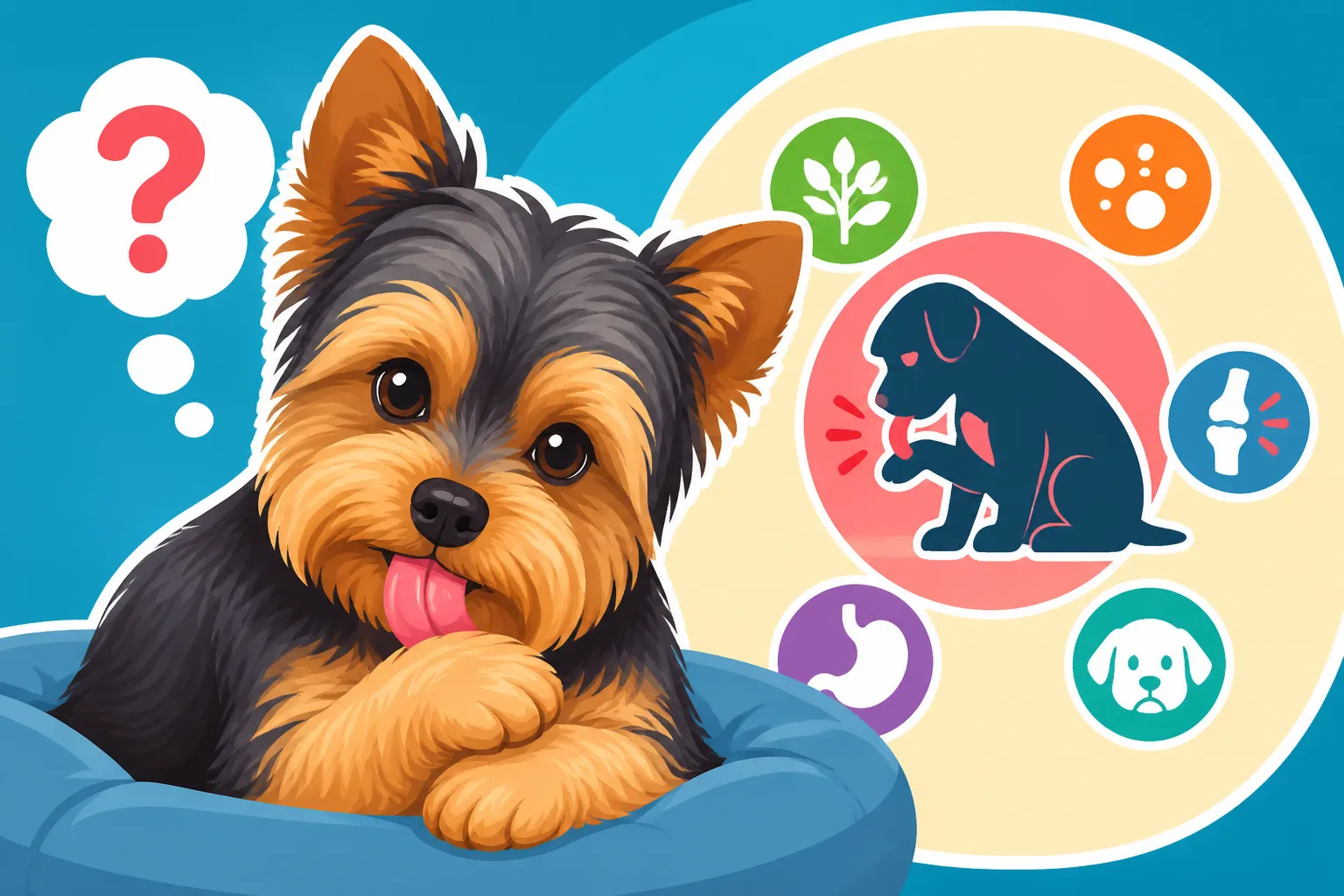
It can be truly unsettling and, let's be honest, a little gross when your sweet Yorkshire Terrier suddenly develops an incessant licking habit. You watch them endlessly lick their paws, the furniture, themselves, or even you, and a wave of concern washes over you. This guide is here to shed light on the myriad reasons behind excessive licking in Yorkies, from underlying medical issues to behavioral quirks, and to help you figure out the best steps to bring your furry friend relief.
Understanding Normal Versus Excessive Licking
Every dog licks – it's a natural behavior for exploration, grooming, and communication. But there's a fine line between a normal, occasional lick and a habit that signals something deeper is at play. Recognizing this distinction is the first step toward helping your Yorkie.
What's Considered Normal Licking?
Think about how your Yorkie interacts with the world. They use their mouths and tongues to investigate new smells, to clean themselves after a meal, or to offer you an affectionate "kiss" on the hand. These are all perfectly normal expressions of canine behavior. A quick grooming session, a focused lick at a minor itch that resolves quickly, or even a few licks when they're excited or trying to get your attention fall within the realm of typical Yorkie antics.
Often, normal licking is brief, purposeful, and doesn't lead to any physical changes like red skin or hair loss. It’s part of their everyday routine, just like a quick stretch after a nap or a happy wag of their little tail when you come home. If you observe your Yorkie engaging in these types of licking, and they seem otherwise happy and healthy, there's usually no cause for alarm. It’s when this behavior escalates or becomes repetitive that our ears should perk up.
When Does Licking Become a Concern?
Excessive licking crosses into the "concerning" territory when it becomes persistent, compulsive, or starts to cause physical harm or distress to your Yorkie. Are they licking a specific spot until the fur is worn thin, or the skin looks red and irritated? Do they wake up in the middle of the night just to lick? Are they ignoring toys or walks in favor of licking themselves or objects around the house? These are all red flags.
You might notice a change in the texture of their fur, damp patches on their paws, or even a distinctive odor from constantly wet skin. If the licking interferes with their eating, sleeping, or playtime, it's definitely time to pay closer attention. Sometimes, dogs will even develop hot spots – painful, raw skin lesions that are often self-inflicted through excessive licking and chewing. This kind of persistent licking indicates that your Yorkie is trying to tell you something is wrong, and it’s important not to ignore these signs.
Common Medical Reasons for Excessive Licking
When a Yorkie is licking excessively, especially at a specific body part, it's often a sign of an underlying medical issue. It's their way of self-soothing or trying to alleviate discomfort. Pinpointing the cause usually requires a bit of detective work and a trip to the vet.
Allergies and Skin Irritations
One of the most frequent culprits behind excessive licking in Yorkshire Terriers, especially licking of the paws, is allergies. Just like people, Yorkies can suffer from environmental allergies (like pollen, dust mites, or mold), food allergies, or contact allergies (to cleaning products, certain fabrics, or even grass). When an allergen is present, their skin can become incredibly itchy, leading to relentless licking to try and scratch that itch.
You might notice other signs along with the licking, such as redness, rash, flaky skin, or even bumps. Some Yorkies will also exhibit ear infections, which are often a secondary symptom of underlying allergies. If you suspect allergies, your vet might suggest an elimination diet to rule out food sensitivities or recommend allergy testing to identify environmental triggers. Managing allergies often involves a multi-faceted approach, including specialized diets, antihistamines, medicated shampoos, or even allergy shots. Products like Royal Canin or Hill's Science Diet offer prescription allergy foods that can make a huge difference, and topical treatments can soothe irritated skin. You can learn more about specific remedies in our guide on Yorkie Allergies: Signs and Relief.
Pain or Discomfort
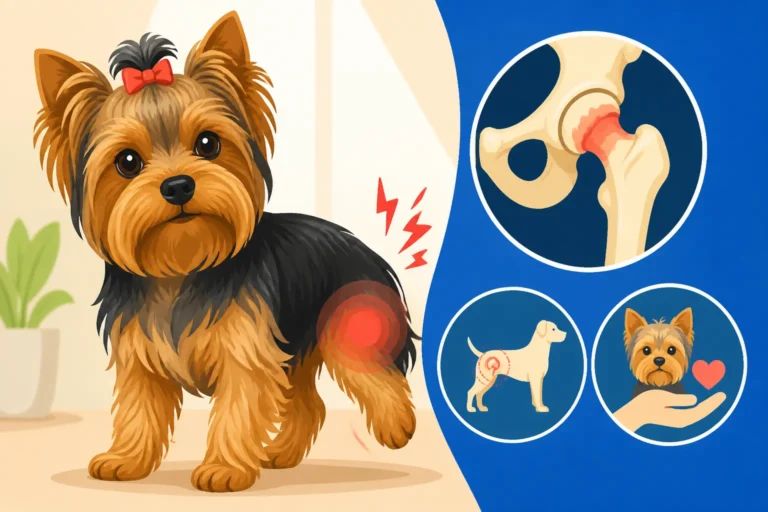
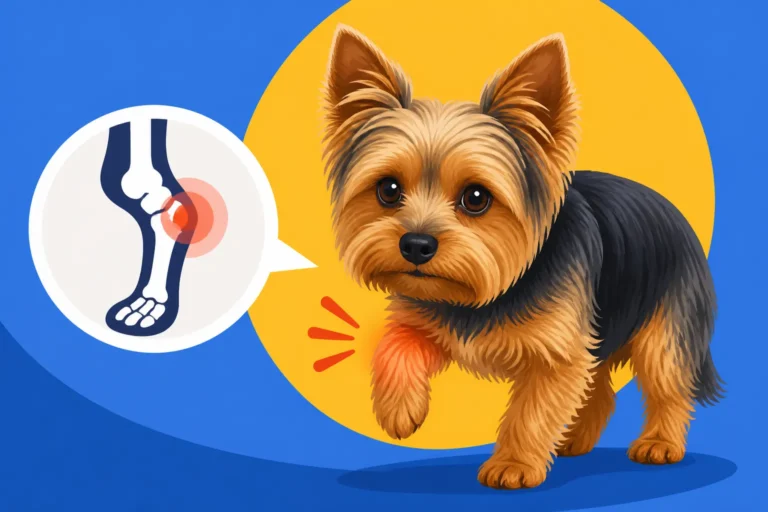
It's natural for a dog to lick an area that hurts. If your Yorkie is repeatedly licking a particular joint, limb, or even their lower back, they might be experiencing pain. This could stem from an injury, arthritis, or common breed-specific orthopedic issues like Yorkshire Terrier Patellar Luxation: Signs and Care. Patellar luxation, or a slipped kneecap, is quite common in small breeds and can cause intermittent pain that your Yorkie tries to soothe by licking.
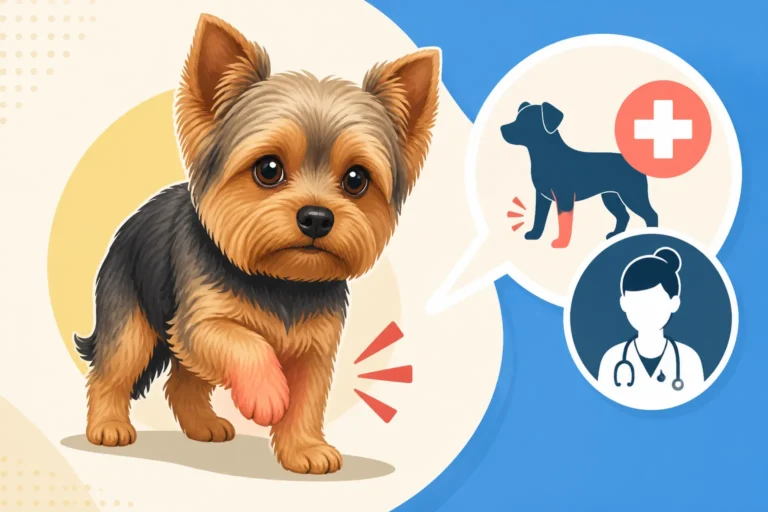
Beyond orthopedic issues, a thorn in their paw, a small cut, an insect bite, or even a pulled muscle could be the source of their discomfort. Older Yorkies are particularly prone to age-related aches and pains, making regular vet check-ups crucial to catch these issues early. If you notice lameness, reluctance to move, or sensitivity when you touch the area they're licking, it's time for a vet visit. Early diagnosis and pain management, which might include anti-inflammatory medications or joint supplements, can significantly improve their quality of life.
Gastrointestinal Issues
Surprisingly, gastrointestinal (GI) upset can manifest as excessive licking. Dogs experiencing nausea, acid reflux, or other stomach discomforts might lick excessively as a self-soothing mechanism. They might lick the air, objects (like carpets or furniture), or even their own paws in an attempt to alleviate the feeling of sickness. This is often accompanied by other signs such as lip-smacking, drooling, a reluctance to eat, or vomiting.
Conditions like inflammatory bowel disease (IBD), pancreatitis, or even simple dietary indiscretion (eating something they shouldn't have) can trigger these symptoms. If your Yorkie's excessive licking is accompanied by GI signs, your vet might recommend a bland diet, anti-nausea medication, or further diagnostic tests like blood work or an ultrasound. For long-term management, a specially formulated diet like Purina Pro Plan Veterinary Diets or a probiotic supplement can often help stabilize their digestive system.
Dental Problems
Poor dental health is a silent affliction for many small dogs, including Yorkies. If your Yorkie is licking excessively around their mouth, chewing at their paws, or showing a reluctance to eat hard food, it might be due to pain from dental disease. Tarter buildup, gingivitis, broken teeth, or even an abscess can cause significant discomfort. Our comprehensive Yorkshire Terrier Dental Care Guide dives deep into prevention and care.
When a Yorkie has a painful tooth, they might try to relieve the pressure or irritation by licking their gums or pushing their paw against their face. Bad breath, visible tarter on the teeth, red and swollen gums, or even bleeding from the mouth are strong indicators of dental issues. Regular dental check-ups and professional cleanings under anesthesia are often necessary to maintain oral hygiene and prevent advanced disease. Without proper care, dental problems can lead to more serious health concerns, so don't overlook this potential cause.
Neurological Conditions
In some rarer cases, excessive licking can be a manifestation of a neurological issue. Conditions that affect the nervous system, such as seizures (which might present as subtle focal seizures rather than full-body convulsions), nerve damage, or even a brain tumor, can sometimes trigger unusual behaviors like compulsive licking. This type of licking might seem "out of context," directed at nothing in particular, or an area that shows no visible irritation.
These cases are often the most challenging to diagnose and require a thorough neurological examination by a veterinarian. Additional diagnostics like MRI scans or spinal taps might be necessary to identify the underlying cause. While less common than allergies or pain, it's a possibility that a vet will consider if other, more common causes have been ruled out. For any concerning neurological symptoms, prompt veterinary attention is crucial to determine the best course of action.
Behavioral Causes Behind Excessive Licking
Sometimes, the root of excessive licking isn't physical at all, but emotional or psychological. Yorkies are sensitive creatures, and their behavior often reflects their inner world.
Anxiety and Stress
Yorkies, despite their brave little demeanor, can be prone to anxiety and stress. This might stem from separation anxiety when you leave the house, changes in their environment, new pets, loud noises, or even a perceived threat. When anxious, dogs often develop self-soothing behaviors, and excessive licking is a common one. They might lick their paws, their belly, or objects around them to calm themselves down, much like a child sucking their thumb.
If your Yorkie's licking increases during specific stressful events or when they are left alone, anxiety is a strong possibility. Other signs of anxiety can include pacing, whining, destructive chewing, or inappropriate urination. Creating a calm environment, providing a safe space, using calming supplements or pheromone diffusers, and ensuring they get enough mental and physical stimulation can all help. Our guide on Yorkshire Terrier Separation Anxiety Solutions offers many practical tips for managing this common issue.
Boredom and Attention-Seeking
Let's face it, Yorkies are smart and energetic little dogs, and if they're not given enough to do, they can get bored. A bored Yorkie might turn to licking as a way to occupy themselves. It's a self-rewarding behavior; the act of licking itself can release endorphins, making it feel good. Plus, if their licking gets a reaction from you – even a negative one like saying "no" or pushing them away – they might learn that licking is a great way to get your attention.
To combat boredom, ensure your Yorkie gets sufficient exercise, mental stimulation through puzzle toys, training sessions, and interactive playtime. A good daily routine can help immensely. If they're licking for attention, try to ignore the behavior when it happens and instead reward them with praise or a toy when they are calm and not licking. This teaches them that calm behavior earns your notice, not the excessive licking. Engaging toys and consistent training are key to redirecting this behavior.
Obsessive-Compulsive Behaviors
In some instances, excessive licking can develop into a true compulsive disorder, similar to OCD in humans. This is more than just a habit; it's an ingrained behavior that the dog finds very difficult to stop, even if the initial trigger (like pain or an itch) is no longer present. The licking becomes a fixed pattern, often targeted at a specific area, and can lead to severe skin lesions, known as acral lick granulomas, which are notoriously difficult to heal.
Compulsive licking might be rooted in past trauma, chronic anxiety, or even genetics. It's a cycle that can be hard to break, as the dog feels compelled to perform the action. If you suspect your Yorkie's licking has reached this level, a veterinarian or a certified veterinary behaviorist should be consulted. Treatment might involve a combination of behavior modification techniques, environmental enrichment, and, in some cases, medication to help manage the compulsive urge. It's a serious condition that requires dedicated intervention.
Diagnosing and Treating Excessive Licking
Figuring out why your Yorkie is excessively licking is a journey, and it often requires a collaborative effort between you and your veterinarian. Once a cause is identified, a tailored treatment plan can be put into place.
Working with Your Veterinarian
The very first step when your Yorkie starts excessively licking is to schedule a visit to your veterinarian. Don't try to self-diagnose based purely on online information, because many serious underlying conditions can masquerade as simple habits. Your vet will conduct a thorough physical examination, looking for signs of skin irritation, parasites, injuries, or dental issues. They'll also ask you detailed questions about when the licking started, how often it occurs, where it's directed, and any other symptoms you've noticed.
Be prepared to discuss your Yorkie's diet, exercise routine, changes in your household, and any recent stressful events. Based on their initial findings, your vet might recommend diagnostic tests such as blood work, urinalysis, skin scrapings to check for mites, allergy testing, X-rays to look for orthopedic problems, or even a referral to a specialist. For instance, if you're concerned about orthopedic issues, they might suggest specific imaging that could reveal a problem that requires specialized care. If your vet recommends further testing or specialized treatments, understanding your pet insurance coverage, perhaps through providers like Healthy Paws, can be very helpful for budgeting.
Home Management and Prevention Strategies
While waiting for a diagnosis or alongside prescribed treatments, there are several things you can do at home to help manage and prevent excessive licking.
Environmental Enrichment:
Ensure your Yorkie has plenty of opportunities for mental and physical stimulation. Daily walks, playtime with toys, and interactive puzzles can keep their minds engaged and reduce boredom. Consider rotating their toys to keep things fresh. Even simple training sessions, reinforcing commands like "sit" or "stay," can provide mental exercise. Providing a variety of activities helps prevent them from resorting to licking out of sheer idleness.
Diet and Nutrition:
If allergies or GI issues are suspected, your vet might recommend a hypoallergenic diet or a novel protein diet. Stick to high-quality dog food appropriate for their age and size. Avoid giving table scraps, as these can upset their sensitive digestive systems and contribute to allergies. Good nutrition supports overall skin and coat health, which can make them less prone to irritation. Our article on Best Dog Food for Yorkshire Terriers offers great insights.
Grooming and Hygiene:
Regular grooming is essential for Yorkies. Brush their coat daily to prevent matting and remove allergens or irritants. Bathe them with a gentle, hypoallergenic shampoo if skin issues are present, but avoid over-bathing which can dry out their skin. Keep their nails trimmed to prevent injuries from scratching, and clean their ears regularly to prevent infections. You can find excellent advice in our Yorkshire Terrier Grooming Guide. If your Yorkie has long hair, ensure it’s trimmed around their paws to keep them clean and dry, especially if they are paw lickers.
Stress Reduction:
Identify and minimize stressors in your Yorkie's environment. This could mean providing a quiet crate or bed as a safe haven, using calming pheromone diffusers (like Adaptil), or playing classical music when you leave. For severe anxiety, your vet might suggest specific training or medication.
Physical Barriers:
In cases where licking is causing skin damage, your vet might recommend an Elizabethan collar (e-collar), inflatable collar, or specialized protective clothing to prevent your Yorkie from reaching the affected area and allowing it to heal. This is a temporary measure but can be crucial for recovery.
Here's a quick overview of potential causes and initial actions:
| Cause of Licking | Common Symptoms | Initial Actions | Further Vet Diagnostics |
|---|---|---|---|
| Allergies | Itchy skin, redness, paw licking, ear infections | Eliminate allergens (if known), gentle bathing, vet consult | Allergy testing, elimination diet |
| Pain/Injury | Localized licking, limping, sensitivity to touch | Check for visible injury, rest, vet consult | X-rays, palpation, pain medication trial |
| GI Issues | Lip smacking, drooling, not eating, vomiting, licking air/objects | Bland diet, monitor eating habits, vet consult | Blood work, ultrasound, stool analysis |
| Dental Problems | Bad breath, pawing at mouth, reluctance to eat | Oral inspection (if possible), vet consult | Dental exam, X-rays, professional cleaning |
| Boredom | Licking objects, increased when alone, no physical signs | Increase exercise, mental stimulation, new toys | Rule out medical causes first |
| Anxiety | Licking self/objects, pacing, destructive behavior | Identify stressors, provide safe space, calming aids | Behaviorist referral, anti-anxiety medication |
| Compulsive | Persistent, uncontrollable licking, skin lesions | Vet consult, environmental enrichment | Behaviorist referral, medication (e.g., antidepressants) |
Excessive licking is rarely "just a habit" and almost always has an underlying reason that needs to be addressed. By staying observant and working closely with your veterinarian, you can uncover the cause and provide your beloved Yorkie with the relief they deserve. Addressing these issues promptly can prevent discomfort and more serious health complications down the line, ensuring your furry companion leads a happier, healthier life.
Disclaimer
This article is for general informational purposes only and does not constitute professional advice. Laws, prices and regulations vary by location and change over time. Consult a qualified professional for guidance on your specific situation.