How to Prevent Pancreatitis in Yorkies
It's absolutely heartbreaking to think about our precious Yorkies suffering from something as serious and painful as pancreatitis. As a Yorkie parent, the worry can be constant, especially knowing how prone these little ones can be to certain health issues. Dealing with a dog in pain, facing emergency vet visits, and navigating a complex illness is something no one wants for their beloved companion. This comprehensive guide is here to walk you through practical, empathetic strategies to actively prevent pancreatitis in your Yorkshire Terrier, helping you foster a healthier, happier life for your furry family member.
Understanding Pancreatitis and Why Yorkies Are Susceptible
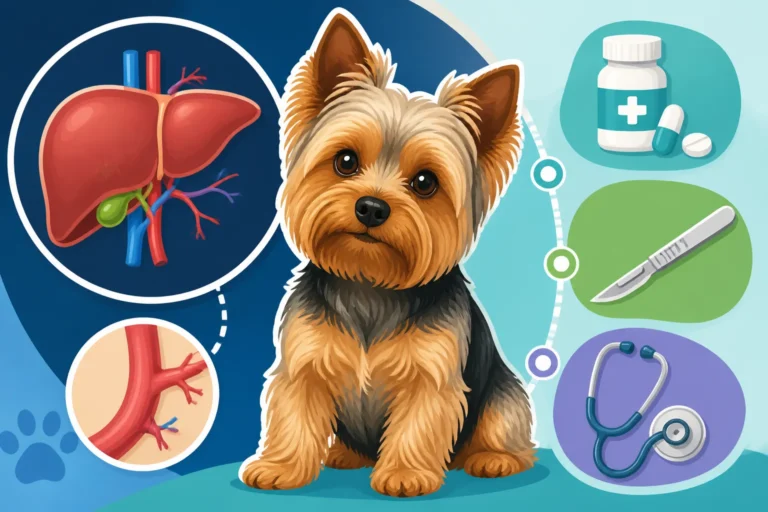
Pancreatitis is an inflammation of the pancreas, a vital organ located near the stomach. The pancreas has two main jobs: producing enzymes that aid in digestion and producing hormones like insulin that regulate blood sugar. When it becomes inflamed, these digestive enzymes can activate prematurely, attacking the pancreas itself and surrounding organs. This causes immense pain, nausea, vomiting, and can lead to severe complications, even death, if not treated promptly.
Yorkshire Terriers, along with other small breeds like Miniature Schnauzers and Cocker Spaniels, are unfortunately genetically predisposed to developing pancreatitis. This predisposition is often linked to their metabolism, particularly how they process fats. A seemingly innocent fatty treat or a sudden diet change can trigger an attack in a susceptible Yorkie. It’s not just about one greasy meal; it’s about a cumulative risk that we, as their caregivers, can significantly influence through mindful prevention. Understanding this inherent vulnerability is the first step in building a robust defense for your little one.
The Role of the Pancreas in Canine Health
The pancreas is a small but mighty organ, absolutely crucial for your Yorkie's overall well-being. Think of it as a tiny factory with two production lines. One line churns out enzymes like amylase, lipase, and protease, which break down carbohydrates, fats, and proteins in the small intestine, respectively. Without these, your Yorkie wouldn't be able to absorb the nutrients from their food. The other line produces hormones, most notably insulin, which manages blood sugar levels. When the pancreas gets inflamed, both these functions can go haywire.
Imagine a kitchen where the chef accidentally spills hot oil on themselves while cooking; that's somewhat analogous to what happens when digestive enzymes activate inside the pancreas rather than waiting until they reach the small intestine. This "self-digestion" causes significant pain and damage, leading to symptoms that can range from mild discomfort to a life-threatening crisis. Knowing how vital this organ is makes it clear why prevention is paramount, rather than waiting for an emergency.
Why Yorkies Face a Higher Risk
It’s not entirely clear why Yorkies and other small breeds are more prone to pancreatitis, but veterinarians often point to several contributing factors. One theory is related to their often higher circulating lipid (fat) levels, even when they appear otherwise healthy. Their delicate digestive systems can be more sensitive to dietary indiscretions. Another factor could be genetic, though specific genes haven't been definitively isolated as a "pancreatitis gene" in Yorkies. We also know that obesity can exacerbate the risk in any breed, and while Yorkies are small, they can certainly become overweight if not carefully managed.
This heightened risk means that for a Yorkie owner, vigilance isn't just a suggestion; it's a necessity. We can't change their genetic makeup, but we can meticulously control the environmental factors that trigger or worsen the condition. This includes everything from the food in their bowl to the treats they get and even how much stress they experience. It’s a bit like having a car with a sensitive engine; you wouldn't fill it with low-grade fuel or skip maintenance, right? Your Yorkie's health deserves that same meticulous attention.
Dietary Strategies to Prevent Pancreatitis
When it comes to preventing pancreatitis in your Yorkie, diet is arguably the most critical factor. What goes into their bowl directly impacts the health of their pancreas. A high-fat diet is a well-known culprit for triggering pancreatitis flare-ups, but it's not just about obvious fatty foods. Even seemingly harmless treats or table scraps can contain enough fat to cause a problem for a susceptible Yorkie. Establishing a consistent, low-fat, high-quality diet is your best defense.
The goal is to reduce the workload on the pancreas, preventing it from having to overproduce digestive enzymes, especially lipase, which breaks down fat. This doesn't mean completely eliminating fat – healthy fats are essential – but rather controlling the type and quantity.
Choosing the Right Commercial Dog Food
Selecting an appropriate commercial dog food is the cornerstone of pancreatitis prevention. You'll want to look for diets specifically formulated to be low in fat, often labeled as "weight management," "sensitive stomach," or "gastrointestinal care" formulas. These foods are designed with easily digestible ingredients and a reduced fat content to minimize pancreatic stress. Brands like Royal Canin Gastrointestinal Low Fat, Hill's Prescription Diet i/d Low Fat, or Purina Pro Plan Veterinary Diets EN Gastroenteric Fiber Balance are often recommended by vets for dogs prone to pancreatitis. It's crucial to always consult with your veterinarian before making significant dietary changes, as they can recommend the best food tailored to your Yorkie's specific needs and health history.
When reading labels, pay close attention to the "guaranteed analysis." While not always straightforward, look for fat content percentages, and remember that dry matter basis calculations can give a more accurate picture. Your vet can help you decipher these labels and ensure the food provides complete and balanced nutrition for your Yorkie without excessive fat. Establishing a good relationship with your vet and discussing these choices, perhaps even getting advice on how a pet insurance plan like Healthy Paws could help cover unexpected dietary consultations or prescription food costs, is incredibly valuable.
Avoiding High-Fat Treats and Table Scraps
This is where many well-meaning Yorkie parents unintentionally introduce risk. Those adorable puppy-dog eyes can be hard to resist, but even a tiny piece of bacon, a bite of cheese, or a scrap of fried chicken can spell disaster for a Yorkie prone to pancreatitis. High-fat treats, often marketed as delicious indulgences, are a no-go. This includes most jerky treats, fatty biscuits, and anything labeled as a "chew" that might contain rendered fats.
Instead, opt for low-fat, single-ingredient treats like small pieces of cooked sweet potato, carrots, green beans, or blueberries. Some commercial low-fat training treats are also excellent choices. The key is consistency: once you decide on a low-fat diet, stick to it rigorously. Educate family members and guests about the importance of not feeding your Yorkie any table scraps, no matter how small or seemingly innocent. A single slip-up could trigger a painful episode, making the prevention efforts feel wasted. This also means being mindful of what your Yorkie might sneak off the floor – a dropped piece of fatty human food can be a potent trigger.
Hydration and Meal Frequency
Proper hydration is vital for overall health and can play a supportive role in digestive health. Ensure your Yorkie always has access to fresh, clean water. Good hydration helps maintain proper organ function and can aid in digestion.
When it comes to meal frequency, many veterinarians recommend feeding Yorkies smaller, more frequent meals throughout the day rather than one or two large meals. This approach can reduce the sudden load on the pancreas, allowing it to process food more efficiently and steadily, rather than in large bursts. For example, instead of two large meals, you might divide their daily food allowance into three or four smaller portions. This strategy is often used for dogs already diagnosed with pancreatitis, but it's an excellent preventative measure too, especially for breeds known to be susceptible. Consistency in feeding times also helps regulate their digestive system.
Lifestyle and Management for Pancreatitis Prevention
While diet takes center stage, a holistic approach to your Yorkie's lifestyle is crucial for preventing pancreatitis. It’s not just about what they eat, but how they live their daily lives. Stress, insufficient exercise, and even certain medications can play a role in increasing susceptibility. By managing these aspects, you create a more stable and resilient environment for your Yorkie's delicate system.
Think of it this way: a calm, well-exercised Yorkie with a strong immune system is better equipped to handle any minor stressors or dietary fluctuations than one living a high-stress, sedentary life. It's about building a robust foundation of health that supports their pancreatic function.
Regular Exercise and Weight Management
Keeping your Yorkie at a healthy weight is paramount for pancreatitis prevention. Obesity is a significant risk factor, as excess fat around organs can contribute to inflammation and metabolic stress. Regular, moderate exercise is key to maintaining an ideal body condition. Yorkies might be small, but they still need daily activity! This could involve short, brisk walks around the neighborhood, supervised playtime in a secure yard, or engaging indoor games like fetch. Aim for 20-30 minutes of activity spread throughout the day.
Monitoring your Yorkie's weight is simple: you should be able to feel their ribs easily without pressing hard, and they should have a visible waistline when viewed from above. Your vet can help you determine their ideal weight and provide guidance on an exercise plan tailored to their age, health, and energy levels. Combining consistent exercise with a controlled, low-fat diet is a powerful duo in preventing pancreatitis. Remember, an active Yorkie is often a healthy Yorkie, reducing their risk of not only pancreatitis but a host of other issues. For more on keeping your furry friend active, you might find our guide on Yorkshire Terrier Exercise Needs helpful.
Stress Reduction and a Stable Routine
Stress can take a toll on a dog's body, just as it does on ours, potentially impacting various organ systems, including the pancreas. While direct links between stress and pancreatitis flare-ups are still being researched, a calm, predictable environment certainly contributes to overall well-being. Yorkies, despite their brave demeanor, can be sensitive to changes in their routine, loud noises, or extended periods of being left alone, which can lead to anxiety.
Establishing a stable daily routine helps minimize stress. This includes consistent feeding times, regular potty breaks, predictable walk schedules, and a quiet, comfortable space for rest. If your Yorkie experiences separation anxiety or is easily stressed by external stimuli, consider working with a professional dog trainer or behaviorist. Techniques like desensitization, counter-conditioning, and providing enrichment toys can help reduce anxiety. Creating a peaceful home environment, free from excessive noise or sudden changes, contributes significantly to your Yorkie's overall health and resilience.
Regular Veterinary Check-ups and Monitoring
Even with the most diligent preventative care, regular veterinary check-ups are non-negotiable. These routine visits allow your vet to monitor your Yorkie's overall health, track their weight, and conduct blood tests if necessary, which can sometimes reveal underlying issues before they become critical. Your vet can also screen for other conditions that might indirectly increase pancreatitis risk, such as diabetes or hyperlipidemia.
During these visits, discuss your Yorkie's diet, exercise routine, and any changes in behavior or appetite. This proactive approach allows for early intervention if any concerns arise. If you’re ever worried about the financial aspect of these preventative check-ups or potential treatments, a robust pet insurance plan can be a lifesaver. Providers like Healthy Paws offer coverage that can ease the burden of unexpected vet bills, allowing you to focus on getting your Yorkie the best care. Early detection and consistent monitoring are vital in managing any predisposition to pancreatitis, and your vet is your most important partner in this journey. Understanding Yorkshire Terrier Vet Costs and Health Budget can help you plan ahead for these essential appointments.
Recognizing Early Warning Signs and Emergency Preparedness
Even when you're doing everything right to prevent pancreatitis, it's crucial to be prepared for the possibility that it might still occur. Recognizing the early warning signs can make a profound difference in the outcome, allowing you to seek veterinary care before the condition becomes severe. For Yorkies, symptoms can sometimes be subtle, so keen observation is key. Being prepared also means having a plan for immediate action.
Common Symptoms to Watch For
Pancreatitis symptoms in Yorkies can vary in severity. In some cases, a dog might experience mild digestive upset, while in others, it can be a full-blown emergency. Here are the key signs to watch out for:
- Vomiting: This is one of the most common and often the first noticeable symptom. It can range from occasional to frequent and severe.
- Diarrhea: Often accompanies vomiting, and stool might appear greasy or contain mucus.
- Abdominal Pain: Your Yorkie might hunch their back, appear restless, be reluctant to move, or cry out when touched around their belly. They might also adopt a "prayer" position (front legs down, rear end up) to try and alleviate discomfort.
- Loss of Appetite (Anorexia): Refusing to eat or drink, even their favorite treats.
- Lethargy and Weakness: Your Yorkie will seem unusually tired, listless, and may have reduced energy for play or walks.
- Fever: While not always present, a fever can indicate inflammation.
- Dehydration: Due to vomiting and not drinking, your Yorkie might have dry gums or reduced skin elasticity.
- Yellowish gums or eyes (Jaundice): In severe cases, liver involvement can lead to jaundice.
If you observe any combination of these symptoms, especially vomiting and abdominal pain, it's time to act swiftly. For more detail on recognizing illness, check out our guide on Signs Your Yorkshire Terrier Is Sick.
When to Seek Immediate Veterinary Care
This is not a condition to "wait and see" with. Pancreatitis can escalate rapidly, and prompt veterinary intervention significantly improves the prognosis. If your Yorkie exhibits any of the severe symptoms mentioned above, or if milder symptoms persist for more than a few hours, consider it an emergency.
Do not try to treat pancreatitis at home by withholding food or giving over-the-counter medications without vet guidance. These measures can often worsen the situation. Call your veterinarian or an emergency veterinary clinic immediately. Be prepared to provide a detailed history of when symptoms started, what your Yorkie has eaten recently, and any other relevant observations. Time is of the essence, and swift action can prevent irreversible damage. Knowing when to take your Yorkie to the vet is critical, and for conditions like pancreatitis, it's always better to be safe than sorry.
The Value of Pet Insurance
Let's be realistic: emergency veterinary care, especially for serious conditions like pancreatitis, can be incredibly expensive. Diagnostic tests, hospitalization, intravenous fluids, pain management, anti-nausea medications, and potentially even surgery can quickly add up to thousands of dollars. This financial stress, on top of the emotional stress of having a sick pet, is something no one wants to endure.
This is where pet insurance truly shines. Plans from reputable providers such as Healthy Paws can cover a significant portion of these emergency costs, easing the financial burden and allowing you to make medical decisions based on what's best for your Yorkie, not your wallet. Investing in pet insurance when your Yorkie is young and healthy is a smart preventative measure for your peace of mind and their long-term health. While it doesn't prevent the illness itself, it prevents the added heartache of financial strain during a crisis. It's a key part of responsible pet ownership, helping you manage unexpected health challenges.
| Preventative Measure | Description | Why it Helps Prevent Pancreatitis |
|---|---|---|
| Low-Fat Diet | Feed a veterinarian-approved commercial diet or home-cooked meals specifically formulated for low-fat content. | Reduces the workload on the pancreas, preventing overstimulation and premature activation of digestive enzymes that can lead to self-digestion and inflammation. |
| No Table Scraps/Fatty Treats | Strictly avoid sharing human food, especially high-fat items like bacon, cheese, fried foods, or rich sauces. | Even small amounts of high-fat foods can trigger an acute pancreatitis attack in susceptible Yorkies due to their sensitive digestive systems. |
| Consistent Meal Schedule | Feed smaller, more frequent meals (e.g., 3-4 times a day) rather than one or two large ones. | Distributes the digestive load over time, preventing sudden surges in pancreatic enzyme production, which can reduce inflammation risk. |
| Weight Management | Maintain your Yorkie at an ideal body weight through proper diet and exercise. | Obesity is a significant risk factor for pancreatitis. Reducing excess fat helps decrease systemic inflammation and metabolic stress on organs. |
| Regular Exercise | Provide daily, moderate physical activity (e.g., short walks, playtime). | Supports overall health, aids in weight management, and can improve metabolic function, contributing to a healthier pancreas. |
| Stress Reduction | Create a stable routine, a calm home environment, and address anxiety issues. | While not a direct cause, chronic stress can weaken the immune system and exacerbate inflammatory conditions, making the pancreas more vulnerable. |
| Routine Vet Check-ups | Schedule regular visits to the veterinarian for wellness exams and discussions about diet and health. | Allows for early detection of risk factors, monitoring of health markers, and personalized dietary/lifestyle advice from a professional. |
| Immediate Vet Care for Symptoms | Seek veterinary attention promptly if any signs like vomiting, abdominal pain, or lethargy appear. | Early intervention for suspected pancreatitis is critical to prevent the condition from escalating and causing more severe, potentially irreversible damage. |
Conclusion: A Proactive Approach to Yorkie Pancreatitis
Preventing pancreatitis in your beloved Yorkshire Terrier isn't just about avoiding a single food item; it's about adopting a consistent, holistic approach to their care. From meticulously selecting their diet and managing their weight to providing a stable, low-stress environment and staying on top of their veterinary care, every step you take contributes to protecting their delicate pancreas.
It requires vigilance, commitment, and a willingness to sometimes say "no" to those irresistible puppy-dog eyes when it comes to fatty treats. But knowing you're actively safeguarding your Yorkie from a painful and potentially life-threatening condition is the greatest reward. By being proactive and informed, you're not just preventing illness; you're investing in years of happy, healthy companionship with your furry best friend.
Disclaimer
This article provides general information and recommendations regarding the prevention of pancreatitis in Yorkshire Terriers. It is not a substitute for professional veterinary advice, diagnosis, or treatment. Always consult with your veterinarian regarding any medical conditions, dietary changes, or treatment plans for your pet. Individual dogs may have unique needs and risk factors.