Puppy Yorkshire Terrier Health Checklist
Bringing home a tiny Yorkshire Terrier puppy is an absolute whirlwind of excitement, adorable antics, and, let's be honest, a little bit of anxiety. These pint-sized bundles of energy are not just cute; they're delicate, and their first few months are critical for setting the stage for a long, healthy life. It’s natural to feel overwhelmed wondering if you’re doing everything right to protect your new furry family member. This comprehensive guide is designed to ease those worries by providing a detailed health checklist, ensuring you’re well-equipped to monitor, protect, and proactively care for your precious Yorkie puppy.
Laying the Foundation: Your Yorkie Puppy's First Vet Visits
The moment your Yorkie puppy crosses the threshold into your home, the clock starts ticking on their initial health checks. This isn't just about getting a clean bill of health; it's about establishing a relationship with a trusted veterinary professional who understands the unique needs of small breeds like Yorkshire Terriers. Don't delay this crucial first step, ideally within the first 48-72 hours of bringing your puppy home.
The Importance of Early Vet Care
Think of the first vet visit as your puppy's introductory health audit. Even if your breeder provided a health certificate, a new vet will want to conduct their own thorough examination. They'll check everything from their tiny heart and lungs to their developing joints and sparkling eyes. This initial assessment helps identify any congenital issues that might have been missed or any stress-related ailments from the transition. It also allows your vet to establish a baseline for your puppy's weight, growth, and overall development, which will be vital for future comparisons. This is also your golden opportunity to ask any and all questions you have about your puppy's well-being, from diet to behavior. Knowing what questions to ask and what to expect can be found in a detailed Yorkshire Terrier Puppy Health Guide.
Vaccination Schedule and Parasite Control
One of the most critical aspects of early vet care is ensuring your puppy is up-to-date on their vaccinations and deworming. Puppies are born with some immunity from their mother, but this fades quickly, leaving them vulnerable to serious, even fatal, diseases. Your vet will outline a personalized vaccination schedule, typically involving a series of shots given a few weeks apart. These usually cover distemper, parvovirus, adenovirus, and parainfluenza, with rabies vaccination following a bit later.
Beyond vaccinations, parasite control is paramount. Puppies are highly susceptible to internal parasites like roundworms, hookworms, and whipworms, as well as external parasites like fleas and ticks. Your vet will recommend a deworming protocol and discuss monthly preventatives to keep these nasty critters at bay. It's not uncommon for puppies to have worms, even if they appear healthy, so don't be surprised if deworming is recommended. Regular fecal exams are also a good idea to monitor for intestinal parasites. You can learn more about a typical Yorkie Vaccination Schedule to be prepared.
Microchipping and Spay/Neuter Discussion
While not directly health problems, microchipping is a vital preventative measure for your puppy's safety. Should your curious little Yorkie ever get lost, a microchip dramatically increases the chances of a happy reunion. Many vets will offer microchipping during one of the early visits, often coinciding with a vaccination appointment. It's a quick, relatively painless procedure, much like a regular injection.
The topic of spaying or neutering will also come up. While this surgery isn't typically done on very young puppies, your vet will discuss the optimal timing. Generally, it's recommended before sexual maturity to prevent unwanted pregnancies and reduce the risk of certain health issues later in life, such as mammary tumors in females and prostate problems in males. Discuss the pros and cons with your vet to make the best decision for your individual puppy and lifestyle.
Nurturing Health: Daily Care Routines for Puppies
Beyond those initial vet visits, the day-to-day care you provide at home forms the backbone of your Yorkie puppy's health. It’s about creating a stable, nourishing environment where they can thrive, grow, and explore safely. Consistent routines help establish good habits and allow you to quickly notice any subtle changes that might indicate a health issue.
Nutritional Needs and Feeding Guidelines
Yorkie puppies have specific dietary requirements to support their rapid growth and high energy levels. They need a high-quality puppy food specifically formulated for small breeds, which provides the right balance of protein, fats, vitamins, and minerals. Avoid generic adult dog food, as it won’t meet their intense developmental needs. Look for brands that list real meat as the first ingredient.
Feeding frequency is also crucial. Young puppies, especially tiny Yorkies, need to eat small meals multiple times a day to prevent hypoglycemia (low blood sugar), a serious and common issue in this breed. Typically, a puppy under three months might need 4-5 meals a day, gradually reducing to 3 meals by 4-6 months, and then 2 meals as an adult. Always follow the guidelines on your chosen food packaging, but consult your vet if you have concerns about your puppy's weight or appetite. Choosing the Best Puppy Food for Yorkies is an important decision that can significantly impact their growth and energy levels.
Exercise and Mental Stimulation
While Yorkies are small, they are still terriers, full of spunk and energy! They need regular, appropriate exercise to burn off steam, maintain a healthy weight, and develop strong muscles and bones. However, too much strenuous activity can be detrimental to their developing joints. Short, frequent play sessions in a safe, enclosed area are ideal. Think 10-15 minute bursts a few times a day, gradually increasing as they get older.
Mental stimulation is just as important as physical exercise. Engage their clever minds with puzzle toys, basic training sessions (like learning "sit" or "stay"), and supervised exploration. A bored Yorkie puppy can quickly become a mischievous one, often leading to destructive behaviors like chewing or excessive barking. A good Yorkshire Terrier Puppy Care Guide will always emphasize the importance of both physical and mental enrichment.
Grooming Essentials for a Young Yorkie
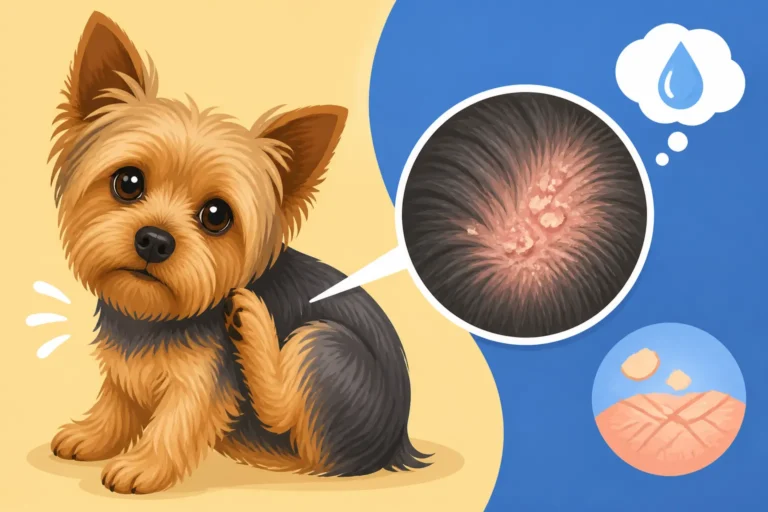
Yorkies are famous for their luxurious, silky coats, which are more akin to human hair than typical dog fur. This means regular grooming is not just about aesthetics; it’s a critical health component. Start grooming habits early to get your puppy accustomed to the routine. Daily brushing helps prevent mats and tangles, which can pull on their skin and cause discomfort or even skin infections. Use a soft slicker brush and a metal comb, gently working through their coat.
Bathing should be done every few weeks or as needed, using a shampoo specifically formulated for dogs with sensitive skin. Don't forget to clean their ears and trim their nails regularly. Long nails can be painful, affect their gait, and even lead to foot deformities over time. If you’re nervous about nail trimming, your vet or a professional groomer can show you how or do it for you. Learning how to properly groom your Yorkie at home will save you money and keep your pup comfortable.
Early Dental Care Habits
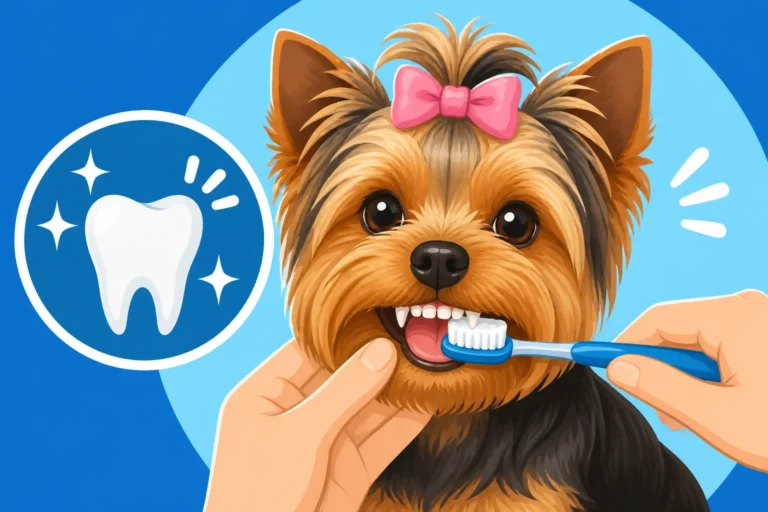
Dental health is often overlooked in puppies, but it's a huge component of overall well-being. Small breeds like Yorkies are particularly prone to dental disease. Start gently introducing teeth brushing as early as possible. Use a finger brush or a soft puppy toothbrush with dog-specific toothpaste (never human toothpaste). Even a minute or two a day can make a big difference in preventing plaque buildup and future dental problems.
Chew toys designed for puppies can also help promote healthy teeth and gums, but always choose appropriate sizes and textures to prevent choking or tooth damage. Avoid overly hard bones or antlers that can chip teeth. Establishing good dental habits now can significantly reduce the risk and cost of more serious Yorkie Dental Disease Prevention treatments down the line.
Spotting Trouble: Common Yorkie Puppy Health Concerns
Yorkie puppies, despite their robust personalities, can be prone to certain health issues, some of which are common to small breeds and others that are genetic. Being aware of these potential problems and knowing what signs to look for can literally save your puppy’s life. Early detection and intervention are key with many of these conditions.
Hypoglycemia: A Major Concern
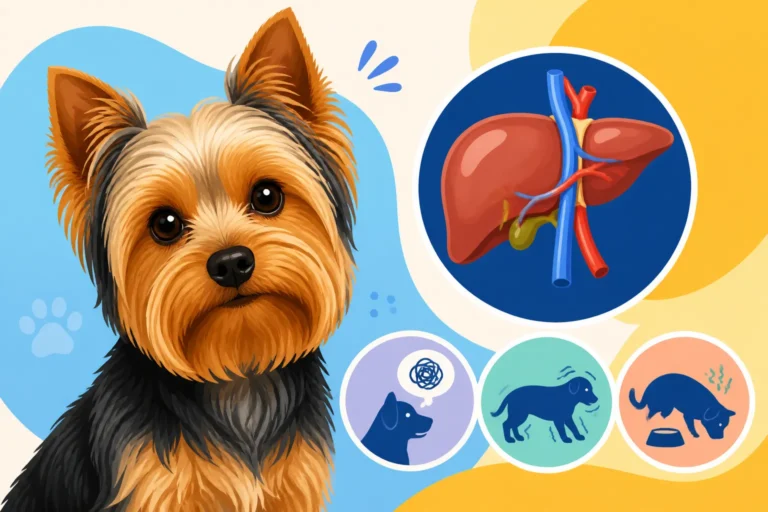
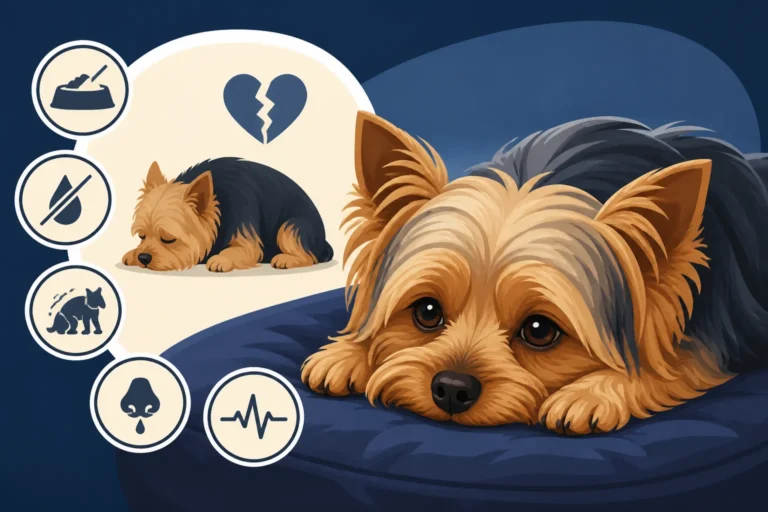
This is perhaps the most critical health risk for young Yorkie puppies. Hypoglycemia, or dangerously low blood sugar, occurs when a puppy isn't eating enough, is overly stressed, or has expelled too much energy. Signs can include lethargy, weakness, wobbliness, confusion, shivering, and in severe cases, seizures or collapse. It often manifests as a puppy becoming suddenly listless and uninterested in food.
If you suspect your puppy is hypoglycemic, act quickly. Rub a small amount of corn syrup, honey, or a commercial glucose gel on their gums. Then, immediately contact your vet. Prevention is about consistent feeding, managing stress, and ensuring a warm environment. It's a good idea to keep a tube of Nutri-Cal or similar high-calorie supplement on hand, especially for tiny puppies. Understanding How to Prevent Hypoglycemia in Yorkie Puppies is essential for any new owner. When you see Yorkie Hypoglycemia: Emergency Signs, swift action can make all the difference.
Respiratory Issues: Coughs and Sneezes
Yorkies can be susceptible to several respiratory issues, some quite common in puppies. Kennel cough, a highly contagious respiratory infection, often presents as a harsh, honking cough. While usually not life-threatening, it can lead to more serious conditions if left untreated. Keep your puppy away from unvaccinated dogs and ensure their kennel cough vaccine (Bordetella) is up to date, especially if they’ll be going to puppy classes or daycare.
Another common Yorkie-specific concern is tracheal collapse, where the rings of the trachea (windpipe) weaken and flatten. While often seen in older dogs, puppies can exhibit early signs. This can lead to a characteristic goose-like honking cough. Using a harness instead of a collar can help prevent pressure on their delicate trachea. If your puppy is coughing frequently or struggling to breathe, always seek veterinary attention immediately. These are some of the Common Yorkie Puppy Illnesses you should be aware of.
Gastrointestinal Upsets
Puppies often have sensitive stomachs, and changes in diet, stress, or parasites can easily lead to gastrointestinal upset. Diarrhea, vomiting, or a sudden loss of appetite are all signs that something isn't quite right. While mild, infrequent episodes might pass on their own, persistent or severe symptoms warrant a vet visit. Dehydration can happen very quickly in small puppies.
Common causes include dietary indiscretion (eating something they shouldn't), parasites (as mentioned before), or bacterial/viral infections. Always switch food gradually over several days to avoid stomach upset. If you notice blood in their stool or vomit, or if your puppy seems in pain, don't hesitate to contact your vet.
Skeletal and Joint Development
Given their small size, Yorkies can be prone to certain orthopedic issues, many of which can begin to manifest even in puppyhood. Patellar luxation, or "slipping kneecap," is common. This is where the kneecap temporarily slips out of place, causing your puppy to skip or hop on one leg, then seem fine a moment later. While mild cases may not require immediate intervention, it’s important for your vet to monitor it.
Legg-Calve-Perthes disease, a condition affecting the hip joint, can also occur in young small breed dogs, leading to lameness and pain. Watch for any limping, reluctance to play, or difficulty moving. These signs should always be investigated by your veterinarian to ensure proper diagnosis and management, as early intervention can often improve outcomes.
Proactive Paws: Preventative Care and Future Wellness
Being a proactive pet parent means looking beyond the immediate puppy stage and setting your Yorkie up for a lifetime of good health. This involves consistent preventative care, smart financial planning for potential health needs, and understanding how your puppy’s current health will impact their future.
Ongoing Wellness and Regular Check-ups
Even after your puppy is fully vaccinated and appears healthy, routine vet visits remain incredibly important. Annual wellness exams allow your vet to continue monitoring your Yorkie's health, catch potential issues early, and keep their vaccinations and parasite preventatives up-to-date. These visits are also a great time to discuss any behavioral changes, dietary adjustments, or grooming questions you might have as your puppy grows. Remember, preventative care is always less costly and less stressful than treating an advanced illness.
During these check-ups, your vet will perform a full physical, discuss any concerns you might have, and may recommend routine blood work as your Yorkie ages. This helps to create a comprehensive health history, allowing your vet to spot trends or anomalies that could indicate an underlying issue before it becomes serious. Knowing Yorkshire Terrier Health Problems to Know can help you communicate effectively with your vet.
The Role of Pet Insurance
Let's face it, veterinary care can be expensive, and unexpected emergencies can quickly drain your savings. This is where pet insurance can be a real lifesaver. While it's an added monthly cost, it provides immense peace of mind, knowing that if your Yorkie puppy faces an unforeseen illness or accident, you won't have to choose between their health and your wallet.
Many reputable providers, such as Healthy Paws, offer various plans that cover accidents, illnesses, emergency care, and sometimes even wellness visits. It's often best to enroll your puppy while they are young and healthy to avoid pre-existing condition exclusions. Doing your research and finding a plan that fits your budget and your Yorkie’s needs is a smart long-term investment. Consider looking into options from providers like Healthy Paws for comprehensive coverage, and understand that while you might hope to never use it, it’s invaluable when you do. For more details, explore resources on Pet Insurance for Yorkshire Terriers and budgeting for Yorkie Vet Costs and Health Budget.
Preparing for Adolescent and Adult Health
The health checklist for a puppy is just the beginning. As your Yorkie transitions from puppyhood to adolescence and then adulthood, their health needs will evolve. The strong foundation you build now, through proper nutrition, consistent veterinary care, and early intervention for any issues, will significantly impact their quality of life as they age. Continue to educate yourself about potential health challenges specific to adult Yorkies, such as dental disease, certain genetic conditions, and how to maintain their ideal weight.
A healthy puppy is a happy puppy, and a well-informed owner is a confident owner. By being diligent with this checklist, you're not just caring for a puppy; you're nurturing a beloved family member who will bring years of joy. Always be vigilant for Yorkie Emergency Symptoms to Never Ignore to ensure your pup's safety.
Here’s a quick summary of key health checks and actions for your Yorkie puppy:
| Health Category | Key Actions for Yorkie Puppies | Frequency / Notes |
|---|---|---|
| Veterinary Care | Initial vet visit, follow-up exams, vaccinations, deworming, microchip | Within 48-72 hrs of arrival; then as per vet schedule (usually 3-4 puppy visits) |
| Nutrition | High-quality small breed puppy food, scheduled small meals, fresh water | 4-5 times/day (under 3 months), 3 times/day (3-6 months); adjust for growth and weight |
| Grooming | Daily brushing, regular bathing, nail trims, ear cleaning, eye wiping | Daily brushing; baths every 2-4 weeks; nails/ears every 2-4 weeks or as needed |
| Dental Health | Introduce teeth brushing, appropriate chew toys | Daily teeth brushing ideal; monitor chew toys for wear and tear |
| Parasite Prevention | Monthly flea/tick/heartworm medication, regular fecal exams | As recommended by vet, typically monthly preventatives |
| Exercise & Play | Short, frequent play sessions, mental stimulation, safe environment | 10-15 min bursts, 3-5 times/day; gradually increase as puppy ages |
| Monitoring Health | Watch for signs of hypoglycemia, coughs, diarrhea, limping, lethargy | Daily observation; act quickly if symptoms arise |
| Preventative Planning | Consider pet insurance (e.g., Healthy Paws), save for emergencies | Enroll early; maintain an emergency fund |
Disclaimer
This article is intended for informational purposes only and does not constitute medical advice. Always consult with a qualified veterinarian for any health concerns or before making any decisions about your pet's health or treatment.