Yorkshire Terrier Liver Shunt: Signs and Care
It's absolutely heartbreaking when your sweet Yorkshire Terrier isn't feeling well, and one of the most concerning health issues they can face is a liver shunt. This condition can cause a range of confusing and distressing symptoms, leaving you searching for answers. This comprehensive guide will walk you through everything you need to know about Yorkshire Terrier liver shunts, from recognizing the subtle signs to understanding diagnosis, treatment options, and long-term care, so you can advocate for your beloved companion.
Understanding What a Liver Shunt Is in Yorkshire Terriers
When we talk about a liver shunt in a Yorkie, it sounds incredibly serious, and it can be. Essentially, it's a bypass that diverts blood around the liver instead of through it. Imagine your liver as the body's super-filter, diligently cleaning toxins from the blood before sending it back out to the rest of the body. When a shunt is present, this vital filtration process is compromised, leading to a build-up of toxins and nutrients that never get processed correctly. This often results in a myriad of health problems that can be quite challenging to pinpoint without proper veterinary care.
The Basics of a Portosystemic Shunt
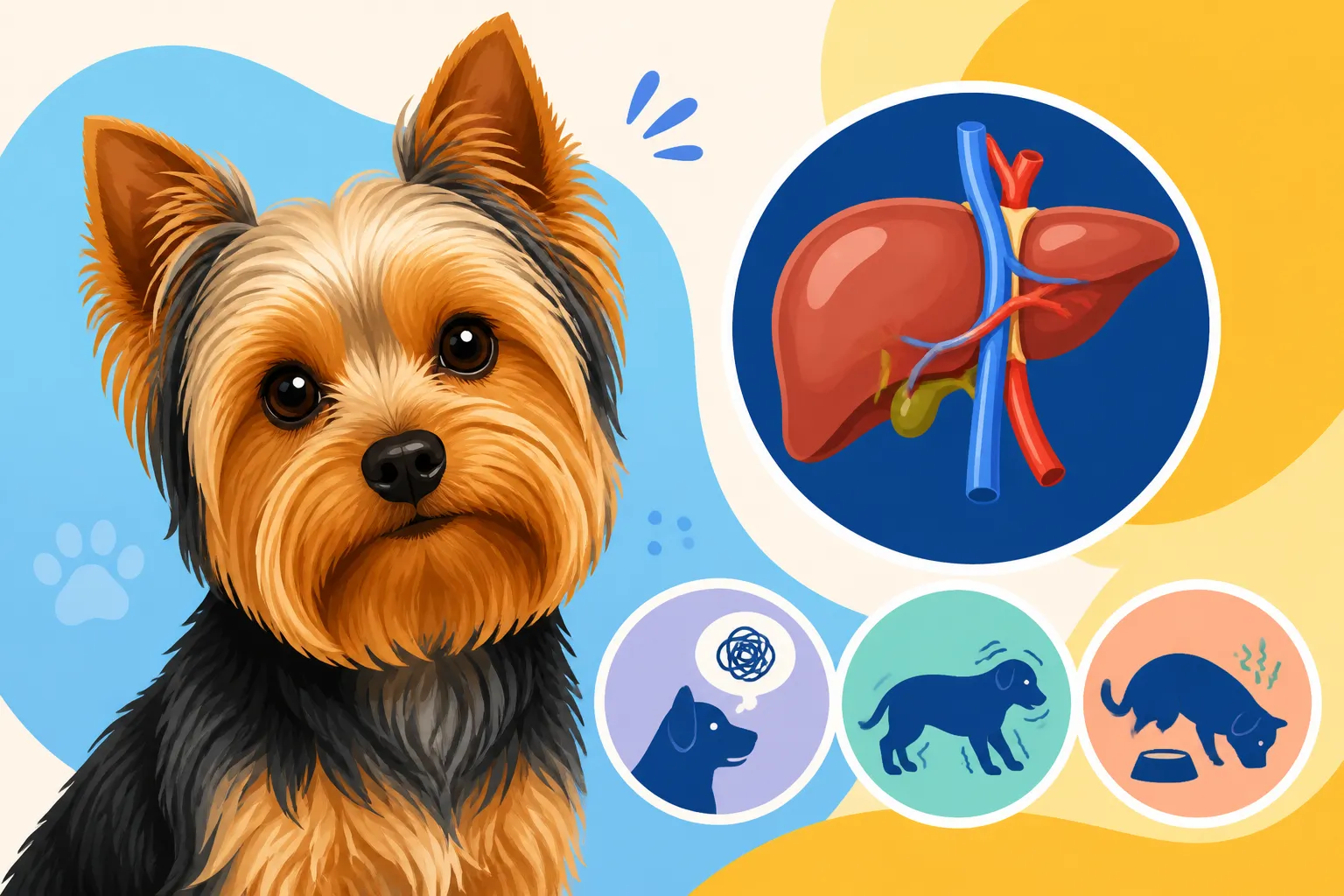
A liver shunt is medically known as a Portosystemic Shunt, or PSS. In a normal dog's circulatory system, blood from the intestines, stomach, spleen, and pancreas flows through the portal vein directly to the liver. The liver then metabolizes nutrients, detoxifies waste products, and sends the clean, processed blood back to the heart. With a PSS, an abnormal blood vessel, or "shunt," allows some of this portal blood to bypass the liver entirely and go straight into the systemic circulation. This means toxins like ammonia, which the liver normally converts into harmless urea, accumulate in the bloodstream and can travel to the brain, causing neurological symptoms.
There are two main types of PSS: congenital (present at birth) and acquired (developing later in life, usually due to other liver diseases). Congenital shunts are much more common in Yorkshire Terriers, making them a breed with a genetic predisposition to this condition. This is why if you're getting a puppy, understanding Common Yorkshire Terrier Genetic Conditions is so important, as it helps you choose a responsible breeder who screens for such issues. Acquired shunts are rarer and typically seen in older dogs with severe liver damage or portal hypertension.
How a Liver Shunt Affects Yorkies Specifically
Yorkshire Terriers are, unfortunately, particularly susceptible to congenital portosystemic shunts, especially those tiny "teacup" varieties. This isn't just a random occurrence; it's a known genetic predisposition within the breed. Because Yorkies are small, their systems are already delicate, and a shunt can have a profound impact on their growth and overall well-being. Puppies with shunts often fail to thrive; they might be noticeably smaller than their littermates, show stunted growth, and have a generally poor body condition. This inability to process nutrients properly means their bodies simply aren't getting what they need to develop robustly.
The severity of symptoms often depends on how much blood is being shunted past the liver. A larger shunt means more toxins circulating and more pronounced symptoms. For a tiny Yorkie, even a relatively small shunt can have a significant effect on their tiny body and brain. It’s a bit like having a car engine that's supposed to filter its oil, but half the oil is bypassing the filter and going straight back into the engine – eventually, the whole system starts to falter. This is why early detection and intervention are so crucial for these little dogs.
Recognizing the Early Signs of a Liver Shunt
Catching a liver shunt early can make a world of difference for your Yorkie. The signs can sometimes be vague or mimic other conditions, which can be frustrating for owners. You might just feel like something isn't quite right, even if you can't put your finger on it. Because the liver affects so many bodily functions, symptoms can manifest in various ways, from how your Yorkie eats to their behavior and even their coat quality. Keeping a close eye on any changes in your pet is always key.
Subtle Behavioral Changes to Watch For
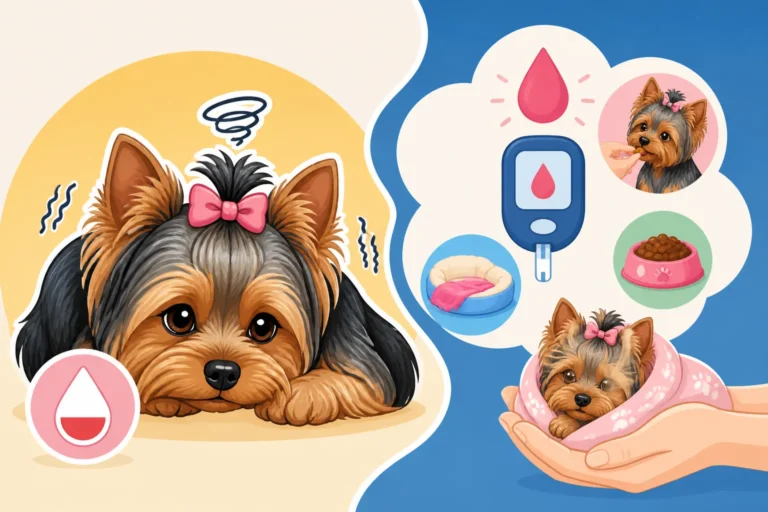
One of the most common ways a liver shunt first presents itself in a Yorkie is through neurological symptoms, which can look like odd behavioral changes. This is because the toxins that bypass the liver can travel to the brain, leading to a condition called hepatic encephalopathy. You might notice your Yorkie seems a bit disoriented or acts "drunk" after eating, especially after a protein-rich meal. They might press their head against walls, appear confused, or stare blankly. Seizures are also a serious possibility, though they often indicate a more advanced stage of the condition.
Other subtle signs include lethargy or unusual weakness. Your normally energetic Yorkie might seem unusually tired, less interested in play, or simply sleep more than usual. They might also exhibit poor coordination or even temporary blindness. Some Yorkies might become restless or agitated for no apparent reason, especially at night. If you’re seeing any of these signs, it's definitely time to consider When to Take Your Yorkie to the Vet. Remember, these small changes can be significant indicators of an underlying issue, and documenting them can help your vet immensely.
Physical Symptoms and Their Severity
Beyond behavioral changes, there are several physical symptoms that can point to a liver shunt. Stunted growth is a hallmark sign in puppies; they often remain smaller than their littermates and fail to gain weight despite eating. Gastrointestinal issues are also common. You might see intermittent vomiting or diarrhea, or simply a lack of appetite. Some Yorkies will develop pica, meaning they eat non-food items, which is thought to be a sign of nutrient deficiency or discomfort.
Urinary tract issues can also occur due to abnormal waste product processing. Crystals or stones in the bladder (ammonium biurate uroliths) are frequently seen in Yorkies with shunts, leading to symptoms like frequent urination, straining, or blood in the urine. You might also notice poor coat quality, excessive thirst (polydipsia), or simply a generally sickly appearance. If you observe any of these Signs Your Yorkshire Terrier Is Sick, especially in combination, it's crucial to seek veterinary attention promptly. The severity of these symptoms can fluctuate, but they tend to worsen over time without intervention.
Diagnosing a Liver Shunt in Your Yorkie
Getting a definitive diagnosis for a liver shunt can sometimes feel like a marathon, not a sprint. The symptoms can be vague, and initial tests might not immediately pinpoint the issue. However, with a dedicated vet and a thorough approach, you can get to the bottom of what's affecting your precious Yorkie. Understanding the diagnostic process helps you prepare for what’s ahead and ensures you ask the right questions.
Initial Veterinary Consultation and Bloodwork
When you first bring your Yorkie in with suspected shunt symptoms, your veterinarian will start with a comprehensive physical examination and a detailed discussion of your dog's history and symptoms. They’ll likely order a standard blood panel, which can offer important clues. In many cases of liver shunt, blood tests will reveal abnormalities such as elevated liver enzymes, low blood urea nitrogen (BUN), low albumin, and sometimes low blood glucose. These values indicate that the liver isn't performing its filtering and metabolic functions correctly.
The most telling initial blood test for a suspected shunt is a bile acid stimulation test. This test measures bile acid levels in your Yorkie's blood before and after a small meal. Normally, bile acids are absorbed by the intestines, processed by the liver, and then recycled. If bile acids remain high after a meal, it strongly suggests that the blood is bypassing the liver, indicating a shunt. This test is a crucial early indicator, but it’s not always definitive on its own. For example, some dogs with mild shunts might have normal or borderline results.
Advanced Imaging and Definitive Diagnosis
If the bile acid stimulation test and other blood work point towards a liver shunt, your vet will likely recommend advanced imaging to confirm the diagnosis and determine the shunt's location and type. The gold standard for definitive diagnosis is usually an ultrasound performed by a skilled veterinary radiologist. They can often visualize the anomalous vessel and assess the liver's size and blood flow patterns. While an ultrasound is non-invasive, it requires expertise to perform and interpret accurately, especially in tiny Yorkies.
In some cases, further imaging may be needed, such as a CT angiography. This involves injecting a contrast dye and taking detailed 3D images, providing an even clearer picture of the shunting vessel's precise anatomy. This level of detail is especially important if surgery is being considered, as it helps the veterinary surgeon plan the procedure. It's an investment, but it's vital for understanding the full scope of the problem and developing the most effective treatment plan. Remember, exploring pet insurance options like Healthy Paws early on can significantly help manage the financial aspect of these extensive diagnostics and treatments.
Treatment Options for Yorkshire Terrier Liver Shunts
Once a liver shunt is diagnosed, the good news is that there are treatment options available. The approach depends largely on the type and location of the shunt, as well as your Yorkie's overall health and the severity of their symptoms. It’s a very individual decision that you’ll make in close consultation with your veterinary team. While some shunts can be managed medically, surgical correction often offers the best long-term prognosis for many Yorkies.
Medical Management and Diet Adjustments
For some Yorkies, especially those with mild symptoms, or as a temporary measure before surgery, medical management combined with a specialized diet can significantly improve their quality of life. The primary goal of medical management is to reduce the production and absorption of toxins in the gut. This typically involves several key components:
- Low-Protein Diet: This is paramount. A diet lower in protein reduces the amount of ammonia and other toxins produced during digestion. However, it's not about cutting out protein entirely, as protein is essential. The key is to feed highly digestible protein sources in controlled amounts. Commercial veterinary therapeutic diets specifically formulated for liver support are often recommended. You might want to discuss Yorkie Liver Shunt: Diet and Care specifically with your vet.
- Lactulose: This synthetic sugar helps in two ways. First, it acidifies the colon, which traps ammonia ions and prevents their absorption into the bloodstream. Second, it acts as a mild laxative, helping to clear toxins from the gut more quickly.
- Antibiotics: Certain antibiotics, like metronidazole or neomycin, can be prescribed to reduce the number of ammonia-producing bacteria in the intestines.
- Supplements: Your vet might also recommend liver support supplements, such as S-Adenosylmethionine (SAMe) or milk thistle, though their effectiveness can vary.
Medical management can effectively control symptoms in some Yorkies, allowing them to lead comfortable lives, but it doesn't cure the shunt. It requires lifelong commitment and careful monitoring.
Surgical Intervention: When and Why
Surgical correction is generally considered the treatment of choice for congenital portosystemic shunts in Yorkies, offering the best chance for a normal lifespan and quality of life. The goal of surgery is to close off or significantly narrow the abnormal shunting vessel, forcing blood to flow through the liver. This allows the liver to grow and regain its detoxification function.
The decision to operate is usually made when the shunt is clearly identified and located, and the Yorkie is stable enough for anesthesia. Often, a few weeks of medical management are prescribed prior to surgery to stabilize the patient, reduce toxin levels, and improve their overall health, making them a better surgical candidate. The actual surgical procedure typically involves placing a constricting device around the shunt, which slowly closes the vessel over weeks or months, or in some cases, the shunt is ligated (tied off) directly. Gradual occlusion is often preferred as it allows the liver more time to adapt to the increased blood flow.
While surgery carries risks, like any procedure, the long-term benefits can be profound. Many Yorkies go on to live full, healthy lives after successful surgical correction. It's a complex procedure, though, and requires an experienced veterinary surgeon, often a specialist. The Yorkshire Terrier Vet Costs and Health Budget can be substantial for such surgeries, making financial planning or pet insurance coverage, perhaps through providers like Healthy Paws, an important consideration for owners.
| Treatment Type | Primary Goal | Benefits | Drawbacks | Typical Candidates |
|---|---|---|---|---|
| Medical Management | Control symptoms, reduce toxin buildup | Non-invasive, less immediate risk | Does not cure the shunt, requires lifelong commitment | Mild symptoms, pre-surgical stabilization, acquired shunts |
| Surgical Correction | Close/narrow shunt, restore liver function | Potential cure, improved long-term prognosis | Invasive, higher immediate risk, requires specialized surgeon | Congenital shunts, good surgical candidates, severe symptoms |
Long-Term Care and Prognosis After Diagnosis
A liver shunt diagnosis, regardless of the treatment path, means a commitment to vigilant, long-term care for your Yorkie. It’s not just about the initial treatment; it’s about understanding what comes next and how to best support their health for years to come. The prognosis varies widely depending on several factors, including the type of shunt, the chosen treatment, and how well your Yorkie responds.
Life with a Medically Managed Liver Shunt
If your Yorkie is managed medically, consistency is key. You'll need to strictly adhere to the prescribed low-protein diet, which means no sneaky table scraps or unauthorized treats. Regular administration of medications like lactulose and antibiotics will become a part of your daily routine. It's important to monitor your Yorkie closely for any return or worsening of symptoms, especially neurological signs after meals. Keeping a journal of their appetite, energy levels, and any concerning behaviors can be incredibly helpful for your vet.
Regular veterinary check-ups are essential to monitor liver enzyme levels, blood urea nitrogen, and bile acids to ensure the medical protocol is working effectively. You might find yourself at the vet more frequently than other dog owners, and that's perfectly normal. While medical management can't reverse the shunt, it can often provide a good quality of life for several years. However, the liver never fully recovers its function, and there's always a risk of acute crises if the diet or medication regimen is disrupted.
Post-Surgery Recovery and Outlook
For Yorkies who undergo successful surgical correction, the recovery period is crucial. Immediately after surgery, your dog will require close monitoring, often in an intensive care unit, to manage potential complications. This can include monitoring for signs of portal hypertension, which can occur if the shunt is closed too quickly, or for post-surgical seizures. Once home, activity will need to be restricted for several weeks to allow for proper healing.
The outlook after successful surgery is generally excellent. Many Yorkies will show a dramatic improvement in symptoms within days or weeks, as their liver begins to function properly again. They often "catch up" in growth, gain weight, and their neurological symptoms resolve. Blood work, including bile acid tests, will be rechecked periodically to confirm the shunt closure and liver function improvement. While many dogs can eventually transition to a more normal diet, some may still require a moderately restricted protein diet or supplements long-term. With proper care, a Yorkie who has had a liver shunt corrected can go on to live a full and happy life, often mirroring the How Long Do Yorkshire Terriers Live of their healthy counterparts.
Preventing Complications and Supporting Your Yorkie
Even after treatment, whether medical or surgical, ongoing supportive care is vital to prevent complications and ensure your Yorkie maintains the best possible health. Proactive measures, from careful dietary choices to consistent monitoring, empower you to give your beloved companion the quality of life they deserve.
Dietary Considerations and Supplementation
Diet remains a cornerstone of long-term care for Yorkies with a history of liver shunt. Even post-surgery, some veterinarians might recommend a slightly restricted protein diet, or at least a diet using highly digestible protein sources, especially in the initial recovery period. For those on lifelong medical management, strict adherence to a low-protein, liver-supportive prescription diet is non-negotiable. Brands like Hill's Prescription Diet l/d or Royal Canin Hepatic are specifically formulated to support liver health. Always consult your vet before making any changes to their diet or adding supplements.
Supplements can play a supportive role. SAMe (S-Adenosylmethionine) is often recommended to help with liver cell regeneration and detoxification. Milk thistle is another popular herb with liver-protective properties. Antioxidants like Vitamin E and C can also be beneficial in reducing oxidative stress on the liver. Probiotics can help maintain a healthy gut microbiome, further reducing toxin production. However, it's crucial to discuss all supplements with your vet, as some can interact with medications or be contraindicated for your Yorkie's specific condition. You'll want to avoid any supplements or treats that are high in protein or could exacerbate the condition.
Regular Monitoring and Lifestyle Adjustments
Beyond diet and supplements, consistent monitoring is paramount. This means regular vet visits, often every 3-6 months initially, to track blood work, including bile acid levels, liver enzymes, and kidney values. Your vet will also perform physical exams to ensure there are no new developments. Between visits, you are your Yorkie's best advocate. Continue to monitor for any subtle behavioral changes, changes in appetite or water intake, or any signs of discomfort. If you notice symptoms like increased disorientation, lethargy, or vomiting, contact your vet immediately. Understanding Yorkie Emergency Symptoms to Never Ignore can literally be a lifesaver.
Lifestyle adjustments often include ensuring a calm, low-stress environment. Avoid overly strenuous exercise, especially in the initial recovery phase from surgery. For medically managed dogs, avoiding large, protein-rich meals is key; instead, offer smaller, more frequent meals throughout the day. Access to fresh water at all times is also vital. Consider investing in a good pet insurance policy, such as one from Healthy Paws, if you haven't already. While it might not cover pre-existing conditions, it can be invaluable for any new health issues or complications that might arise, or for the routine follow-up care that can be surprisingly costly over time. This kind of comprehensive care is essential for your little fighter.
Disclaimer
This article is intended for informational purposes only and does not constitute veterinary advice. Always consult with a qualified veterinarian for any health concerns or before making any decisions about your pet's medical care. Individual outcomes for Yorkshire Terriers with liver shunts can vary significantly.