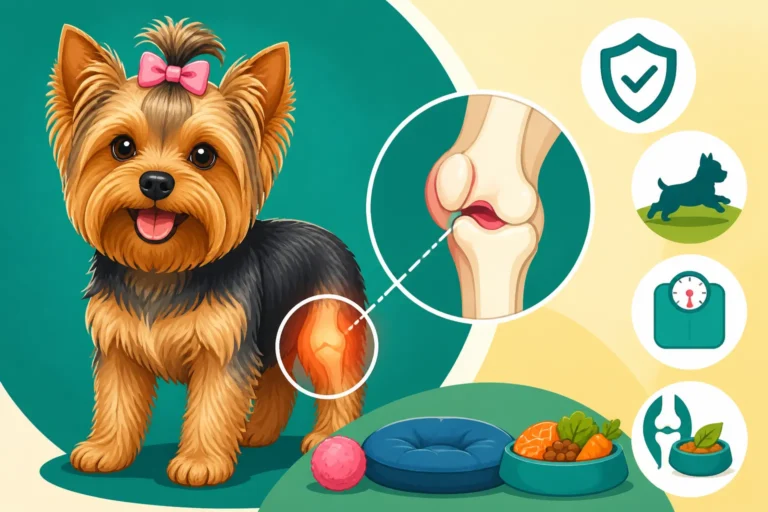
Is My Yorkie Overweight
It's incredibly common to look at our adorable Yorkshire Terriers and wonder if those extra cuddly rolls are just part of their charm or a sign of something more serious. We shower them with love, and sometimes that love translates into a few too many treats or not quite enough zoomies around the house. The truth is, an overweight Yorkie isn't just a cosmetic issue; it's a significant health concern. This comprehensive guide will walk you through how to determine if your cherished Yorkie is carrying too much weight, what risks that poses, and most importantly, how to help them get back to a healthy, vibrant life.
Understanding Your Yorkie's Ideal Weight Range
One of the biggest anxieties for Yorkie parents is knowing if their little companion is truly at a healthy weight. They're tiny dogs to begin with, and a few extra ounces can make a big difference in their overall health. While there's a breed standard, it's also important to remember that every Yorkie is an individual, and their ideal weight can vary based on a number of factors.
The Official Breed Standard and Real-World Variations
According to the American Kennel Club (AKC) breed standard, a fully grown Yorkshire Terrier should weigh no more than seven pounds. This benchmark has been in place for a long time and serves as a good general guideline for what a purebred Yorkie should ideally be. However, it's easy to get caught up in that number and overlook the nuances. Many well-bred Yorkies might hover slightly above this, especially males with a more robust build, or those with slightly larger bone structures.
It's also worth noting that terms like "teacup Yorkie" or "mini Yorkie," while popular in conversation, aren't officially recognized by the AKC. These terms typically refer to Yorkies that are smaller than the seven-pound maximum, sometimes considerably so. While undeniably cute, these smaller dogs often come with their own set of potential How Long Do Teacup Yorkies Live health challenges, including a predisposition to hypoglycemia, so being underweight can be just as dangerous for them. The key isn't just hitting a number, but ensuring that whatever their size, their body composition is healthy.
Factors That Influence a Yorkie's Healthy Weight
Beyond the breed standard, several elements play a significant role in determining what a healthy weight looks like for your specific Yorkshire Terrier. It’s not a one-size-fits-all situation.
First off, consider their age. Puppies are growing rapidly, so their weight will fluctuate significantly. An adult Yorkie, typically between one and seven years old, should maintain a stable weight. As they transition into their senior years, their metabolism can slow down, and their activity levels might decrease, making them more prone to weight gain. Our Yorkshire Terrier Senior Care Guide offers more insights into managing health for older Yorkies, including weight.
Sex can also play a role; male Yorkies are often slightly heavier and more muscular than females, even if both are within a healthy range. Genetics are another huge factor. Just like people, some Yorkies are naturally leaner, while others have a predisposition to carrying more weight, even with careful feeding. If both of your Yorkie's parents were on the heavier side, your pup might have similar tendencies. Lastly, their activity level is paramount. A Yorkie that gets regular exercise and playtime will naturally have a different build and weight than one that leads a more sedentary life. A balanced approach considering all these factors is essential for truly understanding your Yorkie's ideal weight.
Recognizing the Signs of an Overweight Yorkshire Terrier
Sometimes, the scale doesn't tell the whole story, or perhaps you don't weigh your Yorkie regularly enough to catch a creeping weight gain. That's perfectly understandable! However, there are many visual and behavioral cues that can alert you to the possibility of your Yorkie being overweight, even before you step on a scale. Learning these signs is crucial for early intervention and maintaining their long-term health.
The Visual Cues: Body Condition Scoring Made Easy
One of the most effective ways to assess your Yorkie's weight at home is through Body Condition Scoring (BCS). This isn't about numbers, but about feeling and observing their body. Think of it as a hands-on method to truly understand their physique.
The Rib Test: Gently run your hands along your Yorkie's sides. You should be able to easily feel their ribs, almost like feeling the knuckles on your hand, without having to press hard. If you can't feel them at all, or if you have to push through a layer of fat, that's a strong indicator of excess weight. Conversely, if their ribs are very prominent and easily visible without touching, they might be underweight, which also requires veterinary attention.
The Waistline Check: Look at your Yorkie from above and from the side. From above, they should have an hourglass shape, with a noticeable tuck behind their ribs. If they look more like a sausage or a straight line from their chest to their hips, they're likely carrying too much weight. From the side, their abdomen should tuck up slightly from their chest to their hind legs, rather than hanging low or being parallel to the ground. A good comparison is the sloped underside of a greyhound, albeit less extreme.
Spine and Tail Base: While feeling for ribs, also feel along their spine. You should be able to feel the individual vertebrae, but they shouldn't protrude sharply. Similarly, the base of their tail shouldn't have excessive fat deposits. If it feels thick and cushiony, that's another sign of being overweight. This hands-on approach, combined with visual assessment, gives you a much clearer picture than just a number on a scale.
Behavioral Indicators You Shouldn't Ignore
Beyond what you can see and feel, your Yorkie's behavior can also give you strong clues that they might be overweight. These changes are often subtle at first but become more pronounced as the weight increases.
Reduced Activity and Lethargy: Does your Yorkie seem less enthusiastic about walks or playtime? Are they spending more time sleeping or just lying around? A healthy Yorkie is typically full of energy, eager to explore, and loves to play fetch or chase toys. If they're suddenly less inclined to engage in these activities, it could be that carrying extra weight makes movement more difficult and tiring. They might pant more easily after minimal exertion. This isn't just a sign of aging; it could be a sign of being overweight impacting their stamina.
Difficulty Moving and Grooming: Watch how your Yorkie moves. Do they struggle to jump onto furniture they once easily scaled? Do they move slower, or seem stiff, especially after resting? Overweight Yorkies often experience increased strain on their joints, which can lead to or worsen conditions like Yorkshire Terrier Patellar Luxation: Signs and Care or other orthopedic issues. You might also notice they have trouble grooming themselves, particularly reaching their hindquarters. This can lead to matted fur or skin issues in areas they can no longer comfortably reach, which can be easily mistaken for just needing more grooming attention when the root cause is weight.
Changes in Breathing and Stamina: Increased panting, even during light activity or when at rest, can be a red flag. Excess weight puts additional stress on their respiratory and cardiovascular systems. They might also snore more heavily, or their breathing might sound labored. If you notice your Yorkie struggling to keep up on walks or experiencing more frequent episodes of Yorkshire Terrier Reverse Sneezing: What It Means, it's worth considering their weight as a contributing factor. These behavioral shifts are often your Yorkie's way of telling you they're not feeling their best.
Common Health Risks Exacerbated by Extra Pounds
The sad reality is that being overweight isn't just about aesthetics; it significantly increases your Yorkie's risk of developing a myriad of serious health problems. These tiny dogs are already prone to certain conditions, and obesity acts as an accelerant, making existing issues worse and inviting new ones.
Joint and Skeletal Problems: As mentioned, the extra weight puts immense pressure on their small joints and delicate bone structure. Conditions like patellar luxation, hip dysplasia, and even arthritis can become more painful and debilitating when a Yorkie is overweight. Imagine carrying a heavy backpack all day, every day – that's what extra pounds feel like to your dog's tiny frame. This can lead to chronic pain, reduced mobility, and a lower quality of life. Owners often seek Yorkie Joint Supplements Explained to help, but weight management is foundational.
Cardiovascular and Respiratory Issues: An overweight Yorkie's heart has to work much harder to pump blood throughout a larger body mass, increasing the risk of heart disease and high blood pressure. Their lungs also have less space to expand due to abdominal fat, leading to breathing difficulties and exacerbating conditions like Yorkshire Terrier Tracheal Collapse: Signs and Care, a common issue in toy breeds. This can lead to a vicious cycle where decreased activity due to breathing issues further contributes to weight gain.
Diabetes and Pancreatitis: Just like in humans, obesity is a major risk factor for developing Type 2 diabetes in dogs, as it can lead to insulin resistance. Furthermore, overweight Yorkies are at a higher risk of Yorkshire Terrier Pancreatitis: Signs and Care, a painful and potentially life-threatening inflammation of the pancreas. These metabolic conditions require lifelong management and can significantly impact your Yorkie's well-being and lifespan. These are just a few of the reasons why proactive weight management is a crucial part of How to Keep a Yorkshire Terrier Healthy.
| Body Condition | Visual Assessment | Palpation (Ribs/Spine) | Abdominal Tuck (Side View) |
|---|---|---|---|
| Ideal | Hourglass shape, defined waist | Easily felt, minimal fat cover | Clear tuck-up |
| Overweight | Broader, less defined waist | Felt with slight pressure, moderate fat cover | Minimal or no tuck-up |
| Obese | Round or barrel-shaped | Difficult to feel, heavy fat cover | Sagging or bulging |
Crafting an Effective Weight Loss Plan for Your Yorkie
Discovering your Yorkie is overweight can feel daunting, but the good news is that with dedication and the right approach, you can help them achieve a healthier weight. It’s all about making sustainable changes to their diet and activity levels, always with the guidance of a trusted veterinarian.
Navigating Diet and Portion Control
The cornerstone of any successful weight loss plan for your Yorkie lies in their diet. It’s not just about what they eat, but how much and how often. This is where many of us, out of love, inadvertently contribute to the problem.
Choosing the Right Food: First, consult your veterinarian about specific dog food recommendations. They might suggest a prescription weight-management diet, which is typically lower in calories and higher in fiber to help your Yorkie feel full. If a prescription diet isn't necessary, look for high-quality kibble formulated for small breeds, ideally with controlled fat and calorie content. Brands like Royal Canin often have breed-specific formulas, including for Yorkshire Terriers, that are designed with their unique metabolic needs in mind. Avoid foods with excessive fillers or unhealthy fats. Our guide on Best Dog Food for Yorkshire Terriers can offer more insights into suitable options.
Accurate Portion Sizing and Meal Schedules: This is absolutely critical. Do not eyeball portions! Use a kitchen scale to measure their food accurately based on your vet's recommendation or the bag's guidelines for weight loss. Remember, the feeding guidelines on food bags are often for active dogs and for maintaining weight, not for losing it. It's often necessary to feed slightly less than the recommended "ideal weight" portion to achieve weight loss. Divide their daily allowance into two or three small meals to keep their metabolism working and prevent hunger pangs. Consistency is key here. For more details on this, check out How Much to Feed a Yorkshire Terrier.
Rethinking Treats and Table Scraps: Treats are often the silent culprits of weight gain. Those tiny morsels add up quickly for a small dog. Switch to low-calorie, healthy alternatives like small pieces of plain cooked chicken, green beans, carrots, or blueberries. Always factor treats into their daily calorie count. And while it’s hard to resist those puppy dog eyes, absolutely no table scraps! Human food, especially fatty or sugary items, can be incredibly high in calories for a Yorkie and can even lead to serious issues like Yorkshire Terrier Pancreatitis: Treatment Options. It’s tough love, but it’s for their own good.
Designing a Safe and Engaging Exercise Routine
Once diet is under control, the next step is to get your Yorkie moving more. The goal isn't to turn them into an Olympic athlete overnight, but to gradually increase their activity in a way that is safe and enjoyable for them.
Gradual Increase in Activity: If your Yorkie is currently very sedentary, start slowly. Begin with short, gentle walks, perhaps 10-15 minutes, two to three times a day. As their stamina improves and they start to shed a few pounds, gradually increase the duration and pace. Avoid overexertion, especially in hot weather or if they have existing health conditions. Monitor their breathing and energy levels closely, and always ensure they have access to fresh water. Our Yorkshire Terrier Exercise Needs guide provides a deeper dive into appropriate activity levels.
Engaging Playtime and Mental Stimulation: Exercise doesn't just mean walks. Engage your Yorkie in interactive play sessions indoors or in a secure yard. Games like fetch, gentle tug-of-war, or even hiding treats (healthy ones, of course!) for them to find can be wonderful ways to burn calories and provide mental stimulation. Puzzle toys that dispense kibble can make mealtime an exercise in itself, slowing down their eating and engaging their minds. Remember, Yorkies are intelligent dogs and benefit greatly from activities that challenge them mentally as well as physically.
Considering Controlled Environments: For smaller breeds like Yorkies, outdoor safety is paramount. Always use a harness, not a collar, to protect their delicate trachea, and keep them on a leash in unfenced areas. If you live in a busy urban environment, consider taking them to a secure dog park specifically for small breeds, or even exploring indoor dog play areas if available. The key is to find activities that both you and your Yorkie can enjoy together, fostering your bond while improving their health.
The Critical Role of Your Veterinarian
While diet and exercise are in your hands, your veterinarian is your most important partner in your Yorkie's weight loss journey. Their expertise is indispensable for a safe and effective plan.
Initial Health Assessment and Goal Setting: Before making any drastic changes, a vet visit is essential. Your vet will perform a thorough physical exam, weigh your Yorkie, and discuss their medical history. They might recommend blood tests to rule out underlying medical conditions, such as Yorkshire Terrier Hypothyroidism: Signs and Care, which can contribute to weight gain. Based on their assessment, they'll help you establish a realistic target weight and a timeline for achieving it. They'll also calculate the appropriate daily caloric intake for your Yorkie to safely lose weight. This personalized plan is crucial. If you're looking for a new vet or considering a change, our guide on How to Choose a Vet for a Yorkie might be helpful.
Regular Check-ups and Adjustments: Weight loss is rarely a linear process. Regular follow-up appointments with your vet are vital to monitor your Yorkie's progress, celebrate successes, and make any necessary adjustments to their diet or exercise regimen. Your vet can provide encouragement, troubleshoot challenges, and ensure your Yorkie is losing weight at a healthy pace without compromising their nutritional needs. They can also offer advice on specific products or techniques, like prescription weight loss foods or supplements that might aid the process.
Addressing Underlying Conditions: Sometimes, weight gain can be a symptom of a deeper health issue. Your vet is equipped to identify and treat these. For example, some medications can cause weight gain, or certain conditions might limit exercise. Having a clear diagnosis and a plan to manage any concurrent health problems is essential for your Yorkie's overall well-being. Moreover, considering pet insurance from providers like Healthy Paws can offer peace of mind, helping to cover unexpected vet costs related to managing weight-related health issues or any other conditions that might arise during their weight loss journey. Your vet is truly your best resource for keeping your Yorkie happy and healthy.
Long-Term Strategies for Maintaining a Healthy Weight
Achieving a healthy weight is a fantastic accomplishment, but the journey doesn't end there. The real challenge, and the ultimate goal, is to maintain that ideal weight throughout your Yorkie's life. This requires consistency, vigilance, and a proactive approach to their daily care.
Building Sustainable Habits for Feeding and Treats
Maintaining a healthy weight is all about forming good habits that become a natural part of your daily routine. This means sticking to the dietary changes you implemented during their weight loss phase, even when it feels like they deserve an extra treat.
Consistent Meal Schedule and Portion Control: Continue to feed your Yorkie on a strict, consistent schedule, using precisely measured portions. Free-feeding (leaving food out all day) is a common culprit for weight gain and should be avoided. Your vet may adjust their caloric intake slightly once they reach their target weight to help them maintain it, but the principle of accurate measurement remains. Remember, even a small handful of extra kibble each day can lead to weight creep for a small dog like a Yorkie.
Mindful Treat Giving: Treats aren't off-limits forever, but they need to be given mindfully. Continue to opt for low-calorie, healthy options and ensure treats make up no more than 10% of their daily caloric intake. Consider using treats as rewards for training or good behavior, rather than just random handouts. This makes them more impactful and helps reinforce positive habits. Instead of store-bought treats, which can be surprisingly high in calories, lean on small pieces of steamed green beans or carrots. These are generally well-received and much healthier.
Involving the Whole Family: It's absolutely crucial that everyone in the household is on the same page regarding your Yorkie's diet. A sneaky grandparent or a well-meaning child can quickly undo all your hard work with extra snacks. Have an open conversation with everyone who interacts with your Yorkie about their feeding schedule, appropriate treats, and the importance of not giving human food. Consistency from all family members is key to preventing relapse and maintaining their hard-won healthy weight.
Continuous Monitoring and Adapting as Your Yorkie Ages
Your Yorkie's needs will change over time, and a successful long-term weight management plan involves continuous monitoring and adaptability. What works today might need tweaking tomorrow.
Regular Weight Checks and Body Condition Assessments: Don't wait for your annual vet visit to check their weight. Weigh your Yorkie monthly at home and perform regular body condition assessments. If you notice their weight creeping up, or their waistline disappearing, you can address it immediately before it becomes a significant problem again. Early detection allows for minor adjustments rather than another full-blown weight loss regimen. Many vets offer walk-in weight checks if you don't have a reliable scale at home.
Adjusting for Age and Activity Level: As your Yorkie ages, their metabolism will naturally slow down, and their activity levels may decrease. This means their caloric needs will also change. A senior Yorkie, for example, will likely require fewer calories than an active adult. Your vet can guide you on adjusting their food intake as they transition through different life stages. Similarly, if there's a change in their activity due to injury or illness, their diet may need a temporary adjustment. Staying attuned to these changes is a vital part of Yorkshire Terrier Senior Care Guide.
Listening to Your Yorkie's Cues: Pay close attention to your Yorkie's overall demeanor, energy levels, and comfort. A healthy weight contributes to a happier, more active dog. If they start showing signs of discomfort, lethargy, or reluctance to play, it might be an indicator that their weight or other health factors need attention. Being proactive, checking in with your vet, and having pet insurance from a reputable provider like Healthy Paws can make all the difference in ensuring your Yorkie enjoys a long, healthy, and happy life free from the burdens of excess weight.
Disclaimer
The information provided in this article is for general informational purposes only and is not intended as a substitute for professional veterinary advice. Always consult with a qualified veterinarian for any health concerns or before making any decisions related to your pet's health or treatment plan.