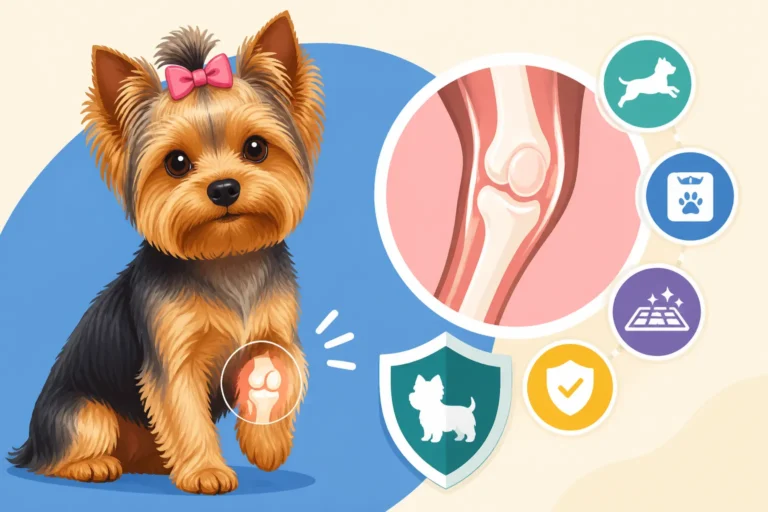
How to Prevent Collapsing Trachea in Yorkies
It's absolutely heartbreaking to hear your precious Yorkshire Terrier suddenly make that distinctive, honking cough, sometimes described as a "reverse sneeze" or a goose honk. As Yorkie parents, we know how fragile these little bundles of joy can seem, and nothing sends a wave of panic quite like a sudden breathing issue. Many of us have felt that fear, wondering if our beloved companion is struggling for air. Collapsing trachea is a truly common and distressing condition in our breed, and while it can't always be completely cured, there are so many proactive steps you can take to significantly reduce its severity and frequency, giving your Yorkie a much more comfortable and joyful life. This guide will walk you through exactly how to prevent collapsing trachea in Yorkies, focusing on practical, actionable strategies.
Understanding Collapsing Trachea in Yorkshire Terriers
Before we dive into prevention, it’s essential to truly grasp what collapsing trachea is and why it affects so many of our little Yorkies. It's not just a minor cough; it's a structural issue that can severely impact their quality of life if not managed properly.
What is Tracheal Collapse
Imagine your Yorkie's windpipe, or trachea, as a strong, rigid hose that allows air to flow freely to and from their lungs. In dogs with collapsing trachea, the cartilage rings that support this windpipe weaken and flatten, much like a vacuum cleaner hose that gets crushed. This narrowing of the airway makes it incredibly difficult for air to pass through, especially when they inhale or get excited. The condition can affect any part of the trachea, from the neck down to where it enters the chest.
Yorkshire Terriers are predisposed to this condition due to their genetics and the specific structure of their tiny throats. It's often a progressive disease, meaning it can start subtly and worsen over time, exacerbated by factors like excitement, exercise, heat, or even just pulling on a collar. Witnessing an episode can be terrifying – your Yorkie might look distressed, struggle to breathe, and make that distinctive, harsh honking sound. Understanding the mechanics of this condition is the first step toward effective prevention and management, ensuring you're prepared to support your little one. For a deeper dive into the condition itself, you might find our article on Yorkshire Terrier Collapsing Trachea: Signs and Care helpful.
Common Symptoms to Watch For
Recognizing the early signs of a collapsing trachea is crucial because prevention starts with early intervention. The most tell-tale symptom is the classic "goose honk" cough. This isn't just a regular cough; it's often dry, hacking, and sounds exactly like a goose honking. It typically gets worse with excitement, exercise, when your Yorkie pulls on their leash, or even when they drink water.
Beyond the cough, you might notice other subtle or more severe symptoms. Your Yorkie might start wheezing or making noisy breathing sounds, particularly after activity. They might show signs of respiratory distress, such as rapid breathing, panting excessively even when not hot, or having a bluish tint to their gums in severe cases (which indicates a lack of oxygen and requires immediate veterinary attention). You could also see a decrease in their energy levels, reluctance to exercise, or even difficulty eating or drinking as these actions can put pressure on the trachea. Sometimes, owners mistake these for general "breathing problems," but understanding the specific signs helps in early diagnosis and managing the condition. If you're concerned about your Yorkie's breathing, our guide on Yorkie Breathing Problems Explained offers further insights.
Environmental Prevention Strategies
When it comes to preventing tracheal collapse in our sensitive Yorkies, a huge part of the battle is managing their environment. Small changes in their daily surroundings can make a monumental difference in protecting their delicate airways.
Harness Over Collar
This is perhaps the single most impactful change you can make for a Yorkie prone to tracheal issues. A traditional neck collar, no matter how cute, places direct pressure on your Yorkie’s trachea. Every little tug, whether from you or from them excitedly pulling ahead, can irritate or further damage the already fragile cartilage rings of the windpipe. Over time, this constant pressure significantly contributes to the weakening and collapse of the trachea.
Switching to a well-fitting harness distributes any pressure across their chest and shoulders, completely bypassing the neck. It's a game-changer. When selecting a harness, opt for one that fits snugly but comfortably, without restricting shoulder movement or rubbing. There are many excellent brands designed specifically for small breeds, ensuring a secure and comfortable fit. This simple switch can dramatically reduce the frequency and severity of coughing episodes, making walks much more enjoyable for both of you. For a comprehensive look at why this is so important, check out Why Harnesses Are Better Than Collars for Yorkies.
Managing Allergens and Irritants
Just like humans with sensitive lungs, Yorkies with a predisposition to tracheal collapse are highly susceptible to airborne irritants. These can trigger inflammation and coughing spasms, putting undue stress on their windpipe. Think about everything in your home that affects air quality. Cigarette smoke is a major culprit; if anyone in the household smokes, doing so away from your Yorkie or completely eliminating smoking indoors is paramount.
Beyond smoke, common household products can be problematic. Aerosol sprays, strong air fresheners, scented candles, cleaning chemicals, and even heavy perfumes can release particles and fumes that irritate your Yorkie's respiratory system. Consider switching to natural, unscented cleaning products and diffusing essential oils (making sure they are pet-safe and properly diluted, if you choose to use them at all) instead of artificial air fresheners. Regularly vacuuming with a HEPA filter vacuum and using an air purifier can also significantly reduce dust, dander, and other airborne allergens, creating a cleaner, safer breathing environment for your little companion.
Weight Management and Diet
Maintaining a healthy weight is absolutely critical for preventing and managing collapsing trachea. An overweight Yorkie carries extra fat around their neck and chest, which puts additional pressure on their windpipe and respiratory system. This added burden makes breathing more difficult and can exacerbate existing tracheal weakness, leading to more frequent and severe coughing episodes. Even a few extra ounces can make a big difference for such a tiny dog.
Working with your veterinarian to establish a proper diet and exercise routine is key. Focus on high-quality dog food appropriate for their age and activity level, carefully measuring portions to avoid overfeeding. Limit treats and table scraps, which often contribute to unnoticed weight gain. Regular, moderate exercise is also vital, but it needs to be controlled to avoid overexertion, which can trigger coughing. If you're unsure if your Yorkie is at an ideal weight, our article Is My Yorkie Overweight can offer some guidance. A balanced diet not only helps with weight but also supports overall health, which is a big part of How to Keep a Yorkshire Terrier Healthy, making their entire system more resilient.
Lifestyle and Proactive Care for Prevention
Beyond environmental controls, fostering a healthy lifestyle and staying on top of proactive veterinary care are paramount in minimizing the risk and impact of tracheal collapse in your Yorkie. These aspects are about nurturing their overall well-being.
Stress and Excitement Reduction
You've probably noticed that one of the quickest ways to bring on a honking cough is when your Yorkie gets super excited or stressed. The sudden bursts of barking, jumping, or intense play can cause them to gasp for air, putting immense strain on their already delicate trachea. Their tiny bodies get so revved up that their breathing becomes erratic and rapid, leading to the collapse.
Therefore, managing their emotional state is a significant preventive measure. Try to keep interactions calm and avoid overly stimulating situations. For example, instead of a dramatic greeting every time you come home, try a calmer approach, waiting for them to settle before showering them with affection. When friends visit, manage the initial excitement with redirection or by having your Yorkie on a leash until they calm down. Gentle, consistent training can also help reduce overall anxiety. Creating a predictable routine provides a sense of security, which can also help keep stress levels down. Remember, a calm Yorkie is a breathing Yorkie!
Regular Veterinary Check-ups
Think of your Yorkie’s annual vet visit not just as a formality, but as an essential part of preventing health problems from escalating. Regular check-ups allow your veterinarian to monitor your Yorkie’s respiratory health, listen for subtle sounds, and assess their overall condition. They can identify early signs of tracheal weakness before it becomes a full-blown collapsing trachea, or catch other underlying issues that might contribute to breathing difficulties.
Your vet can also offer personalized advice on diet, exercise, and environmental controls tailored to your Yorkie's specific needs and risk factors. They might suggest specific supplements or lifestyle adjustments to support tracheal health. Don't hesitate to discuss any new coughs, changes in breathing, or energy levels, no matter how minor they seem. Early detection and proactive management, guided by your vet, are invaluable. Investing in regular care, and understanding Yorkie Vet Costs and Health Budget, can save you a lot of heartache and expense down the road. Some pet insurance providers, like Healthy Paws, also offer wellness plans that can help cover these routine preventative visits, making it easier to keep up with your Yorkie's health.
Dental Hygiene's Role
It might seem unrelated, but your Yorkie’s oral health can actually impact their respiratory health, including the risk of tracheal issues. Poor dental hygiene leads to an accumulation of plaque and tartar, which harbors bacteria. These bacteria can migrate from the mouth into the respiratory system, potentially causing inflammation and infections in the throat and airways. Chronic inflammation in the pharynx (the back of the throat) can indirectly put stress on the trachea and contribute to coughing or exacerbate existing tracheal weakness.
Regular dental care, including daily brushing at home and professional cleanings as recommended by your vet, is vital. Keeping your Yorkie’s mouth clean reduces bacterial load and prevents inflammation. This proactive step helps maintain a healthier overall respiratory tract, lessening the likelihood of secondary issues that could worsen a collapsing trachea. For detailed advice, our article on Yorkie Dental Disease Prevention is a fantastic resource, outlining how to keep those tiny teeth sparkling clean and germ-free.
Supporting Your Yorkie's Respiratory Health
Beyond direct preventative measures, there are many ways to build up your Yorkie's overall respiratory resilience. It's about creating a holistic environment and routine that supports healthy breathing from all angles.
Supplements and Nutritional Support
While no supplement can cure a collapsing trachea, certain nutritional additions can provide supportive benefits, particularly for the connective tissues that make up the tracheal rings. Glucosamine and chondroitin, often found in joint supplements, are known for supporting cartilage health. While primarily marketed for joints, these ingredients can also theoretically contribute to the strength and elasticity of the tracheal cartilage, slowing down degeneration.
Omega-3 fatty acids, like those found in fish oil, are powerful anti-inflammatories. Reducing systemic inflammation can be beneficial for the entire respiratory tract, potentially soothing irritation and making your Yorkie less prone to coughing fits triggered by inflammation. Antioxidants, like vitamins C and E, also play a role in protecting cells from damage. Always consult with your veterinarian before introducing any new supplements, as they can recommend appropriate dosages and types based on your Yorkie's specific health profile. A vet might suggest a brand like Nutramax's Dasuquin or a high-quality fish oil from Nordic Naturals. Some pet insurance plans, such as those from Healthy Paws, may even cover a portion of prescribed supplements if they are deemed medically necessary by your vet, further emphasizing the importance of vet consultations.
Controlled Exercise and Activity
Yorkies are energetic little dogs, but their exercise needs to be carefully managed, especially if they are predisposed to tracheal collapse. Overexertion is a major trigger for coughing episodes and can put excessive strain on their windpipe. Instead of one long, strenuous walk, opt for several shorter, gentle strolls throughout the day. Focus on low-impact activities like sniffing around the yard or short play sessions that don't lead to heavy panting or intense excitement.
Avoid activities that involve running, jumping, or sustained barking, as these can easily trigger a collapse. During hot or humid weather, limit outdoor exercise even further, as heat and humidity can make breathing more difficult for any dog, let alone one with a compromised trachea. Indoor playtime, with soft toys and gentle games, can be a great alternative. The goal is to provide enough mental and physical stimulation to keep your Yorkie happy and maintain a healthy weight without pushing their respiratory system to its limits. This approach aligns perfectly with our broader advice on How to Keep a Yorkshire Terrier Healthy.
Creating a Calm and Comfortable Environment
Beyond specific irritants, the overall ambiance of your home plays a significant role in your Yorkie's respiratory well-being. A calm, stress-free environment directly reduces the likelihood of excitement-induced coughing fits. Consider creating a designated "safe space" for your Yorkie, like a comfortable bed or crate in a quiet corner of the house, where they can retreat when things get too busy or noisy.
Temperature control is also vital. Avoid extreme heat or cold, as both can exacerbate breathing difficulties. Keep your home at a comfortable, consistent temperature, especially if your Yorkie sleeps near a drafty window or a strong AC vent. Using humidifiers in dry environments can sometimes help keep airways moist, reducing irritation. Pay attention to how your Yorkie reacts to different situations and make adjustments accordingly. A peaceful home not only benefits their physical health but also contributes to their overall emotional well-being, making them a happier, healthier companion. This comprehensive approach to care is essential for the long-term health, especially as they enter their golden years, as discussed in our Yorkshire Terrier Senior Care Guide.
Preventive Actions for Collapsing Trachea
Here’s a quick overview of the key preventive steps you can take for your Yorkie:
| Category | Action | Why it Helps |
|---|---|---|
| Walking Gear | Use a chest harness, not a neck collar | Prevents direct pressure on the trachea |
| Home Environment | Eliminate smoke and strong aerosols | Reduces lung irritants and inflammation |
| Use an air purifier | Filters out dust, dander, and allergens | |
| Diet & Weight | Maintain ideal weight through diet | Reduces pressure on the trachea from excess fat |
| Feed measured portions of quality food | Prevents obesity and supports overall health | |
| Lifestyle | Reduce excitement and stress | Prevents sudden strain on the windpipe |
| Gentle, controlled exercise | Provides activity without overexertion | |
| Health Care | Regular veterinary check-ups | Early detection and personalized advice |
| Proactive dental hygiene | Prevents oral bacteria from irritating airways | |
| Nutritional Support | Discuss supplements with your vet | May support cartilage health and reduce inflammation |
Preventing collapsing trachea in your Yorkie truly comes down to vigilance and a commitment to their specific needs. It might feel like a lot to consider, but by implementing these strategies consistently, you're not just reacting to a problem – you're actively safeguarding your beloved companion's comfort and quality of life. Watching them breathe easily and play without distress is the greatest reward.
Disclaimer
The information provided in this article is for general informational purposes only and is not a substitute for professional veterinary advice, diagnosis, or treatment. Always seek the advice of your veterinarian or other qualified health provider with any questions you may have regarding a medical condition. Never disregard professional veterinary advice or delay in seeking it because of something you have read in this article.