How to Prevent Dental Disease in Yorkies
It's heartbreaking to see your beloved little Yorkshire Terrier struggling with dental pain or hear that dreaded diagnosis of advanced gum disease at the vet. Many Yorkie parents feel frustrated and confused about how to protect their tiny companions' teeth. The truth is, due to their small size and genetic predispositions, Yorkies are particularly susceptible to dental issues. This comprehensive guide will walk you through practical, empathetic steps to prevent dental disease, ensuring your precious pup enjoys a lifetime of healthy smiles and comfortable eating.
Understanding Why Yorkies Are Prone to Dental Disease
Before we dive into prevention, it’s important to understand why Yorkshire Terriers often face an uphill battle when it comes to oral health. It’s not your fault if your Yorkie has already shown signs of dental trouble; it’s largely due to their unique physiology as a small breed.
Small Mouths, Big Problems
One of the biggest culprits behind Yorkie dental issues is their adorable, yet anatomically challenging, small mouth. Imagine trying to fit a full set of adult human teeth into a child's jaw – that’s essentially what happens with many small breeds like Yorkies.
Their mouths simply don’t have enough space for all 42 adult teeth to erupt and align perfectly. This often leads to overcrowding, where teeth are pushed too close together, rotate, or even overlap. These tight spaces become prime breeding grounds for plaque and tartar. Food particles and bacteria get trapped easily, and it's incredibly difficult for your Yorkie's tongue or even a toothbrush to reach and clean these constricted areas. The constant accumulation quickly forms a sticky plaque layer, which hardens into tartar if not removed promptly. This tartar then irritates the gums, initiating the progression of gingivitis and, eventually, full-blown periodontal disease. It's a silent threat that can escalate quickly, often without obvious signs until it's quite advanced.
Breed-Specific Genetic Predispositions
Beyond the anatomical challenges, Yorkshire Terriers, like many purebred dogs, carry certain genetic predispositions that make them more vulnerable to dental problems. While individual genetics can vary, Yorkies generally tend to develop plaque and tartar at a faster rate than some larger breeds. This means that what might be a minor issue for a Labrador could become a significant problem for a Yorkie in a shorter amount of time.
This accelerated accumulation of dental calculus, coupled with their small, crowded mouths, means that even young Yorkies can start showing signs of gingivitis, which is inflammation of the gums, sometimes as early as two or three years old. If left unaddressed, this inflammation progresses to periodontal disease, attacking the supporting structures of the teeth. This can lead to painful infections, loose teeth, and even systemic health problems as bacteria from the mouth enter the bloodstream and affect organs like the heart, kidneys, and liver. Understanding these inherent vulnerabilities underscores the necessity of a proactive and consistent dental care regimen from puppyhood onward. If you’re ever curious about potential inherited conditions, our guide on Common Yorkshire Terrier Genetic Conditions offers a deeper look.
The Cornerstone of Prevention: Daily Oral Hygiene at Home
The single most impactful thing you can do to prevent dental disease in your Yorkie is to establish a consistent at-home oral hygiene routine. Think of it like your own teeth – you wouldn't go weeks without brushing, and neither should your Yorkie!
Brushing Your Yorkie's Teeth Effectively
Daily tooth brushing is the gold standard for removing plaque before it hardens into tartar. We know, it sounds daunting, especially with a wiggly little Yorkie, but it truly makes the biggest difference. The key is to introduce it slowly and make it a positive experience with lots of praise and treats.
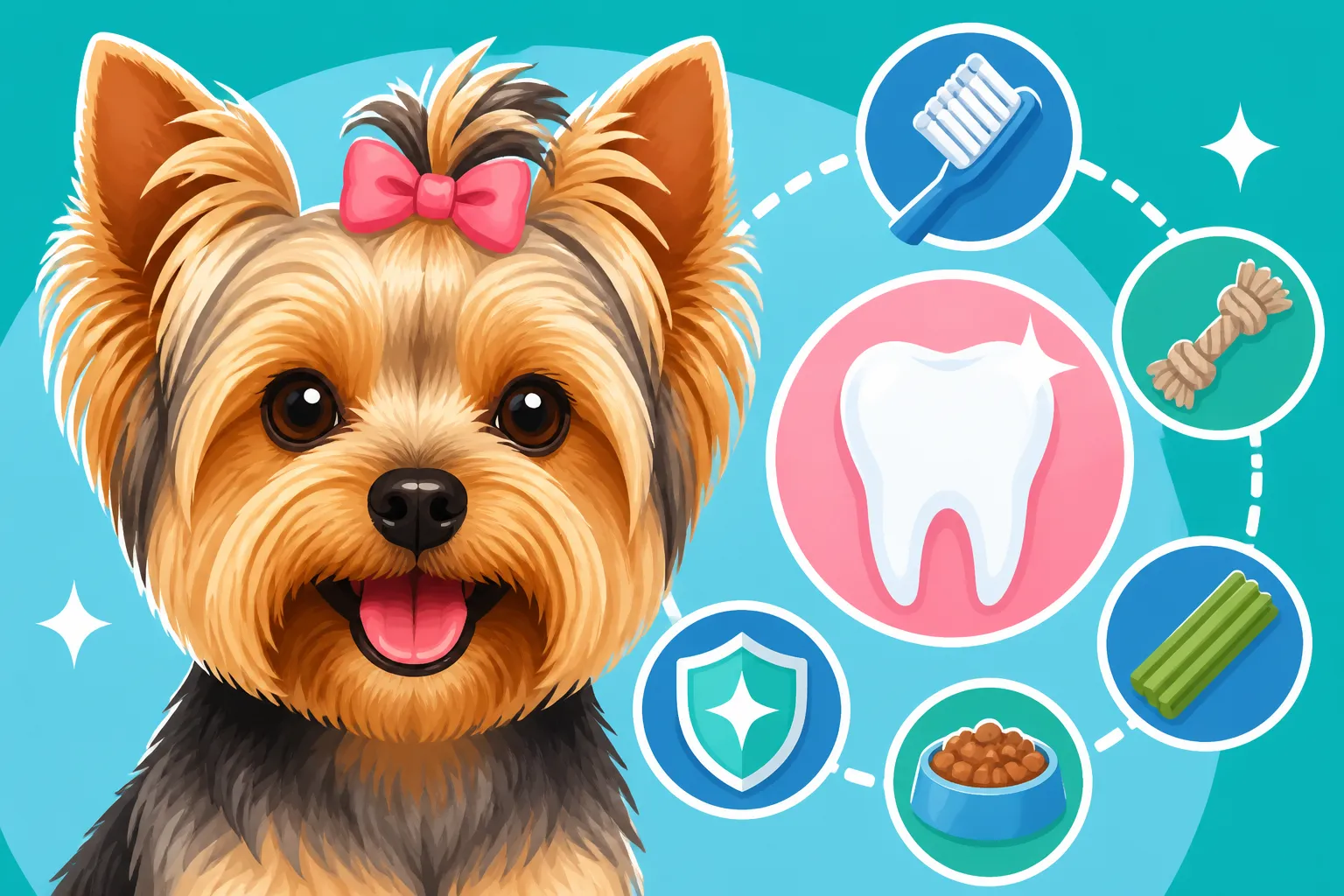
First, you'll need the right tools. Skip the human toothpaste; it contains fluoride and other ingredients that are toxic if swallowed by dogs. Instead, opt for a pet-specific enzymatic toothpaste, which works to break down plaque even if your Yorkie doesn't "rinse" (which, let's be real, they won't). For the brush, a finger brush or a small, soft-bristled toothbrush designed for toy breeds works best. Many Yorkie parents find the finger brush less intimidating for their pup initially. Start by letting your Yorkie lick a tiny bit of toothpaste off your finger, then gradually introduce rubbing it on their gums and teeth. Focus on the outside surfaces of the teeth, especially the molars and canines, as these are where plaque tends to accumulate most rapidly. Aim for at least 30 seconds to a minute, gently scrubbing in small circular motions. Doing this daily or at least every other day can dramatically reduce plaque buildup. For a detailed, step-by-step walkthrough, check out our article on How to Brush a Yorkie's Teeth. Consistency, not perfection, is what truly counts here!
Dental Chews and Water Additives
While brushing is king, dental chews and water additives can be excellent complementary tools in your Yorkie's oral health arsenal. These products are designed to help reduce plaque and tartar mechanically or chemically.
When choosing dental chews, look for veterinary oral health council (VOHC) approved products. These have been scientifically proven to reduce plaque and/or tartar. The texture of a good dental chew should be firm enough to provide an abrasive action on the teeth as your Yorkie chews, but pliable enough not to risk breaking teeth. Avoid anything too hard, like bones, antlers, or hooves, as these can cause dental fractures, which are incredibly painful and often require costly veterinary intervention. Always supervise your Yorkie when they're enjoying a dental chew to prevent choking or gulping large pieces. We’ve explored the best options in our guide to Best Dental Chews for Yorkies. Water additives, on the other hand, are typically tasteless solutions you add to your Yorkie's drinking water. These often contain ingredients like zinc gluconate or chlorhexidine, which help reduce bacteria in the mouth and freshen breath. They are a passive way to support oral hygiene but should never replace regular brushing or professional cleanings. Think of them as an extra layer of protection, not a standalone solution.
Beyond Brushing: Professional Veterinary Dental Care
Even with the most diligent at-home care, professional veterinary dental cleanings are an unavoidable and crucial part of maintaining your Yorkie's oral health. There are simply some things you can't do at home.
The Importance of Regular Vet Check-ups
Your regular veterinary check-ups aren't just for vaccinations and general health assessments; they're also a critical opportunity for your vet to perform an oral examination. During these visits, your veterinarian can visually inspect your Yorkie’s teeth and gums for early signs of trouble that might be missed at home. They can spot gingivitis, assess plaque and tartar accumulation, look for fractured teeth, or identify any abnormal growths in the mouth.
Early detection is paramount, especially with small breeds like Yorkies where dental disease can progress rapidly. Your vet might recommend a professional dental cleaning based on their findings, even if you haven't noticed severe issues yourself. They can also provide personalized advice on your at-home routine and recommend specific products tailored to your Yorkie's needs. These routine examinations are the frontline defense against advanced disease and allow for timely intervention, preventing minor issues from becoming painful, complex, and expensive problems down the line. It's often at these check-ups that discussions about procedures like scaling, polishing, and potential extractions begin. Knowing When to Take Your Yorkie to the Vet for these routine assessments is key to preventing serious dental issues.
Professional Dental Cleanings Under Anesthesia
This is often the part that gives Yorkie parents pause: the idea of their tiny pup undergoing anesthesia for a dental cleaning. However, professional dental cleanings under general anesthesia are the only way to truly address the plaque and tartar that build up below the gumline and on the inner surfaces of teeth, areas impossible to reach with a toothbrush.
During a professional cleaning, your Yorkie will be safely anesthetized and monitored by trained veterinary staff. The procedure typically involves:
- Full Oral Examination: Once anesthetized, the vet can perform a thorough examination of every tooth and the entire oral cavity, identifying any hidden issues.
- Dental X-rays: This is crucial. X-rays reveal problems lurking below the gumline, such as bone loss, abscesses, unerupted teeth, or fractured roots, which are invisible during a conscious exam. These are very common in Yorkies.
- Scaling: Using specialized ultrasonic scalers, the veterinary team meticulously removes plaque and tartar from above and, most importantly, below the gumline. This is vital because periodontal disease starts when bacteria colonize these subgingival areas.
- Polishing: After scaling, the teeth are polished to smooth out any microscopic etches left by the scaler. A smooth tooth surface makes it harder for plaque to adhere, slowing down future buildup.
- Fluoride Treatment: Sometimes a fluoride treatment is applied to strengthen enamel and reduce tooth sensitivity.
- Extractions: If severe periodontal disease, fractured teeth, or other irreversible damage is found, extractions may be necessary to alleviate pain and prevent further infection.
While anesthesia always carries a small risk, modern veterinary anesthesia protocols are very safe, especially when pre-anesthetic bloodwork is performed to assess organ function, and continuous monitoring (heart rate, respiration, blood pressure, oxygen saturation, temperature) is maintained throughout the procedure. The benefits of preventing severe dental disease, pain, and systemic infections far outweigh these minimal risks. Many Yorkies benefit from annual or biennial professional cleanings, depending on their individual needs and the effectiveness of their home care routine. Understanding How Often Yorkies Need Dental Cleaning can help you plan this essential part of their health regimen.
Considering Pet Insurance for Dental Care
The cost of professional veterinary dental care, especially if extractions or advanced treatments are needed, can be a significant concern for pet parents. This is where pet insurance can be a real lifesaver, transforming potentially overwhelming bills into manageable expenses.
Many pet insurance providers offer plans that cover a portion of dental illness treatments, and some even offer wellness add-ons that include routine cleanings. For a breed like the Yorkshire Terrier, knowing that you have financial support for these crucial procedures can ease the stress of making health decisions for your furry family member. Imagine your vet recommends an urgent dental procedure involving multiple extractions and X-rays. Without insurance, this could easily run into several hundreds, or even thousands, of dollars. With a good policy, you might only be responsible for your deductible and a percentage of the remaining cost.
Brands like Healthy Paws are well-known for their comprehensive coverage, which often includes unexpected illnesses and accidents, but it's important to review their policy details specifically for dental coverage, as plans can vary. Healthy Paws, for example, is highly rated for its broad coverage for accidents and illnesses, which can include dental disease treatments if they're not purely preventative (e.g., if an illness or injury leads to the need for a root canal or extraction). While they might not cover routine cleanings directly unless specified as a wellness add-on, they can provide immense relief for the more serious and costly dental issues that often arise. Investing in Pet Insurance for Yorkshire Terriers can provide peace of mind and ensure your Yorkie receives the best possible care without financial strain dictating treatment options. It’s always wise to get quotes from several providers and compare what’s covered, waiting periods, and deductibles before committing.
Nutritional Strategies for Oral Health
What you feed your Yorkie plays a direct role in their overall health, and their dental health is no exception. Thoughtful food choices can support stronger teeth and gums.
Choosing the Right Kibble
The type of kibble your Yorkie eats can make a difference. While traditional kibble isn't a substitute for brushing, certain formulations are designed to offer some mechanical cleaning action. Look for kibbles that are specifically marketed as "dental diets" or have the VOHC seal of approval. These typically feature larger kibble pieces that require more chewing, and their unique texture is designed to gently scrape plaque off the tooth surface as your Yorkie crunches.
The size of the kibble is also important for small breeds like Yorkies. If the kibble is too small, your Yorkie might swallow it whole without chewing, negating any potential cleaning benefits. On the other hand, if it's too large, they might struggle to eat it. A good quality kibble specifically formulated for small breeds or a dental-specific kibble from reputable brands like Royal Canin or Hill's Science Diet will have an appropriate size and texture. Furthermore, ingredients matter; some foods are designed to help reduce plaque formation through specific nutrients. Always consult your vet if you're considering a specialized dental diet to ensure it meets all your Yorkie's nutritional needs. Our guide to Best Dog Food for Yorkshire Terriers delves into general dietary considerations, which often overlap with dental health.
Avoiding Problematic Foods
Just as certain foods can aid dental health, others can actively contribute to its decline. Being mindful of what not to feed your Yorkie is just as important as choosing the right kibble.
Sticky, sugary treats are a major no-no. Think about how candy affects human teeth – the same applies to your Yorkie. These treats stick to the teeth, providing a feast for bacteria and rapidly accelerating plaque formation. Processed human snacks, starchy foods, and anything with added sugars should be strictly avoided. Even seemingly innocuous items like dried fruit can be problematic due to their sugar content and stickiness. Similarly, while some raw bones are promoted for dental health, they carry significant risks for small dogs like Yorkies, including fractured teeth, digestive upset, and choking hazards. Cooked bones are even worse, as they can splinter and cause internal damage. Stick to safe, vet-approved dental chews for chewing benefits. By eliminating these problematic foods from your Yorkie's diet, you're removing significant contributors to plaque and tartar buildup, making your at-home and professional dental efforts much more effective.
Recognizing Early Signs of Dental Problems
One of the challenges of dental disease is that dogs are masters at hiding pain. By the time you notice obvious symptoms, the problem is often advanced. Knowing what to look for can help you catch issues early.
Visible Indicators to Watch For
Regularly examining your Yorkie's mouth, even if it's just a quick peek, can help you spot visible signs of dental trouble. The most common and often first indicator is bad breath, or halitosis. While "doggy breath" is often accepted, truly foul or unusually strong breath is a major red flag for bacterial overgrowth and gum disease. If you're wondering Yorkie Bad Breath: When to Worry, it's always best to err on the side of caution and consult your vet.
Other visible signs include red, swollen, or bleeding gums, which are clear indicators of gingivitis. You might also notice a yellow or brown accumulation of tartar on the surface of the teeth, especially the molars and canines. Loose or missing teeth, although often a sign of advanced disease, can sometimes be spotted. Keep an eye out for any broken or chipped teeth, which can expose the sensitive pulp and lead to infection. Any changes in the color or texture of the gums or tongue, or growths inside the mouth, warrant immediate veterinary attention. A routine home check takes just a minute and can save your Yorkie a lot of pain.
Behavioral Changes
Since your Yorkie can't tell you they're in pain, you need to be vigilant about changes in their behavior, especially around eating. A subtle shift in their routine or demeanor might be the only clue you get.
One of the most common behavioral indicators is a change in eating habits. Your Yorkie might suddenly become a picky eater, drop food from their mouth while chewing, or show a preference for softer foods. They might chew on one side of their mouth or exhibit signs of discomfort when eating. You might notice them pawing at their mouth or rubbing their face, indicating oral pain. Other, more general signs of discomfort could include lethargy, a decreased interest in playing with chew toys, or even changes in their temperament, becoming more irritable or withdrawn. If you observe any of these changes, particularly in conjunction with visible signs of dental issues, it's crucial to schedule a vet appointment promptly. Early intervention can prevent further suffering and preserve your Yorkie's overall health and quality of life.
Here's a quick overview of a comprehensive dental care routine for your Yorkie:
| Aspect of Care | Recommended Frequency | Key Actions & Considerations |
|---|---|---|
| At-Home Brushing | Daily (or every other day minimum) | Use pet-specific enzymatic toothpaste and a small, soft-bristled brush. Focus on outer surfaces. Introduce gradually, make it positive. |
| Dental Chews | Daily (supervised) | Choose VOHC-approved chews appropriate for toy breeds. Ensure they are firm but pliable. |
| Water Additives | Daily | Add to drinking water as a supplement, not a replacement for brushing. Follow product instructions carefully. |
| Oral Inspections | Weekly to Monthly | Look for bad breath, red/swollen gums, tartar buildup, broken teeth, or growths. Get familiar with your Yorkie's normal mouth. |
| Vet Check-ups | Annually | Essential for professional assessment, early detection, and personalized advice on your Yorkie's specific needs. |
| Professional Cleaning | Every 1-3 Years (as advised by vet) | Performed under anesthesia, includes full examination, X-rays, scaling above and below gumline, and polishing. Essential for deep cleaning and addressing hidden issues. Can be covered by certain pet insurance plans like Healthy Paws for illness-related procedures. |
| Dental Diet/Kibble | Daily | Consider VOHC-approved dental diets with larger, textured kibble that encourages chewing. Avoid sticky, sugary treats and hard bones. |
Disclaimer
This article is intended for informational purposes only and does not constitute veterinary advice. Always consult with a qualified veterinarian for any health concerns or before making any decisions about your pet's medical care or diet. Individual results may vary, and the information provided here should not be used as a substitute for professional veterinary care.