Best Dental Chews for Yorkies
If you've ever leaned in for a sweet cuddle with your adorable Yorkshire Terrier, only to be hit with a less-than-pleasant whiff, you know the struggle of doggy bad breath. This isn't just a minor annoyance; it's often a tell-tale sign of underlying dental issues that can severely impact your Yorkie's overall health. This comprehensive guide will walk you through why dental care is paramount for these tiny pups, what to look for in the best dental chews, and how to integrate them into a complete oral hygiene routine to keep your furry friend's smile sparkling and their breath fresh.
Why Dental Health is So Crucial for Your Yorkie
It’s easy to overlook dental care for our pets, especially when they seem happy and active. But for a small breed like the Yorkshire Terrier, dental health isn't just about fresh breath; it's a fundamental pillar of their long-term well-being. Their tiny mouths are particularly prone to problems that can escalate quickly.
The Silent Threat of Periodontal Disease
Periodontal disease, often simply called gum disease, is incredibly common in dogs, with statistics showing that a vast majority of adult dogs over the age of three suffer from some form of it. For Yorkies, this number can be even higher. This insidious condition starts subtly as plaque builds up on the teeth, eventually hardening into tartar. This tartar irritates the gums, leading to gingivitis – inflammation and redness. If left unchecked, it progresses, causing the gums to recede, exposing the tooth roots, and leading to bone loss. The scary part? Your Yorkie might not show obvious signs of pain until the disease is quite advanced, quietly suffering while the infection spreads.
Many owners only notice issues like difficulty eating, excessive drooling, or severe bad breath when the problem is already severe. This silent progression is why proactive care is so important. Without intervention, advanced periodontal disease can lead to painful tooth loss, abscesses, and even systemic infections as bacteria from the mouth enter the bloodstream, potentially affecting vital organs like the heart, kidneys, and liver. Understanding the gravity of this condition is the first step in ensuring your Yorkie lives a full, healthy life. You can learn more about this by reading our detailed article on Yorkshire Terrier Dental Disease: Signs and Care.
How Yorkies are Particularly Vulnerable
Yorkshire Terriers, with their compact jaws and closely spaced teeth, face a unique set of challenges when it comes to dental health. Their small mouths mean their teeth are often crowded, creating more nooks and crannies where plaque and tartar can accumulate undisturbed. This crowding makes it harder for natural chewing action to clean the teeth and for owners to effectively brush.
Furthermore, toy breeds like Yorkies tend to retain their puppy teeth longer than larger breeds, sometimes leading to a condition called retained deciduous teeth. When puppy teeth don't fall out naturally, they can create a double layer of teeth, trapping food particles and dramatically increasing the risk of plaque and tartar buildup. This makes them particularly susceptible to Common Yorkshire Terrier Genetic Conditions that can manifest as dental issues. Their delicate bone structure also means that bone loss due to periodontal disease can have more severe consequences compared to larger dogs. It’s a sad reality, but many Yorkies suffer from significant dental problems at a surprisingly young age, underscoring the need for vigilant, early, and consistent dental care.
What Makes a Dental Chew "Good" for a Yorkie?
Choosing the right dental chew for your pint-sized companion isn't as simple as grabbing the first bag you see. Yorkies have specific needs due to their size, jaw strength, and common dental issues. A good dental chew should do more than just occupy them; it should actively contribute to their oral hygiene.
Size, Texture, and Durability
The physical characteristics of a dental chew are paramount for a Yorkie. Firstly, the size must be appropriate. A chew that's too large could pose a choking hazard or be impossible for their tiny mouths to manipulate effectively. Conversely, one that's too small might be swallowed too quickly, offering no dental benefit. Look for chews specifically marketed for "toy breeds" or dogs under 5-10 pounds.
Texture is equally vital. The ideal dental chew for a Yorkie needs to be firm enough to provide an abrasive action against plaque and tartar as they chew, but not so hard that it risks fracturing a tooth. Bones, antlers, and excessively hard nylon chews can be dangerous for Yorkies. Instead, look for chews that have a slightly pliable or chewy texture, allowing their teeth to sink in and scrape away debris. Many effective dental chews are designed with ridges, nubs, or unique shapes to maximize this scrubbing action on all surfaces of the tooth.
Finally, durability plays a role. While you don't want something indestructible that could harm their teeth, you also don't want a chew that disappears in 30 seconds. The goal is a chew that lasts long enough to provide a meaningful chewing session, ideally for at least 5-10 minutes, ensuring sufficient contact time for the cleaning agents and mechanical abrasion to work. A chew that is consumed too quickly offers minimal benefit.
Active Ingredients to Look For
Beyond the mechanical action of chewing, many dental chews contain ingredients specifically formulated to combat plaque and tartar and improve breath. When you're selecting a dental chew for your Yorkie, keep an eye out for these beneficial components:
- Enzymes: Ingredients like glucose oxidase and lactoperoxidase create a natural, enzymatic cleaning action that helps break down plaque and inhibit bacterial growth. These are often found in products like Vetradent or OraVet chews.
- Antiseptics: Chlorhexidine is a common antiseptic used in veterinary dental products. While less common in daily chews due to taste, some may contain milder, natural antiseptics like peppermint or parsley which also contribute to fresher breath.
- Zinc: Zinc compounds can help reduce plaque and tartar formation, as well as neutralize sulfur compounds that cause bad breath.
- Sodium Hexametaphosphate (SHMP): This compound binds to calcium in the saliva, preventing it from hardening into tartar on the tooth surface. It's a key ingredient in many dental hygiene products for pets and humans.
- Natural Abrasives: Ingredients like rice flour, pea fiber, or even specific plant-based proteins can add to the mechanical scrubbing action without being overly harsh.
Remember, even with these ingredients, the effectiveness still largely relies on the chew's design and how long your Yorkie engages with it.
Ingredients to Avoid
Just as important as knowing what to look for is understanding what to avoid in dental chews for your precious Yorkie. Some ingredients can be harmful or simply ineffective:
- Excessive Calories: Many dental chews can be quite high in calories. Given that Yorkies are small and can easily become overweight, too many high-calorie chews can lead to weight gain, which exacerbates other health issues. Always check the calorie count and adjust your Yorkie's daily food intake accordingly. Brands like Greenies offer "teenie" or "petite" sizes with lower calorie counts.
- Artificial Colors, Flavors, and Preservatives: Just like with human food, unnecessary artificial additives aren't beneficial for your dog's health. Opt for chews with natural ingredients whenever possible, especially if your Yorkie has a sensitive stomach or allergies.
- Hard Ingredients: As mentioned, extremely hard chews like real bones (cooked or uncooked), antlers, hooves, or synthetic chews not designed for dogs can cause dental fractures. A fractured tooth is incredibly painful and often requires expensive veterinary intervention. If you can't easily indent it with your fingernail, it's likely too hard for your Yorkie's teeth.
- Rawhide (with caution): While many rawhide products are available, they can pose several risks. Some rawhide chews can be difficult to digest, leading to gastrointestinal upset. More dangerously, large pieces can break off and become choking hazards or cause intestinal blockages, which are life-threatening for a small dog. If you choose rawhide, always supervise your Yorkie closely and select highly digestible, single-ingredient options.
- Fillers: Chews with a long list of unidentifiable ingredients or those where grains like corn, wheat, or soy are the primary components might not offer the best dental benefit and could contribute to allergies or digestive issues. Look for chews with whole-food ingredients as the primary base.
Top Picks for Dental Chews for Yorkshire Terriers
Navigating the overwhelming array of dental chews can feel like a full-time job. To simplify things, I’ve broken down some of the best types and brands that often prove effective and safe for our beloved Yorkies.
Chews for Daily Maintenance
For most Yorkies, the goal is consistent, daily dental support. These chews are formulated to be given regularly to help reduce plaque and tartar buildup before it becomes a major problem.
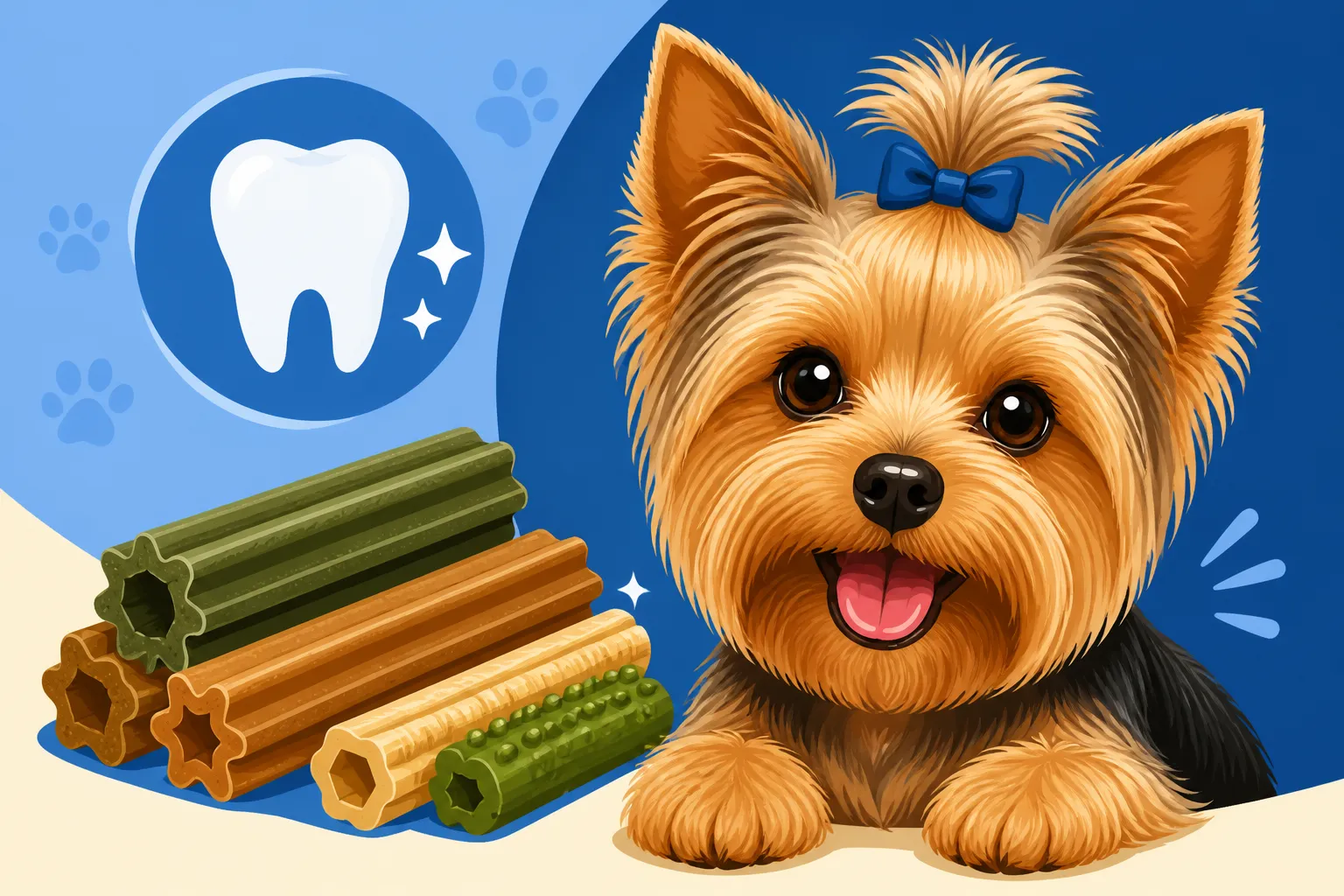
- Greenies Dental Chews: These are probably the most well-known dental chews, and for good reason. They have a unique, chewy texture that allows teeth to sink in, providing mechanical cleaning. Greenies are specifically designed in various sizes, with their "Teenie" and "Petite" sizes being perfect for Yorkshire Terriers. They also contain ingredients that help with bad breath. I've heard from countless Yorkie parents in my local dog park, from Encinitas to Santa Monica, who swear by the daily Greenies ritual for their pups. They're palatable and digestible, making them an excellent choice for everyday use.
- OraVet Dental Hygiene Chews: These chews stand out because they not only clean teeth but also form a barrier to prevent bacteria from attaching to the tooth surface. They contain delmopinol, which creates this protective shield. OraVet chews are available in sizes appropriate for small dogs, and many veterinarians recommend them due to their dual-action approach. They have a slightly different texture than Greenies, often described as more waxy, but Yorkies usually take to them quite well.
- Whimzees Dental Chews: These vegetable-based chews offer a great option, especially for Yorkies with sensitivities to meat proteins or grains. They come in fun shapes, like toothbrushes or alligators, that are specifically designed with nubs and ridges to reach different tooth surfaces. Whimzees are durable enough for a good chew session but still flexible enough to be safe. They are known for being natural, grain-free, and highly digestible, making them a fantastic choice for many small dogs.
Chews for Addressing Mild Plaque
If your Yorkie already has a bit of plaque buildup but it's not severe enough for a professional cleaning just yet (always consult your vet!), some chews can offer a more intensive cleaning action.
- Virbac C.E.T. VEGGIEDENT FR3SH Dental Chews: These chews are another veterinary-recommended option that focus on a triple-action approach: cleaning, freshening breath, and promoting digestive health. They are vegetable-based and designed with a Z-shape that provides more abrasive contact with the teeth. The FR3SH technology targets oral and gut causes of bad breath, which can be a real game-changer for a Yorkie with particularly pungent breath. These chews are quite robust, offering a good gnawing session to help dislodge existing plaque.
- Dental Stix (various brands like Pedigree, Purina DentaLife): While some generic dental stix can be less effective, certain lines from reputable brands offer a good balance of texture and active ingredients. Look for options specifically for "mini" or "small" dogs. They often have a chewier, more flexible texture with ridges that help scrape the teeth. While not as potent as some enzyme-based chews, they can provide a good supplemental cleaning for mild plaque. Always check the ingredient list and calorie content to ensure they fit your Yorkie's needs.
Natural and Limited-Ingredient Options
For Yorkies with allergies, sensitive stomachs, or owners who prefer a more natural approach, there are excellent dental chew options that minimize artificial additives and focus on wholesome ingredients.
- Zuke's Z-Bone Dental Chews: Zuke's is known for its natural ingredients, and their Z-Bone chews are no exception. They are grain-free and made with ingredients like peas, potatoes, and parsley. The unique Z-shape is designed for optimal tooth contact. They come in small sizes suitable for Yorkies and are a great choice if you're looking to avoid common allergens found in some other chews.
- Benebone Dental Chews (with caution and appropriate size): While not technically a "chew" in the edible sense, Benebones are durable nylon chews flavored with real ingredients like bacon, peanut butter, or chicken. Their textured design helps scrape teeth. The key here is caution. You must choose the smallest size, like the "Puppy" or "Tiny" size, and ensure your Yorkie is not an aggressive chewer who might break off pieces. Always supervise. While not digestible, the continuous chewing action on the textured surface can help reduce tartar. Many owners find them a great way to satisfy their Yorkie's natural urge to chew while providing some dental benefits, just remember to replace them when they get worn down. For serious chewers, however, these might be too hard and pose a risk to their tiny teeth.
| Dental Chew Category | Example Brands & Types | Key Benefit for Yorkies | Considerations |
|---|---|---|---|
| Daily Maintenance | Greenies, OraVet, Whimzees | Plaque & Tartar reduction, Fresh Breath | Calorie content, appropriate size, daily use |
| Mild Plaque Focus | Virbac C.E.T. VEGGIEDENT FR3SH, specific Dental Stix | Targeted cleaning, breath improvement | Durability for longer chew time, active ingredients |
| Natural/Limited Ingredient | Zuke's Z-Bone, certain plant-based chews | Allergy-friendly, gentle digestion, natural ingredients | Ensure texture is still effective for cleaning |
| Non-Edible (with caution) | Benebone (small sizes) | Satisfies chew instinct, mechanical cleaning | Risk of tooth fracture if too hard, must be supervised |
Remember that the ultimate decision should always be made in consultation with your veterinarian, especially if your Yorkie has pre-existing dental conditions or health issues.
Beyond Chews: A Holistic Approach to Yorkie Dental Care
While dental chews are a fantastic tool in your arsenal, they are just one piece of the puzzle. For truly optimal Yorkshire Terrier Dental Care Guide, a multi-faceted approach is essential. Think of it like this: you wouldn't rely solely on chewing gum for your own oral hygiene, right? Your Yorkie deserves the same comprehensive care.
Brushing Your Yorkie's Teeth
This is, hands down, the gold standard for preventing dental disease. Brushing your Yorkie’s teeth daily or at least several times a week is the most effective way to remove plaque before it hardens into tartar. Yes, it can be a challenge with a wiggly Yorkie, but with patience and positive reinforcement, it's entirely achievable. Start slow, using a finger brush or a tiny, soft-bristled toothbrush specifically designed for small dogs. Introduce pet-specific toothpaste (never human toothpaste, as it contains ingredients toxic to dogs, like xylitol) in a palatable flavor.
Begin by letting them lick a tiny bit of toothpaste off your finger, then gently rub it on a few teeth. Gradually increase the duration and the number of teeth you brush. Focus on the outside surfaces, as these are where plaque accumulates most. It might take weeks to build up to a full brushing session, but the effort is worth it to prevent painful and costly dental procedures down the line. We have an excellent guide on How to Brush a Yorkie's Teeth that can help you get started.
Professional Dental Cleanings
Even with the best at-home care, plaque and tartar can accumulate in hard-to-reach areas below the gumline. This is where professional veterinary dental cleanings become indispensable. During these procedures, performed under general anesthesia, your veterinarian can thoroughly examine your Yorkie's entire mouth, take X-rays to assess the health of tooth roots and bone, scale away stubborn tartar above and below the gumline, and polish the teeth to smooth the surface and make it harder for plaque to adhere.
The frequency of professional cleanings depends on your Yorkie's individual needs and your vet's recommendation, but many small breeds benefit from a cleaning every 1-2 years. Yes, the cost can be a concern, but proactive care, including regular vet check-ups, can help you catch issues early. This also ties into overall financial planning for your pup, as discussed in our Yorkshire Terrier Vet Costs and Health Budget article. Pet insurance plans like Healthy Paws can often cover a significant portion of unexpected dental care costs, especially for non-routine cleanings or treatments for severe periodontal disease, making these essential procedures more manageable for your budget. Always inquire about what your specific policy covers.
Other Dental Health Boosters
Beyond chews and brushing, there are a few other things you can do to support your Yorkie's oral health:
- Dental Water Additives: These are liquids you add to your Yorkie's drinking water that contain ingredients to help reduce bacteria and freshen breath. They are usually flavorless and can be an easy, passive way to boost oral hygiene, especially if your Yorkie resists brushing. Brands like TropiClean Fresh Breath Water Additive are popular.
- Oral Gels and Sprays: Similar to toothpaste, these products contain enzymes or antiseptics that can be applied directly to your dog's teeth and gums. They don't require brushing, making them a good alternative for dogs who absolutely won't tolerate a toothbrush. Just rub them on or spray them as directed.
- Dietary Considerations: While not a direct substitute for brushing or chews, the type of food your Yorkie eats can have a minor impact. Some kibbles are specially formulated with a larger, textured design to provide a "scrubbing" action as your dog eats. Consult your vet to see if a prescription dental diet, such as those from Hills c/d or Royal Canin Dental, might be beneficial if your Yorkie has ongoing severe dental issues. However, don't rely solely on diet for dental health. Our guide on Best Dog Food for Yorkshire Terriers also touches on options for specific needs.
- Regular Veterinary Check-ups: Don’t underestimate the power of routine vet visits. Your vet can spot early signs of dental disease that you might miss and provide guidance tailored to your Yorkie's specific needs. These check-ups are also crucial for managing your How to Keep a Yorkshire Terrier Healthy overall.
By combining dental chews with regular brushing, professional cleanings, and other supportive products, you're creating a robust defense against periodontal disease, ensuring your Yorkie maintains a healthy, happy smile for years to come. Remember, consistency is key, and your Yorkie will thank you for the extra care!
Disclaimer
This article is for general informational purposes only and does not constitute professional advice. Laws, prices and regulations vary by location and change over time. Consult a qualified professional for guidance on your specific situation.