Yorkie Knee Problems Explained
It’s truly disheartening to see your tiny Yorkshire Terrier suddenly yelp, hold up a back leg, or do that strange "skip" when they're running and playing. As a Yorkie parent, you immediately worry, and rightly so. These little pups, with their spirited personalities, often face specific health challenges, and sadly, knee problems are high on that list. This guide is dedicated to shedding light on the common knee issues affecting Yorkshire Terriers, helping you understand the signs, management, and what you can do to support your precious companion.
Understanding Yorkie Knee Anatomy and Common Vulnerabilities
Yorkshire Terriers are known for their small stature and delicate bone structure, which, while endearing, also makes them predisposed to certain orthopedic conditions. Understanding the basics of their knee anatomy can help you grasp why these issues are so prevalent and what specifically goes wrong.
The Delicate Structure of a Yorkie's Knee
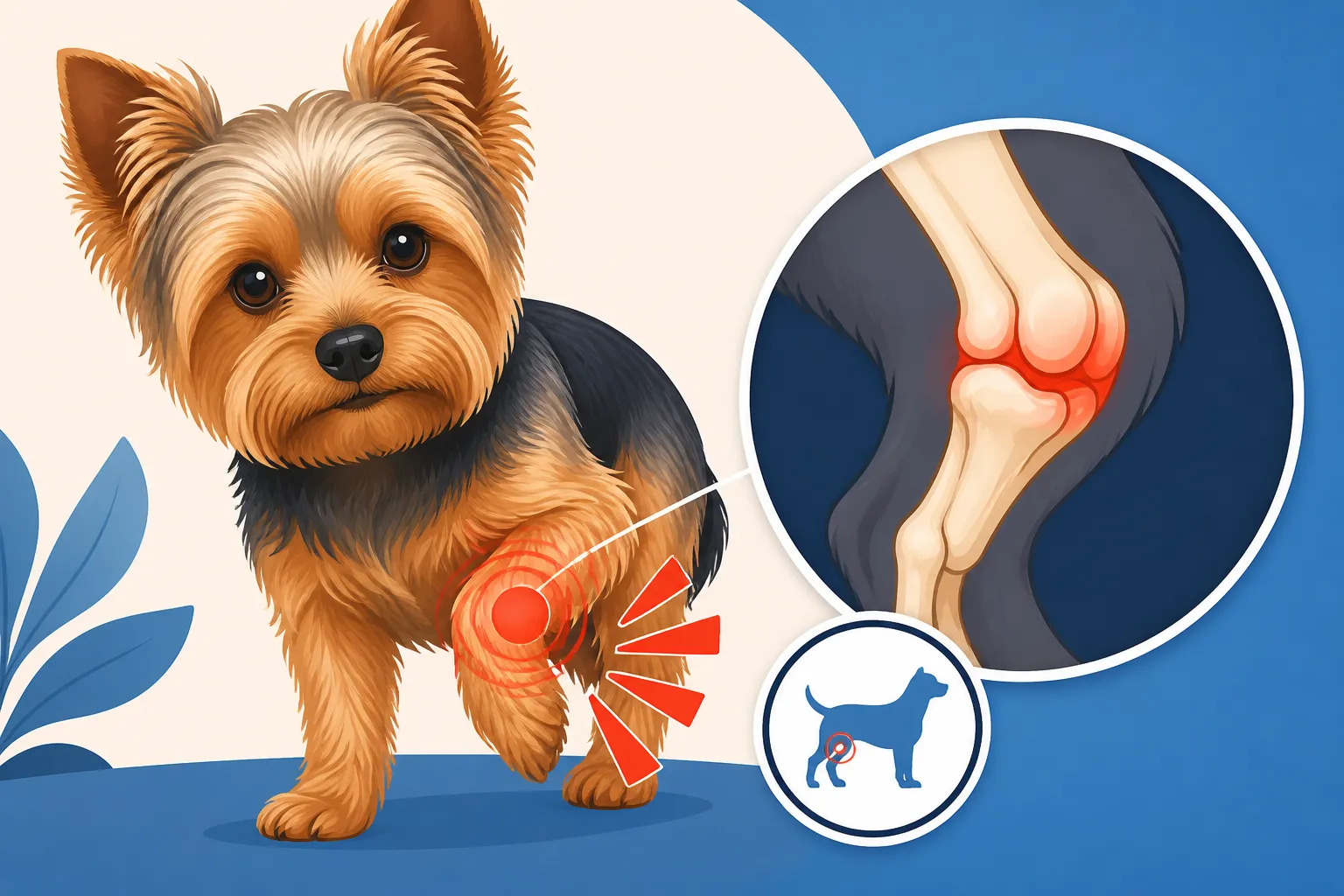
A Yorkie’s knee, like ours, is a complex joint, but on a miniature scale. It’s primarily made up of three bones: the femur (thigh bone) above, the tibia (shin bone) below, and the patella (kneecap) which sits in front. The patella is a small, oval-shaped bone that usually glides smoothly within a shallow groove on the end of the femur, called the trochlear groove. This gliding motion is essential for the knee to bend and straighten properly. Surrounding these bones are various ligaments and tendons that hold everything in place and provide stability.
Imagine this intricate system in a dog weighing just a few pounds. Every component is tiny, and any slight deviation in its development or any excess stress can lead to problems. The stability of the patella is crucial; when it moves freely within that groove, the leg works as it should. If it doesn't, that's when you start seeing those tell-tale skips and limps.
Why Toy Breeds Are Prone to Knee Issues
The reason toy breeds, like our beloved Yorkies, are disproportionately affected by knee problems often comes down to genetics and their specific skeletal conformation. Selective breeding over generations has emphasized their small size, but sometimes with unintended consequences for their joint health.
One of the primary anatomical reasons is the often shallow trochlear groove in toy breeds. If this groove isn't deep enough, the patella doesn't have a secure channel to glide in. Combine this with the angle of their leg bones, and it creates a perfect storm for the kneecap to easily pop out of place. It’s not just an accident; it's often a built-in predisposition. Unlike larger breeds where knee problems might stem more from high-impact injuries or degenerative diseases later in life, for Yorkies, it's often a congenital issue that manifests early on, though it can worsen with age or injury. For a broader overview of common health issues, you might want to read about Yorkshire Terrier Health Problems to Know.
The Most Common Yorkie Knee Problem: Patellar Luxation
When we talk about Yorkie knee problems, the conversation almost always starts with patellar luxation. This is by far the most frequently diagnosed knee condition in Yorkshire Terriers, and understanding it is key to providing your dog with the best care.
What Exactly Is Patellar Luxation
Patellar luxation, quite simply, means that the kneecap (patella) dislocates or "luxates" from its normal position in the trochlear groove of the thigh bone. While it can slip outwards (lateral luxation), it most commonly slips inwards (medial luxation) in small breeds like Yorkies.
When the patella luxates, the dog can't properly extend their knee, causing them to hold their leg up or skip for a few steps until the kneecap either pops back into place on its own or they manipulate it back with a shake of their leg. This can be an intermittent problem, where it happens occasionally, or a constant issue, leading to chronic pain and potential arthritis. The instability over time can also stretch and damage other parts of the knee, making the problem progressively worse if left unaddressed. It’s a frustrating cycle for both the dog and their devoted owner.
Degrees of Severity: Grading Patellar Luxation
Veterinarians classify patellar luxation into four grades, from I to IV, to describe the severity of the condition. This grading helps determine the best course of action, whether it's watchful waiting, conservative management, or surgical intervention.
Let’s break down what each grade means:
| Grade | Description | Clinical Signs |
|---|---|---|
| Grade I | The patella can be manually luxated (pushed out of place) but immediately returns to its normal position when released. | Often asymptomatic, occasional skip or transient lameness. |
| Grade II | The patella spontaneously luxates (slips out on its own) and remains luxated for a short period. It can be manually repositioned or pops back in with manipulation of the leg. | Frequent skipping, holding the leg up, bunny hopping, mild pain. |
| Grade III | The patella is usually luxated and can be manually repositioned, but it will immediately reluxate once released. The trochlear groove is very shallow. | Persistent lameness, difficulty extending the knee, bow-legged stance. |
| Grade IV | The patella is permanently luxated and cannot be manually repositioned into the trochlear groove. The groove is typically absent or very shallow. | Severe, constant lameness, often unable to bear weight on the affected leg, crouching gait. |
Understanding these grades is crucial because a Grade I might only need monitoring and joint supplements, while a Grade III or IV almost always requires surgical correction to improve the dog's quality of life. Even a mild luxation can progress over time, so vigilance is always important.
Recognizing the Signs and Symptoms
Catching patellar luxation early can make a big difference in management and outcome. As a Yorkie parent, you’re the first line of defense! The most common and easily recognizable sign of patellar luxation in a Yorkie is the "skip." You might notice your dog running or walking, then suddenly picking up one back leg for a few steps before putting it down and continuing as if nothing happened. This is often when the kneecap has momentarily slipped out and then popped back in.
Other signs can include intermittent lameness, where your Yorkie might limp on and off, or a reluctance to jump onto furniture or climb stairs, which they once did with ease. You might also observe a "bunny hop" gait, where they keep both back legs together to avoid fully extending one knee. In more severe cases, your Yorkie might hold their leg up constantly or show signs of pain when you gently touch their knee. If you notice any of these indicators, especially if they are becoming more frequent or severe, it's time for a vet visit. For a deeper dive into what to look for, check out Yorkshire Terrier Patellar Luxation: Signs and Care.
Other Knee and Leg Problems That Can Affect Yorkies
While patellar luxation often takes center stage, it's not the only leg or knee issue that can trouble a Yorkshire Terrier. Being aware of other possibilities helps ensure a comprehensive diagnostic approach if your vet suspects something else might be at play.
Legg-Calve-Perthes Disease: A Hip Issue Affecting Leg Function
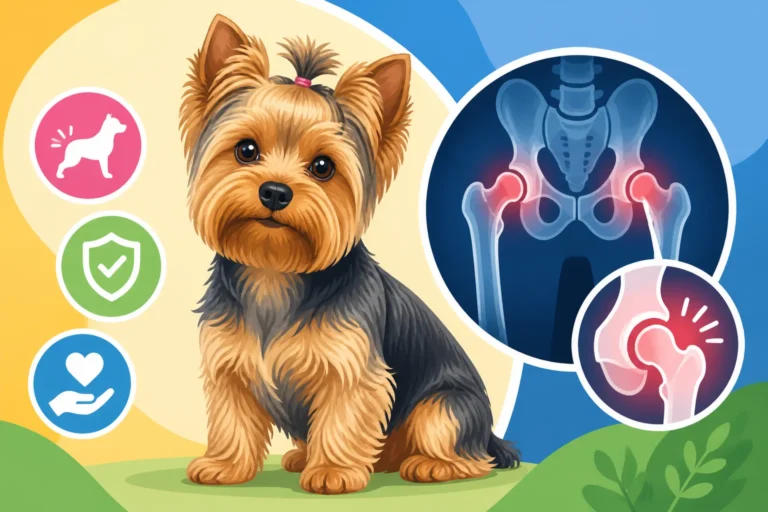
Another significant orthopedic concern for Yorkies, particularly young ones, is Legg-Calve-Perthes Disease (LCPD). While this condition affects the hip joint, it manifests as pain and lameness in the hind leg, often confusing owners into thinking it’s a knee problem. LCPD is a non-inflammatory degeneration of the head of the femur, the ball part of the "ball-and-socket" hip joint. Essentially, the blood supply to the femoral head is interrupted, causing the bone cells to die and the bone to collapse.
This condition typically affects small breed dogs between 4 months and a year old. Symptoms usually start with a gradual onset of lameness that progressively worsens, eventually leading to muscle atrophy in the affected leg and significant pain. Dogs with LCPD will often avoid putting weight on the limb. Diagnosis usually involves X-rays, which can reveal the characteristic changes in the femoral head. Treatment is almost always surgical, involving the removal of the diseased femoral head (femoral head ostectomy or FHO) to eliminate bone-on-bone rubbing and alleviate pain. If you're seeing signs of limping in a young Yorkie, it’s vital to get a full diagnosis. You can learn more about Yorkshire Terrier Legg-Calve-Perthes: Signs and Care.
Cruciate Ligament Injuries in Small Dogs
When people think of cruciate ligament tears (specifically the cranial cruciate ligament, or CCL, often referred to as the ACL in humans), they usually picture larger, active dogs. However, smaller breeds like Yorkies can also suffer from these injuries. The CCL is a vital ligament in the knee that prevents the tibia from sliding forward relative to the femur and limits internal rotation.
In Yorkies, CCL tears can occur acutely from a sudden twist or jump, but more often, they result from chronic degeneration, especially if there's an underlying patellar luxation or other instability in the joint. The constant shifting and abnormal forces on the knee due to a luxating patella can weaken the ligament over time, making it more susceptible to tearing. Signs of a CCL tear include sudden lameness, toe-touching, or an inability to bear weight on the affected leg. The knee may also appear swollen. If both patellar luxation and a CCL tear are present, it significantly complicates the situation, often requiring a multifaceted surgical approach to stabilize the entire joint.
Diagnosing and Managing Yorkie Knee Conditions
Discovering your Yorkie has a knee problem can be stressful, but with an accurate diagnosis and a clear management plan, you can significantly improve their comfort and mobility. Early intervention is always best.
The Veterinary Examination Process
When you take your Yorkie to the vet for suspected knee issues, the examination process will be thorough. Your veterinarian will start with a comprehensive physical exam, observing your dog's gait, how they stand, and feeling their legs and joints. They'll specifically palpate the knee, trying to elicit a patellar luxation by gently manipulating the kneecap. This hands-on part of the exam is critical for assessing the degree of luxation.
After the physical exam, X-rays are often recommended. While patellar luxation itself isn't always directly visible on an X-ray (as the kneecap might be in place when the X-ray is taken), radiographs are invaluable for assessing the depth of the trochlear groove, looking for signs of arthritis, and identifying other conditions like Legg-Calve-Perthes disease or hip dysplasia. They also help rule out fractures or other bone abnormalities. In some complex cases, your vet might refer you to a veterinary orthopedic specialist who may suggest more advanced imaging like an MRI or CT scan. Deciding When to Take Your Yorkie to the Vet for these concerns is an important first step.
Conservative Management Options
For less severe cases, particularly Grade I or some Grade II patellar luxations where the dog isn't in significant pain and their quality of life isn't severely impacted, conservative management is often the first approach. This typically involves a combination of strategies aimed at supporting joint health and reducing inflammation:
- Weight Management: Keeping your Yorkie at a healthy weight is paramount. Excess weight puts undue stress on already compromised joints, accelerating wear and tear and increasing pain. Your vet can help you determine the ideal weight for your individual Yorkie and create a feeding plan. You can find more information on Yorkshire Terrier Weight: Healthy Range by Age.
- Anti-inflammatory Medications: Non-steroidal anti-inflammatory drugs (NSAIDs) can be prescribed to manage pain and reduce inflammation, especially during flare-ups. These should always be used under veterinary guidance due to potential side effects.
- Joint Supplements: Supplements containing glucosamine, chondroitin, MSM, and omega-3 fatty acids can help support cartilage health and reduce inflammation. While they won't fix a luxating patella, they can slow the progression of arthritis and improve joint comfort. Explore Yorkie Joint Supplements Explained for more details.
- Controlled Exercise: Gentle, regular exercise, such as short, leashed walks on even surfaces, helps maintain muscle strength around the joint without causing excessive stress. High-impact activities, jumping, and rough play should be avoided.
- Physical Therapy: A veterinary physical therapist can provide exercises to strengthen the muscles supporting the knee, improve range of motion, and reduce pain.
These conservative approaches aim to keep your Yorkie comfortable and mobile for as long as possible, but it’s important to understand that they don’t correct the underlying anatomical problem.
When Surgery Becomes Necessary
For Grade III and IV luxations, or Grade II luxations that cause consistent pain and lameness, surgery is often the most effective long-term solution. The goal of surgery is to anatomically correct the issue, allowing the patella to remain in its groove.
Common surgical techniques include:
- Trochlear Wedge Recession (Sulcoplasty): This procedure involves deepening the trochlear groove in the femur so the patella has a more secure channel to sit in.
- Tibial Crest Transposition: The tibial crest (the bony prominence where the patellar ligament attaches to the tibia) is cut and re-positioned to align the patellar ligament properly, preventing the kneecap from pulling to one side.
- Lateral Imbrication: This involves tightening the joint capsule on the outside of the knee to help stabilize the patella.
Post-operative care is crucial for a successful recovery. This typically includes strict rest, pain medication, and a gradual rehabilitation program, often involving physical therapy. The recovery period can be several weeks to months, but the long-term outcome for most Yorkies is excellent, with a significant improvement in mobility and a reduction in pain. It’s a big decision, both emotionally and financially, to opt for surgery. This is where a robust pet insurance plan can be a lifesaver. Companies like Healthy Paws can help alleviate the financial burden of such extensive procedures and follow-up care. For specifics on treatment paths, refer to Yorkshire Terrier Luxating Patella: Treatment Options.
Preventing Knee Problems and Supporting Joint Health
While some knee problems, especially those with a strong genetic component like patellar luxation, can't be entirely prevented, there's a lot you can do as a dedicated Yorkie owner to support their joint health and potentially minimize the severity or onset of issues. Proactive care is truly the best medicine.
Maintaining a Healthy Weight
This point cannot be stressed enough. For a tiny breed like a Yorkshire Terrier, even a pound or two of excess weight can place tremendous stress on their delicate knee joints. Think about it: if your Yorkie is supposed to weigh around 7 pounds, an extra 2 pounds is a significant percentage of their body weight, akin to a human carrying an extra 30-40 pounds.
Maintaining an ideal body condition through appropriate diet and portion control is one of the most impactful things you can do. Work with your veterinarian to establish the right calorie intake for your Yorkie's age, activity level, and individual metabolism. Avoid free-feeding, measure out their meals, and be mindful of high-calorie treats. Regular weigh-ins at home or during vet visits can help you stay on track. This simple step can dramatically reduce the load on their knees and slow the progression of any underlying joint conditions.
The Role of Proper Exercise and Activity
Exercise is vital for maintaining muscle tone and overall health, but for Yorkies prone to knee problems, the type of exercise matters immensely. High-impact activities, sudden twists, prolonged jumping on and off furniture, or running on slippery surfaces can all exacerbate or even trigger knee issues.
Instead, focus on controlled, low-impact exercise. Daily, short walks on a leash on stable ground are ideal. These walks help strengthen the muscles around the knee without putting undue stress on the joint. Consider investing in pet ramps or steps to allow your Yorkie to safely access furniture and beds, rather than jumping. This simple change can prevent countless micro-traumas to their knees over their lifetime. Interactive puzzle toys can provide mental stimulation without requiring strenuous physical activity, which is another great way to engage them. Preventing serious joint injuries is a key part of How to Protect a Yorkie's Joints.
Nutritional Support and Supplements
Beyond maintaining a healthy weight through diet, specific nutritional supplements can play a supportive role in joint health. These don't "cure" conditions but can help with inflammation, lubricate joints, and support cartilage integrity.
Common supplements for joint health include:
- Glucosamine and Chondroitin: These are natural components of cartilage. Supplementing them may help to maintain the structure of cartilage and reduce its breakdown, potentially slowing the progression of arthritis.
- Omega-3 Fatty Acids (EPA and DHA): Found in fish oil, these powerful anti-inflammatory agents can help reduce pain and inflammation associated with joint disease.
- MSM (Methylsulfonylmethane): Another compound thought to have anti-inflammatory and pain-relieving properties.
When choosing supplements, look for reputable brands that have undergone third-party testing for purity and potency. Always consult your veterinarian before starting any new supplement regimen, as they can recommend the best options and dosages for your individual Yorkie’s needs. Your vet might suggest specific brands like Nutramax's Dasuquin or Cosequin, which are widely respected for their quality and efficacy in joint support.
Living with a Yorkie Who Has Knee Problems
If your Yorkie has been diagnosed with a chronic knee condition, it doesn't mean their life stops. It simply means you become an even more attentive and proactive parent. Adjustments to their environment and consistent long-term care will ensure they can live a happy, comfortable life.
Adapting Your Home Environment
Making your home safe and comfortable for a Yorkie with knee problems is paramount. Start by observing their daily movements: where do they jump? What surfaces do they struggle with?
- Ramps and Steps: This is probably the most important adaptation. Place ramps or pet steps next to couches, chairs, and beds so your Yorkie can easily get on and off without jumping.
- Non-Slip Surfaces: Slippery floors (hardwood, tile) can be treacherous for dogs with unstable knees. Use area rugs or runners, especially in high-traffic areas, to provide better traction. Nail trims are also important, as overgrown nails can reduce paw grip.
- Comfortable Bedding: Ensure your Yorkie has orthopedic bedding that supports their joints and provides cushioning. A supportive bed can help alleviate pressure points and provide a comfortable resting spot after activity.
- Restricted Access: If there are areas your Yorkie loves to jump off (like high windowsills), consider restricting access or placing barriers.
These small changes can prevent falls, reduce strain on their knees, and contribute significantly to their overall well-being and pain management.
Long-Term Care and Monitoring
Managing a Yorkie with knee problems is a marathon, not a sprint. It requires ongoing commitment and vigilance.
- Regular Veterinary Check-ups: Even after initial diagnosis and treatment, regular vet visits are essential to monitor the condition, assess pain levels, adjust medication if needed, and check for signs of arthritis progression. Your vet might suggest periodic X-rays to track changes in the joint. These consistent check-ups are also crucial to recognize Signs Your Yorkshire Terrier Is Sick in general.
- Pain Management: For many Yorkies, especially those with chronic conditions or post-surgery, pain management may be a lifelong requirement. This could involve regular NSAIDs, gabapentin, or other pain relief medications, always administered under veterinary guidance.
- Physical Therapy at Home: Your vet or a physical therapist may teach you specific exercises or stretches to do at home to maintain muscle strength and flexibility. Consistency is key here.
- Observation: You know your Yorkie best. Pay close attention to any changes in their gait, activity level, appetite, or demeanor. Are they suddenly more reluctant to walk? Are they licking at their knee? Any new or worsening symptoms warrant a call to your vet. Being able to recognize How to Tell If a Yorkie Is in Pain is invaluable.
- Pet Insurance: The long-term costs of managing a chronic knee condition can add up, from medications and supplements to potential follow-up surgeries or physical therapy. This is where pet insurance, like a plan from Healthy Paws, can provide immense peace of mind, helping you afford the best possible care without compromising your financial stability. Many owners find that Is Pet Insurance Worth It for a Yorkie is a resounding yes when faced with chronic conditions. For a comprehensive look at what to expect as they age, you might want to look at Yorkshire Terrier Senior Care Guide.
By understanding these conditions, working closely with your veterinarian, and making thoughtful adjustments, you can ensure your beloved Yorkie enjoys a comfortable and happy life, even with knee challenges.
Disclaimer
This article is intended for informational purposes only and is not a substitute for professional veterinary advice. Always consult with a qualified veterinarian regarding any health concerns or before making any decisions about your pet's medical care.