Yorkie Breathing Problems Explained
Few things are as terrifying as seeing your beloved Yorkshire Terrier suddenly struggle to catch their breath. That wheezing, that strange cough, the frantic effort – it's enough to send any loving pet parent into a panic. These tiny dogs, for all their spunky charm, are unfortunately prone to several respiratory issues that can range from mildly irritating to life-threatening. This guide is here to walk you through the most common Yorkie breathing problems, help you understand the signs, and empower you to provide the best care for your furry family member.
The Delicate World of Yorkie Breathing: An Overview
Yorkshire Terriers are small, but their spirit is huge. However, their diminutive size also means certain anatomical features are, by necessity, also quite small and delicate. Understanding their respiratory system's unique characteristics is the first step in recognizing and managing potential breathing difficulties. It's not just about a cough; it's about the intricate network that allows them to live, bark, and zoom around your home.
Unique Anatomical Considerations
Imagine breathing through a tiny straw all day. For a Yorkie, their windpipe, or trachea, is naturally narrow compared to larger breeds. This makes them inherently more vulnerable to issues that compromise airflow. Their throat and nasal passages are also compact, and any inflammation, swelling, or structural weakness can have a much more pronounced effect on their ability to breathe freely than it would in a larger dog. We often don't think about these internal structures until something goes wrong, but they're critical for every breath our little companions take. This delicate architecture is part of why they can be susceptible to problems that are rare or less severe in other breeds.
Why Small Breeds Are More Susceptible
It’s a common misconception that smaller dogs are always hardier because they’re ‘lap dogs.’ In reality, many toy breeds, including Yorkshire Terriers, carry a higher risk for certain health conditions due to selective breeding for their size. When it comes to breathing, their tiny airways are the primary culprit. Think of the amount of air a tiny Yorkie needs versus a Labrador. The Yorkie's system has to work harder to achieve the same oxygen intake if there's any restriction. This isn't a fault of the dog, but a consequence of their breed characteristics. It also means that seemingly minor irritants or conditions can quickly escalate into serious breathing crises, making vigilance and prompt veterinary attention absolutely essential.
Collapsing Trachea: The Most Notorious Yorkie Breathing Problem
When people talk about Yorkie breathing problems, collapsing trachea is almost always the first thing that comes to mind. It's an incredibly common and often distressing condition that affects many small breed dogs, and Yorkshire Terriers are unfortunately at the top of that list. Understanding this condition deeply is crucial for any Yorkie owner.
Understanding the Mechanics of Tracheal Collapse
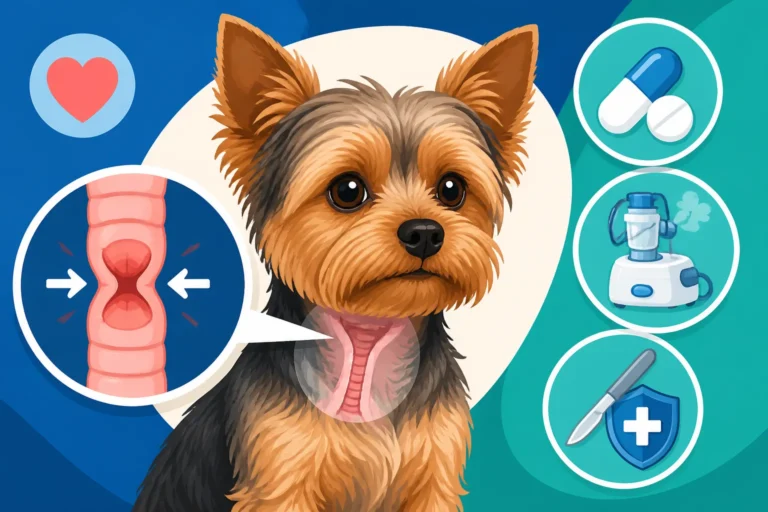
At its simplest, tracheal collapse occurs when the rings of cartilage that hold the windpipe open weaken and flatten. Imagine a vacuum cleaner hose that loses its internal support rings and gets sucked flat when you turn it on. That's essentially what happens with a collapsing trachea in a Yorkie. The trachea, which normally maintains a firm, open tube from the throat to the lungs, becomes soft and flattens, especially during inhalation or exhalation, obstructing airflow. This can happen anywhere along the trachea, but it's often most severe at the point where the trachea enters the chest. The exact cause isn't fully understood, but it's believed to be a combination of genetic predisposition, chronic irritation, and sometimes even obesity. For more detailed information, you can explore our guide on Yorkshire Terrier Collapsing Trachea: Signs and Care.
The severity of the collapse can vary from mild to extreme. In mild cases, the dog might only cough occasionally, particularly when excited or pulling on a leash. In severe cases, the trachea can collapse almost entirely, making breathing incredibly difficult and causing significant distress. This can lead to oxygen deprivation and, if left untreated, serious secondary issues like pulmonary hypertension. It's a progressive disease, meaning it tends to worsen over time without intervention.
Recognizing the Distinctive Signs and Progression
The hallmark symptom of tracheal collapse is a dry, harsh cough that sounds remarkably like a "goose honk." It's quite distinctive once you've heard it. This cough often flares up during exercise, excitement, eating or drinking, or when pressure is applied to the neck (like with a collar). You might notice your Yorkie gagging or struggling for breath after a coughing fit. As the condition progresses, your dog might start showing increased respiratory effort even at rest, panting excessively, or having difficulty recovering from mild exertion. They might also appear lethargic or reluctant to play.
It's important to differentiate this from other types of coughs. While a regular cough might sound wet or productive, a tracheal cough is typically dry and spasmodic. Owners often report that their dog's energy levels decrease, or they become less tolerant of activities they once loved. If you notice your Yorkie persistently coughing, especially with this characteristic sound, it's definitely time to consult your vet. Early detection can make a significant difference in managing the condition and maintaining your Yorkie's quality of life. Our article on Why Is My Yorkie Coughing offers more insights into different types of coughs.
Diagnostic Process and Treatment Avenues
Diagnosing a collapsing trachea usually starts with a thorough physical examination where your vet might gently palpate your Yorkie's throat to elicit the characteristic cough. X-rays are a common diagnostic tool, often taken during both inhalation and exhalation, to visualize the trachea and identify areas of collapse. Sometimes, a fluoroscopy (a moving X-ray) or even an endoscopy (inserting a tiny camera into the trachea) might be recommended for a more definitive diagnosis, especially if surgery is being considered. These advanced diagnostics allow the vet to see the trachea in real-time as the dog breathes.
Treatment options vary based on the severity. For mild cases, management often involves medications to reduce inflammation, suppress the cough, and relax the airways. Weight management is also crucial, as extra pounds put more strain on the respiratory system. Switching from a neck collar to a harness is strongly recommended to eliminate pressure on the trachea. In more severe cases, surgical intervention might be an option. This typically involves placing stents inside the trachea to hold it open or external rings to support it. While surgery can be effective, it's a complex procedure with its own risks and recovery period, and it's not suitable for all dogs or all types of collapse. Your vet will discuss the best course of action based on your individual Yorkie's condition and overall health. Managing costs for such treatments can be a concern, and exploring options like pet insurance from providers like Healthy Paws can be beneficial.
Beyond the Trachea: Other Significant Respiratory Challenges
While tracheal collapse gets a lot of attention, it's not the only breathing problem Yorkshire Terriers can face. Their small stature and genetic predispositions can make them vulnerable to a range of other respiratory and related issues. It's important for owners to be aware of these potential concerns so they can recognize symptoms and seek appropriate veterinary care.
Respiratory Issues Linked to Heart Conditions
It might seem counterintuitive, but problems with the heart can manifest as breathing difficulties. For instance, congestive heart failure can cause fluid to back up into the lungs, leading to pulmonary edema. This makes breathing extremely difficult, often resulting in coughing, wheezing, and rapid, shallow breaths. Yorkies, like many small breeds, can be prone to certain heart conditions such as mitral valve disease, which worsens with age. When the heart isn't pumping efficiently, the lungs suffer.
If your Yorkie is showing signs of breathing trouble, especially if accompanied by reduced stamina, lethargy, or a bluish tinge to their gums, your vet will likely want to perform a thorough cardiac exam, including listening to their heart, possibly doing an EKG, and taking chest X-rays to check for an enlarged heart or fluid in the lungs. Early diagnosis and management of heart conditions can often prevent or mitigate severe respiratory symptoms.
Allergies and Environmental Irritants
Just like people, Yorkies can suffer from allergies that affect their respiratory system. Inhaled allergens like pollen, dust mites, or mold can cause inflammation in their airways, leading to coughing, sneezing, and even asthma-like symptoms. Exposure to environmental irritants such as cigarette smoke, strong air fresheners, cleaning products, or even certain scented candles can also trigger respiratory distress. Given their small lung capacity, these irritants can have an amplified effect.
If you suspect allergies are at play, your vet might suggest an elimination process to identify the trigger or prescribe antihistamines or steroids to manage the symptoms. Keeping your home environment clean, using air purifiers, and avoiding strong chemical sprays can go a long way in protecting your Yorkie's delicate respiratory system. Even something as seemingly benign as too much dust could exacerbate a latent respiratory sensitivity, leading to more frequent coughing or wheezing.
Infections and Other Less Common Causes
Yorkies can, of course, contract various respiratory infections, both bacterial and viral. Kennel cough, for instance, is a common highly contagious upper respiratory infection that causes a harsh, dry cough similar to tracheal collapse. While typically mild, it can sometimes progress to pneumonia, especially in puppies or senior Yorkies, leading to more severe breathing difficulties, fever, and lethargy. You can learn more about general health concerns in our article on Yorkshire Terrier Health Problems to Know.
Other less common but serious causes of breathing problems include:
- Pneumonia: Inflammation of the lungs, often caused by bacterial or viral infections, aspiration (inhaling food or vomit), or fungi. Symptoms include deep coughs, fever, difficulty breathing, and lethargy.
- Lung Tumors: While rarer in Yorkies, especially when young, older dogs can develop masses in their lungs that impede breathing.
- Reverse Sneezing: This is a sudden, rapid inhalation, often sounding like a honking or snorting noise, which can be alarming but is usually harmless and brief. It's caused by a spasm of the soft palate and throat, and while it might look like a serious breathing issue, it typically resolves on its own within a minute or two. Gently massaging your Yorkie's throat or covering their nostrils for a second can sometimes help. Our guide on Yorkshire Terrier Reverse Sneezing: Signs and Care explains this in detail.
- Brachycephalic Airway Syndrome (BAS): While Yorkies are not typically considered a brachycephalic breed (flat-faced), some individuals, especially those with broader muzzles or mixes, can exhibit milder forms of BAS, where elongated soft palates or narrowed nostrils can obstruct airflow.
Each of these conditions requires specific diagnosis and treatment. This is why a thorough veterinary examination is paramount when your Yorkie exhibits any persistent or concerning breathing issue.
Deciphering Distress Signals: What to Look For
As a Yorkie parent, you become acutely attuned to your dog's normal behaviors and health. When it comes to breathing, subtle changes can be the first clue that something isn't right. Knowing what to look for can literally be a lifesaver, allowing you to seek timely veterinary intervention before a situation escalates.
Subtle Changes in Breathing Patterns
Your Yorkie's breathing at rest should be calm, quiet, and effortless. Look for changes in their normal rhythm.
- Increased Respiratory Rate: Count how many breaths your Yorkie takes in 15 seconds and multiply by four to get breaths per minute. A normal resting respiratory rate for a dog is typically between 15-30 breaths per minute. If you notice a consistent increase, say over 35-40 breaths per minute while resting or sleeping, it could be a subtle sign of distress.
- Shallow vs. Deep Breaths: Are their breaths shallower or deeper than usual? Very shallow, rapid breathing might indicate pain or anxiety, while deep, labored breaths could signal fluid in the lungs.
- Effortful Breathing: Do you see their chest or abdomen heaving more than usual with each breath? Are they using their abdominal muscles excessively to breathe? This is a sign of increased effort.
- Open-Mouth Breathing or Panting: While panting is normal after exercise or in heat, persistent open-mouth breathing or panting when at rest and in a cool environment is a red flag. Yorkies shouldn't normally pant heavily unless exerting themselves or feeling very warm.
- Restlessness or Reluctance to Lie Down: Dogs with breathing difficulties often prefer to sit or stand rather than lie down, as this position can make breathing easier. They might also appear restless, pacing, or unable to get comfortable.
Always remember that these subtle signs can sometimes be missed if you're not actively observing. Regular, quiet observation of your Yorkie can help you establish a baseline for what's normal for them.
Urgent Symptoms Requiring Immediate Attention
Some symptoms are not subtle at all and demand immediate veterinary care. These are signs of a true emergency, and waiting can have dire consequences.
- Bluish or Grayish Gums/Tongue (Cyanosis): This is a critical indicator of oxygen deprivation. Healthy gums should be pink and moist. If they appear blue, purple, or even a very pale gray, your Yorkie is not getting enough oxygen. This is a medical emergency and requires immediate transport to the nearest emergency vet.
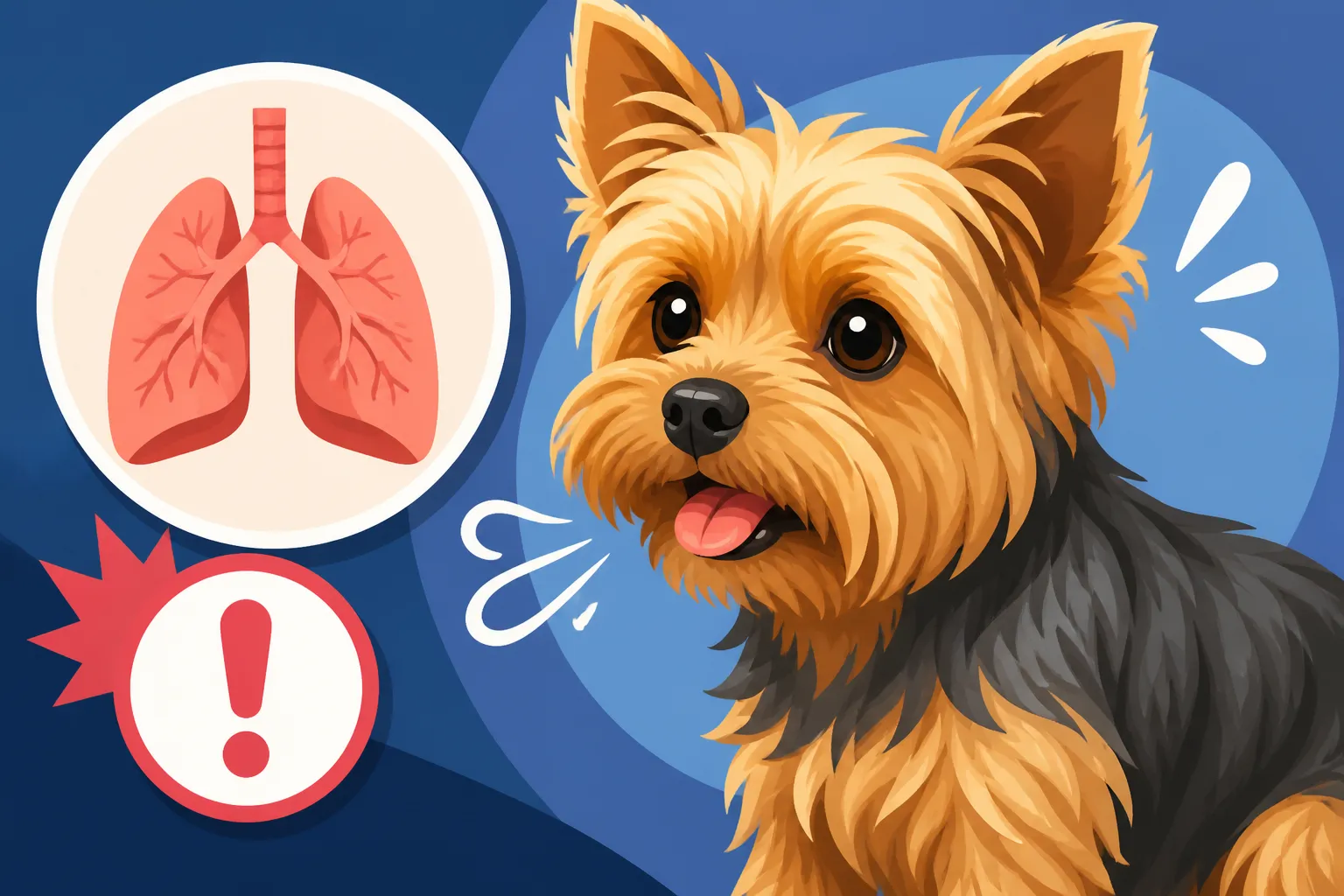
- Severe Labored Breathing: If your Yorkie is clearly struggling to breathe, gasping for air, or making loud, stridorous (high-pitched, wheezing) noises with each breath, they need immediate help.
- Collapse or Extreme Weakness: If breathing difficulties lead to your Yorkie collapsing, losing consciousness, or becoming extremely weak and unresponsive, it's an emergency.
- Foaming at the Mouth or Coughing Up Fluid: This can indicate severe pulmonary edema or other serious conditions requiring immediate medical attention.
- Persistent Open-Mouth Breathing with Neck Extended: A dog trying to open its airway as wide as possible by extending its neck and gasping is in significant distress.
- Extreme Anxiety/Panic: A Yorkie experiencing severe breathing problems will often show signs of panic, such as wide eyes, frantic movements, or trying to hide.
Knowing when to take your Yorkie to the vet is crucial, especially in an emergency. Our guide on Yorkie Emergency Symptoms to Never Ignore provides further details on critical situations. If you observe any of these urgent symptoms, do not hesitate. Get your Yorkie to an emergency veterinary clinic right away.
Proactive Care and Management Strategies
While some breathing problems are genetic or unavoidable, there are many proactive steps you can take as a Yorkie owner to support their respiratory health and manage existing conditions. A healthy lifestyle, careful environmental management, and consistent veterinary partnership are key to giving your little friend the best chance at a full and comfortable life.
Lifestyle Adjustments for Respiratory Health
Making thoughtful adjustments to your Yorkie's daily life can significantly impact their breathing health.
- Weight Management: Obesity is a major contributing factor to respiratory issues, especially tracheal collapse. Excess fat around the chest and neck can put pressure on the airways, making breathing harder. Maintaining a healthy weight through a balanced diet and appropriate exercise is paramount. Talk to your vet about the ideal weight for your Yorkie and how to achieve it if they're currently overweight. A lean Yorkie breathes easier, period.
- Harness Over Collar: This is a non-negotiable recommendation for Yorkies, especially those prone to coughing or with known tracheal sensitivity. A collar can put direct pressure on the delicate trachea, exacerbating collapse or irritation. A well-fitted harness distributes pressure across the chest and shoulders, removing it from the neck entirely. This simple switch can make a world of difference in preventing coughs and ensuring comfortable walks. For more on this, check out Why Harnesses Are Better Than Collars for Yorkies.
- Controlled Exercise: While exercise is important, it needs to be tailored to your Yorkie's respiratory capacity. Avoid strenuous activity during hot or humid weather, and don't push them to the point of heavy panting or coughing. Short, frequent walks are generally better than one long, intense session. Always carry water and be mindful of their signals; if they start to slow down or cough, it's time for a break.
- Stress Reduction: Stress and excitement can trigger coughing fits in dogs with tracheal issues. Creating a calm home environment, using positive reinforcement for training, and avoiding situations that over-excite your Yorkie can help manage flare-ups.
These lifestyle choices are not just about reacting to problems, but about building a foundation for long-term respiratory wellness.
Partnering with Your Veterinarian
Your veterinarian is your most important ally in managing your Yorkie's health. Regular check-ups are non-negotiable, even when your dog seems perfectly healthy.
- Routine Check-ups: Regular veterinary visits allow your vet to monitor your Yorkie's overall health, listen to their heart and lungs, and catch potential issues early. This is especially important for Yorkshire Terrier Senior Care Guide, as older Yorkies are more prone to developing breathing problems. During these visits, discuss any changes you've observed, even if they seem minor. Your observations are invaluable to your vet.
- Open Communication: Don't hesitate to ask questions or express concerns. If you're worried about a cough or a change in breathing, call your vet. They can advise whether an immediate visit is necessary or if you can monitor the situation at home. Keeping a journal of symptoms, their frequency, and triggers can be very helpful for your vet in diagnosing and managing chronic conditions.
- Follow Treatment Plans: If your Yorkie is diagnosed with a breathing problem, adhere strictly to the prescribed treatment plan. This includes medication schedules, dietary recommendations, and follow-up appointments. Consistency is key, particularly with chronic conditions like tracheal collapse or heart disease. Your vet might also recommend specific supplements or therapies to support respiratory health, such as those aimed at reducing inflammation or supporting joint health (which can indirectly affect mobility and breathing). For broader guidance on keeping your Yorkie healthy, refer to How to Keep a Yorkshire Terrier Healthy.
Navigating Veterinary Costs and Support
Let's be real, owning a pet, especially a breed like a Yorkshire Terrier that can be prone to certain health issues, isn't always cheap. Breathing problems, in particular, can sometimes require extensive diagnostics, long-term medication, or even costly surgeries. It's important to be prepared financially and to understand the resources available to you.
Budgeting for Unexpected Breathing Emergencies
A sudden breathing crisis can quickly lead to an emergency vet visit, which often comes with a hefty price tag. Diagnostics like X-rays, blood tests, and oxygen therapy can add up rapidly. For instance, an emergency visit for a severe tracheal collapse or sudden onset pneumonia could easily cost hundreds to thousands of dollars, depending on the required care, overnight stays, and specialized procedures. It's a terrifying thought to be in a situation where your beloved Yorkie needs urgent care, and you're also wrestling with financial anxiety.
One proactive step you can take is to start an emergency fund specifically for your pet. Even putting away a small amount each month can provide a crucial safety net. Consider setting aside funds equivalent to a few thousand dollars in a separate savings account, accessible only for veterinary emergencies. This way, if your Yorkie suddenly needs a late-night oxygen kennel or advanced imaging, you can focus on their well-being rather than the bill. Our article on Yorkie Vet Costs and Health Budget delves deeper into managing these expenses.
The Role of Pet Insurance like Healthy Paws
Pet insurance has become a lifeline for many pet parents, and for good reason. When faced with expensive treatments for conditions like chronic bronchitis, pneumonia, or even potential surgery for a severe tracheal collapse, a good pet insurance policy can provide immense peace of mind. Companies like Healthy Paws offer comprehensive plans that can cover a significant portion of unexpected veterinary bills, from accidents and illnesses to emergency care and even some diagnostic procedures.
While pet insurance typically doesn't cover pre-existing conditions, enrolling your Yorkie when they're young and healthy means that conditions that might develop later, like tracheal collapse, could be covered. Research different plans, understand their deductibles, reimbursement percentages, and annual limits. It’s an investment that can truly pay off, allowing you to make medical decisions based on what’s best for your Yorkie's health rather than solely on your wallet. Having a reliable insurance plan means you’re better equipped to handle the unexpected, ensuring your Yorkie receives the best possible care without placing an undue burden on your family finances. Look into pet insurance options from reputable providers like Healthy Paws to protect your furry friend. You can also explore our dedicated guide on Pet Insurance for Yorkshire Terriers.
Comparison of Common Yorkie Breathing Issues
To help you get a clearer picture of some of the most common breathing problems your Yorkie might face, here's a comparative table outlining key characteristics.
| Condition | Primary Symptoms | Common Triggers | Typical Treatment Approach | Urgency |
|---|---|---|---|---|
| Collapsing Trachea | Dry, "goose honk" cough, gagging, difficulty breathing, wheezing | Excitement, exercise, collar pressure, obesity, eating | Medications (anti-inflammatories, cough suppressants), weight management, harness, surgery (severe) | Moderate to High |
| Reverse Sneezing | Sudden, loud snorting/gasping, rapid inhalations, usually brief | Excitement, allergies, eating/drinking too fast, environmental irritants | Usually none needed, gentle throat massage, covering nostrils (briefly) | Low (usually self-resolving) |
| Heart Disease | Coughing, decreased stamina, fatigue, fluid retention, rapid breathing | Age, genetics, pre-existing heart conditions | Medications (diuretics, heart meds), diet, lifestyle changes | Moderate to High |
| Kennel Cough | Dry, hacking cough, sometimes gagging | Exposure to other infected dogs, stress, poor ventilation | Rest, cough suppressants, antibiotics (for secondary infection) | Low to Moderate |
| Pneumonia | Deep, moist cough, fever, lethargy, labored breathing | Infection (bacterial/viral/fungal), aspiration | Antibiotics, anti-inflammatories, oxygen therapy, nebulization | High |
| Allergies | Coughing, sneezing, wheezing, itchy skin/eyes | Pollen, dust mites, mold, certain foods, environmental irritants | Antihistamines, steroids, allergen avoidance, immunotherapy | Low to Moderate |
Disclaimer
The information provided in this article is for educational purposes only and is not a substitute for professional veterinary advice. Always consult with a qualified veterinarian for any health concerns or before making any decisions related to your pet's health and treatment.