Yorkshire Terrier Reverse Sneezing: Signs and Care
One of the most startling and anxiety-inducing moments for any Yorkshire Terrier parent is witnessing their beloved tiny companion suddenly start making strange, snorting, gasping sounds, looking as if they can’t breathe. It’s enough to send even the most seasoned dog owner into a panic, wondering if their little one is choking or having some kind of severe respiratory distress. This guide is here to shed light on what's truly happening during these episodes, specifically focusing on Yorkshire Terrier reverse sneezing, to help you understand the signs, causes, and how to best care for your Yorkie when it occurs.
What Exactly is Reverse Sneezing in Yorkshire Terriers?
When you first see your Yorkie doing what looks like a reverse sneeze, your heart might just stop. It's not a typical "achoo!" sneeze; it's a completely different phenomenon that can be quite alarming. While it might appear serious, it's usually harmless and quite common in smaller breeds like our precious Yorkies.
The Mechanics of a Reverse Sneeze
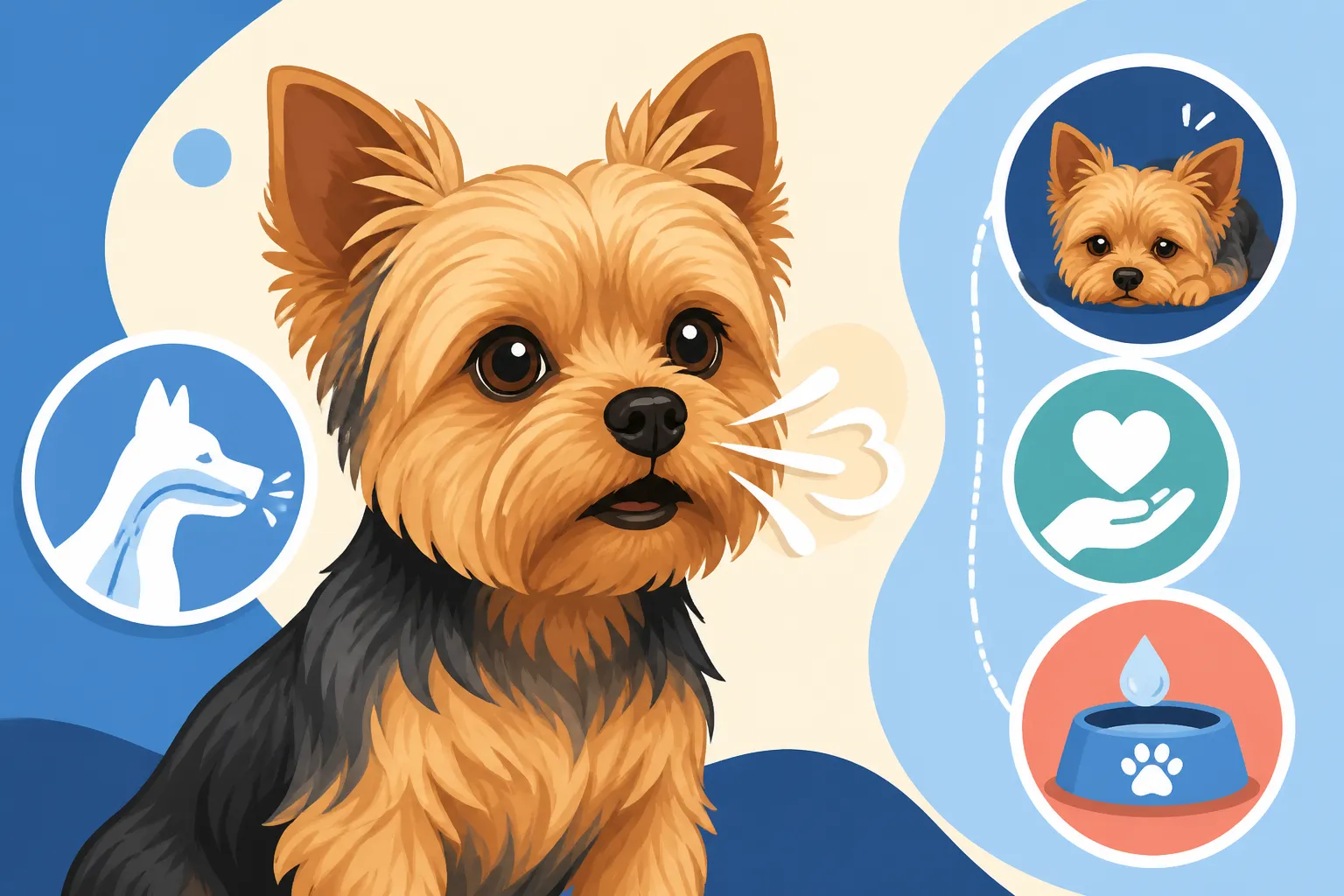
To understand reverse sneezing, sometimes known as paroxysmal respiration, it helps to visualize what's happening internally. Instead of air being forcefully expelled through the nose and mouth (a regular sneeze), during a reverse sneeze, air is rapidly and repeatedly pulled inward through the nose. This happens due to a spasm of the soft palate and throat, specifically the pharyngeal gag reflex. Imagine trying to inhale very quickly and forcefully through your nose multiple times in a row, with your throat constricting slightly – that’s pretty close to what your Yorkie is experiencing. The soft palate, which is the fleshy part at the back of the roof of the mouth, becomes irritated and goes into a spasm, blocking the trachea (windpipe) briefly. This causes the dog to stretch their neck and gasp loudly, trying to clear the irritation. It’s the body’s way of trying to dislodge an irritant from the nasal passages.
Distinguishing it from Regular Sneezing and Choking
It's absolutely crucial to tell the difference between a reverse sneeze, a normal sneeze, and actual choking, especially because the sounds can be distressing. A regular sneeze is a quick, outward expulsion of air, usually accompanied by a characteristic "achoo" sound, and the dog's head might jerk forward. It’s generally a single event or a couple in quick succession.
Choking, on the other hand, is a true emergency. If your Yorkie is genuinely choking, they will likely show signs of distress like pawing at their mouth, frantic coughing, blue-tinged gums, or complete silence and collapse if their airway is fully obstructed. There won't be the rhythmic, rapid inhalation of a reverse sneeze. They'll be struggling for any air. If you're ever in doubt and suspect choking, act immediately and be ready to perform doggy Heimlich maneuvers or rush to an emergency vet. However, with reverse sneezing, while the sounds are alarming, your Yorkie will generally remain standing, often with their head and neck extended, and they'll usually recover within a minute or two. Understanding these differences can save you a lot of panic and potentially help you respond appropriately. For a deeper dive into respiratory concerns, you might find our guide on Yorkie Breathing Problems Explained helpful.
Common Signs and Symptoms of a Yorkie Reverse Sneeze
Identifying a reverse sneeze, once you've seen one, often becomes second nature for Yorkie owners. The unique combination of sounds and body language creates a very specific picture.
The Characteristic Snorting and Gasping
The most unmistakable sign of a reverse sneeze is the sound. It’s often described as a loud, forceful snorting, snuffling, or gagging sound, almost like a pig snorting or a goose honking. This isn't just one sound; it's typically a series of rapid, successive snorts or gasps. Your Yorkie will be inhaling sharply and quickly, drawing air in through their nose with a noticeable effort. The sounds can be quite dramatic and might make you think your dog is struggling to breathe, which in a way, they are, but it's a self-limiting event, meaning it will resolve on its own. Owners often describe it as their dog "inhaling a sneeze" rather than exhaling one.
What it Looks Like
Beyond the sounds, there's a distinct posture and facial expression that accompanies a reverse sneeze. Your Yorkie will typically stand still or brace themselves, often extending their head and neck forward and downward. Their chest might expand with the forceful inhalations, and their eyes might look wide and a bit panicked – mirroring your own feelings as you witness it! Their flanks might suck in visibly with each intake of breath. Their tail might be tucked, and their body might stiffen. They usually won't be running around or trying to play; they’ll be focused entirely on trying to clear whatever is irritating their nasal passages. The episode usually lasts anywhere from a few seconds to a couple of minutes, after which your Yorkie will typically return to normal as if nothing happened, perhaps giving a few normal sniffs before going about their day.
What Causes Reverse Sneezing in Yorkies?
While reverse sneezing can happen to any dog, small breeds like Yorkshire Terriers seem particularly prone to it. There are several factors, ranging from common environmental irritants to more subtle anatomical predispositions.
Environmental Triggers
Our Yorkies live close to the ground, which means they're constantly exposed to airborne particles that we might not even notice. Environmental irritants are among the most common culprits for triggering a reverse sneeze. Think about it: a Yorkie’s tiny nose is inhaling air filled with dust, pollen, cleaning product fumes, strong perfumes, cigarette smoke, or even just changes in humidity. These can irritate the sensitive nasal passages and soft palate, leading to that spasmodic reaction.
A sudden change in temperature, like going from a warm house into chilly outdoor air, can also be a trigger. Walking on a windy day, or even a sudden burst of excitement or activity during playtime, can sometimes provoke an episode. Pay close attention to when and where your Yorkie’s reverse sneezes occur. Is it after you’ve used a new air freshener? Is it during allergy season? Keeping a little log can help you identify and potentially minimize exposure to these triggers.
Anatomical and Breed Predispositions
While Yorkies aren't truly brachycephalic (flat-faced) breeds like Pugs or Bulldogs, their small size often means they have relatively small tracheas and longer soft palates compared to their overall head size. This anatomical quirk can make them more susceptible to the soft palate irritation that sparks a reverse sneeze. Excitement can also play a role; when a Yorkie gets overly excited, they might breathe more rapidly and forcefully, increasing the chance of irritation in the throat. Even pulling too hard on a collar during a walk can put pressure on the trachea and soft palate, leading to an episode. This is a great reason why many vets and experienced Yorkie owners advocate for using a harness instead of a collar for walks, as harnesses distribute pressure more evenly across the chest. You can learn more about this in our article Why Harnesses Are Better Than Collars for Yorkies.
Underlying Health Concerns
While most reverse sneezing is benign, it's important to be aware that sometimes, it can be a symptom of an underlying health issue. This is particularly true if the episodes become frequent, prolonged, or are accompanied by other symptoms.
Potential health-related causes include:
- Nasal mites: Tiny parasites that can live in a dog's nasal passages, causing irritation.
- Foreign objects: A blade of grass, a small seed, or even a tiny piece of debris inhaled into the nasal passages.
- Polyps or tumors: Growths in the nasal passages or throat that can obstruct airflow and cause irritation.
- Dental disease: Severe dental issues can sometimes lead to inflammation or infection that extends into the nasal passages. Our guide on Yorkshire Terrier Dental Disease: Signs and Care offers more insight into how oral health impacts overall well-being.
- Allergies: Just like humans, dogs can suffer from environmental allergies, which can lead to chronic nasal irritation.
- Tracheal collapse: This is a more serious condition where the rings of the trachea (windpipe) weaken and collapse, causing a characteristic honking cough, but it can also present with symptoms that mimic or exacerbate reverse sneezing. It's crucial to rule out conditions like Yorkshire Terrier Collapsing Trachea: Signs and Care if your Yorkie’s breathing seems consistently labored or worsens.
It's a delicate balance, trying not to overreact but also not to ignore potential issues. Always consult your vet if you have concerns.
When to Be Concerned and Seek Vet Attention
It's easy to dismiss reverse sneezing as just "a Yorkie thing," and often, it is. However, there are definite red flags that indicate a vet visit is in order. Knowing when to worry can truly make a difference for your furry friend.
Frequency and Duration
A one-off reverse sneeze, or even a few episodes a year that quickly resolve, is generally nothing to lose sleep over. But if your Yorkie starts having reverse sneezing episodes with increasing frequency, or if each episode lasts longer than a couple of minutes, it’s time to consult your veterinarian. For example, if your Yorkie used to have an episode once every few months and now it's happening weekly, or even daily, that's a significant change. Similarly, if an episode typically lasts 30 seconds but now your dog is struggling for 5 minutes or more, that warrants professional attention. Persistent irritation or obstruction could be at play, and it’s always better to be safe than sorry, especially with our small and sometimes fragile Yorkies. Your vet can perform a thorough examination to rule out any more serious underlying issues.
Accompanying Symptoms
While reverse sneezing itself is usually benign, the presence of other symptoms alongside it should always prompt an immediate vet visit. These can be indicators of a more serious respiratory problem or other health conditions.
Here’s a table outlining when to be concerned:
| Symptom Present with Reverse Sneeze | Level of Concern | What it Might Indicate |
|---|---|---|
| Coughing or wheezing | High | Respiratory infection, kennel cough, heart issue, Yorkshire Terrier Tracheal Collapse: Signs and Care |
| Nasal discharge (especially thick, colored, or bloody) | High | Infection, foreign body, tumor |
| Lethargy or decreased activity | High | Illness, discomfort |
| Loss of appetite or difficulty eating | High | Pain, illness, severe discomfort affecting swallowing |
| Blue-tinged gums or tongue | EMERGENCY | Severe oxygen deprivation, choking |
| Persistent pawing at the face | High | Foreign object, severe irritation, pain |
| Fever | High | Infection |
| Difficulty breathing after the episode ends | High | Underlying heart or lung condition |
If you notice any of these symptoms accompanying the reverse sneezing, don’t hesitate. Call your vet and explain what you're observing. It’s always best to be proactive and ensure your Yorkie's health is thoroughly checked out. For other serious signs to watch for, our article Yorkie Emergency Symptoms to Never Ignore provides a comprehensive list. When it comes to managing unexpected vet costs for these situations, having a plan like pet insurance from providers such as Healthy Paws can truly alleviate some of the financial stress.
Importance of a Vet Visit
Even if your Yorkie isn't showing any alarming accompanying symptoms, an occasional vet check-up when reverse sneezing becomes more frequent is a wise decision. A veterinarian can observe the episodes, potentially perform diagnostic tests like X-rays of the throat and chest, or even a rhinoscopy (examining the nasal passages with a tiny camera) if necessary, to rule out conditions like polyps, tumors, or foreign bodies. They can also assess your Yorkie's overall respiratory health and look for signs of allergies.
Remember, early detection of issues like Yorkshire Terrier Collapsing Trachea: Signs and Care or chronic allergies can lead to more effective management and a better quality of life for your pet. Your vet is your best partner in ensuring your Yorkie’s long-term health. Don't feel silly bringing up something that seems minor; our tiny Yorkies often hide discomfort, and their small size can make seemingly minor issues more significant. Thinking about the potential costs involved in these diagnostic tests and treatments, exploring options like Yorkshire Terrier Vet Costs and Health Budget or considering pet insurance from a reputable provider like Healthy Paws can be incredibly helpful for your peace of mind.
How to Help Your Yorkie During a Reverse Sneeze Episode
While it can be terrifying to watch your little Yorkie go through a reverse sneeze, the good news is that there are things you can do to help them calm down and potentially shorten the episode.
Calming Your Yorkie and Yourself
The first, and often hardest, step is to remain calm yourself. Dogs are incredibly perceptive and can pick up on our stress and anxiety. If you panic, your Yorkie will likely become even more agitated, which can worsen or prolong the episode. Take a deep breath. Speak to your Yorkie in a calm, soothing voice. Reassure them with gentle words like, "It's okay, sweetie, you're alright."
Avoid making sudden movements or grabbing them roughly. Instead, create a calm environment. Move them away from any potential noise or activity that might be contributing to their distress. Your calm demeanor will go a long way in helping your Yorkie relax, which can often help resolve the spasm more quickly.
Gentle Techniques to Shorten an Episode
Once you've composed yourself, you can try a few gentle techniques to help your Yorkie get through the reverse sneeze. The goal is to encourage them to swallow or to clear the irritant from their nasal passages.
- Gently stroke their throat: Lightly massaging your Yorkie’s throat just under their chin can encourage them to swallow. Swallowing often helps to reset the soft palate and stop the spasm.
- Cover their nostrils briefly: For a moment, gently place your fingers over your Yorkie's nostrils to make them breathe through their mouth. This often prompts a swallow or a deep breath, which can break the cycle. Be very gentle and only do it for a second or two, just enough to elicit a reaction.
- Offer a small treat or water: Sometimes, the act of licking or swallowing a small, soft treat or a few drops of water can help clear the throat and stop the spasm. A dab of peanut butter (xylitol-free, of course!) on your finger can also work.
- Blow gently on their face: A very soft puff of air on their face, particularly near the nose, can sometimes startle them into a swallow or a deep breath. Again, be extremely gentle; you're not trying to blast them with air.
Always remember that these are gentle suggestions, not forceful interventions. The aim is to assist, not to add to their stress. Most episodes resolve on their own in under a minute, but these techniques can sometimes provide quicker relief.
Long-Term Management and Prevention
Beyond immediate relief, establishing long-term management and prevention strategies can significantly reduce the frequency of reverse sneezing episodes in your Yorkie.
- Identify and avoid triggers: Keep a journal of when and where your Yorkie has episodes. Does it happen after a walk in a particular park, or when the air conditioner kicks on? Once you pinpoint common triggers like dust, pollen, or strong scents, you can take steps to minimize exposure. This might mean using a HEPA air purifier in your home, especially in rooms where your Yorkie spends a lot of time, or switching to fragrance-free cleaning products.
- Use a harness, not a collar: As mentioned earlier, excessive pressure on a Yorkie's delicate throat from a collar can be a trigger, particularly if they pull on the leash. A well-fitting harness distributes pressure across their chest and shoulders, reducing strain on the neck and trachea. This is not just good for preventing reverse sneezes but also helps protect against other issues like Yorkshire Terrier Tracheal Collapse: Treatment Options.
- Maintain a clean environment: Regularly vacuuming, dusting, and washing your Yorkie's bedding can reduce dust and dander, which are common irritants. Consider natural, unscented laundry detergents for their beds and blankets.
- Manage allergies: If your vet suspects environmental allergies, discuss ways to manage them. This could involve allergy medications, supplements, or even dietary changes.
- Monitor air quality: In extremely dry climates or during winter months with indoor heating, consider using a humidifier to add moisture to the air, which can help keep nasal passages moist and less prone to irritation.
- Weight management: Ensuring your Yorkie is at a healthy weight can also help. Obesity can exacerbate respiratory issues and put extra strain on their small bodies. Our guide on Is My Yorkie Overweight can help you determine if your furry friend needs a diet adjustment.
By being observant and making some adjustments, you can often significantly improve your Yorkie's comfort and reduce the occurrence of these startling episodes. Maintaining good overall health, as detailed in our comprehensive guide on How to Keep a Yorkshire Terrier Healthy, is always the best defense.
Living with a Yorkie Prone to Reverse Sneezing
If your Yorkshire Terrier is prone to reverse sneezing, it can feel like a constant worry. However, with consistent care and a proactive approach, you can create an environment where your tiny friend thrives, even with occasional episodes. It’s all about creating a lifestyle that supports their unique needs.
Creating a Safe and Low-Stress Environment
A calm and consistent environment is key for a Yorkie who experiences reverse sneezing. Stress and over-excitement can be significant triggers, so minimizing these can help.
- Minimize airborne irritants: This is a big one. Yorkies are low to the ground, inhaling everything we stir up. Ditch strong chemical cleaners, air fresheners, scented candles, and heavy perfumes around your home. Consider using a good quality HEPA air purifier in the rooms where your Yorkie spends the most time. Regular, thorough dusting and vacuuming (with a HEPA filter vacuum if possible) can dramatically reduce dust and pet dander. If you smoke, always do so away from your Yorkie and their living areas.
- Temperature control: Sudden changes in temperature, especially from warm to cold, can sometimes trigger a reverse sneeze. Try to keep your home's temperature consistent and avoid drastic shifts. If going out on a cold day, consider a little sweater for your Yorkie to help protect their airways from the sudden chill.
- Consistent routine: While it might not seem directly related to breathing, a consistent daily routine can reduce overall stress for your Yorkie. Predictable feeding times, walk schedules, and play sessions help them feel secure and reduce anxiety, which can indirectly lessen the likelihood of stress-induced episodes.
- Safe sleeping arrangements: Ensure your Yorkie’s sleeping area is clean, dust-free, and away from drafts. Their bed should be washed regularly with unscented detergent.
By being mindful of these environmental factors, you can significantly reduce potential triggers, allowing your Yorkie to breathe a little easier.
Dietary and Hydration Considerations
Believe it or not, what your Yorkie eats and drinks can also play a subtle role in their respiratory health and potentially influence reverse sneezing.
- Proper hydration: Ensuring your Yorkie always has access to fresh, clean water is paramount. Good hydration helps keep their mucous membranes moist, which can make them less susceptible to irritation. If your Yorkie isn't a big drinker, consider adding a little bit of low-sodium chicken or beef broth to their water, or incorporating more wet food into their diet.
- Appropriate diet: A healthy, balanced diet supports overall immune function and can help manage allergies that might contribute to nasal irritation. If your vet suspects food allergies, they might recommend a hypoallergenic diet. High-quality dog food, like those discussed in our guide on Best Dog Food for Yorkshire Terriers, can make a real difference. Avoid feeding human foods that might be overly rich, fatty, or contain spices that could cause throat irritation.
- Mealtime routine: Eating too quickly can sometimes cause a dog to inhale food or air, leading to a mild choke or reverse sneeze. If your Yorkie is a "gulper," consider using a slow-feeder bowl to encourage them to eat at a more relaxed pace. This can also aid digestion and prevent other issues like gas or bloating.
These dietary and hydration practices contribute to a robust internal system, making your Yorkie more resilient to potential irritants and contributing to their overall well-being.
Regular Vet Check-ups and Proactive Care
Even with the best at-home care, consistent veterinary oversight is non-negotiable for a Yorkie prone to reverse sneezing. Regular check-ups are your opportunity to discuss any changes or concerns with a professional who knows your pet's history.
- Open communication with your vet: Don't hesitate to mention any changes in frequency, duration, or severity of reverse sneezing episodes during your routine visits. Your vet can reassess your Yorkie's condition and determine if further investigation is needed. They might suggest additional diagnostics, like blood work or imaging, if they suspect an underlying issue beyond simple irritation. This proactive approach is especially important for Yorkshire Terrier Health Problems to Know as many conditions can manifest subtly.
- Stay up-to-date on vaccinations and parasite control: Keeping your Yorkie protected against common respiratory infections like kennel cough and ensuring they are free of internal and external parasites (including nasal mites) is a fundamental part of proactive care. Your vet will guide you on the appropriate schedule for these preventative measures.
- Consider pet insurance: Dealing with the potential for ongoing diagnostic tests or treatments, especially if an underlying condition is discovered, can add up. Having pet insurance from a provider like Healthy Paws can significantly ease the financial burden of unexpected vet visits, allowing you to make the best health decisions for your Yorkie without added stress. It's a sensible investment in their long-term health and your peace of mind. Our guide on Yorkshire Terrier Vet Costs and Health Budget offers more details on managing expenses.
- Address other health issues promptly: Sometimes, seemingly unrelated health problems can indirectly affect respiratory health. For example, severe Yorkie Dental Disease Prevention or chronic allergies can lead to inflammation that might exacerbate reverse sneezing. Promptly addressing any other health concerns your Yorkie might have is part of comprehensive, proactive care. You'll find more information about when to consult a professional in our guide, When to Take Your Yorkie to the Vet.
By combining attentive home care with regular professional veterinary support, you can help your Yorkie lead a full, happy life, even with occasional reverse sneezing episodes.
Disclaimer
The information provided in this article is for general informational purposes only and is not a substitute for professional veterinary advice. Always consult with a qualified veterinarian for any health concerns or before making any decisions related to your pet's health or treatment.