Yorkie Lifespan: How to Maximize It
It’s a heart-wrenching thought for any pet parent: knowing your beloved Yorkshire Terrier has a shorter lifespan than some larger breeds. You want to do everything in your power to ensure they live the longest, happiest, and healthiest life possible, but sometimes it feels overwhelming trying to navigate all the advice out there. This guide is here to walk you through exactly how to maximize your Yorkie’s lifespan, offering practical, empathetic advice to help your tiny companion thrive for many years.
Understanding the Typical Yorkshire Terrier Lifespan
When you bring a Yorkie into your life, one of the first questions that often comes to mind, mixed with all the joy and excitement, is "How long will I have with them?" It’s a completely natural concern, especially with smaller breeds. There's a lot of information floating around, and it can be hard to know what's truly accurate and what's just hearsay.
Average Life Expectancy and Contributing Factors
Generally, a healthy Yorkshire Terrier can be expected to live anywhere from 11 to 15 years. This range isn't just a random number; it's an average based on countless Yorkies and factors in everything from their genetics to the quality of care they receive throughout their lives. It's a pretty good run for a dog, especially when you consider their spirited personalities often make it feel like they pack a lifetime of adventure into every year. However, it's also true that some Yorkies defy the odds and live even longer, while others, sadly, might fall short of this average due to unforeseen circumstances or predispositions.
The actual number of years your particular Yorkie lives is influenced by a complex tapestry of factors. First and foremost, genetics play a huge role. A Yorkie from a reputable breeder who screens their breeding dogs for common genetic conditions is likely to have a stronger foundation for a long life. Then there's their diet and nutrition – what you put into their tiny bodies directly impacts their health. Regular, proactive veterinary care is another non-negotiable component; annual check-ups can catch potential issues early. Finally, their overall lifestyle, including exercise, mental stimulation, and a safe home environment, contributes significantly. Thinking about how to keep a Yorkshire Terrier healthy often involves a holistic approach that touches on all these areas.
The Myth of the "Teacup" Yorkie Lifespan
You might have heard about "teacup Yorkies" and wondered if their miniature size affects their longevity. It's true that the term "teacup" is often used to describe Yorkies that are significantly smaller than the breed standard (which typically calls for dogs under seven pounds). While undeniably adorable, these extra-small Yorkies often come with inherent health risks that can unfortunately shorten their lives.
The truth is, these "teacup" dogs are often the result of breeding the smallest dogs in a litter, sometimes even those with underlying health issues, specifically to achieve a diminutive size. This can lead to a host of fragility issues, including extremely delicate bones that are prone to fractures, difficulty regulating blood sugar levels (making them highly susceptible to hypoglycemia), and a higher incidence of organ problems. Their tiny bodies simply don't have the same resilience as a standard-sized Yorkie, and they may require much more intensive care to manage their delicate health. While the allure of a tiny Yorkie is strong, it's crucial to understand that these characteristics can mean a lifetime of increased vet visits and a potentially shorter, more challenging existence for the dog. Therefore, if you're serious about ensuring your Yorkie lives a long life, it’s generally wiser to choose a Yorkie that fits within the recognized breed standard for size and weight, rather than seeking out an ultra-tiny one.
Foundational Pillars for a Long and Healthy Yorkie Life
Building a long and healthy life for your Yorkshire Terrier isn't just about luck; it's about laying down solid foundations from day one. These pillars are the bedrock upon which their well-being rests, encompassing everything from what they eat to how often they see their vet. Neglecting any of these areas can create cracks in that foundation, potentially leading to avoidable health issues.
Optimal Nutrition and Hydration
A Yorkie’s diet is far more than just food in a bowl; it's the fuel for every cell in their tiny body. Providing optimal nutrition means choosing high-quality dog food specifically formulated for small breeds, paying close attention to their age, activity level, and any specific health needs. Look for foods with real meat as the first ingredient, healthy fats, and digestible carbohydrates. Avoid foods with excessive fillers, artificial colors, or by-products, as these can contribute to allergies and digestive upset over time.
For puppies, frequent, small meals are critical to prevent hypoglycemia, a dangerous drop in blood sugar. As they mature, an adult Yorkie typically thrives on two meals a day. If you're ever unsure about which food is best, chatting with your veterinarian is always a great first step. They can help you sift through the myriad of options and determine the best dog food for Yorkshire Terriers based on your individual pup. Beyond food, hydration is non-negotiable. Always provide fresh, clean water, ensuring their bowl is accessible and topped up throughout the day. Dehydration can quickly lead to serious health problems, especially in small dogs who can't hold as much fluid. Consider stainless steel or ceramic bowls for cleanliness, and if your Yorkie is a picky drinker, a pet fountain might encourage them to sip more frequently.
Regular Veterinary Care and Preventative Measures
Think of your vet as your partner in your Yorkie's long-term health journey. Regular check-ups are not just for when they're sick; they are vital for preventative care. An annual vet visit, or even twice a year for seniors or those with chronic conditions, allows your veterinarian to monitor their overall health, catch subtle changes that you might miss, and address potential issues before they become serious. These visits will typically include a thorough physical exam, weight check, and discussions about their diet and behavior. This proactive approach is a cornerstone of ensuring a long and healthy life.
Beyond routine exams, staying on top of vaccinations, deworming, and flea and tick prevention is absolutely critical. These preventative measures protect your Yorkie from a host of common, and often debilitating, diseases and parasites. Dental care, in particular, cannot be stressed enough for Yorkies. They are notoriously prone to dental disease, which can lead to pain, tooth loss, and even systemic infections affecting their heart, kidneys, and liver. Regular brushing at home, dental chews, and professional dental cleanings as recommended by your vet are essential parts of your Yorkshire Terrier Dental Care Guide. Planning for these regular health expenses can feel daunting, but it’s a necessary investment in your Yorkie's well-being. Many owners find that pet insurance, such as Healthy Paws, can be incredibly helpful in managing unexpected vet costs and ensuring their Yorkie receives the best possible care without financial strain. It offers peace of mind when those unforeseen health challenges arise, allowing you to focus on your pet's recovery rather than the bill. Knowing when to take your Yorkie to the vet for preventative care versus urgent situations is a skill you'll develop, and your vet will be your best resource.
Proactive Health Management and Early Detection
Even with the best preventative care, Yorkies, like all living beings, can face health challenges. The key to maximizing their lifespan lies in diligent observation and early intervention. Being attuned to their normal behaviors and physical state can make all the difference in catching problems when they are most treatable.
Recognizing Common Yorkie Health Concerns
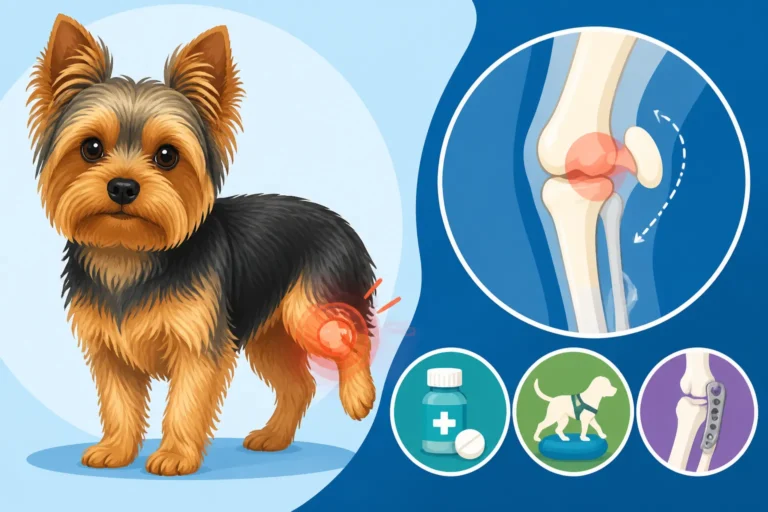
Yorkshire Terriers are a robust breed for their size, but they do have certain genetic predispositions and common ailments that owners should be aware of. Staying informed about these issues empowers you to spot signs early and seek veterinary attention promptly. For instance, patellar luxation, where the kneecap slips out of place, is quite common. You might notice your Yorkie skipping a step or holding up a back leg. Learning about Yorkshire Terrier Patellar Luxation: Signs and Care can help you identify this issue quickly.
Another significant concern is collapsing trachea, which can manifest as a persistent, honking cough, especially when excited or pulling on a collar. This condition is often managed with medication, weight control, and using a harness instead of a collar. For more details, you can explore Yorkshire Terrier Collapsing Trachea: Signs and Care. Hypoglycemia, or low blood sugar, is particularly prevalent in Yorkie puppies and can also affect adults, especially if they miss meals or are stressed. Symptoms include lethargy, stumbling, and even seizures, making it crucial to understand Yorkshire Terrier Hypoglycemia: Signs and Care. Other potential issues include dental disease, liver shunts, and certain eye conditions. Regularly checking your Yorkie’s eyes, ears, skin, and overall demeanor can provide vital clues to their health. Don't dismiss subtle changes; if something seems off, it's always best to consult your vet. Understanding Yorkshire Terrier Health Problems to Know will make you a more informed and proactive pet parent.
The Importance of Consistent Grooming and Hygiene
Grooming a Yorkie isn't merely about keeping them looking adorable; it's a vital component of their health and comfort. Their beautiful, silky hair, which is more akin to human hair than typical dog fur, requires regular attention to prevent matting, skin issues, and discomfort. Mats can pull at the skin, causing pain and even infections. Brushing several times a week, if not daily, is essential. This routine also allows you to physically inspect your dog's skin for any lumps, bumps, or irritations that could indicate an underlying health issue.
Beyond brushing, regular bathing using a gentle, dog-specific shampoo and conditioner helps keep their skin and coat healthy. Pay close attention to cleaning around their eyes to prevent tear stains and keep their ears clean and dry to ward off infections. Trimming their nails regularly prevents them from becoming overgrown, which can cause pain, affect their gait, and lead to more serious orthopedic problems. Overgrown nails can even impact their joints over time. It’s also crucial to keep the hair around their paw pads trimmed to prevent slipping and debris accumulation. All these routine grooming tasks not only keep your Yorkie looking pristine but also serve as opportunities for you to bond with them and conduct mini health checks, ensuring you spot any potential problems early on.
Lifestyle and Environmental Enrichment for Longevity
A long life isn’t just about avoiding illness; it’s about fostering a life full of joy, activity, and mental engagement. Just like humans, Yorkies thrive when their minds and bodies are kept active and their environment is safe and stimulating. These lifestyle factors contribute significantly to their overall well-being and, consequently, their longevity.
Appropriate Exercise and Mental Stimulation
While Yorkies are small, they are not couch potatoes. They might be tiny, but they were originally bred as ratters, giving them a surprising amount of energy and intelligence. Regular, appropriate exercise is crucial for maintaining a healthy weight, strengthening their heart and muscles, and preventing behavioral issues that stem from pent-up energy. A couple of short walks a day, ideally 15-20 minutes each, are usually sufficient. Remember, their little legs work harder than yours! Be mindful of extreme weather conditions; Yorkies are sensitive to both heat and cold due to their single coat. Indoor play, like fetch or tug-of-war, can supplement outdoor activity, especially on rainy or very cold days.
Beyond physical exercise, mental stimulation is equally important. A bored Yorkie can become destructive, anxious, or develop excessive barking habits. Engage their minds with puzzle toys, teach them new tricks, or even enroll them in a basic obedience class. These activities tap into their innate intelligence and help keep their brains sharp, which is just as vital as physical health for a long and happy life. Interactive play sessions with you are also fantastic for mental enrichment and strengthening your bond. Remember that a mentally stimulated dog is generally a happier and healthier dog.
Creating a Safe and Stress-Free Environment
Your home is your Yorkie’s entire world, and ensuring it's a safe, stress-free haven is paramount for their longevity. Yorkies are delicate creatures, and what might seem like a minor hazard to a larger dog could be life-threatening for them. Always supervise your Yorkie, especially around stairs or other high places from which they could fall and sustain serious injuries. Secure any loose electrical cords, remove small objects they could choke on, and ensure all household cleaners, medications, and toxic plants are well out of reach. Puppy proofing isn't just for puppies; it’s a lifelong endeavor for a Yorkie owner.
Temperature regulation is another critical aspect. Yorkies can get cold very easily due to their small size and single coat, especially in cooler climates like those found in the Pacific Northwest winters or the snowy parts of New England. A cozy sweater or coat can make a big difference on walks. Conversely, they can overheat quickly in hot weather. Always ensure they have access to shade and fresh water, and avoid strenuous exercise during peak heat. Beyond physical safety, creating a low-stress environment is essential. Yorkies can be prone to separation anxiety if left alone for extended periods. Establishing a routine, providing comforting toys, and creating a safe den space (like a crate, if crate trained) can help. Excessive stress can weaken their immune system and exacerbate existing health conditions, so a calm, predictable home environment is a true gift to your small companion. Consider how to care for a senior Yorkie, as their needs become even more pronounced as they age.
Here’s a quick overview of some key factors influencing your Yorkie’s lifespan:
| Factor | Impact on Lifespan | How to Maximize |
|---|---|---|
| Genetics | Predisposition to certain diseases (e.g., patellar luxation, liver shunts). | Choose a reputable breeder who screens breeding stock for genetic conditions. Understand Common Yorkshire Terrier Genetic Conditions. |
| Nutrition | Impacts growth, energy, immune system, and organ health. | Feed high-quality, small-breed specific food. Maintain a healthy weight. Prevent hypoglycemia, especially in puppies. Refer to the Yorkshire Terrier Puppy Health Guide. |
| Veterinary Care | Early detection and treatment of illnesses; preventative health. | Annual check-ups, vaccinations, parasite control, and dental care. Consider pet insurance like Healthy Paws for emergencies. |
| Dental Health | Poor dental hygiene can lead to heart/kidney disease. | Regular brushing, dental chews, professional cleanings. |
| Exercise | Maintains healthy weight, muscle tone, and cardiovascular health. | Daily walks (15-20 mins, twice a day), indoor play. Avoid over-exertion or extreme temperatures. |
| Mental Stimulation | Prevents boredom, anxiety, and destructive behaviors; keeps brain sharp. | Puzzle toys, training, interactive play. |
| Safety & Environment | Prevents injuries, stress, and exposure to toxins. | Yorkie-proof your home, supervise closely, manage temperature sensitivity, provide a safe den. |
| Weight Management | Obesity stresses joints, heart, and contributes to other diseases. | Proper diet and exercise. Monitor portion sizes. |
Ultimately, understanding How Long Do Yorkshire Terriers Live is just the beginning. The commitment to consistent, loving care in all these areas will be the most significant factor in allowing your little Yorkie to enjoy a long, vibrant life by your side. Every day you spend being mindful of their needs adds to their well-being, paving the way for many cherished memories together.
Disclaimer
This article is intended for informational purposes only and does not constitute veterinary advice. Always consult with a qualified veterinarian for any health concerns or before making any decisions about your pet's health or treatment plan.