Yorkie Not Eating: When to Worry
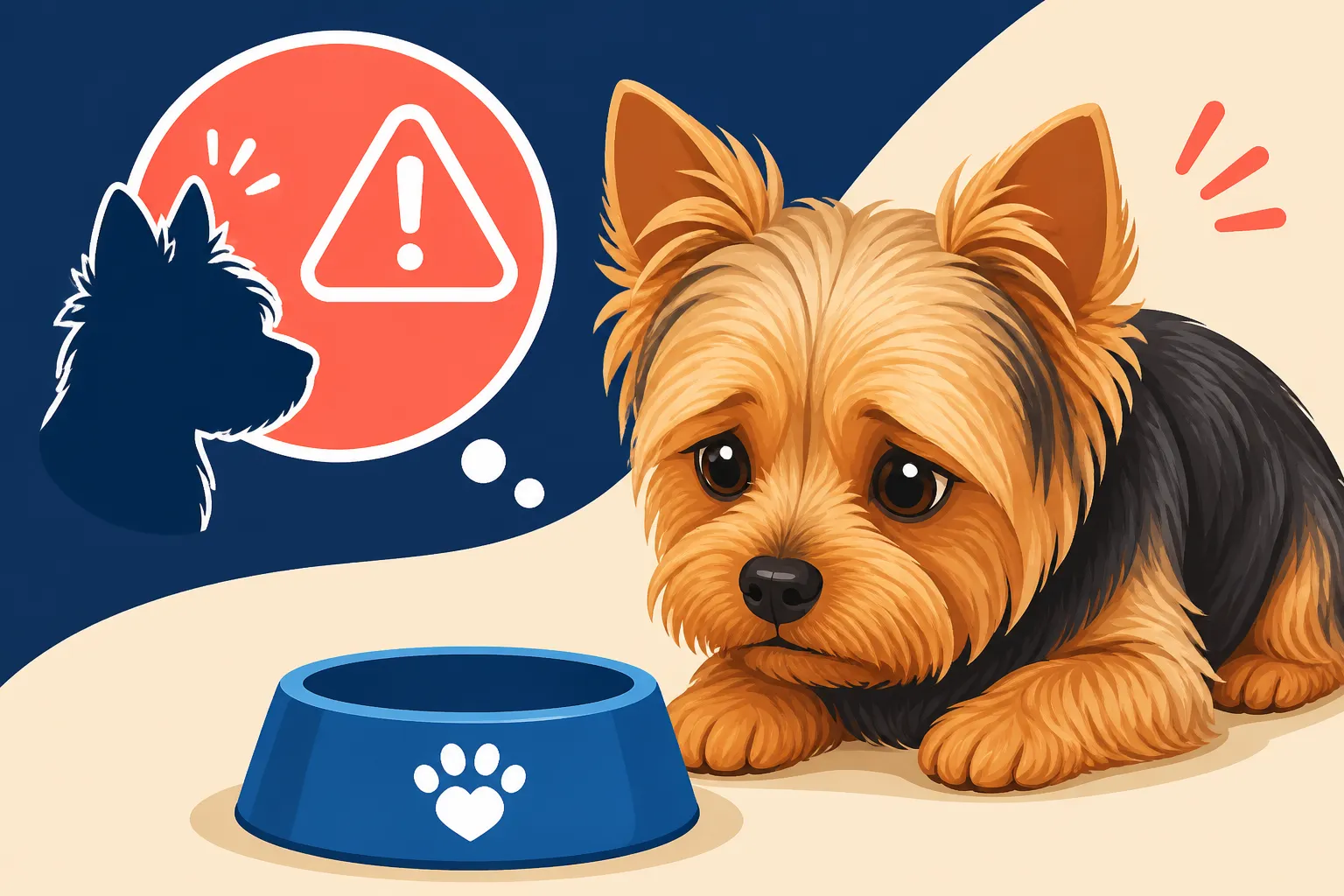
It's incredibly distressing when your sweet Yorkshire Terrier, usually so eager for mealtime, suddenly turns up their nose at food. That little wiggle butt that usually greets their bowl with such enthusiasm is now just… still. As a Yorkie parent, you immediately start to worry, wondering if it's just a temporary picky phase or something far more serious. This comprehensive guide is here to walk you through the common reasons why your Yorkie might not be eating, help you distinguish between minor issues and urgent concerns, and give you clear, actionable steps on what to do.
Understanding Normal Yorkie Eating Habits
Before we dive into why your Yorkie might be skipping meals, it's helpful to establish what's considered "normal" for these pint-sized companions. Yorkies, despite their small stature, usually have healthy appetites, especially when they're puppies or actively engaged in play. A sudden change in this routine is what typically flags concern for us owners.
Typical Yorkie Appetite and Meal Routines
A healthy adult Yorkshire Terrier will typically eat two to three meals a day, with portions carefully measured according to their age, weight, and activity level. Puppies, especially, need frequent, smaller meals to prevent issues like hypoglycemia. You might notice they practically inhale their food, or they might be a bit more dainty, but the consistency is key. When your Yorkie usually finishes their bowl without a fuss, and then abruptly stops, it's a noticeable shift that demands attention. It's not just about the amount, but also the enthusiasm – a happy Yorkie usually approaches their food with excitement.
However, "normal" can also vary slightly from one individual Yorkie to another. Some Yorkies are naturally more enthusiastic eaters than others, while some might take their time or even graze throughout the day if given the opportunity. The important thing is to understand your Yorkie's personal baseline. If they've always been a bit particular but still consistently eat something, then a total refusal is more concerning than if they occasionally leave a few kibbles. For a deeper dive into feeding practices, you might want to check out our guide on how much to feed a Yorkshire Terrier.
When to Notice a Change in Eating
The key isn't just that they're not eating, but how long they're not eating for. A missed meal or two might not be an immediate emergency, especially if they're still drinking water and acting otherwise normal. But a prolonged refusal – say, for more than 24 hours, or even less for a young puppy – is a definite red flag.
It's also crucial to observe how they are refusing food. Are they turning their nose up at their usual kibble but begging for a treat? That's a different scenario than a dog who shows absolutely no interest in any food, even their most favorite high-value snack. Are they sniffing the food and then walking away, or are they outright avoiding the bowl altogether? These subtle cues can give you important clues about the underlying problem. Keep a close eye on their energy levels, their bowel movements, and their overall demeanor.
Common, Mild Reasons Your Yorkie Might Not Be Eating
Sometimes, a Yorkie not eating isn't a sign of a grave illness, but rather a reaction to something minor in their environment or routine. These are the situations where a little patience and observation can often resolve the issue.
Stress and Anxiety
Just like us, Yorkies can get stressed or anxious, and this can definitely affect their appetite. These little dogs are deeply bonded with their humans and very sensitive to changes around them.
Environmental Changes and New Routines
Have you recently moved homes, introduced a new pet, or changed your work schedule? Even something as seemingly minor as rearranging furniture can throw a sensitive Yorkie off balance. A new person in the house, a sudden loud noise, or even a different brand of laundry detergent can create an environment that makes them feel less secure. This insecurity can manifest as a temporary loss of appetite. They might be too busy processing the changes, or too nervous to settle down and eat. Give them time, create a quiet eating space, and try to restore a sense of routine as much as possible.
Consider a hypothetical scenario: You've just welcomed a new baby into the home. Your Yorkie, who was once the center of attention, now sees a tiny human hogging all the cuddles and making strange noises. They might retreat, become a bit withdrawn, and refuse food simply because their world has been turned upside down. This isn't just about jealousy; it's genuine stress about their perceived place in the pack and the unfamiliarity of their surroundings. Offering a high-value treat in a quiet corner or spending some one-on-one time away from the new baby can sometimes help. For tips on managing emotional changes, our guide on Yorkie separation anxiety solutions might be helpful.
Emotional Upset or Jealousy
Yorkies are notorious for their strong personalities, and sometimes a refusal to eat can stem from pure emotional upset or even a touch of jealousy. If you've spent a lot of time with another pet or person, your Yorkie might be staging a little protest. It's not uncommon for them to act out in subtle ways, and skipping meals can be one of them.
Think about it: you come home from work smelling like another dog from your friend's house. Your Yorkie might give you the cold shoulder, ignore their food, and generally act disgruntled. While it might seem dramatic, for a Yorkie, their feelings are very real. They thrive on attention and being an integral part of the family. Addressing the emotional cause – whether it's reassurance, dedicated playtime, or simply making them feel special again – can often bring their appetite back.
Picky Eating Habits
Ah, the classic Yorkie picky eater! It’s a trait many of us Yorkie parents know all too well. Sometimes, their refusal isn't about illness, but about discerning tastes.
Boredom with Current Food
If your Yorkie has been eating the same kibble for months, they might simply be bored. Imagine eating the same dry cereal every single day, twice a day, for years. You'd probably get tired of it too! Yorkies can develop food fatigue, especially if they’ve been spoiled with a variety of treats or human food in the past. They might be holding out for something better, something more exciting.
This isn't necessarily a bad thing, but it does mean you might need to rotate their food or add some enticing toppers. High-quality wet food mixed in, a sprinkle of cooked chicken, or a little low-sodium bone broth can often do the trick to stimulate their appetite. Just be careful not to create a super picky eater who will only eat the fancy stuff! Remember, consistency in a healthy diet is important, but a little variety can go a long way. If you're looking for guidance, our article on the best dog food for Yorkshire Terriers offers some excellent suggestions.
New Food Introduction
Conversely, sometimes the problem isn't boredom, but the introduction of a new food. Yorkies can be creatures of habit, and a sudden switch to a different brand or formula, even if it's supposed to be better, can be met with resistance. Their digestive systems are also quite delicate, so a quick change can sometimes lead to an upset stomach, which in turn causes them to refuse food.
When changing foods, it's always best to do so gradually, mixing increasing amounts of the new food with decreasing amounts of the old over several days to a week. This helps both their palate and their tummy adjust. If they outright refuse a new food, it might simply not be appealing to them, or it might be causing a mild digestive upset that makes them hesitant to eat.
Minor Illnesses or Discomfort
Even seemingly small health issues can make a Yorkie lose their appetite. It's important to look beyond just the food bowl.
Upset Stomach or Nausea
Just like us, Yorkies can get an upset stomach or feel nauseous. This could be from eating something they shouldn't have (a tiny crumb off the floor, a bit of grass, or even too many treats), or a mild reaction to a new food or supplement. They might vomit, have diarrhea, or simply feel generally unwell. When they feel queasy, the last thing they want is to eat.
If your Yorkie has a mild upset stomach, they might just need a short "fast" (6-12 hours, never longer without vet advice, especially for puppies) to settle their system, followed by a bland diet of boiled chicken and plain rice. Small, frequent meals of this bland food can often help them get back on track. Keep a close eye on them to ensure it doesn't escalate into something more serious.
Dental Discomfort
Yorkies are notoriously prone to dental issues. Their tiny mouths can easily accumulate plaque and tartar, leading to gum disease, infections, and even loose teeth. Imagine trying to eat your favorite meal with a throbbing toothache – it's no fun!
If your Yorkie is reluctant to eat, especially hard kibble, but shows interest in softer foods or treats, dental pain might be the culprit. You might notice bad breath, pawing at their mouth, or drooling. Regular dental care is paramount for Yorkies. You can learn more in our detailed guide on Yorkshire Terrier dental care. If you suspect dental problems, a vet visit is essential for a thorough check-up and cleaning.
When a Yorkie Not Eating Signals a Serious Problem
While many instances of a Yorkie refusing food are minor, there are definite times when it signals something much more serious. Recognizing these red flags quickly is vital for your Yorkie's health and well-being.
Accompanying Symptoms as Red Flags
It's not just the refusal of food that matters; it's the whole picture. When your Yorkie stops eating and exhibits other concerning symptoms, it's time for immediate veterinary attention.
| Symptom Combination | Potential Severity | Urgency for Vet Visit |
|---|---|---|
| Not eating + Vomiting + Diarrhea | High | Immediate |
| Not eating + Lethargy + Weakness | High | Immediate |
| Not eating + Shaking/Trembling | High | Immediate |
| Not eating + Pale Gums | Extremely High | Emergency |
| Not eating + Abdominal Pain/Bloating | Extremely High | Emergency |
| Not eating + Difficulty Breathing | Extremely High | Emergency |
| Not eating + Excessive Thirst/Urination | Moderate to High | Within 24 hours |
| Not eating + Weight Loss (over time) | Moderate to High | Within 24-48 hours |
| Not eating + Changes in Behavior | Moderate | Within 24-48 hours |
Vomiting, Diarrhea, or Changes in Stool
If your Yorkie is not eating and is also experiencing vomiting (especially repeated vomiting or vomit with blood) or severe diarrhea (especially with blood or tarry stools), this points to a serious gastrointestinal issue. It could be anything from a severe infection, an intestinal blockage, pancreatitis, or even something toxic they ingested.
These symptoms, especially when combined with a lack of appetite, can quickly lead to dehydration and electrolyte imbalances in a tiny Yorkie. They cannot afford to lose fluids rapidly. This is an urgent situation that requires immediate veterinary assessment. Don't wait to see if it gets better; contact your vet right away.
Lethargy, Weakness, or Collapse
A Yorkie who is normally zippy and full of life but becomes lethargic, weak, or even collapses along with refusing food, is in a critical state. Lethargy means they are unusually tired, listless, and unresponsive. They might not want to move, play, or even acknowledge you.
This combination of symptoms can indicate a severe illness such as a severe infection, organ failure (like kidney or liver disease), internal bleeding, or profound hypoglycemia (low blood sugar), which is particularly dangerous for small breeds like Yorkies. If you observe these signs, treat it as an emergency. Our article on Yorkie hypoglycemia: emergency signs provides vital information for these critical moments.
Pain or Discomfort
If your Yorkie is not eating and also shows signs of pain – perhaps yelping when touched, guarding their abdomen, limping, or constantly shifting position – something is seriously wrong. The pain could be originating from their mouth (severe dental issues), abdomen (pancreatitis, organ issues), or even musculoskeletal problems.
Yorkies are often stoic, so if they are overtly showing signs of pain, it's usually quite significant. A thorough physical exam by a veterinarian is needed to pinpoint the source of their discomfort and provide appropriate pain relief and treatment. Remember, your Yorkie cannot tell you where it hurts, so observing these subtle cues is paramount. Our guide on how to tell if a Yorkie is in pain can offer further insights.
Underlying Medical Conditions
Beyond acute illnesses, many chronic medical conditions can lead to a persistent loss of appetite in Yorkshire Terriers. These often require ongoing management and diagnosis from a vet.
Organ Diseases
Conditions affecting vital organs such as the liver, kidneys, or pancreas can significantly impact a Yorkie's appetite. For instance, Yorkies are genetically predisposed to certain liver conditions, like portosystemic shunts (often called liver shunts). If the liver isn't functioning correctly, toxins can build up in the bloodstream, leading to nausea, lethargy, and a complete refusal to eat. Similarly, kidney disease can cause a buildup of waste products, making your Yorkie feel unwell and uninterested in food.
Diagnosing these conditions usually involves blood tests, urine tests, and sometimes imaging like ultrasound. Early detection and management are crucial. Treatment might involve special prescription diets, medications, and fluid therapy. Understanding these potential challenges is part of Common Yorkshire Terrier Genetic Conditions.
Infections and Inflammatory Conditions
Various infections, both bacterial and viral, can cause a loss of appetite in Yorkies. This could be anything from a urinary tract infection to a more systemic viral illness like canine parvovirus (though hopefully, your Yorkie is vaccinated against major viral threats). Inflammatory conditions, such as inflammatory bowel disease, can also cause chronic stomach upset and intermittent appetite loss.
A vet will often perform blood work to check for signs of infection or inflammation, and might prescribe antibiotics, anti-inflammatory medications, or other supportive care. The key is to address the underlying infection or inflammation to restore their health and appetite.
Hypoglycemia
This is a critically important one for Yorkie owners, especially for puppies and very small adults. Hypoglycemia, or low blood sugar, occurs when the blood glucose levels drop too low. It can happen if a Yorkie goes too long without eating, especially if they are stressed, over-exercised, or have an underlying health issue. Symptoms include weakness, lethargy, confusion, wobbly gait, shaking, and in severe cases, seizures and collapse.
If you suspect hypoglycemia, immediately rub a small amount of Karo syrup, honey, or a commercial glucose gel on their gums. Then, rush them to the vet. This is a life-threatening condition for Yorkies. Prevention is key, which involves consistent feeding schedules and always having a high-calorie supplement or syrup on hand. Our article, Yorkie Low Blood Sugar: What to Do, offers detailed emergency advice.
Dental Disease
As mentioned before, dental issues can be a mild reason for not eating, but they can quickly escalate to a serious problem. Severe dental disease, including abscesses, loose teeth, or fractured teeth, can make eating incredibly painful. The pain might be so intense that your Yorkie completely refuses to eat anything at all, leading to rapid weight loss and secondary health issues.
Regular dental check-ups and cleanings are essential for prevention. If your vet suspects significant dental disease, a professional dental cleaning under anesthesia, potentially with extractions, might be necessary. This will alleviate the pain and allow your Yorkie to eat comfortably again.
Steps to Take When Your Yorkie Refuses Food
When your Yorkie isn't eating, it's natural to feel helpless. But there are several proactive steps you can take, from home observation to knowing when to seek professional help.
Initial Home Assessment and Monitoring
Before panicking (though it’s hard not to!), take a deep breath and conduct a thorough assessment of the situation. This initial observation can provide valuable information for yourself and your vet.
Observe for Other Symptoms
Don't just focus on the food bowl. Look at your Yorkie as a whole. Are they still drinking water? Are they playing, running, and interacting normally? Or are they unusually quiet, withdrawn, or lethargic? Check their gums – are they pink and moist, or pale and sticky? Feel their belly – is it soft or tense? Are they vomiting or having diarrhea? Any of these additional symptoms, especially lethargy, pale gums, or repeated vomiting/diarrhea, elevate the situation from "monitor" to "urgent."
Keep a journal or simply mental notes of when they last ate, if they've had any treats, when they last went to the bathroom, and any other changes you've noticed. This detailed account will be invaluable when you speak to your veterinarian. If you notice any of the concerning signs discussed in "When a Yorkie Not Eating Signals a Serious Problem," it's time to skip home remedies and go straight to the vet. This information is key to understanding Signs Your Yorkshire Terrier Is Sick.
Encourage Eating with Appealing Options
If your Yorkie is otherwise acting normal and you suspect it’s a mild pickiness or temporary upset, you can try to tempt them with highly palatable, easily digestible foods. This isn't about giving in to bad habits long-term, but about getting something into their system to prevent hypoglycemia and maintain energy.
Try offering small amounts of plain, boiled chicken breast (no skin, no bones, no seasoning) with a little plain white rice. You can also offer a small amount of pureed pumpkin (not pie filling), baby food (meat-based, no onion/garlic powder), or even a high-quality wet dog food that’s specifically formulated for sensitive stomachs. Warm the food slightly, as the aroma can make it more appealing. Ensure they always have access to fresh water. If they eat these options readily but turn their nose up at their usual food, it strongly suggests a preference issue or mild nausea.
When to Contact Your Veterinarian
Knowing when to call the vet is probably the most critical part of this entire dilemma. It's always better to be safe than sorry, especially with small breeds like Yorkies who can decline rapidly.
Urgent Vet Visit Indicators
Any time your Yorkie goes more than 12-24 hours without eating, especially if they are a puppy, it warrants a call to the vet. For puppies, it can be even less time, sometimes as little as 6-8 hours, due to their risk of hypoglycemia. If they are also vomiting repeatedly, having severe diarrhea, appear lethargic, weak, shaking, in pain, or showing any signs of distress, do not wait. These are urgent indicators that require immediate veterinary attention.
Your vet will be able to perform a physical examination, potentially recommend blood tests, urine tests, or imaging (like X-rays or ultrasound) to determine the underlying cause. Early intervention for serious conditions can make a significant difference in outcome. Don't worry about being overly cautious – vets understand that small dogs have unique vulnerabilities. Remember, our guide When to Take Your Yorkie to the Vet offers further guidance on urgent situations.
Discussing Dietary Changes and Health Concerns
Even if the situation isn't an emergency, if your Yorkie has been consistently picky or has intermittent appetite loss, it's worth discussing with your vet. They can help rule out any subtle health issues that might be contributing to the problem. They can also offer advice on appropriate dietary changes, recommend specific brands of food, or suggest appetite stimulants if necessary.
Sometimes, chronic low-level issues, like mild inflammatory bowel disease or even food allergies, can manifest as a reduced appetite. Your vet can guide you through an elimination diet or other diagnostic steps to get to the bottom of the issue. When it comes to managing the long-term health of your Yorkie, having a reliable pet insurance provider can alleviate the financial stress of diagnostics and treatments. Companies like Healthy Paws can offer plans that cover unexpected illnesses and accidents, making it easier to say "yes" to necessary veterinary care without hesitation. This peace of mind allows you to focus solely on your Yorkie's recovery.
The Role of Your Veterinarian in Diagnosis and Treatment
Once you're at the vet, they become your most important ally. They have the tools and expertise to properly diagnose and treat your Yorkie's condition.
Diagnostic Procedures
When you bring your Yorkie in for not eating, your vet will start with a thorough physical examination, checking their weight, temperature, hydration status, gums, teeth, and palpating their abdomen. Based on their findings and your observations, they may recommend diagnostic tests.
Common tests include a complete blood count (CBC) to check for infection or anemia, a blood chemistry panel to assess organ function (kidneys, liver, pancreas), and a urinalysis. For digestive issues, fecal tests might be ordered to check for parasites. If an obstruction or foreign body is suspected, X-rays or ultrasound may be necessary. In more complex cases, specialized tests for specific conditions, like a bile acid test for liver shunts, might be performed. These steps are crucial to understand Yorkshire Terrier Health Problems to Know.
Treatment Options
Treatment will depend entirely on the underlying cause. If it's a bacterial infection, antibiotics will be prescribed. For pain, pain relievers might be given. If dehydration is a concern, subcutaneous fluids (fluids given under the skin) or even intravenous fluids might be administered. For severe nausea, anti-emetic medications can help. If hypoglycemia is the issue, glucose will be given.
In cases of a foreign body or severe internal issues, surgery might be required. For chronic conditions like organ disease, management might involve long-term medications and a specialized prescription diet. Your vet will create a tailored treatment plan to get your Yorkie back on track. For ongoing care and managing potential future health issues, many Yorkie parents find value in pet insurance. Having coverage from a provider like Healthy Paws can significantly reduce the financial burden, especially if your Yorkie requires extensive diagnostics or specialized long-term treatment. It's a way to ensure your furry family member gets the best possible care without you having to stress over the costs.
Preventing Future Episodes of Appetite Loss
While you can't prevent every health issue, there are many proactive steps you can take to minimize the chances of your Yorkie refusing food in the future.
Consistent Diet and Meal Schedule
One of the most powerful tools in preventing appetite issues is establishing and maintaining a consistent diet and meal schedule. Yorkies thrive on routine, and this includes their mealtimes.
High-Quality Food Choices
Always feed a high-quality dog food appropriate for their age and size. Look for foods with real meat as the first ingredient and avoid fillers, artificial colors, and excessive by-products. Some brands specifically cater to the needs of small breeds, often with smaller kibble sizes and nutrient profiles tailored to their higher metabolisms. Consulting your vet on the best food for your individual Yorkie's needs is always a good idea, especially if they have any sensitivities. You can learn more about making informed choices in our guide to Best Dog Food for Yorkshire Terriers.
If you decide to change their food, do it gradually over 7-10 days to allow their digestive system to adjust and reduce the likelihood of an upset stomach or outright refusal. Mix a small amount of the new food with their old food, gradually increasing the proportion of the new food each day.
Regular Meal Times
Stick to a consistent feeding schedule, typically two to three meals a day for adults. This helps regulate their metabolism and digestive system, and it creates an expectation around mealtime. Avoid free-feeding, as this can lead to pickiness, obesity, and it makes it harder to notice if your Yorkie isn't eating their usual amount.
By having set mealtimes, you'll immediately notice if they skip a meal, giving you an early warning sign of a potential issue. If your Yorkie doesn't eat their food within 15-20 minutes, pick up the bowl and offer it again at the next scheduled meal. This teaches them that food is available at certain times and discourages dawdling or holding out for something better.
Regular Veterinary Check-ups and Preventative Care
Preventative care is paramount for catching potential issues before they become serious problems. Yorkies, with their unique health predispositions, benefit immensely from regular vet visits.
Routine Examinations and Screenings
Schedule regular veterinary check-ups, typically once a year for adult Yorkies and more frequently for puppies and seniors. During these visits, your vet can perform a thorough physical exam, check their weight, listen to their heart and lungs, and examine their teeth and gums. They might also recommend routine blood work, especially for older Yorkies, to screen for early signs of organ disease or other underlying health issues that could affect appetite.
These routine exams are crucial for catching issues like dental disease, early signs of liver or kidney problems, or other conditions that might manifest as a reduced appetite before they become emergencies. For puppies, it’s also when they'll receive their necessary vaccinations. You can find more information in our Yorkshire Terrier Puppy Health Guide and Yorkshire Terrier Vet Costs and Health Budget.
Dental Health Management
Given how prone Yorkies are to dental disease, proactive dental care is non-negotiable. Regular professional dental cleanings under anesthesia are often recommended by veterinarians, especially as your Yorkie ages. Beyond professional cleanings, establish a home dental care routine that includes daily teeth brushing with dog-specific toothpaste.
In between professional cleanings, consider dental chews that are safe and effective for small breeds. A good dental routine won't just prevent bad breath; it will prevent painful infections and tooth loss that can severely impact your Yorkie's ability and desire to eat. Investing in your Yorkie's dental health is one of the best ways to ensure they can enjoy their meals for years to come. For more detailed insights into their oral health, refer to our Yorkie Dental Disease Prevention article.
Minimizing Stress and Providing a Stable Environment
A calm and predictable environment can do wonders for your Yorkie's overall well-being, including their appetite.
Consistent Environment and Routine
Yorkies are creatures of habit and thrive on predictability. Try to maintain a consistent daily routine for feeding, walks, playtime, and bedtime. If changes are unavoidable (like a new job schedule or a move), try to introduce them gradually. Create a designated, quiet space for your Yorkie to eat where they feel safe and undisturbed, away from high-traffic areas or other pets.
If you know a stressful event is coming (like guests, construction, or travel), try to prepare your Yorkie in advance. Provide comfort items, extra attention, and maintain as much of their routine as possible. A stable environment helps reduce anxiety, which in turn supports a healthy appetite.
Appropriate Socialization and Mental Stimulation
While often perceived as lap dogs, Yorkies are intelligent and need mental stimulation. Boredom and lack of engagement can sometimes lead to anxiety or even a lack of interest in food. Provide plenty of appropriate toys, engage in regular play sessions, and consider short, positive training sessions to challenge their minds.
Proper socialization from a young age can help them cope better with new people, places, and experiences, making them less prone to stress-induced appetite loss. A well-adjusted, mentally stimulated Yorkie is generally a happier, healthier eater. For further advice on managing your Yorkie's emotional health, our post on Yorkshire Terrier Separation Anxiety Solutions can be very helpful.
Disclaimer
The information provided in this article is for general informational purposes only and is not intended as a substitute for professional veterinary advice, diagnosis, or treatment. Always seek the advice of your veterinarian or other qualified animal health provider with any questions you may have regarding a medical condition or the health and welfare of your pet. Never disregard professional veterinary advice or delay in seeking it because of something you have read in this article.