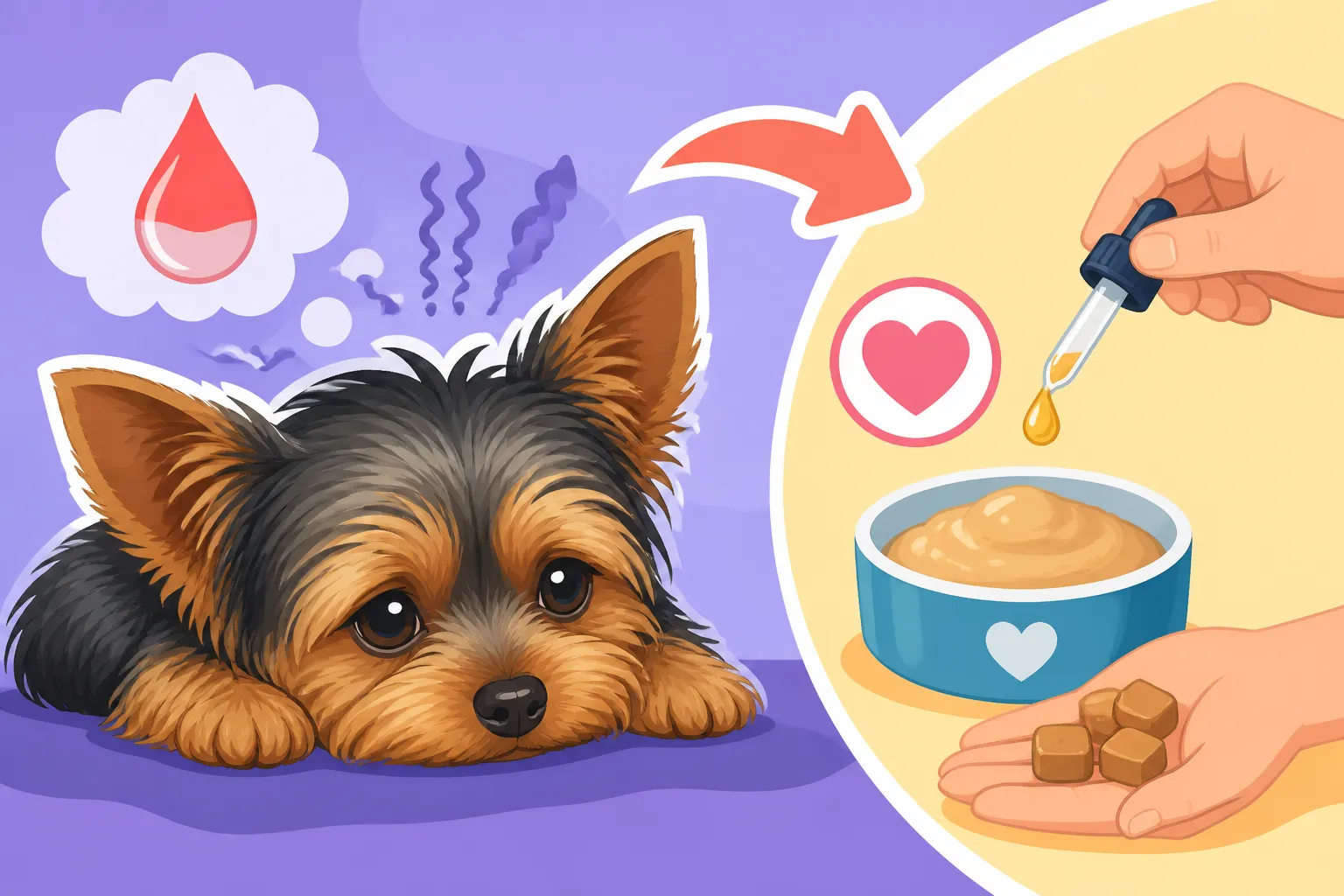
Yorkie Low Blood Sugar: What to Do
It’s a heart-stopping moment for any Yorkie parent: you walk into the room, and your usually zippy little companion is suddenly lethargic, stumbling, or even worse, having a seizure. This terrifying scenario can often be attributed to hypoglycemia, a dangerously low blood sugar level that disproportionately affects tiny breeds like our beloved Yorkshire Terriers. This guide is here to equip you with the knowledge and actionable steps you need to identify, treat, and prevent low blood sugar episodes, ensuring your furry friend stays safe and healthy.
Understanding Hypoglycemia in Yorkshire Terriers
Hypoglycemia isn't just a minor issue; it's a serious medical condition where your Yorkie's blood glucose (sugar) levels drop too low. Glucose is the primary energy source for all of your dog's bodily functions, especially the brain. When levels fall, the brain and other organs don't receive enough fuel, leading to a cascade of concerning symptoms. For Yorkies, this is particularly critical due to their unique physiology.
Why Small Breeds Are Especially Susceptible
Yorkshire Terriers are renowned for their diminutive size, and while it adds to their undeniable charm, it also makes them more prone to hypoglycemia than larger breeds. Their small body mass means they have limited reserves of glycogen, which is the stored form of glucose in the liver. A larger dog has more "fuel in the tank," so to speak, to draw upon if they miss a meal or over-exert themselves. A Yorkie simply doesn't have that buffer.
Furthermore, young Yorkie puppies are at an even greater risk. Their livers are not yet fully developed and efficient at regulating blood sugar levels. A puppy’s metabolism is also incredibly fast, burning through calories and glucose at an alarming rate. This combination makes them highly vulnerable to sudden drops, especially if they’re stressed, haven't eaten in a few hours, or are dealing with a minor illness. It's why consistent feeding and careful monitoring are absolutely non-negotiable for Yorkie puppies.
Common Triggers for a Drop in Blood Sugar
Several factors can precipitate a hypoglycemic episode in a Yorkie, and understanding these triggers is key to prevention. One of the most common culprits is simply missing meals or going too long between them. A busy day, a change in routine, or even a picky eater can inadvertently lead to dangerously low glucose levels. Since Yorkies have such high metabolisms, they need frequent small meals to keep their blood sugar stable.
Beyond diet, strenuous exercise, especially without adequate caloric intake beforehand, can quickly deplete their limited sugar reserves. Imagine a tiny dog trying to keep up with a much larger one in a vigorous play session – their little bodies are working overtime. Stress, too, plays a significant role. A trip to the vet, a new environment, or even being left alone for too long can cause a surge in adrenaline that burns through glucose rapidly. In some cases, underlying health issues like a Yorkshire Terrier Portosystemic Shunt: Signs and Care or other metabolic disorders can also contribute to chronic hypoglycemia, making regular vet check-ups incredibly important.
Recognizing the Signs and Symptoms of Low Blood Sugar
Catching hypoglycemia early is paramount. As a Yorkie parent, you need to be hyper-vigilant for any subtle changes in your dog's behavior or energy levels. These little dogs are experts at hiding discomfort, but with low blood sugar, the signs can progress rapidly from mild to severe, making quick action essential.
Early Warning Signs to Watch For
Initially, your Yorkie might just seem a little "off." You might notice a subtle change in their usual peppy demeanor. They might be unusually quiet, appearing lethargic or sluggish, and perhaps less responsive to your calls or playtime invitations. Shivering or trembling, even if the room isn't cold, is a classic early sign of low blood sugar in tiny dogs. They might also appear disoriented, looking "spaced out" or staring blankly.
You might also observe restlessness or pacing, almost as if they're uncomfortable but can't articulate what's wrong. Sometimes, they'll seek out warmth or try to burrow into blankets, as their body temperature can drop slightly. These early signs, while seemingly minor individually, are significant clues when combined. If you see any of these, it’s a cue to check on their last meal and consider offering a quick sugar boost and a small meal. Don't wait for things to escalate; early intervention can prevent a more serious crisis.
Advanced Symptoms Requiring Immediate Intervention
If the early signs are missed or ignored, hypoglycemia can quickly advance to a critical stage that requires immediate and decisive action. Your Yorkie might start stumbling, walking with an uncoordinated gait as if they are drunk. Muscle twitching or tremors can become more pronounced and evolve into full-blown seizures. This is an incredibly frightening experience for any pet owner, and it’s a clear indication of a medical emergency.
In the most severe cases, your Yorkie might collapse, become unresponsive, or slip into a coma. Their gums might appear pale, and their breathing could become shallow. At this point, the brain is being starved of glucose, and permanent neurological damage or even death can occur without prompt intervention. It’s crucial to know how to respond effectively when these severe symptoms manifest, and this is where understanding Yorkie Hypoglycemia: Emergency Signs becomes absolutely vital.
Immediate First Aid for Hypoglycemia
When you spot the severe signs of low blood sugar, panic is a natural reaction. However, staying calm and acting quickly can make all the difference. Having a "hypoglycemia kit" ready with the necessary items can save precious minutes. The goal is to raise your Yorkie's blood sugar levels as rapidly and safely as possible.
Administering a Quick Sugar Source
The most critical first step is to get sugar into your Yorkie's system. You can use simple household items for this: Karo syrup (corn syrup), pancake syrup, or even honey. Do not try to force your Yorkie to swallow anything if they are unresponsive or having a seizure, as this can lead to choking or aspiration pneumonia. Instead, gently rub a small amount (about a quarter to half a teaspoon, depending on their size) onto their gums and under their tongue. The sugar will be absorbed directly into their bloodstream through the mucous membranes.
Repeat this process every 5-10 minutes until you see signs of improvement, such as them becoming more alert or attempting to lift their head. It’s a good idea to keep a small syringe (without a needle, often found in children's medicine kits) on hand to make application easier and more precise. Once they show signs of recovery, offer a small, easily digestible meal like boiled chicken and rice, or their regular food, to help stabilize their blood sugar further.
Keeping Your Yorkie Warm and Calm
While you're administering sugar, it’s also important to help your Yorkie regulate their body temperature and reduce stress. Hypoglycemia can often lead to a drop in body temperature, so wrap them gently in a warm towel or blanket. A quiet, dimly lit room can also help them relax and recover. Avoid loud noises or excessive handling that might add to their stress.
Remember, the goal is to provide immediate relief and then stabilize them. Even if they appear to fully recover after the sugar treatment, a vet visit is still highly recommended to determine the underlying cause and ensure there are no lasting effects or hidden issues. Many pet owners find that having pet insurance, like a policy from Healthy Paws, helps cover the unexpected costs of emergency visits and diagnostics for situations exactly like this.
When to Head to the Vet Immediately
Even if your Yorkie seems to bounce back after you administer sugar, a trip to the veterinarian is often non-negotiable. While the immediate crisis might be averted, the underlying cause of the hypoglycemic episode needs to be identified and addressed. If your Yorkie does not respond to sugar administration within 10-15 minutes, or if their condition worsens, you need to get them to an emergency vet immediately. Do not delay; every minute counts.
At the vet, they will likely perform blood tests to check glucose levels and other vital parameters. They might administer intravenous (IV) glucose to rapidly stabilize your dog and keep them on a steady drip until their levels normalize. The vet will also look for any contributing factors, such as infections, liver issues, or other metabolic problems. If you're wondering When to Take Your Yorkie to the Vet, a severe hypoglycemic episode is definitely one of those times. It's an emergency that warrants professional medical attention without question.
Here's a quick guide to immediate sugar sources:
| Sugar Source | How to Administer | Pros | Cons |
|---|---|---|---|
| Karo Syrup | Rub 1/4 – 1/2 tsp on gums/under tongue. | Widely available, quick absorption, thick consistency. | Can be messy. |
| Honey | Rub 1/4 – 1/2 tsp on gums/under tongue. | Natural, quick absorption, often on hand. | Sticky, some dogs dislike taste. |
| Pancake Syrup | Rub 1/4 – 1/2 tsp on gums/under tongue. | Common household item, sweet. | Often contains artificial flavors/colors, thinner consistency. |
| Glucose Gel | Follow product instructions, usually squeezed on gums. | Designed for quick absorption, convenient. | May not be readily available for all owners. |
Long-Term Prevention and Management Strategies
The scary experience of a hypoglycemic episode can be a powerful motivator to implement strategies that prevent future occurrences. Proactive care is truly the best defense when it comes to managing your Yorkie’s delicate blood sugar balance. This involves a multi-faceted approach, focusing on diet, lifestyle, and consistent veterinary oversight.
Establishing Consistent Feeding Schedules
One of the cornerstones of preventing hypoglycemia in Yorkies is a strict and consistent feeding schedule. Forget free-feeding; these little guys need structured meals. For most adult Yorkies, two to three small meals a day are ideal. However, puppies, especially those under six months, may need three to four even smaller meals spaced throughout the day, perhaps every 4-6 hours, to keep their blood sugar stable. Consider a tiny "bedtime snack" right before you go to sleep to tide them over until morning.
Choose a high-quality, nutrient-dense dog food appropriate for small breeds. Brands like Royal Canin or Hill's Science Diet often have formulations specifically designed for the metabolic needs of small dogs. These foods provide sustained energy and help avoid rapid spikes and drops in blood sugar. If your Yorkie is a picky eater, which many are, ensure they are actually consuming enough food. Don't let them skip meals, as this is a primary trigger for low blood sugar. You can find more detailed guidance in our article on How to Prevent Hypoglycemia in Yorkies.
Managing Exercise and Stress Effectively
While Yorkies definitely need regular exercise to stay healthy and happy, it’s crucial to manage their activity levels to prevent over-exertion, which can lead to a rapid depletion of glucose. Instead of one long, intense play session, opt for several shorter, moderate walks or indoor playtimes throughout the day. Always provide a small meal or high-protein snack before and after exercise, especially if it's going to be a particularly active outing.
Stress is another major factor that can contribute to hypoglycemia, as the body burns more energy when under duress. Try to minimize stressful situations for your Yorkie. If a stressful event is unavoidable, such as a vet visit or travel, ensure they’ve had a small meal recently and perhaps offer a calming treat beforehand. Providing a safe, quiet space for them to retreat to can also help manage anxiety. Remember, a calm Yorkie is generally a healthier Yorkie.
Regular Vet Check-ups and Ongoing Monitoring
Regular veterinary check-ups are essential for all dogs, but for Yorkies, they are particularly important for monitoring and preventing hypoglycemia. Your vet can assess your dog's overall health, recommend appropriate dietary adjustments, and catch any underlying medical conditions that might predispose them to low blood sugar. For instance, sometimes a Yorkie Liver Shunt: Diet and Care is the root cause, and early diagnosis makes a huge difference.
It's wise to discuss your Yorkie's specific feeding schedule, exercise routine, and any previous hypoglycemic episodes with your vet. They might recommend specific blood tests to monitor glucose levels, especially if your Yorkie has had recurrent episodes. Having a solid relationship with your vet and openly discussing your Yorkie's health history can provide peace of mind and help you stay on top of any potential issues. Don't forget that budgeting for these routine visits and potential emergencies is part of being a responsible pet parent, and pet insurance options from companies like Healthy Paws can often alleviate some of that financial burden. You might want to explore articles like Yorkshire Terrier Vet Costs and Health Budget to get a better understanding of potential expenses.
What to Expect at the Vet After an Episode
Even if you've successfully administered immediate first aid at home, a follow-up vet visit is crucial. Your veterinarian will not only confirm the diagnosis of hypoglycemia but will also work to uncover why it happened. This thorough investigation is vital for preventing future occurrences and ensuring your Yorkie's long-term health.
Diagnosis and Treatment at the Clinic
When you arrive at the clinic, the vet will perform a comprehensive physical examination. They will immediately check your Yorkie’s blood glucose level, which can be done quickly with a small blood sample. If levels are still critically low, they may administer an intravenous (IV) dextrose solution, which is pure glucose, to rapidly raise and stabilize blood sugar. This fast and direct approach is usually very effective in reversing acute hypoglycemia.
Beyond immediate stabilization, your vet will conduct further diagnostics. This could include a full blood panel to check organ function, electrolyte balance, and look for signs of infection. They might also recommend urinalysis or even imaging tests like an ultrasound to investigate potential underlying causes such as a Yorkshire Terrier Portosystemic Shunt: Treatment Options or pancreatic issues. The goal is not just to treat the symptom but to diagnose and address the root problem.
Ongoing Care and Home Management Prescribed by Your Vet
Once your Yorkie is stable and the vet has a clearer picture of the cause, they will develop a personalized long-term care plan. This plan might involve specific dietary recommendations, such as prescribing a therapeutic diet or a strict feeding schedule with smaller, more frequent meals. Your vet may also suggest specific supplements or medications, especially if an underlying condition like a liver shunt or adrenal insufficiency is identified.
You'll receive detailed instructions on how to monitor your Yorkie at home for any recurrence of symptoms, and what steps to take if they do. It’s also common for vets to advise keeping a quick-sugar source on hand at all times, along with a written emergency plan. This is where pet insurance from a reliable provider like Healthy Paws can truly shine, as ongoing medical management, special diets, and regular monitoring can incur significant costs over time. Understanding How to Keep a Yorkshire Terrier Healthy involves consistent adherence to these vet-prescribed plans.
Disclaimer
Please note that this article is intended for informational purposes only and should not be considered a substitute for professional veterinary advice. Always consult with a qualified veterinarian for any health concerns or before making any decisions about your pet's medical care. In case of an emergency, contact your nearest veterinary clinic immediately.