Yorkshire Terrier Dental Disease: Treatment Options
It's heartbreaking to realize your beloved Yorkshire Terrier might be silently suffering from dental pain. Many of us Yorkie parents know that persistent bad breath isn't just unpleasant; it's often the first warning sign of a much deeper, more serious issue: dental disease. It’s a common frustration, feeling helpless when you notice your little one isn't eating quite right or shies away when you touch their mouth. This comprehensive guide is here to walk you through the various treatment options available, so you can help your furry friend find relief and regain their sparkling smile.
Unpacking Yorkshire Terrier Dental Disease
Dental disease, or periodontal disease, in Yorkshire Terriers isn't just about a little plaque; it's a progressive and often painful condition that affects their gums, teeth, and even their overall health. Our tiny Yorkies are particularly prone to these issues, and it's something every Yorkie parent needs to be acutely aware of from puppyhood. Their small mouths can lead to overcrowded teeth, creating perfect little nooks and crannies for plaque and tartar to accumulate.
What Exactly Is Happening in Your Yorkie's Mouth?
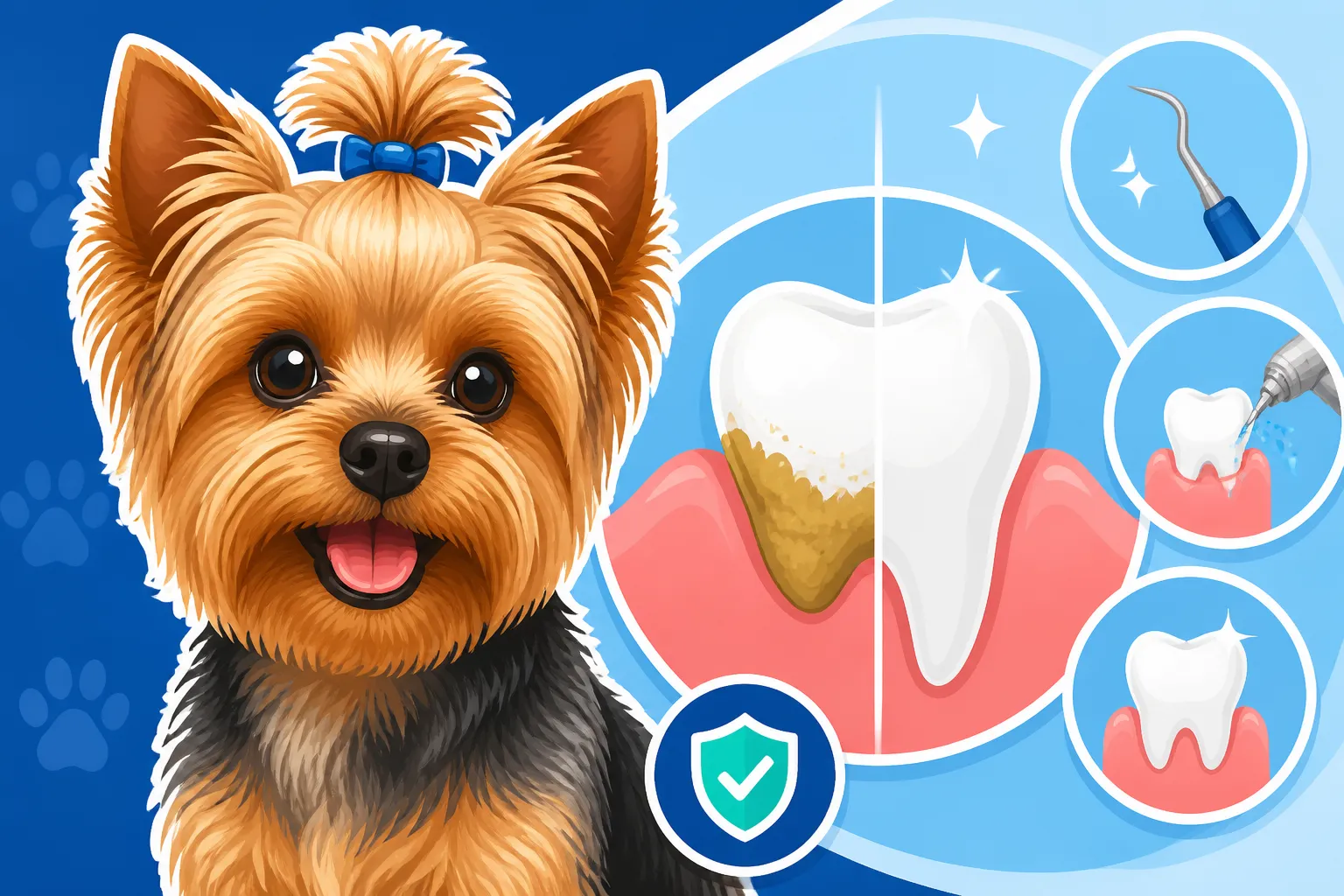
Let's break down the stages. It all starts with plaque, that soft, sticky film of bacteria, saliva, and food particles that constantly forms on teeth. If plaque isn't removed regularly through brushing or chewing, it hardens into tartar (or calculus). This rough, mineralized substance then clings tightly to the teeth, providing an even better surface for more plaque to accumulate.
The visible tartar on the outside of the teeth is really just the tip of the iceberg. The real damage often happens below the gum line. When plaque and tartar build up here, they irritate the gums, leading to gingivitis—an inflammation of the gums. You might notice redness, swelling, or even bleeding gums. At this stage, gingivitis is usually reversible with professional cleaning. However, if left untreated, the inflammation progresses to full-blown periodontal disease. This is where the bacteria start to destroy the supporting structures of the teeth, including the bone and ligaments. Pockets form between the teeth and gums, filling with more bacteria, pus, and debris, leading to infections and painful tooth loss. It's a silent battle happening inside their mouths, which is why regular veterinary check-ups and vigilance are so vital. You can learn more about specific ailments your furry friend might encounter in our guide on Yorkshire Terrier Health Problems to Know.
Why Yorkies Are More Susceptible
It's not just bad luck; there are several anatomical reasons why our beloved Yorkshire Terriers seem to be predisposed to dental woes. As mentioned, their petite mouths are a significant factor. Imagine trying to fit a full set of adult teeth into a space designed for something much smaller—it often results in crowded or rotated teeth. These misaligned teeth are notoriously difficult to clean, even with diligent brushing, because food particles and plaque get trapped easily between them.
Additionally, genetics can play a role. Some Yorkies naturally have less resilient gum tissue or a predisposition to faster plaque and tartar buildup. Their diet and chewing habits also contribute; soft, wet food can stick to teeth more readily, while a lack of appropriate dental chews means less natural scrubbing action. Combine these factors, and it becomes clear why dental disease is one of the most common health issues veterinarians see in Yorkshire Terriers. This is why understanding Yorkshire Terrier Dental Disease: Signs and Care is so important for early intervention.
Non-Surgical Strategies for Managing Dental Disease
When we talk about "treatment" for dental disease, it's crucial to understand that non-surgical methods are primarily effective for prevention and for managing the very earliest stages of plaque and gingivitis. Once periodontal disease has taken hold and there's bone loss or significant infection, surgical intervention is almost always necessary. However, for maintenance and preventing things from getting worse, these non-surgical approaches are invaluable.
Professional Dental Cleanings (Under Anesthesia)
Even if your Yorkie’s teeth look relatively clean, a professional dental cleaning under anesthesia is the gold standard for truly assessing and addressing dental health. Many people worry about anesthesia, especially for small dogs like Yorkies, but modern veterinary anesthesia protocols are very safe, particularly when proper precautions are taken. Before any procedure, your veterinarian will typically recommend pre-anesthetic bloodwork to ensure your Yorkie's organs are functioning well enough to safely metabolize the anesthesia.
During the cleaning, your Yorkie will be carefully monitored by veterinary staff. The vet will perform a thorough oral exam, which often includes dental X-rays. X-rays are absolutely critical because they reveal the hidden damage beneath the gum line—things like bone loss, root resorption, or impacted teeth that are impossible to see with the naked eye. Then, a specialized ultrasonic scaler is used to remove plaque and tartar from above and below the gum line. This is followed by hand scaling to ensure every surface is clean, and finally, the teeth are polished to smooth out any microscopic etches, making it harder for plaque to stick again. While it's a "cleaning," this procedure is the most comprehensive non-surgical treatment for early-stage dental disease, reversing gingivitis and preventing progression. If you're wondering How Often Yorkies Need Dental Cleaning, your vet can provide a personalized schedule based on your dog's specific needs.
At-Home Dental Care Routines
Once your Yorkie's teeth are professionally cleaned, the real work of maintaining that cleanliness begins at home. This is your first line of defense against the rapid return of plaque and tartar. The most effective at-home method, bar none, is daily tooth brushing.
Brushing: It might seem daunting with a tiny Yorkie, but with patience and positive reinforcement, most dogs can learn to tolerate or even enjoy it. You'll need a small, soft-bristled toothbrush designed for pets or a finger brush, and enzymatic dog toothpaste (never human toothpaste, as it contains ingredients toxic to dogs). Start slowly, letting your Yorkie lick the toothpaste off the brush, then gently rub their gums, gradually working up to brushing for 30 seconds to a minute on each side of their mouth. Focus on the outside surfaces of the teeth, as these are where plaque tends to accumulate most. Consistency is key here. Learning How to Brush a Yorkie's Teeth correctly can make a huge difference.
Dental Chews and Treats: While brushing is ideal, some Yorkies simply won't cooperate. In such cases, or as a supplement to brushing, dental chews and treats can be helpful. Look for products that are Veterinary Oral Health Council (VOHC) approved. The VOHC seal indicates that the product has met standards for reducing plaque and/or tartar. These aren't magic bullets, but they can offer some mechanical abrasion to help clean teeth. Remember to choose chews that are appropriately sized for your Yorkie to prevent choking hazards and those that won't fracture their tiny teeth. Brands like Greenies or Virbac C.E.T. VeggieDent chews are often recommended by vets. For more options, check out our guide on Best Dental Chews for Yorkies.
Water Additives and Oral Rinses: These products contain ingredients designed to reduce bacteria in the mouth or break down plaque. They are generally easy to administer—you just add them to your Yorkie's drinking water or apply the rinse directly. Again, look for VOHC-approved products for proven efficacy. They can be a good addition to a comprehensive home care routine but should not be considered a standalone solution for treating active dental disease. These methods are best for preventing plaque buildup and can help address concerns like Yorkie Bad Breath: Causes and Fixes.
Surgical Interventions: When and Why
When dental disease progresses beyond reversible gingivitis, involving bone loss, deep pockets, or infected teeth, surgical intervention becomes the necessary course of action. This is where your veterinarian will discuss procedures that go beyond a simple cleaning to truly resolve the painful and potentially dangerous underlying issues.
Anesthesia and Comprehensive Oral Assessment
Any significant dental procedure for a Yorkie will require general anesthesia. As a Yorkie parent, it’s completely normal to feel a surge of worry about this, but understanding the steps taken to ensure their safety can provide peace of mind. Prior to anesthesia, a thorough physical exam and often a full panel of pre-anesthetic bloodwork will be performed. This helps the vet identify any underlying health issues, such as kidney or liver problems, that might affect how your Yorkie handles anesthesia. In some cases, an ECG (electrocardiogram) might also be recommended to check heart function.
Once safely under anesthesia, the real work begins. The vet will perform a comprehensive oral assessment, which includes:
- Charting: Each tooth is individually examined, probed, and charted to record any abnormalities like gum recession, pocket depth, or visible damage.
- Dental Radiographs (X-rays): This is perhaps the most crucial part of the assessment. Dental X-rays allow the vet to see what's happening below the gum line, where 60-70% of dental disease hides. They can reveal bone loss around tooth roots, abscesses, unerupted teeth, and other issues that are invisible to the naked eye. Without X-rays, many painful problems would go undiagnosed.
This thorough assessment under anesthesia allows the vet to create a precise treatment plan tailored to your Yorkie’s specific needs.
Scaling, Root Planing, and Extractions
Once the assessment is complete, the actual treatment phases begin, often involving a combination of techniques:
Advanced Scaling and Root Planing: After the initial ultrasonic scaling removes visible plaque and tartar from above and below the gum line, a technique called root planing may be performed. This involves carefully cleaning and smoothing the root surfaces of teeth that have deep periodontal pockets. The goal is to remove bacteria and toxins from the root surface, making it smoother and less hospitable for future bacterial attachment, and encouraging the gum tissue to reattach to the tooth. This is a meticulous process that helps save teeth that are affected by moderate periodontal disease but aren't yet irreversibly damaged.
Tooth Extractions: This is often the most common surgical intervention for advanced dental disease in Yorkies. When a tooth is severely diseased, infected, or has significant bone loss around its root, extraction is often the kindest and most effective solution. While losing a tooth might sound scary, leaving a painful, infected tooth in place causes chronic discomfort and can lead to systemic health problems, as bacteria from the mouth can enter the bloodstream and affect organs like the heart, kidneys, and liver.
The extraction process involves careful surgical removal of the tooth, often requiring delicate techniques to ensure the entire root is removed and the surrounding bone is preserved. The gum tissue is then sutured closed, promoting healing and comfort. Your vet will explain which teeth need to be extracted and why, ensuring you understand the rationale behind each decision. They may even show you the X-rays to illustrate the extent of the damage. While the cost of these procedures can be a concern, exploring options like pet insurance from providers such as Healthy Paws can help manage the financial aspect of unexpected veterinary care. For a better understanding of potential expenses, consider reviewing our article on Yorkshire Terrier Vet Costs and Health Budget.
Advanced Procedures and Referral Options
In cases of very severe or complex dental disease, your primary veterinarian might recommend a referral to a veterinary dental specialist. These specialists have advanced training and equipment to perform procedures beyond standard extractions, such as:
- Periodontal Surgery: Procedures to regenerate lost bone or gum tissue around teeth, or to reduce deep periodontal pockets.
- Endodontics (Root Canals): For fractured teeth or teeth with pulp infections, a root canal can save the tooth, similar to human dentistry.
- Restorations: Filling cavities or repairing damaged teeth.
- Orthodontics: Addressing severe malocclusions (misaligned bites) if they are causing pain or hindering proper chewing.
While these advanced procedures are less common for typical dental disease in Yorkies, it's important to know that these options exist if your Yorkie's condition warrants them. A referral ensures your Yorkie receives the highest level of specialized care.
Below is a helpful table summarizing typical dental disease stages and their corresponding treatment approaches.
| Stage of Dental Disease | Description | Primary Treatment Goals | Common Treatment Options |
|---|---|---|---|
| Stage 0: Healthy | No signs of inflammation or disease. | Prevention | Daily brushing, dental chews, water additives, regular vet check-ups. |
| Stage 1: Gingivitis | Mild inflammation of the gums, no bone loss. | Reverse inflammation, prevent progression | Professional dental cleaning (scaling & polishing under anesthesia), enhanced home care. |
| Stage 2: Early Periodontitis | Mild bone loss, pockets up to 25% of root length. | Halt progression, preserve teeth | Professional dental cleaning (scaling, root planing under anesthesia), diligent home care. |
| Stage 3: Moderate Periodontitis | Moderate bone loss, pockets 25-50% of root length. | Address infection, relieve pain, save salvageable teeth | Professional dental cleaning, root planing, potentially some extractions, antibiotics. |
| Stage 4: Advanced Periodontitis | Severe bone loss, pockets >50% of root length, mobility. | Eliminate pain, remove infected teeth | Multiple tooth extractions, advanced surgical procedures, pain management, antibiotics. |
Post-Treatment Care and Long-Term Prevention
Undergoing dental treatment, especially extractions, can be a significant event for your Yorkie. The care you provide immediately after the procedure and in the long term is crucial for a smooth recovery and preventing future issues.
Immediate Post-Operative Care at Home
When your Yorkie comes home from a dental procedure, they might still be a little groggy from the anesthesia. Your vet will provide specific instructions, but generally, expect the following:
- Medication: You'll likely be sent home with pain medication and possibly antibiotics. Administer these exactly as prescribed to manage discomfort and prevent infection. Mark your calendar or set reminders so you don't miss a dose. If you're using a pill pocket or hiding medication in food, ensure your Yorkie actually consumes it, especially if they're a picky eater.
- Soft Food: For several days, your Yorkie will need a soft food diet. This minimizes discomfort on their gums, especially if extractions were performed. Canned dog food, or kibble softened with warm water, are good options. Slowly transition back to their regular food as directed by your vet.
- Rest and Quiet: Your Yorkie will need a quiet, comfortable place to rest and recover. Limit strenuous activity, jumping, and rough play for at least a week, or as advised by your vet. Keep an eye on the incision sites for any excessive swelling, bleeding, or discharge.
- Monitoring: Observe your Yorkie for any signs of continued pain (e.g., reluctance to eat, pawing at their mouth, lethargy), or complications like vomiting or diarrhea. Don't hesitate to call your vet if you have any concerns. Remember, knowing When to Take Your Yorkie to the Vet is critical for their well-being.
Establishing a Lifelong Dental Health Plan
Preventing the recurrence of dental disease is an ongoing commitment. Think of it as a marathon, not a sprint. A dedicated dental health plan is essential for your Yorkie's long-term well-being.
- Consistent Home Care: Re-establish or start a daily tooth brushing routine once your Yorkie has fully recovered. This is the single most impactful thing you can do at home. Continue to use VOHC-approved dental chews, water additives, or oral rinses as supplementary tools.
- Regular Veterinary Check-ups: Your vet will recommend a schedule for follow-up dental checks, often annually, to monitor their oral health and catch any new issues early. These routine visits are crucial for early detection and intervention.
- Appropriate Diet: Discuss your Yorkie's diet with your vet. Sometimes, a specific dental diet formulated to help reduce plaque and tartar can be beneficial. These kibbles are often larger and designed to provide a gentle abrasive action as your dog chews.
- Be Proactive, Not Reactive: Don't wait until you notice bad breath or visible tartar. Dental disease often progresses silently. By being proactive with home care and regular vet visits, you can significantly reduce the chances of your Yorkie needing extensive surgical treatments down the road. This overall approach is key to How to Keep a Yorkshire Terrier Healthy for a long and happy life.
- Pet Insurance Considerations: Dental disease treatment can be costly, especially if extractions or advanced procedures are required. Many pet insurance plans, like those offered by Healthy Paws, can cover a significant portion of these veterinary expenses, making it easier to provide your Yorkie with the best possible care without financial stress. It's definitely worth looking into the options, including the annual caps and deductible options, to ensure you're prepared for any future health needs your little one might face. Getting a plan like Healthy Paws when your Yorkie is young and healthy can be a smart move, as pre-existing conditions are typically not covered.
By understanding the progression of dental disease, knowing the available treatment options, and committing to a diligent home care routine, you can ensure your Yorkshire Terrier enjoys a comfortable, pain-free life with a healthy smile.
Disclaimer
The information provided in this article is for general informational purposes only and is not a substitute for professional veterinary advice. Always consult with a qualified veterinarian for any health concerns or before making any decisions related to your pet's health and treatment.