How to Prevent Liver Shunt in Yorkies
Discovering that your beloved Yorkshire Terrier might be prone to a serious health condition like a liver shunt can be incredibly unsettling. It’s a complex issue that can throw even the most dedicated dog parent for a loop, leaving you wondering what you could possibly do to protect your tiny companion. This comprehensive guide is designed to empower you with knowledge and actionable steps, helping you understand, minimize the risks, and proactively manage concerns related to liver shunts in Yorkshire Terriers, ensuring you can provide the best possible care for your furry family member.
Understanding Liver Shunts in Yorkshire Terriers
When we talk about liver shunts in Yorkies, it often sounds like a really complicated medical term, and in some ways, it is. But at its heart, it's a problem with how blood flows to and from the liver, and because Yorkshire Terriers are particularly susceptible, it's something every Yorkie owner should be aware of.
What Exactly is a Liver Shunt?
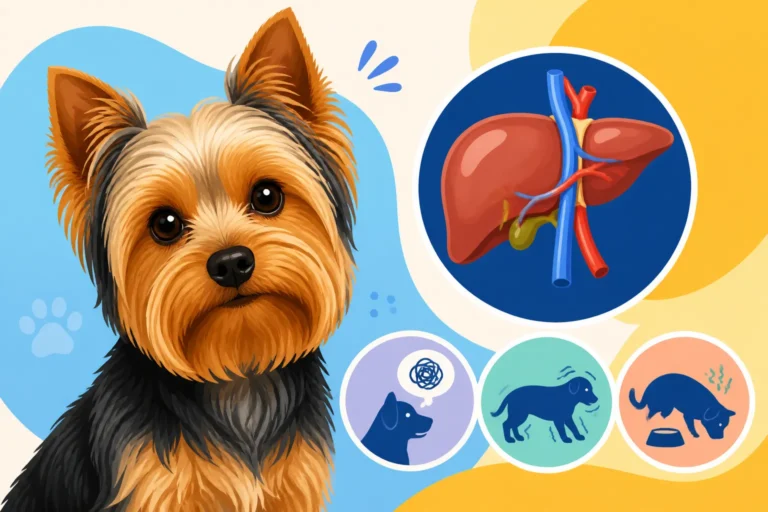
A liver shunt, medically known as a portosystemic shunt (PSS), occurs when an abnormal blood vessel allows blood to bypass the liver instead of flowing through it. Think of your liver as the body's primary filtration system and processing plant. It's supposed to detoxify the blood, removing harmful substances and metabolizing nutrients from the digestive tract before that blood recirculates throughout the body. When a shunt is present, toxins, nutrients, and waste products from the intestines bypass the liver and go straight into the general circulation. This means your Yorkie's body, particularly their brain, is exposed to substances that should have been filtered out, leading to a host of problems.
There are two main types: extrahepatic (outside the liver) and intrahepatic (inside the liver). In small breeds like Yorkshire Terriers, extrahepatic shunts are far more common. These are usually congenital, meaning the puppy is born with the condition. The severity can vary greatly depending on the size and location of the shunt, and sometimes, a Yorkie might have multiple shunts, complicating the situation further. Understanding this basic mechanism is the first step in comprehending why this condition can be so devastating if left unchecked, and why prevention, even if it means mitigating risk, is so crucial.
Why Yorkies Are Prone to Liver Shunts
It's a frustrating reality that some breeds just seem to draw the short straw when it comes to certain genetic predispositions, and sadly, Yorkshire Terriers are high on the list for liver shunts. It's not your fault, or your dog's fault; it’s largely a genetic lottery. Research indicates a significant hereditary component, meaning the condition can be passed down through generations. This is one of the primary reasons why finding a reputable breeder is so incredibly important, as they will screen their breeding stock to avoid perpetuating such genetic issues.
Their small size may also play a role. While the exact reasons for the breed-specific predisposition aren't fully understood, it's a well-established fact in veterinary medicine. Other small breeds like Maltese, Shih Tzus, and Cairn Terriers also have higher incidences, but Yorkies consistently appear at the top of the list. This genetic link underscores why true prevention often starts even before your puppy comes home – by carefully selecting a healthy lineage. It's a heavy burden for such tiny dogs, and it’s why owners need to be extra vigilant and informed.
Recognizing the Signs of a Liver Shunt
The signs of a liver shunt can be incredibly varied and often mimic other conditions, which can make diagnosis tricky without a vet. However, knowing what to look for can prompt you to seek veterinary attention sooner, which is critical for a better outcome. Symptoms typically appear in puppies or young adult dogs, usually by six months to two years of age, though some subtle cases might not show up until later.
Common signs include:
- Poor growth and small size: Despite eating, your Yorkie puppy might remain significantly smaller than their littermates or fail to thrive. They might look "runty" or have a poor coat quality.
- Neurological signs: These are often the most alarming. Because toxins are bypassing the liver and affecting the brain, you might see disorientation, head pressing (pushing their head against a wall or furniture), circling, aimless wandering, seizures, blindness, or even sudden aggression. These symptoms often worsen after meals, especially high-protein ones.
- Gastrointestinal issues: Vomiting, diarrhea, and excessive thirst or urination are common. Your Yorkie might also seem lethargic or depressed.
- Urinary tract problems: The buildup of waste products can lead to bladder stones, which might manifest as frequent urination, straining to urinate, or blood in the urine.
- Pica: Some Yorkies with shunts might develop unusual appetites, like eating dirt or inappropriate objects.
It's important to remember that these signs can fluctuate, with good days and bad days, which sometimes delays proper diagnosis. If you notice any of these symptoms in your Yorkie, especially if they are young, don't hesitate to reach out to your veterinarian. Early intervention is not just helpful; it can be life-saving. For more information on various health concerns, you might want to look into common issues like Yorkshire Terrier Patellar Luxation: Signs and Care or Yorkshire Terrier Collapsing Trachea: Signs and Care as well.
Early Detection and Diagnosis are Key to Prevention
While the term "prevention" for a congenital condition like a liver shunt might seem counterintuitive, in this context, it often means preventing the severe progression of the disease or its life-threatening complications. The absolute best way to do this is through early detection. The sooner a shunt is identified, the more options you have for management and treatment, significantly improving your Yorkie's prognosis and quality of life.
The Importance of Early Veterinary Check-ups
Bringing a new puppy home is an exciting time, but it also marks the beginning of your responsibilities as a pet parent, especially concerning their health. Regular, thorough veterinary check-ups from the moment you bring your Yorkie puppy home are absolutely critical. A good vet will not just give vaccinations but will also perform a comprehensive physical examination, looking for any subtle signs that could indicate underlying issues. They'll monitor growth, discuss diet, and evaluate overall development.
For a breed predisposed to liver shunts, your veterinarian might recommend specific screening tests earlier than for other breeds, or at least be on high alert for any unusual symptoms you report. These initial visits, often detailed in a guide like Yorkshire Terrier Puppy Health Guide, are foundational. It's during these early appointments that a skilled vet might pick up on a slight delay in growth, a subtle neurological tremor, or a history of intermittent vomiting that, when put together, points towards a potential shunt. Don't skip these crucial check-ups, and always be prepared to share any observations, no matter how minor they seem.
Diagnostic Tests for Liver Shunts
If your vet suspects a liver shunt based on clinical signs or breed predisposition, they will recommend specific diagnostic tests to confirm the diagnosis. The cornerstone of diagnosis is often a bile acid test. This involves two blood samples: one taken after a 12-hour fast, and another two hours after a small meal. High levels of bile acids in the blood indicate that the liver isn't effectively clearing them, suggesting a shunt. This test is relatively non-invasive and provides a strong indicator.
Beyond the bile acid test, other diagnostic tools include:
- Blood work: A complete blood count (CBC) and biochemistry panel might show abnormalities such as low blood urea nitrogen (BUN), low albumin, and abnormal liver enzyme levels, though these are not definitive on their own.
- Urinalysis: May reveal ammonium biurate crystals, which are a strong indicator of a liver shunt.
- Imaging: This is where things get more definitive.
- Ultrasound: A specialized abdominal ultrasound performed by an experienced veterinary radiologist can often visualize the abnormal vessel bypassing the liver. This is non-invasive and often the next step after a positive bile acid test.
- CT angiography: This is a more advanced imaging technique that provides a detailed, three-dimensional view of the blood vessels, making it the most accurate method for identifying and mapping the shunt, which is crucial for surgical planning.
- Portography: This invasive procedure involves injecting a dye into a blood vessel and taking X-rays to visualize the abnormal blood flow. It's less common now with the advent of CT angiography but can still be used.
The goal of these tests isn't just to confirm the shunt but to understand its exact location and size, which dictates the best course of action. Detecting these conditions early can prevent serious, irreversible damage and allow for effective management. Remember, pet insurance from providers like Healthy Paws can be a significant help in covering the costs associated with these complex diagnostics and subsequent treatments, easing the financial burden during a stressful time.
Practical Strategies to Minimize Risk and Manage Predisposition
While some aspects of liver shunt prevention are beyond an owner's control due to genetics, there are powerful proactive steps you can take. These strategies primarily focus on responsible pet ownership, early screening, and diligent home care to either prevent the condition from occurring in the first place or to mitigate its effects.
Responsible Breeding Practices
This is arguably the most crucial "preventive" measure for congenital conditions like liver shunts. If you are considering bringing a Yorkshire Terrier puppy into your home, the journey begins with selecting a truly reputable breeder. A responsible breeder is deeply invested in the health of their lines and takes proactive steps to minimize genetic health issues.
Here’s what to look for and expect:
- Health Screening: Reputable breeders will screen their breeding dogs for various genetic conditions, including conducting bile acid tests on potential parents. They should be transparent about their dogs' health histories and be able to provide documentation of these screenings. Ask them directly about their practices regarding liver shunt screening in their breeding program.
- Pedigree Awareness: They should be knowledgeable about the pedigrees of their dogs and any history of liver shunts in ancestral lines. A good breeder will avoid breeding dogs from lines known to produce shunts.
- Transparency and Questions: A breeder should be happy to answer all your questions about health, temperament, and care. They should also ask you questions to ensure their puppy is going to a good home. Beware of breeders who seem hesitant to discuss health issues or rush the process.
- Facility Visit: Ideally, you should be able to visit the breeder's facility, see the parents, and observe the living conditions. This provides insight into the care and environment the puppies are raised in.
Choosing a puppy from a breeder who prioritizes health and responsible practices is your best defense against inherited conditions like liver shunts. It’s an investment that pays off in a healthier, happier life for your Yorkie. For more guidance on this crucial step, read our detailed guide on How to Find a Reputable Yorkie Breeder.
Dietary Management and Nutritional Support
Diet plays a pivotal role in managing a liver shunt, and in some cases, can even help reduce the severity of symptoms in undiagnosed or medically managed cases. While diet alone can't cure a liver shunt, a carefully controlled diet can significantly decrease the workload on the liver and reduce the production of toxins that bypass it.
The primary goal of a therapeutic diet for a Yorkie with a liver shunt is to:
- Lower Protein Intake: Protein is essential, but its digestion produces ammonia, a major toxin that the liver usually filters. A lower-protein diet reduces ammonia production. However, it's a delicate balance; your Yorkie still needs enough protein for muscle maintenance and overall health. The type of protein matters too; digestible sources like dairy, eggs, and certain plant-based proteins are often preferred over red meats.
- Provide Easily Digestible Carbohydrates: These provide energy without adding much to the liver's burden.
- Include Soluble Fiber: Fiber helps bind to toxins in the gut, promoting their excretion and reducing absorption into the bloodstream.
- Support Liver Function: Supplements like S-Adenosylmethionine (SAMe) and milk thistle are often recommended by vets to support liver health, though they should only be given under veterinary guidance.
Commercial prescription diets specifically formulated for liver support are available from brands like Royal Canin, Hill's Prescription Diet, and Purina Pro Plan Veterinary Diets. These diets are carefully balanced to provide appropriate nutrition while minimizing hepatic encephalopathy. Never switch your Yorkie to a special diet without consulting your veterinarian, as an unbalanced homemade diet can cause more harm than good. Your vet can provide specific recommendations tailored to your Yorkie's individual needs. This specific dietary approach is often discussed in more detail in articles like Yorkie Liver Shunt: Diet and Care.
Monitoring for Early Symptoms at Home
As your Yorkie's primary caregiver, you are on the front lines of their health. Consistent, attentive monitoring at home is a powerful preventive tool, allowing for the earliest possible detection of any issues. You know your Yorkie's normal behavior, energy levels, and appetite better than anyone, so even subtle changes can be red flags.
Keep a mental (or even physical) checklist of your Yorkie’s daily habits:
- Appetite and Thirst: Is your Yorkie eating normally? Are they drinking excessively? Any sudden loss of appetite or a change in water intake could signal a problem.
- Energy Levels: Are they as playful and active as usual? Unexplained lethargy or weakness, especially after meals, warrants attention.
- Growth and Development: For puppies, consistently compare their size and weight to typical growth charts for the breed. If they're not gaining weight as expected, it's a concern.
- Behavioral Changes: Watch for any signs of confusion, disorientation, head pressing, pacing, or uncharacteristic aggression. These neurological signs are particularly important to catch early.
- Gastrointestinal Issues: Keep an eye on vomiting, diarrhea, or changes in stool consistency.
- Urination: Notice if your Yorkie is urinating more frequently, straining, or if there's any blood in their urine, which could indicate bladder stones.
If you observe any of these symptoms, especially a combination of them, contact your vet immediately. Don't wait to see if it "gets better." Quick action can make a world of difference. Regular wellness checks and your astute observations are invaluable for your Yorkie’s long-term health. Knowing When to Take Your Yorkie to the Vet is crucial.
Living with a Yorkie at Risk or Diagnosed with a Liver Shunt
Even with the best preventive efforts, sometimes a liver shunt is diagnosed. This can feel overwhelming, but it's important to remember that a diagnosis is not a death sentence. There are effective medical and surgical management options available, and with diligent care, many Yorkies can live long, happy, and fulfilling lives. The goal shifts from pure prevention to comprehensive management and maximizing their quality of life.
Medical Management and Treatment Options
For some Yorkies, particularly those with milder symptoms or certain types of shunts, medical management can be a viable long-term solution. This approach focuses on controlling the symptoms and minimizing the production and absorption of toxins in the body.
Key components of medical management include:
- Specialized Diet: As discussed, a low-protein, highly digestible prescription diet is fundamental. This reduces the burden on the liver and the amount of ammonia produced.
- Lactulose: This synthetic sugar is a cornerstone of medical management. It works by drawing ammonia from the blood into the colon, where it's then excreted. It also acidifies the colon, which helps trap ammonia ions. Lactulose also acts as a laxative, speeding up the transit of food and toxins through the digestive tract.
- Antibiotics: Oral antibiotics, such as metronidazole or ampicillin, are often prescribed to reduce the number of ammonia-producing bacteria in the gut.
- Supplements: Liver support supplements like SAMe, milk thistle, and vitamin B complexes may be recommended to aid liver function.
Medical management requires strict adherence to diet and medication schedules, as well as close monitoring by your vet. While it can be very effective in controlling symptoms, it does not correct the underlying anatomical problem. It's often used as a temporary measure before surgery, or as a sole treatment for dogs unsuitable for surgery.
Surgical Intervention and Post-Operative Care
For most Yorkies with a single, extrahepatic liver shunt, surgical correction is the treatment of choice and offers the best long-term prognosis. The goal of surgery is to close or constrict the abnormal blood vessel, forcing blood to flow through the liver as it should.
Several surgical techniques exist:
- Ligation: The abnormal vessel is tied off. This can sometimes be done completely in one go, but often, it's done gradually over time with devices like ameroid constrictors or cellophane banding to allow the liver to adjust to the increased blood flow.
- Ameroid Constrictor: This is a ring-shaped device placed around the shunt. It contains casein, which slowly absorbs bodily fluids and swells, gradually closing the shunt over several weeks. This allows the liver to adapt slowly, reducing the risk of portal hypertension.
- Cellophane Banding: Similar to an ameroid constrictor, a piece of cellophane is wrapped around the shunt. The body's inflammatory response causes fibrosis and gradual closure of the shunt.
Post-operative care is crucial and involves strict rest, continued dietary management, pain medication, and potentially antibiotics. Your Yorkie will need regular follow-up appointments, including repeat bile acid tests, to ensure the shunt is closing properly and liver function is improving. Full recovery can take several weeks to months, and some dogs may require lifelong medical management even after successful surgery. Given the complexity and cost of such procedures, having pet insurance like Healthy Paws can truly alleviate the financial stress, allowing you to prioritize your Yorkie's health without compromise.
Long-Term Outlook and Quality of Life
The long-term outlook for a Yorkshire Terrier diagnosed with a liver shunt varies significantly depending on several factors: the type of shunt, the age at diagnosis, the severity of symptoms, and crucially, whether medical or surgical treatment is pursued.
- Surgical Correction: For Yorkies who undergo successful surgical correction, the prognosis is generally good to excellent. Many can go on to live normal, healthy lives with no further symptoms or need for medication. However, some may still require ongoing dietary management or intermittent medication. Regular monitoring by your vet is essential to catch any potential complications or recurrence.
- Medical Management: For dogs managed medically, the prognosis is often more guarded. While symptoms can be controlled, the underlying problem remains, and there's a risk of recurring neurological crises (hepatic encephalopathy) or other complications. The goal is to maintain a good quality of life for as long as possible.
- Potential Complications: Even after surgery, potential complications can arise, such as portal hypertension, continued neurological signs, or the development of new shunts (though rare). This underscores the need for continued vigilance and veterinary care.
With dedicated owners and attentive veterinary teams, many Yorkies with liver shunts can enjoy a good quality of life for many years. It requires commitment, patience, and a deep understanding of their specific needs. It's a journey, but one well worth taking for your beloved companion. Understanding things like How Long Do Yorkshire Terriers Live or knowing about Yorkshire Terrier Senior Care Guide can provide comfort and context for their potential lifespan.
Key Preventative Actions and Their Impact
To help summarize the main ways you can actively work towards preventing or managing liver shunts in your Yorkshire Terrier, here’s a handy table outlining the key actions and their direct impact.
| Preventative Action | Description | Impact on Liver Shunt Risk/Severity |
|---|---|---|
| Choose a Reputable Breeder | Research and select breeders who health-test their breeding stock, understand genetic predispositions, and prioritize health over profit. Ask about bile acid tests for parent dogs. | Significantly reduces the risk of acquiring a puppy with a congenital liver shunt, as responsible breeders will avoid perpetuating the genetic predisposition. |
| Early and Regular Veterinary Check-ups | Ensure your Yorkie puppy has comprehensive initial vet visits and continues with routine wellness exams throughout their life. Be observant and report any unusual symptoms immediately. | Facilitates early detection of subtle signs of a shunt, allowing for timely diagnosis and intervention before symptoms become severe or irreversible damage occurs. Crucial for preventing progression. |
| Appropriate Diet (if at risk) | For Yorkies identified as high-risk or with a confirmed shunt, feed a specialized, low-protein, highly digestible prescription diet recommended by your vet. | Minimizes the production of toxins like ammonia, reducing the workload on the liver and preventing or lessening the severity of neurological symptoms (hepatic encephalopathy). This is a management strategy, not a cure. |
| Administer Prescribed Medications | If your Yorkie is diagnosed with a shunt and on medical management, strictly follow your vet's instructions for medications like lactulose and antibiotics. | Helps control toxin levels in the blood, particularly ammonia, by promoting its excretion and reducing its production by gut bacteria. Essential for managing symptoms and maintaining quality of life in medically managed cases. |
| Observe for Subtle Behavioral Changes | Pay close attention to your Yorkie's energy levels, appetite, thirst, and any changes in neurological behavior (disorientation, head pressing, circling, seizures). | Allows for the earliest possible recognition of symptoms, enabling prompt veterinary consultation and diagnosis. This can prevent the condition from escalating to a critical or life-threatening stage. |
| Consider Pet Insurance | Invest in a comprehensive pet insurance plan, such as those offered by Healthy Paws, early in your Yorkie's life. | While not preventing the condition, it prevents financial stress during diagnosis and treatment, ensuring you can afford the best possible care, including expensive diagnostics and surgeries, without hesitation. |
Disclaimer
The information provided in this guide is for informational purposes only and does not constitute veterinary medical advice. Always consult with a qualified veterinarian for any health concerns or before making any decisions about your pet's health or treatment.