Yorkshire Terrier Bladder Stones: Treatment Options
Finding out your beloved Yorkshire Terrier has bladder stones can be a truly upsetting and confusing experience. It’s a common but painful condition that can leave you feeling helpless, watching your little companion struggle with discomfort. This comprehensive guide is here to walk you through the various treatment options available for Yorkie bladder stones, from dietary management to surgical interventions, so you can make informed decisions for your furry family member's health and well-being.
Understanding Yorkshire Terrier Bladder Stones
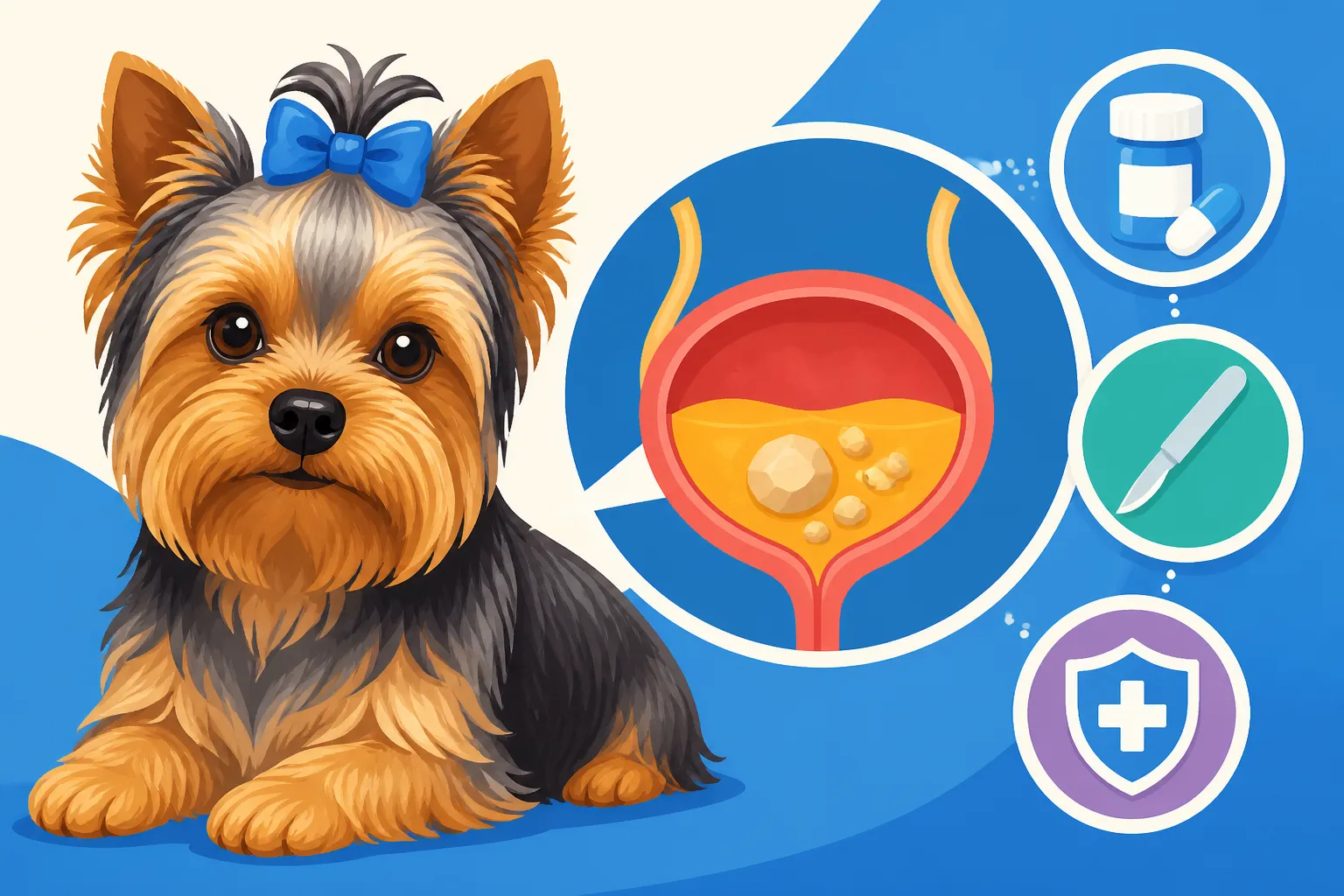
Before we dive into the nitty-gritty of treatment, it’s really helpful to understand what bladder stones are, why they happen in our tiny Yorkies, and how veterinarians figure out they're even there. Bladder stones, or uroliths, are simply mineral concretions that form in the urinary bladder. They can range in size from tiny grains of sand to pebbles as large as a golf ball, and they can cause a lot of pain and serious health issues if left untreated.
Types of Bladder Stones Common in Yorkies
Not all bladder stones are created equal, and knowing the type is absolutely critical because it dictates the best course of treatment. In Yorkshire Terriers, the most common culprits are struvite stones and calcium oxalate stones. Struvite stones often develop in conjunction with a urinary tract infection, as certain bacteria can alter the urine pH, creating a prime environment for these minerals to crystalize. They're like little magnets for infection.
Calcium oxalate stones, on the other hand, tend to form in more acidic urine and aren't typically associated with infections. Yorkies, along with a few other small breeds, have a genetic predisposition to these particular stones. It’s like they won't even give you a break! Less common types include urate, cystine, and silicate stones, but your vet will usually focus on ruling out struvite and calcium oxalate first. Identifying the exact type of stone through laboratory analysis is the cornerstone of effective treatment, so don't be surprised when your vet sends samples off for a comprehensive work-up.
Recognizing the Signs and Symptoms
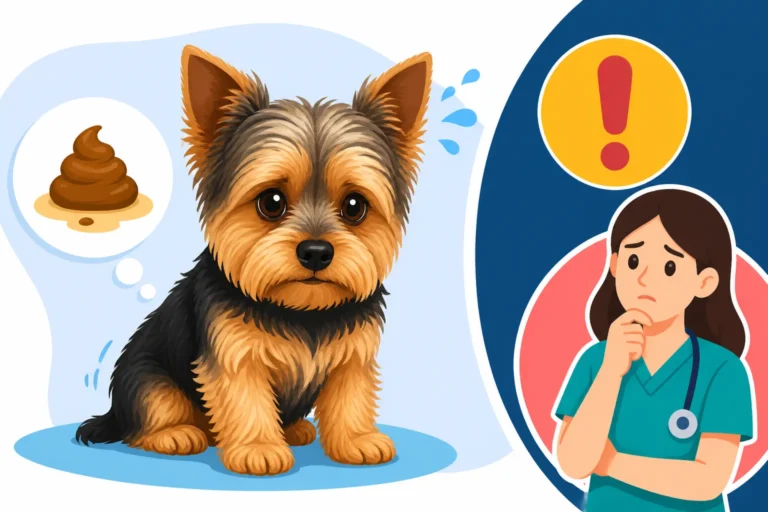
One of the biggest frustrations for Yorkie parents is that these little dogs are so good at hiding discomfort, making it hard to spot problems until they’re quite advanced. However, there are several key indicators that your Yorkie might be suffering from bladder stones. You might notice them straining to urinate, often producing only a few drops, or trying to go to the bathroom much more frequently than usual. They might even have accidents in the house, which is completely out of character for a house-trained dog. If you’re seeing these signs, it's definitely time to consider "When to Take Your Yorkie to the Vet".
Other red flags include blood in their urine, which can make the pee look pinkish or reddish, or excessive licking of their genital area due to irritation. Some Yorkies might show general signs of malaise, such as lethargy, a decreased appetite, or crying out when they try to urinate. Remember, any change in your Yorkie's urination habits should be taken seriously. Don't brush it off as just "being old" or "stubborn"; it could be a sign of significant pain from bladder stones or other serious issues, like a urinary tract infection.
How Bladder Stones Are Diagnosed
Diagnosing bladder stones involves a combination of tests that help your vet get a clear picture of what’s going on inside your Yorkie. The first step usually involves a thorough physical examination and a detailed discussion of your dog's symptoms. Your vet will likely request a urinalysis, which involves analyzing a urine sample for pH, presence of blood, crystals, bacteria, and signs of infection. This test is invaluable because it can often give clues about the type of stones present and whether an infection is also brewing.
Beyond urinalysis, imaging techniques are essential. X-rays are a common diagnostic tool, as many bladder stones (especially struvite and calcium oxalate) are radiopaque, meaning they show up clearly on an X-ray. However, some stone types aren't visible this way, so your vet might also recommend an ultrasound. An ultrasound provides a real-time, detailed view of the bladder lining, allowing the vet to see even small or radiolucent stones, assess bladder wall thickness, and check for any blockages in the urethra. For a complete overview of potential health issues, you might want to review Yorkshire Terrier Health Problems to Know.
Conservative (Non-Surgical) Treatment Options
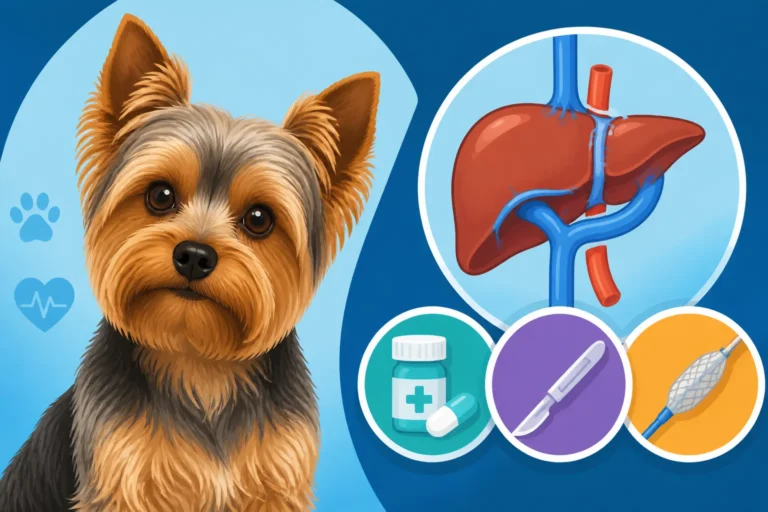
When your vet diagnoses bladder stones, the good news is that surgery isn’t always the first or only answer. For certain types of stones, particularly struvite stones, a non-surgical approach can be highly effective. This path focuses on dissolving the stones and managing any underlying issues, often avoiding the need for invasive procedures.
Dietary Management for Stone Dissolution
One of the most powerful tools in the non-surgical treatment of bladder stones is specialized dietary management. This isn't just about changing kibble; it's about using prescription therapeutic diets specifically formulated to alter the urine environment and dissolve stones. For struvite stones, diets designed to acidify the urine and contain controlled levels of magnesium, phosphorus, and protein are typically prescribed. Brands like Hill's Prescription Diet c/d Multicare or Royal Canin Urinary SO are common examples. These diets essentially make the bladder an inhospitable place for struvite crystals to form and can gradually shrink existing stones over several weeks or months.
It's crucial that your Yorkie eats only the prescription diet during this treatment phase. No treats, no table scraps, nothing that could counteract the precise balance of the diet. Consistency is key, and it truly is an all-or-nothing approach. Regular follow-up urinalyses and X-rays or ultrasounds will be necessary to monitor the stone's progress and ensure complete dissolution. If you're struggling with your Yorkie's food choices, our guide on Best Dog Food for Yorkshire Terriers might offer some insights into general nutrition, but always defer to your vet for therapeutic diets.
Medications and Supportive Care
Alongside dietary changes, your vet will often prescribe medications to support your Yorkie's recovery and comfort. If a urinary tract infection is present, a course of antibiotics is essential to clear it up, as infections often contribute to struvite stone formation. The specific antibiotic will depend on the results of a urine culture and sensitivity test, ensuring the medication targets the exact bacteria involved. Pain relievers and anti-inflammatory medications might also be given to help manage any discomfort your Yorkie is experiencing from the bladder stones themselves or from the irritation they cause to the bladder lining.
Sometimes, your vet might also suggest supplements that support urinary tract health, though these are typically secondary to diet and antibiotics. Increased water intake is a simple yet effective supportive measure; encouraging your Yorkie to drink more water helps dilute the urine, making it less concentrated with stone-forming minerals and flushing the urinary system more frequently. This can be achieved by adding water to their food, offering a pet drinking fountain, or simply ensuring fresh water is always available. All these supportive measures contribute significantly to a smoother recovery and can help prevent recurrence.
Hydration and Lifestyle Adjustments
Beyond specific diets and medications, there are practical lifestyle adjustments that can play a significant role in managing and preventing bladder stones. Keeping your Yorkie well-hydrated is paramount. Think about it: diluted urine means fewer concentrated minerals that can clump together to form stones. Encourage water intake by always providing fresh, clean water, adding a little water or broth to their kibble, or even investing in a pet drinking fountain that might entice them to drink more. Frequent potty breaks are also vital. The longer urine sits in the bladder, the more time minerals have to settle and crystalize.
Taking your Yorkie out for bathroom breaks every few hours, rather than just a couple of times a day, can make a real difference. For Yorkshire Terrier Daily Care Routine, incorporating these frequent breaks is a must. For small dogs, bladder retention can be a big problem. This constant flushing action helps prevent the accumulation of minerals. If you have an older Yorkie, especially one that might be slowing down, these frequent trips are even more important. These seemingly small changes are crucial, not just during treatment, but as part of a long-term preventive strategy to maintain a healthy urinary system.
Surgical and Advanced Treatment Options
While conservative management is a great first step for some stone types, there are many situations where surgical intervention or more advanced procedures become necessary. This is especially true for stones that can't be dissolved by diet, are too large, or are causing a dangerous obstruction. It's a scary thought, but modern veterinary medicine offers effective solutions.
Cystotomy for Stone Removal
When diet isn't an option (as is often the case with calcium oxalate stones) or if the stones are too large, too numerous, or causing a urinary obstruction, a cystotomy is the most common and effective surgical procedure. A cystotomy involves your veterinary surgeon making an incision into your Yorkie's abdomen to directly access the bladder. The bladder is then carefully opened, and the stones are physically removed. The surgeon will also thoroughly flush the bladder to ensure no small fragments or crystals are left behind.
This procedure has a very high success rate for removing existing stones. After the stones are removed, they are sent to a specialized laboratory for analysis to determine their exact composition. This information is invaluable for creating a long-term prevention plan, which often involves specific diets and supplements to prevent recurrence. Recovery from a cystotomy typically involves a few weeks of restricted activity, pain medication, and careful monitoring, but most Yorkies bounce back remarkably well. For potential costs associated with such procedures, our guide on Yorkshire Terrier Vet Costs and Health Budget can offer more insight.
Minimally Invasive and Advanced Techniques
Beyond traditional surgery, there are a few advanced options that may be considered depending on the size, type, and location of the bladder stones, as well as the specific expertise available at your veterinary clinic or a specialist center.
- Urohydropropulsion: This technique is a less invasive option for very small stones. Under sedation or general anesthesia, a catheter is inserted into the bladder, and the bladder is filled with saline. By creating a sudden, high-pressure stream, the small stones can be flushed out of the bladder through the urethra. This is typically only successful for tiny stones that can pass easily, which might be challenging for a male Yorkie due to their narrower urethra.
- Lithotripsy: This cutting-edge procedure uses high-energy sound waves to break larger stones into smaller fragments that can then be passed naturally or removed via urohydropropulsion. While more commonly used in larger dogs or humans, veterinary specialists sometimes offer extracorporeal (outside the body) or intracorporeal (inside the body, via endoscopy) lithotripsy for smaller dogs, though it's not as widely available.
- Cystoscopy: For certain types of stones, a cystoscope (a tiny camera with instruments) can be inserted into the urethra and bladder to directly visualize and, in some cases, remove smaller stones or fragments without needing a full abdominal incision. This procedure is less invasive, but its applicability is limited by stone size and location, as well as the size of the Yorkie's urethra.
These advanced options, while less common for all cases, offer innovative alternatives that minimize surgical trauma and recovery time when appropriate.
Post-Treatment Care and Prevention Strategies
Getting rid of bladder stones is a huge relief, but it’s really only half the battle. The most important part now is to prevent them from coming back, which, unfortunately, is a very real possibility, especially with calcium oxalate stones. A comprehensive post-treatment plan is crucial for your Yorkie's long-term health and comfort.
Monitoring and Follow-Up Care
After any treatment for bladder stones, whether surgical or dietary, vigilant monitoring is absolutely essential. Your vet will schedule regular follow-up appointments, which will likely include repeat urinalyses, often every few months, to check urine pH, crystal formation, and for any signs of infection. Imaging, such as X-rays or ultrasounds, will also be periodically performed to confirm that no new stones are forming. This might feel like a lot of vet visits, but it's the best way to catch any recurrence early, before it becomes a major problem again. Early detection can prevent much pain and potentially more invasive procedures for your furry friend.
It's a testament to good pet parenting to stick to these appointments and communicate any subtle changes you notice at home. Sometimes, the first sign of recurrence might be very slight changes in urination habits or discomfort. Being proactive and staying in touch with your veterinary team is the key to managing this chronic condition effectively.
Long-Term Dietary Strategies
For many Yorkies, a specialized diet isn't just a temporary treatment; it becomes a long-term, lifelong commitment. This is particularly true for Yorkies prone to calcium oxalate stones, as these often cannot be dissolved and must be managed preventatively. Your vet will recommend a maintenance prescription diet designed to create an unfavorable environment for stone formation, helping to prevent new crystals from accumulating. Again, diets like Hill's c/d Multicare or Royal Canin Urinary SO are frequently used for long-term management of both struvite and calcium oxalate risks.
Adhering strictly to this diet, with no deviation for other foods or treats (unless they are vet-approved prescription treats), is paramount. Even small amounts of "off-diet" food can disrupt the carefully balanced urinary environment. Imagine the frustration of doing all that work, only to have stones return because of a well-intentioned, but ultimately detrimental, treat! This long-term commitment to diet, along with adequate hydration, forms the backbone of preventing future stone issues. This is also where understanding topics like How to Keep a Yorkshire Terrier Healthy becomes critical for their overall well-being.
The Importance of Regular Veterinary Checks
Regular check-ups are always important for our pets, but they become even more critical for a Yorkie with a history of bladder stones. These routine visits allow your vet to perform comprehensive physical exams, discuss any changes in your dog's behavior or habits, and conduct preventive screenings like urinalysis before serious problems arise. It's truly about proactive health management rather than reactive crisis intervention. Your vet can also advise on supplements that might aid urinary health, proper hydration techniques, and even lifestyle tips specific to your Yorkie's needs.
Dealing with bladder stones can be financially daunting, from initial diagnosis to potential surgical interventions and ongoing preventive diets. This is where pet insurance, like a comprehensive plan from Healthy Paws, can become an invaluable part of your Yorkie's healthcare strategy. Having the peace of mind that a significant portion of these costs could be covered allows you to focus on getting your dog the best possible care without added financial stress. Exploring options like Pet Insurance for Yorkshire Terriers is a smart move for any Yorkie parent. By working closely with your vet and staying on top of preventive care, you can significantly reduce the risk of your Yorkie developing bladder stones again and ensure they lead a comfortable, happy life. For more specific care advice, you might find How to Prevent Bladder Stones in Yorkies helpful.
Comparative Overview of Bladder Stone Treatment Approaches
To help you visualize the different paths your vet might recommend, here’s a quick overview of common bladder stone types and their primary treatment strategies. This table is a general guide; your vet's specific recommendations will always be tailored to your Yorkie's unique situation.
| Stone Type | Common Causes | Primary Treatment Approaches | Recovery & Prevention Focus |
|---|---|---|---|
| Struvite | Urinary tract infections (UTIs), alkaline urine | Prescription dissolution diet, antibiotics for UTIs | Eradicating UTI, long-term acidifying diet, frequent urination, monitoring for infection |
| Calcium Oxalate | Genetic predisposition, acidic urine, breed-specific metabolic factors | Surgical removal (cystotomy), sometimes urohydropropulsion | Lifelong specialized diet (e.g., lower protein, oxalate), increased water intake, regular monitoring |
| Urate | Genetic predisposition (e.g., Portosystemic Shunt), diet, liver issues | Dissolution diet (low protein), medications (e.g., allopurinol), surgery for large stones | Managing underlying liver conditions, strict low-purine diet, hydration |
| Cystine | Genetic metabolic defect (rare in Yorkies, more common in other breeds) | Dissolution diet (alkalizing), specific medications, surgical removal | Special diet, medications to prevent crystal formation |
This table is a simplified guide. Always consult with your veterinarian for a precise diagnosis and personalized treatment plan for your Yorkshire Terrier.
Disclaimer
This article provides general information about Yorkshire Terrier bladder stone treatment options and is not a substitute for professional veterinary medical advice. Always consult with a qualified veterinarian for any health concerns or before making any decisions about your pet's health and treatment plan. The information herein is for educational purposes only and should not be used to diagnose or treat any medical condition in your pet.