Yorkshire Terrier Reverse Sneezing: Treatment Options
It can be incredibly frightening to witness your beloved Yorkshire Terrier suddenly start making a loud, snorting, gasping sound, almost as if they can't breathe. This alarming episode, often mistaken for choking, is actually known as reverse sneezing, and while it's usually harmless, knowing the treatment options and when to seek help can bring immense peace of mind. This guide will walk you through understanding reverse sneezing, managing an episode, and exploring both immediate and long-term solutions for your little companion.
What Exactly is Reverse Sneezing in Yorkies?
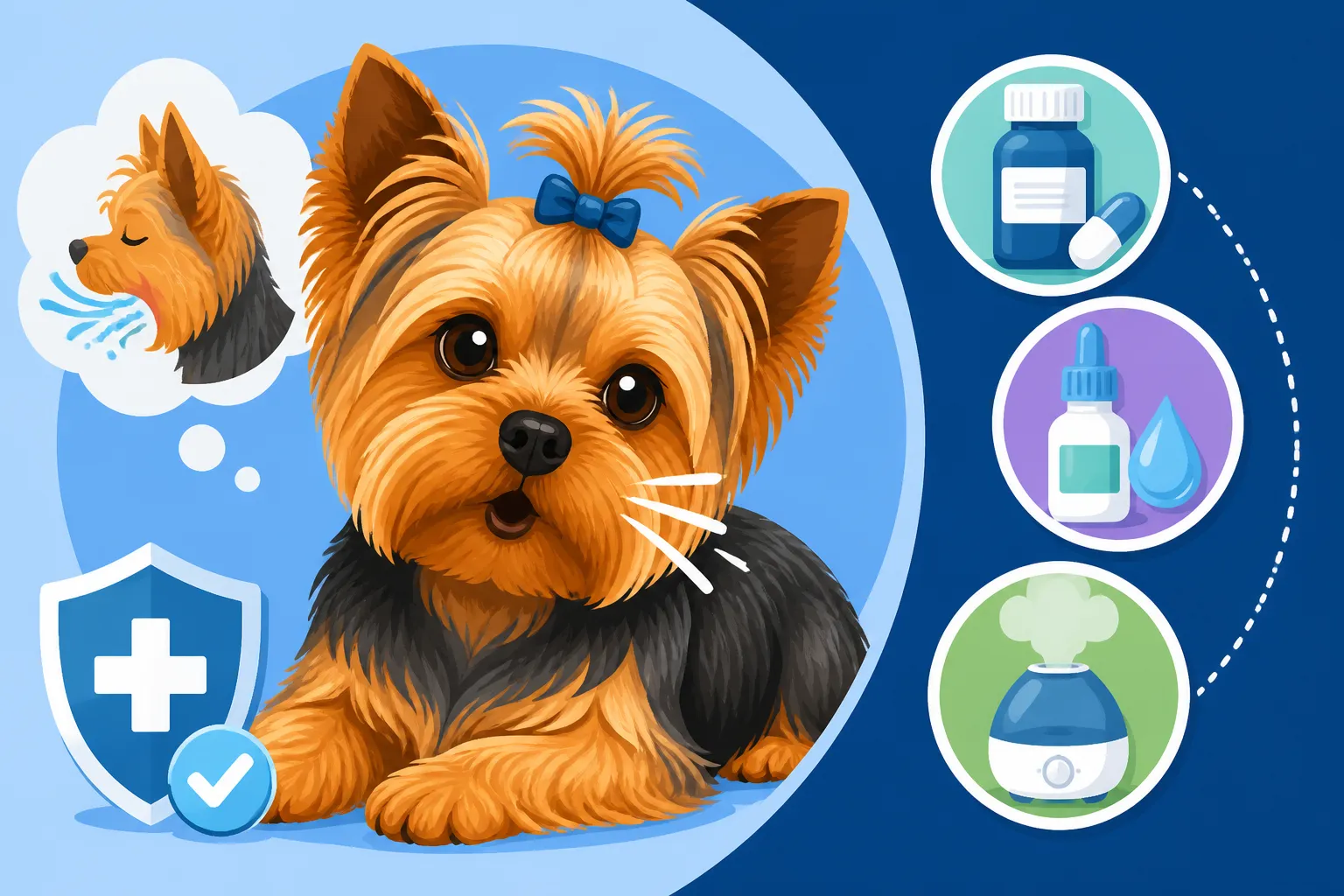
Reverse sneezing, medically known as paroxysmal respiration, is a common phenomenon in small breeds like Yorkshire Terriers. It's essentially a sudden, rapid, and forced inhalation through the nose, causing those distinctive snorting or gagging sounds. Unlike a regular sneeze, which is a forceful expulsion of air, a reverse sneeze is the opposite – an uncontrolled, rapid sucking in of air. Imagine trying to quickly inhale when your throat is ticklish, and you'll get a sense of what your Yorkie experiences.
This reflex occurs when something irritates the soft palate and throat. The soft palate, located at the back of the roof of the mouth, spasms, and the trachea (windpipe) constricts. Your Yorkie's natural response is to try and clear the irritation by rapidly inhaling, leading to the characteristic noisy episodes. While it sounds terrifying, especially with their small size, it's generally a benign condition that resolves on its own within a minute or two.
Many Yorkie owners initially panic, thinking their dog is choking or having an asthma attack. It's a natural reaction to such an intense-sounding event! However, understanding the mechanics helps you realize that your Yorkie is still able to breathe, albeit noisily. They are not suffocating, and typically, once the spasm passes and the irritant is cleared, they'll go right back to whatever they were doing as if nothing happened.
Common Triggers for Yorkshire Terrier Reverse Sneezing
Pinpointing the exact cause of every reverse sneezing episode can be like finding a needle in a haystack, but there are several common triggers that frequently set off this reflex in Yorkies. Being aware of these can help you better manage your environment and potentially reduce the frequency of episodes.
Environmental Irritants and Allergens
Just like us, Yorkies can be sensitive to things in their environment. Dust, pollen, mold, and strong chemical odors can easily irritate their delicate nasal passages and throat. Imagine a tiny dog with their nose closer to the ground, picking up all sorts of airborne particles. Things like strong perfumes, aerosol sprays, air fresheners, cleaning products, and even certain types of candles or diffusers can be major culprits. If you notice your Yorkie having episodes after you've just cleaned the house or lit a new candle, those might be your triggers.
Seasonal allergies can also play a significant role. If your Yorkie's reverse sneezing seems worse during certain times of the year, especially spring or fall when pollen counts are high, allergies might be contributing. Keeping your home clean and well-ventilated, using air purifiers, and opting for pet-safe, unscented cleaning supplies can make a world of difference for a sensitive little nose.
Excitement, Stress, and Rapid Ingestion
Yorkies are known for their lively personalities and can get quite excited or stressed. A sudden burst of excitement, like greeting you at the door after a long day, or feeling stressed by a new situation or loud noises, can trigger a reverse sneeze. This is often due to the rapid intake of air that accompanies these emotional states, which can irritate the soft palate.
Similarly, eating or drinking too quickly can sometimes lead to an episode. When a Yorkie gulps down food or water, especially from a bowl on the floor, they might accidentally inhale some particles or water droplets, leading to irritation. Consider using a slow feeder bowl if your Yorkie tends to eat too fast. Even something as simple as pulling on a collar can put pressure on their windpipe and initiate a spasm. This is why many vets and experienced Yorkie owners recommend harnesses over traditional collars for walks and daily wear, as discussed in Why Harnesses Are Better Than Collars for Yorkies.
Temperature Changes and Other Factors
Sudden shifts in temperature can also be a trigger. Walking your Yorkie from a warm house directly into cold outdoor air, or vice versa, can sometimes cause their airways to react. Dry air, particularly during winter months when indoor heating is on, can also be irritating. A humidifier in the room where your Yorkie spends most of their time might offer some relief if dry air seems to be a trigger.
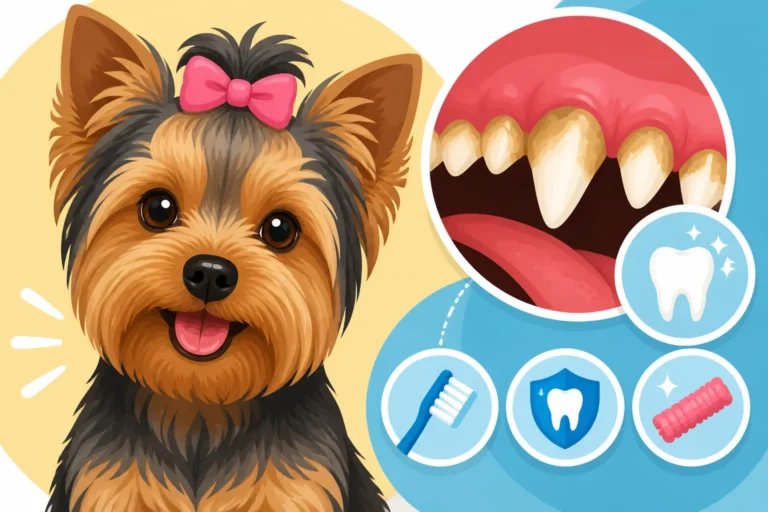
While less common, some underlying issues can increase the likelihood of reverse sneezing, such as mild respiratory infections, an elongated soft palate (a common characteristic in brachycephalic or "flat-faced" breeds, though less pronounced in Yorkies), or even dental problems that lead to inflammation in the oral cavity. It's always wise to rule out any underlying health concerns with your veterinarian, especially if the episodes become more frequent or severe.
When to Be Concerned: Differentiating from More Serious Conditions
While most reverse sneezing episodes are benign and resolve quickly, it’s crucial for every Yorkie parent to know the difference between a typical snort-fest and something more serious. It's easy to get worried when your little one is making alarming noises, so understanding the distinctions is key to knowing when it's time to call the vet.
Comparing Reverse Sneezing with Other Respiratory Issues
Yorkies, due to their small size and sometimes delicate respiratory systems, can be prone to various breathing problems. It’s important to differentiate reverse sneezing from other conditions that might look or sound similar but require immediate medical attention.
Here's a quick comparison to help you tell the difference:
| Symptom | Reverse Sneezing | Regular Sneezing | Coughing | Choking | Collapsing Trachea |
|---|---|---|---|---|---|
| Sound | Loud snorting, honking, gagging, gasping | Explosive, short expulsion of air | Deep, harsh, dry cough (like a "goose honk"), sometimes wet | Silent (if complete blockage) or panicked gurgling, struggling to breathe | Dry, hacking cough, often described as a "goose honk," especially with excitement or collar pressure, can lead to respiratory distress |
| Breathing Pattern | Rapid, forceful inhalation | Forceful exhalation | Forceful exhalation, often followed by retching | Desperate, struggling inhalation and exhalation, no air moving | Wheezing, difficult breathing, panting, labored breathing, often worse with exercise or excitement, or pulling on the leash. |
| Body Language | Stands still, head extended, chest expanded | Head down, quick jerk of head, eyes may close | Standing or lying, often appears uncomfortable | Panicked, pawing at mouth, blue gums, collapse | Anxious, reluctant to move, open-mouth breathing, bluish gums in severe cases. |
| Duration | Usually 30 seconds to 2 minutes, then normal | Brief, single or multiple sneezes | Varies, can be intermittent or persistent, often associated with activity | Immediate and persistent, life-threatening | Intermittent but can worsen, chronic. |
| What to Look For | Appears fine before and after, no other symptoms | No other signs of distress, often clears irritant | May have phlegm, lethargy, loss of appetite, fever, can indicate infection | Obvious obstruction, distress, lack of oxygen | Worsening cough, increased respiratory effort, exercise intolerance, fainting in severe cases. |
This table should give you a clearer picture. If you're observing persistent coughing, especially a deep, harsh "goose honk" cough that seems to worsen, it might be a sign of Yorkshire Terrier Collapsing Trachea: Signs and Care, a condition more serious than reverse sneezing. This condition specifically affects the windpipe and can significantly impede breathing. Similarly, if your Yorkie is showing generalized Yorkie Breathing Problems Explained, it's always best to have a veterinarian check them out.
When to Seek Veterinary Attention
While most reverse sneezing episodes are benign, there are specific circumstances where a vet visit is absolutely warranted. Your gut feeling as a pet parent is often your best guide, but here are some clear indicators:
- Increased Frequency or Severity: If your Yorkie starts having reverse sneezing episodes much more often, or if the episodes last longer than a few minutes or seem more intense, it's time for a check-up.
- Accompanied by Other Symptoms: If reverse sneezing is happening alongside other worrying signs like lethargy, loss of appetite, vomiting, diarrhea, nasal discharge, pawing at the face, persistent coughing (as in a regular cough, not the reverse sneeze), or blue-tinged gums, seek immediate veterinary care. Blue gums indicate a lack of oxygen and are an emergency.
- Symptoms in Very Young Puppies or Senior Dogs: Puppies and older dogs can be more vulnerable. If a young puppy is having frequent or prolonged episodes, or if a senior Yorkie suddenly starts experiencing them, it's wise to consult your vet. Their immune systems or overall health might not be as robust.
- No Obvious Trigger: If you can't identify any environmental triggers or moments of excitement that could explain the episodes, it's worth investigating a potential underlying cause.
- Impact on Quality of Life: If the reverse sneezing seems to be genuinely distressing your Yorkie, making them anxious, or interfering with their daily activities, a veterinary evaluation can help explore solutions.
A vet can rule out conditions like respiratory infections, foreign objects in the throat or nasal passages, polyps, tumors, or heart conditions that might mimic or exacerbate breathing issues. They might perform a physical exam, listen to your Yorkie’s heart and lungs, or recommend further diagnostics like X-rays or a scope of the nasal passages or throat if a more serious issue is suspected. Early detection and treatment of underlying conditions are crucial for your Yorkie's long-term health.
Immediate Treatment Options for a Reverse Sneezing Episode
When your Yorkie is in the throes of a reverse sneezing episode, it can feel like an eternity, and your natural instinct is to help them. While the episode usually resolves on its own, there are several things you can do to try and shorten it and provide immediate comfort to your distressed pup. Remember, the goal is to help them calm down and clear whatever irritation is causing the spasm.
Calming Your Yorkie and Gentle Intervention
The first and often most important step is to remain calm yourself. Dogs are incredibly sensitive to our emotions, and if you get frantic, your Yorkie will pick up on that and become even more stressed, potentially prolonging the episode. Speak to them in a soothing, reassuring voice. Pet them gently, but avoid picking them up or holding them too tightly, as this might restrict their breathing further.
Once you're both calm, you can try some gentle interventions. A widely recommended technique is to gently massage your Yorkie's throat or the area under their chin. The light pressure and movement can sometimes help stimulate swallowing, which can help clear the irritant or interrupt the spasm. You might feel a slight movement or gulp, indicating the reflex has been stimulated.
Another technique is to briefly cover their nostrils for a second or two. This encourages them to swallow and can help reset their breathing. Be very gentle and quick; the aim is not to restrict air for long, but just long enough to prompt a swallow. Think of it as gently pinching your own nose when you feel a tickle in your throat. This usually makes you swallow or take a deeper breath, which can be enough to stop the reverse sneeze cycle.
Offering Water and Changing Position
Sometimes, a simple drink of water can do the trick. The act of swallowing water can help to dislodge any irritant in the throat or moisten dry mucous membranes, thereby calming the spasm. If your Yorkie is able to drink, offer a small amount in a shallow bowl or even from your hand. Don't force them to drink if they're struggling or clearly not interested, as this could cause them to choke on the water.
Changing your Yorkie's position can also be helpful. Gently encourage them to lie down or sit up, depending on what seems most comfortable for them. Sometimes, extending their neck slightly by gently holding their chin up can open the airway a bit more, allowing them to breathe more easily and clear the irritation. Just be mindful not to pull or strain their neck.
Finally, try to remove them from whatever environment might be triggering the episode. If they're near a dusty area, a strong smell, or in a room with a sudden temperature change, move them to a calmer, fresher spot. A breath of fresh, clean air can sometimes be all it takes to help them recover. Remember, these are immediate, short-term solutions to help your Yorkie through an episode. If episodes are frequent or severe, then long-term management and veterinary consultation are essential.
Long-Term Management and Prevention Strategies
While immediate interventions can help during a reverse sneezing episode, the real game-changer for Yorkie owners is implementing long-term strategies to reduce the frequency and intensity of these events. Prevention is always better than cure, and by making a few adjustments, you can create a more comfortable environment for your little companion.
Environmental Modifications
Your Yorkie's living space plays a huge role in their respiratory health. Start by assessing your home for potential irritants. This means keeping dust to a minimum – regular vacuuming with a HEPA filter vacuum, dusting surfaces, and washing pet bedding often can reduce airborne particles. Consider using an air purifier, especially in the rooms where your Yorkie spends the most time. These devices can significantly reduce pollen, dander, dust mites, and other allergens that can trigger reverse sneezing.
Be mindful of strong scents. Avoid using aerosol sprays, plug-in air fresheners, harsh chemical cleaners, or highly fragranced candles and diffusers around your Yorkie. Opt for natural, unscented cleaning products and keep your Yorkie out of the area when cleaning. If your home tends to be dry, especially during colder months, a humidifier can add moisture to the air, which can be soothing for their respiratory passages. Remember, your Yorkie's nose is often closer to the floor where many of these irritants accumulate, so a clean and fresh environment is paramount.
Adjusting Daily Routines and Gear
How your Yorkie eats, drinks, and walks can also impact reverse sneezing episodes. If your Yorkie tends to gulp food or water, consider investing in a slow feeder bowl. These bowls are designed with ridges or obstacles that force your dog to eat at a more measured pace, reducing the chances of inhaling food particles or water.
When it comes to walks, ditch the traditional collar if you haven't already. A harness, particularly one that distributes pressure across their chest and shoulders rather than their neck, can significantly reduce pressure on the trachea and minimize episodes triggered by leash pulling. As we touched on earlier, Why Harnesses Are Better Than Collars for Yorkies is a vital piece of knowledge for any Yorkie owner.
Managing excitement levels is another key strategy. While you don't want to stifle your Yorkie's joyful nature, try to keep greetings calmer and use positive reinforcement to encourage less frantic behavior when guests arrive or when you return home. Similarly, if your Yorkie gets stressed by certain situations, try to desensitize them gradually or provide a safe, quiet space during those times. Regular, moderate exercise is good for overall health but avoid overexertion, especially in extreme temperatures, as rapid breathing can sometimes trigger a spasm.
Regular Veterinary Care and Weight Management
Consistent veterinary check-ups are fundamental to your Yorkie’s overall health and can help catch or prevent issues that might contribute to reverse sneezing. During these visits, your vet can assess your Yorkie’s respiratory health and discuss any concerns you have about reverse sneezing. They might offer specific advice tailored to your dog’s needs or suggest further diagnostic tests if they suspect an underlying condition. Being proactive with your vet, such as seeking advice from a provider like Healthy Paws, which offers pet insurance plans covering unexpected illnesses and accidents, can give you financial peace of mind while ensuring your Yorkie receives the best care.
Maintaining a healthy weight for your Yorkie is also crucial. Overweight dogs can experience increased pressure on their respiratory systems, making them more prone to breathing difficulties, including reverse sneezing. Work with your vet to establish a healthy diet and exercise plan if your Yorkie is carrying extra pounds. A lean, fit Yorkie is a healthier Yorkie, and this can often help reduce the incidence of various health issues. By combining these environmental and routine adjustments with good preventative healthcare, you'll be well on your way to minimizing reverse sneezing episodes and ensuring your Yorkie lives a happy, comfortable life.
Medical Treatment Options When Necessary
While many reverse sneezing cases can be managed with home remedies and environmental adjustments, there are times when medical intervention becomes necessary. This is especially true if the episodes are frequent, severe, or indicative of an underlying health problem. It's important to always consult with your veterinarian before administering any medication to your Yorkie.
Anti-inflammatories and Antihistamines
If your veterinarian suspects that inflammation in the nasal passages or throat is a primary contributor to your Yorkie's reverse sneezing, they might prescribe a short course of anti-inflammatory medications. These can help reduce swelling and irritation, making it easier for your Yorkie to breathe and potentially lessening the frequency of spasms. These medications are typically chosen carefully, especially for small breeds, due to potential side effects, so strict adherence to your vet's dosage instructions is critical.
For Yorkies where allergies are a suspected trigger, antihistamines might be recommended. Just like for humans, these medications can help control allergic reactions that cause irritation and swelling in the airways. Your vet will determine the appropriate type and dosage of antihistamine suitable for dogs. It's crucial not to give human antihistamines without specific veterinary guidance, as some ingredients can be toxic to dogs, and dosages vary greatly. For ongoing management, having pet insurance like that offered by Healthy Paws can be really helpful, as it often covers medications prescribed for chronic conditions.
Decongestants and Diagnostic Procedures
In cases where nasal congestion or excessive mucus production seems to be playing a role, your vet might consider a decongestant. These medications work by constricting blood vessels in the nasal passages, which can help reduce swelling and clear blockages, making breathing easier. Again, these are prescription-only medications for pets, and never use human decongestants without veterinary approval due to the risk of toxicity.
If the reverse sneezing episodes are persistent, severe, or accompanied by other concerning symptoms, your veterinarian will likely recommend further diagnostic procedures to uncover any underlying cause. This might include:
- Blood Tests: To check for systemic infections, allergies, or other internal health markers.
- X-rays (Radiographs): To get a visual of your Yorkie’s lungs, trachea, and nasal passages, looking for abnormalities like foreign objects, masses, or tracheal collapse. For instance, X-rays are key in diagnosing Yorkshire Terrier Tracheal Collapse: Treatment Options.
- Rhinoscopy or Endoscopy: These procedures involve inserting a tiny camera into the nasal passages or throat to directly visualize the structures and identify irritants, polyps, tumors, or anatomical anomalies.
- Allergy Testing: If allergies are strongly suspected, specific tests can identify environmental or food allergens.
- Cytology or Biopsy: If any abnormal growths are found, a sample might be taken for microscopic examination to determine its nature.
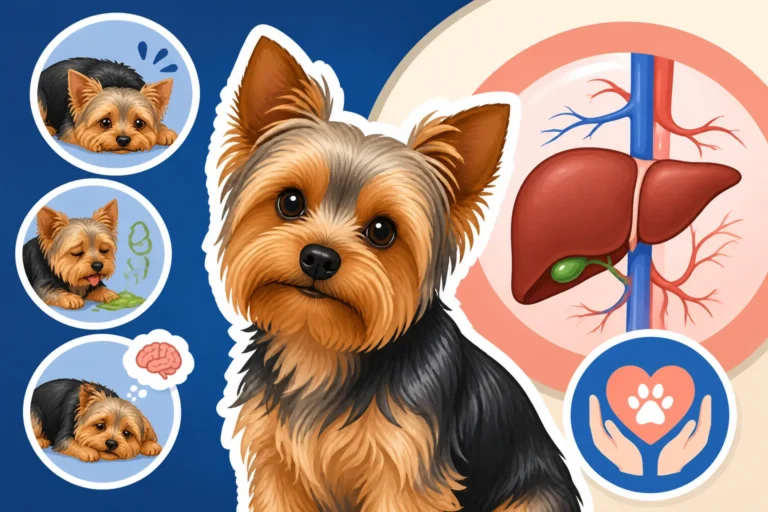
These diagnostic steps are crucial for ruling out more serious conditions that might manifest with symptoms similar to reverse sneezing. Conditions like Yorkshire Terrier Liver Shunt: Signs and Care or Yorkshire Terrier Portosystemic Shunt: Signs and Care are complex and require specialized veterinary attention, though they don't directly cause reverse sneezing, it highlights the importance of thorough diagnostics when something doesn't seem right. Working closely with your vet to follow through on recommended diagnostics and treatments is the best way to ensure your Yorkie receives the precise care they need.
Disclaimer
This article is intended for informational purposes only and does not constitute medical advice. Always consult with a qualified veterinarian for any health concerns or before making any decisions about your pet's health or treatment.