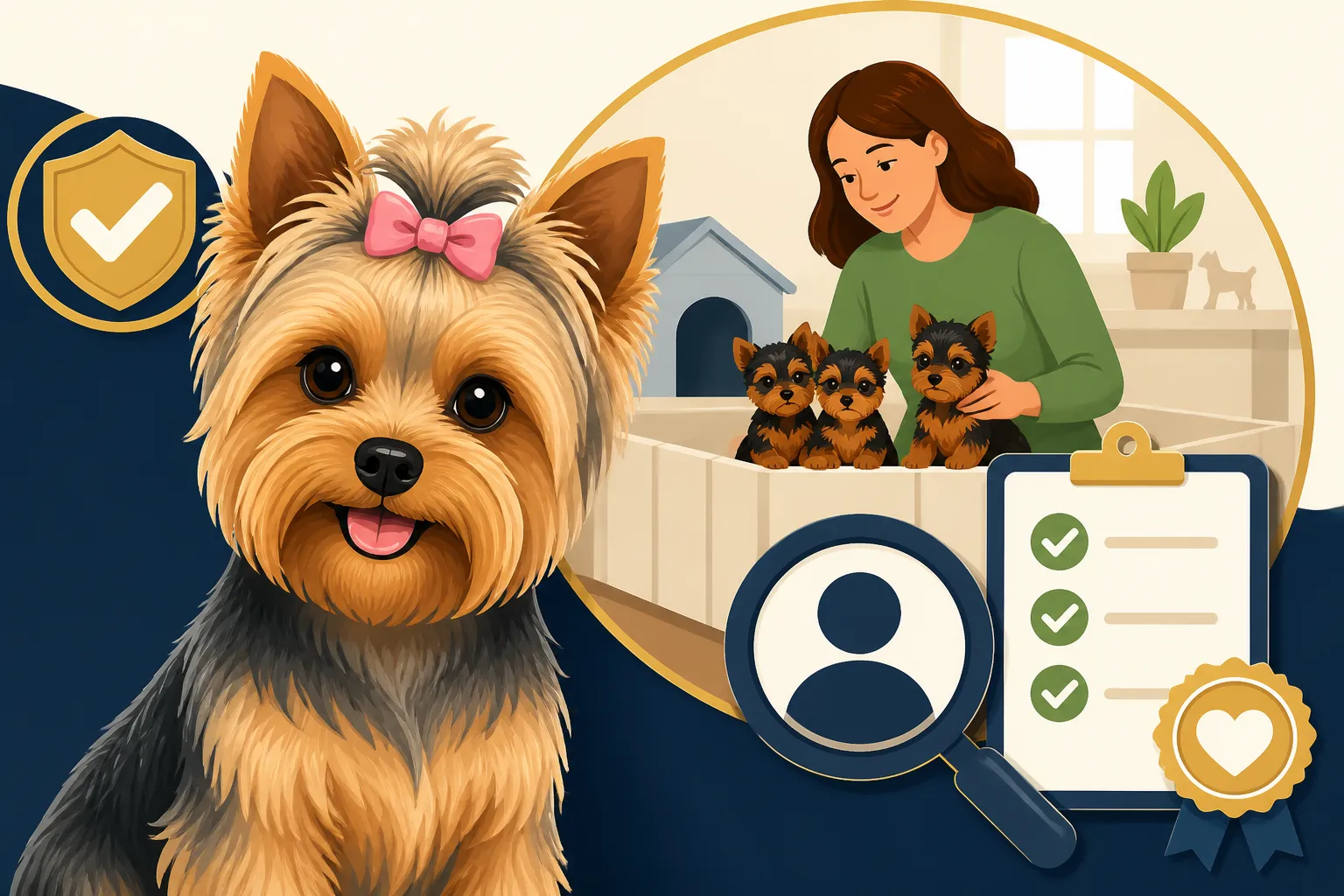
How to Find a Reputable Yorkie Breeder
Bringing a new Yorkshire Terrier into your life is an incredibly exciting prospect, but the journey to finding the right furry companion can feel like navigating a minefield. Many aspiring Yorkie parents express genuine worry about puppy mills, dishonest sellers, and ending up with a sick puppy or one with serious behavioral issues. This comprehensive guide is designed to empower you with the knowledge and confidence needed to identify and connect with a truly reputable Yorkie breeder, ensuring a healthy, happy start for your new family member.
Why a Reputable Yorkie Breeder Makes All the Difference
It's tempting to jump at the first cute puppy you see, especially when those tiny Yorkie faces are so irresistible. However, the choice of breeder is perhaps the most critical decision you'll make, impacting your Yorkie's health, temperament, and your own experience for years to come. A reputable breeder isn't just selling a puppy; they're investing their life into the well-being and future of the breed.
The Health and Longevity Connection
One of the biggest heartbreaks for any dog owner is dealing with a chronically ill pet, and unfortunately, many of these issues can be traced back to irresponsible breeding practices. Yorkshire Terriers, like all purebreds, are prone to certain genetic health problems. These can range from common ailments like Yorkshire Terrier Patellar Luxation: Signs and Care or Yorkshire Terrier Dental Disease: Signs and Care to more severe conditions such as Yorkshire Terrier Collapsing Trachea: Signs and Care or Yorkshire Terrier Liver Shunt: Signs and Care. A reputable breeder understands these risks intimately and takes proactive steps to minimize them.
They meticulously screen their breeding dogs for known genetic conditions, often performing DNA tests and evaluations like OFA (Orthopedic Foundation for Animals) certifications for knees, and vet checks for liver shunts and eye conditions. They won't breed dogs that show signs of hereditary issues, even if it means retiring a beloved pet from their breeding program. This commitment isn't just about adhering to standards; it's about preventing suffering and ensuring that the puppies they produce have the best possible chance at a long, healthy life. Choosing a puppy from a breeder who ignores these crucial steps significantly increases your risk of facing expensive vet bills and emotional distress down the line, as your beloved Yorkie might develop one of the Yorkshire Terrier Health Problems to Know early in life.
Ensuring Good Temperament and Socialization
Beyond physical health, a puppy's early environment and the temperament of its parents play a monumental role in shaping its future personality. A well-bred Yorkie should be confident, curious, and affectionate, but also possess the characteristic terrier spunk without being overly aggressive or timid. Irresponsible breeders often neglect early socialization, leading to puppies who are fearful, anxious, or prone to behavioral issues like excessive barking or nipping. These are the kinds of issues that can turn the joy of pet ownership into a constant struggle.
A reputable breeder starts socialization from day one. Puppies are raised in a stimulating home environment, exposed to various sights, sounds, textures, and people. They might have supervised interactions with respectful children, other well-behaved adult dogs, and different household noises like vacuum cleaners or doorbells. This early exposure helps them develop into resilient, well-adjusted adults who can adapt to new situations and integrate smoothly into their new homes. They understand that a puppy's Yorkshire Terrier Temperament and Personality is a blend of nature and nurture, and they strive to provide the best of both.
Lifelong Support and Resources
Imagine bringing home your new Yorkie puppy, brimming with questions about feeding, training, or grooming. With a reputable breeder, you're not left alone to figure it out. They typically offer ongoing support, acting as a valuable resource throughout your dog's life. This could mean a quick phone call about a training tip, advice on grooming, or even support if you ever find yourself unable to care for your Yorkie due to unforeseen circumstances.
They genuinely care about every puppy they bring into the world and want to ensure they thrive. This kind of relationship is invaluable, especially for first-time Yorkie owners. In contrast, breeders focused solely on profit often disappear once the sale is made, leaving you without a safety net or expert guidance. This long-term commitment is a hallmark of someone truly dedicated to their dogs and their reputation, providing peace of mind far beyond the initial transaction.
Hallmarks of an Ethical Yorkshire Terrier Breeder
So, what exactly sets a truly reputable Yorkie breeder apart from the rest? It boils down to a profound commitment to the health, welfare, and preservation of the breed, combined with transparent and ethical practices. They view breeding as a responsibility, not merely a business.
Commitment to Health Screening and Genetic Testing
This is non-negotiable for a responsible breeder. They don't just say their dogs are healthy; they prove it. For Yorkshire Terriers, this typically involves several key screenings:
- Patellar Luxation: Yorkies are notoriously susceptible to knee issues. Reputable breeders will have their breeding dogs' knees examined by a veterinarian and often submit results to the Orthopedic Foundation for Animals (OFA) for certification. You should ask to see OFA certificates for both parents.
- Liver Shunt (Portosystemic Shunt): This is a serious congenital condition where blood bypasses the liver. Reputable breeders may perform bile acid tests or ammonia tolerance tests on their breeding dogs to screen for this. While not always completely preventable through screening, good breeders are acutely aware of this risk and will monitor puppies closely. You can read more about Yorkshire Terrier Liver Shunt: Signs and Care.
- Eye Examinations: Annual eye exams by a board-certified veterinary ophthalmologist are crucial to screen for hereditary eye conditions like juvenile cataracts or Progressive Retinal Atrophy. Results are often registered with the Canine Eye Registry Foundation (CERF) or OFA.
- Dental Health: While not a genetic test in the same way, a reputable breeder will prioritize the dental health of their breeding dogs and advise you on proper Yorkie Dental Disease Prevention for your puppy, as Yorkies are highly prone to dental issues.
An ethical breeder will openly discuss these health concerns, provide copies of all health clearances for both parent dogs, and be knowledgeable about the Common Yorkshire Terrier Genetic Conditions that can affect the breed. If a breeder brushes off health testing or claims their dogs are "just naturally healthy" without evidence, consider it a major red flag.
Transparency and Open Communication
A good breeder isn't just selling you a puppy; they're essentially interviewing you to ensure their puppy goes to a good home. Expect them to ask you plenty of questions about your living situation, your experience with dogs, your family, and your lifestyle. This isn't intrusive; it shows they care deeply about their puppies' future welfare. In return, they should be an open book.
They will welcome your questions, no matter how many you have. They'll be transparent about their breeding philosophy, how their puppies are raised, and the history of their breeding lines. They should be willing to share vet records, vaccination schedules, pedigrees, and health clearances for the parents. They should also be happy to let you visit their home (not a separate facility or public meeting spot) to meet the mother dog and see the puppies in their actual environment. This provides an invaluable insight into the conditions in which your puppy is being raised and allows you to observe the mother's temperament firsthand.
Dedication to the Breed Standard and Welfare
Reputable breeders are passionate about the Yorkshire Terrier breed itself, not just about producing puppies. Their goal is to improve the breed, focusing on health, temperament, and adherence to the breed standard set by organizations like the American Kennel Club (AKC). This dedication means:
- Limited Breeding: They won't have multiple litters available all the time. Quality breeding takes time, effort, and careful planning. Most responsible breeders will have only one or two litters a year, or even less frequently.
- Age-Appropriate Breeding: They won't breed a female dog before she is mature enough (typically around two years old) or after she is too old, ensuring her health and the health of her puppies. They also give their females ample recovery time between litters.
- Home Environment: Puppies are raised in a clean, safe, and stimulating home environment, not in outdoor kennels or separate facilities. This early exposure to household sights and sounds is crucial for their development and socialization.
- Take-Back Clause: Many reputable breeders include a clause in their contract stating that if, for any reason, you can no longer care for the dog at any point in its life, it must be returned to them. This demonstrates their lifelong commitment to the dogs they breed, preventing them from ending up in shelters.
This commitment extends to their own knowledge and involvement in the dog community. They often participate in dog shows, obedience trials, or breed-specific events, constantly learning and striving to produce the best possible representations of the Yorkshire Terrier.
Where to Begin Your Search for a Yorkie Breeder
Starting your search can feel overwhelming, but there are several excellent, trustworthy avenues to explore that can significantly narrow down your options and steer you towards reputable sources.
The American Kennel Club (AKC) Marketplace
The AKC is often considered a gold standard for purebred dog registration, and their online "Marketplace" is a valuable resource for finding breeders. Breeders listed on the AKC Marketplace typically register their litters and parent dogs with the AKC. Many also participate in the AKC's Bred With H.E.A.R.T. program, which stands for Health, Education, Accountability, Responsibility, and Tradition. This program encourages health testing and responsible breeding practices.
However, it’s crucial to understand that simply being AKC registered does not automatically guarantee a breeder is reputable. It's a good starting point, as it indicates a certain level of commitment, but you still need to do your own thorough vetting. Use the AKC Marketplace to find potential breeders in your area, and then apply all the other criteria in this guide to assess their quality. Don't be shy about asking if they are part of the Bred With H.E.A.R.T. program and what that entails for their specific breeding practices.
Yorkshire Terrier Breed Clubs and Associations
National and local breed clubs are often the best-kept secrets for finding truly dedicated breeders. The Yorkshire Terrier Club of America (YTCA) is the national parent club for the breed and an excellent resource. These clubs are typically comprised of passionate enthusiasts who are deeply committed to the health, welfare, and preservation of the breed standard. They often have strict codes of ethics that their members must adhere to, covering everything from health testing to proper puppy care.
Many breed clubs maintain a breeder directory or offer a breeder referral service. When you contact them, they can provide a list of members who have litters planned or available, and they often serve as a fantastic source of education about the breed. These breeders are often mentors to each other and are more focused on preserving the breed's integrity than on quick sales. You might have to wait for a puppy from a breed club member, but the wait is usually worth it for the quality and peace of mind.
Veterinary Referrals and Personal Recommendations
Never underestimate the power of word-of-mouth! Your local veterinarian might be an excellent source for breeder recommendations. Vets often see the puppies and adult dogs produced by various breeders in their area and can give you an honest assessment of their experiences with those animals' health and temperament. They can also provide insight into which breeders consistently produce healthy, well-adjusted dogs. This is a great way to start if you're not sure How to Choose a Vet for a Yorkie yet.
Additionally, if you know other happy Yorkie owners, ask them where they got their dogs. A glowing recommendation from a satisfied owner, especially one who has maintained a relationship with their breeder, speaks volumes. However, even with a personal recommendation, it's vital to still conduct your own research and ask all the necessary questions. What worked well for one person might not align perfectly with your expectations, so always verify the breeder's practices for yourself.
Red Flags and Warning Signs to Watch Out For
While knowing what a reputable breeder looks like is important, recognizing the red flags of an irresponsible breeder or a puppy mill is equally critical. Avoiding these pitfalls can save you from heartbreak, significant financial strain, and ethical compromises.
Lack of Transparency and Evasiveness
This is perhaps the biggest red flag. A breeder who is unwilling to be completely open and honest about their practices, their dogs, or their facility should be avoided at all costs.
- No Home Visits: If a breeder insists on meeting you in a public place like a park, a highway rest stop, or won't allow you to visit their home where the puppies are raised, this is a huge warning sign. They are likely hiding something about the living conditions or the health of their dogs. You should always be able to see the puppies in their actual environment and interact with the mother dog.
- Refusal to Show Parents: A responsible breeder will gladly introduce you to the mother dog, and often the father if he lives on-site. They want you to see the temperament and condition of the parents. If they make excuses, claim the parents aren't available, or only show you photos, be wary.
- Vague Health Information: If a breeder is evasive about health testing, can't produce official health certificates (like OFA clearances), or dismisses genetic conditions as "rare" or "not a problem with my dogs," they are likely not performing proper screenings. This puts your future puppy at significant risk of inheriting health issues.
- Pressure Sales Tactics: Watch out for breeders who pressure you to make a quick decision, demand cash-only payments, or tell you there are many other buyers waiting. Reputable breeders want to ensure a good match and will take their time.
Suspicious Breeding Practices
Certain practices immediately indicate an irresponsible operation, often bordering on or being outright puppy mills.
- "Always Available" Puppies or Multiple Breeds: A responsible breeder plans litters carefully. If a breeder always has multiple puppies of various breeds available, or boasts about having puppies ready year-round, it’s a strong indicator of a high-volume, profit-driven operation rather than a welfare-focused one. This is characteristic of a puppy mill.
- Marketing "Teacup" or "Micro" Yorkies: While Yorkies are small dogs, the terms "teacup" or "micro" are often used by unscrupulous breeders to market unusually tiny dogs, often bred from undersized or unhealthy parents, or even runts of litters. These extremely small Yorkies are at a much higher risk for severe health problems like hypoglycemia, fragile bones, and organ issues. A reputable breeder will focus on healthy, breed-standard sized Yorkies, typically ranging from 4-7 pounds.
- Pet Stores or Online Brokers: Never buy a puppy from a pet store. Almost all pet store puppies come from puppy mills, even if the store claims otherwise. Similarly, online brokers or websites that act as middlemen for multiple breeders without allowing you direct contact and a visit are incredibly risky. You'll be missing crucial information about the puppy's origins and early life, and the puppy is more likely to have issues that could lead to Yorkie Emergency Symptoms to Never Ignore. When puppies come from these sources, the Cost of Owning a Yorkshire Terrier Per Month can skyrocket due to unexpected veterinary bills.
Price-Driven Transactions Over Welfare
While Yorkies can be expensive, a reputable breeder's priority is always the well-being of their dogs, not making a quick buck.
- Unusually Low Prices: If a Yorkie puppy is advertised for a price significantly lower than the average market rate (which can vary, but generally expect reputable breeders to charge a premium due to their investment in health, care, and quality), it's a huge warning sign. This often means corners have been cut on health testing, proper nutrition, vet care for the parents, or raising the puppies in a clean, stimulating environment.
- No Contract or Health Guarantee: A reputable breeder will always provide a detailed written contract and a health guarantee, outlining their responsibilities and yours. This typically covers genetic health conditions for a certain period. If a breeder is unwilling to provide these documents, walk away. This also relates to understanding a good Yorkshire Terrier Health Guarantee Explained.
- No Interest in Your Home: If a breeder doesn't ask you any questions about your lifestyle, your living situation, or your ability to care for a Yorkie, it suggests they don't care where their puppies end up, only that they get paid. This is a clear sign that they are not invested in the puppy's long-term welfare.
Essential Questions to Ask a Prospective Yorkie Breeder
Once you've found a potential breeder that seems promising, it's time to put on your investigative hat. Asking the right questions is crucial for truly understanding their practices and ensuring they meet your standards. Don't be afraid to be thorough; a good breeder will appreciate your diligence.
Health and Genetic Background Inquiries
These questions go directly to the core of a breeder's responsibility to produce healthy puppies.
- "Can I see the health clearances for both parent dogs?" Specifically ask for proof of OFA certifications for patellas, any liver shunt test results, and current CERF eye exam certificates. A reputable breeder will have these readily available, not just say "they're healthy."
- "Are there any known health issues in the lineage of the parent dogs?" Even with clearances, some issues might exist further back. An honest breeder will be transparent about this. Discuss specific Yorkie health concerns like tracheal collapse or hypoglycemia. You might ask about the prevalence of Yorkshire Terrier Collapsing Trachea: Signs and Care in their lines.
- "What is your health guarantee, and what does it cover?" Understand the terms of their guarantee. Does it cover only life-threatening genetic conditions, or a broader range? For how long? What happens if a puppy develops an issue?
- "When was the mother's last litter, and how many litters has she had?" Reputable breeders will space out litters to allow the mother to fully recover, typically no more than once a year, and usually limit the total number of litters a female has in her lifetime.
- "What veterinarian do you use?" A good breeder will have a strong, long-standing relationship with a local vet. They should be willing to provide their vet's contact information (though the vet might not be able to share specific patient details without client consent).
Puppy Rearing and Socialization Questions
These questions will help you understand how your puppy has been raised and what kind of foundation it has received.
- "Where are the puppies raised?" The answer should be "in our home," not a separate kennel, garage, or outdoor shed. This ensures they are exposed to normal household noises and activity.
- "How do you socialize your puppies?" Listen for details about exposure to different people (including children, if applicable), other friendly animals, various sounds, and different textures. Are they handled daily? Do they have age-appropriate toys and experiences?
- "What kind of early training have the puppies received?" Even young puppies can begin basic concepts. Have they started crate exposure? Are they introduced to potty pads or outdoor potty training? Have they started to learn bite inhibition?
- "What food are the puppies currently eating?" This is important for a smooth transition. A breeder should provide you with a small bag of their current food or recommend where to purchase it. Many reputable breeders will recommend high-quality kibble (like Royal Canin's breed-specific formulas for Yorkies, available at Chewy) or even a fresh food option (like Ollie).
- "What is the vaccination and deworming schedule for the puppies?" They should provide documentation of age-appropriate vaccinations and deworming. Your puppy should be at least 8 weeks old, and ideally 10-12 weeks old, before coming home.
Breeder Support and Contractual Agreements
These questions clarify the breeder's ongoing commitment and the legal aspects of your purchase.
- "What kind of support do you offer after I take my puppy home?" A good breeder will offer lifelong support for questions about health, behavior, and care. They should be a mentor and resource.
- "What is included in the puppy packet I'll receive?" Expect to receive vaccination records, deworming records, a health guarantee, AKC registration papers (or information on how to register), feeding instructions, and potentially a small supply of food or a familiar toy. See if they provide a Yorkshire Terrier Puppy Buying Checklist of things to get.
- "Do you have a take-back policy if I am ever unable to keep the dog?" As mentioned, a reputable breeder will insist on the dog being returned to them, no questions asked, rather than ending up in a shelter.
- "Can I speak with previous puppy buyers?" While not all breeders provide this, some are happy to offer references from past clients who can speak to their experience.
Remember, a good breeder will also have questions for you. Be prepared to talk about your home, your lifestyle, and your understanding of the commitment involved in owning a Yorkie.
The Breeder Interview: What to Expect and How to Prepare
Finding a reputable Yorkie breeder isn't a one-sided interview; it's a mutual assessment. Just as you are scrutinizing the breeder, they will be assessing you as a potential guardian for one of their beloved puppies. This process is a sign of a truly dedicated individual.
Why Breeders Vet Prospective Owners
It might feel a bit like a job interview, but understand that this "vetting" process comes from a place of deep care and responsibility. Reputable breeders invest an immense amount of time, effort, and emotion into their puppies. They want to ensure their puppies go to homes where they will be cherished, properly cared for, and live a full, happy life. They often know each puppy's personality intimately and try to match them with the most suitable family.
Expect to be asked about your living situation (apartment vs. house, yard access), your work schedule (how long will the puppy be left alone?), your experience with dogs, especially toy breeds, and your family dynamics (do you have young children, other pets?). They might inquire about your plans for training, grooming, and veterinary care, as well as your understanding of the Yorkshire Terrier Exercise Needs and intellectual stimulation a Yorkie requires. Be honest and open. This is their way of safeguarding their puppies and ensuring a successful placement. They are looking for genuine commitment and an understanding of the responsibilities involved.
Visiting the Breeder and Meeting the Parents
If a breeder passes your initial phone screening, the next crucial step is an in-person visit. This is where you gather invaluable firsthand impressions.
- Observe the Environment: Is the breeder's home clean, safe, and free from overwhelming odors? Are the puppies kept in a dedicated area, or integrated into family life? Look for signs of good hygiene and proper care. Are food and water bowls clean? Do the puppies have toys and opportunities for play? A chaotic or unsanitary environment is a major red flag.
- Meet the Mother Dog: This is paramount. The mother's temperament is a strong indicator of what the puppies' adult personalities might be like. She should be friendly, calm, and attentive to her puppies, not fearful, aggressive, or overly withdrawn. Observe her health and physical condition – is she well-fed, clean, and healthy-looking? If the mother is not available or seems unhealthy, reconsider.
- Interact with the Puppies: Observe how the puppies interact with each other and with you. Are they curious and playful? Do they seem healthy and energetic? Look for clear eyes, clean noses, and healthy coats. Avoid puppies that are extremely timid, overly aggressive, or lethargic, as these could be signs of poor health or inadequate socialization. Pay attention to how the breeder interacts with them; it should be loving and gentle.
Remember to resist the urge to immediately pick the "cutest" or most boisterous puppy. A good breeder will help guide you toward a puppy whose temperament best suits your lifestyle.
Understanding the Purchase Agreement and Health Guarantee
Before any money changes hands, you should receive and thoroughly review a written purchase agreement and a health guarantee. Do not feel rushed or pressured to sign anything you don't fully understand.
- The Contract: This document should clearly outline the terms of the sale, including the puppy's identifying information (breed, birthdate, sex, microchip number), the purchase price, and any conditions (e.g., spay/neuter agreement if purchasing a pet-quality puppy). It should also detail the breeder's responsibilities and yours.
- Health Guarantee: This is critical. A reputable breeder will offer a guarantee against life-threatening genetic defects for a specified period (e.g., one or two years). Understand what conditions are covered, what steps you need to take (e.g., a vet exam within a certain number of days), and what recourse you have if an issue arises (e.g., full refund, replacement puppy). Make sure this is in writing and clearly understood, as it protects both you and the breeder. This is distinct from general pet insurance from companies like Healthy Paws, which covers unforeseen accidents and illnesses once you own the dog, but a good health guarantee provides peace of mind regarding the initial health status.
- Spay/Neuter Clause: If you are buying a "pet quality" puppy, the contract will almost certainly include a clause requiring you to spay or neuter your Yorkie by a certain age and provide proof to the breeder. This is a common practice among responsible breeders to prevent indiscriminate breeding.
- Microchipping and Registration: Discuss whether the puppy will be microchipped before you take them home, and who is responsible for registering the chip and the AKC registration.
Never proceed with a purchase if the breeder is unwilling to provide a clear, comprehensive contract and health guarantee. These documents are a testament to their commitment and professionalism.
Bringing Your Yorkie Home: Beyond the Purchase
The work of a reputable breeder extends well past the moment you pick up your new puppy. They lay the groundwork, but the next steps are yours, building on that foundation to ensure a smooth transition and a lifetime of happiness for your Yorkie.
Preparing for Your Puppy's Arrival
Bringing a new puppy home is a big deal, and being prepared makes all the difference for both of you. A good breeder will often provide a Yorkshire Terrier Puppy Buying Checklist or advise you on what you'll need.
- Puppy-Proof Your Home: Yorkies are tiny and curious. Get down on their level to spot potential hazards. Secure electrical cords, remove small items they could swallow, and block off stairs or areas where they could get trapped or hurt.
- Gather Supplies: You'll need a crate (appropriate size for a Yorkie, with room to grow), food and water bowls, a comfortable bed, safe toys (avoid anything too small they could swallow), grooming tools (brush, nail clippers), and cleaning supplies for accidents. Brands like Chewy are excellent for finding all these essentials, including high-quality puppy food that matches what your breeder was feeding. If you're interested in fresh food, consider looking into options like Ollie.
- Establish a Vet Relationship: Before your puppy even comes home, research and choose a veterinarian. Ideally, choose one recommended by your breeder or another trusted Yorkie owner. Schedule an initial check-up within the first few days of bringing your puppy home, as often required by the breeder's health guarantee. This is a critical step in How to Choose a Vet for a Yorkie and establishing a lifetime of care.
- Understand Initial Vet Care: Your breeder will provide a vaccination and deworming schedule. Make sure to follow up with your vet for the remaining shots and any other necessary preventative care. Also, discuss options for flea, tick, and heartworm prevention.
Continued Support and Community Involvement
Your relationship with a reputable breeder doesn't end when you leave with your puppy. They become a valuable, lifelong resource.
- Stay in Touch: Don't hesitate to reach out to your breeder with questions or updates. They genuinely love to hear how their puppies are doing and can offer specific advice based on their extensive experience with the breed and their particular lines. Many breeders even enjoy receiving photos and occasional updates from their puppy families.
- Join Yorkie Communities: Connect with other Yorkie owners! Online forums, local breed meet-ups, or social media groups can be fantastic resources for sharing experiences, asking questions, and getting advice from people who truly understand the unique joys and challenges of owning a Yorkshire Terrier.
- Consider Pet Insurance: Even with a healthy, well-bred puppy, unforeseen accidents or illnesses can happen. Pet insurance, from providers like Healthy Paws, can provide financial peace of mind, covering a significant portion of unexpected veterinary costs. It's a smart investment, especially given the potential for minor injuries in such a small, active breed. This extra layer of security can help you focus on your Yorkie’s well-being without stressing over every vet bill.
By carefully selecting a reputable breeder and preparing for your new arrival, you are setting the stage for a loving, healthy, and enriching relationship with your Yorkshire Terrier. It’s a journey that takes patience and diligence, but the reward of a well-adjusted, healthy companion is immeasurable.
| Feature | Reputable Breeder | Unreputable Breeder / Puppy Mill |
|---|---|---|
| Primary Motivation | Improve breed health, temperament, and standard | Profit |
| Health Testing | Extensive genetic health testing (OFA, CERF, bile acids) for both parents; proof provided | Minimal or no health testing; claims dogs are "just healthy" without proof |
| Transparency | Welcomes home visits; shows mother (and often father); provides vet records & clearances | Avoids visits; meets in public; makes excuses about seeing parents; vague on health |
| Environment | Puppies raised in a clean, stimulating home environment | Puppies raised in kennels, unsanitary, or isolated conditions |
| Socialization | Actively socializes puppies to sights, sounds, people, pets from birth | Minimal or no socialization; puppies may be fearful or undersocialized |
| Support | Offers lifelong support; take-back policy; acts as a resource | Little to no support after sale; no take-back policy |
| Contract/Guarantee | Provides detailed written contract and health guarantee | No contract or vague oral promises |
| Breeding Practices | Limited, planned litters; breeds specific age; focuses on breed standard | Frequent litters; breeds too young/old; multiple breeds; markets "teacups" |
| Questions for Buyer | Asks many questions about your home, lifestyle, experience | Asks few or no questions, mainly focused on payment |
| Price | Reflects investment in health, care, quality; fair market value | Often unusually low (red flag) or extremely high for "rare" qualities |
| Availability | May have waiting lists; puppies not always available | Puppies always available; pressure to buy quickly |
Disclaimer
The information provided in this guide is for general informational purposes only and does not constitute professional veterinary advice. Always consult with a qualified veterinarian regarding any health concerns or before making any decisions about your pet's care.